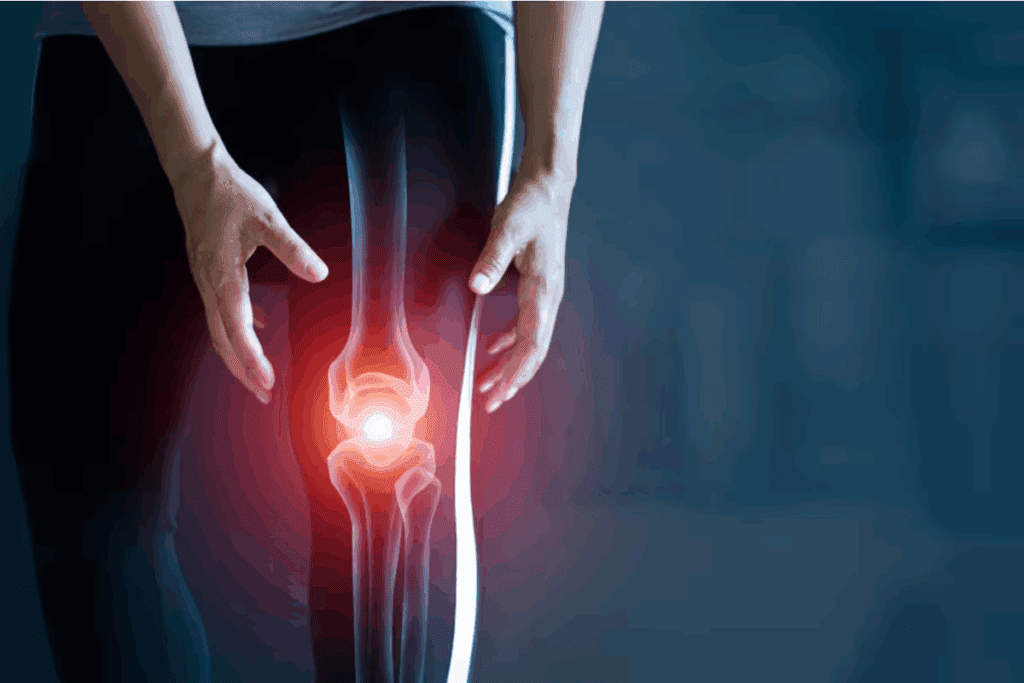
Osteoporosis is a big problem worldwide, making bones weak and easy to break. A scary fact is that 1 in 2 women over 50 will get an osteoporotic fracture in their life. This shows how important it is to take steps to prevent it.
To keep bones strong, you need to exercise regularly and eat well. Some fruits are very good for your bones. Adding the right fruits to your meals can help make your bones stronger.
Key Takeaways
- Eating the right fruits can help strengthen bones.
- A balanced diet is key to preventing osteoporosis.
- Certain nutrients in fruits boost bone density.
- Adding specific fruits to your diet can lower fracture risk.
- A healthy lifestyle, including diet and exercise, is essential for bone health.
The Science Behind Bone Health and Nutrition
Keeping bones healthy is all about knowing how they grow, get stronger, and weaken. It’s a complex mix of what we eat and how we live.
How Bones Develop, Strengthen, and Deteriorate
Bones are always changing, thanks to special cells called osteoblasts and osteoclasts. When we’re young, these cells help bones grow and get stronger. But as we get older, the balance changes, and bones can start to lose density.
Genetics, hormones, exercise, and diet all affect bone health. Knowing this helps us keep our bones strong and prevent diseases like osteoporosis, says Zhou H et al (2022).
- Genetics influence how strong our bones can be.
- Hormonal shifts, like during menopause, can weaken bones.
- Exercising, like running or weightlifting, helps bones grow.
- What we eat gives bones the nutrients they need.
The Role of Diet in Maintaining Bone Density
Our diet is key to keeping bones healthy. Foods high in calcium, vitamin D, and minerals are vital. Eating a variety of nutrient-rich foods helps bones stay strong and lowers osteoporosis risk.
Important foods for bone health include:
- Calcium: It’s essential for bone structure.
- Vitamin D: Helps bones absorb calcium.
- Protein: Needed for bone matrix formation.
- Magnesium and potassium: Help with bone mineralization.
By grasping the science of bone health and nutrition, we can choose better foods and habits. This supports strong bones for life.
Essential Nutrients for Building Strong Bones
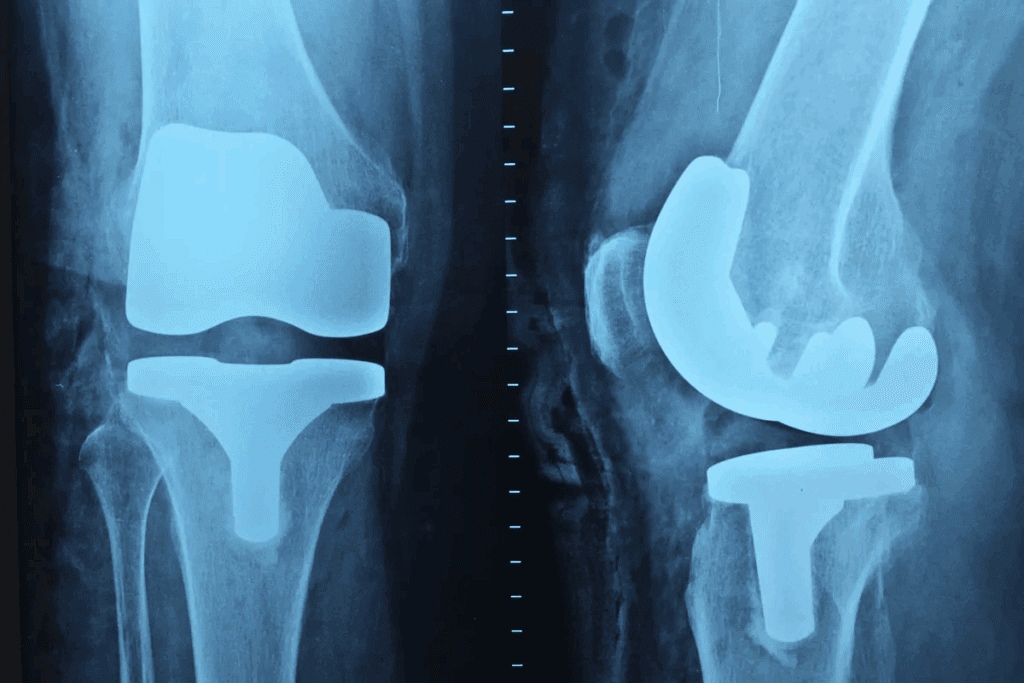
Building strong bones needs a mix of key nutrients. These nutrients help keep bones dense and healthy. Without them, bones can weaken and osteoporosis risk goes up.
Calcium: The Foundation of Bone Structure
Calcium is key for strong bones. It’s the most common mineral in our bodies. Foods rich in calcium are vital for bone health. They give bones the needed building blocks.
Dairy, leafy greens, and some calcium-fortified foods are great sources.
Vitamin D, K, and Magnesium: Critical Co-factors
Calcium is important, but not the only one. Vitamin D helps the body use calcium better. Vitamin K helps with bone health by regulating bone metabolism.
Magnesium is also key. It helps with bone density and calcium use.
Potassium and Its Role in Preserving Bone Mineral Density
Potassium is important for bone health too. It helps keep calcium in bones by fighting off acids. Foods like bananas, prunes, and leafy greens are good sources.
Research shows a balanced diet is key for bone health. It should include many nutrient-rich foods.
Top Calcium-Rich Fruits for Stronger Bones
Eating fruits can help boost your calcium intake. This is a tasty way to support bone health and may lower osteoporosis risk. Many fruits are rich in calcium, not just dairy products.
Figs: Nature’s Calcium Powerhouse
Figs are packed with calcium, making them one of the best fruits for bone strength and density. Dried figs are even more concentrated. Just a few can meet a lot of your daily calcium needs.
Oranges and Other Citrus Fruits
Oranges, grapefruits, and lemons are not just full of vitamin C. They also have calcium. Adding these fruits to your diet can boost bone health. Their calcium and water content make them a refreshing snack.
Kiwi Fruit: Small Size, Big Bone Benefits
Kiwi fruits add to your calcium intake, even if it’s less than figs. They’re also rich in vitamin C, which helps bones. Kiwi is a great addition to a diet focused on bone health.
Adding these calcium-rich fruits to your meals can help keep your bones strong. It may also lower the risk of bone diseases.
Berries: Antioxidant Champions for Bone Protection
Berries are not just tasty; they’re also full of antioxidants. These antioxidants help keep bones strong. So, berries are a great choice for bone health.
Fighting Oxidative Stress with Blueberries
Blueberries are great at fighting oxidative stress in bones. Studies show their antioxidants can help protect bones. This might lower the risk of osteoporosis and fractures.
The anthocyanins in blueberries are key for bone health. They reduce oxidative stress and may help bones grow stronger.
Vitamin C in Strawberries: Essential for Collagen Formation
Strawberries are good for bones because of their vitamin C. Vitamin C is important for making collagen. Collagen gives bones, skin, and connective tissue their structure.
Good collagen production is key for strong bones. Eating strawberries can help support this process. It might improve bone health.
Blackberries and Raspberries: Rich in Bone-Friendly Phytonutrients
Blackberries and raspberries are also good for bones. They have anthocyanins and ellagic acid. These nutrients are anti-inflammatory and antioxidant.
| Berry Type | Key Nutrients | Benefits for Bone Health |
| Blueberries | Anthocyanins, Antioxidants | Reduces oxidative stress, promotes bone formation |
| Strawberries | Vitamin C | Supports collagen formation, improves bone density |
| Blackberries and Raspberries | Anthocyanins, Ellagic Acid | Anti-inflammatory and antioxidant effects |
Eating different berries can help bones a lot. Each berry type has its own benefits. Knowing these can help support bone health.
Potassium-Rich Fruits That Prevent Calcium Loss
Potassium is key for bone health, helping prevent calcium loss. Some fruits are packed with this mineral. Eating these fruits can help keep bones strong and fight osteoporosis.
Bananas: Are They Good for Osteoporosis?
Bananas are easy to find and cheap. They’re rich in potassium. This helps keep the body’s acid-base balance right for bones.
Potassium reduces blood acidity, which helps keep calcium in bones. Adding bananas to your diet is easy. Just have one as a snack or mix it into cereal or smoothies.
Prunes: Research-Backed Benefits for Bone Density
Prunes, or dried plums, are good for bones. Studies show they boost bone density. They’re full of potassium and other nutrients.
A 2022 study found prunes help bone health. They reduce bone breakdown and boost formation. Adding prunes to your diet can be a tasty way to support bones.
Avocados: Healthy Fats and Potassium for Bone Health
Avocados are a fruit, not a veggie. They’re a great source of potassium. They also have healthy fats good for bones.
The potassium in avocados keeps blood pressure healthy. It also helps prevent calcium loss. Avocados have other nutrients and antioxidants for overall health.
Eating these potassium-rich fruits is tasty and good for bones. By knowing potassium’s role and eating bananas, prunes, and avocados, you can help keep bones strong. This reduces osteoporosis risk.
Vitamin K-Rich Fruits for Bone Mineralization
Vitamin K is key for strong bones, and some fruits are packed with it. It helps bones by turning on proteins that build bone (Noh JY et al, 2020). Eating these fruits can help keep your bones strong.
Kiwi, Blueberries, and Other Vitamin K Sources
Fruits like kiwi and blueberries are tasty and full of vitamin K. Kiwi, for example, is a top source of vitamin K, which is good for bones. Other fruits, like some berries, are also rich in vitamin K. You can add them to smoothies or use them as toppings for oatmeal or yogurt.
How Vitamin K Activates Bone-Forming Proteins
Vitamin K helps bones by turning on osteocalcin, a bone protein. Osteocalcin is vital for bone growth, and vitamin K makes sure it works right. This shows why we need enough vitamin K to keep bones strong and prevent osteoporosis.
Food to Eat to Combat Osteoporosis: Beyond Fruits
There are many foods beyond fruits that can help strengthen bones and fight osteoporosis. Eating a variety of nutrient-rich foods is key to keeping bones strong and healthy.
Dairy and Plant-Based Calcium Sources
Calcium is vital for bone health. Dairy products like milk, cheese, and yogurt are full of calcium. Some brands even add more calcium and vitamin D to these products.
Plant-based foods like kale, broccoli, and bok choy are also great sources of calcium. They also have other nutrients that help bones. Fortified plant-based milk and cereals are good options for vegans.
Some top plant-based calcium sources include:
- Leafy Greens: Kale, collard greens, and bok choy are high in calcium.
- Fortified Foods: Many plant-based milks, cereals, and orange juices are fortified with calcium.
- Nuts and Seeds: Almonds, sesame seeds, and chia seeds are good sources of calcium.
Protein-Rich Foods for Bone Matrix Development
Protein is important for bone health. It helps build the bone matrix. Eating enough protein is key to keeping bones strong.
Good sources of protein include lean meats, fish, eggs, dairy, legumes, and nuts. It’s best to eat a variety to get all the amino acids needed for bone health.
Examples of protein-rich foods that support bone health include:
- Lean Meats: Chicken, turkey, and lean cuts of beef.
- Fish: Salmon, tuna, and mackerel, which are also rich in omega-3 fatty acids.
- Legumes: Lentils, chickpeas, and black beans are high in protein and fiber.
Omega-3 Fatty Acids and Their Impact on Bone Health
Omega-3 fatty acids, found in fatty fish, support bone health. They reduce inflammation and help bones grow. Omega-3s help keep bones dense and may lower osteoporosis risk.
Other omega-3 sources include flaxseeds, chia seeds, and walnuts. These contain ALA, which the body converts to EPA and DHA.
Eating foods rich in omega-3s is easy. Just:
- Consuming Fatty Fish: Aim for at least two servings of fatty fish like salmon or mackerel per week.
- Adding Nuts and Seeds: Sprinkle flaxseeds or chia seeds on your meals or snacks.
- Using Walnuts: Enjoy walnuts as a snack or add them to your salads and baked goods.
Vegetables That Complement Fruits for Complete Bone Nutrition
Vegetables are key for a diet that supports bone health, working with fruits. Fruits give important nutrients and antioxidants. Vegetables, on the other hand, have vitamins, minerals, and compounds vital for strong bones.
Leafy Greens: Calcium Absorption Champions
Leafy greens like kale, spinach, and collard greens are packed with calcium. But they do more than just offer calcium. They also have vitamin K, which helps bones stay strong and dense.
Studies show that leafy greens boost calcium absorption. This makes them a must for a diet that supports bones (Compston JE et al, 2019).
These greens are also full of magnesium and potassium. These minerals help bones by managing calcium and supporting mineralization.
Cruciferous Vegetables and Their Bone-Building Properties
Cruciferous veggies like broccoli, cauliflower, and Brussels sprouts are packed with nutrients for bones. They have lots of vitamin C, which is key for bone collagen. They also have phytonutrients that may fight inflammation and lower bone disorder risks.
- Broccoli stands out for its calcium and vitamin K.
- Brussels sprouts are full of boron, important for bone health.
Root Vegetables Rich in Bone-Supporting Minerals
Root veggies like carrots, beets, and sweet potatoes are full of minerals and vitamins for bones. They have potassium for calcium balance and magnesium for bone mineralization. They also have vitamin A for healthy bone tissue.
Adding leafy greens, cruciferous veggies, and root veggies to your diet gives you a wide range of nutrients. These are essential for strong, healthy bones.
Latest Research on Fruits and Bone Health
Recent studies have shown how fruits help keep bones healthy. As more people get older, knowing how diet affects bones is key. Fruits are packed with nutrients and compounds that might help bones.
Recent Studies on Dried Plums and Osteoporosis Prevention
Dried plums are getting a lot of attention for fighting osteoporosis. Research shows they can boost bone formation and slow down bone loss. A 2022 study by Ding P et al found dried plums could be good for bone health, helping prevent osteoporosis.
Emerging Evidence for Berries in Bone Metabolism
Berries are full of antioxidants and are being studied for bone health. They might help lower oxidative stress and inflammation, which can harm bones. A 2022 study by Bădilă AE et al found some berries could improve bone health by changing bone metabolism.
New Discoveries in Fruit Polyphenols and Bone Formation
Fruit polyphenols are important for bone health. Recent research shows how these compounds work with bone cells to increase density. Eating fruits rich in polyphenols might help keep bones strong.
In summary, the latest research highlights the role of fruits in bone health. Adding dried plums and berries to your diet could help prevent osteoporosis and keep bones strong.
Foods to Limit for Better Bone Health
Keeping bones strong is not just about eating the right foods. It’s also about avoiding those that can harm them. A diet full of calcium and vitamin D is key. But, some foods and drinks can hurt bone density.
High-Sodium Foods That Leach Calcium
Too much sodium can make your body lose calcium. Research by Heaney RP (2006) shows that high sodium can weaken bones. Foods like processed meats, canned goods, and some condiments are high in sodium. Cutting down on these can help keep your bones strong.
Excessive Caffeine and Alcohol: Effects on Bone Density
Caffeine and alcohol can harm bones if you drink too much. Caffeine can stop your body from absorbing calcium. Drinking too much alcohol can hurt bone formation and density. It’s important to drink these in moderation to protect your bones.
Phosphoric Acid in Sodas: Impact on Calcium Balance
Sodas with phosphoric acid can upset your calcium balance. This acid can make you lose more calcium in your urine, weakening bones. Cutting down on soda, and avoiding those with phosphoric acid, can help keep your bones strong.
Being careful about what you eat and drink can help keep your bones healthy. Avoiding harmful foods and drinks can help prevent osteoporosis and keep your bones strong.
Special Considerations for Women’s Bone Health
Bone health is very important for women, more so as they go through different life stages. Hormones, nutrition, and lifestyle all play a role in women’s bone health.
Nutritional Needs During Different Life Stages
Women need different nutrients at different times. In their teens, they need calcium and vitamin D to build strong bones. As adults, they should eat foods rich in calcium, vitamin K, and other nutrients to keep bones healthy. It’s key to get enough of these nutrients to avoid bone loss and osteoporosis.
When women reach menopause, their nutritional needs change. The drop in estrogen can cause bones to break down faster. Eating more calcium and vitamin D can help lessen these effects.
Menopause and Its Impact on Bone Density
Menopause affects bone density because estrogen levels drop. Studies show that this can lead to a quick loss of bone mineral density, raising the risk of osteoporosis (Black DM et al, 2016). Knowing how menopause affects bones is key to keeping them strong during this time.
Women in menopause should eat foods that help bones, like calcium, vitamin D, and vitamin K. Adding fruits like figs and oranges to their diet can also provide important nutrients and antioxidants.
Fruit-Based Strategies for Women’s Bone Preservation
Adding certain fruits to their diet can help women keep their bones healthy. Fruits like figs, oranges, and kiwis are good for bones because they have calcium and vitamin C. Prunes also help with bone density, making them great for a bone-healthy diet.
By eating a diet rich in nutrients from fruits and being aware of their nutritional needs at different ages, women can help keep their bones strong. This can lower the risk of osteoporosis.
Practical Ways to Incorporate Bone-Healthy Fruits Into Your Diet
Adding bone-healthy fruits to your meals is easy and tasty. Mixing different fruits into your diet boosts bone health. It also makes your meals more flavorful and nutritious.
Bone-Boosting Smoothie Recipes
Smoothies are great for mixing several bone-healthy fruits into one drink. Try a Calcium-Boosting Smoothie with figs, oranges, and milk or a non-dairy option. Adding spinach or kale boosts nutrition without changing the taste much.
The Antioxidant Berry Bliss smoothie combines blueberries, strawberries, and blackberries. Add yogurt and chia seeds for extra omega-3s.
Fruit-Based Desserts That Support Bone Health
Desserts can also help your bones. A Kiwi and Banana Nice Cream is made by freezing bananas and kiwis then blending them. It’s creamy, packed with potassium and vitamin K, key for bone health.
Baked Apples with Figs and Nuts is another healthy dessert. It mixes apples’ sweetness with figs’ calcium and nuts’ crunch for a bone-healthy treat.
Creative Fruit Salads With Maximum Bone Benefits
Fruit salads are a flexible way to enjoy bone-healthy fruits. A Winter Citrus Salad with oranges, grapefruits, and kiwi, topped with almonds, is full of calcium, vitamin C, and healthy fats.
A Tropical Fruit Medley with papaya, pineapple, and mango, sprinkled with chia seeds, is both tasty and nutritious for bone health.
Creating a Complete Bone-Healthy Meal Plan
To support bone health, pick a variety of foods rich in key nutrients. A balanced diet with whole foods is key, as studies show (Compston JE et al, 2019). This way, the body gets all it needs for strong bones.
Breakfast Options Rich in Bone-Supporting Nutrients
Begin with a breakfast full of nutrients for bone health. Try fortified cereals with milk or yogurt for calcium and vitamin D. Overnight oats with fruit and nuts add calcium, magnesium, and potassium. Adding figs or kiwi to breakfast boosts calcium and more.
Lunch, Dinner, and Snack Ideas for Optimal Bone Health
For lunch and dinner, add leafy greens like spinach and kale to salads or as cooked veggies for more calcium. Fatty fish like salmon supports health, including bones. Snacks can be almonds and other nuts for magnesium and calcium, or dried fruits like prunes for bone health.
Sample Weekly Menu Featuring Bone-Strengthening Fruits
A weekly menu might include orange slices with almonds as a snack, berries in oatmeal for breakfast, and grilled salmon with steamed broccoli for dinner. This menu boosts bone health and balances nutrients.
Plan meals and snacks to ensure a diet that supports bone health. This helps prevent osteoporosis and keeps you well.
Conclusion: Building Lifelong Bone Strength Through Fruit-Rich Nutrition
Building strong bones for life needs a good nutrition plan. A diet full of fruits is key. Studies show that eating lots of fruits helps keep bones healthy as we age (Amarasekara DS et al, 2018).
Fruits are packed with nutrients like calcium, vitamin K, and potassium. These help make bones strong and dense. Eating different fruits can help avoid osteoporosis and bone breaks.
Adding fruits to a diet with other bone-friendly foods makes a strong meal plan. This is great for women, who face a higher risk of osteoporosis, mainly during menopause.
Choosing a fruit-rich diet can greatly improve bone health. It helps people keep their bones strong for years to come.
FAQ
What are the best foods for strong bones and joints?
To keep bones strong, eat foods high in calcium, vitamin D, magnesium, and potassium. Include fruits like figs, oranges, and kiwi. Also, add leafy greens, cruciferous veggies, and root veggies to your meals.
Are bananas good for osteoporosis?
Yes, bananas are great for bones because they’re full of potassium. This helps keep calcium in your bones and supports their health. They’re a good choice for fighting osteoporosis.
Which fruit is best for bones and joints?
Many fruits are good for bones, like figs, oranges, kiwi, and berries. They’re packed with calcium, vitamin C, and antioxidants. These nutrients help strengthen bones and improve density.
What foods are good for bone healing?
For bone healing, eat foods high in calcium, vitamin D, protein, and omega-3s. Include dairy, plant-based calcium sources, protein-rich foods, and fatty fish. These support bone health.
How can we keep our bones healthy?
Keep bones healthy with a balanced diet, regular exercise, and avoiding bad foods. Stay away from high-sodium foods, too much caffeine, and alcohol. They can harm bone density.
What is good for bones and joints?
Eating a variety of fruits, veggies, whole grains, and lean proteins is key. Focus on foods rich in calcium, vitamin D, magnesium, and potassium. They’re good for bones and joints.
Are there any specific fruits that promote bone growth?
Berries are full of antioxidants that protect bones and might help them grow. Dried plums are also studied for preventing osteoporosis.
What vegetables are rich in calcium?
Leafy greens, cruciferous veggies, and root veggies are calcium-rich. They’re great for bone health.
Can vitamin K-rich fruits support bone mineralization?
Yes, vitamin K is vital for bone mineralization. It activates proteins that form bones. Kiwi and blueberries are good sources of vitamin K.
What foods should be limited to maintain better bone health?
Cut down on high-sodium foods, too much caffeine, and alcohol. Also, avoid phosphoric acid in sodas. They can harm bone density and health.
Reference
- Impact of Weight-Bearing Exercise on Bone Density: Hong, A. R., & Kim, S. W. (2018). Effects of resistance exercise on bone health. Endocrinology and Metabolism, 33(4), 435–444. https://pmc.ncbi.nlm.nih.gov/articles/PMC6279907/