
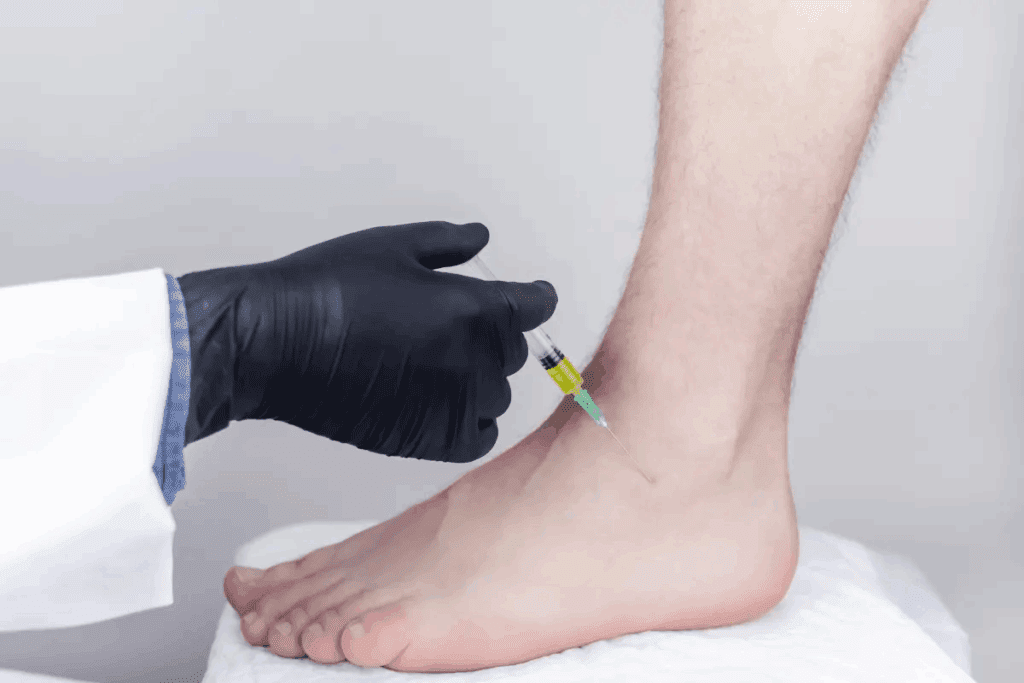
Achilles tendon injuries are common, causing pain and limiting movement. Nutrition plays a key role in keeping tendons healthy and preventing injuries.Eat your way to recovery! The Amazing 7 foods for Achilles tendon strength and faster healing. Essential list.
Eating the right nutrients can make the Achilles tendon stronger. Foods rich in collagen and enough protein are key for tendon health and repair.
Key Takeaways
- Adequate nutrition is vital for Achilles tendon health.
- Collagen-rich foods support tendon repair.
- Sufficient protein intake is necessary for tendon healing.
- A balanced diet can help prevent tendon injuries.
- Nutritional deficiencies can exacerbate tendon problems.
Understanding the Achilles Tendon and Its Vulnerability
The Achilles tendon is a key part of our body’s movement system. It connects the calf muscles to the heel bone. Knowing how it works helps us see why it’s prone to injuries and why we need to take care of it.
Anatomy and Function of the Achilles Tendon
The Achilles tendon helps us walk, run, and jump. It’s made of strong collagen fibers. But, its design also makes it more likely to get hurt, mainly from sudden or repeated stress.
The tendon works closely with the calf muscles. If these muscles are weak or out of balance, the tendon gets stressed more. So, it’s important to train right, condition well, and recover properly to keep the tendon healthy.
Common Injuries and Risk Factors
Achilles tendon injuries can be mild or severe. They often happen from too much use, bad training, the wrong shoes, or how our feet are shaped. Athletes, who need quick speed or jump a lot, are more likely to hurt their Achilles tendons.
| Risk Factor | Description | Prevention Strategy |
| Overuse | Too much strain on the tendon from doing the same thing over and over | Slowly increase how hard you’re working out, make sure to rest and recover |
| Poor Training Practices | Not warming up, cooling down, or doing the right exercises | Use the right training methods, including warming up and cooling down |
| Inadequate Footwear | Wearing shoes that don’t support or cushion enough | Choose the right shoes for what you’re doing |
Sports medicine experts say prevention is the best way to keep the Achilles tendon healthy.
“Prevention strategies, including proper training, equipment, and recovery techniques, can significantly reduce the risk of Achilles tendon injuries,”
This shows how important it is to take a complete approach to caring for our tendons.
Knowing the risks and taking steps to prevent them can help protect the Achilles tendon. This ensures we perform at our best and lowers the chance of getting hurt.
The Science Behind Nutrition and Tendon Health
Nutrition and tendon health are closely linked. Different nutrients are key for tendon repair and upkeep. Tendons, like the Achilles tendon, change their structure and function with nutritional support.
How Tendons Respond to Nutritional Support
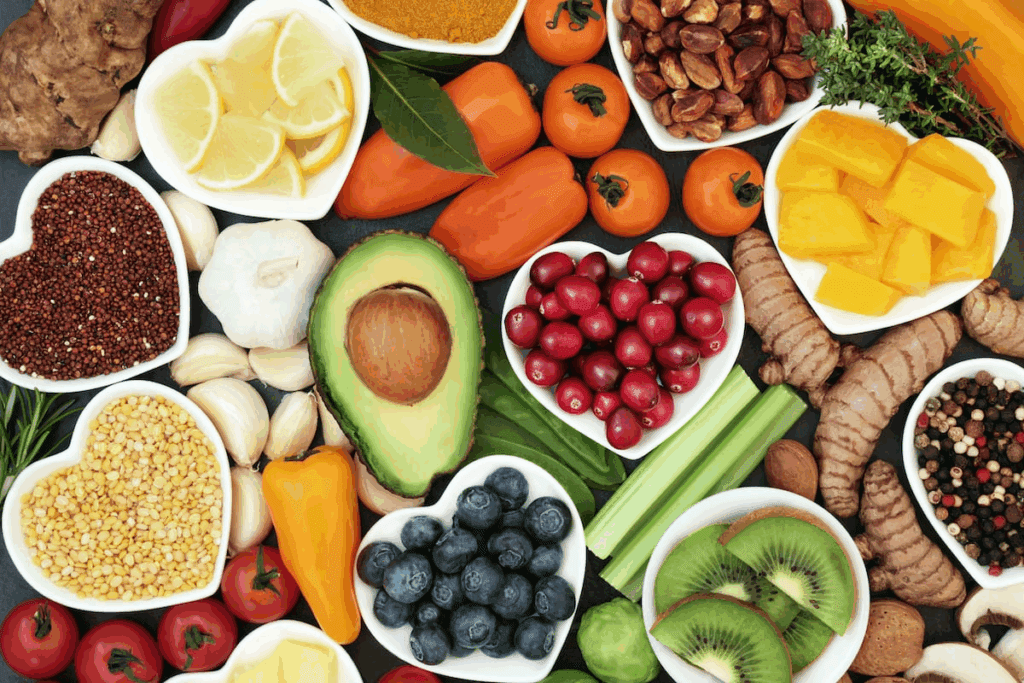
Tendons are mostly collagen, a protein that gives them strength and flexibility. Eating enough protein for tendon healing is important. This includes amino acids like lysine and proline, which help make collagen.
Vitamin C is also essential for tendon health. It helps turn lysine and proline into collagen, making tendons stronger.
Research on Diet and Tendon Healing
Recent studies show diet’s big role in tendon healing. Vitamin D is important for tendon health. Without enough, tendons can hurt and not work right.
Bone-strengthening foods with calcium and vitamin D help the bone-tendon connection. This can lower injury risk.
Eating a balanced diet with whole foods is best for tendon health. Include lean proteins, fruits, veggies, whole grains, and healthy fats. These foods help tendons repair and stay healthy.
Protein: The Building Block for Tendon Repair
Protein is key for tendon healing, providing the needed parts for repair. It’s a vital nutrient for fixing and keeping tendons strong. It gives the amino acids essential for tendon structure and function.
Essential Amino Acids for Tendon Structure
Tendons are made mostly of collagen, a protein that makes them strong and flexible. Amino acids like glycine, proline, and hydroxyproline are vital for making collagen. Glycine is important for the collagen structure. Proline and hydroxyproline help keep the collagen stable.
Eating enough of these amino acids helps tendons stay healthy and repair well. Foods high in these amino acids include lean meats, fish, eggs, and dairy.
Recommended Protein Sources for Tendon Health
Eating a variety of protein-rich foods supports tendon health. Some top sources for tendon repair are:
- Lean meats like chicken and turkey
- Fish such as salmon and tuna, which are also rich in omega-3s
- Eggs, a complete protein with all essential amino acids
- Dairy products like milk and Greek yogurt
- Legumes, including beans and lentils
Experts say, “A balanced diet with enough protein is key for healthy tendons and repair.” Getting enough protein is a major step in keeping tendons healthy and helping them heal.
Collagen-Rich Foods for Tendon Regeneration
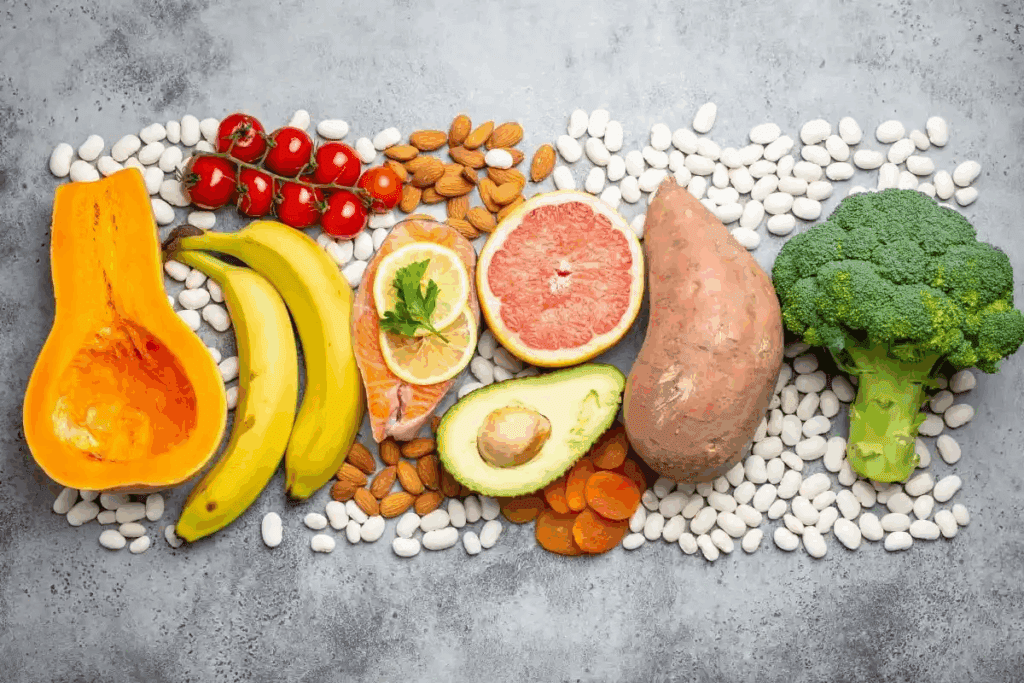
Collagen-rich foods are key for tendon repair. They provide the building blocks needed for tendons to heal. Tendons, mainly made of collagen, greatly benefit from a diet rich in this protein.
How Collagen Supports Tendon Structure
Collagen is vital for tendon strength and resilience. It contains amino acids like glycine, proline, and hydroxyproline. These amino acids are essential for tendon health. Eating collagen-rich foods helps keep tendons strong by providing these amino acids.
Top Food Sources of Collagen
Eating bone broth, meat, fish, eggs, and dairy can increase collagen intake. Bone broth is a top source of collagen. It gets its collagen from bones and connective tissue through slow cooking.
- Bone broth
- Chicken and beef
- Fish and seafood
- Eggs and dairy products
Bone Broth and Other Collagen-Boosting Preparations
Bone broth is packed with collagen. Other foods like gelatinous meats and slow-cooked stews also boost collagen intake. Foods high in vitamin C, like citrus fruits and leafy greens, help with collagen production.
Adding these collagen-rich foods and preparations to your diet can help tendon health. It may also aid in repairing damaged tendons.
Vitamin C: Essential for Collagen Synthesis
Collagen synthesis is key for tendon repair and needs enough vitamin C. Vitamin C, or ascorbic acid, is vital for making collagen. This protein is a main part of tendons.
The Role of Vitamin C in Tendon Repair
Vitamin C helps stabilize collagen fibers. This is important for tendon strength. Without enough vitamin C, collagen synthesis can fail. This might cause tendons to weaken or get injured.
Fruits and Vegetables High in Vitamin C
Eating foods high in vitamin C helps tendons stay healthy. Some top foods include:
- Citrus fruits like oranges, lemons, and grapefruits
- Berries such as strawberries, kiwis, and blueberries
- Vegetables like bell peppers, broccoli, and spinach
These foods give you vitamin C and other nutrients that are good for your health.
Optimal Daily Intake for Tendon Support
Adults need about 65 to 90 milligrams of vitamin C each day. But, some research says more might help with health. For tendons, getting enough vitamin C is key. You might want to talk to a doctor about how much you need.
| Food | Vitamin C Content (mg per serving) |
| Orange | 70 mg |
| Strawberries (1 cup) | 150 mg |
| Broccoli (1 cup cooked) | 100 mg |
Omega-3 Fatty Acids: Fighting Inflammation in Tendons
Omega-3 fatty acids are great for fighting tendon inflammation. They help reduce inflammation in the body. This is key for keeping tendons healthy.
How Omega-3s Reduce Tendon Inflammation
Omega-3s lower the production of inflammatory molecules. Eating foods rich in omega-3s can help reduce tendon inflammation. Research has shown that omega-3s can greatly reduce tendon inflammation and aid in healing.
Fish and Plant Sources of Omega-3s
Fatty fish like salmon and sardines are good sources of omega-3s. But, there are also plant-based options. Chia seeds, flaxseeds, and walnuts have ALA, which the body can convert into EPA and DHA. For vegans, algal oil supplements are a direct source of DHA and EPA.
- Fatty fish: salmon, sardines, mackerel
- Nuts and seeds: chia seeds, flaxseeds, walnuts
- Plant-based supplements: algal oil
Balancing Omega-3 and Omega-6 Fatty Acids
It’s important to balance omega-3s with omega-6s for health. Too much omega-6 can cause inflammation. Aim for a balanced ratio by eating fewer foods high in omega-6s and more omega-3 rich foods.
Knowing how omega-3s help tendons and making smart food choices can help manage tendon inflammation. This supports recovery.
Vitamin D and Calcium: The Tendon-Bone Connection
Vitamin D and calcium are key for keeping the tendon-bone junction healthy. This area is where tendons meet bones. It’s vital for the tendons to work well.
Vitamin D’s Role in Tendon-Bone Junction Health
Vitamin D helps keep bones strong, which also benefits the tendon-bone junction. Studies show that not enough vitamin D can weaken bones and harm this area.
Key functions of vitamin D in tendon health include:
- Regulating calcium levels, which is vital for bones
- Supporting the musculoskeletal system
- Potentially reducing the risk of tendon injuries by keeping bones healthy
Calcium-Rich Foods for Tendon Attachment Points
Calcium is key for strong bones, which supports the tendon-bone junction. Eating foods rich in calcium helps bones handle the stress from the Achilles tendon.
Top calcium-rich foods include:
- Dairy products like milk and cheese
- Leafy greens such as kale and broccoli
- Fortified plant-based milk
Sunlight and Dietary Sources of Vitamin D
Vitamin D comes from diet and sunlight. Sunlight is a natural source, but food is important for those who don’t get enough sun.
Dietary sources of vitamin D include:
- Fatty fish like salmon and mackerel
- Fortified dairy products and cereals
- Some mushrooms
Knowing how vitamin D and calcium help the tendon-bone junction is important. It helps people take care of their Achilles tendons through diet and lifestyle.
Zinc and Copper: Trace Minerals for Tendon Healing
Zinc and copper are key minerals for healthy tendons and repair. They help in many enzymatic processes important for tendon health.
Enzymatic Processes Requiring Zinc and Copper
Zinc helps in protein synthesis and collagen formation, vital for tendon repair. Copper is needed for elastin production, giving tendons their stretchiness. It also strengthens tendons by cross-linking collagen fibers.
Zinc is essential for matrix metalloproteinases, enzymes that remodel tendon tissue. Copper is vital for lysyl oxidase, an enzyme that cross-links collagen and elastin.
Food Sources Rich in These Trace Minerals
Eating foods high in zinc and copper can boost tendon health. Good zinc sources include:
- Oysters
- Beef
- Chicken
- Nuts and seeds, such as pumpkin seeds and cashews
For copper, try:
- Shellfish, like oysters and lobster
- Nuts and seeds, including sunflower seeds and almonds
- Legumes, like lentils and chickpeas
- Dark leafy greens, such as spinach
| Food | Zinc Content (mg per serving) | Copper Content (mg per serving) |
| Oysters | 76.7 | 4.6 |
| Beef | 3.2 | 0.1 |
| Pumpkin Seeds | 2.6 | 0.4 |
| Lentils | 1.3 | 0.5 |
| Spinach | 0.8 | 0.2 |
Adding these foods to your diet can help your body get the zinc and copper it needs. This supports tendon health and aids in healing.
Antioxidant-Rich Foods for Tendon Recovery
Antioxidant-rich foods are key in protecting tendons from damage. Tendons help us move and stay stable. But, they can get injured or wear out, mainly because of oxidative stress.
This stress happens when free radicals outnumber antioxidants in our bodies. It can harm tendons. Eating foods full of antioxidants can help fight this stress.
How Oxidative Stress Affects Tendon Health
Oxidative stress can really hurt tendon health. It damages the cells and makes it hard for tendons to heal. This can cause long-term tendonitis and make tendons less flexible.
Eating foods rich in antioxidants can help. These foods have vitamins C and E, and other good stuff. They help reduce inflammation and help tendons heal.
Key antioxidants are found in fruits, veggies, and nuts. They help keep tendons healthy.
Berries and Colorful Fruits for Tendon Protection
Berries like blueberries, strawberries, and raspberries are full of antioxidants. They help tendons stay healthy. Other colorful fruits like oranges, grapes, and pineapples are also good. They have lots of vitamin C and antioxidants.
Blueberries have anthocyanins, which are very good for tendons. Eating different colorful fruits gives your tendons lots of antioxidants.
| Fruit | Antioxidant Content | Benefit to Tendons |
| Blueberries | High in Anthocyanins | Reduces oxidative stress |
| Oranges | Rich in Vitamin C | Supports collagen synthesis |
| Grapes | Contains Polyphenols | Anti-inflammatory effects |
Vegetables and Herbs with Antioxidant Properties
Leafy greens like spinach and kale are full of antioxidants. They also have magnesium and calcium, which are good for tendons. Broccoli and bell peppers are also great. They have lots of vitamin C and antioxidants.
Herbs like turmeric have curcumin, which is very good for tendons. It fights inflammation and supports healing. Adding these to your diet can help your tendons a lot.
Eating a variety of foods rich in antioxidants can help your tendons. A diet full of fruits, veggies, and herbs gives your tendons the protection they need.
Magnesium: The Overlooked Mineral for Tendon Function
Magnesium is key for tendon health, yet often ignored. It’s vital for tendons to work right. Magnesium helps tendons be strong and flexible.
Magnesium’s Role in Muscle-Tendon Dynamics
Magnesium is essential for muscles and tendons. It helps muscles contract and relax. This is good for tendon health.
Magnesium’s benefits for tendons include:
- Regulation of muscle contraction and relaxation
- Reduction of muscle cramping and spasms
- Support for bone health, which is linked to tendon attachment and overall musculoskeletal health
Leafy Greens and Other Magnesium-Rich Foods
Eating foods rich in magnesium helps tendons. Spinach, kale, almonds, pumpkin seeds, and brown rice are good choices. They’re full of magnesium.
| Food | Magnesium Content (mg per serving) |
| Spinach (1 cup cooked) | 157 |
| Almonds (1 ounce) | 80 |
| Kale (1 cup cooked) | 94 |
| Pumpkin seeds (1 ounce) | 156 |
Eating these foods boosts tendon health. It also helps your whole musculoskeletal system.
The Best Foods for Achilles Tendon Strength
Eating the right foods can make your Achilles tendon stronger and healthier. A diet full of important nutrients helps your tendons heal and get stronger.
Top 10 Foods to Include in Your Diet
Adding these foods to your diet can strengthen your Achilles tendon:
- Collagen-rich bone broth: Makes tendons more elastic and strong.
- Fatty fish (salmon, sardines): Has omega-3s that fight inflammation.
- Lean proteins (chicken, turkey): Gives amino acids for tendon repair.
- Vitamin C-rich fruits (oranges, berries): Key for making collagen.
- Leafy greens (spinach, kale): Full of magnesium for muscle and tendon health.
- Nuts and seeds (almonds, chia seeds): Good fats and antioxidants.
- Whole grains (quinoa, brown rice): Gives energy for workouts.
- Zinc-rich foods (oysters, beef): Important for tendon healing.
- Copper-rich foods (shellfish, nuts): Helps make collagen and elastin.
- Antioxidant-rich vegetables (bell peppers, carrots): Reduces stress from free radicals.
Sample Meal Plan for Tendon Support
Here’s a meal plan to help you eat these foods every day:
- Breakfast: Overnight oats with almond milk, chia seeds, and berries.
- Lunch: Grilled chicken salad with mixed greens, nuts, and citrus vinaigrette.
- Dinner: Baked salmon with quinoa and steamed veggies.
- Snacks: Apple slices with almond butter, or trail mix.
Timing of Nutrition for Optimal Tendon Health
When you eat can also affect your tendon health. Eating a meal with protein and carbs within an hour after working out helps with recovery. Also, drinking water all day keeps your tendons flexible.
By eating the right foods at the right time, you can make your Achilles tendon stronger and more resilient.
Hydration and Tendon Health
Hydration is key for tendon health. It helps tendons stay elastic and strong. Tendons, which link muscles to bones, need water to work right.
Hydration is vital for tendon health. It keeps tendons flexible and strong. This reduces injury risk.
How Water Affects Tendon Elasticity
Tendon elasticity is important for shock absorption. Adequate hydration keeps tendons elastic. This helps them handle stress without damage. Dehydration makes tendons less elastic, increasing injury risk.
Sports medicine experts say hydration is essential. It keeps tendons elastic and functional. This is why athletes need to drink enough water.
“Hydration is key to maintaining healthy tendons. It helps in the lubrication of joints and the maintenance of tendon elasticity.”
Hydrating Foods and Beverages
Drinking water is not the only way to stay hydrated. Eating hydrating foods and drinks helps too. Foods like watermelon, cucumbers, and celery are great choices.
Drinks like herbal teas and coconut water also help. Coconut water is full of electrolytes. These help replace lost fluids and support muscle and tendon health.
Eating hydrating foods and drinks helps tendon health. It keeps hydration levels up. This supports tendon function and strength.
Foods to Avoid for Healthy Tendons
To keep tendons healthy, it’s important to eat the right foods and avoid harmful ones. Some foods can cause inflammation and slow down healing. Knowing which foods to avoid can help support tendon health.
Inflammatory Foods That May Hinder Recovery
Some foods can trigger inflammation in the body, which is bad for tendons. Here are some examples:
- Processed Meats: Foods like hot dogs, sausages, and bacon have AGE products that cause inflammation.
- Refined Sugars: Too much refined sugar can lead to inflammation and harm tendons.
- Dairy Products High in Fat: While dairy is good for calcium, high-fat dairy can cause inflammation in some.
- Foods High in Salt: Too much salt can cause water retention and make tendon inflammation worse.
Hidden Sources of Tendon-Stressing Ingredients
Many foods have hidden ingredients that can stress tendons. Knowing about these can help you make better food choices.
| Food Category | Hidden Ingredients | Potential Impact on Tendons |
| Processed Snacks | Artificial preservatives, flavor enhancers | May cause inflammation and oxidative stress |
| Baked Goods | Trans fats, refined sugars | Can lead to increased inflammation |
| Fried Foods | High levels of omega-6 fatty acids when cooked in certain oils | Potential to promote inflammation if not balanced with omega-3s |
By being careful about what you eat, you can help your tendons stay healthy. Avoiding inflammatory and processed foods is a good start.
Conclusion
A strong Achilles tendon is important for athletes and everyone else. Nutrition is key to keeping it healthy. Eating the right foods can help your tendon stay strong and prevent injuries.
Eating a balanced diet with protein, collagen, and important nutrients helps your tendons heal and repair. Foods rich in vitamin C, omega-3 fatty acids, and antioxidants also help your tendons stay healthy. It’s important to eat well to keep your tendons working right.
Making smart food choices and drinking enough water can help your Achilles tendon. A healthy tendon can handle more stress and strain. This helps you feel better and perform better too.
FAQ
What are the best foods to strengthen the Achilles tendon?
Foods high in protein, collagen, vitamin C, omega-3s, and antioxidants are good for the Achilles tendon. Lean meats, fish, eggs, bone broth, and citrus fruits are examples. Berries and leafy greens are also beneficial.
How does vitamin C support tendon health?
Vitamin C helps make collagen, which is key for tendon repair. Eating foods rich in vitamin C, like citrus fruits and berries, supports tendon health.
What is the role of omega-3 fatty acids in tendon health?
Omega-3s reduce tendon inflammation, aiding in healing and injury prevention. Foods like fatty fish and walnuts are good for tendon health.
How does hydration affect tendon health?
Keeping tendons hydrated is vital for their elasticity and health. Drinking water and eating hydrating foods like watermelon and cucumbers helps.
Are there any foods that can negatively impact tendon health?
Yes, foods high in sugar, salt, and unhealthy fats can harm tendons. Limiting these foods helps keep tendons healthy.
Can magnesium-rich foods support tendon health?
Yes, magnesium is important for muscle-tendon function. Eating magnesium-rich foods like leafy greens and nuts supports tendon health.
How does protein support tendon repair?
Protein is vital for tendon repair, providing the necessary building blocks. Eating protein-rich foods like lean meats, fish, and eggs helps.
What is the importance of collagen in tendon regeneration?
Collagen is essential for tendon structure. Foods rich in collagen, like bone broth, support tendon regeneration and health.
Can antioxidant-rich foods protect tendons from damage?
Yes, foods high in antioxidants, such as berries and colorful fruits, protect tendons from damage. They promote overall tendon health.
How does vitamin D impact tendon health?
Vitamin D is important for the tendon-bone junction. Adequate levels support tendon health. Foods like fatty fish and sunlight exposure help maintain vitamin D levels.
Reference
- National Library of Medicine. (2023). Rotator cuff problems: MedlinePlus Medical Encyclopedia.
https://medlineplus.gov/ency/article/000438.htm