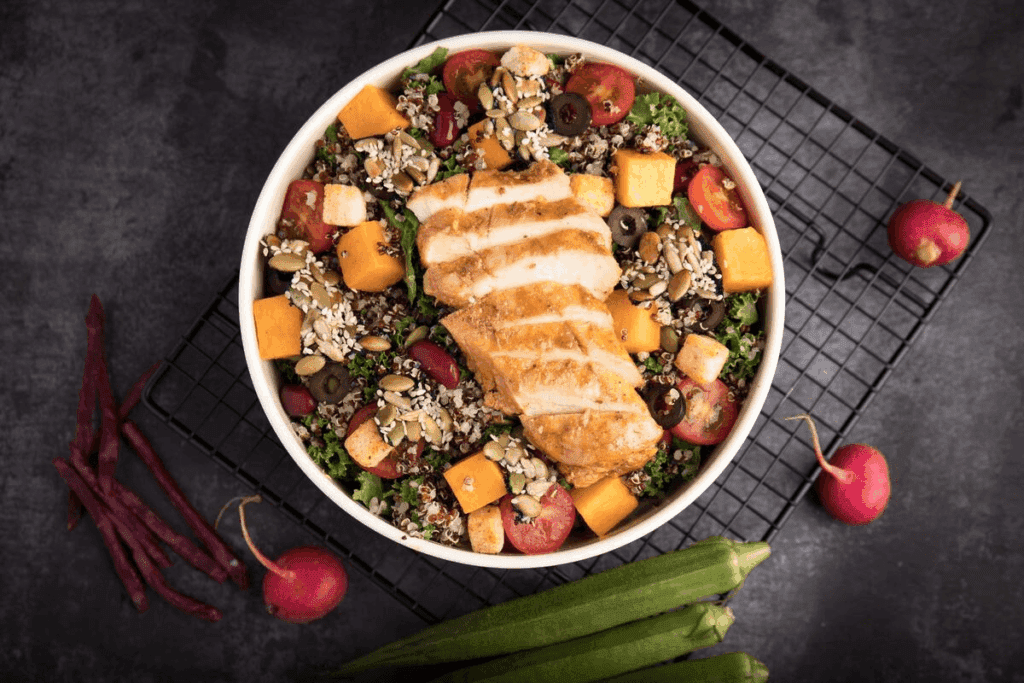
At Liv Hospital, we know how key a balanced diet is for lasting weight loss and good digestion. Studies show that eating at least 30 grams of fiber daily helps with weight loss, lowers blood pressure, and makes insulin work better. Get 15 ‘foods high‘ in fiber. Our simple guide lists the best, powerful, and amazing foods for weight loss and better digestion.
The usual American diet only gives 10-15 grams of fiber a day. We think adding high in fiber vegetables and other fiber-rich foods to your meals can change everything. By choosing wisely, you can feel fuller, burn calories better, and control blood sugar better.
Key Takeaways
- Increasing daily fiber intake can aid in weight loss and improve overall health.
- A high-fiber diet can help lower blood pressure and improve insulin response.
- Incorporating high in fiber vegetables into your diet can enhance satiety and metabolism.
- A well-balanced diet with fiber-rich foods supports sustainable weight loss.
- Liv Hospital’s patient-centered approach ensures personalized guidance on nutrition.
The Science Behind Fiber for Weight Loss and Digestion
Fiber is key for losing weight and keeping digestion healthy. Studies link more fiber to weight loss. People eating more fiber lost an average of 3.28 kg. They also ate more veggies and fruits.
How Fiber Creates Fullness and Reduces Calorie Intake
Soluble fibers help us feel full by slowing down digestion. They also make us feel full longer. This means we eat fewer calories and control our hunger. Eating fiber enriched foods helps manage weight better.
Foods high in fiber are not just good for us. They also make us feel full. This makes them great for those trying to lose weight.
The Role of Fiber in Promoting Digestive Regularity
Fiber helps keep our bowels regular. It adds bulk to stool and softens it. This makes it easier to go. Insoluble fiber acts like a broom, cleaning out waste and preventing constipation. Eating foods rich in best things for fiber keeps our digestive system healthy.
Knowing how fiber works helps us see why we need it. Including a variety of high-fiber foods in our diet is important. It supports both weight loss and good digestion.
Understanding Different Types of Fiber
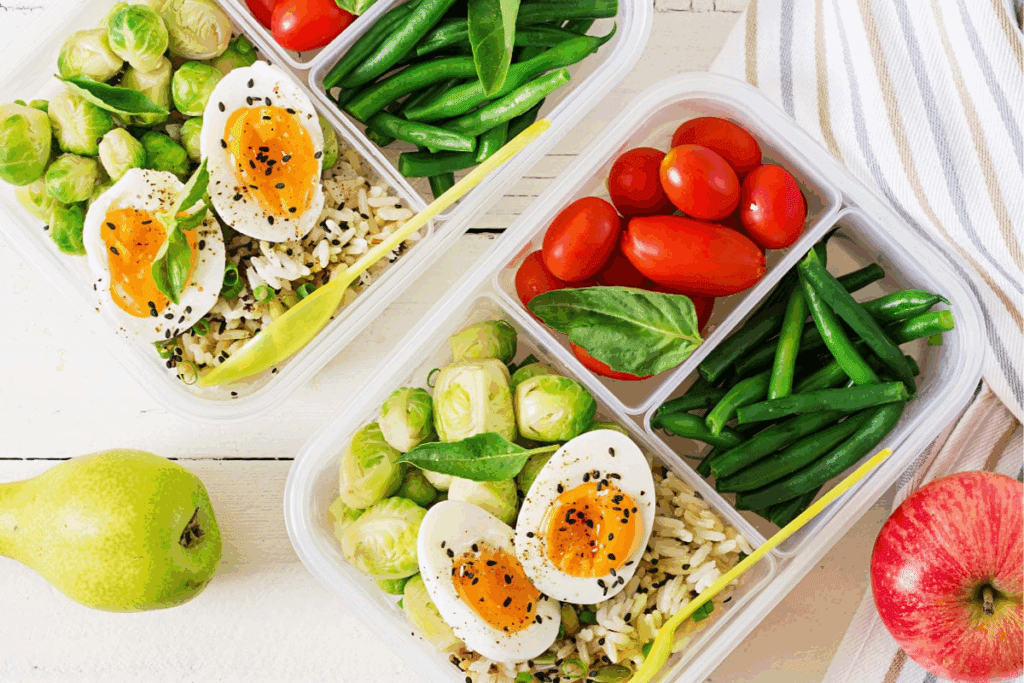
To get the most from fiber, knowing its types is key. Fiber is a nutrient our bodies can’t digest. It’s different from fats, proteins, and carbs. Most plant foods have both soluble and insoluble fiber.
Soluble Fiber: The Gel-Forming Digestive Aid
Soluble fiber turns into a gel when mixed with water. This gel slows digestion. It helps lower cholesterol and blood sugar and keeps you full, aiding in weight control.
Foods high in soluble fiber include oats, barley, nuts, seeds, and fruits like apples and berries.
Insoluble Fiber: Nature’s Intestinal Broom
Insoluble fiber doesn’t dissolve in water. It makes stool bulkier and helps move it through your digestive system. This prevents constipation and promotes regular bowel movements.
Whole grains, vegetables, and wheat bran are great sources of insoluble fiber.
Knowing the roles of soluble and insoluble fiber helps us choose better foods. This ensures we get the right mix for good digestive health and overall well-being.
Fiber-Rich Fruits for Effective Weight Management
Eating fruits high in fiber can change the game for weight management. Adding a variety of fruits to our meals brings many benefits. These include fiber, vitamins, and minerals.
Berries: Antioxidant and Fiber Powerhouses
Berries like raspberries and blackberries are packed with fiber, at 8 grams per cup. They’re also full of antioxidants. This makes them great for weight loss and better health. Enjoy them as a snack, in oatmeal, or in smoothies.
Apples and Pears: Everyday Weight Loss Allies
Apples and pears are also great for weight management. A small apple has 4 grams of fiber, and a medium pear has 6 grams. They’re also filling because of their water content. Try them on their own or with almond butter for extra protein and healthy fats.
Avocados: Healthy Fats with Hidden Fiber Benefits
Avocados are a special fruit with healthy fats and lots of fiber. Half an avocado has about 5 grams of fiber. Add them to salads, use as toast toppings, or blend into smoothies for creaminess.
To manage weight well, aim for five or more fruit servings a day. Including these fiber-rich fruits in our diet helps us eat more balanced and nutritious. This supports our weight loss goals and overall health.
Vegetables High in Fiber for Optimal Digestion
Eating a diet full of fibrous vegetables can really help our digestion. These veggies are not just high in fiber but also packed with vitamins and minerals. It’s important to eat at least five servings of vegetables every day.
Broccoli and Cruciferous Vegetables: Gut-Friendly Choices
Broccoli and other cruciferous veggies are great for fiber, with broccoli having about 2.5 grams per half cup cooked. They’re not just fiber-rich but also have compounds that help our gut health. You can easily add broccoli to stir-fries or steam it as a side.
Other veggies like cauliflower and kale are also good for fiber. They’re easy to add to salads, soups, or as a roasted side dish.
Artichokes and Brussels Sprouts: Fiber Champions
Artichokes and Brussels sprouts stand out for their fiber. Artichokes have about 10 grams of fiber per cup, and Brussels sprouts offer a lot of fiber along with vitamins and minerals. You can steam or roast them to make them tasty.
Adding artichokes and Brussels sprouts to your meals is simple. Just toss them in salads or serve them as a side. Their fiber helps with digestion and keeps you feeling full.
Carrots and Sweet Potatoes: Root Vegetables for Digestive Health
Carrots and sweet potatoes are full of fiber and vitamins. Carrots have both soluble and insoluble fiber, which is good for digestion. Sweet potatoes are also high in fiber and nutrients, making them great for a balanced diet.
It’s easy to add these veggies to your meals. Roast or boil them for a nutritious side dish. You can also add them to soups and stews for extra fiber and flavor.
Vegetable | Fiber Content per Cup | Preparation Ideas |
Broccoli | 2.5 grams (half cup cooked) | Steamed, stir-fried, or roasted |
Artichokes | 10 grams | Steamed, boiled, or grilled |
Brussels Sprouts | 5 grams | Roasted, steamed, or sautéed |
Carrots | 3.7 grams (raw) | Raw, roasted, or steamed |
Sweet Potatoes | 4.8 grams (baked) | Baked, mashed, or roasted |
Foods High in Fiber: Legumes and Whole Grains
Adding legumes and whole grains to your meals boosts fiber, aiding in weight loss and better digestion. These foods are not just high in fiber but also packed with nutrients. They’re key for a balanced diet.
Lentils and Beans: Protein-Fiber Combinations
Lentils and beans are great for their mix of protein and fiber. A cup of cooked lentils has about 15 grams of fiber. They’re perfect for weight loss diets and can be used in many dishes, like soups and salads.
Beans, such as black beans, kidney beans, and chickpeas, are also full of fiber and protein. They make you feel full, helping you avoid overeating. Plus, they’re rich in vitamins and minerals, boosting your health.
Oats and Barley: Soluble Fiber Superstars
Oats and barley are whole grains with lots of soluble fiber. Soluble fiber slows digestion, keeping you full longer and helping with cholesterol. Starting your day with oatmeal is a great way to get more fiber.
Barley is another grain with lots of soluble fiber. It’s great in soups, stews, and salads, adding fiber and texture. Adding these grains to your meals can really improve your digestion.
Quinoa and Brown Rice: Ancient Grains for Modern Health
Quinoa and brown rice are ancient grains that are now popular for their health benefits. Quinoa is a complete protein and has lots of fiber. Brown rice is a fiber and manganese source, important for metabolism.
These grains are not only nutritious but also versatile. Quinoa is great for salads, while brown rice goes well with many dishes, like stir-fries and grilled meats. Adding them to your diet can boost your health and help with weight loss.
To better understand the fiber content in these foods, let’s take a look at a comparison table:
Food | Fiber Content per Serving | Protein Content per Serving |
Lentils (1 cup cooked) | 15.6 grams | 18 grams |
Black Beans (1 cup cooked) | 15 grams | 15 grams |
Oats (1 cup cooked) | 4 grams | 6 grams |
Quinoa (1 cup cooked) | 5 grams | 8 grams |
Brown Rice (1 cup cooked) | 3.5 grams | 5 grams |
The table shows legumes like lentils and black beans are high in fiber and protein. They’re great for weight management. Whole grains like oats, quinoa, and brown rice also add a lot to your daily fiber intake.
Nuts, Seeds, and Other Fiber-Rich Foods
Nuts and seeds are great for adding fiber to our diet. They are also full of healthy fats. This makes them a tasty snack or a good addition to meals.
Chia Seeds and Flaxseeds: Small Seeds with Big Benefits
Chia seeds and flaxseeds are tiny but mighty. Chia seeds have about 10 grams of fiber per ounce. Flaxseeds have around 8 grams per ounce. Adding them to oatmeal or yogurt is easy.
“Chia seeds and flaxseeds are excellent sources of dietary fiber,” a study says. They support digestive health and help us feel full. They also have omega-3 fatty acids, which are good for the heart.
Almonds and Walnuts: Crunchy Fiber Sources
Almonds and walnuts are tasty and full of fiber. Almonds have about 3.5 grams of fiber per ounce. Walnuts have around 2 grams per ounce. Eating a handful of these nuts can help meet our daily fiber needs.
Medical Expert, “Nuts like almonds and walnuts are not only good sources of fiber. They are also rich in antioxidants and healthy fats. This makes them a nutritious choice for weight management and overall health.”
Popcorn and Dark Chocolate: Surprising Fiber Sources
Popcorn and dark chocolate are not just treats. They can also help with fiber intake. Air-popped popcorn is a whole grain with about 3.5 grams of fiber per serving. Dark chocolate, with at least 70% cocoa, also has fiber, with some servings having up to 4 grams.
- Popcorn: 3.5 grams of fiber per serving
- Dark Chocolate (70% cocoa): up to 4 grams of fiber per serving
Adding these foods to our diet can be a fun way to increase fiber. There are many high-fiber foods to choose from, catering to different tastes and preferences.
Creating a High-Fiber Meal Plan for Sustainable Weight Loss
Creating a high-fiber meal plan is key for lasting weight loss and better digestion. A good high-fiber diet keeps you full, helps with regular bowel movements, and boosts your health.
Fiber-Rich Breakfast Options to Start Your Day
Starting with a high-fiber breakfast sets a healthy eating pace. Great choices include:
- Oatmeal with fruits and nuts
- Whole-grain toast with avocado and eggs
- Greek yogurt with berries and chia seeds
- Smoothies made with spinach, banana, and almond milk
These breakfasts are full of fiber and also have protein and healthy fats. They keep you full until lunchtime.
Lunch and Dinner Ideas Packed with Fiber
For lunch and dinner, add veggies, legumes, and whole grains to your meals. Some ideas are:
- Grilled chicken salad with mixed greens, beans, and whole-grain crackers
- Lentil soup with whole-grain bread
- Quinoa and vegetable stir-fry with lean protein
- Roasted vegetables with brown rice and lean beef
These meals are fiber-rich and full of nutrients. They support your health and help with weight management.
Healthy High-Fiber Snacks for Between Meals
Snacking on high-fiber foods helps control hunger and aids in weight loss. Good snack choices are:
- Fruits such as apples, bananas, and berries
- Nuts and seeds like almonds, pumpkin seeds, and chia seeds
- Veggie sticks with hummus
- Whole-grain crackers with peanut butter or almond butter
Adding these snacks to your meal plan keeps you full and supports your health goals.
Planning a high-fiber meal plan takes some effort, but it’s rewarding. With many fiber-rich foods to choose from, it’s enjoyable and helps with lasting weight loss.
Tips for Gradually Increasing Your Fiber Intake
To get the most from a high-fiber diet, start by adding fiber slowly. A big jump in fiber can upset your stomach. This might make you want to stop eating healthy.
Preventing Digestive Discomfort When Adding Fiber
Slowly upping your fiber helps your gut adjust. This reduces the chance of feeling bloated, gassy, or having stomach cramps. Start with a little bit of fiber-rich foods and slowly add more.
Key tips to prevent digestive discomfort:
- Introduce high-fiber foods gradually
- Monitor your body’s response and adjust if needed
- Mix different types of fiber-rich foods for a balanced diet
The Importance of Hydration with Higher Fiber Intake
Drinking lots of water is key with a high-fiber diet. Fiber soaks up water, making food move smoothly through your system. Without enough water, you might get constipated or have bowel problems.
Drink at least eight glasses of water a day. Adjust this based on how active you are and where you live. Also, eat hydrating foods like watermelon and cucumbers.
Knowing how to slowly add fiber and stay hydrated makes switching to a high-fiber diet easier. You’ll enjoy its health benefits without feeling too uncomfortable.
Conclusion
Understanding fiber types and their benefits helps us choose the right foods. Adding high-fiber veggies and fruits is key for weight loss and health. It boosts our digestive system and overall well-being.
A diet full of whole foods offers many health perks. From fruits and veggies to legumes and grains, there’s a lot to try. These foods are not only tasty but also good for you.
Ending on a note, a fiber-rich diet is vital for a healthy gut and lasting weight loss. Eating foods like berries, broccoli, and grains helps keep our digestive system regular. It also supports our health in many ways.
We urge you to make better food choices. Look into high-fiber foods and see how they can improve your health. Start enjoying the benefits of a high-fiber diet today.
FAQ
What are the best snacks with fiber?
Great snacks with fiber include apples, berries, almonds, and chia seeds. Carrots, sweet potatoes, popcorn, and dark chocolate are also good choices.
What are some high-fiber vegetables?
High-fiber veggies are broccoli, artichokes, Brussels sprouts, carrots, and sweet potatoes. They’re full of fiber, vitamins, minerals, and antioxidants.
How can I incorporate more fiber into my diet?
Add fiber-rich foods like fruits, veggies, legumes, and whole grains to your meals. Snack on nuts, seeds, and popcorn too.
What are some fiber-enriched foods?
Look for whole grain cereals, fiber-fortified bread, and snack bars. You can also add fiber supplements, but talk to a doctor first.
What foods are high in fiber?
High-fiber foods include lentils, beans, oats, quinoa, apples, berries, broccoli, and carrots. Nuts and seeds like almonds and chia seeds are also good.
How can I create a high-fiber meal plan?
Mix fiber-rich foods like fruits, veggies, legumes, and whole grains into your meals. Meal prep and plan ahead to get enough fiber.
What are the benefits of a high-fiber diet?
A high-fiber diet aids in weight loss, improves digestion, and boosts overall health. It helps control calorie intake, keeps you full, and supports blood sugar.
How can I prevent digestive discomfort when increasing my fiber intake?
Gradually add more fiber-rich foods to your diet. Drinking plenty of water helps fiber move through your system.
What are some healthy high-fiber snack options?
Healthy snacks include apples, bananas, almonds, chia seeds, carrots, sweet potatoes, popcorn, and dark chocolate.
Can I get enough fiber from supplements?
Fiber supplements are helpful, but whole foods are better. They offer vitamins, minerals, and antioxidants along with fiber.
Reference:
Government Health Resource. Evidence-Based Medical Guidance. Retrieved from https://www.dietaryguidelines.gov/sites/default/files/2020-12/Dietary_Guidelines_for_Americans_2020-2025.pdf