
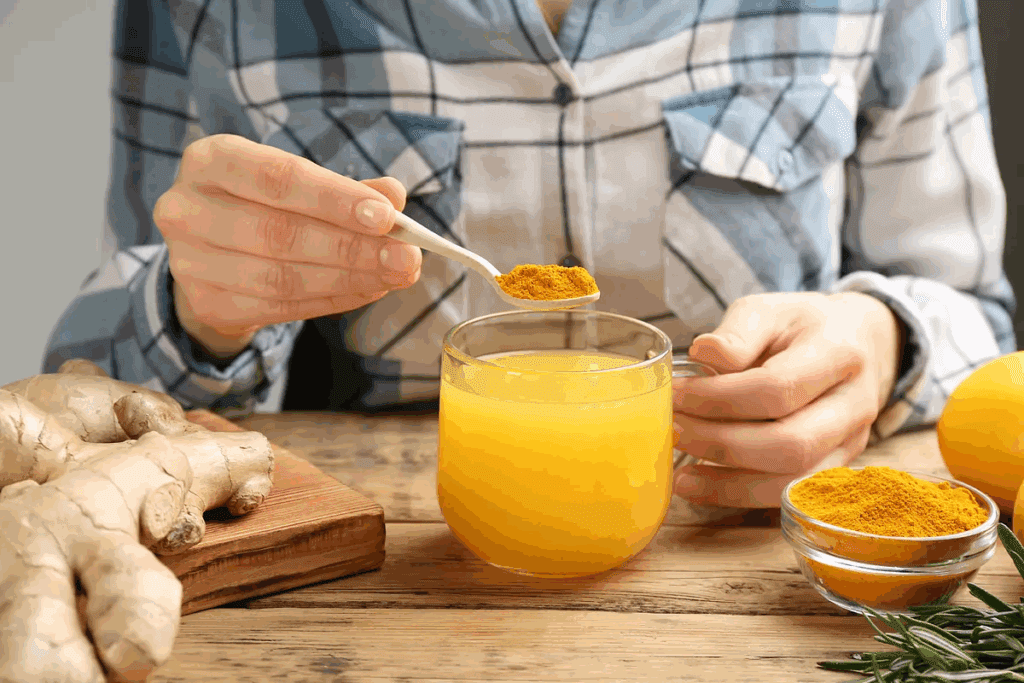
Millions of people worldwide suffer from chronic inflammation. This condition can lead to serious health issues like arthritis and heart disease. A lot of research shows that diet is key in fighting inflammation. Drinking the right beverages can help you reduce inflammation and boost your health. Explore foods that decrease inflammation and drinks that naturally soothe swollen joints.
An anti-inflammatory diet includes foods and drinks that fight inflammation. So, what drinks can help your body fight off inflammation? Knowing how our drinks affect our health is important for making good choices.
Key Takeaways
- Drinking certain beverages can help reduce inflammation.
- An anti-inflammatory diet includes a variety of drinks that support overall health.
- Understanding the impact of diet on inflammation is key for managing health.
- Simple changes to your daily beverage choices can have a big health impact.
- Adding drinks that fight inflammation is a proactive step towards improving your health.
Understanding Inflammation: The Body’s Double-Edged Sword
Inflammation is our body’s natural defense against harm. It protects us but can also be harmful if it lasts too long. This process is vital for our survival but can cause health problems if it doesn’t stop.
Acute vs. Chronic Inflammation
Inflammation comes in two forms: acute and chronic. Acute inflammation is a quick response to injury or infection. It shows as redness, swelling, and pain. It helps our body heal.
Chronic inflammation, on the other hand, lasts for months or years. It can cause tissue damage and lead to chronic diseases.
Common Signs and Symptoms of Chronic Inflammation
Chronic inflammation can show in many ways, making it hard to spot. Signs include constant tiredness, joint pain, and skin problems. Some might also have digestive issues or keep getting infections.
Spotting these symptoms of inflammation early is key to acting fast.
The Impact of Chronic Inflammation on Health
Chronic inflammation is linked to many health issues. These include heart disease, diabetes, and some cancers. It can also make conditions like arthritis and Alzheimer’s worse.
Knowing how to reduce inflammation in the body is important. Poor diet, not exercising, and stress can all lead to chronic inflammation. Making lifestyle changes can help fight its effects.
The Link Between Diet and Inflammation

Our diet greatly affects inflammation, both starting it and making it worse. The foods we eat can either make inflammation better or worse. Knowing this is key to managing inflammatory conditions well.
How Food Choices Impact Inflammatory Responses
What we eat greatly affects our body’s inflammatory response. Anti-inflammatory foods can lower inflammation, while pro-inflammatory foods can make it worse. For example, too much sugar and processed foods can increase inflammation.
The Western Diet and Inflammatory Conditions
The Western diet, full of processed meats, refined sugars, and unhealthy fats, increases inflammation. This diet can cause long-term inflammatory conditions like arthritis, diabetes, and heart disease.
Nutritional Components That Fight Inflammation
Some nutrients have anti-inflammatory effects. Omega-3 fatty acids in fatty fish, antioxidants in fruits and veggies, and polyphenols in green tea and dark chocolate are examples. Adding these to our diet can fight inflammation.
By choosing our food wisely, we can greatly affect our inflammatory responses. This can lower the risk of chronic diseases. It’s about eating a balanced diet with inflammation-fighting foods for better health and well-being.
Water and Hydration: The Foundation of Anti-Inflammatory Nutrition
Hydration is more than just drinking water. It’s about creating a body environment that fights inflammation. Drinking enough water is key for our body’s functions, including fighting inflammation.
How Proper Hydration Reduces Inflammation
Drinking the right amount of water helps reduce inflammation. It helps remove toxins and waste from our body. When we drink enough water, our cells work better, and our immune system fights inflammation better. Water keeps our cells strong, which helps prevent unnecessary inflammation.
Not drinking enough water can lead to more inflammation. Without enough water, our body releases molecules that cause inflammation. So, staying hydrated is a simple way to manage and lower inflammation.
Optimal Daily Water Intake Guidelines
Finding the right amount of water to drink daily can be tricky. It depends on age, sex, weight, and how active you are. A common rule is to drink eight 8-ounce glasses of water a day, or the “8×8 rule.” Some say drink half an ounce of water for every pound of your body weight.
| Activity Level | Recommended Water Intake |
| Sedentary | 8 cups (64 oz) |
| Moderately Active | 10 cups (80 oz) |
| Very Active | 12 cups (96 oz) |
Infused Water Recipes for Enhanced Benefits
Infused water is a tasty and healthy way to stay hydrated. Adding fruits, herbs, or veggies to water makes it flavorful and good for you. For example, lemon and ginger infused water helps with digestion and boosts the immune system.
“Infused water is a great way to add a twist to your hydration routine while reaping the benefits of various fruits and herbs.”
Here are some infused water recipes:
- Cucumber and Mint: Refreshing and hydrating, perfect for hot summer days.
- Strawberry and Basil: Sweet and savory, great for a summer evening.
- Lime and Ginger: Invigorating and digestive-friendly.
Adding infused water to our daily routine makes drinking water fun. It also might help its anti-inflammatory effects.
Green Tea: Nature’s Anti-Inflammatory Elixir
Green tea has been loved for centuries for its health benefits, like fighting inflammation. It’s key to know what makes it so good at this.
EGCG and Other Beneficial Compounds
Green tea is packed with catechins, antioxidants that fight inflammation. Epigallocatechin gallate (EGCG) is the most studied, known for its anti-inflammatory powers. It can stop pro-inflammatory cytokines, which start inflammation.
Green tea also has polyphenols and flavonoids, adding to its anti-inflammatory effects. These compounds work together for a strong anti-inflammatory effect.
Optimal Preparation and Consumption Methods
How you make and drink green tea affects its benefits. Optimal brewing techniques use water between 160°F and 170°F and steep for 1-3 minutes. Steeping too long can make it taste bitter and reduce its benefits.
Drinking 2-3 cups of green tea a day is best for its anti-inflammatory effects. But, watch out for caffeine sensitivity.
Matcha vs. Regular Green Tea for Inflammation
Matcha, a finely ground green tea powder, is rich in nutrients. It has more EGCG and other good stuff than brewed green tea because you drink the whole leaf.
Matcha might be more effective against inflammation because of its high catechin content. But, both matcha and regular green tea can help when part of a healthy diet.
“The catechins in green tea, like EGCG, fight inflammation and cancer. So, green tea is great for a healthy diet.”
In short, green tea, whether as a traditional brew or matcha, is great for fighting inflammation. Knowing how to make it right and drinking it daily can help your health.
Herbal Teas with Anti-Inflammatory Properties
Nature has given us many herbal teas that are not only tasty but also good for us. These teas come from plants and herbs and have been helping people stay healthy for centuries.
Chamomile, Rooibos, and Peppermint Benefits
Some herbal teas are known for their anti-inflammatory effects. Chamomile tea is calming and has flavonoids that fight inflammation. Rooibos tea is full of antioxidants that fight oxidative stress and inflammation. Peppermint tea helps with digestion and reduces inflammation in the stomach.
- Chamomile: Soothes and calms, reducing inflammation and promoting relaxation.
- Rooibos: Rich in antioxidants, it helps combat oxidative stress.
- Peppermint: Aids digestion and reduces gastrointestinal inflammation.
Brewing Techniques for Maximum Effectiveness
How we brew our herbal teas affects their benefits. To get the most out of them, we should use the right brewing methods. Steeping herbs in boiling water for 5-7 minutes is usually best. But, some herbs like chamomile might need less time to keep their benefits.
Creating Custom Anti-Inflammatory Tea Blends
Herbal teas let us make our own special blends. By mixing different herbs, we can make teas that are even more effective. For example, mixing ginger with turmeric makes a strong anti-inflammatory tea. Trying out different mixes helps us find the perfect tea for our taste and health needs.
Turmeric-Based Drinks: Harnessing the Power of Curcumin
Turmeric-based drinks are a natural way to fight inflammation. Turmeric, a common spice, has curcumin, which is very good at reducing inflammation.
Golden Milk Recipe and Benefits
Golden milk is a traditional Indian drink. It mixes turmeric with milk or a milk substitute. This creates a drink that is both comforting and fights inflammation.
To make golden milk, mix 1 teaspoon of turmeric powder with a cup of milk. Add honey for sweetness and a pinch of black pepper to help your body absorb curcumin better.
The benefits of golden milk include:
- Reducing inflammation and potentially alleviating symptoms of arthritis
- Providing antioxidant properties that can help protect against cell damage
- Supporting immune function
Turmeric Tea Variations
Turmeric tea is another great way to enjoy turmeric’s health benefits. To make it, steep 1/2 teaspoon of turmeric powder or fresh turmeric root in boiling water for 5-10 minutes. You can add ginger, cinnamon, or lemon to make it taste better.
Some variations include:
- Ginger-turmeric tea for an extra anti-inflammatory boost
- Cinnamon-turmeric tea for a sweeter flavor
- Lemon-turmeric tea for a refreshing twist
Enhancing Curcumin Absorption with Black Pepper
Curcumin, the active part of turmeric, isn’t easily absorbed by the body. But, adding black pepper can change that. Black pepper has piperine, which makes curcumin up to 2,000% more absorbable.
To get the most out of turmeric drinks, add a pinch of black pepper. This simple step can greatly increase curcumin’s anti-inflammatory effects.
Tart Cherry Juice: The Athlete’s Anti-Inflammatory
Tart cherry juice is gaining popularity among athletes looking for natural ways to recover. It’s made from tart cherries and may help reduce muscle soreness and inflammation after working out.
Research on Muscle Recovery and Pain Reduction
Research shows tart cherry juice can help with muscle recovery. A 2010 study in the Journal of the International Society of Sports Nutrition found it reduced muscle damage and inflammation in marathon runners. Its anti-inflammatory effects come from anthocyanins, powerful antioxidants.
“Tart cherry juice is great for athletes wanting to recover faster,” says a sports nutrition expert. It’s most helpful for those doing intense or long workouts.
How Much to Drink and When
The right amount of tart cherry juice varies. Studies suggest 8 to 16 ounces (237 to 473 ml) per day, split into doses. Start with a small amount to see how you react, as it might upset your stomach.
When to drink it matters too. Drinking it before and after exercise can be most beneficial. Drinking it a few days before a big event and for a couple of days after can help.
Combining Tart Cherry with Other Anti-Inflammatory Ingredients
You can mix tart cherry juice with other anti-inflammatory ingredients. Adding fresh ginger or turmeric powder can boost its effects. Some athletes also mix it with green tea for extra benefits.
Adding tart cherry juice to your recovery routine can reduce muscle soreness and improve performance. Always talk to a healthcare professional before making any changes to your diet.
Ginger Infusions: Warming Relief for Inflammation
Ginger infusions are a natural way to fight inflammation. For centuries, ginger has been used in traditional medicine for its anti-inflammatory powers.
Traditional Ginger Tea Preparation
Making ginger tea is easy and effective. Start by peeling and slicing fresh ginger. Then, steep the slices in boiling water for 5-10 minutes.
You can adjust the ginger amount to your liking. Add honey or lemon for extra taste.
Ginger and Lemon Combinations
Adding lemon to ginger tea boosts its benefits. Lemon’s vitamin C helps your immune system, while ginger fights inflammation. Mix the juice of half a lemon into your ginger tea and stir well.
Ginger Shots for Concentrated Benefits
Ginger shots offer a strong dose of ginger’s benefits. These small drinks are made by juicing fresh ginger. You can drink them alone or mix with other juices for extra flavor.
| Preparation Method | Benefits | Tips |
| Ginger Tea | Reduces inflammation, soothes digestive issues | Add honey or lemon for flavor |
| Ginger and Lemon Infusion | Boosts immune system, enhances anti-inflammatory effects | Use fresh lemons for the best flavor |
| Ginger Shots | Concentrated anti-inflammatory benefits, easy to consume | Mix with other juices for varied flavors |
Berry-Based Smoothies and Juices
Berries are full of antioxidants, making them great for anti-inflammatory drinks. They taste good and are full of nutrients that fight inflammation.
Blueberries, Strawberries, and Other Anti-Inflammatory Berries
Many berries have anti-inflammatory properties. Blueberries are full of anthocyanins, which help reduce inflammation. Strawberries have vitamin C and ellagic acid, both good for fighting inflammation. Raspberries, blackberries, and cranberries also have lots of antioxidants.
Simple Anti-Inflammatory Smoothie Recipes
Making anti-inflammatory smoothies is easy. Here’s a simple recipe to start with:
- 1 cup mixed berries (blueberries, strawberries, raspberries)
- 1/2 cup unsweetened almond milk
- 1 tablespoon chia seeds
- 1 teaspoon honey (optional)
- Ice cubes (as needed)
Blend these ingredients until smooth. Enjoy a refreshing, anti-inflammatory drink.
Balancing Sugar Content in Fruit Drinks
Berries are nutritious but have natural sugars. To balance sugar in your drinks, try these tips:
- Add a source of protein like Greek yogurt or protein powder to reduce the glycemic index.
- Incorporate healthy fats such as nuts or seeds to enhance satiety and nutrient absorption.
- Use unsweetened plant-based milks to avoid added sugars.
- Limit the quantity of fruit used and balance with vegetables if making a juice.
By following these tips, you can enjoy berry-based smoothies and juices. They’re delicious and help with your anti-inflammatory diet.
Bone Broth: Ancient Remedy for Modern Inflammation
Bone broth is packed with collagen and amino acids. It’s a natural way to boost gut health and fight inflammation. The nutrients in bone broth, like collagen and amino acids, help the body heal itself.
Collagen, Amino Acids, and Gut Health
Bone broth is full of collagen, which turns into gelatin when cooked. This makes the amino acids easier for the body to use. It helps heal and seal the gut lining, supporting gut health.
The amino acids glycine, proline, and hydroxyproline are great for the gut. They also have anti-inflammatory effects.
The gut and immune system are connected. A healthy gut microbiome is key to reducing inflammation. Drinking bone broth can help support gut health and lower inflammation.
How to Prepare and Consume Bone Broth
To make bone broth, simmer animal bones like beef, chicken, or fish for 12-24 hours. This extracts the nutrients. You can drink it straight or use it as a base for soups and stews.
For the best results, drink bone broth regularly. Many enjoy a warm cup in the morning or before bed.
Plant-Based Alternatives to Traditional Bone Broth
There are plant-based broths that offer similar benefits to traditional bone broth. Vegetable broths, made with vegetables, mushrooms, and seaweed, are rich in nutrients and have anti-inflammatory properties.
Some people prefer mushroom-based broths or seaweed-based broths. These are good options for those who don’t eat meat or animal products.
Foods That Decrease Inflammation: Beyond Beverages
To fight inflammation, we need to look at more than just drinks. A wide range of foods can help. These foods offer extra benefits beyond what drinks can do.
Fatty Fish and Omega-3 Rich Foods
Fatty fish are top choices for fighting inflammation. They’re full of omega-3 fatty acids, EPA and DHA. These acids help lower inflammation by stopping pro-inflammatory cytokines.
Salmon, sardines, and mackerel are great sources. Eating them at least twice a week can help a lot.
Nuts, Seeds, and Plant-Based Anti-Inflammatory Options
Nuts and seeds are great snacks and full of anti-inflammatory compounds. Almonds, walnuts, and chia seeds stand out for their healthy fats and antioxidants. They help fight inflammation by providing key nutrients.
- Walnuts: Rich in alpha-linolenic acid (ALA), a type of omega-3 fatty acid.
- Chia Seeds: High in fiber and antioxidants, which help in reducing inflammatory markers.
- Flaxseeds: Another excellent source of ALA, contributing to their anti-inflammatory effects.
Colorful Vegetables and Their Anti-Inflammatory Properties
Colorful veggies are not just pretty; they’re also full of anti-inflammatory compounds. Leafy greens, bell peppers, and tomatoes are loaded with antioxidants and nutrients. These help fight inflammation.
The bright colors of these veggies show they’re packed with phytochemicals. These compounds are key in reducing oxidative stress and inflammation.
Adding these anti-inflammatory foods to your diet can help a lot. A balanced diet and healthy lifestyle choices are the best way to fight inflammation.
Drinks to Avoid: Inflammatory Culprits in Your Cup
Many drinks can help fight inflammation, but some can make it worse. It’s key to know which drinks can trigger or increase inflammation.
Sugary Beverages and Their Impact
Sugary drinks like sodas and sports drinks are big culprits. High sugar intake creates AGE products, which start inflammation in the body.
Drinking these often can cause long-term inflammation. This raises the risk of health issues like obesity, diabetes, and heart disease.
| Sugary Beverage | Inflammatory Effect |
| Soda | High fructose corn syrup increases AGE products |
| Sports Drinks | High sugar content contributes to insulin resistance |
| Energy Drinks | Combination of sugar and caffeine can lead to increased oxidative stress |
Alcohol and Inflammation: What the Research Shows
Alcohol is another big cause of inflammation. Chronic alcohol use can mess up the gut and make it more open. This lets toxins in and starts inflammation.
Studies show that a little alcohol might help fight inflammation. But too much can make things worse, leading to liver disease and some autoimmune issues.
Hidden Inflammatory Ingredients in Common Drinks
Some drinks have ingredients that can cause inflammation. For example, artificial sweeteners and food coloring in diet sodas and flavored drinks can upset some people. This might lead to inflammation.
It’s important to watch out for these hidden ingredients. Always check the list and know how certain additives can affect you.
Creating an Anti-Inflammatory Drinking Schedule
To get the most from anti-inflammatory drinks, make a schedule that works for you. It’s important to drink them at the right times and regularly. This way, you can enjoy their benefits fully.
Morning, Afternoon, and Evening Options
Begin your day with a healthy drink. Try green tea or tart cherry juice in the morning. For a mid-day pick-me-up, try infused water with cucumber and mint. At night, chamomile tea can help you relax and reduce inflammation.
Here’s a sample daily schedule:
| Time of Day | Recommended Drink | Benefits |
| Morning | Green Tea | Antioxidants, anti-inflammatory |
| Afternoon | Infused Water (Cucumber, Mint) | Hydrating, anti-inflammatory |
| Evening | Chamomile Tea | Relaxing, anti-inflammatory |
Seasonal Considerations for Maximum Benefits
Anti-inflammatory drinks work differently in each season. In winter, warm drinks like ginger tea are comforting and effective. In summer, cool drinks like infused water or cold green tea are refreshing.
Seasonal Drink Options:
- Winter: Ginger tea, golden milk
- Summer: Infused water, cold green tea
- Spring: Berry-based smoothies, herbal teas
- Autumn: Apple cider vinegar drinks, warm turmeric tea
Practical Tips for Consistency and Compliance
To stay consistent, prepare your drinks ahead of time. For example, brew a pitcher of green tea or make infused water the night before. Keep your drinks in sight and easy to grab to drink them regularly.
By following these tips, you can make the most of anti-inflammatory drinks. They can greatly improve your health and well-being.
Special Considerations: Anti-Inflammatory Drinks for Specific Conditions
Managing inflammation varies by health condition. Different approaches are needed for anti-inflammatory drinks. A single solution doesn’t work for everyone, which is why tailored drinks are important.
Arthritis and Joint Pain
People with arthritis and joint pain can find relief in certain drinks. Turmeric-based drinks are effective because of curcumin. A study in the Journal of Medicinal Food showed curcumin reduces pain and improves function in knee osteoarthritis patients.
Tart cherry juice also helps. It reduces inflammation and eases pain in arthritis patients. The anthocyanins in tart cherries are key to these benefits.
Digestive Inflammation
Digestive inflammation is tough to manage. But, some drinks can soothe the digestive tract. Ginger infusions are great because of their anti-inflammatory compounds, gingerols and shogaols. These can lessen digestive inflammation and help with symptoms like IBS.
Green tea is also good for the gut. Its anti-inflammatory properties protect the gut lining and reduce inflammation.
Post-Workout Recovery
After a tough workout, the body needs drinks that reduce muscle inflammation and aid recovery. Berry-based smoothies are excellent because they’re full of antioxidants and anti-inflammatory compounds. Berries like blueberries and strawberries contain anthocyanins, which help reduce muscle damage and inflammation after exercise.
Tart cherry juice is also great for recovery. It can lessen muscle soreness and inflammation. A study in the Journal of the International Society of Sports Nutrition found tart cherry juice reduces muscle damage and improves recovery after intense exercise.
Autoimmune-Related Inflammation
For those with autoimmune-related inflammation, choosing the right drinks is key. Green tea is a good choice because of its EGCG content. EGCG can reduce inflammation and modulate immune responses. It suppresses pro-inflammatory cytokines, which promote inflammation.
Ginger and turmeric drinks are also beneficial. They have strong anti-inflammatory properties that can help with autoimmune conditions.
In conclusion, choosing anti-inflammatory drinks based on specific health conditions can greatly improve their effectiveness. Understanding the unique benefits of different drinks helps individuals make better choices. This can lead to better management of their condition and overall health.
Conclusion: Building Your Anti-Inflammatory Beverage Strategy
Incorporating anti-inflammatory beverages into your diet can help manage inflammation. Understanding the link between diet and inflammation is key. This way, we can choose drinks that reduce inflammation.
We’ve looked at various drinks that help, like green tea, herbal teas, turmeric-based drinks, and tart cherry juice. Each has unique anti-inflammatory properties. They can be part of a broader anti-inflammatory diet.
To create an effective anti-inflammatory beverage strategy, start by adding one or two new drinks to your daily routine. Try different options to see what works best for you. Making these simple changes can help reduce inflammation and improve your health.
FAQ
What is inflammation, and how does it affect the body?
Inflammation is how our body reacts to injury or infection. But, if it happens too often, it can cause health problems like arthritis, diabetes, and heart disease.
How can diet influence inflammation?
What we eat greatly affects inflammation. Eating foods that fight inflammation, like fatty fish, nuts, and colorful veggies, can help. On the other hand, foods high in sugar and processed foods can make inflammation worse.
What are some anti-inflammatory beverages I can consume?
Good choices include green tea, herbal teas like chamomile and peppermint, and drinks made with turmeric. Tart cherry juice, ginger infusions, and berry-based smoothies and juices are also great options.
How much water should I drink to stay hydrated and reduce inflammation?
Drinking at least eight glasses of water a day is a good start. Adding anti-inflammatory ingredients like cucumber and mint to your water can make it even better.
Can I combine different anti-inflammatory ingredients for enhanced benefits?
Yes, mixing ingredients like turmeric with black pepper, ginger with lemon, or tart cherry with other anti-inflammatory ingredients can make them work better together.
Are there any drinks I should avoid to reduce inflammation?
Yes, it’s best to cut down on sugary drinks, alcohol, and anything with hidden inflammatory ingredients. These can make inflammation worse.
How can I create an anti-inflammatory drinking schedule?
Plan when to drink your anti-inflammatory drinks. For example, have green tea in the morning, herbal tea in the afternoon, and turmeric drinks at night. Adjust your plan as needed.
Can anti-inflammatory drinks help with specific health conditions?
Yes, certain drinks can help with arthritis, digestive issues, recovery after working out, and autoimmune diseases.
Are there any plant-based alternatives to traditional bone broth?
Yes, you can make plant-based versions of bone broth using mushrooms, vegetables, and seaweed. They offer similar benefits.
How can I ensure consistency and compliance with my anti-inflammatory drinking schedule?
To stay on track, prepare your drinks ahead of time, keep them where you can easily find them, and track your progress. This will help you stay motivated.
References
- Schönenberger, K. A., et al. (2021). Effect of anti-inflammatory diets on pain in rheumatoid arthritis: A systematic review and meta-analysis. Nutrients, 13(11), 4017. https://pmc.ncbi.nlm.nih.gov/articles/PMC8706441/



 Departments
 Related Videos
 Our Doctors
 News
News