After prostate surgery, many patients struggle with bowel movements. Up to 18% of patients face new or worsened bowel symptoms, including constipation. To aid recovery and reduce these issues, it is important to know the foods to avoid after prostate surgery, such as fried foods, red meat, and full-fat dairy products, which can worsen inflammation and digestive discomfort.
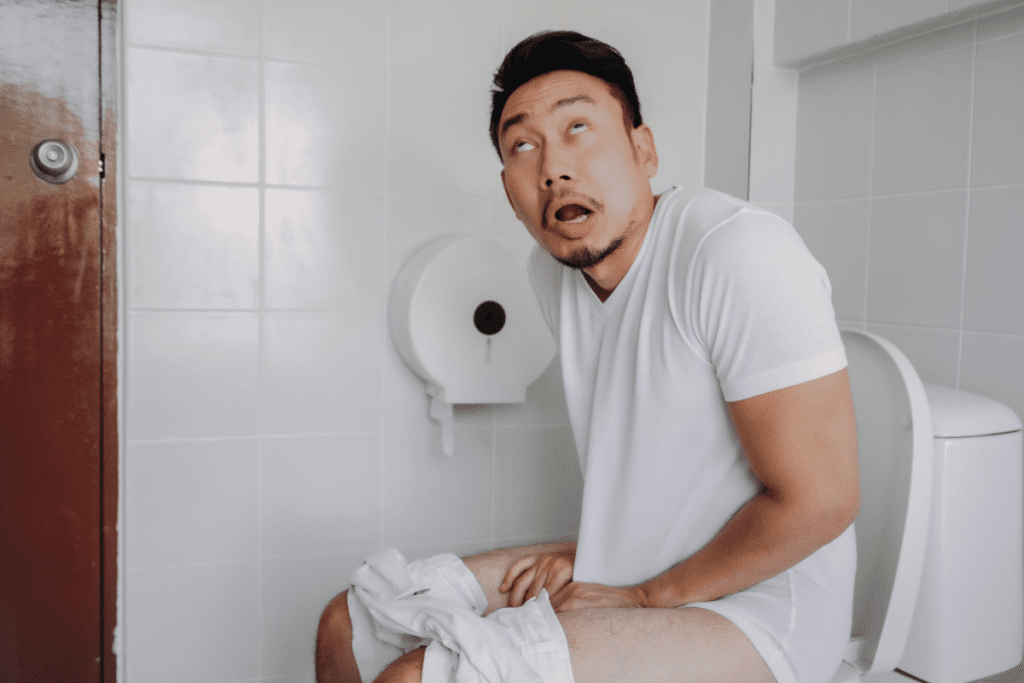
Constipation after surgery often comes from painkillers and dehydration. It’s important to eat a high-fiber diet and drink plenty of water. This helps with digestion during recovery.
Doing gentle physical activities also helps restore bowel function. Knowing the reasons and using management strategies can ease discomfort. This supports a smooth recovery.
Key Takeaways
- Constipation is a common issue after prostate surgery.
- A high-fiber diet can help manage constipation.
- Adequate hydration is essential for healthy bowel movements.
- Gentle physical activity supports recovery.
- Understanding the causes can help alleviate discomfort.
Understanding Bowel Function Changes After Prostate Surgery
Changes in bowel function after prostate surgery are common. It’s important to understand these changes for a smoother recovery. Prostate surgery can affect bowel habits because of its close location to the rectum and nerves.

The Science Behind Post-Surgical Bowel Disruption
Several factors cause bowel function changes after prostate surgery. These include the surgical method, nerve damage, and the body’s response to losing the prostate gland. Damage to the rectum is rare, happening in less than 2 to 3% of cases.
The body’s adjustment to the changed anatomy is the main reason for initial bowel changes. Studies show that the rectum and surrounding nerves are key in controlling bowel movements. During surgery, these nerves can be irritated or damaged, leading to bowel habit changes.
Statistics on Bowel Issues Following Prostatectomy
Bowel issues after prostatectomy vary among patients. Research by the US Army Medical Department found fecal incontinence rates up to 18% after radical perineal prostatectomy. This is a big increase from the 2“4% rate in older adults. For more information, patients can look at Medical News Today.
Differences Between Open Surgery and Minimally Invasive Approaches
The surgery method affects bowel function changes. Minimally invasive surgeries, like laparoscopic or robotic-assisted prostatectomies, cause less tissue trauma and nerve damage. This can lead to fewer bowel complications and a quicker recovery.
It’s key for patients to understand these differences. This knowledge helps them make informed decisions and have realistic recovery expectations. Knowing the impact on bowel function helps patients prepare for the post-surgical period.
The Timeline of Bowel Movement Recovery
Knowing when bowel movements will return after prostate surgery is key. Recovery times differ for everyone. Yet, there are general tips to help manage your recovery and make it smoother.

First 3-4 Days: What to Expect
Right after surgery, bowel movements often stop for 3“4 days. This pause is caused by anesthesia, pain meds, and bowel prep before surgery.
During these first days, you might feel bloated and uncomfortable. You might also notice your belly looks bigger. Eating a high-fiber diet and drinking enough water are key to helping your body heal and get your bowel movements back.
Weeks 1-4: Gradual Return to Normal Function
As your body heals, bowel function starts to come back. Keep eating foods high in fiber and drink lots of water. This helps soften your stool and makes bowel movements easier.
Choosing foods that are easy to digest and avoiding foods that can cause constipation is important. Knowing which foods to avoid after prostate surgery can also help prevent problems.
While focusing on food, remember that overall care after prostate surgery is important too. This includes knowing if an enlarged prostate can cause constipation and how to handle it.
By the fourth week, most people start to have more regular bowel movements. But remember, everyone recovers at their own pace. Be patient and flexible.
Dietary Strategies to Promote Healthy Bowel Movements
After prostate surgery, bowel movements can change, causing discomfort. But certain diets can help. Eating foods high in fiber, staying hydrated, and planning meals can improve bowel health.
High-Fiber Foods That Combat Constipation
Eating foods high in fiber is key to fighting prostate cancer and constipation. Whole grains, fruits, and veggies are great. They make stool softer and help you go regularly. Try whole grain cereals, broccoli, and apples for fiber.
For more tips on diet changes after prostate cancer treatment, check outCancer Research UK.
Hydration Guidelines for Post-Prostatectomy Patients
Drinking enough water is vital for good bowel movements. It softens stool and makes it easier to pass. Aim for eight glasses of water a day, but adjust based on your activity and where you live.
Meal Planning for Optimal Digestive Health
Planning meals can also boost digestive health. Eat smaller, more frequent meals to ease digestion. A varied diet ensures you get all the nutrients you need. Focus on fiber-rich foods and avoid too much sugar and salt.
- Incorporate whole grains like brown rice and quinoa into your meals.
- Enjoy a variety of colorful vegetables and fruits.
- Limit processed foods that are high in sugar and salt.
Foods to Avoid After Prostate Surgery
Knowing which foods to avoid after prostate surgery can greatly help your bowel health. After surgery, many people face changes in their bowel habits, like constipation or diarrhea. Changing your diet is key to managing these symptoms and aiding in your recovery.
Constipation-Inducing Foods and Beverages
Some foods can make constipation worse, a common problem after prostate surgery. These include:
- Dairy products in excess, mainly for those with lactose intolerance
- Processed meats that are low in fiber and high in fat
- Refined grains like white bread and pasta
- Foods high in sugar can upset your digestive balance
Staying away from these foods can help prevent constipation. It’s also good to eat foods rich in fiber and drink plenty of water.
Foods That May Worsen Incontinence or Diarrhea
Some foods can also make incontinence or diarrhea worse. These include:
- Caffeine and alcohol, which can irritate the bladder and bowel
- Spicy foods that can irritate the bladder
- High-fiber foods in excess can cause gas and discomfort
Managing your diet after prostate surgery is a careful balance. Avoiding foods that can cause constipation, diarrhea, or incontinence can greatly improve your recovery. It’s important to work with a healthcare provider to create a diet plan that’s right for you.
Physical Activity Recommendations for Bowel Regulation
Having a good exercise plan is key to healthy bowel movements after prostate surgery. Gentle exercises can help move your bowels, cutting down on constipation and other issues.
Stimulating Bowel Movements with Safe Exercises
It’s important to do safe exercises during recovery. Short walks, pelvic tilts, and gentle stretches can help without straining your body. Start slow and build up the intensity and time.
Recommended Exercises:
- Short walks: Start with short walks around the house or yard, then increase the distance as you get stronger.
- Pelvic tilts: Lie on your back with knees bent and feet flat, tilt your pelvis up and then back down. This relaxes your pelvic muscles.
- Gentle stretching: Do gentle stretches that don’t strain your belly or pelvic area too much.
Activity Progression Timeline
Increasing physical activity after surgery should be slow. Patients can start with light activities a few days after surgery. Then, they can do more intense exercises over the next weeks.
General Guidelines:
- First week: Do light activities like walking and simple stretching.
- Second to fourth week: Increase the walk time and intensity, add pelvic exercises.
- After four weeks: You can do more intense activities, but listen to your body and don’t push too hard.
Adding physical activity to your recovery plan helps with bowel movements and overall recovery. Always talk to your doctor before starting any new exercise after surgery.
Managing Pain Medication Side Effects on Digestion
After prostate surgery, pain meds can affect your bowel function. It’s key to know how they impact your digestion. Managing pain is vital, but understanding side effects is just as important.
How Opioids Impact Bowel Function
Opioids are often used for pain after surgery. But they can cause constipation. This happens because they slow down bowel movements by affecting the gut.
To avoid this, look into non-opioid pain meds. They might have fewer side effects on your stomach.
Some patients find multimodal analgesia helpful. It mixes different pain meds to control pain without using too many opioids. This can lower the chance of constipation and other side effects.
Non-Opioid Alternatives for Pain Management
It’s important to find non-opioid pain meds to avoid constipation. Here are some options:
- Nonsteroidal anti-inflammatory drugs (NSAIDs)
- Acetaminophen
- Regional anesthesia techniques
- Physical therapy and gentle exercises
You can use these alone or with other methods to manage pain well.
Balancing Pain Control and Bowel Health
Finding the right balance between pain control and bowel health is tricky. Work with your doctor to adjust your pain meds and try different strategies. Dietary changes can also help your bowel health.
For example, eating more fiber and drinking water can help with constipation. Exercise also helps your digestion and overall health.
Addressing Specific Bowel Complications
Patients who have prostate surgery might face bowel problems. These issues can really affect their life and recovery. It’s key for doctors and patients to know how to handle these problems.
Managing Fecal Incontinence After Prostate Surgery
Fecal incontinence is a problem after prostate surgery. It makes it hard to control bowel movements. Pelvic floor exercises, like Kegel exercises, can strengthen these muscles, helping with control.
Diet also matters a lot. Eating more fiber can make stool firmer and easier to control. Patients should talk to their doctor or a nutritionist for a good diet plan.
Dealing with Persistent Constipation
Constipation is common after prostate surgery. It can be due to pain meds, less activity, or diet changes. Drinking more water and eating fiber-rich foods can help. Foods like fruits, veggies, and whole grains are good.
Being active is also important. Walking and other gentle exercises can help with bowel movements. Patients should talk to their doctor about safe exercises.
When to Seek Medical Attention for Bowel Issues
Some bowel problems can be fixed with lifestyle changes. But some need medical help. Seek help right away for severe symptoms like intense pain, vomiting, or bloody stools.
It’s also key to keep up with doctor visits. Early help can stop long-term problems and improve recovery. Knowing about bowel issues after prostate surgery and when to get help can help patients recover better and live better.
Conclusion: Creating Your Personalized Post-Surgery Recovery Plan
Creating a personalized recovery plan is key to achieving the best results after prostate surgery. It should include diet changes, exercise, and ways to manage pain. These steps help with bowel health and avoid complications.
A diet high in fiber and enough water can fight constipation, a common problem after surgery. It’s important to stay away from foods and drinks that can make bowel issues worse.
Those with prostate cancer and constipation need to work with their doctors closely. Places like Liv Hospital focus on care based on solid evidence and teamwork for better outcomes.
By combining diet, exercise, and pain management, patients can make a recovery plan that fits them. This approach helps for a smoother and more effective healing process.
FAQ
Can prostate surgery cause constipation or diarrhea?
Yes, prostate surgery can cause bowel problems like constipation and diarrhea. This happens because the surgery affects nerves and tissues around the bowel.
How long does it take for bowel movements to return to normal after prostate surgery?
It takes different times for everyone, but most people get back to normal bowel function in 1-4 weeks after surgery.
What dietary changes can help promote healthy bowel movements after prostate surgery?
Eating more high-fiber foods and staying hydrated helps. Also, planning your meals can support your digestive health and regular bowel movements.
Are there specific foods that can worsen bowel dysfunction after prostate surgery?
Yes, some foods can make constipation or diarrhea worse. Avoiding foods that cause constipation and those that may make diarrhea or incontinence worse can help manage bowel issues.
Can physical activity help regulate bowel movements after prostate surgery?
Yes, gentle exercises and slowly increasing physical activity can help stimulate bowel movements. This supports your overall digestive health.
How do pain medications affect bowel function after prostate surgery?
Opioids can slow down bowel movements and cause constipation. Looking for non-opioid pain relief and balancing pain control with bowel health can help.
What are some strategies for managing fecal incontinence after prostate surgery?
Pelvic floor exercises, dietary changes, and bowel training can help manage fecal incontinence. Getting personalized guidance from a healthcare provider is recommended.
When should I seek medical attention for bowel issues after prostate surgery?
If bowel issues don’t get better, get worse, or if you have other concerning symptoms, seek medical help. This is important to address underlying issues and prevent complications.
Can an enlarged prostate cause constipation?
Yes, an enlarged prostate can cause constipation. This is because it’s close to the rectum and can affect bowel habits.
Does radiation therapy for prostate cancer cause constipation or diarrhea?
Radiation therapy can cause bowel dysfunction, including constipation and diarrhea. Managing these symptoms is key to maintaining quality of life.
What is the impact of prostate cancer on bowel habits?
Prostate cancer and its treatment can affect bowel habits, leading to constipation or diarrhea. Understanding these effects can help patients prepare and manage their symptoms.
References
- Adibi, P., Loughlin, K., Fairfield, J., Bresler, L., & Wietgrefe, D. (2011). Change in functional bowel symptoms after prostatectomy: A case-control study. Journal of Urology. Retrieved fromhttps://www.ncbi.nlm.nih.gov/pmc/articles/PMC3214293/
- Anguas-Gracia, A., Polo, J., Gómez, M., Morales, R., & Suárez-Guerrero, E. (2023). Quality of life after radical prostatectomy: A longitudinal study. PMC. Retrieved fromhttps://www.ncbi.nlm.nih.gov/pmc/articles/PMC10443267/
- Psarias, T., Andersson, D. E., Hultman, G., & Nilsson, S. (2024). Anorectal function and symptoms 6 months after robot-assisted laparoscopic radical prostatectomy. SJU Medical Journal. Retrieved fromhttps://medicaljournalssweden.se/SJU/article/view/35396
- Medical News Today. (2024, January). Bowel problems after prostatectomy: Types and management. Retrieved fromhttps://www.medicalnewstoday.com/articles/bowel-problems-after-prostatectomy
- Prostate Cancer Foundation of Australia (PCFA). (2024). Understanding urinary and bowel side effects of prostate cancer treatment. Retrieved fromhttps://www.prostate.org.au/wp-content/uploads/2024/01/06-Understanding-Urinary-and-bowel-issues.pdf