
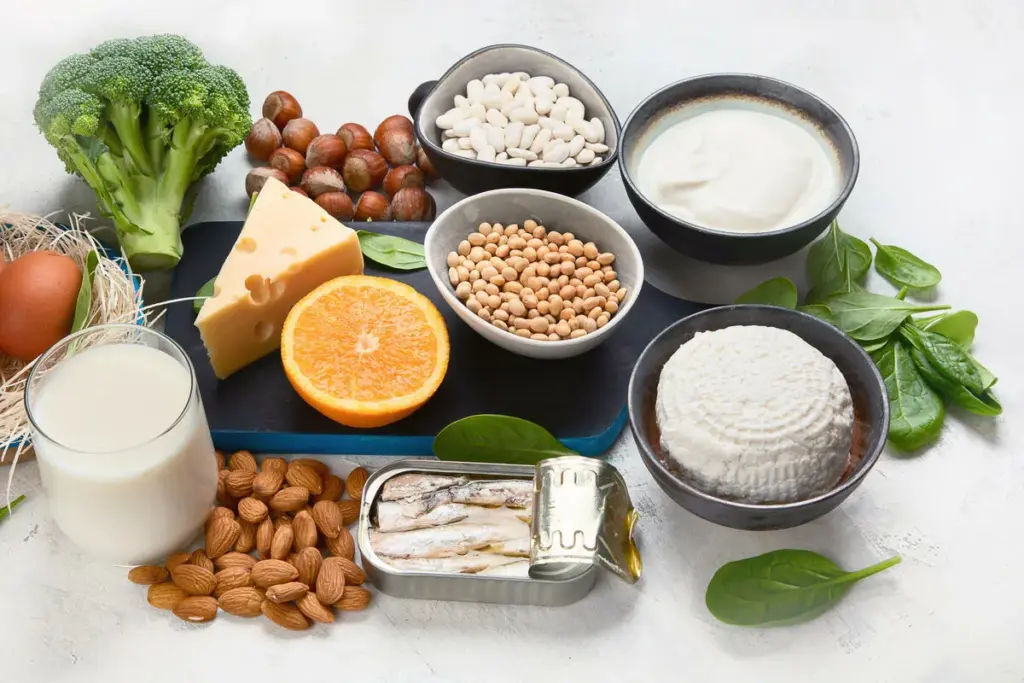
After a fracture, the body faces a big challenge. A staggering 6.8 million Americans suffer from fractures every year. A diet full of important nutrients can help a lot. Drinks can also play a big role in supporting bone health.
Nutrition is a critical factor in bone repair. We’ll look at how calcium supplements for fracture healing and other bone recovery supplements help fix bones.
Key Takeaways
- A well-balanced diet is crucial for bone healing.
- Specific nutrients and beverages support bone health.
- Calcium supplements aid in fracture healing.
- Bone recovery supplements can support the healing process.
- Nutrition plays a critical role in bone repair.
The Science Behind Bone Healing

The science of bone healing shows how key nutrition is for healing from fractures. Bone healing is a complex process. It involves many cell types, growth factors, and nutrients working together.
The Four Stages of Bone Repair
Bone repair happens in four stages: inflammation, soft callus formation, hard callus formation, and remodeling. Each stage is vital for healing.
- Inflammation: This first stage is the body’s natural injury response. It involves inflammatory cells and growth factors.
- Soft Callus Formation: A soft callus forms, made of cartilage and collagen. It bridges the fracture gap.
- Hard Callus Formation: The soft callus turns into a hard callus. Cartilage is replaced by bone tissue.
- Remodeling: The final stage reshapes and strengthens the new bone tissue.
Nutritional Requirements During Each Stage
Nutrition is crucial for bone healing. Different nutrients are needed at different times.
During the inflammation stage, nutrients like omega-3 fatty acids help because they have anti-inflammatory properties.
In the soft and hard callus formation stages, calcium, phosphorus, and vitamin D are key. They help form and mineralize the bone matrix.
Finally, in the remodeling stage, protein, calcium, and minerals are important. They help strengthen the new bone.
Eating foods that help bone healing and following proper fracture nutrition can greatly aid recovery.
Essential Nutrients for Optimal Bone Repair
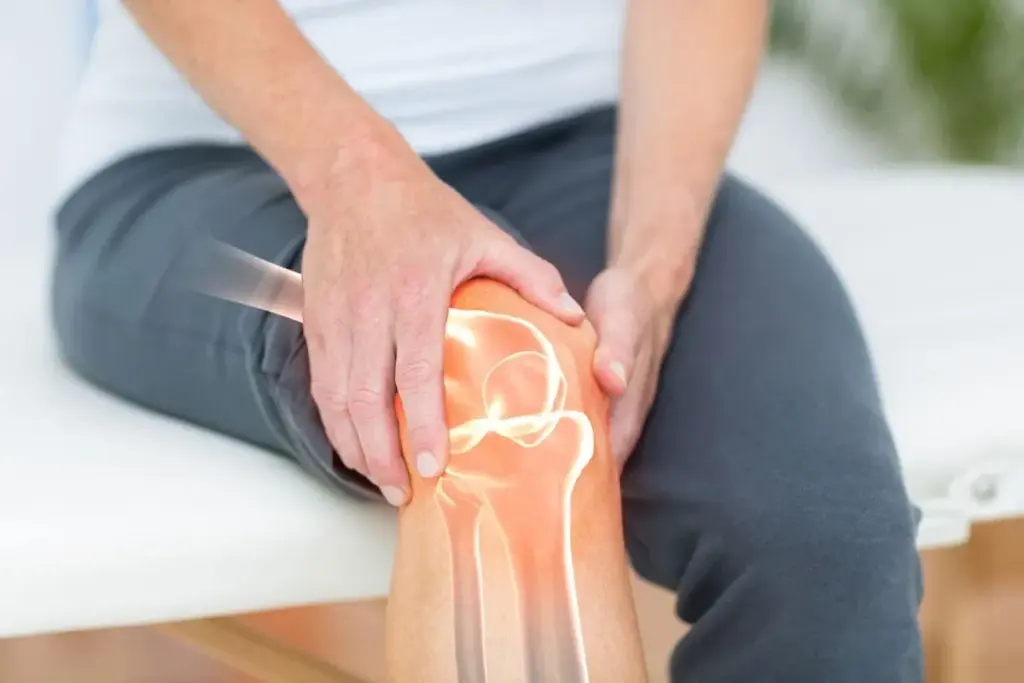
For bones to heal well, we need to eat right. We must focus on key nutrients that help bones fix themselves. Good food is key to giving our bodies what they need to mend bones fast.
Primary Bone-Building Nutrients
Calcium and vitamin D are key for fixing bones. Calcium helps bones get strong, and vitamin D helps our body use calcium.
- Calcium-rich foods include dairy products, leafy greens, and fortified plant-based milk.
- Vitamin D can be obtained through sunlight exposure, fatty fish, and supplements.
|
Nutrient |
Role in Bone Repair |
Food Sources |
|---|---|---|
|
Calcium |
Bone mineralization |
Dairy, leafy greens, fortified plant-based milk |
|
Vitamin D |
Calcium absorption |
Fatty fish, sunlight exposure, supplements |
Secondary Supporting Nutrients
Other nutrients also help with bone health. These are magnesium, phosphorus, and vitamin K.
- Magnesium is involved in bone mineralization and can be found in nuts, seeds, and whole grains.
- Phosphorus is crucial for the formation of hydroxyapatite, the main structural component of bones, and is found in meat, fish, and dairy products.
- Vitamin K helps regulate bone mineralization and is abundant in leafy greens.
It’s important to get enough of these nutrients for bone health. Eating a variety of whole foods helps ensure we get what we need for strong bones.
Calcium-Rich Beverages for Fracture Recovery
Drinks high in calcium are key for healing bones after a fracture. They help make bones stronger. It’s important to eat and drink things that help bones when you’re recovering.
Dairy-Based Drinks
Dairy like milk, yogurt, and cheese is full of calcium. They taste great and help fix bones. Choose low-fat or fat-free options to keep calories down.
Milk is a top pick because it has calcium and vitamin D. It’s easy for your body to use, making it perfect for healing bones.
Fortified Non-Dairy Alternatives
If you can’t have dairy or prefer plants, try fortified non-dairy drinks. Almond milk, soy milk, and oat milk are good choices. They have calcium and vitamin D added, just like dairy.
Almond milk is a great option. It’s got calcium and vitamins. You can drink it alone or mix it into smoothies and recipes.
Homemade Calcium-Boosting Smoothies
Making your own smoothies lets you pick what goes in. You can use dairy or non-dairy milk with fruits, nuts, and greens like kale.
Try mixing almond milk, frozen berries, spinach, and chia seeds. It’s full of calcium, antioxidants, and fiber.
Adding these calcium-rich drinks to your diet helps your bones heal faster. This makes recovering from fractures quicker and more effective.
Protein Drinks to Support Bone Healing
Protein is key for fixing bones, and the right drinks can help a lot. It helps the body heal faster and stronger.
There are many protein drinks to choose from. Your choice depends on what you need, what you can eat, and what you like.
Whey Protein Options
Whey protein has all the amino acids your bones need. It’s easy for your body to use, making it great after working out or eating. It helps make collagen, which is important for bone strength.
Key benefits of whey protein for bone healing:
- High bioavailability
- Rich in branched-chain amino acids (BCAAs)
- Supports muscle recovery alongside bone healing
Plant-Based Protein Beverages
If you don’t eat dairy or prefer plants, there are great options. You can find them made from pea, hemp, or brown rice protein. Even though they might not be as complete, mixing them can give you all the amino acids you need.
Popular plant-based protein sources:
- Pea protein
- Hemp protein
- Brown rice protein
Collagen Protein Drinks
Collagen drinks are popular for their benefits to bones and joints. They have amino acids like glycine, proline, and hydroxyproline. These are good for making collagen in bones.
“Collagen supplements have been shown to promote bone density and reduce the risk of fractures, particularly in older adults.”
When picking a protein drink for bone health, look at the whole nutritional picture. Make sure it has calcium and vitamin D too. Always talk to a doctor to find the best protein drink for you.
Vitamin D-Fortified Beverages
Vitamin D-fortified drinks are great for bone healing because they help with calcium absorption. Vitamin D is key for bone health. It helps the body use calcium, which is vital for fixing and growing bones.
The Crucial Role of Vitamin D in Calcium Absorption
Vitamin D is a fat-soluble vitamin that acts like a hormone. It helps control calcium levels and bone health. Without enough vitamin D, the body can’t absorb calcium well. This can lead to weak bones and a higher risk of fractures.
Studies show many people with bone fractures don’t have enough vitamin D. This shows how important it is to get enough vitamin D when bones are healing.
“Vitamin D helps your body absorb and use calcium.”
Commercial Vitamin D-Enhanced Drinks
Many drinks now have vitamin D added to them. This makes it easier to get the vitamin D we need. Some examples include:
- Fortified milk and dairy products
- Orange juice with added vitamin D
- Vitamin D-enhanced water
- Plant-based milk alternatives fortified with vitamin D
When picking vitamin D-fortified drinks, always check the label. Choose products with vitamin D3 (cholecalciferol) because it’s easier for the body to absorb.
Sunshine and Vitamin D Synthesis
The body also makes vitamin D when we’re in the sun. Getting some sun regularly can help boost vitamin D levels. But, how much depends on your skin, age, and where you live. For those who don’t get much sun, vitamin D drinks are even more important for bone health.
Drinking vitamin D-fortified beverages and getting enough sun can help support bone health. It might even help bones heal faster.
Bone Broth: A Traditional Remedy for Fracture Healing
Bone broth is packed with nutrients and has been used for bone health during fracture recovery. It’s a key food in many cultures for its healing benefits.
Nutritional Profile
Bone broth is full of collagen, proteoglycans, and minerals like calcium, magnesium, and phosphorus. These are vital for fixing and growing bones.
- Collagen: It’s the base for bone building.
- Proteoglycans: They help keep bones strong and working right.
- Minerals: They’re key for making bones strong and dense.
Preparing Therapeutic Bone Broth
To get the most from bone broth, making it right is key. Here’s a simple way to do it:
- Choose bones like marrow and knuckle bones.
- Roast the bones in the oven to boost flavor and nutrients.
- Simmer the bones in water for 24 hours, adding veggies like carrots and celery for extra nutrients.
- Strain the broth and cool it before chilling or freezing it.
Recommended Consumption Schedule
Drinking bone broth often can help your recovery. Here’s a good plan:
- Drink at least 1 cup of bone broth daily.
- Up to 2-3 cups a day when your bones are healing fast.
- Try adding a bit of sea salt to help your body absorb minerals better.
Adding bone broth to your diet can help your body heal faster and support bone recovery.
Green Smoothies and Vegetable Juices for Bone Support
Green smoothies and vegetable juices are great for bone health. They are full of vitamins and minerals that help keep bones strong. These drinks also support the repair of bones.
Leafy Greens and Their Bone-Supporting Nutrients
Leafy greens like kale, spinach, and collard greens are full of calcium and vitamin K. Calcium is key for building strong bones. Vitamin K helps bones grow and supports a protein called osteocalcin.
These greens also have magnesium and potassium, which are good for bones. Magnesium helps bones grow and affects bone cells. Potassium keeps the body’s acid-base balance, which is good for bones.
Recipes for Bone-Healing Green Drinks
Making green smoothies and juices for bone health is easy. You can make them taste good and be healthy. Here are some recipes to try:
- Kale Calcium Booster: Blend kale, banana, almond milk, and calcium powder for a smoothie full of nutrients.
- Spinach and Berry Bliss: Mix spinach, mixed berries, Greek yogurt, and honey for a tasty drink.
- Green Goddess Juice: Juice kale, cucumber, green apple, and lemon for a refreshing drink that’s good for bones.
Adding these green drinks to your diet can give your body the nutrients it needs for strong bones and recovery.
Herbal Teas That Promote Bone Regeneration
Herbal teas are a great support for bone health. They have been used for centuries in traditional medicine. These teas offer a natural way to help with bone regeneration.
Traditional Herbs Used for Bone Repair
Traditional herbs have helped with bone health for ages. Green tea is full of antioxidants that help reduce stress and prevent bone loss. Herbs like comfrey and horsetail are also good for bone repair.
Comfrey helps heal fractures and wounds. Horsetail, rich in silica, supports bone health by helping the body repair itself.
Scientific Evidence for Herbal Support
Science is key to understanding herbal teas’ benefits. Studies show some teas can help bones heal. For example, green tea’s antioxidants may slow bone loss.
Scientists are still learning about herbal teas and bone health. They believe these teas’ antioxidants and compounds can help create a healthier bone environment. This could aid in bone tissue regeneration.
Incorporating herbal teas into a healthy diet and lifestyle can significantly enhance support for bone health. Always talk to a healthcare professional before starting any new health plan.
Foods to Avoid with Broken Bones
Recovering from a fracture is more than just resting. It also means paying attention to what you eat. Some foods help bones heal, but others can slow it down. Knowing which foods to skip is key for a smooth recovery.
Beverages That Hinder Calcium Absorption
Calcium is vital for fixing bones. But, some drinks can block its absorption. This can slow down healing.
- Caffeinated Drinks: Too much caffeine can stop calcium from being absorbed. Drinking less coffee, tea, and soda helps.
- Alcohol: Drinking too much alcohol hurts bone health. It makes it harder for bones to absorb calcium and grow.
- Carbonated Beverages: Drinking too many fizzy drinks, especially those with phosphoric acid, might harm bones.
Foods That Increase Inflammation
Too much inflammation can slow down bone healing. While some is okay, too much is bad.
- Processed Meats: Foods with lots of processed meat can cause inflammation. This is because they have a lot of AGE products.
- Sugary Foods and Drinks: Eating too much sugar can make your body more inflamed.
- Refined Carbohydrates: Foods like white bread and pastries can raise blood sugar and insulin resistance. This leads to inflammation.
Dietary Items That Leach Calcium from Bones
Some foods can take calcium from bones, making them weaker.
|
Dietary Item |
Effect on Calcium |
|---|---|
|
Excessive Salt |
Increases urinary calcium excretion |
|
High Protein Intake (in excess) |
Can increase calcium loss in urine |
|
Oxalate-Rich Foods (like spinach) |
Can bind to calcium, reducing its absorption |
Knowing about these foods can help people with fractures make better choices. Avoiding or cutting down on these foods can help the body heal bones better.
Supplements for Healing Fractures Faster
Supplements can help a lot when healing fractures. They give the body what it needs to fix bones. Even though food is best, supplements can fill in the gaps.
Calcium Supplements: Types and Recommendations
Calcium is key for strong bones. Supplements can help if you’re not getting enough from food. There are many types, like calcium carbonate and calcium citrate.
Calcium citrate is good because it’s easy for the body to use and doesn’t upset the stomach.
- Calcium Carbonate: Common in antacids, best with food for better absorption.
- Calcium Citrate: Easier to absorb, great for those with low stomach acid.
- Calcium Hydroxyapatite: Thought to be very effective for bone health.
Vitamin and Mineral Combinations for Bone Repair
Other nutrients are also important for fixing bones. Vitamin D helps the body use calcium. Magnesium and vitamin K help bones stay strong and dense.
“Vitamin D is crucial for maintaining strong bones by promoting calcium absorption in the gut. Without sufficient vitamin D, bones can become thin, brittle, or misshapen.”
Nutrition Facts
A good supplement mix should include these nutrients. It helps keep bones healthy.
|
Nutrient |
Role in Bone Health |
Food Sources |
|---|---|---|
|
Calcium |
Essential for bone structure |
Dairy, leafy greens, fortified foods |
|
Vitamin D |
Promotes calcium absorption |
Fatty fish, fortified dairy, sunlight exposure |
|
Magnesium |
Supports bone mineralization |
Nuts, seeds, whole grains |
Timing Supplements for Maximum Benefit
When you take supplements matters. Calcium works best in small doses all day. It’s also important to think about your body’s natural needs during healing.
Choosing and timing supplements right can help a lot with healing fractures. Always talk to a doctor before starting new supplements.
How to Accelerate Bone Healing Through Nutrition
Eating right can really help bones heal faster. Good nutrition supports the body’s natural repair process. By choosing the right foods, you can speed up healing from fractures.
Optimal Nutrient Timing and Combinations
When and what you eat matters a lot for bone healing. Eating a mix of protein, calcium, and vitamin D early on helps start the healing. A balanced meal or supplement with these nutrients is key for the first steps of bone repair.
Also, different nutrients work together to help bones heal better. For example, vitamin K helps with bone formation. Eating a variety of whole foods ensures you get all the nutrients your bones need.
Meal Frequency and Nutrient Absorption
How often you eat affects how well your body absorbs nutrients. Eating smaller meals all day keeps your body in a good state for healing. It also helps nutrients stay available for healing without big ups and downs.
- Make sure to have protein in every meal to help bones grow.
- Pair calcium-rich foods or supplements with meals to improve absorption.
- Drink plenty of water to help nutrients move around your body.
Anti-Inflammatory Diet Approaches
An anti-inflammatory diet is also important for bone healing. Foods high in omega-3s, antioxidants, and fiber reduce inflammation. Include fatty fish, nuts, seeds, and lots of fruits and veggies in your diet.
Some diets, like the Mediterranean diet, are good for reducing inflammation. Choosing a diet rich in whole foods can boost your health and help bones heal faster.
Creating a Complete Bone Healing Diet Plan
Creating a bone healing diet plan means looking at many nutritional factors. These factors help in healing fractures. A good diet is key for fixing bones and staying healthy.
Daily Nutritional Requirements by Fracture Type
The amount of nutrients needed for bone healing changes with the fracture type and severity. For example, people with complex or multiple fractures need more protein, calcium, and vitamin D.
- Calcium intake should be around 1,000-1,200 mg per day for most adults.
- Protein requirements can range from 1.2 to 1.5 grams per kilogram of body weight daily.
- Vitamin D is crucial for calcium absorption, with recommended daily intakes of 600-800 IU.
Sample Meal Plans Including Bone-Supporting Beverages
A good bone healing diet plan includes many foods and drinks rich in nutrients. Here’s a sample meal plan:
- Breakfast: Calcium-fortified orange juice with a bowl of oatmeal and almonds.
- Lunch: Grilled chicken breast with a side of steamed broccoli and a glass of milk.
- Dinner: Baked salmon with roasted leafy greens and a calcium-rich smoothie made with yogurt and spinach.
Adding bone-supporting beverages like bone broth, green smoothies, and fortified plant-based milk boosts the diet’s nutritional value.
Adjusting Diet Based on Healing Stage
The diet needs change as the bone heals through different stages. In the early inflammatory phase, focus on anti-inflammatory foods and enough protein.
“Nutrition plays a critical role in bone healing. Adequate intake of calcium, vitamin D, and protein is essential for optimal fracture recovery.” – Orthopedic Research Journal
As the bone moves to the reparative and remodeling phases, keep supporting bone health with balanced nutrients.
By adjusting the bone healing diet plan to meet each healing stage’s needs, patients can better recover and improve bone health.
Hydration and Its Impact on Fracture Recovery
Drinking enough water is key for healing a bone fracture. When we break a bone, our body starts to heal it. It needs water to do this well.
The Role of Water in Nutrient Transport
Water helps carry nutrients to the broken bone. This is important for healing. It keeps the cells and tissues around the break healthy.
But hydration is more than just drinking water. It’s also about keeping the right amount of fluids in our body. This helps our cells work right, including those that heal bones.
Optimal Hydration Levels During Healing
How much water should we drink while healing? The usual advice is to drink eight glasses a day. But, this can change based on things like age and how active we are.
To find out how much water we need, we can look at this table. It shows how much water we should drink based on our age and how active we are.
|
Age Group |
Sedentary (liters/day) |
Active (liters/day) |
Very Active (liters/day) |
|---|---|---|---|
|
18-30 years |
2.5 |
3.0 |
3.5 |
|
31-50 years |
2.0 |
2.5 |
3.0 |
|
51+ years |
1.8 |
2.2 |
2.5 |
Electrolyte Balance for Bone Metabolism
Electrolytes like calcium and magnesium are also important. They help our muscles and nerves work, and are needed for bone growth.
It’s important to keep the right balance of electrolytes. We can do this with a healthy diet and maybe some supplements.
Special Considerations for Different Age Groups
Bone healing changes a lot as we age. It’s important to eat right for each stage of life. Knowing how bones heal at different ages helps us recover better.
Children and Adolescents with Fractures
Kids and teens heal bones faster than adults. Their bones are growing and full of life. Good nutrition is key for healing and growing strong.
They need lots of calcium, vitamin D, and protein. Foods like dairy, leafy greens, and lean meats help a lot.
- Calcium intake should be around 1,300 mg/day for adolescents.
- Vitamin D is crucial for calcium absorption, with a recommended daily intake of 600 IU.
- Protein supports overall bone health and repair.
Adult Bone Repair Nutrition
Adults need a balanced diet for bone health. Calcium and vitamin D are still very important. They should eat fruits, veggies, and whole grains too.
Don’t forget about protein for muscles and bones.
“A well-balanced diet that includes a variety of foods can provide the necessary nutrients for optimal bone health.”
Nutritional Guidelines for Adults
Elderly Patients and Enhanced Nutritional Needs
Older people face more challenges in healing bones. They need more calcium, vitamin D, and protein. This helps with bone density and muscle loss.
They might need supplements too.
- Ensure adequate hydration to support overall health.
- Consume foods rich in omega-3 fatty acids to reduce inflammation.
- Consider vitamin and mineral supplements under healthcare provider guidance.
In conclusion, knowing what to eat at each age is key for bone healing. Tailoring diets for kids, adults, and seniors helps them heal better and stay healthy.
Conclusion: Optimizing Your Bone Healing Journey
A good diet and lifestyle can really help with bone healing. It’s all about using the right nutrients, staying hydrated, and living well. Knowing how bones repair and using the right strategies can make recovery better.
We talked about drinks that help with bone recovery. Things like calcium-rich drinks, protein shakes, and vitamin D-fortified ones are key. Also, bone broth, green smoothies, and herbal teas are great for bone health. Adding these to your diet and drinking plenty of water can help a lot.
Healing bones is all about a big picture approach. It’s about what you eat, how you live, and your overall health. By choosing the right foods and living wisely, you can heal your bones better and get the best results.
FAQ
What are the best foods for bone repair?
Foods high in calcium, vitamin D, and protein are key for bone repair. Dairy, leafy greens, and fortified plant-based milk are good choices. Lean proteins like chicken and fish also help.
How does nutrition impact bone healing?
A balanced diet is vital for bone healing. It provides the nutrients needed for bone repair. This includes calcium, collagen, and minerals.
Are there specific beverages that can aid in fracture recovery?
Yes, drinks like milk, fortified plant-based milk, and bone broth help. Protein drinks and green smoothies also offer important nutrients.
Can certain foods hinder bone healing?
Yes, foods high in sugar, salt, and unhealthy fats can harm bone healing. Avoid sugary drinks, processed meats, and foods with lots of saturated fats.
How important is hydration in fracture recovery?
Hydration is crucial for bone healing. It helps transport nutrients and supports bone metabolism. Drinking enough water and keeping electrolytes balanced is key.
Are supplements necessary for bone healing?
Supplements can be helpful, but a balanced diet is always first. Calcium, vitamin D, and minerals may be recommended for bone repair.
How can I create a comprehensive diet plan for bone healing?
Consider the fracture type, healing stage, and your nutritional needs. Include a variety of bone-supporting foods and supplements as needed. Adjust your diet accordingly.
Are there special nutritional considerations for different age groups?
Yes, nutritional needs change with age. Children and teens need calcium and vitamin D for growth. Elderly people may need more nutrients due to decreased absorption.
Can bone healing be accelerated through nutrition?
Yes, the right nutrients at the right time can speed up bone healing. A well-planned diet supports the bone repair process.
What is the role of vitamin D in bone healing?
Vitamin D is essential for calcium absorption and bone health. It’s vital for bone healing. You can get it from food, supplements, and sunlight.
How can I ensure I’m getting enough calcium for bone healing?
Eat foods and drinks rich in calcium like dairy, fortified plant-based milk, and leafy greens. Consider supplements if needed. Always check with a healthcare professional for advice.
National Center for Biotechnology Information. Evidence-Based Medical Insight. Retrieved from https://pubmed.ncbi.nlm.nih.gov/10653070/