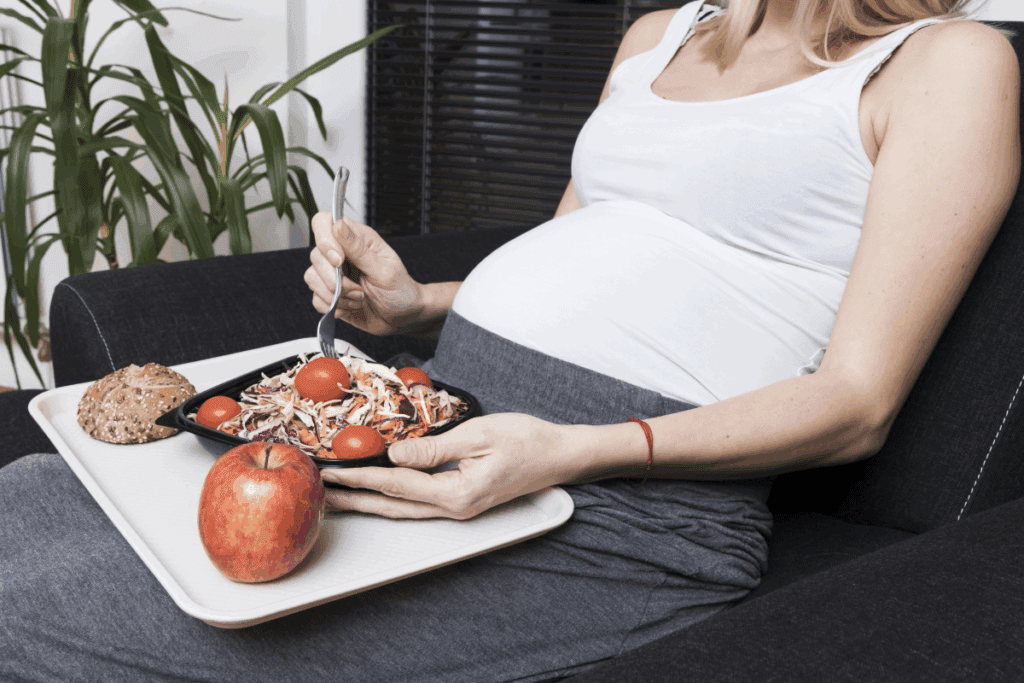
Nutrition is critical for IVF success. A good diet can boost egg quality, sperm health, and the uterine environment. This can raise your chances of a successful IVF outcome. Studies show that those on a fertility-optimized meal plan have higher pregnancy rates.
At Liv Hospital, we know how key nutrition is during IVF treatment. Our dietary plans are backed by evidence and support reproductive health at every IVF stage. By adding the right nutrient-rich foods to your diet, you can boost your fertility and increase your chances of a successful IVF outcome.
Key Takeaways
- A well-planned diet can improve egg quality and sperm health.
- Nutrition plays a critical role in IVF success.
- Liv Hospital’s dietary protocols support reproductive health at every stage of IVF treatment.
- A fertility-optimized meal plan can increase pregnancy rates.
- Incorporating nutrient-rich foods into your diet can enhance fertility.
The Science Behind Nutrition and IVF Success
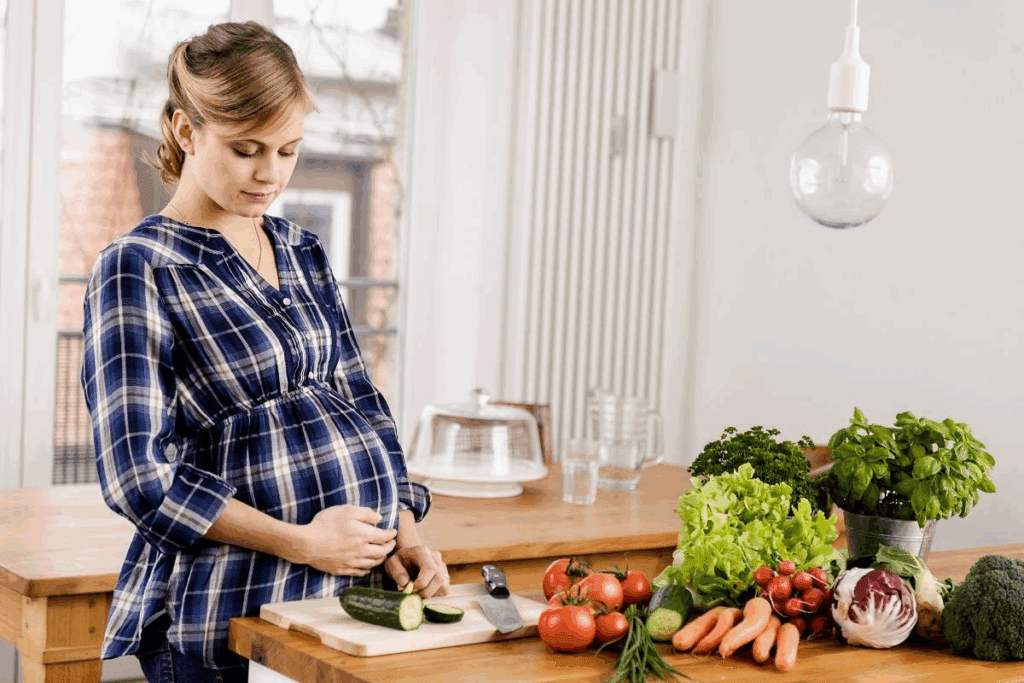
Recent studies have shown a strong link between diet and IVF success. This offers new hope for couples going through treatment. It’s clear that what we eat greatly affects our chances of getting pregnant.
How Diet Directly Impacts Fertility Outcomes
Diet is key to fertility because it gives our bodies the nutrients needed for reproductive health. Nutrients like folate, omega-3 fatty acids, and antioxidants are vital. They help improve egg and sperm quality, embryo growth, and overall fertility.
- Folate is critical for preventing birth defects and supporting embryo development.
- Omega-3 fatty acids have been shown to improve conception rates and support fetal development.
- Antioxidants help protect eggs and sperm from oxidative stress, improving their quality.
Research Showing 40% Higher Pregnancy Rates with Fertility-Focused Diets
Research shows couples on a fertility-focused diet have a 40% higher pregnancy rate. Women taking omega-3 supplements are 50% more likely to conceive than those who don’t.
This evidence highlights the role of a well-planned diet in boosting IVF success. By eating nutrient-rich foods and avoiding bad dietary habits, couples can greatly increase their chances of a successful IVF outcome.
Understanding the Mediterranean Diet for IVF
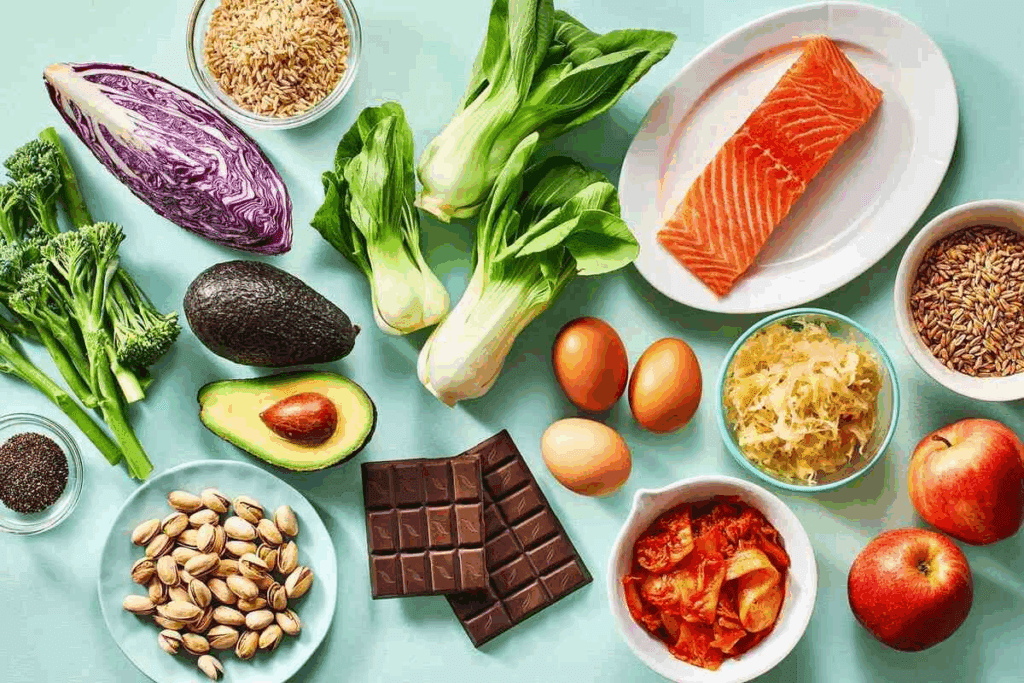
Research shows the Mediterranean diet boosts fertility for IVF patients. It’s rich in fruits, veggies, whole grains, and healthy fats. These foods improve reproductive health.
Why Mediterranean Diet Shows Double the Live Birth Rates
Women on a Mediterranean diet see almost double the live birth rates. This diet’s anti-inflammatory effects and hormonal balance help. It’s a key reason for the diet’s success.
“The Mediterranean diet is more than food; it’s a lifestyle for health and fertility,” says a top fertility expert. It focuses on nutrient-rich foods. These foods are vital for reproductive health.
Core Principles: Fruits, Vegetables, Fish, and Healthy Fats
The Mediterranean diet’s main points are:
- Fruits and Vegetables: Full of antioxidants and nutrients.
- Fish and Poultry: Good protein for health.
- Whole Grains: Rich in fiber and nutrients.
- Healthy Fats: In olive oil, nuts, and seeds, they help with hormones.
By eating these foods, people can make a diet that helps with IVF. The Mediterranean diet is about more than food. It’s a way of life that boosts fertility and health.
Essential Nutrients That Support IVF Success
Nutrition is key for IVF success. Certain nutrients can greatly help. Eating well can boost reproductive health and fertility.
Folate: Critical for Embryo Development
Folate helps prevent birth defects and supports embryo growth. Women trying IVF should eat foods like leafy greens and legumes. Folate is important for avoiding neural tube defects.
Omega-3 Fatty Acids: 50% Higher Conception Rates
Omega-3s help with hormone production and egg quality. This leads to better conception rates. Eating foods like fatty fish and nuts is good for fertility. Omega-3s can increase conception chances by 50%.
Vitamin D, Zinc, and Iron: The Fertility Trio
Vitamin D, zinc, and iron are key for reproductive health. Vitamin D controls hormones, zinc helps sperm and eggs, and iron supports ovulation. Getting enough of these through diet or supplements is important for IVF success.
| Nutrient | Role in IVF Success | Food Sources |
|---|---|---|
| Vitamin D | Regulates hormone levels | Fatty fish, fortified dairy, sunlight exposure |
| Zinc | Supports sperm quality and egg development | Oysters, red meat, poultry, fortified cereals |
| Iron | Essential for healthy ovulation and embryo development | Red meat, spinach, beans, fortified cereals |
Antioxidants: Protecting Egg and Sperm Quality
Antioxidants protect eggs and sperm from damage. Eating foods like berries and leafy greens can improve fertility. Antioxidants are important for reproductive health.
15 Best Foods to Eat During IVF Treatment
When you’re going through IVF, eating the right foods can really help. A diet full of nutrients boosts your fertility and improves your chances of success. It’s best to eat whole, nutrient-rich foods to help your body get ready for pregnancy.
1. Fatty Fish (Salmon, Sardines, Mackerel)
Fatty fish are great for your IVF diet because they’re full of omega-3s. These healthy fats help with hormone production and reproductive health. Omega-3s can also make your eggs better and boost your fertility. Eating fatty fish like salmon, sardines, and mackerel can give you the omega-3s you need.
2. Avocados (Healthy Fats and Folate)
Avocados are packed with healthy fats and folate, both key for fertility. Folate helps prevent birth defects and supports embryo growth. The healthy fats in avocados also help with hormone balance, making them perfect for IVF.
3. Eggs (Complete Protein Source)
Eggs are a top-notch protein source, vital for health and fertility. They have all nine essential amino acids, making them complete. Enough protein supports hormone production and reproductive health, making eggs a great choice for IVF.
4. Walnuts and Almonds (Fertility-Boosting Nuts)
Walnuts and almonds are full of healthy fats and antioxidants, good for fertility. Walnuts are rich in omega-3s, while almonds are full of vitamin E. Both nuts are great for reproductive health and can be a tasty snack.
Pre-IVF Diet: Preparing Your Body
Getting your nutrition right before IVF is key to success. A good diet can boost egg quality and reproductive health. This sets a strong base for your treatment.
Nutritional Goals 3 Months Before Starting Treatment
Start changing your diet three months before IVF. This time helps improve egg quality and reproductive health. Our goals include:
- Increasing essential nutrients like folate, omega-3 fatty acids, and antioxidants
- Eating a balanced diet with fruits, vegetables, whole grains, and lean proteins
- Avoiding processed foods, too much sugar, and unhealthy fats
- Drinking lots of water to stay hydrated
Nutritional Goals Summary:
| Nutritional Goal | Description | Benefits |
|---|---|---|
| Increased Essential Nutrients | Focus on folate, omega-3, and antioxidants | Improves egg quality and reproductive health |
| Balanced Diet | Rich in fruits, vegetables, whole grains, and lean proteins | Supports overall health and IVF success |
| Avoid Unhealthy Foods | Limit processed foods, sugar, and unhealthy fats | Reduces negative impacts on fertility |
Sample 7-Day Meal Plan for IVF Preparation
Here’s a 7-day meal plan to support your nutritional goals before IVF:
- Monday: Oatmeal with berries and walnuts for breakfast, grilled salmon with quinoa and steamed vegetables for dinner
- Tuesday: Greek yogurt with honey and almonds for breakfast, chicken stir-fry with brown rice for dinner
- Wednesday: Smoothie bowl with spinach, banana, and chia seeds for breakfast, baked chicken with roasted sweet potatoes and green beans for dinner
- Thursday: Avocado toast with scrambled eggs for breakfast, lentil soup with whole grain bread for dinner
- Friday: Whole grain toast with almond butter and banana slices for breakfast, grilled shrimp with quinoa and steamed asparagus for dinner
- Saturday: Omelette with vegetables and whole grain toast for breakfast, grilled chicken with roasted vegetables for dinner
- Sunday: Breakfast burrito with scrambled eggs, black beans, and avocado, grilled salmon with quinoa and steamed broccoli for dinner
This meal plan helps you get the right nutrients for your body before IVF.
What to Eat Before Egg Retrieval
Getting ready for egg retrieval means your diet is key. What you eat can really affect your egg quality and IVF success.
Optimizing Nutrition for Follicle Development
Eating foods full of antioxidants and omega-3 fatty acids is good. Antioxidants guard your eggs from damage. Omega-3s help with hormone production and reproductive health.
Here are some foods to add to your diet:
- Fatty fish like salmon and sardines, which are high in omega-3s
- Leafy greens such as spinach and kale, rich in antioxidants
- Nuts and seeds like walnuts and chia seeds, which provide healthy fats and antioxidants
3-Day Meal Plan Before Egg Retrieval
Here’s a 3-day meal plan to get you ready for egg retrieval:
| Day | Breakfast | Lunch | Dinner |
|---|---|---|---|
| 1 | Oatmeal with berries and walnuts | Grilled chicken salad with spinach and avocado | Baked salmon with quinoa and steamed vegetables |
| 2 | Greek yogurt with honey and almonds | Turkey and avocado wrap with mixed greens | Shrimp stir-fry with brown rice and broccoli |
| 3 | Scrambled eggs with whole-grain toast and berries | Chicken Caesar salad | Grilled turkey breast with roasted sweet potatoes and green beans |
Nutrition Between Egg Retrieval and Embryo Transfer
The time between egg retrieval and embryo transfer is very important. What you eat can help your body recover and get ready for implantation. It’s key to eat foods that help with hormone production, uterine health, and overall well-being.
Recovery Foods After Egg Retrieval
After egg retrieval, your body needs certain nutrients to heal. Foods high in protein, healthy fats, and complex carbs are best. Lean proteins like chicken, fish, and beans help repair tissues. Complex carbohydrates from whole grains, fruits, and veggies give energy and fiber.
Eating foods rich in antioxidants is also important. Berries, leafy greens, and other fruits and vegetables are full of antioxidants. Drinking lots of water is also key to get rid of any leftover medications.
“Nutrition is a critical component of the IVF journey, between egg retrieval and embryo transfer. A diet rich in essential nutrients supports the body’s recovery and enhances the chances of successful implantation.”
Preparing Your Body for Implantation
As you get closer to the embryo transfer, focus on nutrients that help with uterine health and implantation. Foods with omega-3 fatty acids, like salmon and walnuts, reduce inflammation and support a healthy uterine lining.
| Food Group | Examples | Benefits |
|---|---|---|
| Lean Proteins | Chicken, Fish, Beans | Tissue repair, hormone production |
| Complex Carbohydrates | Whole grains, Fruits, Vegetables | Energy, fiber, vitamins, and minerals |
| Healthy Fats | Nuts, Seeds, Avocados | Hormone production, embryo development |
It’s also important to eat foods rich in folate and vitamin D for embryo development and implantation. Leafy greens, citrus fruits, and fortified dairy products are great sources.
In conclusion, the time between egg retrieval and embryo transfer is a key period for your body’s recovery and preparation. Eating a balanced diet with essential nutrients can improve your chances of a successful IVF outcome.
Foods to Eat Before Embryo Transfer
Getting ready for embryo transfer? Eating the right foods can help a lot. Aim for a diet full of protein, complex carbs, and healthy fats. This helps your embryo implant better.
The 24-Hour Pre-Transfer Nutrition Plan
24 hours before your transfer, eat foods that boost reproductive health. Leafy greens like spinach and kale are packed with folate and antioxidants. Berries are also great, full of vitamins and minerals.
Include lean proteins like chicken, fish, and tofu. They keep your reproductive system healthy. Whole grains like quinoa and brown rice give you energy all day.
Breakfast Before Embryo Transfer: What to Eat
Breakfast is key on transfer day. Choose something with protein, healthy fats, and carbs. A bowl of oatmeal with banana, almond butter, and walnuts is perfect. It gives you energy and nutrients.
Or try a smoothie with spinach, avocado, and Greek yogurt. It’s quick, nutritious, and supports reproductive health.
Hydration and Light Snacks on Transfer Day
Drink lots of water on transfer day. Aim for 8-10 glasses. You can also have herbal teas or coconut water for extra electrolytes.
For snacks, pick easy-to-digest foods that are nutritious. Nuts and seeds like almonds and pumpkin seeds are great. They offer healthy fats and protein. Fresh fruits like apples and grapes are also good, providing vitamins and antioxidants.
Following these nutrition tips can help make your embryo transfer successful. It sets up the best chance for implantation.
Post-Transfer Nutrition: Supporting Implantation
Right after embryo transfer, eating the right foods can really help. The two-week wait is full of anxiety and hope. Eating well can support the implantation process.
Foods That Support the Two-Week Wait
It’s key to eat foods full of nutrients during the two weeks after embryo transfer. These include:
- Antioxidant-rich foods: Berries, leafy greens, and other veggies that fight oxidative stress.
- Omega-3 fatty acids: In fatty fish, flaxseeds, and walnuts, they help with hormone production and reproductive health.
- Fiber-rich foods: Whole grains, fruits, and veggies that keep your digestive system healthy.
- Protein-rich foods: Lean meats, fish, eggs, and legumes that are vital for health and growth.
What to Eat After Embryo Transfer: 7-Day Plan
Here’s a 7-day meal plan to help support implantation after embryo transfer:
| Day | Breakfast | Lunch | Dinner |
|---|---|---|---|
| 1 | Oatmeal with berries and nuts | Grilled chicken salad with avocado | Baked salmon with quinoa and steamed veggies |
| 2 | Greek yogurt with honey and walnuts | Whole grain wrap with hummus and veggies | Turkey and avocado wrap with mixed greens |
| 3 | Scrambled eggs with spinach and whole grain toast | Quinoa and black bean salad with grilled chicken | Shrimp and veggie stir-fry with brown rice |
| 4 | Smoothie bowl with banana, spinach, and almond milk | Grilled chicken breast with roasted veggies | Lentil soup with whole grain bread |
| 5 | Avocado toast on whole grain bread with poached eggs | Chicken Caesar salad | Grilled turkey burger with sweet potato fries |
| 6 | Cottage cheese with fruit and nuts | Tuna salad sandwich on whole grain bread | Chicken and veggie curry with brown rice |
| 7 | Whole grain pancakes with berries and maple syrup | Grilled chicken wrap with mixed greens and hummus | Baked chicken with roasted asparagus and quinoa |
Eating foods rich in nutrients and keeping a balanced diet can help your body during the two-week wait after embryo transfer.
Hydration and IVF Success: What to Drink
Drinking enough water is key to IVF success. It helps blood flow to the reproductive organs. This is important for overall reproductive health and IVF treatment success.
Optimal Daily Fluid Intake During Treatment
It’s important to stay hydrated during IVF treatment. Drink at least 8-10 glasses of fluid a day. Adjust this based on your activity level and needs. Proper hydration keeps reproductive organs healthy and supports IVF.
Fluid intake can include water and other hydrating drinks. It’s best to drink fluids throughout the day. This keeps your body hydrated consistently.
Beneficial Beverages and Those to Avoid
Not all drinks are good for IVF success. Here’s what to drink and what to avoid:
- Beneficial Beverages:Water: The best drink for staying hydrated.
- Herbal teas: Like peppermint or chamomile, they can help reduce stress.
- Fresh fruit juices: Full of antioxidants, but drink them in moderation because of sugar.
- Beverages to Limit or Avoid:Caffeinated drinks: Too much caffeine can hurt fertility.
- Sugary drinks: They can cause inflammation and harm reproductive health.
- Alcohol: It can also harm fertility and IVF success.
Choose hydrating beverages and avoid harmful ones. This can help support your IVF treatment and improve your chances of success.
Conclusion: Creating Your Personalized IVF Nutrition Plan
Creating a diet that fits your needs can really help with IVF success. A personalized plan makes sure you eat the best foods for fertility.
We’ve looked at how important nutrition is for IVF, from the Mediterranean diet to key nutrients. Knowing what you need helps you make a diet plan that boosts your chances of getting pregnant.
To make your plan, add foods that help fertility like fatty fish, avocados, and walnuts to your meals. Think about your health, any diet limits, and what stage of treatment you’re in.
With the help of this guide and expert advice, you can make a detailed nutrition plan. It will support your path to becoming a parent.
FAQ
What is the best diet for IVF success?
The Mediterranean diet is great for IVF success. It’s full of fruits, veggies, whole grains, and healthy fats. These foods help your reproductive health and lower inflammation.
What foods should I eat before embryo transfer?
Eat foods rich in nutrients like leafy greens, berries, fatty fish, and whole grains. A diet full of folate, omega-3s, and antioxidants helps with implantation.
Are there specific foods to avoid during IVF treatment?
Yes, avoid processed foods, high-mercury fish, too much caffeine, and sugary foods. They can harm your fertility and health.
How important is hydration during IVF?
Staying hydrated is key during IVF. It keeps you healthy, helps with medication, and prepares your uterus for implantation.
What should I eat after embryo transfer?
Keep eating foods rich in antioxidants, fiber, and omega-3s. A 7-day meal plan can support implantation during the wait.
Can a specific diet improve egg quality?
A specific diet can’t guarantee better egg quality. But, a balanced diet with antioxidants, vitamins, and minerals can help your reproductive health.
What are the benefits of omega-3 fatty acids in IVF?
Omega-3s can boost conception rates and support reproductive health. They reduce inflammation and help with hormonal balance.
How far in advance should I start preparing my diet for IVF?
Start preparing your diet 3 months before IVF. This helps optimize your nutrition and supports your reproductive health.
Are there any specific nutrients that are critical for IVF success?
Yes, folate, omega-3s, vitamin D, zinc, and iron are key. They support embryo development, hormonal balance, and reproductive health.
What is a good breakfast to have before embryo transfer?
A good breakfast is whole-grain toast with avocado, eggs, and orange juice. It offers complex carbs, protein, and healthy fats.
How can I create a personalized IVF nutrition plan?
For a personalized plan, talk to a healthcare provider or registered dietitian. They can make dietary recommendations based on your needs and health.
References
National Center for Biotechnology Information. Evidence-Based Medical Guidance. Retrieved from https://www.ncbi.nlm.nih.gov/pmc/articles/PMC8634384/[5

Nutrition is critical for IVF success. A good diet can boost egg quality, sperm health, and the uterine environment. This can raise your chances of a successful IVF outcome. Studies show that those on a fertility-optimized meal plan have higher pregnancy rates.
At Liv Hospital, we know how key nutrition is during IVF treatment. Our dietary plans are backed by evidence and support reproductive health at every IVF stage. By adding the right nutrient-rich foods to your diet, you can boost your fertility and increase your chances of a successful IVF outcome.
Key Takeaways
- A well-planned diet can improve egg quality and sperm health.
- Nutrition plays a critical role in IVF success.
- Liv Hospital’s dietary protocols support reproductive health at every stage of IVF treatment.
- A fertility-optimized meal plan can increase pregnancy rates.
- Incorporating nutrient-rich foods into your diet can enhance fertility.
The Science Behind Nutrition and IVF Success

Recent studies have shown a strong link between diet and IVF success. This offers new hope for couples going through treatment. It’s clear that what we eat greatly affects our chances of getting pregnant.
How Diet Directly Impacts Fertility Outcomes
Diet is key to fertility because it gives our bodies the nutrients needed for reproductive health. Nutrients like folate, omega-3 fatty acids, and antioxidants are vital. They help improve egg and sperm quality, embryo growth, and overall fertility.
- Folate is critical for preventing birth defects and supporting embryo development.
- Omega-3 fatty acids have been shown to improve conception rates and support fetal development.
- Antioxidants help protect eggs and sperm from oxidative stress, improving their quality.
Research Showing 40% Higher Pregnancy Rates with Fertility-Focused Diets
Research shows couples on a fertility-focused diet have a 40% higher pregnancy rate. Women taking omega-3 supplements are 50% more likely to conceive than those who don’t.
This evidence highlights the role of a well-planned diet in boosting IVF success. By eating nutrient-rich foods and avoiding bad dietary habits, couples can greatly increase their chances of a successful IVF outcome.
Understanding the Mediterranean Diet for IVF

Research shows the Mediterranean diet boosts fertility for IVF patients. It’s rich in fruits, veggies, whole grains, and healthy fats. These foods improve reproductive health.
Why Mediterranean Diet Shows Double the Live Birth Rates
Women on a Mediterranean diet see almost double the live birth rates. This diet’s anti-inflammatory effects and hormonal balance help. It’s a key reason for the diet’s success.
“The Mediterranean diet is more than food; it’s a lifestyle for health and fertility,” says a top fertility expert. It focuses on nutrient-rich foods. These foods are vital for reproductive health.
Core Principles: Fruits, Vegetables, Fish, and Healthy Fats
The Mediterranean diet’s main points are:
- Fruits and Vegetables: Full of antioxidants and nutrients.
- Fish and Poultry: Good protein for health.
- Whole Grains: Rich in fiber and nutrients.
- Healthy Fats: In olive oil, nuts, and seeds, they help with hormones.
By eating these foods, people can make a diet that helps with IVF. The Mediterranean diet is about more than food. It’s a way of life that boosts fertility and health.
Essential Nutrients That Support IVF Success
Nutrition is key for IVF success. Certain nutrients can greatly help. Eating well can boost reproductive health and fertility.
Folate: Critical for Embryo Development
Folate helps prevent birth defects and supports embryo growth. Women trying IVF should eat foods like leafy greens and legumes. Folate is important for avoiding neural tube defects.
Omega-3 Fatty Acids: 50% Higher Conception Rates
Omega-3s help with hormone production and egg quality. This leads to better conception rates. Eating foods like fatty fish and nuts is good for fertility. Omega-3s can increase conception chances by 50%.
Vitamin D, Zinc, and Iron: The Fertility Trio
Vitamin D, zinc, and iron are key for reproductive health. Vitamin D controls hormones, zinc helps sperm and eggs, and iron supports ovulation. Getting enough of these through diet or supplements is important for IVF success.
Nutrient | Role in IVF Success | Food Sources |
Vitamin D | Regulates hormone levels | Fatty fish, fortified dairy, sunlight exposure |
Zinc | Supports sperm quality and egg development | Oysters, red meat, poultry, fortified cereals |
Iron | Essential for healthy ovulation and embryo development | Red meat, spinach, beans, fortified cereals |
Antioxidants: Protecting Egg and Sperm Quality
Antioxidants protect eggs and sperm from damage. Eating foods like berries and leafy greens can improve fertility. Antioxidants are important for reproductive health.
15 Best Foods to Eat During IVF Treatment
When you’re going through IVF, eating the right foods can really help. A diet full of nutrients boosts your fertility and improves your chances of success. It’s best to eat whole, nutrient-rich foods to help your body get ready for pregnancy.
1. Fatty Fish (Salmon, Sardines, Mackerel)
Fatty fish are great for your IVF diet because they’re full of omega-3s. These healthy fats help with hormone production and reproductive health. Omega-3s can also make your eggs better and boost your fertility. Eating fatty fish like salmon, sardines, and mackerel can give you the omega-3s you need.
2. Avocados (Healthy Fats and Folate)
Avocados are packed with healthy fats and folate, both key for fertility. Folate helps prevent birth defects and supports embryo growth. The healthy fats in avocados also help with hormone balance, making them perfect for IVF.
3. Eggs (Complete Protein Source)
Eggs are a top-notch protein source, vital for health and fertility. They have all nine essential amino acids, making them complete. Enough protein supports hormone production and reproductive health, making eggs a great choice for IVF.
4. Walnuts and Almonds (Fertility-Boosting Nuts)
Walnuts and almonds are full of healthy fats and antioxidants, good for fertility. Walnuts are rich in omega-3s, while almonds are full of vitamin E. Both nuts are great for reproductive health and can be a tasty snack.
Pre-IVF Diet: Preparing Your Body
Getting your nutrition right before IVF is key to success. A good diet can boost egg quality and reproductive health. This sets a strong base for your treatment.
Nutritional Goals 3 Months Before Starting Treatment
Start changing your diet three months before IVF. This time helps improve egg quality and reproductive health. Our goals include:
- Increasing essential nutrients like folate, omega-3 fatty acids, and antioxidants
- Eating a balanced diet with fruits, vegetables, whole grains, and lean proteins
- Avoiding processed foods, too much sugar, and unhealthy fats
- Drinking lots of water to stay hydrated
Nutritional Goals Summary:
Nutritional Goal | Description | Benefits |
Increased Essential Nutrients | Focus on folate, omega-3, and antioxidants | Improves egg quality and reproductive health |
Balanced Diet | Rich in fruits, vegetables, whole grains, and lean proteins | Supports overall health and IVF success |
Avoid Unhealthy Foods | Limit processed foods, sugar, and unhealthy fats | Reduces negative impacts on fertility |
Sample 7-Day Meal Plan for IVF Preparation
Here’s a 7-day meal plan to support your nutritional goals before IVF:
- Monday: Oatmeal with berries and walnuts for breakfast, grilled salmon with quinoa and steamed vegetables for dinner
- Tuesday: Greek yogurt with honey and almonds for breakfast, chicken stir-fry with brown rice for dinner
- Wednesday: Smoothie bowl with spinach, banana, and chia seeds for breakfast, baked chicken with roasted sweet potatoes and green beans for dinner
- Thursday: Avocado toast with scrambled eggs for breakfast, lentil soup with whole grain bread for dinner
- Friday: Whole grain toast with almond butter and banana slices for breakfast, grilled shrimp with quinoa and steamed asparagus for dinner
- Saturday: Omelette with vegetables and whole grain toast for breakfast, grilled chicken with roasted vegetables for dinner
- Sunday: Breakfast burrito with scrambled eggs, black beans, and avocado, grilled salmon with quinoa and steamed broccoli for dinner
This meal plan helps you get the right nutrients for your body before IVF.
What to Eat Before Egg Retrieval
Getting ready for egg retrieval means your diet is key. What you eat can really affect your egg quality and IVF success.
Optimizing Nutrition for Follicle Development
Eating foods full of antioxidants and omega-3 fatty acids is good. Antioxidants guard your eggs from damage. Omega-3s help with hormone production and reproductive health.
Here are some foods to add to your diet:
- Fatty fish like salmon and sardines, which are high in omega-3s
- Leafy greens such as spinach and kale, rich in antioxidants
- Nuts and seeds like walnuts and chia seeds, which provide healthy fats and antioxidants
3-Day Meal Plan Before Egg Retrieval
Here’s a 3-day meal plan to get you ready for egg retrieval:
Day | Breakfast | Lunch | Dinner |
1 | Oatmeal with berries and walnuts | Grilled chicken salad with spinach and avocado | Baked salmon with quinoa and steamed vegetables |
2 | Greek yogurt with honey and almonds | Turkey and avocado wrap with mixed greens | Shrimp stir-fry with brown rice and broccoli |
3 | Scrambled eggs with whole-grain toast and berries | Chicken Caesar salad | Grilled turkey breast with roasted sweet potatoes and green beans |
Nutrition Between Egg Retrieval and Embryo Transfer
The time between egg retrieval and embryo transfer is very important. What you eat can help your body recover and get ready for implantation. It’s key to eat foods that help with hormone production, uterine health, and overall well-being.
Recovery Foods After Egg Retrieval
After egg retrieval, your body needs certain nutrients to heal. Foods high in protein, healthy fats, and complex carbs are best. Lean proteins like chicken, fish, and beans help repair tissues. Complex carbohydrates from whole grains, fruits, and veggies give energy and fiber.
Eating foods rich in antioxidants is also important. Berries, leafy greens, and other fruits and vegetables are full of antioxidants. Drinking lots of water is also key to get rid of any leftover medications.
“Nutrition is a critical component of the IVF journey, between egg retrieval and embryo transfer. A diet rich in essential nutrients supports the body’s recovery and enhances the chances of successful implantation.”
Preparing Your Body for Implantation
As you get closer to the embryo transfer, focus on nutrients that help with uterine health and implantation. Foods with omega-3 fatty acids, like salmon and walnuts, reduce inflammation and support a healthy uterine lining.
Food Group | Examples | Benefits |
Lean Proteins | Chicken, Fish, Beans | Tissue repair, hormone production |
Complex Carbohydrates | Whole grains, Fruits, Vegetables | Energy, fiber, vitamins, and minerals |
Healthy Fats | Nuts, Seeds, Avocados | Hormone production, embryo development |
It’s also important to eat foods rich in folate and vitamin D for embryo development and implantation. Leafy greens, citrus fruits, and fortified dairy products are great sources.
In conclusion, the time between egg retrieval and embryo transfer is a key period for your body’s recovery and preparation. Eating a balanced diet with essential nutrients can improve your chances of a successful IVF outcome.
Foods to Eat Before Embryo Transfer
Getting ready for embryo transfer? Eating the right foods can help a lot. Aim for a diet full of protein, complex carbs, and healthy fats. This helps your embryo implant better.
The 24-Hour Pre-Transfer Nutrition Plan
24 hours before your transfer, eat foods that boost reproductive health. Leafy greens like spinach and kale are packed with folate and antioxidants. Berries are also great, full of vitamins and minerals.
Include lean proteins like chicken, fish, and tofu. They keep your reproductive system healthy. Whole grains like quinoa and brown rice give you energy all day.
Breakfast Before Embryo Transfer: What to Eat
Breakfast is key on transfer day. Choose something with protein, healthy fats, and carbs. A bowl of oatmeal with banana, almond butter, and walnuts is perfect. It gives you energy and nutrients.
Or try a smoothie with spinach, avocado, and Greek yogurt. It’s quick, nutritious, and supports reproductive health.
Hydration and Light Snacks on Transfer Day
Drink lots of water on transfer day. Aim for 8-10 glasses. You can also have herbal teas or coconut water for extra electrolytes.
For snacks, pick easy-to-digest foods that are nutritious. Nuts and seeds like almonds and pumpkin seeds are great. They offer healthy fats and protein. Fresh fruits like apples and grapes are also good, providing vitamins and antioxidants.
Following these nutrition tips can help make your embryo transfer successful. It sets up the best chance for implantation.
Post-Transfer Nutrition: Supporting Implantation
Right after embryo transfer, eating the right foods can really help. The two-week wait is full of anxiety and hope. Eating well can support the implantation process.
Foods That Support the Two-Week Wait
It’s key to eat foods full of nutrients during the two weeks after embryo transfer. These include:
- Antioxidant-rich foods: Berries, leafy greens, and other veggies that fight oxidative stress.
- Omega-3 fatty acids: In fatty fish, flaxseeds, and walnuts, they help with hormone production and reproductive health.
- Fiber-rich foods: Whole grains, fruits, and veggies that keep your digestive system healthy.
- Protein-rich foods: Lean meats, fish, eggs, and legumes that are vital for health and growth.
What to Eat After Embryo Transfer: 7-Day Plan
Here’s a 7-day meal plan to help support implantation after embryo transfer:
Day | Breakfast | Lunch | Dinner |
1 | Oatmeal with berries and nuts | Grilled chicken salad with avocado | Baked salmon with quinoa and steamed veggies |
2 | Greek yogurt with honey and walnuts | Whole grain wrap with hummus and veggies | Turkey and avocado wrap with mixed greens |
3 | Scrambled eggs with spinach and whole grain toast | Quinoa and black bean salad with grilled chicken | Shrimp and veggie stir-fry with brown rice |
4 | Smoothie bowl with banana, spinach, and almond milk | Grilled chicken breast with roasted veggies | Lentil soup with whole grain bread |
5 | Avocado toast on whole grain bread with poached eggs | Chicken Caesar salad | Grilled turkey burger with sweet potato fries |
6 | Cottage cheese with fruit and nuts | Tuna salad sandwich on whole grain bread | Chicken and veggie curry with brown rice |
7 | Whole grain pancakes with berries and maple syrup | Grilled chicken wrap with mixed greens and hummus | Baked chicken with roasted asparagus and quinoa |
Eating foods rich in nutrients and keeping a balanced diet can help your body during the two-week wait after embryo transfer.
Hydration and IVF Success: What to Drink
Drinking enough water is key to IVF success. It helps blood flow to the reproductive organs. This is important for overall reproductive health and IVF treatment success.
Optimal Daily Fluid Intake During Treatment
It’s important to stay hydrated during IVF treatment. Drink at least 8-10 glasses of fluid a day. Adjust this based on your activity level and needs. Proper hydration keeps reproductive organs healthy and supports IVF.
Fluid intake can include water and other hydrating drinks. It’s best to drink fluids throughout the day. This keeps your body hydrated consistently.
Beneficial Beverages and Those to Avoid
Not all drinks are good for IVF success. Here’s what to drink and what to avoid:
- Beneficial Beverages:Water: The best drink for staying hydrated.
- Herbal teas: Like peppermint or chamomile, they can help reduce stress.
- Fresh fruit juices: Full of antioxidants, but drink them in moderation because of sugar.
- Beverages to Limit or Avoid:Caffeinated drinks: Too much caffeine can hurt fertility.
- Sugary drinks: They can cause inflammation and harm reproductive health.
- Alcohol: It can also harm fertility and IVF success.
Choose hydrating beverages and avoid harmful ones. This can help support your IVF treatment and improve your chances of success.
Conclusion: Creating Your Personalized IVF Nutrition Plan
Creating a diet that fits your needs can really help with IVF success. A personalized plan makes sure you eat the best foods for fertility.
We’ve looked at how important nutrition is for IVF, from the Mediterranean diet to key nutrients. Knowing what you need helps you make a diet plan that boosts your chances of getting pregnant.
To make your plan, add foods that help fertility like fatty fish, avocados, and walnuts to your meals. Think about your health, any diet limits, and what stage of treatment you’re in.
With the help of this guide and expert advice, you can make a detailed nutrition plan. It will support your path to becoming a parent.
FAQ
What is the best diet for IVF success?
The Mediterranean diet is great for IVF success. It’s full of fruits, veggies, whole grains, and healthy fats. These foods help your reproductive health and lower inflammation.
What foods should I eat before embryo transfer?
Eat foods rich in nutrients like leafy greens, berries, fatty fish, and whole grains. A diet full of folate, omega-3s, and antioxidants helps with implantation.
Are there specific foods to avoid during IVF treatment?
Yes, avoid processed foods, high-mercury fish, too much caffeine, and sugary foods. They can harm your fertility and health.
How important is hydration during IVF?
Staying hydrated is key during IVF. It keeps you healthy, helps with medication, and prepares your uterus for implantation.
What should I eat after embryo transfer?
Keep eating foods rich in antioxidants, fiber, and omega-3s. A 7-day meal plan can support implantation during the wait.
Can a specific diet improve egg quality?
A specific diet can’t guarantee better egg quality. But, a balanced diet with antioxidants, vitamins, and minerals can help your reproductive health.
What are the benefits of omega-3 fatty acids in IVF?
Omega-3s can boost conception rates and support reproductive health. They reduce inflammation and help with hormonal balance.
How far in advance should I start preparing my diet for IVF?
Start preparing your diet 3 months before IVF. This helps optimize your nutrition and supports your reproductive health.
Are there any specific nutrients that are critical for IVF success?
Yes, folate, omega-3s, vitamin D, zinc, and iron are key. They support embryo development, hormonal balance, and reproductive health.
What is a good breakfast to have before embryo transfer?
A good breakfast is whole-grain toast with avocado, eggs, and orange juice. It offers complex carbs, protein, and healthy fats.
How can I create a personalized IVF nutrition plan?
For a personalized plan, talk to a healthcare provider or registered dietitian. They can make dietary recommendations based on your needs and health.
References
National Center for Biotechnology Information. Evidence-Based Medical Guidance. Retrieved from https://www.ncbi.nlm.nih.gov/pmc/articles/PMC8634384/[5