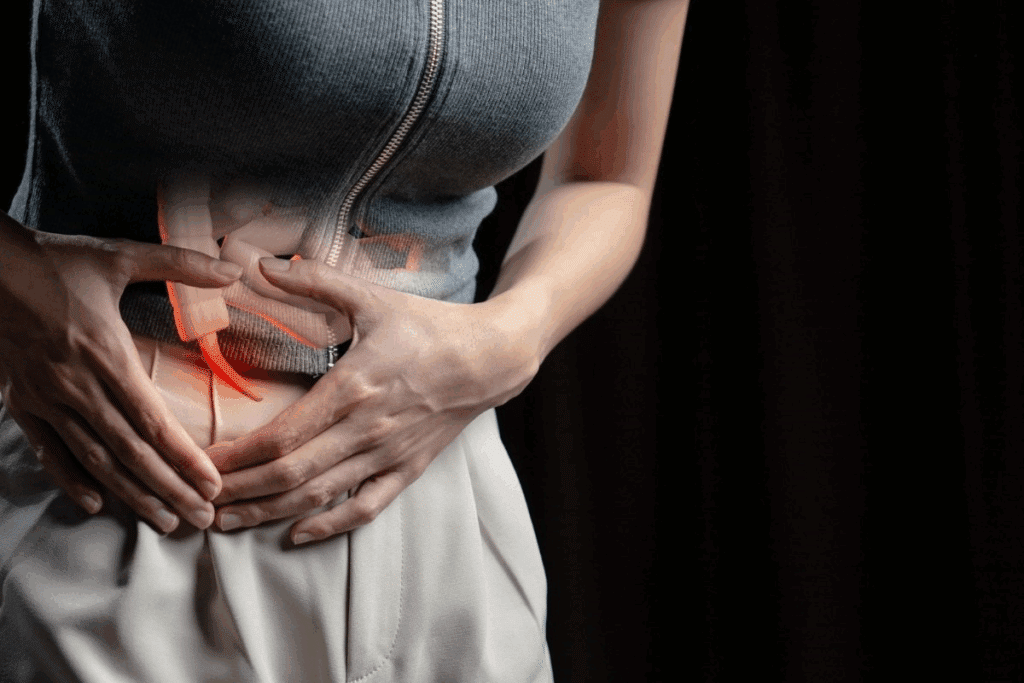
Appendicitis is a serious condition that affects millions. A startling statistic reveals that nearly 1 in 1,000 people will develop appendicitis in their lifetime. This shows how important it is to know about its causes and how to prevent it.
While we don’t know the exact cause of appendicitis, research shows diet is a big factor. Some foods may trigger or make the condition worse. It’s key to understand how diet affects appendicitis.Foods Trigger AppendicitisHow to Avoid Appendicitis? A Complete Guide to Preventing Appendicitis
We’ll look into how what we eat can increase the risk of appendicitis. We’ll focus on the causes of appendicitis and how an appendicitis diet can help manage or prevent it.
Key Takeaways
- Appendicitis is a common condition with significant health implications.
- Diet plays a critical role in the development of appendicitis.
- Understanding the causes can help in managing the condition.
- An appropriate diet can potentially reduce the risk of appendicitis.
- Awareness of food triggers is key to prevention.
- Research supports the link between certain foods and appendicitis.
Understanding Appendicitis
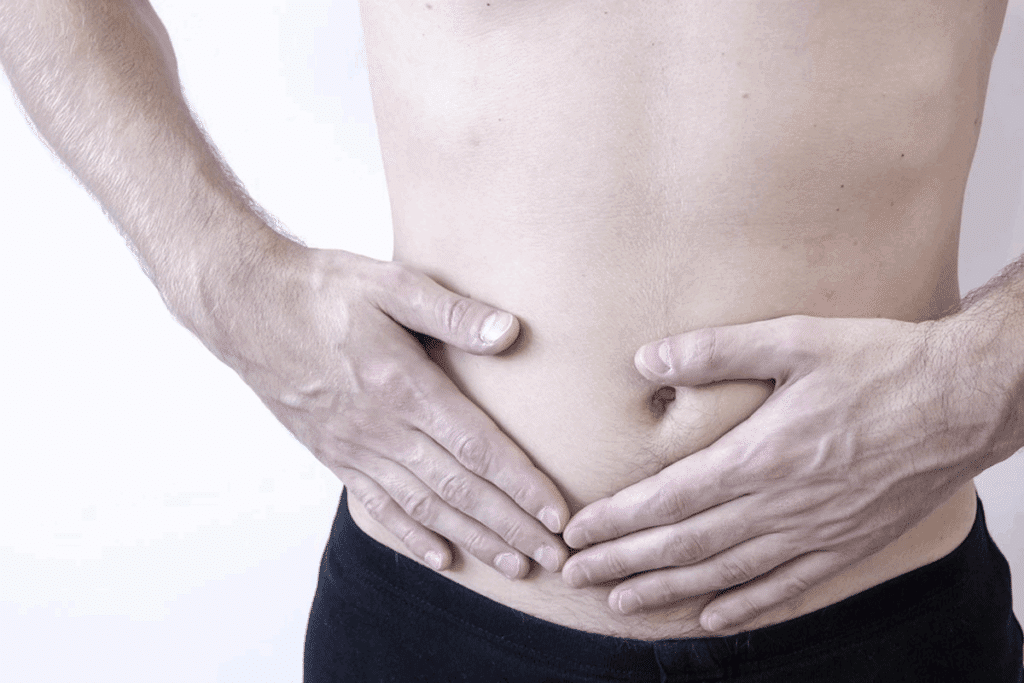
It’s important to know about appendicitis to spot its signs early. This condition is a medical emergency that needs quick care to avoid serious problems.
What is Appendicitis?
Appendicitis happens when the appendix gets inflamed. The appendix is a small tube attached to the large intestine. Its exact role is unclear, but it’s thought to help the immune system.
Appendicitis occurs when something blocks the appendix. This blockage can be feces, a foreign object, or even cancer. The blockage causes the appendix to swell up. If not treated fast, it can burst, leading to a serious infection in the belly.
Symptoms of Appendicitis
The signs of appendicitis start with pain near the navel that moves to the lower right abdomen. Other symptoms include:
- Loss of appetite
- Nausea or vomiting
- Fever
- Abdominal tenderness
- Constipation or diarrhea
Spotting these symptoms early is key. The pain can get worse with movement, coughing, or sneezing.
Diagnosis of Appendicitis
Doctors use a physical exam, medical history, and tests to diagnose appendicitis. They check for tenderness in the lower right abdomen. Tests might include:
| Diagnostic Test | Purpose |
| Blood Tests | To check for signs of infection or inflammation |
| Imaging Tests (CT Scan, Ultrasound) | To see the appendix and rule out other pain causes |
| Urine Test | To check for urinary tract infections |
Quick diagnosis is vital to stop the appendix from bursting. A burst appendix can cause a serious infection in the belly.
Common Diets and Their Connection to Appendicitis
The link between diet and appendicitis is complex. Some eating habits might raise the risk of this painful condition. It’s key to see how different diets can affect the risk of appendicitis.
Processed Foods
Eating a lot of processed foods might up the risk of appendicitis. These foods often have additives and preservatives. They also have less fiber, which can harm gut health and cause inflammation.
Avoiding processed foods can promote better gut health. This is important to avoid appendicitis.
Low-Fiber Diets
A diet low in fiber can hurt your digestive health. This might raise the risk of appendicitis. Fiber helps keep the gut healthy by preventing constipation and promoting regular bowel movements.
People on low-fiber diets might face a higher risk of appendicitis. This is because less fiber can put more pressure on the appendix. Eating more fiber can help lower this risk.
High-Fat Foods
High-fat foods, like those with saturated and trans fats, can also raise the risk of appendicitis. Eating too much fat can cause inflammation in the body. This might affect the appendix.
Even though we don’t know all the details, research points to a link between high-fat diets and appendicitis. It’s best to eat a balanced diet with moderate fat intake.
Foods Linked to Increased Appendicitis Risk
What you eat can affect your chance of getting appendicitis. Some foods are riskier than others. Studies have found certain foods that might increase the risk of appendicitis.
Dairy Products
Dairy products have been looked at closely for their link to appendicitis. Some studies say eating a lot of dairy might raise the risk. This could be because of their fat and protein.
For example, eating a lot of cheese and milk might be a problem.
Key dairy products to consider:
- Cheese
- Milk
- Yogurt
Nuts and Seeds
Nuts and seeds are usually good for you because they’re full of fiber and nutrients. But, some research shows that certain nuts and seeds might increase the risk of appendicitis. This could be because they might irritate the stomach or block the intestines in some people.
Examples of nuts and seeds that have been studied include:
- Almonds
- Sunflower seeds
- Pumpkin seeds
Refined Carbohydrates
Refined carbs, like white bread and sugary snacks, are linked to health problems, including appendicitis. These foods have little fiber and lots of empty calories. They can mess with your digestion.
Common refined carbs to cut down on:
- White bread
- Sugary snacks
- Processed cereals
Knowing which foods might increase the risk of appendicitis can help you make better choices. This might lower your chance of getting the condition.
The Role of Fiber in Preventing Appendicitis
Eating high-fiber foods is a simple way to help our gut health and lower the risk of appendicitis. A healthy gut is key to our well-being. Fiber is important for keeping it that way.
High-Fiber Foods
High-fiber foods are full of dietary fiber, which is good for digestion. Some examples are:
- Fruits like apples, bananas, and berries
- Vegetables such as broccoli, carrots, and leafy greens
- Legumes, including beans, lentils, and peas
- Whole grains like brown rice, quinoa, and whole-wheat bread
These foods help keep our gut healthy by making sure we have regular bowel movements and avoid constipation.
Benefits of Fiber for Gut Health
Fiber is good for our gut in many ways:
- Promotes Regular Bowel Movements: Fiber makes stool bulkier, making it easier to pass.
- Supports Gut Bacteria: It feeds the good bacteria in our gut, helping our gut microbiome stay healthy.
- Reduces Inflammation: Eating a lot of fiber can lower body inflammation. This can help prevent diseases like appendicitis.
A diet rich in fiber can significantly reduce the risk of appendicitis by promoting a healthy gut environment.
In short, eating foods high in fiber is key for gut health and might prevent appendicitis. By adding high-fiber foods to our meals, we can greatly improve our health.
Myths and Misconceptions About Appendicitis Triggers
Many people think certain foods can cause appendicitis. But what’s real and what’s not? The link between diet and appendicitis is tricky. Let’s look at some common myths.
The Truth About Spicy Foods
Spicy foods are often blamed for causing appendicitis. But is this true? Studies show spicy foods don’t directly cause appendicitis. Yet, they can make stomach problems worse, which might be mistaken for appendicitis.
Key findings:
- Spicy foods don’t directly cause appendicitis.
- They can make stomach problems worse, leading to wrong diagnoses.
- No solid proof links spicy foods to a higher risk of appendicitis.
How Sugar Affects Appendicitis
The role of sugar in appendicitis is debated. Some studies say high sugar can cause body inflammation, raising appendicitis risk. But more research is needed to be sure.
Important considerations:
- High sugar intake is linked to many health problems, including inflammation.
- Eating too much sugar might raise appendicitis risk, but proof is lacking.
- Lowering sugar intake is good for your health in general.
The Role of Meat Consumption
Meat, mainly red and processed, is linked to health issues. Some studies hint that eating a lot of meat, like processed, might up appendicitis risk. But the evidence is not strong yet.
Key points to consider:
- Eating a lot of red and processed meat might raise appendicitis risk.
- Eating a variety of foods can help lower risks.
- We need more research to understand meat and appendicitis link.
Individual Factors That Influence Appendicitis Risk
Many personal factors can change a person’s chance of getting appendicitis. Diet is a big part, but other things matter too. Knowing these can help people lower their risk.
Age and Gender Considerations
“The incidence of appendicitis is higher in males, with a male-to-female ratio of 1.4:1.”
Knowing these facts helps doctors spot who’s at higher risk. They can then give better advice.
Genetic Predisposition
Genetics also play a big part in appendicitis risk. If your family has a history of it, you’re more likely to get it. A study showed that having a relative with appendicitis raises your risk. It’s not clear how, but genetics seem to play a role.
- Having a family history of appendicitis
- Increased risk with first-degree relatives
- Potential genetic factors influencing risk
Lifestyle Factors
Lifestyle choices, like how active you are and if you smoke, can also affect your risk. Being inactive might raise your risk, but staying active can help. Smoking also increases your risk, as it harms your digestive health.
Understanding these factors helps you make better choices. Talk to a doctor to figure out your risk and how to lower it.
Recommendations for a Healthy Diet
Eating well is key to avoiding appendicitis and staying healthy. A balanced diet keeps your digestive system in top shape. We’ll share tips on how to eat right, including what to eat and what to skip.
Balanced Diet Tips
To eat well, mix foods from all groups. Here’s how:
- Eat lots of fruits and veggies.
- Go for whole grains over refined ones.
- Add lean proteins like chicken, fish, and beans.
- Watch your intake of saturated fats and sugars.
- Drink lots of water all day.
Following these tips will make your diet rich in nutrients. This is great for your health.
Foods to Include
Some foods are good for preventing appendicitis. These include:
- High-Fiber Foods: Whole grains, fruits, and veggies are great for digestion.
- Probiotic-Rich Foods: Yogurt and other probiotics are good for your gut.
- Lean Proteins: Chicken, fish, and beans are good protein sources.
Eating these foods can lower your risk of appendicitis and boost your health.
Foods to Avoid
Some foods can up your risk of appendicitis. It’s best to limit or avoid:
- Processed Foods: They’re full of unhealthy fats, sugars, and salts.
- High-Fat Foods: Foods with lots of saturated fats aren’t good for your gut.
- Refined Carbohydrates: Refined grains can cause stomach problems and should be eaten in small amounts.
Staying away from these foods can help keep your digestive system healthy and lower your risk of appendicitis.
| Food Category | Recommended Foods | Foods to Limit/Avoid |
| Fruits and Vegetables | Apples, Berries, Broccoli, Carrots | None |
| Grains | Whole Wheat Bread, Brown Rice, Oats | White Bread, Refined Pasta |
| Proteins | Chicken, Fish, Legumes | Processed Meats, High-Fat Meats |
| Dairy | Low-Fat Yogurt, Milk | High-Fat Dairy Products |
Making smart food choices can greatly reduce your chance of getting appendicitis and keep you healthy.
The Importance of Hydration
Hydration is key to avoiding digestive problems like appendicitis. Drinking enough water keeps your digestive system healthy.
How Water Intake Impacts Digestion
Water is vital for digestion. It breaks down nutrients and fiber, helping your body use them better. Not drinking enough water can cause constipation, which raises the risk of appendicitis.
Drinking the right amount of water also stops kidney stones and lowers the chance of some stomach problems.
| Benefits of Proper Hydration | Consequences of Inadequate Hydration |
| Improved digestion | Constipation |
| Prevention of kidney stones | Increased risk of kidney stones |
| Reduced risk of gastrointestinal disorders | Digestive discomfort |
Recommendations for Daily Water Consumption
The right amount of water varies by age, sex, weight, and how active you are. Experts say to drink at least eight 8-ounce glasses a day, or the 8×8 rule.
For a better guide, try these tips:
- Drink half an ounce of water for every pound of your body weight.
- Change how much you drink based on your activity and where you live.
Drinking enough water is easy and helps keep you healthy. It also lowers the risk of many health issues, including appendicitis.
When to Seek Medical Attention
It’s important to know the warning signs of appendicitis to get medical help quickly. We need to spot the symptoms early to act fast.
Identifying Severe Symptoms
Look out for severe stomach pain, nausea, vomiting, and fever. If you see these signs, call for emergency help right away.
Responding to an Appendicitis Emergency
If it’s an emergency, call emergency services or go to the nearest ER. Quick medical care can make a big difference.
The Role of Healthcare Providers
Seeing a healthcare provider is key for diagnosing and treating appendicitis. They will check you, tell you what to do next, and might need to operate.
Knowing the signs and acting fast can help a lot. If you think you might have appendicitis, see a doctor for help and advice.
FAQ
What is appendicitis and how is it related to diet?
Appendicitis is when the appendix gets inflamed. Diet might play a big role in it, with some foods possibly making it worse.
Can certain foods cause appendicitis?
No single food is proven to cause appendicitis. But eating too much processed or high-fat food might raise your risk.
Are dairy products linked to an increased risk of appendicitis?
Some studies hint that dairy might be linked to appendicitis risk. But more research is needed to confirm this.
How does fiber intake impact the risk of appendicitis?
Eating a lot of fiber can help prevent appendicitis. Foods like fruits, veggies, and whole grains are good for your gut.
Can spicy foods trigger appendicitis?
Spicy foods don’t directly cause appendicitis. But eating too much spicy food can make digestive issues worse.
What role does hydration play in preventing appendicitis?
Drinking enough water helps keep your digestive system healthy. It can also prevent constipation, which might lower your risk of appendicitis.
Are there any specific foods that individuals with appendicitis should avoid?
There’s no one food to avoid with appendicitis. But eating a balanced diet with lots of fruits, veggies, and whole grains is best. Try to limit high-fat, processed, and sugary foods.
Can genetic predisposition influence the risk of developing appendicitis?
Yes, your genes can affect your risk of getting appendicitis. If your family has a history of it, you might be more likely to get it too.
What are the warning signs of appendicitis, and when should I seek medical attention?
Signs of appendicitis include sharp pain in your belly, nausea, vomiting, and fever. If you have these symptoms, get medical help right away. Quick treatment is key to avoiding serious problems.
How can I reduce my risk of developing appendicitis through dietary changes?
Eating a diet full of fiber, fruits, and veggies can help. Avoid foods high in fat, processed, and sugar. Also, make sure to drink plenty of water.
References
The Lancet. Evidence-Based Medical Insight. Retrieved from
https://www.thelancet.com/journals/lancet/article/PIIS0140-6736(13)60937-X/fulltext