
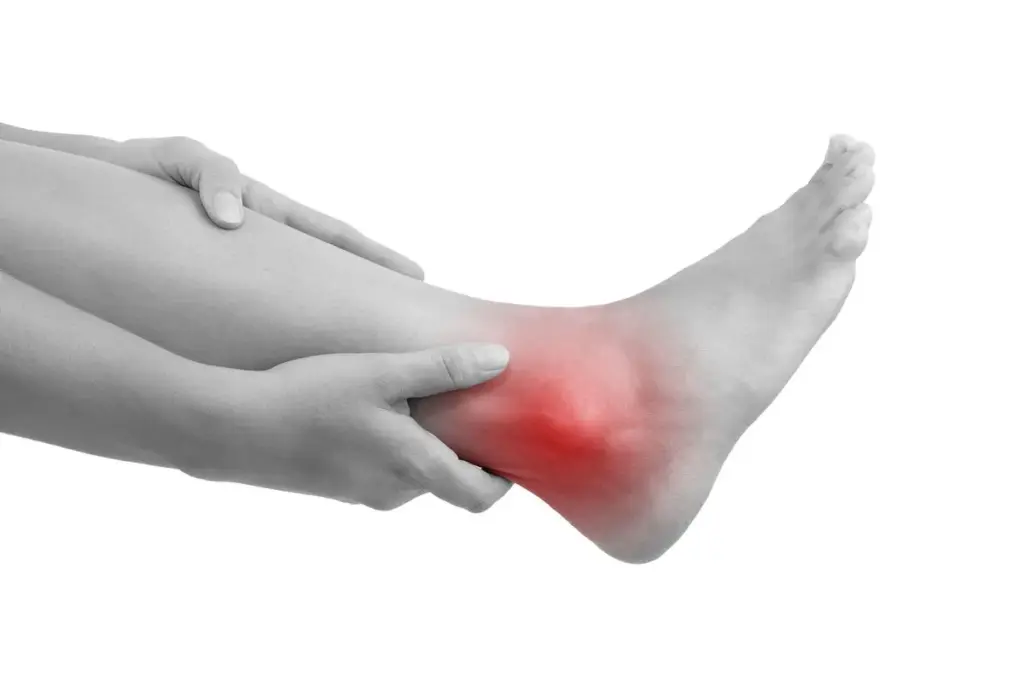
Medical technology has changed the game in podiatry surgery. Now, patients have better and less painful ways to get treated. We’re seeing a big move towards minimally invasive techniques. These methods make recovery faster and results better.
Lapiplasty is a big step forward. It fixes bunions by making the foot’s natural shape again. This not only eases pain but also lowers the chance of the bunion coming back. As we learn more about foot problems, we’re getting closer to more tailored and successful treatments.
Key Takeaways
- Minimally invasive techniques are becoming increasingly popular in podiatry surgery.
- Lapiplasty is a revolutionary procedure for bunion correction.
- New advancements aim to reduce recovery times and improve patient outcomes.
- Personalized care is becoming more prevalent in the treatment of foot deformities.
- These innovations are transforming the field of foot surgery.
The Evolution of Modern Foot Surgery
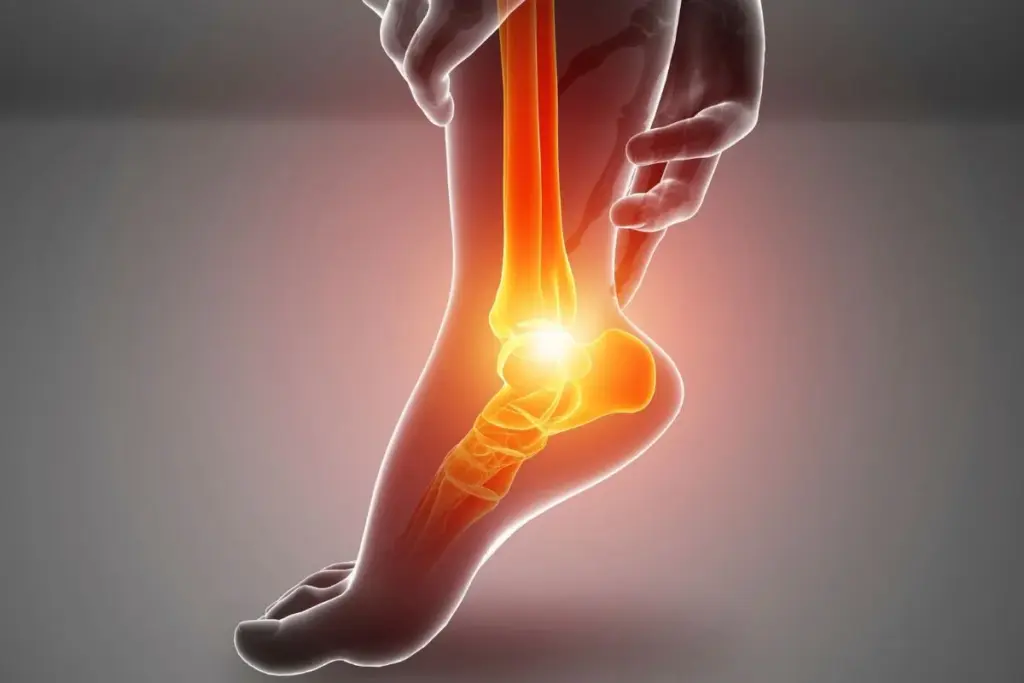
Modern foot surgery has changed a lot. Now, we use less invasive methods and better techniques. This change comes from new medical tech and understanding foot anatomy better. Surgeons can now do complex surgeries with more precision and less harm to patients.
Traditional vs. Contemporary Approaches
Old foot surgery used big cuts and took a long time to heal. New methods focus on being less invasive. This means smaller cuts, less damage, and quicker healing times. Patients are happier and heal faster.
Surgeons now use new, less open ways to fix foot and ankle problems. This change lowers the risk of problems and makes surgeries work better.
Key Advancements in Surgical Techniques
Several big changes have helped modern foot surgery grow. Arthroscopic techniques are a big deal. They let surgeons do precise, less invasive surgeries. Better tools and understanding of foot anatomy also help surgeons do complex surgeries better.
New tools like computer-assisted navigation systems and 3D printing applications in foot surgery are also important. These help make surgeries more precise and successful. Patients get better results.
We keep getting better at foot surgery. We’re all about giving our patients the best care. Using the latest methods and tech, we offer better treatments and improve patient experiences.
Minimally Invasive Foot Surgery: A Game-Changing Approach
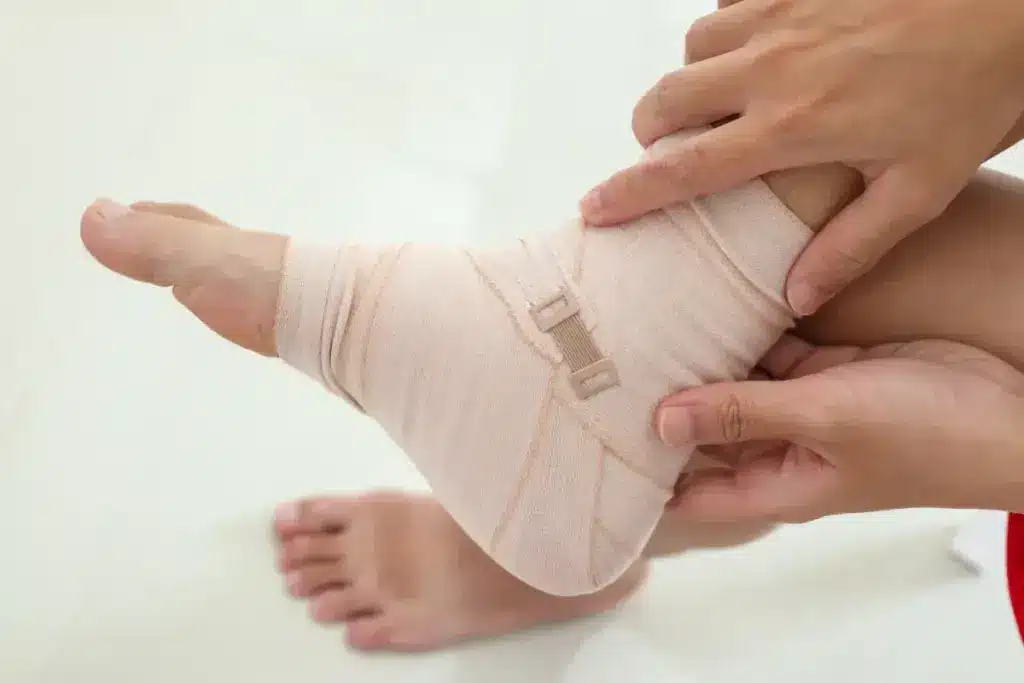
Minimally invasive foot surgery is a new way to treat foot problems. It uses small cuts and special tools. This way, surgeons can do big jobs without hurting too much of the surrounding tissue.
This new method has changed foot surgery a lot. Minimally invasive foot surgery causes less damage to soft tissues. This means patients heal faster and feel less pain after surgery.
How MIS Procedures Work
For example, minimally invasive bunion surgery uses a burr to cut the bone through tiny cuts. This method hurts the foot less. It also lets patients get back to their daily activities sooner.
The steps include:
- Small cuts to hurt less tissue
- Special tools for precise bone cutting
- Less chance of problems because of less tissue damage
So, patients feel less pain and swelling after surgery. This makes the healing process easier.
Comparing Results with Traditional Open Surgery
Looking at minimally invasive foot surgery and traditional surgery, MIS has clear benefits. Patients with MIS surgery recover faster and feel less pain.
A study showed MIS bunion surgery beats traditional surgery in many ways. Here’s what it found:
|
Criteria |
MIS Bunion Surgery |
Traditional Bunion Surgery |
|---|---|---|
|
Recovery Time |
Significantly shorter |
Several weeks to months |
|
Post-operative Pain |
Less pain reported |
More pain due to larger incision |
One of our patients said, “The minimally invasive surgery was a game-changer for me. I was back on my feet in no time, with minimal discomfort.”
“Minimally invasive surgery represents a significant advancement in foot care, providing patients a less invasive alternative with quicker recovery times.”
We think minimally invasive foot surgery is a big step up in treating foot issues. It gives patients effective and less painful options.
Revolutionary Types of Bunion Surgery
New advancements in bunion surgery have made recovery faster and outcomes better. Techniques like Lapiplasty and minimally invasive bunionectomy have changed the game.
Lapiplasty: 3D Bunion Correction
Lapiplasty is a new 3D bunion correction method. It fixes the bunion by realigning the metatarsal bone. This method corrects the bunion in all three dimensions, unlike old methods.
Key Benefits of Lapiplasty:
- Realignment of the metatarsal bone in three dimensions
- Addresses the root cause of the bunion deformity
- Potential for faster recovery compared to traditional methods
Minimally Invasive Bunionectomy Options
Minimally invasive bunionectomy is another new way to fix bunions. It uses smaller cuts and less tissue damage. This means quicker healing and less scarring.
|
Feature |
Traditional Bunionectomy |
Minimally Invasive Bunionectomy |
|---|---|---|
|
Incision Size |
Larger incision |
Smaller incisions |
|
Recovery Time |
Longer recovery |
Faster recovery |
|
Scarring |
More noticeable scarring |
Less noticeable scarring |
A top orthopedic surgeon says, “Minimally invasive bunionectomy is a big step forward. It lets patients get back to normal faster with less pain.”
“Lapiplasty and minimally invasive bunionectomy have changed bunion surgery. They offer patients better and less invasive options.”
— Foot Surgery Specialist
Innovative Toe Operations and Reconstructions
Toe surgery has seen big changes, helping us tackle toe problems better. Foot and ankle surgeons are always looking for new ways to help patients. This means better results for everyone.
Toe surgery now offers many solutions for complex issues. A big leap forward is in hammertoe correction. This area has seen a lot of progress recently.
Hammertoe Correction Advancements
New implants and techniques have made hammertoe correction better. These changes help fix toes more reliably and for longer. Patients get their toe function back and feel better.
” “It allows for more precise corrections and better long-term outcomes.”
Some key improvements in hammertoe correction include:
- Minimally invasive techniques that reduce recovery time
- Improved implant designs that enhance stability and flexibility
- Advanced surgical instruments that allow for greater precision
Joint Preservation Techniques for the Toes
We’re also making strides in joint preservation techniques for the toes. These methods help keep the toes moving naturally. This improves foot function and lowers the chance of future problems.
Joint preservation involves several procedures. These include soft tissue realignment and osteotomies. They aim to fix toe anatomy and function. This keeps the toes moving well, helping patients walk better and preventing degeneration.
We keep pushing the limits in toe surgery, aiming to give our patients the best care. Whether it’s hammertoe correction or joint preservation, our goal is to make feet work their best. This improves patients’ lives greatly.
Advanced Foot and Ankle Surgery Procedures
We can now do advanced foot and ankle surgeries with more precision than before. This is thanks to new surgical techniques and technology. These modern methods have changed orthopedic surgery, giving patients better and less invasive treatments.
Arthroscopic Techniques for the Ankle
Arthroscopic techniques are key in today’s foot and ankle surgery. These small, minimally invasive procedures use cameras and special tools. They help diagnose and treat ankle problems like impingement and soft tissue injuries with high accuracy.
Arthroscopic methods offer many benefits. They lead to smaller cuts, less pain after surgery, and faster recovery. This has changed how we treat ankle issues, letting patients get back to their activities sooner.
Complex Ankle Surgery Types
Complex ankle surgeries are also getting better. These include fixing severe ankle deformities, repairing ligaments, and replacing the ankle joint. These surgeries need careful planning and use of advanced imaging and custom surgical methods.
These surgeries are for patients with severe ankle problems that haven’t gotten better with other treatments. They can greatly improve ankle function and reduce pain, improving patients’ lives.
By using the latest in surgical techniques and technology, we offer many effective treatments for foot and ankle issues. Whether it’s through small arthroscopic surgeries or complex reconstructive surgeries, our goal is the same. We aim to restore function, ease pain, and help patients move freely again.
Cutting-Edge Technologies in Modern Foot Surgery
New technologies are changing foot surgery for the better. They bring more precision and better results. These changes are making surgeries more accurate and effective.
Computer-Assisted Navigation Systems
Computer-assisted systems are making foot surgeries more precise. They give surgeons real-time feedback. This helps them avoid mistakes and make the surgery safer.
Key Benefits of Computer-Assisted Navigation:
- Improved accuracy in surgical procedures
- Real-time feedback during surgery
- Enhanced visualization of anatomical structures
|
Feature |
Traditional Method |
Computer-Assisted Navigation |
|---|---|---|
|
Accuracy |
Dependent on surgeon’s experience |
Real-time data for precise navigation |
|
Visualization |
Limited to preoperative imaging |
Continuous imaging during surgery |
3D Printing Applications in Foot Reconstruction
3D printing is now used in foot reconstruction. It helps create custom implants and models. This makes implants fit better and surgeries more planned.
3D printing in foot surgery is showing great results. It’s improving patient care and shortening recovery times.
As we keep using these new technologies, foot surgery will only get better. The future of foot surgery looks bright with these innovations.
Flatfoot Reconstruction: New Surgical Approaches
New surgical methods are giving hope to those with flatfoot. These methods significantly improve the effectiveness of flatfoot treatment.
The Subtalar Arthroereisis Procedure is a big step forward. It’s a minimally invasive way to fix flatfoot. “Subtalar arthroereisis has changed how we treat flatfoot,” says a top foot surgery expert. “It’s a big deal because it means less pain and quicker recovery than old methods.”
Subtalar Arthroereisis Procedure
This procedure is less invasive than old surgeries. It uses a small implant in the subtalar joint to fix the foot. This method cuts down on recovery time and lowers the chance of problems.
Advanced Tendon Transfer Techniques are also making a big difference. These methods move tendons to fix the foot’s function. They make the foot work better and look better too.
Advanced Tendon Transfer Techniques
These techniques are made for each patient. We look at how bad the flatfoot is to choose the best plan. This way, we get the best results and happy patients.
New ways to fix flatfoot are changing the game. Patients now have better, less painful options. These can really improve their lives.
“The progress in flatfoot surgery shows how fast orthopedic surgery is moving. These new methods are not just better results. They also make recovery easier for patients,” says a famous orthopedic surgeon.
Foot Surgery Recovery: Modern Protocols and Timelines
Foot surgery recovery has become easier thanks to new methods and timelines. We’ve seen big improvements in how we care for patients after surgery. This makes the healing process faster and more comfortable.
Accelerated Rehabilitation Methods
Today, we use early movement and exercises to help patients recover faster. These accelerated rehabilitation methods help patients get stronger and move better sooner. This way, we can cut down on recovery time and make patients do better.
The benefits of these new methods include:
- Faster return to normal activities
- Improved muscle strength
- Enhanced joint mobility
- Reduced risk of complications
|
Rehabilitation Method |
Traditional Recovery |
Accelerated Recovery |
|---|---|---|
|
Early Mobilization |
Delayed until pain subsides |
Initiated within days of surgery |
|
Weight-Bearing Exercises |
Avoided initially |
Started early to promote healing |
Pain Management Advancements
Pain management has also improved a lot. We now use nerve blocks and multimodal analgesia to reduce pain. These methods help patients feel less pain and recover better.
The table below shows some common pain management techniques used in foot surgery recovery:
|
Pain Management Technique |
Description |
Benefits |
|---|---|---|
|
Nerve Blocks |
Regional anesthesia to numb the area |
Effective pain relief, reduced opioid use |
|
Multimodal Analgesia |
Combination of pain relief medications |
Enhanced pain control, reduced side effects |
By using these modern methods, we can greatly improve how patients recover from foot surgery. Our focus on quick recovery and pain management ensures patients get the best care.
Specialized Foot Surgery for Diabetic Patients
Diabetes can cause serious foot problems. These issues need special surgery. Diabetic patients often face unique challenges like ulcers and Charcot foot. These problems can really hurt their quality of life.
Limb Preservation Techniques
Limb preservation is key in diabetic foot care. It aims to stop amputations with surgery and other treatments. We use many methods, including:
- Wound care and management
- Revascularization to improve blood flow
- Infection control
- Corrective surgeries for deformities
These limb preservation techniques help meet diabetic patients’ complex needs. They lower the chance of problems and better outcomes.
Charcot Foot Reconstruction Advances
Charcot foot is a big problem for diabetics. It can cause serious deformity and disability if not treated right. New ways in Charcot foot reconstruction help surgeons fix the foot’s shape and function.
Some major improvements are:
- Better surgical methods for fixing the foot
- Advanced imaging for better planning
- New devices for stable reconstruction
Thanks to these advances, we can offer effective treatment options for Charcot foot. This improves diabetic patients’ foot health and mobility.
Sports Medicine Advancements in Foot Surgery
Sports medicine has led to new foot surgery techniques, focusing on the Achilles tendon and other key areas. This means athletes and those with foot injuries can now get better treatments.
Achilles Tendon Repair Innovations
The Achilles tendon is vital for foot function, and injuries can really slow you down. New methods in repairing this tendon use minimally invasive techniques and improved suture materials. These advancements aim to improve the success of these surgeries.
One big change is the use of percutaneous techniques. This method makes small cuts to fix the tendon. It causes less damage and helps the tendon heal faster.
|
Technique |
Description |
Benefits |
|---|---|---|
|
Percutaneous Repair |
Minimally invasive technique using small incisions |
Less tissue damage, faster recovery |
|
Open Repair |
Traditional method involving a larger incision |
Direct visualization, suitable for complex cases |
Return-to-Play Optimization Strategies
After foot surgery, like for the Achilles tendon, athletes need a good rehab plan. Return-to-play optimization strategies are being created. They help athletes get back to their sport faster and safely.
- Progressive strengthening exercises
- Functional training programs
- Biomechanical assessments
These plans not only speed up recovery but also boost performance. This lets athletes return to their sport with confidence.
Understanding Foot Surgery Costs and Insurance Coverage
The cost of foot surgery can change a lot. It depends on the procedure, technology, and where you are. Knowing the costs is key when thinking about surgery for your feet.
Factors Influencing the Cost of New Surgical Procedures
Many things affect the cost of foot surgery. These include:
- The complexity and type of surgical procedure
- The technology and techniques used, like minimally invasive surgery or 3D printing
- Surgeon’s fees, which can vary based on experience and expertise
- Facility costs, including hospital or surgical center charges
- Anesthesia fees
- Post-operative care and rehabilitation expenses
New and advanced surgical techniques can be more effective. But, they can also be more expensive. For example, Lapiplasty for bunions or arthroscopic techniques for ankle surgery might cost more than traditional methods.
Navigating Insurance for Advanced Foot Treatments
Dealing with insurance for foot surgery can be tough. Patients should:
- Review their insurance policy to understand what is covered and what is not
- Discuss possible out-of-pocket expenses with their healthcare provider
- Explore financing options if available
- Consider seeking a pre-approval or pre-authorization for the procedure
Choosing a surgeon who knows the latest techniques and insurance is important. This can make the process easier and might lower costs.
Understanding costs and insurance options helps patients make better choices. It ensures they get the best care while managing their money.
How to Choose the Best Foot Surgery Specialist
Finding a skilled foot surgeon is important. You need to think about several key factors. The surgeon’s expertise can greatly affect your surgery’s success and recovery.
Choosing the right specialist can be tough. It’s key to look at their qualifications and experience.
Essential Credentials and Specializations
When looking for the best foot surgeon, check for certain credentials. Look for board certification in orthopedic or podiatric surgery. Also, specialized training in foot and ankle surgery is a big plus.
It’s also important to know the surgeon’s experience with your specific surgery. Ask about their success and complication rates for that surgery.
|
Credential |
Description |
Importance Level |
|---|---|---|
|
Board Certification |
Certification by a recognized medical board |
High |
|
Specialized Training |
Additional training in foot and ankle surgery |
High |
|
Surgical Experience |
Experience with the specific surgical procedure |
High |
Questions to Ask Before Scheduling Surgery
Before foot surgery, ask important questions. Find out about the surgeon’s experience, the surgery method, and recovery time.
- What is your experience with this specific procedure?
- What are the possible risks and complications?
- What’s the expected recovery process, and how can I prepare?
By asking these questions and looking at the surgeon’s credentials, you can make a smart choice. This helps you find the right foot surgery specialist.
Doing thorough research and consulting is key. Whether it’s podiatry surgery or other foot surgeries, picking the right specialist is vital for success.
Potential Complications of Modern Foot Surgery
It’s important to know the possible complications of foot surgery. Modern foot surgery is usually safe. But, every surgery has some risks.
Procedure-Specific Risks
Each foot surgery has its own risks. For example, bunion surgery might lead to the bunion coming back or the toe becoming stiff. Ankle arthroscopy could cause nerve damage or infection. Knowing these procedure-specific risks is key when thinking about surgery.
|
Surgical Procedure |
Potential Complications |
|---|---|
|
Bunion Surgery |
Recurrence, Stiffness, Infection |
|
Ankle Arthroscopy |
Nerve Damage, Infection, Bleeding |
|
Hammertoe Correction |
Recurrence, Toe Stiffness, Numbness |
Strategies to Minimize Complications
To lower the risk of complications, picking the right patient is key. This means checking the patient’s health, managing conditions like diabetes, and making sure they know what to do after surgery. Meticulous surgical technique and following post-operative instructions also help a lot.
By knowing the risks and taking steps to avoid them, patients can get better results. It’s a team effort between the patient and the surgical team to get the best outcome.
Conclusion: The Future of Foot Surgery
The future of foot surgery looks bright with new tech and techniques. Patients will see better and less painful treatments for foot issues. This includes problems at the top of the foot.
Foot surgery will soon be more personalized. This means using advanced tools like computer systems and 3D printing. People looking for foot surgery will get care that fits their needs perfectly.
Understanding foot anatomy and how it works will improve surgery. This means faster healing and better pain control. Patients will enjoy a better quality of life.
It’s important to stay up-to-date with these changes. Talking to a foot surgery expert is key. This way, patients can choose the best treatment options available.
FAQ
What is the new type of foot surgery?
The new foot surgery includes many new procedures. These aim to help patients heal faster and with less pain. Some examples are minimally invasive surgery, Lapiplasty for bunions, and advanced arthroscopic techniques.
What are the benefits of minimally invasive foot surgery?
This surgery has many benefits. It uses smaller cuts, causing less damage and pain. Patients also recover faster than with traditional surgery.
What is Lapiplasty, and how does it differ from traditional bunionectomy?
Lapiplasty is a new way to fix bunions. It not only fixes the visible part but also the bone underneath. This gives a better fix than old methods.
What advancements have been made in toe operations?
Toe surgery has gotten better. Now, it focuses on making toes work and look normal again. New implants and techniques help fix hammertoes and keep toes moving well.
How have computer-assisted navigation systems improved foot surgery?
These systems make surgery more precise. They show real-time data to help surgeons fix feet better.
What is subtalar arthroereisis, and how is it used in flatfoot reconstruction?
It’s a new, small surgery for flat feet. It stabilizes the joint to fix the foot. It’s a better option for some patients.
How have modern protocols improved the recovery process following foot surgery?
New recovery methods and pain management have helped a lot. Patients can now get back to their lives sooner and with less pain.
What specialized foot care is available for diabetic patients?
Diabetics get special care for their feet. This includes treatments to save limbs and new ways to fix Charcot foot. It helps prevent amputations and improves foot function.
How do I choose the best foot surgery specialist?
Look for a specialist with the right credentials. They should be board certified and have the right training. Also, check their experience with your procedure.
What are the possible complications of modern foot surgery, and how can they be avoided?
Complications like infection and nerve damage can happen. To avoid them, choose the right patient, use careful techniques, and follow instructions after surgery.
How do I understand the costs associated with foot surgery and navigate insurance coverage?
Know the costs and talk to your doctor about insurance. Choosing an experienced surgeon can also affect the cost and success of your surgery.
Reference
National Center for Biotechnology Information. Evidence-Based Medical Insight. Retrieved from https://pubmed.ncbi.nlm.nih.gov/34414328/[7