Forehead Wrinkle Surgery Guide: Safe and Effective Brow Lift Options
Forehead wrinkles are a big worry for many, affecting millions globally. Joshua Zeichner, M.D., says wrinkles happen when skin weakens and facial muscles contract. This causes the skin to fold. The ultimate guide to forehead wrinkle surgery (brow lift). Discover how this amazing procedure offers a permanent, youthful solution.
We know how upsetting these signs of aging can be. That’s why we’re here to help with effective solutions.
At Liv Hospital, we have many treatments. From minimally invasive injectables to surgical techniques, we aim for a smoother look. Our focus is on you, ensuring top-notch care that fits your needs.
Key Takeaways
- Effective treatments for forehead wrinkles include minimally invasive injectables and advanced surgical techniques.
- Forehead wrinkles can be caused by a combination of weak skin foundation and facial expression muscles.
- Liv Hospital offers a patient-centered approach to treating forehead wrinkles.
- Advanced surgical techniques can provide a smoother, more youthful appearance.
- Personalized treatment plans are available to address individual needs.
Understanding Forehead Wrinkles: Causes and Types
Forehead wrinkles come from many factors, making it key to know what causes them. They are a natural sign of aging, but how severe and when they start can differ a lot.
Why Forehead Wrinkles Develop
Forehead wrinkles form from aging, facial expressions, and the environment. As we get older, our skin loses elasticity and collagen, causing wrinkles. Also, making certain faces, like frowning, can lead to wrinkles.
Marisa Garshick, M.D., a dermatologist in NYC, says, “People with strong expressions and muscles may see wrinkles early.” This shows how muscle movements play a big part in wrinkles.
Dynamic vs. Static Wrinkles
Dynamic wrinkles show up when we make facial expressions. They’re from muscle contractions. Static wrinkles, though, are there even when we’re not moving our face. They happen due to lost skin elasticity and collagen, plus gravity’s pull.
Common Age of Onset
When forehead wrinkles start can vary a lot. Dynamic wrinkles might show up in the 30s, for those with expressive faces. Static wrinkles, though, get deeper with age.
Age Group | Type of Wrinkles | Causes |
20s-30s | Dynamic Wrinkles | Facial expressions, muscle contractions |
40s-50s | Static Wrinkles | Loss of skin elasticity, collagen depletion |
60s+ | Deep Static Wrinkles | Aging, gravity, environmental factors |
Knowing about forehead wrinkles’ causes and types helps people choose the right treatments.
Non-Surgical Treatments for Forehead Wrinkles
Looking for ways to smooth out forehead wrinkles without surgery? There are many non-surgical options available. These methods can give you quick, temporary fixes to reduce wrinkle appearance.
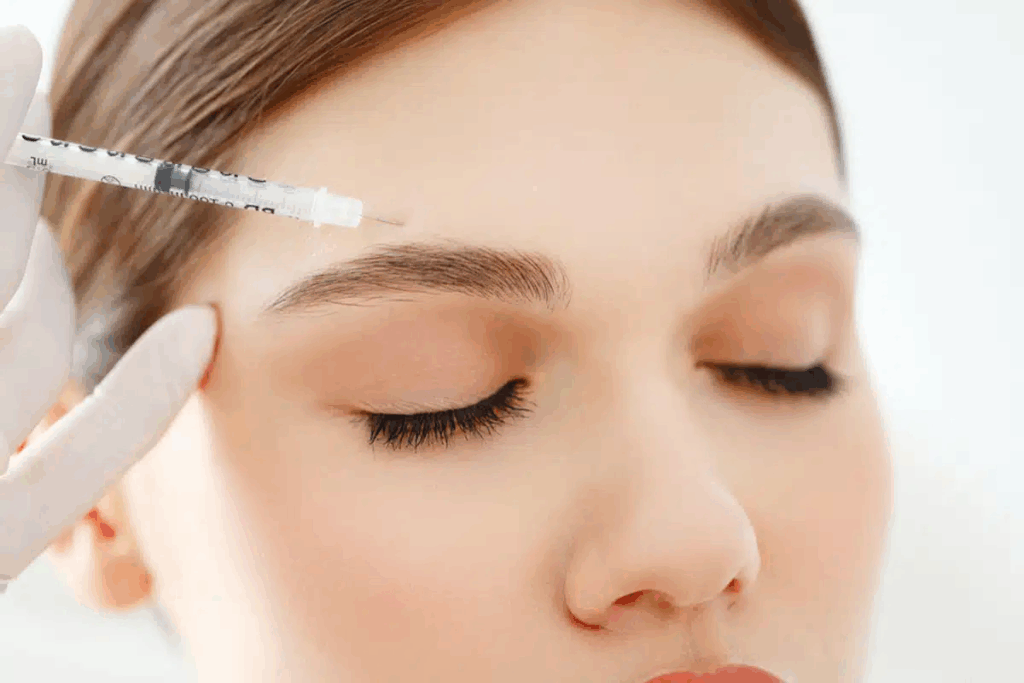
Botox and Dysport Injections
Botox and Dysport relax muscles that cause forehead wrinkles. “Neuromodulators, like Botox, relax muscles that form wrinkles,” says Medical Expert. This makes lines less noticeable.
Dermal Fillers (Juvederm and Restylane)
Dermal fillers, like Juvederm and Restylane, fill in deep lines. They make your forehead look smoother. These fillers are safe because they’re made from something your body naturally has.
Limitations of Non-Surgical Approaches
Non-surgical treatments work well, but they have downsides. You need to keep getting them to keep the results. Their effects don’t last forever. Here’s a quick look at what you can expect.
Treatment | Duration of Effect | Common Side Effects | Cost Range |
Botox | 3-4 months | Bruising, swelling | $300-$600 per session |
Dysport | 3-4 months | Bruising, swelling | $300-$600 per session |
Juvederm | 6-12 months | Swelling, redness | $600-$1,200 per syringe |
Restylane | 6-12 months | Swelling, redness | $600-$1,200 per syringe |
In summary, there are many non-surgical ways to tackle forehead wrinkles. Knowing the pros and cons of each can help you choose wisely.
Topical Solutions and Their Effectiveness
Forehead wrinkles can be tough to tackle, but topical solutions like retinoids and peptides offer hope. These ingredients are key in anti-aging skincare to lessen fine lines and wrinkles.
Retinoids and Peptides
Retinoids, made from vitamin A, boost cell turnover and collagen. “Retinol is popular for a good reason: it works,” says Medical Expert. It refreshes and smooths the skin over time. Peptides, short amino acid chains, also boost collagen and skin elasticity.
Regular use of retinoids and peptides can make your skin look smoother and younger. But, remember to stick to a skincare routine and set realistic goals for results.
Hyaluronic Acid Serums
Hyaluronic acid serums are great for forehead wrinkles too. This natural body substance keeps skin moist, hydrating and plumping it. It helps hide fine lines and wrinkles by keeping skin hydrated.
Using hyaluronic acid with other anti-aging products can boost its effects. For example, mixing it with peptides or retinoids can tackle aging skin from all angles.
Realistic Expectations from Topical Treatments
Topical solutions can soften forehead wrinkles, but don’t expect miracles. They can improve skin texture and lessen fine lines, but deep wrinkles might remain. For deeper results, you might need to try other treatments too.
Knowing what topical solutions can and can’t do is important. Adding retinoids, peptides, and hyaluronic acid to your routine can help manage forehead wrinkles. This way, you can keep your skin looking young and healthy.

Advanced Non-Invasive Procedures
Looking for ways to reduce forehead wrinkles? Non-invasive procedures might be the answer. They aim to improve skin texture and lessen fine lines and wrinkles without surgery.
Laser Resurfacing
Laser resurfacing is a non-invasive method that uses laser technology. It boosts collagen production and enhances skin texture. Medical Expert, “Lasers create micro-injuries in the skin to stimulate collagen,” making skin look smoother and younger.
The benefits of laser resurfacing include:
- Reduced fine lines and wrinkles
- Improved skin texture and tone
- Enhanced collagen production
Radiofrequency Treatments
Radiofrequency (RF) treatments are another non-invasive choice for forehead wrinkles. RF uses energy waves to heat the skin’s deeper layers. This stimulates collagen production and tightens the skin.
Key advantages of RF treatments include:
- Minimal downtime
- Long-lasting results
- Suitable for various skin types
Microneedling with PRP
Microneedling with Platelet-rich Plasma (PRP) is a modern treatment. It combines microneedling with PRP’s regenerative effects. This method creates micro-injuries in the skin and uses PRP to aid in healing.
“Microneedling with PRP can significantly improve skin texture and reduce the appearance of fine lines and wrinkles,” notes a leading dermatologist.
The mix of microneedling and PRP offers:
- Enhanced collagen production
- Improved skin texture and tone
- Natural, long-lasting results
Forehead Wrinkle Surgery: Permanent Solutions
Looking for a lasting fix for forehead wrinkles? Surgery might be the answer. As we age, our skin loses collagen and elastin. This makes it less firm and more wrinkly. Forehead wrinkle surgery can fix this by moving the forehead and brow. It reduces wrinkles and makes you look younger.
Endoscopic Forehead Lift Technique
The endoscopic forehead lift is a new, less invasive surgery. It uses an endoscope to see the forehead area. This method means smaller cuts and less scarring. It works well for those with mild to moderate wrinkles.
“The endoscopic approach offers a quicker recovery time and reduced risk of complications compared to more invasive methods,” explains Medical Expert.
Trichophytic Hairline Lift Procedure
The trichophytic hairline lift makes an incision along the hairline. It’s great for those with a high hairline or wanting to change it. It moves the forehead skin and tissues, making the forehead smoother.
Coronal and Temporal Brow Lift Methods
Coronal and temporal brow lifts are older, more traditional surgeries. They make cuts across the scalp (coronal) or in the side of the head (temporal). These methods tackle deeper wrinkles and sagging brows. They might take longer to recover from, but the results last a long time.
Thinking about forehead wrinkle surgery? Always talk to a board-certified plastic surgeon. They can help pick the best method for you.
Ideal Candidates for Surgical Intervention
Figuring out if you’re a good fit for forehead wrinkle surgery involves looking at several important factors. We examine different aspects to decide if surgery is the best option for you.
Age and Skin Condition Considerations
Age is a big factor in deciding if you’re a good candidate for surgery. People in their 40s to 60s are often the best fit because they have more noticeable wrinkles. Skin condition is also key; we look for patients with healthy, elastic skin that can handle the surgery well.
Medical History Requirements
Looking closely at your medical history is important to see if you’re a good candidate for surgery. We want patients without major health problems that could make surgery or recovery hard. Talking in detail with your surgeon about your health history is important to make sure you’re a good match.
Realistic Expectations and Goals
It’s important to have realistic hopes about what forehead wrinkle surgery can do. We tell patients that while surgery can lessen wrinkles, it might not get rid of them all. Talking openly with your surgeon about what you hope to achieve helps make sure you’ll be happy with the results.
As Medical Expert, “It’s important to talk to a board-certified dermatologist or plastic surgeon to figure out the best treatment for you.” This meeting is a key step in deciding if surgery is right for you.
Preparing for Forehead Wrinkle Surgery
The journey to a smoother forehead starts with good preparation for surgery. Preparing for forehead wrinkle surgery involves several important steps. Being well-prepared makes the surgery smoother, helps with recovery, and leads to better results.
Choosing a Board-Certified Plastic Surgeon
Finding a board-certified plastic surgeon with lots of experience is key. Medical Expert, “It’s important to pick a board-certified plastic surgeon with experience in forehead wrinkle surgery.” A skilled surgeon ensures the surgery is done safely and right.
Look at a surgeon’s credentials, read patient reviews, and check their before-and-after photos. It’s good to talk to several surgeons to find the right one for you.
Pre-Operative Consultations and Planning
After picking your surgeon, you’ll have pre-operative consultations. Your surgeon will check your forehead wrinkles, talk about your goals, and plan the surgery. This is also a time to ask questions and know what to expect.
Good planning means knowing the procedure, the anesthesia, and how long you’ll need to recover. Your surgeon will tell you how to get ready for surgery, including any lifestyle changes.
Medical Evaluations and Clearance
You’ll need medical evaluations before surgery to make sure it’s safe for you. These might include blood tests, physical checks, and looking at your medical history. The goal is to find any health issues that could make surgery or recovery harder.
Your surgeon will work with your doctor or other specialists to get medical clearance. This teamwork makes sure you’re healthy enough for surgery, reducing risks and keeping you safe.
By picking a good surgeon, going through pre-operative talks, and doing medical checks, you’re set for a successful forehead wrinkle surgery.
The Surgical Procedure: What to Expect
Getting ready for forehead wrinkle surgery? Knowing what happens during the procedure can ease your worries. It helps you feel more at ease and confident as you go through it.
Anesthesia Options and Administration
The surgery uses anesthesia to keep you comfortable. We have different anesthesia options like local anesthesia with sedation or general anesthesia. This choice depends on the surgery’s complexity and what you prefer. Our skilled anesthesiologist will pick the right one for you, making sure you won’t feel pain.
Step-by-Step Surgical Process
The surgery has several key steps:
- Incisions: We make small, hidden cuts in your hairline or forehead creases to avoid scars.
- Tissue Repositioning: Then, we move the tissues under your skin to smooth out your forehead.
- Closure: Last, we close the cuts with stitches or staples. These are usually taken out in a week or two.
Duration and Hospital Stay Requirements
The duration of the surgery varies, usually from one to three hours. Most surgeries are done on an outpatient basis, so you go home the same day. But sometimes, you might need to stay in the hospital for a bit for care and observation.
We’ll talk about your surgery’s details, like how long it will take and if you’ll need to stay in the hospital, during your pre-op visit. This way, you’ll know exactly what to expect.
Recovery and Aftercare Following Forehead Surgery
Knowing how to recover and care for yourself after forehead surgery is key. It helps avoid problems and gets the best results. We’ll guide you through this important time. Make sure to follow a detailed care plan for the best healing.
Immediate Post-Operative Care Protocol
Right after surgery, follow some important steps for a smooth recovery. “It’s essential to follow a detailed care plan to heal well and avoid problems,” says Medical Expert. Keep your head up, use cold packs to reduce swelling, and don’t do too much.
Also, take the medicines your doctor gives you. These help with pain and prevent infection.
Timeline for Recovery Milestones
The recovery has key milestones. Here’s what you can expect:
Timeframe | Recovery Milestone |
1-3 days | Initial swelling and bruising peak |
1 week | Sutures removed (if applicable) |
2 weeks | Return to most normal activities |
4-6 weeks | Full recovery and return to strenuous activities |
Managing Discomfort, Swelling, and Bruising
It’s important to handle swelling, bruising, and pain well. Use cold packs and keep your head up. Medicines can help with pain.
Watch for any signs of trouble and tell your surgeon if you see them. Look out for too much bleeding, severe pain, or infection signs.
When to Return to Normal Activities and Work
When you can go back to work depends on your job and how you feel. Usually, people can go back in 2 weeks. But, avoid hard work, lifting, and bending for 4-6 weeks to heal right.
Also, stay out of the sun, don’t smoke, and avoid extreme temperatures. This helps you heal better.
“Proper aftercare is essential for ensuring a smooth and successful outcome following forehead surgery. By following a detailed care plan, patients can avoid problems and get the best results.”
Maintaining Long-Term Results
To keep the results of forehead wrinkle surgery looking good, you need a good skincare routine and a healthy lifestyle. Medical Expert, “A consistent skincare routine, including sun protection and anti-aging products, can help maintain the results of forehead wrinkle surgery.”
Skincare Regimen for Surgical Results
Keeping your skin smooth and young after forehead wrinkle surgery is key. Here’s how:
- Use anti-aging products with retinoids and peptides to boost collagen and renew skin.
- Apply hyaluronic acid serums to keep your skin moist and elastic.
- Protect your skin from the sun with broad-spectrum sunscreens to prevent damage.
Lifestyle Factors Affecting Longevity
What you do every day can affect how long your surgery results last. Consider these:
- Avoid smoking because it speeds up skin aging and can harm your surgery results.
- Eat a healthy diet full of antioxidants, vitamins, and minerals to support your skin.
- Drink plenty of water to keep your skin hydrated and plump.
Complementary Treatments for Maintenance
Along with skincare and a healthy lifestyle, some treatments can help keep your surgery results looking great. These include:
- Chemical peels to remove dead skin and encourage new growth.
- Laser resurfacing to boost collagen and improve skin texture.
- Microneedling with PRP to refresh your skin and make it glow.
By using these methods, you can enjoy the effects of forehead wrinkle surgery for a long time.
Conclusion: Making the Right Choice for Your Forehead Wrinkles
Understanding forehead wrinkles and treatment options is key to making a good choice. We’ve looked at many ways to tackle forehead wrinkles, from non-surgical methods to surgery. This helps you find the best way to reach your goals.
Medical Expert, “Choosing forehead wrinkle surgery depends on your personal needs and goals.” Think about what you want to achieve. This will help you pick the right treatment for your forehead wrinkles.
We at our institution are dedicated to your care and support. Whether you choose a non-surgical or surgical option, we’ll be with you every step of the way. We aim for a smooth and successful treatment for you.
Choosing the right treatment for forehead wrinkles requires careful thought. We hope this guide has given you the info you need. Now, you can take the first step towards your aesthetic goals.
FAQ
What is the best treatment for deep forehead wrinkles?
The best treatment for deep forehead wrinkles varies. It depends on your skin, age, and what you prefer. Options include surgery like the endoscopic forehead lift or non-surgical treatments like Botox and dermal fillers.
How can I get rid of forehead wrinkles permanently?
Surgery, like the endoscopic forehead lift, can make forehead wrinkles permanent. But, think about your age, skin, and health history before choosing surgery.
What are the available surgical techniques for forehead wrinkle surgery?
There are many surgical methods. These include the endoscopic forehead lift and the coronal and temporal brow lift. They help move the forehead and brow, reducing wrinkles and making you look younger.
Are there any non-surgical alternatives to forehead wrinkle surgery?
Yes, there are non-surgical options. Botox, Dysport, dermal fillers, and laser treatments can help with forehead wrinkles. But, they might need to be done more than once.
How long does it take to recover from forehead wrinkle surgery?
Recovery time varies. It can take weeks to months to see the full results. It depends on the surgery and your body.
What are the risks and complications associated with forehead wrinkle surgery?
Surgery carries risks like infection and scarring. Always talk to a board-certified plastic surgeon about the risks and benefits.
Can I combine forehead wrinkle surgery with other cosmetic procedures?
Yes, you can combine surgery with other treatments. This can include eyelid surgery or facelifts. But, talk to a plastic surgeon to find the best mix for you.
How can I maintain the results of forehead wrinkle surgery?
To keep the results, follow a good skincare routine and protect your skin from the sun. Healthy choices and treatments like chemical peels can also help.
What is the difference between dynamic and static wrinkles?
Dynamic wrinkles are from facial expressions. Static wrinkles are always there, even when you’re not moving. Knowing the type helps choose the right treatment.
Are topical solutions effective in addressing forehead wrinkles?
Topical solutions like retinoids and hyaluronic acid serums can improve your skin. But, don’t expect them to completely get rid of wrinkles.