Birth defects, also known as congenital disorders, affect about 1 in every 33 babies worldwide. They are a big health issue globally. These changes can happen in almost any part of the body, affecting how it looks and works.

The World Health Organization says there are four main reasons for birth defects. These are genetic factors, environmental exposures, how the mother lives and acts, and the family’s economic status. Knowing these reasons helps us prevent birth defects and help children who are affected.Uncover the four primary causes of congenital birth defects, including genetic, environmental, and multifactorial influences, for better understanding.
Key Takeaways
- Birth defects affect 1 in 33 infants worldwide.
- The four main causes are genetic, environmental, maternal lifestyle, and socioeconomic factors.
- Understanding these causes is key to prevention and management.
- Birth defects can affect any part of the body.
- Prevention and management strategies can improve outcomes.
Understanding Congenital Disorders and Their Impact
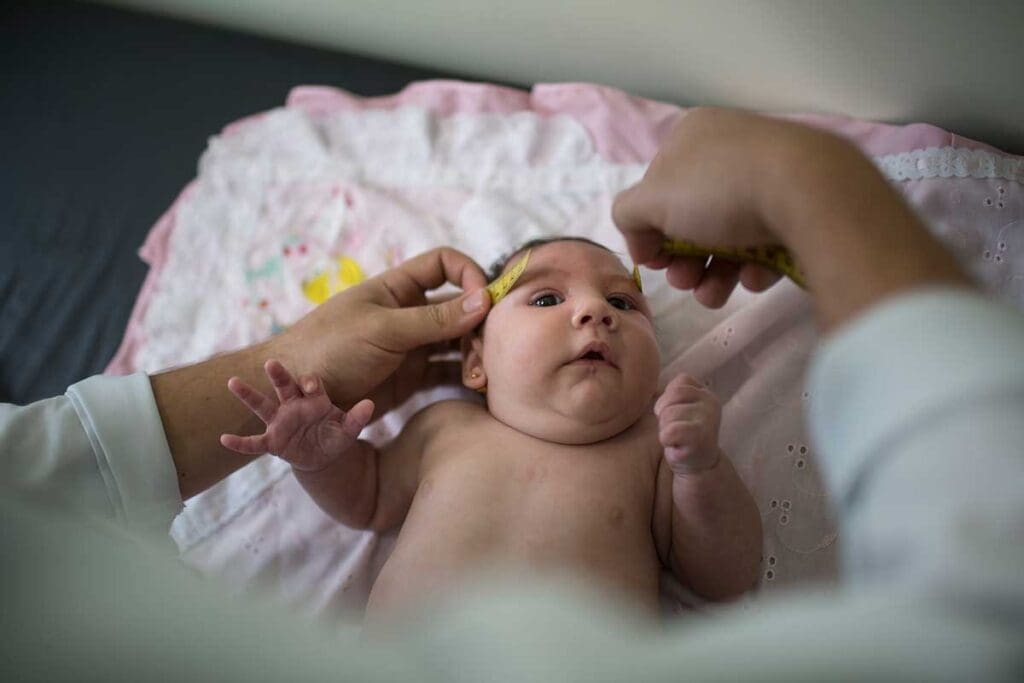
Congenital disorders, or birth defects, affect people from birth. They can be mild or severe and impact almost any part of the body. These conditions can greatly affect a person’s quality.
Definition and Classification of Birth Defects
Birth defects happen during fetal development. They can be caused by genetics, environment, or both. These defects are categorized based on their type and severity.
Some common types include:
- Structural birth defects, like heart defects or cleft lip and palate.
- Functional birth defects, which affect organ or system function, such as intellectual disabilities.
- Metabolic birth defects, which impact the body’s metabolic processes.
How Birth Defects Affect Development and Quality of Life
Birth defects can significantly impact development and life quality. The severity depends on the type and extent of the defect. Some may face mild effects, while others need ongoing medical care.
The effects on development can be:
- Physical developmental delays or challenges.
- Cognitive or intellectual disabilities.
- Emotional and social challenges.
Understanding congenital disorders is key to providing the right care. Recognizing the challenges helps improve life quality and ensures needed support.
Common Types of Congenital Abnormalities
We see many congenital abnormalities that affect newborns all over the world. These issues can impact different parts of the body. They can greatly change the quality of those affected.
Congenital Heart Defects
Congenital heart disease is a big problem, affecting 9.41 per 1,000 babies born in 2017. Congenital heart defects are problems with the heart structure that start in the womb. Some common ones are:
- Atrial septal defects
- Ventricular septal defects
- Tetralogy of Fallot
These heart issues can cause heart failure, irregular heartbeats, and delays in development. Getting the right treatment is key.

Neural Tube Defects
Neural tube defects happen when the neural tube doesn’t close properly in early development. The main types are spina bifida and anencephaly. Spina bifida can cause paralysis, bladder and bowel problems, and brain issues.
Anencephaly is much worse, where a big part of the brain and skull doesn’t form. It often leads to death at birth or soon after.
Cleft Lip and Palate
Cleft lip and palate are common, affecting the lip and/or the roof of the mouth. They can make eating, speaking, and dental care hard. Cleft lip and palate need a team effort for treatment. This includes surgery, speech therapy, and orthodontics to help with life quality.
Knowing about these common issues is key to helping those affected and their families. Early treatment can make a big difference in their lives.
Genetic Factors: The First Major Cause
Genetic factors play a big role in birth defects. They affect how different conditions develop in babies. About 20% of birth defects are due to genetics, which is a big worry for parents and doctors.
It’s important to know how genetics affects birth defects. We’ll look at how genetic factors lead to congenital disorders. This includes chromosomal problems and inherited genetic disorders.
Chromosomal Abnormalities
Chromosomal abnormalities happen when there’s a change in the chromosomes. This can cause conditions like Down syndrome. These changes can really affect a person’s life.
Examples of chromosomal abnormalities include:
- Down syndrome (Trisomy 21)
- Turner syndrome (45, X)
- Klinefelter syndrome (47, X XY)
Inherited Genetic Disorders
Inherited genetic disorders come from genes passed down from parents. These disorders can follow different patterns. This includes autosomal dominant, autosomal recessive, and X-linked inheritance.
Examples of inherited genetic disorders include:
- Cystic fibrosis
- Sickle cell disease
- Huntington’s disease
Genetic Risk Assessment
Genetic risk assessment looks at the chance of passing on genetic disorders. This is done through genetic counseling and testing. Knowing the risks helps people make better choices about their health.
If you have a family history of genetic disorders, get genetic counseling. It can give you important information about your risks and options.
Environmental Exposures: The Second Major Cause
It’s important to know how environmental exposures can affect a baby’s development. These factors can greatly impact an unborn baby’s health.
Maternal Infections During Pregnancy
Maternal infections during pregnancy can lead to birth defects. Infections like the Zika virus, rubella, and syphilis can cause serious issues. Prompt diagnosis and treatment are key to protecting the fetus.
- Zika virus can cause microcephaly and other neurological problems.
- Rubella infection can lead to congenital rubella syndrome.
- Syphilis can result in hearing loss and vision issues for the baby.
Medication and Chemical Exposures
Some medications and chemicals can increase the risk of birth defects. Teratogenic substances include certain drugs, industrial chemicals, and pollutants. It’s important to avoid these.
- Staying away from known teratogens is a major preventive step.
- Pregnant women should talk to their doctor before taking any medication.
Nutritional Deficiencies and Their Impact
Nutritional deficiencies can greatly affect a baby’s development. Adequate nutrition is vital to prevent birth defects like neural tube defects.
- Folic acid supplements are recommended to prevent neural tube defects.
- Eating a balanced diet with all necessary nutrients supports healthy fetal growth.
Maternal Behaviors and Lifestyle: The Third Major Cause
Lifestyle choices and behaviors of mothers play a big role in how a baby develops. We’ll look at how certain habits can increase the chance of birth defects.
Alcohol Consumption and Fetal Alcohol Spectrum Disorders
Drinking alcohol while pregnant is a known risk for birth defects. Fetal Alcohol Spectrum Disorders (FASD) are conditions caused by alcohol in the womb. They can cause physical, behavioral, and thinking problems.
TheNational Institutes of Health says alcohol in pregnancy is a top cause of preventable birth defects. It’s very important for pregnant women not to drink alcohol.
Tobacco Use and Its Effects
Smoking during pregnancy is also a big risk for birth defects. It can cause congenital heart defects, orofacial clefts, and other problems. Tobacco smoke can harm the baby by reducing blood flow and being toxic.
- Increased risk of miscarriage and early birth
- Low birth weight and early delivery
- Congenital anomalies, including heart defects
Illicit Drug Use During Pregnancy
Using illegal drugs while pregnant is very risky for the baby. Drugs like cocaine, heroin, and methamphetamine can cause serious problems. This includes neonatal abstinence syndrome and other birth defects.
“The use of illicit substances during pregnancy can have devastating consequences for the developing fetus, including increased risk of birth defects and long-term developmental issues.”
Occupational and Environmental Hazards
Some jobs and environments can also increase the risk of birth defects. Pregnant women working with harmful chemicals or radiation are at higher risk.
It’s important to know how lifestyle choices can affect birth defects. By making smart choices and avoiding harmful things, pregnant women can lower the risk of birth defects.
Socioeconomic Factors: The Fourth Major Cause
Socioeconomic factors are key in the spread of birth defects around the world. They greatly affect the health of pregnant people and their babies.
Limited Access to Prenatal Care is a big socioeconomic factor in birth defects. Prenatal care is vital for checking on the health of both mom and baby during pregnancy. It helps doctors spot and fix problems early. But many people, mainly in poor and marginalized groups, can’t get good prenatal care. This is because of high costs, lack of insurance, and hard-to-reach places.
Limited Access to Prenatal Care
Not having prenatal care can lead to undiagnosed issues that harm fetal growth. For example, untreated infections or unmanaged health problems in the mom can raise the risk of birth defects. Research shows that regular prenatal visits can greatly lower the risk of bad pregnancy outcomes,including birth defects.
- Not getting prenatal care can mean missing chances for early help.
- Money and access issues make it hard to get prenatal care.
- It’s key to make prenatal care more available to cut down on birth defects.
Advanced Maternal Age
Being over 35 years old when giving birth is another socioeconomic factor linked to more birth defects. The chance of chromosomal problems, like Down syndrome, goes up with age. Older moms also face higher risks of other pregnancy issues that can harm the baby.
Global Disparities in Birth Defect Prevalence
There’s a big difference in birth defect rates around the world. About 94% of severe birth defects happen in low- and middle-income countries. These differences are tied to money issues, like not having enough healthcare, bad nutrition, and being exposed to harmful things in the environment.
- Low- and middle-income countries struggle to give good prenatal care.
- We need global efforts to tackle the birth defect rate.
- Improving economic conditions can help lower birth defect rates everywhere.
In summary, money issues, like not having prenatal care, being older when pregnant, and global differences, are big in birth defects. We must tackle these to lower birth defect rates and improve health for moms and babies everywhere.
Conclusion: Prevention Strategies and Future Directions
Knowing the main causes of birth defects is key to preventing them. We’ve talked about genetic, environmental, maternal, and socioeconomic factors. These all play a part in congenital anomalies.
To prevent birth defects, we can use prenatal care, genetic counseling, and avoid harmful substances during pregnancy. These steps can lower the risk of birth defects. They also help improve the health of those affected.
Looking ahead, we need to better understand how genetics and environment interact. This knowledge will help us create specific treatments. It will also make prenatal care better, reducing birth defects.
Together, we can greatly improve the prevention and treatment of birth defects. This will make a big difference in the lives of those affected and their families.
FAQ
What are birth defects?
Birth defects are changes in the body that are there at birth. They can affect how the body looks and works.
What are the four main causes of birth defects?
The main causes are genetic, environmental, lifestyle, and socioeconomic factors.
What are congenital heart defects?
Congenital heart defects are heart problems that babies are born with. They can affect the heart’s function and health.
How do genetic factors contribute to birth defects?
Genetic factors, like chromosomal issues, can raise the risk of birth defects. Genetic counseling helps understand these risks.
What are some environmental exposures that can cause birth defects?
Environmental factors include infections, certain medications, and nutritional deficiencies during pregnancy.
How do maternal behaviors and lifestyle factors contribute to birth defects?
Behaviors like drinking alcohol, smoking, and using drugs during pregnancy can increase the risk of birth defects.
What is the impact of socioeconomic factors on birth defects?
Factors like limited prenatal care, advanced maternal age, and global disparities can raise the risk of birth defects.
What are some strategies for preventing birth defects?
Strategies include prenatal care, genetic counseling, avoiding harmful substances, and addressing socioeconomic disparities.
What is a congenital anomaly?
A congenital anomaly is a problem that develops during fetal development, leading to a birth defect.
What is the difference between a congenital disorder and a birth defect?
A congenital disorder is a condition present at birth. A birth defect is a structural or functional anomaly.
Can congenital malformations be treated?
Yes, many can be treated with medical or surgical interventions. Some may need ongoing care and support
References.
- Centers for Disease Control and Prevention. (n.d.). Birth Defects. Retrieved September 22, 2025, fromhttps://www.cdc.gov/ncbddd/birthdefects/index.html