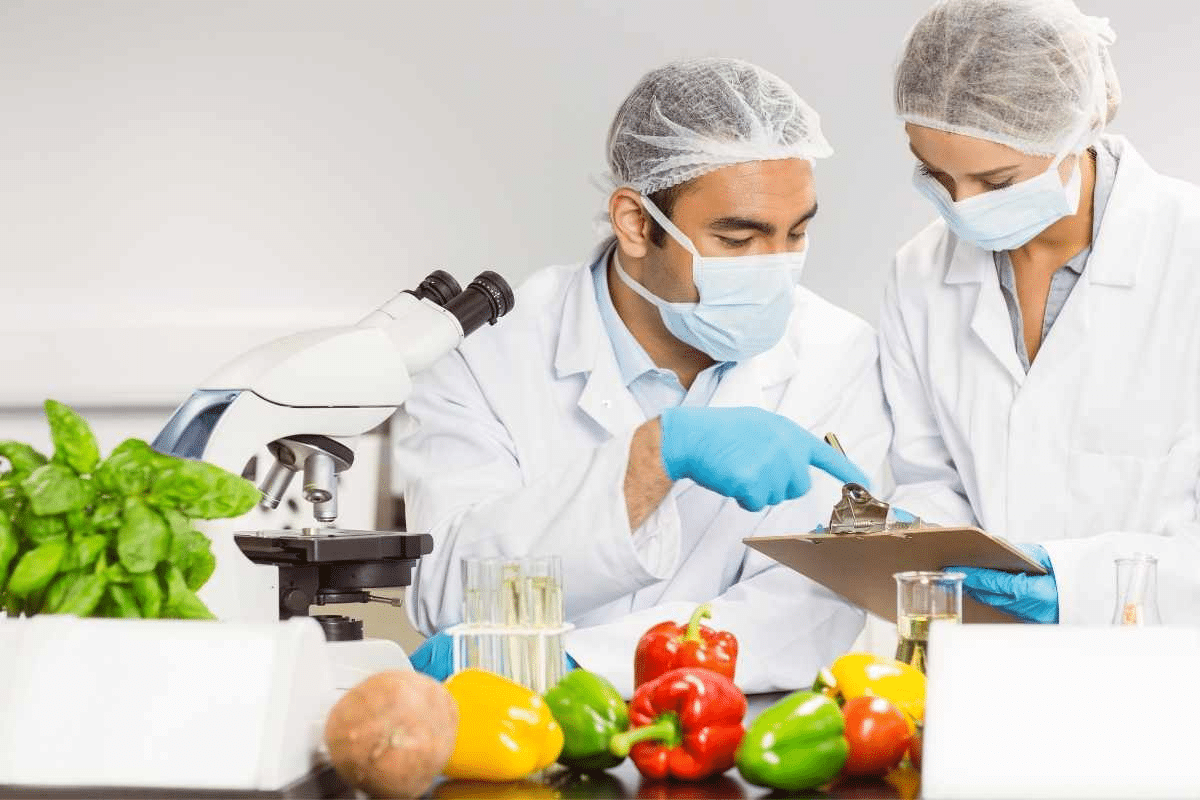
The four Cs of food safety – cleaning, cooking, chilling, and avoiding cross-contamination – are the core of a strong food safety framework. By learning and using these rules, you can lower the chance of getting sick from food. Master the four Cs of food safety to prevent illness. Learn these vital cleaning and cooking rules to keep your family healthy.
Key Takeaways
- Understanding the four Cs is key for keeping your kitchen clean.
- Right food handling stops cross-contamination.
- Cooking and chilling food right is vital for safety.
- Using these steps can greatly cut down on foodborne illnesses.
- A complete food safety plan includes cleaning, cooking, chilling, and avoiding cross-contamination.
Introduction to the Four Cs of Food Safety
Safe food handling is key, and the four Cs offer a solid framework for it. Knowing and using these principles helps stop foodborne illnesses. It also makes sure everyone has a safe dining experience.
Importance of Food Safety
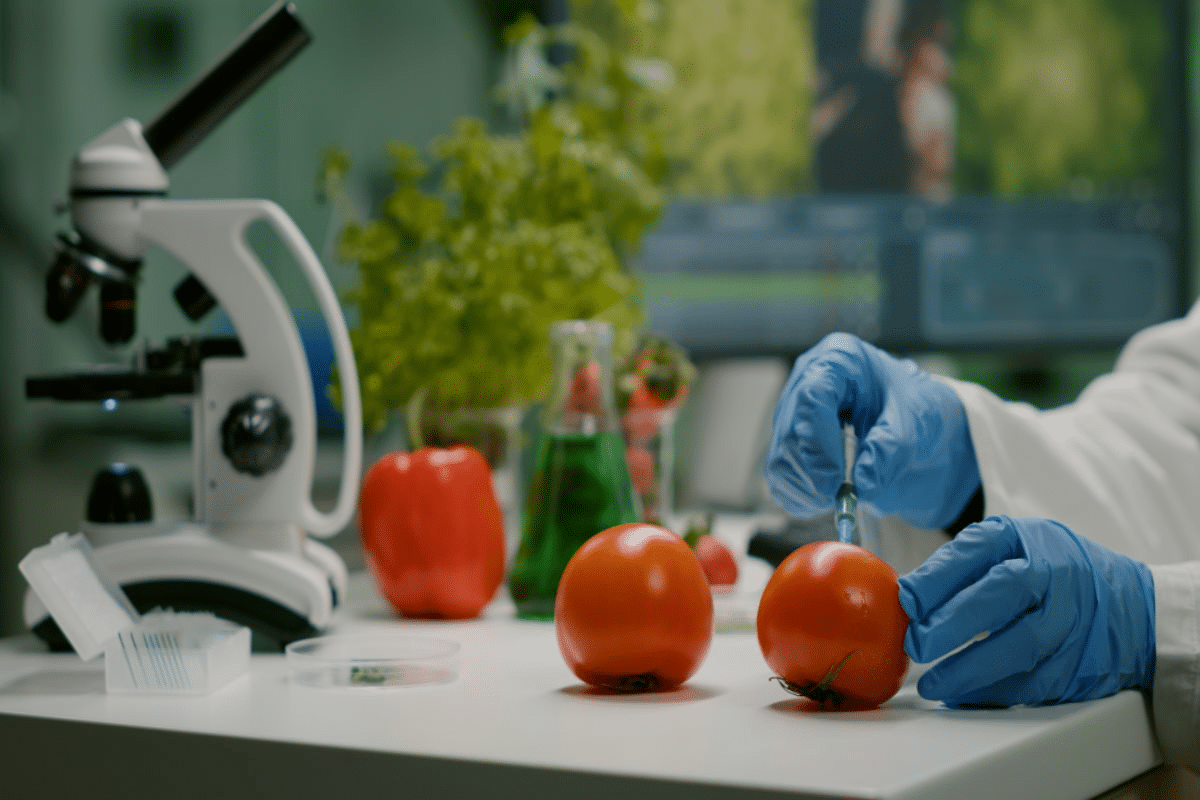 Food safety is a big deal for anyone who works with food, whether in a kitchen or at home. It’s important to handle, store, and prepare food safely to avoid illnesses. Ignoring food safety can lead to serious problems, like outbreaks and harm to a business’s image. We must focus on food safety to keep our customers safe and build trust.
Food safety is very important. It involves several practices and precautions that greatly lower the chance of getting sick from food. Key steps include:
- Proper handling and storage of food
- Maintaining a clean preparation area
- Avoiding cross-contamination
- Cooking food to safe temperatures
Overview of the Four Cs
The four Cs of food safety are Cleanliness, Cooking, Chilling, and Cross-Contamination prevention. These principles together form a strong defense against harmful bacteria.
Here’s a quick look at each C:
- Cleanliness: Keeping all surfaces and tools clean and sanitized to stop pathogens from spreading.
- Cooking: Cooking food to the right temperature to kill off harmful bacteria.
- Chilling: Storing food at the right temperature to stop bacteria from growing.
- Cross-Contamination prevention: Stopping the spread of pathogens from one food or surface to another.
By knowing and using the four Cs, food handlers can greatly lower the risk of foodborne illnesses. This ensures a safer food supply chain for everyone.
Cleanliness: The First C of Food Safety
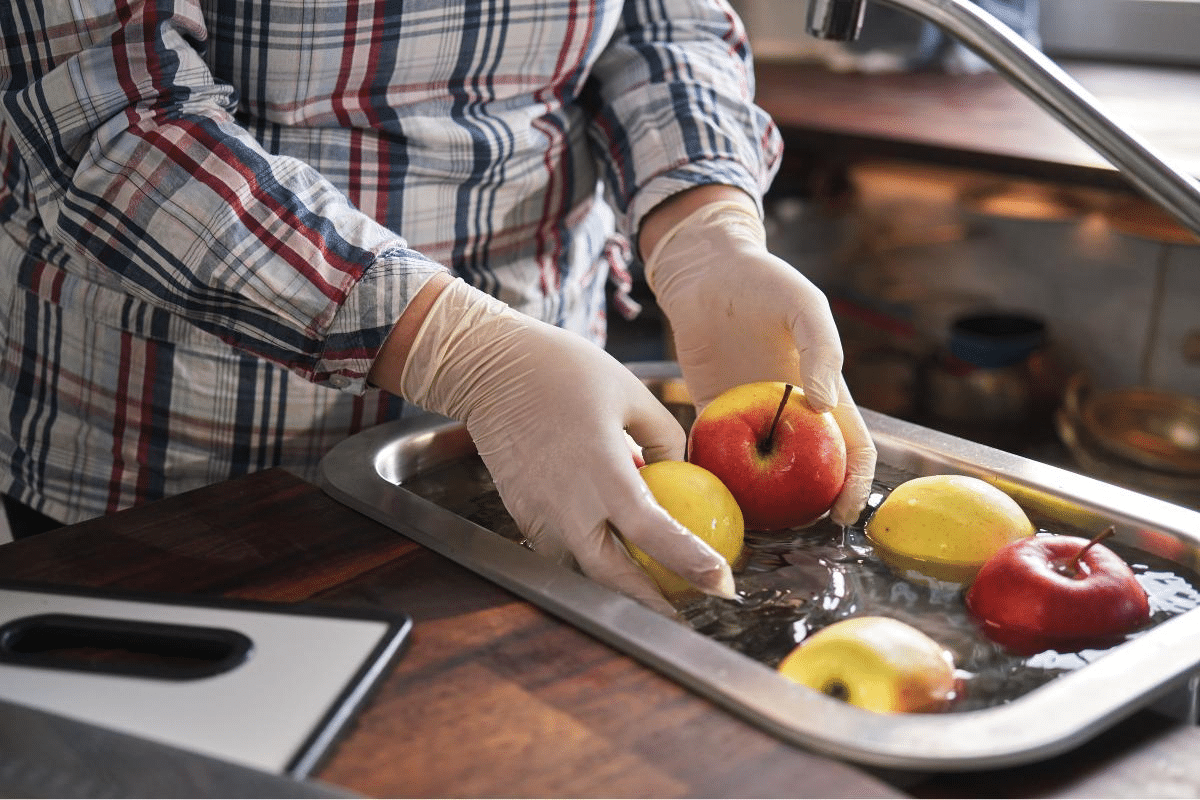 Cleanliness is key in food safety. It helps remove harmful stuff from our food areas. The saying “Cleanliness is next to godliness” really fits here.
Keeping things clean stops food illnesses from spreading. It’s not just about cleaning. We also need to sanitize surfaces and tools that touch food.
Importance of Hand Washing
Hand washing is super important in food safety. Proper hand washing techniques help stop bad bacteria from getting into food. Wash your hands with soap and warm water for 20 seconds after touching raw meat, poultry, or seafood.
Effective hand washing means cleaning all parts of your hands. Make sure to get between your fingers and under your nails.
“Hand washing is the single most effective way to prevent the spread of infection,” as emphasized by health professionals worldwide. Proper hand hygiene is a simple yet powerful tool in maintaining food safety.
Sanitizing Surfaces and Equipment
Sanitizing surfaces and tools is also key. All things that touch food need to be sanitized often. Use a bleach and water mix or other sanitizers as food safety rules suggest.
- Regularly sanitize all food contact surfaces.
- Ensure that all utensils are washed and sanitized after each use.
- Pay special attention to areas around sinks and faucets where bacteria can accumulate.
By focusing on cleanliness, we can lower the chance of getting sick from food. It’s a team effort that needs careful attention and a strong commitment to cleanliness in our kitchens.
Cooking: The Second C of Food Safety
Proper cooking techniques are key to killing harmful bacteria. Cooking food to the right temperature is vital. It helps reduce the risk of food poisoning.
Safe Internal Temperatures for Cooked Foods
Cooking food to a safe internal temperature is critical. Different foods need different temperatures to be safe. For example, poultry must be at least 165°F (74°C).
Ground meats need to reach 160°F (71°C). A food thermometer is the best way to check if food is cooked safely.
The Risk of Cross-Contamination During Cooking
Cross-contamination happens when bacteria move from one food to another. This can happen through utensils or cutting boards. It’s important to prevent this during cooking.
To avoid cross-contamination, keep raw and cooked foods separate. Use different utensils and cutting boards for each. Also, wash your hands often and thoroughly to stop bacteria from spreading.
Chilling: The Third C of Food Safety
Chilling food is more than just putting it in the fridge. It’s about doing it right to keep it safe. This step is key to stopping harmful bacteria from growing. We’ll look at how to store food properly and what the danger zone is for perishables.
Proper Storage Guidelines
To chill food right, it needs to be at the correct temperature. Your fridge should be at 40°F (4°C) or colder. Food should be in covered, airtight containers to avoid contamination and keep it fresh.
Raw meat, poultry, and seafood should go on the bottom shelf. This stops juices from dripping onto other foods.
The Danger Zone for Perishable Foods
Perishable foods should not stay in the “danger zone” (40°F to 140°F or 4°C to 60°C) for over two hours. This is when bacteria grow fast.
Food left out too long becomes a breeding ground for bacteria. This makes it unsafe to eat.
|
Food Type |
Storage Location |
Temperature |
|---|---|---|
|
Raw Meat, Poultry, Seafood |
Bottom Shelf |
40°F (4°C) or below |
|
Cooked Leftovers |
Upper Shelves |
40°F (4°C) or below |
|
Dairy, Eggs |
Middle Shelves |
40°F (4°C) or below |
By following these guidelines, we can keep our food safe. This reduces the risk of getting sick from food. It’s not just about chilling food; it’s about doing it correctly.
Cross-Contamination: The Fourth C of Food Safety
Cross-contamination is a key part of food safety. It occurs when harmful bacteria spread from one thing to another. This usually happens because of bad handling or storage.
Preventing Cross-Contamination
To stop cross-contamination, we must separate raw and cooked foods. Raw meat, poultry, and seafood should go in sealed containers at the fridge’s bottom. This stops juices from touching other foods.
- Separate Raw and Cooked Foods: Use different cutting boards, plates, and tools for raw and cooked foods.
- Clean and Sanitize: Clean and sanitize all food contact surfaces and tools regularly.
- Proper Storage: Keep food in covered containers to avoid juices from leaking onto other foods.
Best Practices for Food Preparation
Good food prep starts with a clean prep area. We must wash our hands well before and after touching food. Also, make sure all tools and cutting boards are clean.
- Wash Hands: Wash hands with soap and water for at least 20 seconds before and after handling food.
- Use Clean Equipment: Make sure all equipment and utensils are clean and sanitized before use.
- Label and Date Leftovers: Properly label and date leftovers to ensure they are eaten within a safe time.
By sticking to these rules, we can greatly lower cross-contamination risks. This makes food prep safer for everyone.
The Role of Temperatures in Food Safety
Knowing about temperatures in food safety is key to avoiding foodborne illnesses. Keeping food at the right temperature is essential. We’ll look at how temperatures affect food safety, focusing on the danger zones and using thermometers for safe cooking.
Danger Zones: Temperatures to Avoid
There are certain temperature ranges called the “danger zone” where harmful bacteria grow fast. This zone is between 40°F and 140°F (4°C and 60°C). If perishable foods stay in this range too long, bacteria can multiply quickly.
To stop bacteria, keep hot foods hot and cold foods cold. Hot foods should be at or above 140°F (60°C). Cold foods should be at or below 40°F (4°C). Use the right storage and refrigeration to keep these temperatures.
Key Strategies for Avoiding Danger Zone Temperatures:
- Refrigerate perishable foods quickly.
- Use shallow containers to cool foods fast.
- Keep hot foods in thermoses or chafing dishes with heat.
- Avoid leaving perishable foods at room temperature for too long.
Thermometers: Ensuring Safe Cooking
Thermometers are essential for checking if food is cooked safely. They help ensure that food is hot enough to kill bacteria. This is very important for meat, poultry, and eggs.
Using Thermometers Effectively:
- Put the thermometer into the thickest part of the food, avoiding fat and bone.
- Wait for the temperature to stabilize.
- Make sure the food has reached the safe internal temperature.
By understanding danger zone temperatures and using thermometers, you can greatly improve food safety. These steps are key to preventing foodborne illnesses and making sure your food is safe to eat.
Food Safety Regulations and Guidelines
Food safety is not just a good idea, it’s the law for food businesses. We’ll look at the rules that guide food safety. This includes the FDA’s guidelines and why local health codes matter.
FDA Guidelines Overview
The FDA is key in keeping food safe in the U.S. Their rules cover proper food handling, storage, and cooking. These guidelines aim to stop foodborne illnesses by cutting down contamination risks.
Some key parts of the FDA’s rules include:
- Regular checks on food places
- Use of Hazard Analysis and Critical Control Points (HACCP) plans
- Right labeling and packaging of food
Importance of Local Health Codes
Even though the FDA has national rules, local health codes are vital too. They fit the specific needs of different areas. These codes cover food handling, waste, and pest control, among others. Following these rules is key for food businesses to be legal and safe.
Here’s a look at some main points of food safety rules at both federal and local levels:
|
Regulation Aspect |
FDA Guidelines |
Local Health Codes |
|---|---|---|
|
Food Handling |
Focuses on proper handwashing and keeping raw and ready-to-eat foods separate |
May have extra rules based on local health issues |
|
Temperature Control |
Lists safe storage and cooking temperatures |
May have tighter temperature rules based on local risks |
By following both FDA guidelines and local health codes, food businesses can keep their customers safe and healthy. It’s important to stay up-to-date with these rules to keep food safety high.
Educating Consumers on Food Safety
Food safety education is key to keeping us healthy. By learning safe food handling, we can lower the risk of getting sick from food. We think education helps make our food environment safer for all.
Resources for Food Safety Training
It’s important to have easy-to-find resources for learning about food safety. Many groups, like government agencies and non-profits, offer training. They teach everything from basic food handling to advanced cooking, helping us keep our kitchens safe.
The FDA has detailed guidelines on food safety. They cover things like cooking temperatures and how to store food. Local health departments also hold workshops and seminars to teach the latest food safety tips.
Community Support Programs
Community support programs are vital for food safety education. They offer training and help build a community that cares about food safety. By working with local communities, we can spread the word about food safety and encourage safe food handling.
For example, cooking classes focus on safe food preparation. Community events also raise awareness about food safety. These efforts help build a culture of safety, empowering us to make smart choices about our food.
The Impact of Foodborne Illnesses
Every year, millions of people get sick from foodborne illnesses. This shows we need better food safety. These illnesses come from eating contaminated food or drinks. They can cause mild to severe symptoms.
We will look at what causes these illnesses. We will also check the data to see how big of a problem they are.
Common Foodborne Pathogens
Foodborne pathogens are tiny bugs like bacteria, viruses, and parasites. They can make us sick if we eat them. Some common ones are:
- Salmonella: Often found in poultry, eggs, and sometimes in produce.
- E. coli: Typically associated with undercooked ground beef and contaminated water.
- Listeria: Can be found in soft cheeses, hot dogs, and deli meats.
- Norovirus: Highly contagious and often spread through contaminated food and water.
These bugs can cause serious health problems. Symptoms include diarrhea, stomach pain, and in rare cases, life-threatening conditions.
Statistical Overview of Foodborne Illnesses
There are about 2.4 million cases of foodborne illness in the UK each year. In the U.S., reports millions get sick from food every year. This costs a lot in healthcare and lost work.
Looking at the data helps us see where we can improve food safety. By studying foodborne illnesses, we can focus our efforts better. This can help lower the number of cases.
To stay safe from foodborne illnesses, we must handle food right. This means cooking, storing, and keeping things clean. By doing this, we can greatly lower the risk of getting sick. And we can keep everyone healthier.
Conclusion: Mastering the Four Cs of Food Safety
We’ve looked at the key parts of the four Cs of food safety: cleanliness, cooking, chilling, and cross-contamination. Knowing and using these rules can greatly lower the chance of getting sick from food.
Key Takeaways
The four Cs framework is vital. It shows how important it is to keep things clean in the kitchen. This includes washing hands and cleaning surfaces. It also covers cooking food right and storing it safely to avoid mixing harmful germs.
Promoting a Culture of Safety
Following the right steps for the four Cs helps stop harmful bacteria and food poisoning. We urge everyone to follow these safe food practices. This way, we can all be safer and healthier.
Good food handling is key. By making the four Cs part of our daily cooking, we make food safer for everyone. Let’s all help make food safety a priority. This will make our community healthier and safer.
FAQ
What are the four Cs of food safety?
The four Cs are cleaning, cooking, chilling, and preventing cross-contamination. These steps help keep food safe and prevent illness.
Why is hand washing important in food safety?
Hand washing stops the spread of harmful bacteria. Use soap and warm water, rub hands well, and wash for 20 seconds.
What is the safe cooking temperature for poultry?
Poultry must be cooked to 165°F (74°C). This kills harmful bacteria like Salmonella and Campylobacter.
How can I prevent cross-contamination in the kitchen?
Keep raw and cooked foods separate. Use different utensils and cutting boards. Sanitize surfaces and equipment often. This stops bacteria from spreading.
What is the danger zone for perishable foods?
The danger zone is 40°F (4°C) to 140°F (60°C). Bacteria grow fast here. Keep foods refrigerated at 40°F (4°C) or cook to 140°F (60°C).
How often should I clean and sanitize my kitchen surfaces and equipment?
Clean and sanitize often, after each use. Use a sanitizing solution and follow the instructions. This prevents bacteria buildup.
What is the role of thermometers in food safety?
Thermometers check if food is cooked safely. Use one to check the internal temperature of meat, poultry, and eggs.
What are some common foodborne pathogens?
Common pathogens include Salmonella, Campylobacter, E. coli, and Listeria. They can cause mild to severe symptoms. Safe handling prevents them.
How can I stay informed about food safety regulations and guidelines?
Check with local health authorities and the FDA’s website. Also, take food safety training. This keeps you up to date with regulations.
Why is food safety education important?
Food safety education prevents illnesses. Teaching safe handling practices reduces risks. It promotes a culture of safety.
References
Centers for Disease Control and Prevention. Evidence-Based Medical Insight. Retrieved from https://www.cdc.gov/food-safety/prevention/index.html