
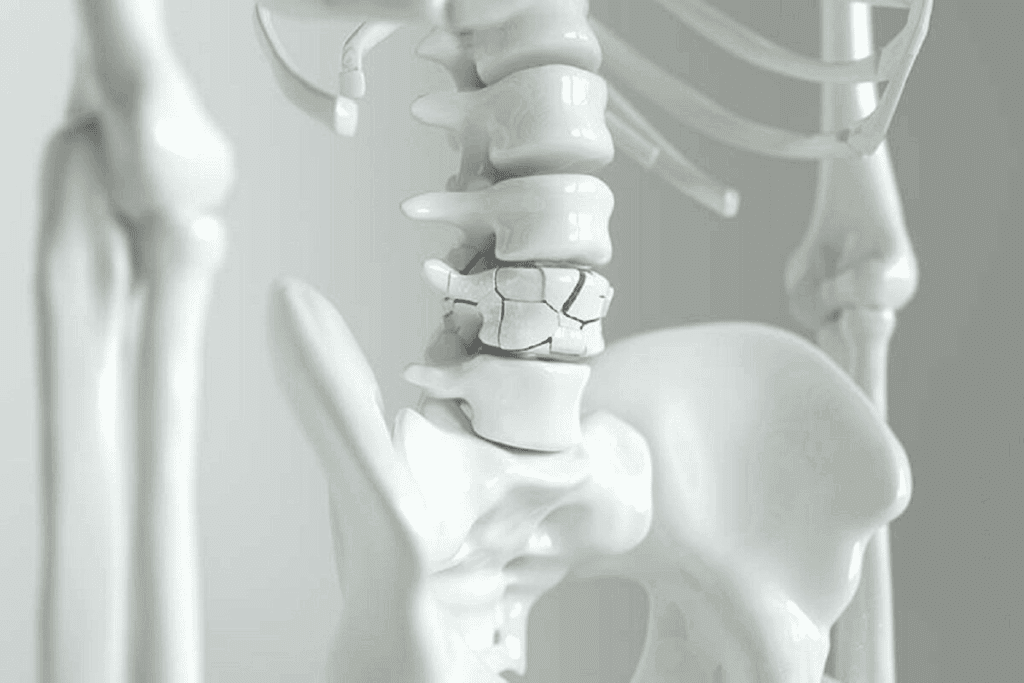
Joints are essential components of the skeletal system, providing both movement and flexibility. Did you know we have over 300 joints in our body? Each joint’s structure and function decide how mobile and stable it is.
We’ll look at the various joints, like synovial joints, fibrous joints, and cartilaginous joints. Knowing about joint mobility types helps us understand the human body’s complexity.
Key Takeaways
- The human body has over 300 joints.
- Joints are classified based on their structure and function.
- There are different types of joints, including synovial, fibrous, and cartilaginous joints.
- Understanding joint mobility is key to grasping human anatomy.
- The classification of joints determines their mobility and stability.
The Fundamental Role of Joints in Human Movement
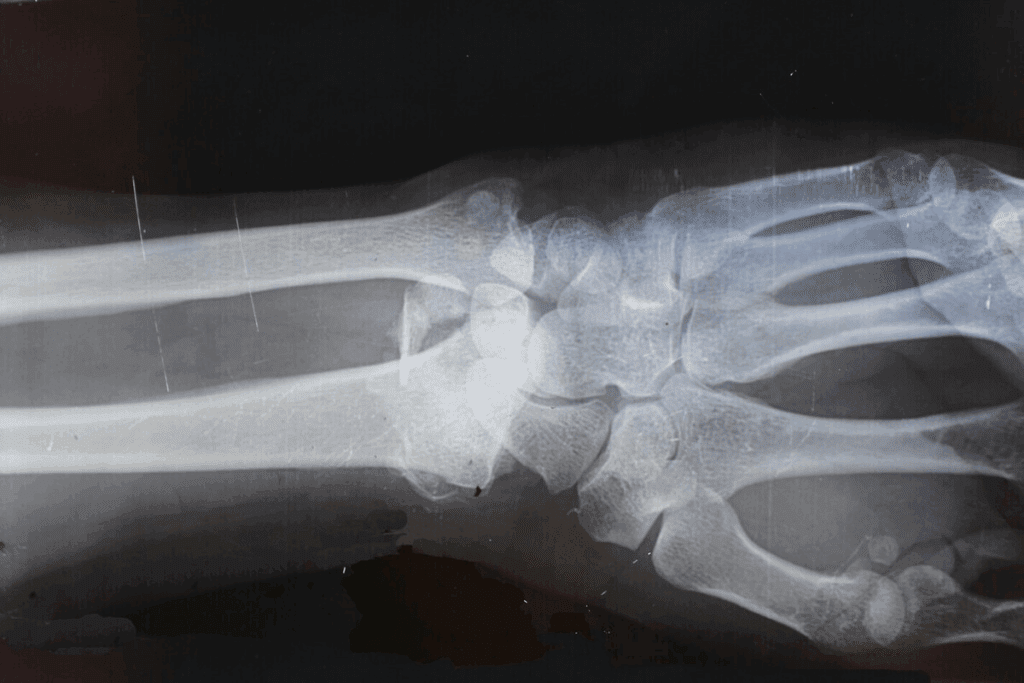
Joints are key to human movement, giving us the flexibility and support we need. They let us do many physical activities. The human body’s ability to move is thanks to its joints.
Definition and Basic Function of Joints
Joints, or articulations, connect bones and let us move. They support our body’s weight and help us do physical activities. There are different types of joints, each with its own structure and function.
The main types are synovial, cartilaginous, and fibrous joints. Synovial joints are known for their wide range of motion. They have a special fluid-filled space.
How Joints Connect the Skeletal System
Joints are vital for connecting the skeletal system. They let bones move and work together. The skeletal system has 206 bones, connected by joints, ligaments, and muscles. Ligaments are strong tissues that keep joints stable.
Bones connected by joints help us stand, move, and support our body’s weight. For example, synovial joints like the knee and elbow let us bend and straighten. Ball-and-socket joints like the shoulder and hip allow for many rotational movements.
Joints are supported by ligaments, tendons, and cartilage. Ligaments keep joints stable, tendons connect muscles to bones, and cartilage reduces friction and absorbs shock.
- Ligaments connect bones to each other, providing stability.
- Tendons connect muscles to bones, enabling movement.
- Cartilage covers the ends of bones, reducing friction.
The Four Major Joint Categories in the Human Body
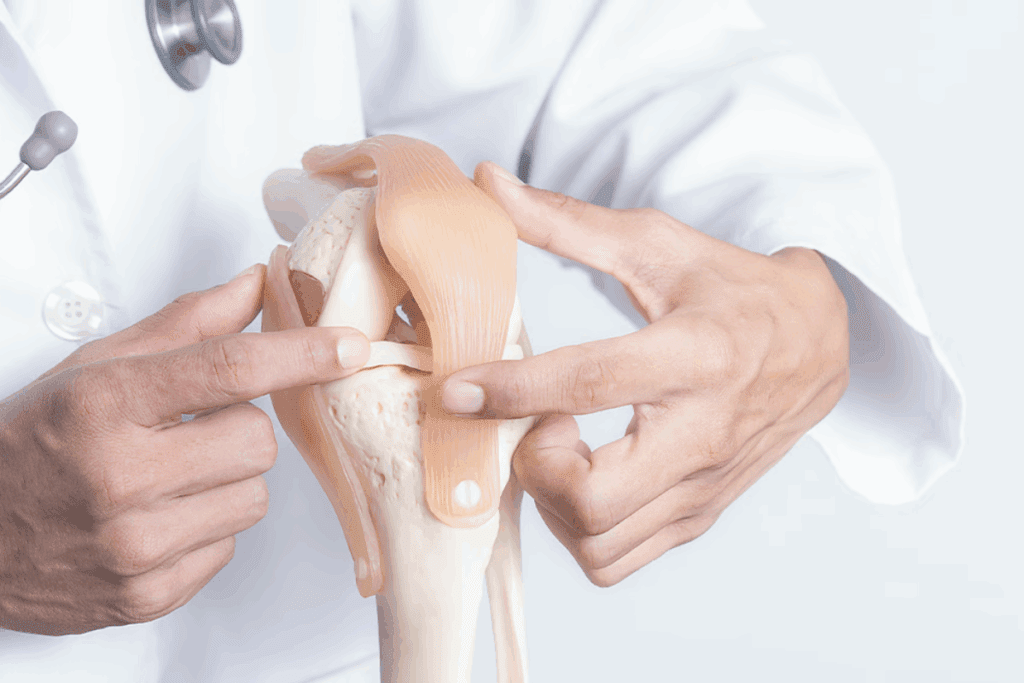
Joints in the human body are divided into four main types. These types are based on their structure and how much they can move. This helps us understand the different roles and features of each joint.
Classification Based on Structure and Mobility
There are four main types of joints: synovial, cartilaginous, fibrous, and symphysial. These categories are based on the type of tissue and how much they can move.
- Synovial joints are freely movable and have a synovial cavity.
- Cartilaginous joints are connected by cartilage and allow limited movement.
- Fibrous joints are immovable or slightly movable and are connected by dense connective tissue.
- Symphysial joints are a type of cartilaginous joint with fibrocartilage connecting the bones.
| Joint Category | Mobility | Characteristics |
| Synovial | Freely Movable | Synovial cavity, fluid-filled |
| Cartilaginous | Limited Mobility | Connected by cartilage |
| Fibrous | Immovable or Slightly Movable | Connected by dense connective tissue |
| Symphysial | Limited Mobility | Fibrocartilage connecting bones |
Evolution of Joint Classification Systems
The way we classify joints has changed over time. This change is due to better understanding of anatomy and the creation of new systems.
At first, joints were sorted by structure or function. Now, we use a system that looks at both. This gives us a full picture of joint anatomy and how they work.
Synovial Joints: The Freely Movable Connections
Synovial joints are key to our body’s movement. They let us do everything from walking to playing music. This is because they can move in many ways.
Structure and Components
These joints have a special space filled with synovial fluid. They are wrapped in a fibrous capsule for support. The bones in these joints have cartilage to reduce friction.
The main parts of a synovial joint are:
- Synovial cavity
- Synovial fluid
- Joint capsule
- Articular cartilage
Role of Synovial Fluid and Joint Capsule
Synovial fluid helps bones move smoothly by reducing friction. It also feeds the cartilage. The joint capsule keeps everything in place and supports the joint.
Examples of Synovial Joints in the Body
There are different types of synovial joints. Here are a few:
| Type of Synovial Joint | Examples in the Body | Movement Allowed |
| Ball and Socket | Shoulder, Hip | Multi-directional |
| Hinge | Elbow, Knee | Flexion and Extension |
| Pivot | Neck, Forearm | Rotation |
| Saddle | Thumb, Wrist | Bi-axial movement |
Types of Synovial Joints and Their Functions
It’s important to know about the different types of synovial joints. They help us move in many ways. Each joint has its own structure and function.
Ball and Socket Joints: Hip and Shoulder
Ball and socket joints have a ball fitting into a socket. This lets us move in circles. The hip joint helps us walk and run. The shoulder joint lets us throw and lift things.
Hinge Joints: Elbow and Knee
Hinge joints move in one direction, like a door opening. The elbow joint and knee joint are examples. They let us bend and straighten our arms and legs.
Pivot Joints: Neck and Forearm
Pivot joints let us rotate around a single point. The neck and radioulnar joint in the forearm are examples. They help us turn our head and wrist.
Saddle Joints: Thumb and Wrist
Saddle joints move in two planes. This lets the thumb move freely. The carpometacarpal joint of the thumb is key for grasping.
Every synovial joint adds to our body’s flexibility. Knowing about them helps us understand and treat joint problems. It also shows how amazing our movement is.
Fibrous Joints: The Immovable Connections
Fibrous joints are key to keeping our bodies stable. They are made of fibrous connective tissue that holds bones together. This gives strength and stability.
Structure and Characteristics of Fibrous Joints
Fibrous joints are held together by fibrous connective tissue, often in the form of collagen fibers. There are three main types: sutures, syndesmoses, and gomphoses. Each type has its own role in the body.
Sutures: The Cranial Connections
Sutures are found in the skull. They are thin layers of fibrous tissue that connect bones. This allows for slight movement during birth and early childhood. As we get older, these sutures fuse, making the skull more rigid.
Syndesmoses: Fibrous Tissue Joints
Syndesmoses are joints where bones are connected by ligaments or fibrous sheets. A good example is the distal tibiofibular joint in the ankle. Here, the tibia and fibula are joined by a strong interosseous membrane.
Gomphoses: Tooth and Socket Connections
Gomphoses are special joints that hold teeth in place. The periodontal ligament, a fibrous tissue, surrounds the tooth root. It keeps the tooth secure and allows for slight movement during chewing.
The following table summarizes the key characteristics of the different types of fibrous joints:
| Type of Fibrous Joint | Location | Characteristics |
| Sutures | Between bones of the skull | Thin layer of fibrous tissue, slight movement in early life |
| Syndesmoses | Distal tibiofibular joint (ankle) | Bones connected by ligaments or fibrous sheets |
| Gomphoses | Between tooth and socket | Periodontal ligament secures tooth, allows slight movement |
In conclusion, fibrous joints are vital for the stability and support of our skeletal system. Knowing how they work helps us understand the amazing complexity of the human body.
Cartilaginous Joints: Cartilaginous Joints
Cartilaginous joints, also known as slightly movable joints, are key to our body’s structure. They link bones with cartilage, allowing for some movement. This movement is limited but provides vital support and stability.
There are two main types of cartilaginous joints: synchondroses and symphyses. Synchondroses have hyaline cartilage connecting bones. For example, the growth plates in long bones are synchondroses. They are important for bone growth in kids and teens.
Symphyses have fibrocartilage connecting bones. A good example is the pubic symphysis in the pelvis. Symphyses allow for slight movements and act as shock absorbers. They help distribute forces and reduce injury risk.
Cartilaginous joints have many functions. They allow for some movement and provide strong connections between bones. This helps keep our skeletal system stable. These joints are found in the spine, pelvis, and ribs. They are vital for our ability to move and keep our posture.
In summary, cartilaginous joints are vital for our musculoskeletal system’s function. Knowing about their structure, types, and functions helps us understand human anatomy. It shows how important these joints are in our daily lives.
Symphysial Joints: The Fourth Major Joint Category
Symphysial joints are a type of cartilaginous joint. They are key for both stability and flexibility in the body. These joints have a special structure that lets them move a little but stay strong.
Unique Characteristics of Symphysial Joints
Symphysial joints are made of fibrocartilage. They don’t have a joint cavity like synovial joints do. Instead, they are held together by a disc or plate of fibrocartilage. This setup gives them strong support and limited flexibility.
One of their main jobs is to absorb shock and spread out pressure. This is very important in places that bear a lot of weight.
The Pubic Symphysis and Other Examples
The pubic symphysis is a well-known symphysial joint. It’s at the front of the pelvis and connects the two pubic bones. It’s important for supporting the body’s weight and helping with childbirth in women.
Another example is the intervertebral discs in the spine. These discs act as shock absorbers and let the spine move a little. They help keep the spine flexible and stable.
| Symphysial Joint | Location | Function |
| Pubic Symphysis | Front of the pelvis | Supports body weight, facilitates childbirth |
| Intervertebral Discs | Between adjacent vertebrae | Acts as shock absorber, allows limited movement |
Clinical Significance of Symphysial Joints
Symphysial joints can get sick. For example, the pubic symphysis can get osteitis pubis, which causes pain in the groin. Intervertebral discs can also herniate, leading to back pain.
“The integrity of symphysial joints is key for the skeletal system’s structure. Problems with these joints can cause a lot of pain and trouble.”
It’s important to know about symphysial joints to diagnose and treat problems. By understanding their role, doctors can find better ways to help people with joint issues.
Joint Support Structures and Their Importance
Joints are kept stable by ligaments, tendons, and muscles. These parts work together to keep joints stable, allow movement, and absorb shock. This ensures joints work well throughout our lives.
Ligaments, Tendons, and Muscles
Ligaments are strong tissues that connect bones to each other, keeping the joint stable. Tendons are like cords that connect muscles to bones, helping us move. Muscles are the active parts that help us move by contracting and relaxing.
These parts work together to support our joints. For example, in the knee, ligaments keep it stable, tendons connect muscles to bones, and muscles help us bend and straighten.
Cartilage Types and Their Functions
Cartilage is a flexible tissue in our bodies, key to joint health. There are three types: hyaline, elastic, and fibrocartilage.
- Hyaline cartilage covers bone ends, reducing friction and absorbing shock.
- Elastic cartilage makes structures like the outer ear flexible and keeps their shape.
- Fibrocartilage is dense and tough, found in places like the spine and pubic symphysis.
| Cartilage Type | Location | Function |
| Hyaline | Ends of bones, nose, trachea | Reduces friction, absorbs shock |
| Elastic | Outer ear, epiglottis | Provides flexibility, maintains shape |
| Fibrocartilage | Intervertebral discs, pubic symphysis | Provides strength, absorbs shock |
Blood Supply and Innervation of Joints
Joints get their blood supply from vessels around them. This blood brings nutrients to the cartilage and other parts. Nerves in joints send pain and information about movement, helping us move and respond to injuries.
Knowing about blood supply and innervation helps us understand and treat joint problems. For example, treating inflammation might involve targeting the blood supply. Pain management often focuses on the nerves.
Joint Mobility and Range of Motion Across Categories
Our joints’ ability to move freely is key to our mobility and quality of life. The way our joints move varies by type, affecting how well we can do things.
Factors Affecting Joint Flexibility
Many things affect how flexible our joints are. The joint’s structure, the amount of synovial fluid, and the health of muscles and ligaments matter. Synovial joints are more mobile because of their fluid and capsule.
Other things that impact flexibility include:
- Age
- How active you are
- Genetics
- Any joint problems
Measuring and Improving Range of Motion
We can measure how far our joints can move in different ways. To improve, we do exercises like stretching and strengthening. Sometimes, we need physical therapy too.
“Regular exercise and proper stretching can significantly improve joint mobility and overall flexibility.”
An Orthopedic Specialist
Here’s a simple exercise plan to boost range of motion:
| Exercise | Target Joint | Repetitions |
| Shoulder Rolls | Shoulder | 10 |
| Knee Bends | Knee | 15 |
| Wrist Extensions | Wrist | 12 |
Age-Related Changes in Joint Mobility
As we get older, our joints change in ways that can limit our mobility. We lose synovial fluid, cartilage wears down, and muscle mass decreases.
It’s important to know about these changes to keep our joints healthy and mobile as we age. Staying active, keeping a healthy weight, and managing health conditions can help slow down these changes.
Common Joint Disorders Related to Joint Types
The four major joint categories face different disorders. Each has its own traits and challenges. Knowing these disorders helps in diagnosing and treating them effectively.
Arthritis and Joint Degeneration
Arthritis affects all joint types, causing joint degeneration. This impacts our quality of life. Osteoarthritis breaks down cartilage in synovial joints. Rheumatoid arthritis, an autoimmune disease, inflames synovial joints, leading to damage if not treated.
Joint degeneration comes from wear and tear, but obesity, injuries, and genetics can speed it up. Knowing why it happens helps in finding ways to manage it.
Category-Specific Joint Disorders
Different joints face unique disorders:
- Synovial Joints: Prone to osteoarthritis, rheumatoid arthritis, and other inflammatory arthritides.
- Fibrous Joints: More stable, but can get injured, like in the ankle.
- Cartilaginous Joints: Affected by degenerative changes, like in the spine.
- Symphysial Joints: Can have issues like pubic symphysis dysfunction, causing pain.
Prevention and Management Strategies
Preventing and managing joint disorders needs a variety of steps:
- Keep a healthy weight to ease joint stress.
- Do regular, right exercises to strengthen joint muscles.
- Stay away from repetitive injuries and rest well after hard activities.
- Wear protective gear and equipment, like in sports.
Managing joint disorders involves physical therapy, pain and inflammation meds, and sometimes surgery. Early diagnosis and a treatment plan made just for you are key to the best results.
Clinical Applications of the Four Major Joint Categories
Knowing the four major joint categories is key for good care. Each type of joint affects treatment differently. This knowledge helps doctors and patients a lot.
Diagnostic Approaches Based on Joint Category
How we diagnose joints changes with each type. Synovial joints, being very mobile, need special tests. We use X-rays, MRI, and CT scans to check their health.
For synovial joints, looking at the synovial fluid and capsule is important. Fibrous joints need checks on the fibrous tissue. Cartilaginous joints focus on the cartilage’s health.
Treatment Strategies for Different Joint Types
Treatment plans vary by joint type. Synovial joints, like those with arthritis, might get meds or therapy. Fibrous joints might need stabilizing.
Cartilaginous joints, like the spine, often get therapy and lifestyle changes. Symphysial joints, like the pubic symphysis, get a mix of therapy and support.
Joint Replacement Considerations
Joint replacement is a big deal for badly damaged joints, like hips and knees. It depends on health, damage, and life quality. We weigh the pros and cons for each patient.
Age, activity level, and health issues are key in deciding on surgery. New surgery methods and prosthetics are making outcomes better.
Evolutionary Perspective on Joint Development
Looking at joint development through an evolutionary lens gives us deep insights into human anatomy. Joints have evolved over millions of years. This evolution helped humans perform a wide range of activities. It was shaped by environmental pressures and lifestyle needs.
Comparative Anatomy of Joints
Comparative anatomy looks at how joints differ and are similar across species. By studying joints in various animals, we learn about their evolutionary history. For example, the human shoulder is more flexible than our primate ancestors, allowing for more movement.
Different species develop joints based on their needs. Birds have joints for flight, while humans have joints for walking. This shows how joints adapt to specific demands.
Evolutionary Adaptations in Human Joints
Human joints have adapted a lot for bipedalism and various activities. The hip joint, for example, is a ball-and-socket joint. It offers both stability and mobility, key for walking and running.
The knee joint is another example of adaptation. It’s designed to absorb shock and support body weight. These adaptations help humans do many physical activities, from walking to complex movements.
Biomechanical Advantages of Different Joint Types
Different joints have unique biomechanical benefits. Synovial joints allow for a wide range of motion. Fibrous joints, on the other hand, provide stability.
| Joint Type | Biomechanical Advantage | Example |
| Synovial | Wide range of motion | Knee, Elbow |
| Fibrous | Stability | Sutures in the skull |
| Cartilaginous | Shock absorption | Intervertebral discs |
In conclusion, the study of joint development through evolution shows how complex and specialized human joints are. By understanding their anatomy, adaptations, and biomechanical benefits, we see how they enable human movement and flexibility.
Conclusion
We’ve looked at the four main types of joints: synovial, fibrous, cartilaginous, and symphysial. Each plays a key role in how we move. Knowing about these joints helps us understand their importance for our health.
Synovial joints let us move in many ways. Fibrous and cartilaginous joints, on the other hand, help keep things stable. Knowing these differences is key for treating joint problems.
Understanding each joint’s unique features helps us see how movement works. This knowledge is also useful for keeping our joints healthy and avoiding injuries. It’s all about improving our overall health and well-being.
FAQ
What are the four major categories of joints in the human body?
The human body has four main types of joints. These are synovial, fibrous, cartilaginous, and symphysial joints. Each type has its own features and roles.
What is the main function of synovial joints?
Synovial joints let us move freely. They allow us to bend, straighten, rotate, and move in circles. These joints have a space filled with synovial fluid.
What are the different types of synovial joints?
There are several types of synovial joints. These include ball and socket, hinge, pivot, saddle, and plane joints. Each type supports different movements.
What are fibrous joints and what is their function?
Fibrous joints don’t let us move at all. They keep our bones stable and supported. They are made of dense connective tissue.
What are the characteristics of cartilaginous joints?
Cartilaginous joints allow for a little bit of movement. They are connected by cartilage. This gives our bones support and flexibility.
What is the role of ligaments, tendons, and muscles in joint support?
Ligaments, tendons, and muscles help keep joints stable. They help us move and keep our joints in good shape.
How do factors such as age and injury affect joint mobility?
Age, injury, and disease can make our joints less flexible. They can cause pain and limit how far we can move.
What are some common joint disorders related to different joint types?
Many joint disorders exist, like arthritis and osteoarthritis. These conditions affect different joints and can cause pain and stiffness.
How are joint disorders diagnosed and treated?
Doctors use tests and imaging to find joint disorders. Treatment depends on the type and how bad it is.
What are the considerations for joint replacement surgery?
Surgery is for severe joint damage. It depends on health, symptoms, and the surgery’s benefits and risks.
How do evolutionary adaptations influence joint development and function?
Evolution has shaped our joints. It lets us do many things and stay flexible and mobile as we age.
What is the significance of understanding the four major categories of joints?
Knowing about our joints helps us understand our body. It’s key for dealing with joint problems and injuries.
References
Adogwa, O., Parker, S. L., Bydon, M., Cheng, J. S., Shau, D. N., McGirt, M. J. (2008). Life expectancy after lumbar spine surgery: A retrospective study comparing elderly patients to the general population. Spine, 33(17), 1883-1888. https://pubmed.ncbi.nlm.nih.gov/18758368/



 Departments
 Related Videos
 Our Doctors
 News
News