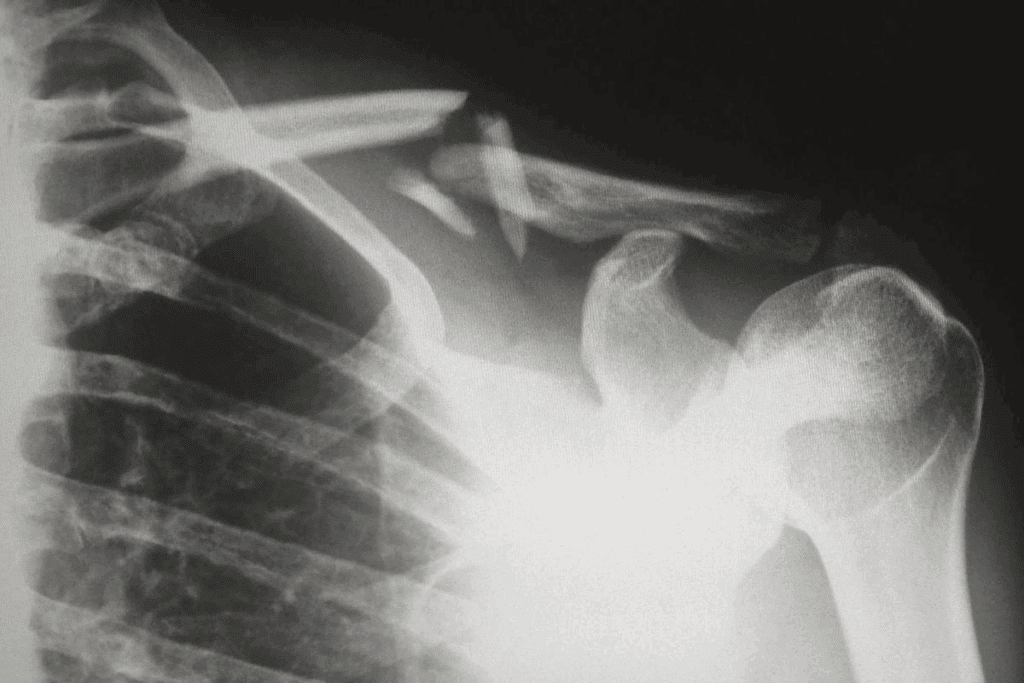
Did you know that nearly 10% of bone fractures don’t heal right? This leads to a lot of pain and disability. Poor blood supply is a big problem in healing bones.
Bone healing is complex and can be affected by many things. For example, smoking is bad for bones.
It’s important to know what can slow down bone healing. This helps in fixing bones better and lowers the chance of problems.
Key Takeaways
- Poor blood supply can significantly impede the bone healing process.
- Smoking is a major lifestyle factor that negatively affects bone health.
- Understanding the factors that interfere with bone healing is critical for effective recovery.
- Lifestyle changes can help a lot in fixing bones.
- Getting the right medical care is key to managing bone healing issues.
The Normal Bone Healing Process
Bones heal through a complex process that’s vital for fixing them. This process involves many biological steps working together. These steps help fix fractures.
Stages of Fracture Repair
Fracture repair has several stages. It starts with hematoma formation, where a blood clot forms at the break. This clot acts as a base for healing.
Next, granulation tissue formation happens. The clot is replaced by tissue full of cells that will turn into bone.
Then, bony callus formation takes place. This tissue becomes a bony callus, which is soft but gets stronger as it mineralizes. Lastly, bone remodeling reshapes and strengthens the callus, making the bone as good as new.
Timeline for Typical Fracture Recovery
The time it takes for a fracture to heal varies. It depends on the fracture’s severity, the person’s health, and the treatment’s success. The first steps, like hematoma and granulation tissue formation, happen in the first few weeks.
Bony callus formation starts around 2-4 weeks after the fracture. It lasts for several weeks. Bone remodeling, the final step, can take months to years, depending on the fracture’s extent and the person’s healing speed.
Biological Mechanisms Supporting Bone Regeneration
Bone regeneration involves cells, growth factors, and molecular signals working together. Osteoblasts, the bone-forming cells, and osteoclasts, the bone-resorbing cells, are key. Growth factors like BMPs help by promoting cell growth and bone formation.
Understanding these mechanisms is key to creating better treatments for bone healing.
Common Causes of Fracture Healing Interference
The healing of bones after a fracture can be influenced by many factors. Knowing these factors helps us spot patients at risk of healing problems.
Overview of Healing Disruption Factors
Many things can disrupt bone healing, like local factors such as the fracture’s severity, infections, and blood supply. Systemic factors include age, diet, and health conditions like diabetes or osteoporosis.
Identifying High-Risk Patients
It’s important to find patients at risk of healing problems early. These include those with multiple health issues, smokers, and people with a history of fractures or poor nutrition. Doctors should do detailed checks to spot these risks early.
How Different Factors Interact and Compound
When many risk factors are present, the risk of healing problems grows. For example, a smoker with diabetes faces a greater risk of slow healing. This is because smoking and diabetes both harm blood flow and glucose use. Knowing how these factors work together helps doctors create better treatment plans.
Smoking and Tobacco Use Effects on Bone Repair
Smoking and tobacco use can slow down bone healing. The chemicals in tobacco, like nicotine, mess with how bones repair themselves.
Nicotine’s Impact on Blood Vessel Formation
Nicotine, found in tobacco, hampers the growth of new blood vessels. Angiogenesis is key for bringing oxygen and nutrients to healing bones. Without enough blood vessels, bones can’t heal properly.
Reduced Osteoblast Activity in Smokers
Osteoblasts are cells that build bone. Smoking makes these cells work less, leading to weaker bones and slower healing. The exact mechanisms are complex and involve multiple pathways, but the outcome is a slower and less effective bone repair process.
Statistical Evidence of Delayed Union in Smokers
Research shows smokers heal slower than non-smokers. Statistical analysis of clinical data shows smoking is linked to healing problems.
“Smoking cessation is key for better bone health and healing.”
An Orthopedic Surgeon
Smoking Cessation Strategies During Recovery
For smokers with fractures, quitting is a must. There are many ways to help quit smoking, including:
- Nicotine replacement therapy
- Counseling and support groups
- Prescription medications
Using these methods can greatly help bones heal faster.
Alcohol Consumption and Its Impact on Fracture Recovery
Studies have found that too much alcohol can mess with bone health, slowing down healing from fractures. This can cause serious problems, so it’s key for people to know the dangers of drinking too much while they’re healing.
Disrupting Bone Metabolism
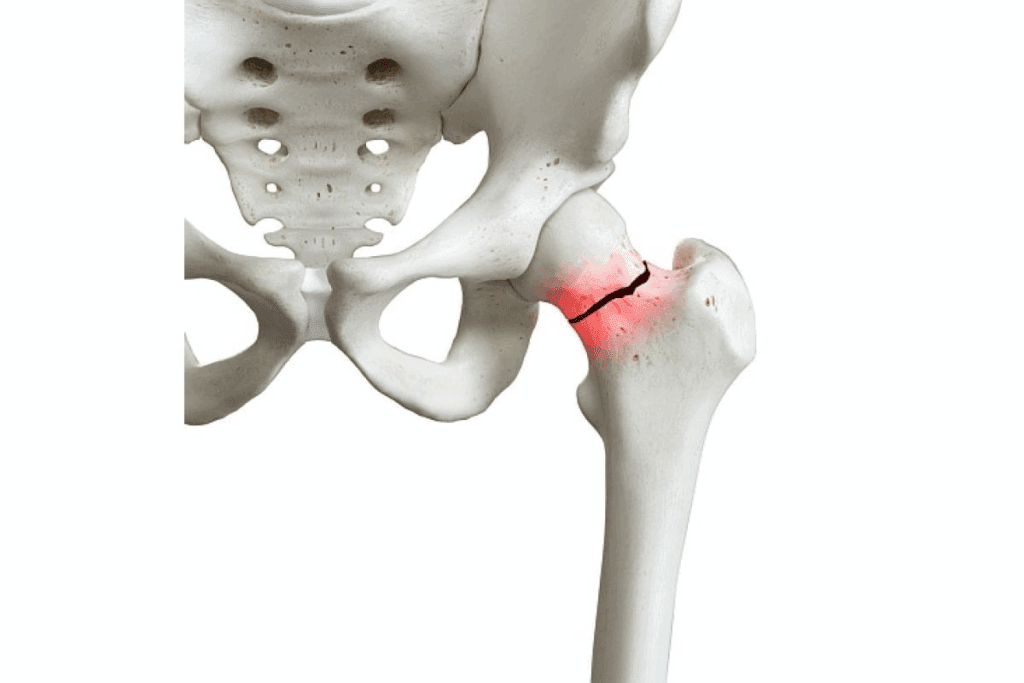
Drinking too much can change how bones work. It can mess with the balance between breaking down and building up bone. This can hurt the cells that make bone and help the cells that break it down.
Impact on Osteoblasts: Alcohol can hurt the bone-making cells, making bones heal slower and weaker.
Increased Complication Risks with Chronic Use
Drinking a lot over time can make healing from fractures harder. It can lead to bones not healing right, bones not healing at all, and a higher chance of getting infections. These problems come from alcohol’s direct effects on bone cells and its impact on overall health.
- Delayed union: The healing process is significantly slowed.
- Nonunion: The fracture fails to heal properly.
- Increased infection risk: Alcohol can impair the immune system, making patients more susceptible to infections.
Guidelines for Alcohol Limitation During Healing
To avoid problems from drinking too much, it’s best to drink less. How much less depends on the fracture’s severity, the person’s health, and their drinking history.
General Recommendations:
- It’s best to not drink at all during the early healing stages.
- If you do drink, keep it to a moderate amount. For women, that’s up to one drink a day. For men, it’s up to two.
- Talk to your doctor for advice on drinking while you’re healing.
Nutritional Deficiencies Affecting Bone Healing
Nutritional deficiencies can slow down bone healing. Eating right is key for fixing bone fractures. Without the right nutrients, healing can be delayed or even fail.
Calcium Insufficiency and Bone Formation
Calcium is vital for making bones strong. Inadequate calcium intake can weaken bones. It’s important to eat enough calcium for good bone health.
Dairy, leafy greens, and fortified foods are good sources of calcium. If you can’t get enough from food, supplements can help.
Vitamin D Deficiency Consequences
Vitamin D helps your body absorb calcium. A vitamin D deficiency can cause weak bones and more fractures. Keeping vitamin D levels up is key for bone healing.
You can get vitamin D from sunlight, fatty fish, and fortified dairy. Testing for vitamin D levels and taking supplements if needed is important for bone health.
Protein Requirements for Optimal Healing
Protein is essential for fixing bones. It gives the body the materials it needs to heal. Adequate protein intake is vital for bone fracture healing.
Good protein sources include lean meats, fish, eggs, dairy, and plant-based options like beans and nuts. Eating enough protein is important for bone healing.
Other Essential Nutrients: Vitamin C, Zinc, and Magnesium
Other nutrients are also important for bone healing. Vitamin C helps make collagen, zinc boosts immune function and wound healing, and magnesium helps with bone mineralization and muscle function.
- Vitamin C: Found in citrus fruits, berries, and leafy greens.
- Zinc: Available in meat, shellfish, and fortified cereals.
- Magnesium: Found in dark leafy greens, nuts, and whole grains.
Eating a balanced diet with lots of whole foods can help you get all these nutrients.
Age-Related Factors in Fracture Recovery
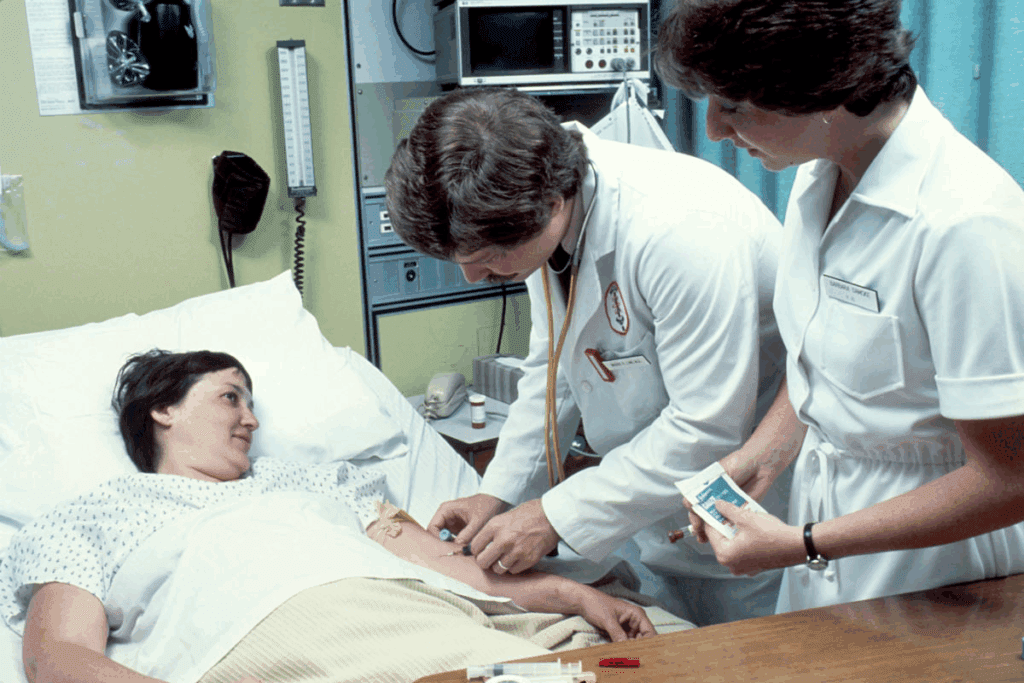
Age is key in how well fractures heal. Kids and older adults heal differently. Bone repair changes with age, due to cell changes and health status.
Cellular Changes in Aging Bone
With age, bones change in ways that affect healing. Osteoblasts, the bone builders, slow down. This makes bones weaker. Osteoclasts, the bone breakers, can also get out of balance in older people.
Pediatric Fracture Healing Advantages
Kids heal faster than adults. Their bones are more full of blood, and their outer bone layer is thicker. This helps bones heal quickly. Kids also usually don’t have as many health problems.
Geriatric Healing Challenges
Older adults face big challenges in healing. They often have health issues like osteoporosis and diabetes. These problems slow down healing. Plus, older people may not move as well, making recovery harder.
Interventions to Improve Healing in Older Adults
To help older adults heal, several steps can be taken. Giving them extra nutrients like calcium and vitamin D helps. Physical therapy keeps them moving. Managing health problems is also important. Medicine like bisphosphonates can also help strengthen bones.
| Age Group | Healing Characteristics | Common Interventions |
| Pediatric | Rapid healing, robust bone formation | Minimal intervention, focus on maintaining alignment |
| Geriatric | Delayed healing, potentially complicated | Nutritional support, physical therapy, management of comorbidities |
Medical Conditions That Impair Fracture Healing
Certain medical conditions can slow down the body’s healing of fractures. These conditions can make recovery harder, leading to complications and slower healing.
Diabetes and Delayed Bone Repair
Diabetes can harm bone healing. High blood sugar levels in diabetes can cause delayed bone repair and increase the risk of problems. Diabetic patients often heal slower and are at a higher risk for nonunion.
Osteoporosis and Bone Quality Issues
Osteoporosis weakens bones, making them more likely to break. This condition also slows down healing because of bone fragility and low bone density. It’s important to manage osteoporosis to help bones heal better.
Autoimmune Disorders Affecting Recovery
Autoimmune disorders can greatly affect fracture healing. Conditions like rheumatoid arthritis cause chronic inflammation, which disrupts the healing process. It’s key to understand and manage these disorders for better recovery.
Kidney and Liver Disease Impacts
Kidney and liver diseases can also slow down bone healing. These conditions often cause metabolic imbalances that hinder bone repair. For example, kidney disease can lead to chronic kidney disease-mineral and bone disorder (CKD-MBD), affecting bone health and healing.
Healthcare providers need to consider these medical conditions when treating fractures. By knowing how these conditions affect bone healing, healthcare professionals can create better treatment plans.
Medication-Related Fracture Healing Interference
Using certain medications can make healing from fractures harder. It’s important to know which ones can slow down the healing process.
Chronic Steroid Use Effects
Long-term use of steroids can really slow down fracture healing. Steroids mess with the body’s natural healing response. Prolonged steroid use can cause bones to form less and break down more, making recovery tough.
NSAIDs and COX-2 Inhibitors
NSAIDs and COX-2 inhibitors help with pain but can harm fracture healing. Studies show that long-term use of NSAIDs can slow down bone healing. This is because they block the body’s healing response early on.
Anticoagulants and Bleeding Risks
Anticoagulants prevent blood clots but can raise the risk of bleeding during surgery or at the fracture site. For some, careful management of anticoagulant therapy is key. It’s about balancing the risk of bleeding with the need to stabilize the fracture.
Chemotherapy and Immunosuppressive Drugs
Chemotherapy and immunosuppressive drugs can harm bone healing by weakening the immune system and damaging bone cells. Patients on chemotherapy or immunosuppressive treatment may heal slower or face other issues. They need close monitoring and might need changes in their treatment plans.
Hormonal Imbalances Affecting Bone Repair
Bone repair is a complex process. Hormones play a key role in healing fractures. When hormones are out of balance, bone healing can be affected.
Thyroid Hormone Abnormalities
Thyroid hormones control metabolism, including bone tissue. Issues like hypothyroidism or hyperthyroidism can slow down bone healing. Hypothyroidism can slow bone metabolism, causing healing delays. Hyperthyroidism can increase bone turnover, weakening bones.
Sex Hormone Deficiencies
Sex hormones, like estrogen and testosterone, are vital for bone health. Low levels, common in postmenopausal women or those with hypogonadism, can weaken bones. Estrogen replacement therapy helps some postmenopausal women.
Cortisol Elevation and Stress Response
High cortisol levels, from stress or Cushing’s syndrome, harm bone healing. Cortisol reduces bone-building cells and increases bone breakdown. Keeping cortisol levels in check is key for bone repair.
Growth Hormone Insufficiency
Growth hormone is vital for bone growth and repair. Lack of it, due to aging or medical issues, can slow healing. Growth hormone replacement therapy may help support bone health.
Doctors say hormonal imbalances complicate bone healing. A detailed approach to diagnosis and treatment is needed. Managing hormones is essential for effective bone repair and preventing complications.
Mechanical Factors Disrupting Fracture Healing
Healing fractures is greatly affected by mechanical factors. These can either help or hinder the healing process. It’s important for healthcare providers to understand these factors to give the best care to patients.
Inadequate Immobilization Techniques
Proper immobilization is key for fracture healing. If the fracture site isn’t stabilized well, problems can arise. For example, an inadequate immobilization cast might not hold the bone in place, leading to delayed healing or nonunion.
- Bad casting techniques can cause too much movement at the fracture site.
- Not keeping the cast dry can weaken it.
- Casts that are too loose or too tight can also harm healing.
Premature Weight Bearing Consequences
Early weight bearing on a fracture can harm healing. Putting too much stress on the bone too soon can damage it further or stop the callus from forming. The callus is vital for bone repair.
- Putting weight on a fracture too soon can injure it again.
- It can also make the bone fragments not line up right, making healing harder.
- Patients might feel more pain and swelling because of too much stress.
Excessive Motion at Fracture Sites
Too much movement at the fracture site can slow healing. If the bone fragments don’t stay in place, it can lead to nonunion or malunion.
- Too much movement can cut off blood supply to the fracture site.
- It can cause a big callus to form, which might not be as strong as the original bone.
Repeated Mechanical Stress During Recovery
Repeated bone stress during recovery can also slow healing. Stress on the bone can stop it from getting stronger and regaining its original shape.
To avoid these problems, patients need a well-planned rehab program. This program should slowly increase the load on the bone, helping it get stronger over time.
Fracture Characteristics That Complicate Recovery
Fracture characteristics can greatly affect how well a bone heals. Some fractures are harder to heal than others. The severity of bone displacement, the size of the gap, and if the fracture is comminuted or open all play a role.
Severe Bone Displacement Challenges
When bones are severely displaced, it’s tough to get them back in place. This can cause problems like deformities or chronic pain. Getting the bones aligned right is key to avoiding long-term issues.
Large Fracture Gaps and Healing
Big gaps in fractures make healing harder. The body can only do so much to close these gaps. Sometimes, surgery is needed to help the bone heal. Advanced surgical techniques and bone grafts can improve healing chances.
Comminuted and Segmental Fractures
Comminuted fractures break bones into many pieces. Segmental fractures have multiple breaks in one bone. Both types often need surgery to heal right and avoid problems like nonunion or malunion.
Open Fractures and Soft Tissue Damage
Open fractures are tough because they carry a high risk of infection. Damage to soft tissues around the fracture makes healing even harder.
“The management of open fractures requires prompt and appropriate treatment to minimize the risk of infection and promote healing.”
Quick and effective wound care and antibiotic therapy are essential in treatment.
Vascular Complications in Fracture Healing
Good blood flow is key for bone healing. Without it, fractures can heal slowly or not at all.
Poor Blood Supply to Fracture Sites
A fracture site needs blood to heal. Damage to blood vessels or diseases can stop this flow.
Factors Contributing to Poor Blood Supply:
- Trauma to surrounding tissues
- Pre-existing vascular conditions
- Diabetes
- Smoking
Peripheral Vascular Disease Effects
Peripheral vascular disease (PVD) harms blood flow to the limbs. This can slow down bone healing.
| Condition | Effect on Fracture Healing |
| Peripheral Vascular Disease | Reduced blood flow to fracture site |
| Poor Blood Supply | Delayed healing, possible nonunion |
| Compartment Syndrome | Increased pressure, possible tissue damage |
Compartment Syndrome Risks
Compartment syndrome is a serious issue after a fracture. It happens when muscle compartments get too tight, harming blood flow.
Avascular Necrosis Development
Avascular necrosis is when bone tissue dies because of no blood flow. This can happen after a fracture, if the bone’s blood supply is cut off.
Prevention Strategies:
- Prompt medical attention for fractures
- Managing underlying vascular conditions
- Avoiding smoking and tobacco products
Infection as a Critical Barrier to Bone Healing
Infections can stop bones from healing properly. It’s important to spot and treat them quickly. If an infection happens at a fracture, it can cause serious problems like delayed healing or the bone not healing at all.
Recognizing Osteomyelitis and Soft Tissue Infections
Osteomyelitis is an infection in the bone that can happen after a fracture. It’s key to know the signs like ongoing pain, swelling, and fever. Soft tissue infections around the fracture can also slow healing by allowing bacteria to grow and cause inflammation.
Key indicators of osteomyelitis include:
- Persistent pain at the fracture site
- Swelling and redness around the affected area
- Fever and elevated white blood cell count
- Purulent discharge or drainage
How Bacterial Presence Disrupts Healing Mechanisms
Bacteria at a fracture site can really mess up the healing process. They can settle in the bone and tissues, causing ongoing inflammation and toxins that harm bone cells and slow repair.
“The presence of bacteria in a fracture can lead to a cascade of events that ultimately result in the failure of the fracture to heal properly.”
Risk Factors for Developing Post-Fracture Infections
Some things make it more likely to get an infection after a fracture. These include:
| Risk Factor | Description |
| Open fractures | Fractures where the bone pierces the skin, increasing exposure to bacteria |
| Compromised immune system | Patients with weakened immune systems due to chronic illness or medication |
| Poor wound care | Inadequate care of the wound, leading to bacterial colonization |
Treatment Approaches for Infected Fractures
Dealing with infected fractures needs a full plan. This includes antibiotics, cleaning the wound surgically, and making sure the bone is stable. Sometimes, adding bone grafting is needed to help the bone heal.
Quick action to treat infections is vital. It helps avoid long-term problems and ensures the bone heals well.
Nonunion and Malunion: When Healing Goes Wrong
When bone fractures don’t heal right, problems like nonunion and malunion can happen. These issues need special care. They can really affect how well a patient does, so it’s important to know what causes them, how to find out if someone has them, and how to treat them.
Defining Nonunion Bone Fractures
Nonunion is when a bone break doesn’t heal after a long time, usually more than 6-9 months. It can happen for many reasons, like not keeping the bone in place long enough, not enough blood getting to the bone, or an infection. Nonunion can cause ongoing pain and make it hard to move, which can really lower a person’s quality of life.
To figure out if someone has nonunion, doctors use a few methods. They look at how the patient feels, take X-rays or CT scans, and sometimes do more tests to see if the bone is healing.
Malunion and Resulting Bone Deformities
Malunion is when a bone break heals in the wrong place, causing a deformity. This can happen if the bone wasn’t put back in the right spot or if it wasn’t held in place well enough. Malunion can make it hard to move and can also affect how a person looks, and might need surgery to fix.
How bad the malunion is can vary a lot. Some cases might not cause much trouble, but others can really affect how well a limb works or how it looks.
Diagnostic Approaches and Intervention Timing
It’s very important to catch nonunion and malunion early to treat them well. Doctors use a few ways to find out if someone has these problems:
- They check how the patient feels, looks, and moves
- They use X-rays, CT scans, or MRI to see the bone
- They check if the bone is healing and if it’s stable
Acting fast can stop things from getting worse and help the patient do better. What treatment to use depends on why the problem happened, how bad it is, and the patient’s health.
Surgical and Non-Surgical Management Options
There are different ways to handle nonunion and malunion. Some treatments don’t need surgery, like using electrical stimulation, ultrasound, or medicine to help the bone heal.
But sometimes, surgery is needed. This can include:
| Treatment | Description | Indications |
| Osteotomy | Corrective surgery to realign the bone | Malunion with significant deformity |
| Bone Grafting | Procedure to promote healing by adding bone tissue | Nonunion with inadequate bone formation |
| Internal Fixation | Use of plates, screws, or rods to stabilize the fracture | Nonunion or malunion requiring stabilization |
Choosing the right treatment is very personal. It depends on the details of the nonunion or malunion, the patient’s health, and what they prefer.
Conclusion: Strategies to Optimize Fracture Healing
Optimizing fracture healing needs a complete approach. It must tackle many factors that affect healing. Knowing these factors and using strategies to lessen their impact is key to the best results.
Eating a balanced diet is important. It should include calcium, vitamin D, and protein to help bones heal. Quitting smoking and drinking less alcohol are also important. These habits can slow down healing.
Managing health issues like diabetes and osteoporosis is also vital. Knowing how some medicines affect bone healing can help avoid problems. Making sure the bone is properly immobilized and not putting too much weight on it is also important.
By following these strategies and being aware of healing factors, people can help their bones heal well. This leads to the best possible results.
FAQ
What are the main factors that interfere with fracture healing?
Several factors can slow down bone healing. These include poor blood flow, smoking, and drinking too much alcohol. Also, not getting enough nutrients, low calcium, and vitamin D deficiency are key issues. Age, osteoporosis, diabetes, and using steroids can also hinder healing.
Infections, not keeping the bone stable, and putting too much weight on it too soon are problems. Severe bone displacement is another issue.
How does smoking affect bone healing?
Smoking harms bone healing by reducing blood flow and affecting bone cells. Nicotine, found in tobacco, makes bone repair harder.
What role does nutrition play in fracture healing?
Good nutrition is vital for bone healing. You need calcium, vitamin D, protein, and vitamins C, zinc, and magnesium. These nutrients help fix bones.
How does age impact fracture recovery?
Age affects bone healing. Older people might heal slower because of changes in their bones. Younger people, like kids, heal faster because their bones are more active.
What medical conditions can impair fracture healing?
Some health issues can slow down bone healing. Diabetes, osteoporosis, and autoimmune diseases can affect bone quality. Kidney and liver diseases also pose risks.
Can certain medications interfere with fracture healing?
Yes, some medicines can slow down bone healing. Steroids, NSAIDs, blood thinners, and chemotherapy can harm bone repair. They affect bone cells, increase bleeding, or weaken the immune system.
How do hormonal imbalances affect bone repair?
Hormonal problems can slow down bone healing. Issues like thyroid problems, sex hormone imbalances, and growth hormone shortages can affect bone repair. They change how bones work and heal.
What mechanical factors can disrupt fracture healing?
Mechanical issues can also slow down bone healing. Not keeping the bone stable, putting too much weight on it, and too much movement can cause problems. These issues can make healing harder.
How do vascular complications impact fracture healing?
Blood flow problems can slow down bone healing. Issues like poor blood supply, vascular diseases, and compartment syndrome can reduce oxygen and nutrients to the bone. This makes healing harder.
What is the impact of infection on bone healing?
Infections can greatly slow down bone healing. They disrupt the healing process, cause inflammation, and increase the risk of serious problems like osteomyelitis and nonunion.
What are nonunion and malunion, and how are they managed?
Nonunion and malunion happen when bones don’t heal right or heal in the wrong place. Treatment options include surgery and non-surgical methods. These include keeping the bone stable, physical therapy, and sometimes surgery to fix the bone.
References
- Paraskevis, D., et al. (2013). Factors influencing fracture healing. Orthopedics and Trauma Surgery, 129(4), 567-577. https://journals.sagepub.com/doi/abs/10.1177/1460408613486571