

A fracture happens when too much force breaks a bone. Millions of people worldwide suffer from fractures every year. It’s a big health issue that needs the right care and effective management.
The nursing management of patients with fractures is all about a detailed plan. This includes pain assessment control and immobilization fracture care. It’s to make sure the patient is comfortable and helps them heal.
Key Takeaways
- Understanding the basics of fracture care is key for nursing management.
- Pain assessment and control are vital for patient care.
- Immobilization techniques are important for healing fractures.
- Comprehensive nursing care leads to better patient outcomes.
- Proper management of fractures lowers the risk of complications.
Understanding Fractures: Types and Classifications
Knowing the different types of fractures is key for good nursing care. Fractures, or broken bones, vary in severity, location, and characteristics.
Common Types of Fractures
Fractures are divided into several types. These include open, closed, complete, and incomplete fractures. An open fracture is when the bone breaks through the skin, making a wound. A closed fracture has the bone under the skin.
A complete fracture breaks the whole bone. An incomplete fracture is a partial break. Other types are comminuted fractures, where the bone breaks into many pieces, and stress fractures, small cracks from repetitive stress.
Fracture Healing Process
The healing of fractures goes through stages: inflammation, soft callus formation, hard callus formation, and bony union and remodeling. The first stage is the body’s natural response to injury, with bleeding and a hematoma. Then, a soft callus forms, replacing the hematoma with granulation tissue and cartilage.
The hard callus stage comes next, with a more stable callus. This is eventually replaced by bone in the final stage. Nurses need to understand this to care for patients properly and track their healing.
Risk Factors for Fractures
Several factors increase the risk of fractures. These include osteoporosis, age, gender, and lifestyle factors. Osteoporosis weakens bones, making fractures more likely. Older adults and women are at higher risk due to bone density and hormonal changes.
Lifestyle choices like a poor diet, smoking, and being inactive also raise the risk. Nurses should know these factors to offer the right care and prevention.
Initial Nursing Assessment of Fracture Patients
The first step in caring for patients with fractures is very important. It helps nurses understand the patient’s situation and decide the best treatment.
Primary Survey and Triage
The primary survey is quick and thorough. It checks for serious problems. For fracture patients, it looks at airway, breathing, circulation, disability, and exposure (ABCDE). Finding problems early is key.
During triage, nurses quickly judge how bad the fracture is and the patient’s overall health. This helps make sure patients get the right care fast.
Fracture Site Examination
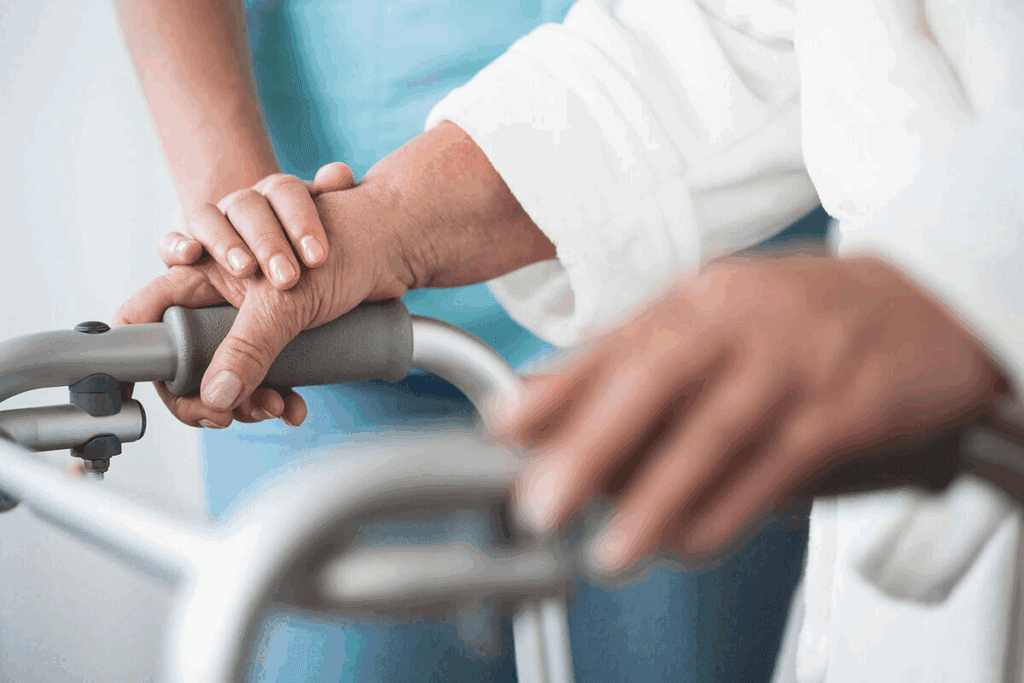
Checking the fracture site closely is vital. Nurses look for signs like deformity, swelling, or open wounds. Checking nerves and blood flow is also important.
Nurses also check how much pain the patient is in and if there’s nerve or blood vessel damage. This helps decide the best treatment.
Documentation Requirements
Keeping detailed records is a must. Nurses should write down everything from the primary survey to the neurovascular checks. Good records help keep care consistent and guide future actions.
Records should include the patient’s condition, any treatments, and how the patient reacted. This info is key for making a good care plan.
Pain Assessment and Control in Fracture Care
Pain management is key in fracture care. It affects how well patients recover and lowers the chance of problems. Keeping patients comfortable is important for their healing.
Pain Evaluation Tools
Nurses use different tools to measure pain in fracture patients. These include the Numeric Rating Scale (NRS), Faces Pain Scale (FPS), and the McGill Pain Questionnaire (MPQ).
The NRS lets patients rate their pain from 0 to 10. The FPS is good for kids or those who can’t use numbers well.
Pharmacological Pain Management
Medicine is a big part of managing pain in fractures. The right medicine depends on how bad the pain is and the patient’s health.
- Non-opioid analgesics like acetaminophen and NSAIDs work for mild to moderate pain.
- Opioid analgesics are for more severe pain, but with careful thought about risks.
Non-pharmacological Pain Relief Strategies
There are also non-medical ways to manage pain. These include:
- Keeping the fracture stable
- Putting the affected limb up to lessen swelling
- Using cold to help with pain and swelling
- Trying relaxation methods like deep breathing
A clinical expert says, “Mixing medicine and non-medical methods is best for controlling pain and helping patients get better.”
| Pain Management Strategy | Description | Benefits |
| Pharmacological | Use of analgesic medications | Effective for acute pain relief |
| Non-pharmacological | Techniques such as immobilization, elevation, and cold therapy | Reduces pain and inflammation without medication side effects |
Fracture Nursing Management: Immobilization and Stabilization
Immobilization is key in fracture care. It keeps the area stable and helps it heal. It also prevents more injury, cuts down on pain, and aids in recovery.
Types of Immobilization Devices
There are many devices used for immobilization in fracture care. Each has its own use and benefits. Here are a few:
- Casts: They wrap around the limb for support and immobilization.
- Splints: These are flexible and used for temporary support.
- Traction: It pulls on the bone to keep it in place, good for some fractures.
The right device depends on the fracture’s type, location, and the patient’s health.
Maintaining Proper Alignment
Keeping the bone in the right place is vital for healing. If it’s not, it can lead to problems like malunion or nonunion.
| Method | Description | Benefits |
| Casting | Encases the limb in a rigid structure | Provides stable immobilization |
| Splinting | Offers support without fully encasing the limb | Allows for swelling and flexibility |
| Traction | Applies a continuous pulling force | Maintains alignment and reduces muscle spasm |
A leading orthopedic expert says,
“Proper immobilization and alignment are the cornerstones of effective fracture management, directly influencing patient outcomes and recovery times.”
Knowing about immobilization devices and how to align them helps healthcare professionals. They can then give top-notch care to fracture patients. This ensures they heal well and avoids complications.
Vital Signs Monitoring and Interpretation
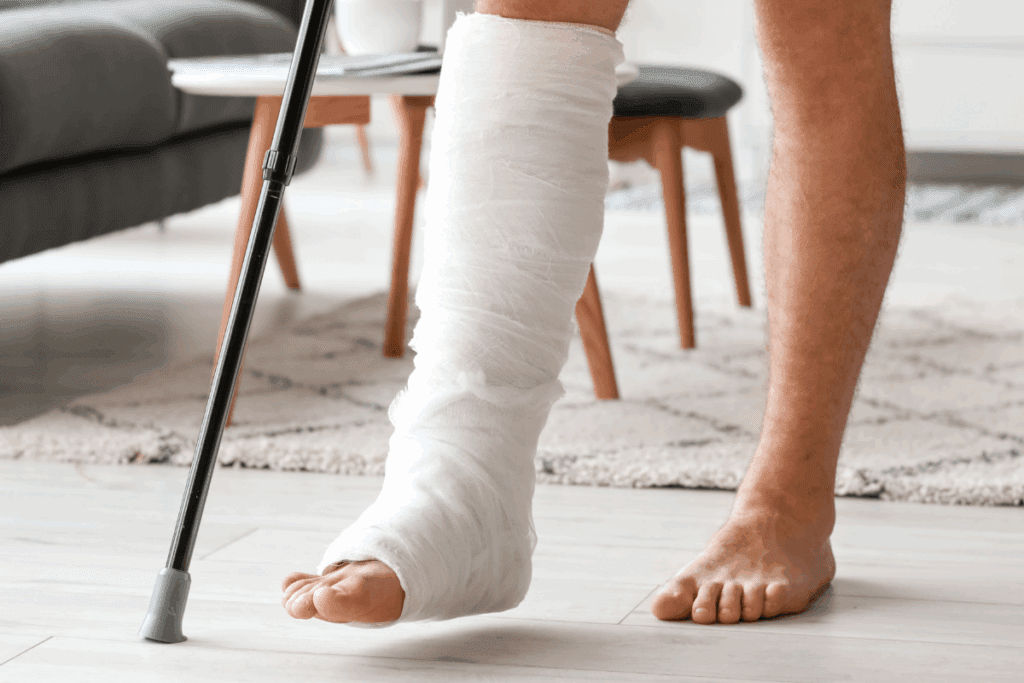
Monitoring vital signs is key in spotting problems early in fracture patients. It’s important to check vital signs often to catch any issues that might come up during healing.
Frequency of Vital Sign Checks
How often to check vital signs depends on the patient’s health and the fracture’s severity. Stable patients should be checked every 4 hours. But, those who are very sick or at risk need more frequent checks.
Frequent monitoring is vital for patients at high risk or showing signs of getting worse. This helps catch problems early and act fast.
Recognizing Complications Through Vital Signs
Vital signs can show early signs of problems like infection, shock, or fat embolism syndrome. For example, a high temperature might mean infection. Tachycardia and hypotension could point to shock or severe blood loss.
- Watch for tachycardia and tachypnea as signs of possible complications.
- Keep an eye on blood pressure changes that could mean shock or bleeding.
- Look out for signs of fat embolism syndrome, like breathing trouble and changes in mental state.
Documentation and Reporting
It’s important to document vital signs accurately and on time. Any unusual readings or concerns should be reported right away to the healthcare team.
Clear communication among healthcare providers is key. It ensures patients get the right care quickly.
Neurovascular Assessment in Fracture Care
Checking the neurovascular status is key in fracture care. It helps spot problems early. This check ensures nerves and blood flow to the limb are okay.
The 5 P’s of Neurovascular Assessment
The 5 P’s help remember what to check in a neurovascular assessment. Pain is the first sign of trouble. It’s important to tell it apart from fracture pain.
Pallor means less blood flow. Pulselessness means no blood flow, a big warning sign.
- Pain
- Pallor
- Pulselessness
- Paresthesia
- Paralysis
Frequency of Neurovascular Checks
Do neurovascular checks often, at the start and after treatments. How often depends on the patient and fracture severity.
Regular checks catch problems like compartment syndrome early. This means quicker action.
Recognizing Compartment Syndrome
Compartment syndrome is a serious issue after a fracture. It happens when pressure in a closed space is too high. This hurts muscles and nerves.
Look for signs like severe pain, tight swelling, and bad nerve function. Catching it early is key.
Early action is vital to avoid lasting harm and better outcomes.
Wound Care and Dressing Management
Wound care and dressing management are key parts of nursing care for fracture patients. They greatly affect patient outcomes. Good wound care stops infections and helps wounds heal in patients with open fractures or surgical cuts.
Open Fracture Wound Care
Open fractures need quick and careful wound care to stop infections. The first step is to clean the wound well. Debridement, or removing dead tissue and contaminants, is often needed to create a clean healing environment.
The wound should be covered with a sterile dressing. The patient should also get antibiotics as ordered. It’s important to change the dressing regularly and watch for infection signs.
Surgical Incision Care
Surgical cuts after fracture surgery need careful care too. Keep the incision site clean and dry. Dressing changes should be done as the doctor says.
Watch for signs of infection like redness, swelling, more pain, or drainage. Teach patients how to care for their incisions and what to watch for.
Dressing Change Protocols
Following dressing change protocols is key for wound healing and infection prevention. Use aseptic technique, pick the right dressing for the wound, and record the wound and dressing changes.
- Use aseptic technique to minimize the risk of infection.
- Choose the dressing type based on the wound’s needs.
- Document the wound condition and dressing changes accurately.
By sticking to these guidelines, healthcare providers can improve wound care and dressing management for fracture patients. This reduces complications and helps wounds heal better.
Infection Prevention Strategies for Fracture Patients
Fracture patients face a high risk of infections. This makes it key to prevent them. Infections can make healing harder, leading to longer hospital stays and higher costs.
Antibiotic Administration
Antibiotics are key in preventing infections in fracture care, mainly for open fractures. Timely antibiotic therapy can greatly lower infection risk. The right antibiotic depends on local resistance patterns and fracture severity.
| Antibiotic Type | Indication | Administration Route |
| Cefazolin | Open fractures, surgical prophylaxis | IV |
| Penicillin | Gas gangrene prophylaxis | IV |
| Gentamicin | Open fractures, broad-spectrum coverage | IV |
Aseptic Technique in Wound Care
Using aseptic technique is vital in managing fracture wounds. It prevents infections. Healthcare providers must follow strict aseptic protocols during wound care. This means using sterile gloves, instruments, and dressings.
Monitoring for Signs of Infection
It’s important to watch for signs of infection closely. Nurses should look for redness, swelling, pain, and discharge from the wound. Also, check vital signs and lab results like white blood cell count.
- Redness and swelling around the wound site
- Increased pain or tenderness
- Purulent discharge or foul odor
- Fever or elevated white blood cell count
Encouraging patients to deep breathe and move around can prevent infections. This helps avoid complications like pneumonia and deep vein thrombosis.
Positioning, Elevation, and Cold Therapy
In managing fractures, it’s key to position correctly, elevate the limb, and use cold therapy. These steps help lessen pain and swelling.
Proper Positioning Techniques
Getting the right position is vital in fracture care. It helps avoid pressure ulcers and nerve damage. Patients should keep their affected limb straight, avoiding bending too much.
Regularly changing positions is important, more so for those who can’t move much.
Supportive devices like pillows or wedges can help keep the limb in the best position. They also reduce pressure on the fracture.
Fracture Site Elevation Principles
Keeping the affected limb higher than the heart is a key method to reduce swelling and pain. Elevation cuts down blood flow to the area, which helps lessen swelling. But, make sure the elevation doesn’t cut off blood circulation.
Cold Therapy Application and Precautions
Cold therapy, or cryotherapy, helps by making blood vessels smaller and numbing the area. Use cold packs for 15-20 minutes at a time to avoid harming tissues. Always wrap the cold pack in cloth to protect the skin.
- Watch for signs of skin damage or numbness.
- Follow the schedule for cold therapy as advised by healthcare.
- Don’t use cold therapy on areas with poor blood flow.
Cast Care and Complication Prevention
Proper cast care is key to avoiding problems and making sure the cast works right. Casts help keep a broken bone in place, which helps it heal.
Drying and Maintenance
It’s important to let the cast dry fully after it’s put on. This makes it strong and effective. Here are some tips for drying and taking care of your cast:
- Keep the cast dry. Don’t put it in water, as it can get damaged.
- Use a cast dryer or a cool setting on a hair dryer to dry it faster.
- Don’t use the cast to help you get up from sitting or lying down.
Keeping the cast in good shape is important for healing. Damage to the cast can cause skin problems or infections.
Recognizing Cast Complications
People with casts should watch for signs of trouble. Some things to look out for are:
- More pain or swelling
- Numbness or tingling
- Cold or discolored skin
- Bad smells or discharge
Watching for these signs is very important. If you notice any, get help right away.
Patient Education for Cast Care
Teaching patients how to take care of their casts is a big part of their treatment. They should learn:
- How to keep the cast clean and dry
- What signs of trouble to look out for
- The importance of coming back for check-ups
By teaching patients how to care for their casts, doctors can help them move around sooner. This can also lower the chance of problems, making healing better.
Promoting Mobility and Preventing Complications
Promoting mobility and preventing complications are key in nursing care for fracture patients. Effective care includes various strategies to improve patient outcomes.
Deep Breathing Exercises
Deep breathing exercises are vital for fracture patients, including those who can’t move or have had surgery. These exercises help encourage deep breathing, which expands the lungs and lowers respiratory risks.
To do deep breathing exercises, tell the patient to breathe slowly in through the nose and out through the mouth. Place a hand on the abdomen to help them breathe deeply.
Pressure Ulcer Prevention
Preventing pressure ulcers is a major part of caring for immobile patients. Nurses should prevent pressure ulcers by moving the patient regularly, using support surfaces, and keeping the skin clean.
Preventing pressure ulcers involves assessing the patient’s risk, implementing preventive steps, and watching for early signs of damage.
Early Mobilization Techniques
Promoting early mobilization is essential to avoid complications like deep vein thrombosis, muscle loss, and joint stiffness. Early mobilization includes simple exercises and assisted walking.
Ambulation Assistance
Assisting with ambulation is a key part of early mobilization. Nurses should help and guide patients as they start walking, using aids like walkers or crutches if needed.
Before walking, make sure the patient is stable and has enough strength and balance. Start with short walks and gradually increase the distance as the patient gets stronger.
Physical Therapy and Rehabilitation Support
Managing fractures well needs a team effort, with physical therapy being a big part. It helps patients get back to normal by improving strength and movement. This is key in the healing process.
Nurse’s Role in Physical Therapy Coordination
Nurses are key in setting up physical therapy plans for fracture patients. They make sure everyone works together for the best care. Nurses help get patients ready for physical therapy by explaining it and answering questions. They also check if patients are ready for the exercises and treatments.
Range of Motion Exercises
Range of motion exercises are very important for fracture patients. They keep joints moving and prevent stiffness. Gentle, controlled movements are started early to avoid problems like contractures. Nurses help patients do these exercises right, helping them heal better.
Strength Training and Functional Recovery
Strength training is also key for fracture patients, focusing on muscle strength. It helps with healing and getting back to normal. Progressive resistance exercises are used, based on the patient’s recovery stage. The aim is to get patients strong enough to do what they did before the injury.
Adding physical therapy to the care plan helps a lot. It improves fracture patients’ lives and helps them get back to their usual activities.
Nutritional Support for Bone Healing
Nutrition plays a big role in how well bones heal after a fracture. The right nutrients help the body fix and strengthen bone tissue.
Essential Nutrients for Fracture Healing
Calcium and Vitamin D are key for bone health. Other important nutrients include protein, vitamin C, and minerals like zinc and phosphorus.
Dietary Recommendations
Patients should eat a diet full of fruits, veggies, whole grains, and lean proteins. Foods rich in calcium, like dairy and leafy greens, are great for bones.
Nutritional Assessment and Intervention
Nurses should check if patients are getting enough nutrients. If not, they might need dietary advice or supplements.
| Nutrient | Role in Bone Healing | Food Sources |
| Calcium | Critical for bone formation | Dairy products, leafy greens, fortified foods |
| Vitamin D | Enhances calcium absorption | Fatty fish, fortified dairy products, sunlight exposure |
| Protein | Supports tissue repair | Lean meats, fish, eggs, dairy products |
Discharge Planning and Home Care Instructions
A good discharge plan is key for fracture patients. It helps them recover safely at home. It teaches them important care steps for a smooth transition from hospital to home.
Fracture Healing Monitoring
Watching how a fracture heals is very important after discharge. Patients need to know how to check their fracture for healing signs. This includes looking for pain, swelling, or if it looks different. They should also see their healthcare provider regularly to check on healing.
Activity Restrictions and Modifications
It’s important to avoid activities that could hurt the fracture more. Patients should know which activities to skip and how to change their daily life. This might mean using crutches or walkers and making their home safer to avoid falls.
Follow-up Care Coordination
Setting up follow-up care is a big part of discharge planning. This means making appointments with doctors, getting home health care if needed, and making sure patients have the right medical equipment or supplies.
| Follow-up Care Aspect | Description | Responsible Party |
| Follow-up Appointments | Scheduling and attending appointments with healthcare providers | Patient/Healthcare Provider |
| Home Health Care | Arranging for nursing or therapy services at home | Discharge Planner |
| Medical Equipment/Supplies | Ensuring access to necessary equipment and supplies | Healthcare Provider/Insurance |
Red Flags and When to Seek Medical Attention
Telling patients about red flags and when to get medical help is very important. They should know what signs mean they need to see a doctor right away. This includes more pain, swelling, or trouble moving the injured area. Giving clear instructions on what to watch for and how to act can really help their recovery.
By focusing on these areas, discharge planning can greatly improve fracture patients’ recovery at home. It ensures they get the right support and guidance to heal well.
Conclusion
Effective fracture nursing management is key for the best patient results. Care that includes teaching patients and emotional support is very important for healing.
Nurses need to know a lot about fracture care to give the best care. Teaching patients helps them manage their health, follow treatment plans, and spot problems early.
Emotional support is also critical. Patients with fractures often feel scared, worried, and unsure. Nurses can help ease these feelings, making recovery better.
In short, managing fractures well means focusing on the patient. This includes teaching them and supporting their emotional health. By doing this, healthcare teams can make care better and help patients heal faster.
FAQ
What is the primary goal of nursing management for patients with fractures?
The main goal is to give care that helps healing, avoids problems, and supports the patient’s body and mind.
How are fractures classified, and what are the common types?
Fractures are sorted by their features, like where they are, how bad they are, and if they’re out of place. Common ones include open, closed, comminuted, and stress fractures.
What is the importance of pain assessment and control in fracture care?
Managing pain is key to avoid suffering, keep the patient comfortable, and help their overall health.
What are the different methods of immobilization used in fracture care?
To keep bones in place, doctors use casts, splints, and traction. These methods reduce pain and help bones heal.
How often should vital signs be monitored in patients with fractures?
It’s important to check vital signs often. How often depends on the patient’s health, the fracture’s severity, and any complications.
What is the significance of neurovascular assessment in fracture care?
Checking the nerves and blood flow is vital. It helps spot problems like compartment syndrome and ensures the limb gets enough blood and nerve function.
How can infection be prevented in patients with fractures?
To stop infections, use antibiotics, follow clean techniques in wound care, and watch for infection signs.
What are the benefits of elevation and cold therapy in fracture management?
Elevating the limb reduces swelling. Cold therapy can ease pain and swelling.
How can cast complications be prevented and recognized?
To avoid cast problems, dry and maintain casts well. Watch for signs like numbness, tingling, or more pain.
What is the role of physical therapy in fracture rehabilitation?
Physical therapy is key for moving, getting strong, and recovering function. It should work with nursing care.
How can nutrition support bone healing in patients with fractures?
Good nutrition, with foods like calcium and vitamin D, is important for bone healing and recovery.
What are the key aspects of discharge planning for patients with fractures?
Discharge planning should track healing, limit activities, and teach patients when to get medical help.
How can deep breathing exercises and early mobilization techniques promote recovery?
Deep breathing can prevent lung problems. Early movement helps with mobility and prevents bed sores.
What is the importance of patient education in fracture care?
Teaching patients is vital. It helps them care for themselves, avoid problems, and recover better.
References
- Barberi, S. (2018). Rehabilitation and discharge – fragility fracture nursing. In Clinical Rehabilitation (pp. 363-378). NCBI Bookshelf. https://www.ncbi.nlm.nih.gov/books/NBK543828/



 Departments
 Related Videos
 Our Doctors
 News
News