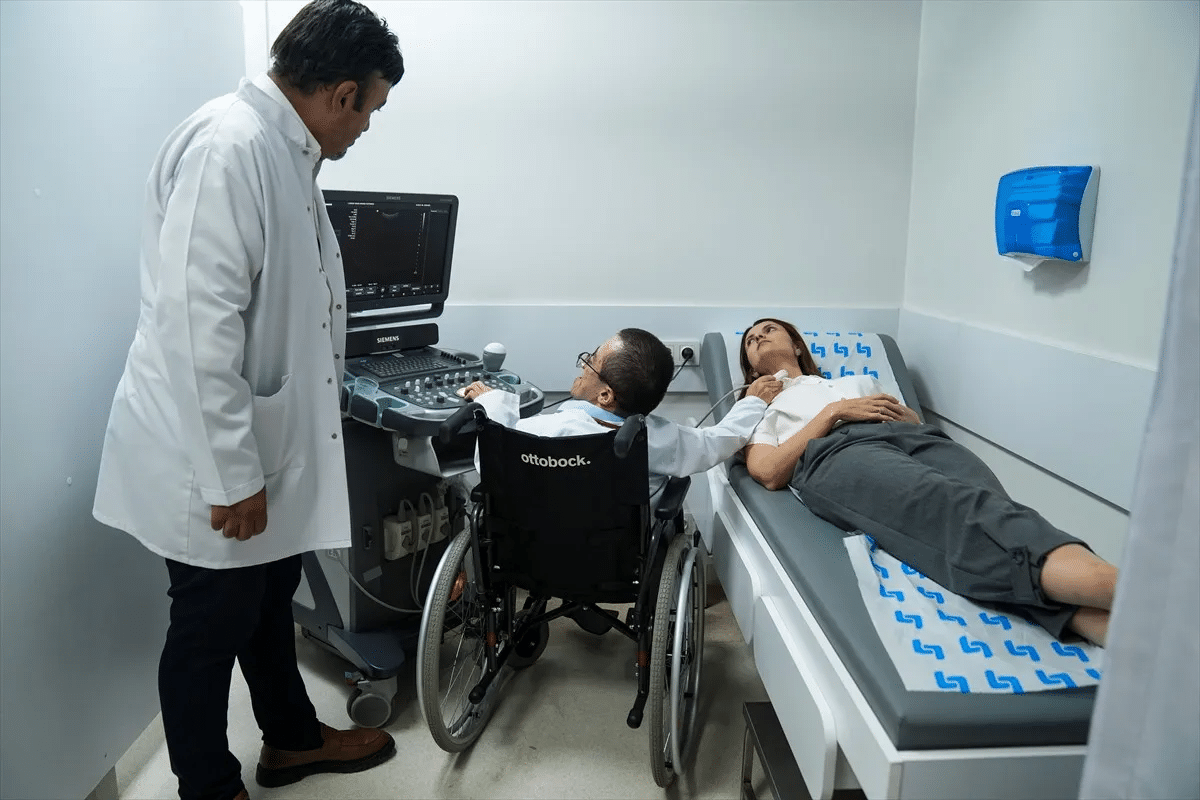
Osteogenesis imperfecta, also known as brittle bone disease, is a rare genetic disorder. It affects about 1 in 15,000 to 20,000 people globally. This condition makes bones very fragile, leading to fractures from simple activities.
It’s important to understand osteogenesis imperfecta for those affected, their families, and healthcare workers. Liv Hospital offers a caring approach to help manage this complex condition.
Key Takeaways
- Osteogenesis imperfecta is a rare genetic disorder affecting 1 in 15,000 to 20,000 people worldwide.
- The condition is characterized by fragile bones prone to fractures.
- Understanding OI is key for patients, families, and healthcare providers.
- Liv Hospital offers a patient-centered approach to managing OI.
- Comprehensive care is vital for those with OI.
What is Osteogenesis Imperfecta: The Fragile Bone Disease
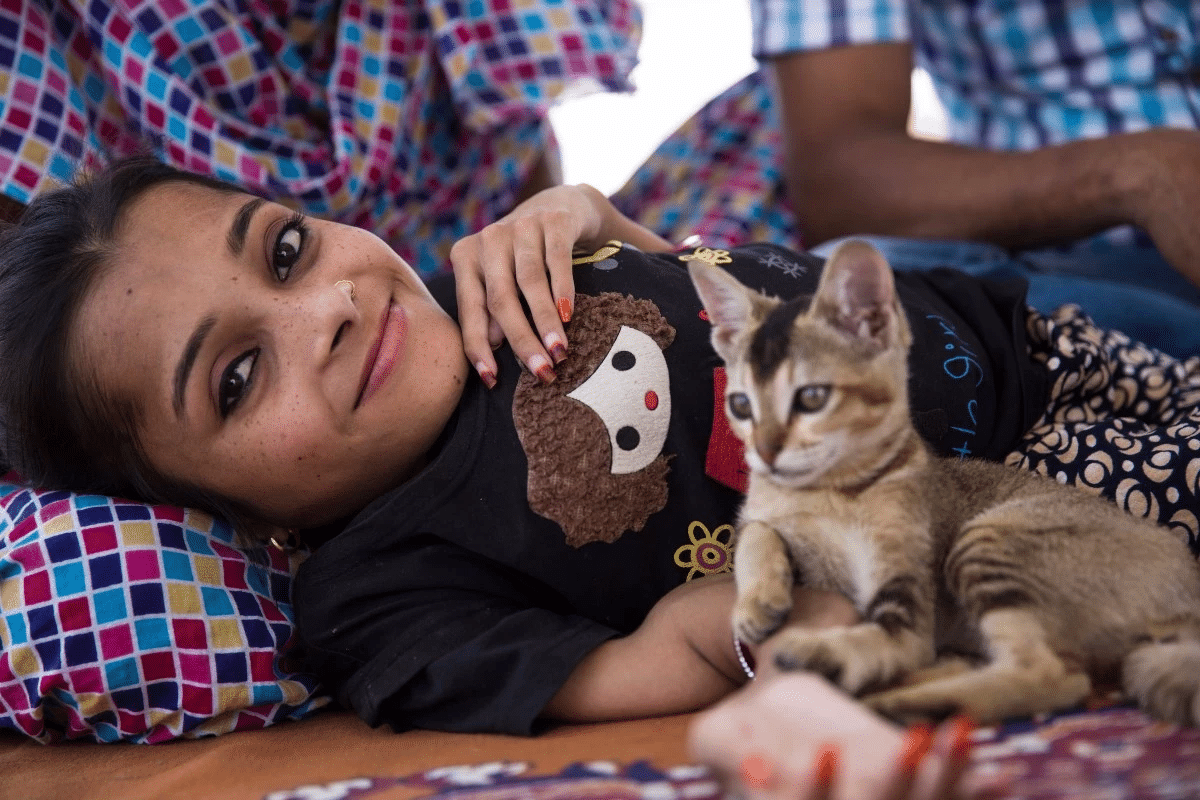
Fragile bone disease, or Osteogenesis Imperfecta, makes bones very likely to break. It happens because the body can’t make enough type I collagen. This protein is key for strong bones.
Definition and Prevalence
Osteogenesis Imperfecta is a genetic disorder that affects bone production. It’s found in about 1 in 15,000 to 1 in 20,000 babies. But, it might be more common because some cases are missed or misdiagnosed.
It’s also known as brittle bone disease and glass bone syndrome. This is because the bones are very fragile. It affects both males and females equally, and is found in all kinds of populations.
Impact on Bone Structure and Function
The genes that control type I collagen are affected in OI. This leads to less or abnormal collagen. This has a big impact on bone health.
Collagen is important for bone strength and flexibility. Without enough, bones become weak and break easily. This can happen without any reason or injury.
|
Aspect |
Normal Bone |
OI Affected Bone |
|---|---|---|
|
Collagen Production |
Normal collagen production |
Reduced or abnormal collagen |
|
Bone Strength |
Strong and resilient |
Weak and brittle |
|
Fracture Risk |
Low |
High |
The effects of OI can vary a lot. Some people have mild symptoms, while others face serious problems. Severe cases can lead to big deformities and trouble moving.
Knowing how OI affects bones is key to helping those with it. It helps in finding better ways to manage the condition and improve their lives.
Historical Context and Alternative Names

Brittle bone disease, or osteogenesis imperfecta, has been known for centuries. It was called Vrolik syndrome and Lobstein syndrome among others. The history of OI is rich, with early views changing over time.
Vrolik Syndrome and Early Discoveries
Willem Vrolik first described the condition in 1849. He noted its bone fragility. Back then, the genetic cause was unknown. Early studies mainly looked at symptoms like frequent fractures and skeletal issues.
The term “Vrolik syndrome” is used for the most severe OI cases. It shows Vrolik’s key role in understanding the disease. Today, we know OI can range from mild to severe.
Lobstein Syndrome and Ekman-Lobstein Syndrome
Lobstein syndrome is another name for OI, named after Johann Friedrich Lobstein. He described brittle bones and skeletal issues in the 19th century. “Ekman-Lobstein syndrome” combines Lobstein’s work with Olof Ekman’s 1788 findings. These names show how our knowledge of OI grew over time.
Using different names for OI shows how our understanding has evolved. Genetic research has helped us understand OI better. Despite the many names, the core idea of OI as a genetic disorder affecting bones remains the same.
Types and Classification of Osteogenesis Imperfecta
Osteogenesis Imperfecta (OI) is divided into several types based on its symptoms and how severe it is. Knowing the type helps doctors understand how to treat it better.
Type I: Mild OI
Type I OI is the least severe. It shows mild bone fragility and normal height. People with Type I OI might have a few fractures, but these often decrease after they reach puberty. They often have blue or gray sclerae, which can help doctors diagnose it.
Type II: Perinatal Lethal Form
Type II OI is the most severe and often fatal in the first few weeks of life. It has extreme bone fragility, with many fractures at birth. This leads to severe deformities and usually death soon after birth due to breathing issues.
Type III: Progressive Deforming OI
Type III OI is very severe, with progressive bone deformities and short stature. Those with Type III OI have many fractures and face a lot of disability. It can cause breathing problems and hearing loss too.
Type IV and Other Classical Types
Type IV OI is moderately severe, with variable bone fragility and often short stature. Other types and subtypes have been found, showing how different OI can be. These help doctors tailor treatments to each person’s needs.
Understanding OI’s different types helps doctors and researchers. It helps them develop better treatments for each case.
Genetic Causes and Inheritance Patterns
Osteogenesis imperfecta is caused by mutations in the COL1A1 and COL1A2 genes. These genes are key for making collagen, a protein that gives bones strength and structure.
Collagen Defects: COL1A1 and COL1A2 Genes
Mutations in COL1A1 and COL1A2 genes cause most cases of osteogenesis imperfecta. These changes can lead to problems in making type I collagen. This results in bones that are fragile and break easily.
|
Gene |
Function |
Effect of Mutation |
|---|---|---|
|
COL1A1 |
Encodes alpha1 chain of type I collagen |
Quantitative or qualitative defect in type I collagen |
|
COL1A2 |
Encodes alpha2 chain of type I collagen |
Quantitative or qualitative defect in type I collagen |
Non-Collagen Related Mutations
While COL1A1 and COL1A2 mutations are the main cause, other genes can also play a role. Mutations in these genes can affect how bones work and grow.
Inheritance Patterns and Genetic Counseling
Osteogenesis imperfecta often follows an autosomal dominant pattern. This means just one copy of the mutated gene can cause the condition. But, some cases might follow an autosomal recessive pattern. Genetic counseling helps families understand the risks and what to expect for future generations.
Knowing the genetic causes and how osteogenesis imperfecta is passed down is key. It helps in giving the right care and support to those affected and their families.
Signs and Symptoms of Fragile Bone Disease
Osteogenesis imperfecta shows different signs and symptoms in people. These can affect bones and other parts of the body. Knowing these symptoms helps doctors diagnose and treat the condition well.
Skeletal Manifestations
Skeletal signs are key in osteogenesis imperfecta. People often get fractures easily, even with little or no injury. They might also have bones that curve or are shorter than usual.
Bone pain is common due to these bone issues. The severity of these signs can vary. Some might have mild bone weakness, while others face many fractures and serious bone problems.
Non-Skeletal Features
People with osteogenesis imperfecta also have non-bone symptoms. One notable sign is blue sclerae, where the eyes look blue because the sclera is clear. Hearing loss is another common symptom, affecting how sound is conducted or sensed.
Dental issues, like dentinogenesis imperfecta, are also common. Teeth may be discolored and brittle. Other non-bone symptoms include loose joints and muscle weakness, adding to the condition’s overall impact.
Variability in Symptom Severity Across Types
The severity of osteogenesis imperfecta symptoms varies by type. Type I is usually the mildest, with fewer fractures and less severe bone issues. On the other hand, Type II is often fatal in the first few weeks of life, with severe bone fragility.
Types III and IV are in the middle, with Type III causing more bone deformities and short stature. It’s important to understand these differences to provide the right care for each person with OI.
Diagnosis and Evaluation
To diagnose Osteogenesis Imperfecta, doctors use a detailed clinical assessment. They also rely on advanced imaging and genetic testing. Getting the diagnosis right is key to managing the condition well and improving life quality for those with OI.
Clinical Assessment and Physical Examination
The first step in diagnosing OI is a thorough clinical assessment and physical exam. Doctors look for signs like bone deformities and fractures. They also take a detailed medical history to check for any family history of OI.
In the physical exam, doctors check the person’s overall health and muscle strength. They also look for signs like blue sclerae and hearing loss. These are common in OI.
Imaging Studies and Bone Density Testing
Imaging studies are vital in diagnosing and evaluating OI. X-rays help doctors see bone structure and detect any issues. DEXA scans measure bone density, showing how fragile the bones are.
A leading expert says, “The use of advanced imaging techniques has greatly improved our ability to diagnose and manage OI.” Bone density tests are key in tracking treatment success and adjusting plans as needed.
Genetic Testing and Prenatal Diagnosis
Genetic testing is a powerful tool in diagnosing OI. It helps find mutations in the COL1A1 and COL1A2 genes. This information confirms the diagnosis and helps with genetic counseling for families.
Prenatal testing is available for families with OI history. Prenatal testing can tell if the fetus has OI. This helps parents make informed choices about their pregnancy.
“Genetic testing has revolutionized the diagnosis of Osteogenesis Imperfecta, enabling early intervention and better management of the condition.”
– Expert in Medical Genetics
Treatment Approaches and Management
Managing Osteogenesis Imperfecta (OI) requires a mix of treatments to lower fracture risk and boost quality of life. Each treatment plan is made to fit the person’s needs and how severe their condition is.
Pharmacological Interventions and Bisphosphonates
Medicines are key in treating OI. Bisphosphonates are a type of drug often used. They help by slowing down bone loss, making bones denser and reducing fracture chances.
Bisphosphonate Therapy: Research shows bisphosphonates can cut down fracture rates in OI patients. But, how well they work can differ based on the person and their condition’s severity.
Surgical Management and Orthopedic Care
For those with OI who break bones often or have severe bone issues, surgery is often needed. Orthopedic care uses surgery to fix bones, straighten them, and boost movement.
Surgical Interventions: Surgery might include using rods and other devices to hold bones in place and improve function. The aim is to make moving easier and lower fracture risks.
Physical and Occupational Therapy
Physical and occupational therapy are vital in managing OI. These therapies help keep or improve mobility, strength, and daily function.
Therapeutic Benefits: Physical therapy strengthens muscles and improves flexibility. Occupational therapy helps people adapt to their condition and do daily tasks better.
|
Treatment Approach |
Description |
Benefits |
|---|---|---|
|
Bisphosphonates |
Reduce bone resorption, increase bone density |
Decreased fracture risk, improved bone density |
|
Surgical Management |
Stabilize bones, correct deformities |
Improved mobility, reduced fracture risk |
|
Physical and Occupational Therapy |
Improve mobility, strength, and functional ability |
Enhanced mobility, adapted daily living skills |
Living with Osteogenesis Imperfecta
Osteogenesis Imperfecta, or brittle bone disease, brings big challenges. People with OI need to make big changes in their lives. They must deal with medical, physical, and social issues to manage their condition well.
Lifestyle Adaptations and Safety Considerations
Living with OI means making big changes to avoid breaks and other problems. Even simple things like bathing or getting dressed can be risky. It’s key to make your home safe by removing tripping hazards and using protective gear like helmets and knee pads.
- Modify homes to reduce fall risks, such as securing rugs and improving lighting.
- Use assistive devices like wheelchairs or walkers to reduce strain on bones.
- Engage in low-impact exercises, such as swimming or physical therapy, to improve strength and flexibility.
Education and Employment Accommodations
People with OI need special help in school and work. This includes making physical spaces more accessible and adjusting tasks to be less hard on the body.
Key accommodations may include:
- Flexible scheduling to accommodate medical appointments.
- Adaptive technology or tools to facilitate work or study.
- Support staff or assistants to help with daily tasks.
Support Organizations and Resources
Support groups are very important for people with OI and their families. They offer help, community, and advocacy. These groups provide educational materials, support groups, and help with research.
Some notable organizations include:
- The Osteogenesis Imperfecta Foundation (OIF), which provides a lot of resources and support.
- Local support groups, where people can share experiences and advice.
- Medical professionals specializing in OI care, who can offer expert guidance on managing the condition.
By using these resources and making the right lifestyle changes, people with OI can live happy lives. They can lessen the effects of their condition and enjoy a better quality of life.
Conclusion
Osteogenesis Imperfecta, or brittle bone disease, is a complex genetic disorder. It affects bone structure and function. People with this condition have fragile bones and often other health issues.
This condition is caused by genetic problems, mainly with collagen in the COL1A1 and COL1A2 genes. The symptoms can vary a lot, from mild to severe. This includes both bone and non-bone problems.
To diagnose OI, doctors use clinical checks, imaging, and genetic tests. Treatment includes medicines, surgery, and physical therapy. These help improve life quality and lower the risk of bone breaks.
Managing OI requires teamwork from doctors, families, and support groups. Understanding the condition helps those with OI live active lives. They can do so with the right care and support.
In summary, OI needs a detailed management plan. By covering the main points of osteogenesis imperfecta, we see the importance of teamwork. This teamwork is key to giving the best care and support. It makes a big difference in the lives of those with brittle bone disease.
FAQ
What is Osteogenesis Imperfecta?
Osteogenesis Imperfecta, also known as brittle bone disease, is a genetic disorder. It makes bones fragile and affects connective tissue.
What are the alternative names for Osteogenesis Imperfecta?
It’s also called Vrolik syndrome, Lobstein syndrome, and Ekman-Lobstein syndrome. These are other names for it.
How is Osteogenesis Imperfecta classified?
It’s divided into several types. These include Type I, Type II, Type III, and Type IV. Each type has different symptoms and features.
What are the genetic causes of Osteogenesis Imperfecta?
Mutations in the COL1A1 and COL1A2 genes cause it. These genes affect collagen production. There are also non-collagen related mutations.
What are the signs and symptoms of Osteogenesis Imperfecta?
Symptoms include fractures and bone deformities. It also causes blue sclerae, hearing loss, and dental issues.
How is Osteogenesis Imperfecta diagnosed?
Diagnosis involves clinical assessment and physical examination. Imaging studies, bone density testing, and genetic testing are also used.
What are the treatment approaches for Osteogenesis Imperfecta?
Treatments include bisphosphonates and surgery. Orthopedic care, physical therapy, and occupational therapy are also used.
How can individuals with Osteogenesis Imperfecta adapt to their condition?
They can adapt by making lifestyle changes. Taking safety precautions and getting education and job accommodations helps too.
What is the role of support organizations in Osteogenesis Imperfecta?
Support organizations offer help and resources. They provide a community for those affected by Osteogenesis Imperfecta.
Is Osteogenesis Imperfecta the same as glass bone disease?
Yes, it’s also known as glass bone disease. This name comes from the fragile bones.
Can Osteogenesis Imperfecta be detected prenatally?
Yes, it can be detected before birth. Genetic testing and ultrasound are used for this.
References
National Center for Biotechnology Information. Osteogenesis Imperfecta: Characteristics and Impact of Brittle Bone Disease. Retrieved from https://www.ncbi.nlm.nih.gov/books/NBK536957/