
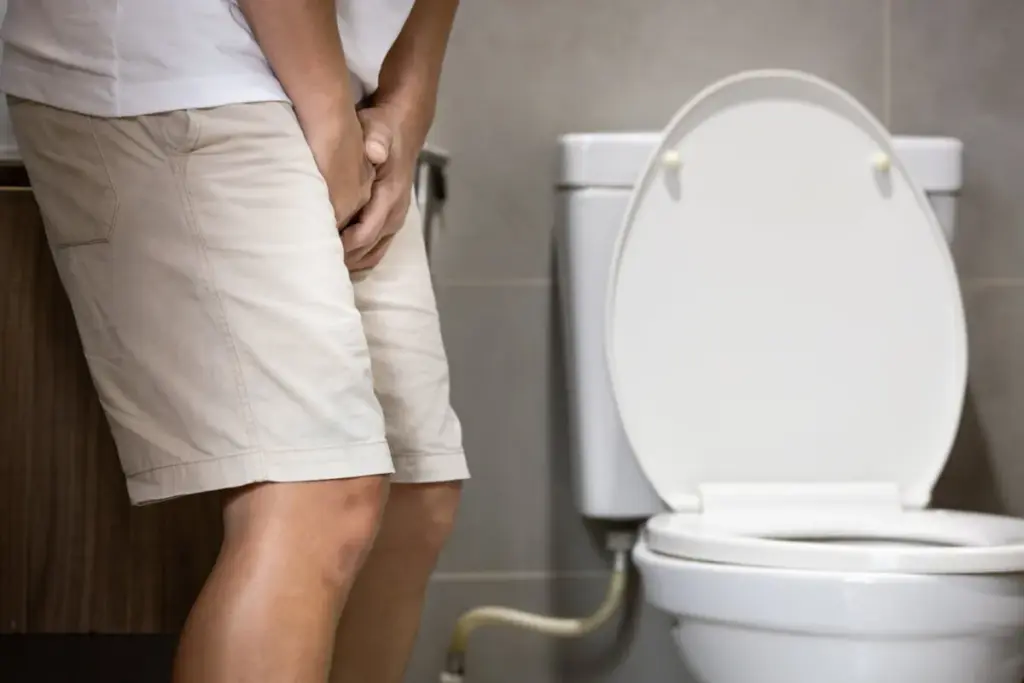
Urinary incontinence affects millions worldwide and is characterized by involuntary leakage of urine. This issue is common, hitting the elderly hard, and can really change one’s life. Frequent urination is often a symptom of illness. Learn amazing underlying causes and how to find a powerful cure for your bladder.
Dealing with incontinence is tough and upsetting. Many illnesses and conditions can lead to it. These include urinary tract infections, diabetes, and neurological disorders.
In this article, we’ll look at what causes urinary incontinence. We’ll also talk about treatments, like sacral neuromodulation for overactive bladder.
Key Takeaways
- Urinary incontinence is a common problem affecting people of all ages.
- It can be caused by many underlying illnesses and conditions.
- Sacral neuromodulation is a treatment for refractory overactive bladder.
- Knowing the causes is key to managing it well.
- There are many ways to help manage incontinence.
Understanding Frequent Urination

Needing to go to the bathroom more often than usual might mean there’s a health issue. This symptom can really mess up your day, making it hard to do everyday things.
Definition of Frequent Urination
Frequent urination means you need to pee more than usual. How often you pee can differ from person to person. But, if you pee more than 8 times in a day, it’s considered too much.
Many things can make you pee more, like urinary tract infections, diabetes, and an overactive bladder. Knowing why you pee a lot is key to fixing the problem.
How Frequent Urination Differs from Incontinence
Frequent urination and incontinence are two different issues. Incontinence is when you pee without meaning to. Frequent urination is just about peeing too often.
Here’s a simple way to see the difference:
|
Characteristics |
Frequent Urination |
Incontinence |
|---|---|---|
|
Definition |
Need to urinate more often than usual |
Involuntary leakage of urine |
|
Primary Issue |
Frequency of urination |
Loss of bladder control |
|
Common Causes |
UTIs, diabetes, overactive bladder |
Weak pelvic muscles, neurological disorders |
It’s important to know the difference to get the right help. If you’re dealing with either issue, see a doctor for the right treatment.
Common Causes of Frequent Urination
Many health problems can cause you to need to pee a lot. These include infections, metabolic disorders, and bladder issues. We’ll look at the main causes, their symptoms, how they affect you, and how to treat them.
Urinary Tract Infections
Urinary tract infections (UTIs) happen when bacteria get into your urinary tract. This can cause burning when you pee, needing to pee a lot, and stomach pain. UTIs are more common in women and can be treated with antibiotics.
Diabetes Mellitus
Diabetes mellitus means your blood sugar is too high. Your kidneys try to get rid of the extra sugar by making more urine. This leads to needing to pee a lot. Managing your diabetes through diet, exercise, and medicine can help with this symptom.
Overactive Bladder
Overactive bladder makes your bladder muscle contract too often. This causes a sudden need to pee, even when your bladder isn’t full. Treatment includes behavioral therapy, making lifestyle changes, and medicines to relax your bladder muscle.
There are different treatments for these issues. One therapy is sacral neuromodulation. It sends electrical impulses to your sacral nerves to help control your bladder.
|
Condition |
Primary Symptoms |
Treatment Options |
|---|---|---|
|
Urinary Tract Infections |
Burning during urination, frequent urination, abdominal pain |
Antibiotics |
|
Diabetes Mellitus |
Frequent urination, high blood sugar levels, thirst |
Lifestyle changes, medication |
|
Overactive Bladder |
Urgent need to urinate, frequent urination |
Behavioral therapy, lifestyle changes, medications |
Medical Conditions Linked to Incontinence
Some medical conditions can make you more likely to have incontinence. It’s important to know about these conditions to find the right treatment. We’ll look at how neurological disorders and pregnancy/childbirth can lead to incontinence.
Neurological Disorders
Neurological disorders can mess up the nerve signals between the brain and bladder. This can cause incontinence. Conditions like multiple sclerosis and Parkinson’s disease can affect the nervous system. They can make the bladder work abnormally, leading to urgency and frequency.
Managing incontinence with neurological disorders often needs a mix of treatments. This includes medicine, changing your lifestyle, and sometimes surgery. Sacral neuromodulation is a treatment that sends electrical impulses to the sacral nerves. It helps control the bladder.
Pregnancy and Childbirth
Pregnancy and childbirth can affect bladder control. The growing uterus can press on the bladder, causing more trips to the bathroom. Childbirth, and vaginal delivery in particular, can weaken the pelvic floor muscles. This can lead to incontinence.
Women with incontinence during pregnancy or after childbirth should talk to their doctor. There are many treatments available. These include physical therapy, lifestyle changes, and sometimes surgery.
Lifestyle Factors Affecting Urination
Our daily habits, like diet and how much we drink, really matter. They can change how often we need to go to the bathroom. Knowing how these habits work is key to feeling better and keeping our bladders healthy.
Impact of Diet and Hydration
What we eat and drink can really affect how often we pee. Some foods and drinks can make our bladders upset, making us go more often. For example, caffeinated drinks and spicy foods can bother some people’s bladders.
But drinking enough water is also important. Too little water can cause problems with peeing. It’s all about finding the right balance in how much we drink.
Role of Medication and Substances
Some medicines and substances can really change how often we pee. For instance, diuretics help lower blood pressure by making us pee more. Other medicines, like those for depression or nerve problems, can also affect our bladders.
Other things like alcohol and caffeine can also make us pee more. Knowing how these things affect us can help us make better choices to manage our symptoms.
Diagnosing Frequent Urination
We find out why someone urinates a lot by looking at their medical history and symptoms. We also do specific tests. This helps us figure out what’s causing it and how to treat it.
Medical History and Symptom Review
Looking at a patient’s medical history is key. We check their past health, medicines, and lifestyle. This helps us find out what might be causing the problem.
A detailed look at their symptoms is also important. We want to know when it started, how often it happens, and any other symptoms they have.
Key aspects of the medical history and symptom review include:
- Past medical conditions, such as diabetes or urinary tract infections
- Current medications and their impact on urination
- Lifestyle factors, like how much fluid they drink and their diet
- How long they’ve had symptoms and how often they happen
- Any pain or discomfort while they’re urinating
Diagnostic Tests and Procedures
To find the cause of frequent urination, we do different tests and procedures. These include:
Urinalysis: A lab test to check for infections, blood, or other issues in the urine.
Urodynamic testing: Tests to see how well the bladder and urethra work.
We might also use imaging like ultrasound or X-rays. These help us see the urinary tract and find any problems.
Treatment Options for Frequent Urination
Dealing with frequent urination starts with finding the cause and picking the right treatment. This condition can really disrupt your day. Luckily, there are many ways to manage the symptoms.
Lifestyle Changes and Home Remedies
Making some lifestyle changes can really help. Dietary modifications are often suggested. This means cutting down on caffeine, alcohol, and spicy foods, which can bother the bladder. Also, managing your fluid intake is key. Drinking less in the evening can help you sleep better.
Home remedies can also offer relief. Pelvic floor exercises, or Kegels, can strengthen the muscles that control urination. Keeping a healthy weight is also important. Extra weight can put more pressure on your bladder and muscles.
- Practice good bladder habits, such as going to the bathroom at regular intervals.
- Avoid smoking, as it can irritate the bladder and worsen symptoms.
- Consider keeping a bladder diary to track urination patterns and identify possible triggers.
Medications and Therapies
For some, medications are needed to manage frequent urination. These can include drugs that relax the bladder muscle or reduce spasms. In some cases, sacral neuromodulation therapy is suggested. This sends electrical impulses to the nerves controlling the bladder, helping with urination.
Other therapies might include physical therapy to strengthen pelvic muscles or behavioral therapy to manage symptoms and improve bladder control. We help patients find the best treatment plan. This might include a mix of these options.
- Consult with a healthcare provider to discuss the best treatment options.
- Follow the recommended treatment plan, making adjustments as needed.
- Keep follow-up appointments to monitor progress and address any concerns.
When to See a Doctor
It’s important to know when to see a doctor if you have frequent urination. If your symptoms keep getting worse, you should get medical help.
Warning Signs of Serious Conditions
Some symptoms with frequent urination can mean serious problems. These include:
- Blood in the urine: This could mean an infection, kidney stones, or something worse.
- Severe pain: Pain in your abdomen, back, or while you pee is a red flag.
- Difficulty starting or stopping urination: This might mean a blockage or other urinary issues.
Importance of Timely Diagnosis
Getting a diagnosis quickly is key to treating and preventing problems. We know it’s scary to see a doctor, but it’s worth it. Early treatment can make a big difference.
Don’t hesitate to talk to a healthcare professional if you’re worried about your symptoms. They can check you out and give advice that fits your needs.
Preventing Frequent Urination
We can cut down on frequent urination by changing our habits. It’s about managing how much we drink and using certain techniques. These steps can make a big difference in how we feel every day.
Tips for Managing Fluid Intake
It’s key to keep an eye on how much we drink to avoid needing to pee too much. Here are some tips:
- Watch and adjust how much you drink each day.
- Avoid caffeinated and carbonated drinks as they can bother the bladder.
- Drink fluids evenly throughout the day to not overload your bladder.
Behavioral Techniques to Reduce Symptoms
There are also ways to act that can help with frequent urination. These include:
- Bladder Training: Slowly increase the time between bathroom visits to help your bladder hold more.
- Pelvic Floor Exercises: Doing Kegels can strengthen the muscles around your bladder, helping you control it better.
- Establishing a Routine: Having a set schedule for when you go to the bathroom can help manage your needs.
Conclusion and Next Steps
It’s important to understand why you might be urinating too often or leaking urine. We’ve looked at many reasons, like health issues and lifestyle choices. Knowing these can help you feel better and live better.
Key Takeaways
Many things can cause you to need to pee a lot or leak urine. This includes infections, diabetes, and even pregnancy. Finding out what’s causing it is the first step to feeling better.
Seeking Professional Help
If you’re always needing to pee or leaking, see a doctor. They can help you find the right treatment. Working with a doctor is key to managing these issues and feeling better overall.
FAQ
What is urinary incontinence?
Urinary incontinence is when you can’t control your urine. It happens to people of all ages. But, it’s more common in older adults.
What is the difference between frequent urination and incontinence?
Frequent urination means you need to go more often. Incontinence is when you leak urine without meaning to. Knowing the difference helps doctors find the right treatment.
What are the common causes of frequent urination?
Frequent urination can be caused by infections, diabetes, and an overactive bladder.
Can neurological disorders cause incontinence?
Yes, conditions like multiple sclerosis and Parkinson’s disease can lead to incontinence.
How can lifestyle factors impact urination patterns?
Drinking caffeinated or spicy drinks can bother your bladder. Some medicines, like diuretics, also make you pee more.
What diagnostic tests are used to determine the underlying cause of frequent urination?
Doctors might use tests like urinalysis and urodynamic testing to find the cause.
What are the treatment options for frequent urination?
Treatment depends on the cause. Changing your diet and drinking habits can help. For serious cases, medicines or therapies like sacral neuromodulation might be needed.
When should I seek medical attention for frequent urination?
If you keep having trouble with urination, see a doctor. Signs like blood in your urine or severe pain need quick attention.
How can I prevent frequent urination?
To avoid frequent urination, manage your fluid intake and try behavioral techniques. Cutting down on caffeinated and spicy foods can also help.
What is excessive urination?
Excessive urination means you make a lot of urine. It can be a sign of health issues like diabetes.
What is urinary urgency?
Urinary urgency is a strong need to pee right away. It can be painful or uncomfortable.
What is incontinence meaning?
Incontinence is when you can’t control your bladder. This leads to leaking urine without wanting to.
References
https://my.clevelandclinic.org/health/symptoms/15533-frequent-urination