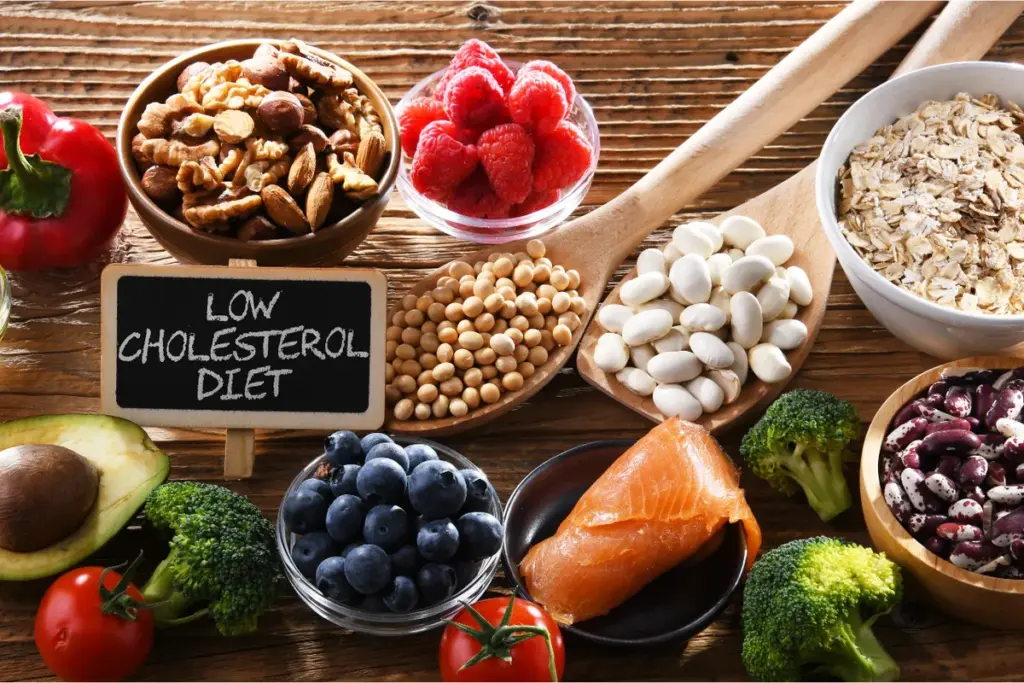
High cholesterol affects over 100 million adults in the United States. It increases the risk of heart disease and stroke. Eating the right foods can help manage cholesterol levels. Certain fruits have been shown to lower cholesterol.
Apples are great for lowering cholesterol. They are full of fiber, antioxidants, and polyphenols. Studies show that apples can improve heart health by reducing bad cholesterol.
Key Takeaways
- Eating certain fruits can help manage cholesterol levels.
- Apples are rich in fiber and antioxidants that support heart health.
- Incorporating apples into your diet may help lower bad cholesterol.
- A heart-healthy diet includes a variety of fruits and vegetables.
- Making dietary changes can significantly impact cholesterol management.
Understanding Cholesterol: The Good, The Bad, and The Ugly<
Knowing about cholesterol is key for a healthy heart and blood vessels. Cholesterol is a fat in our blood that helps with cell membranes and hormones.
There are two main types of cholesterol: LDL (Low-Density Lipoprotein) and HDL (High-Density Lipoprotein). It’s important to know the difference to manage cholesterol well.
What is LDL (Bad) Cholesterol?
LDL cholesterol is called “bad” because too much can clog arteries. This can raise the risk of heart disease and stroke. High LDL levels are a big risk for heart problems, so it’s vital to keep it in check.
What is HDL (Good) Cholesterol?
HDL cholesterol is called “good” because it helps clean out bad cholesterol. More HDL means a lower risk of heart disease, which is good.
What we eat affects our cholesterol levels. Eating fruits, veggies, and whole grains helps keep cholesterol healthy. Fruits like apples and berries are great for lowering cholesterol.
The Impact of High Cholesterol on Your Health
High cholesterol is a silent threat to your heart health. It often goes unnoticed until it’s too late. Ignoring high cholesterol can lead to severe health complications.
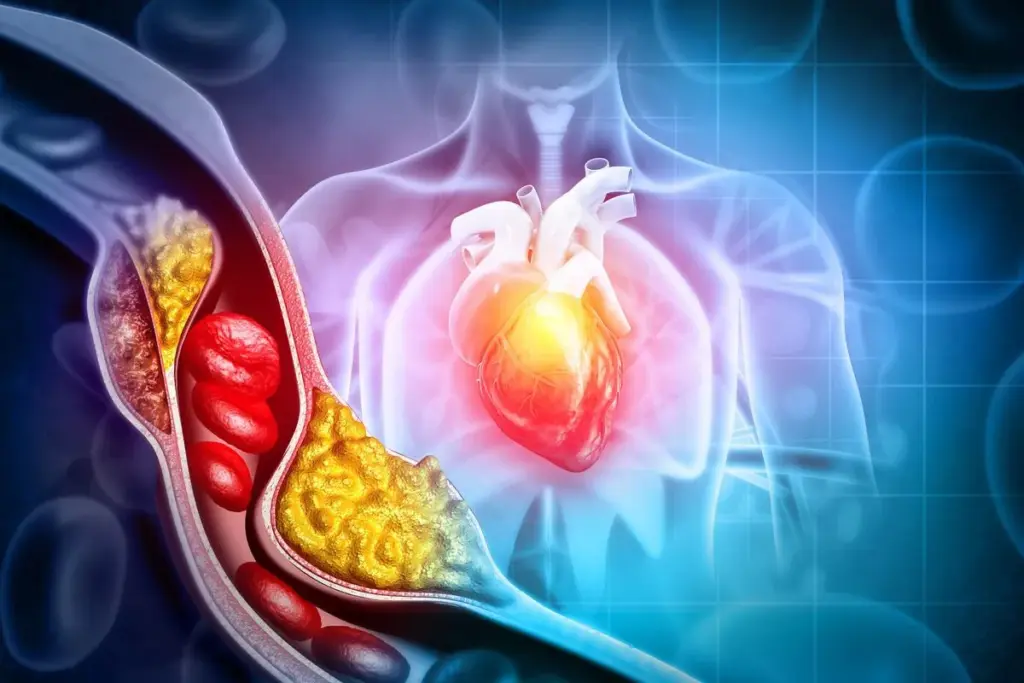
High cholesterol can harm your cardiovascular system. It can cause arteries to harden or narrow, known as atherosclerosis. This increases the risk of heart disease and stroke.
Heart Disease and Stroke Risk
High cholesterol is linked to heart disease. High levels of LDL (bad) cholesterol can block blood flow to the heart. This can cause heart attacks and other heart problems.
Stroke risk is also high with high cholesterol. It can block blood flow to the brain, leading to disability or death. Managing cholesterol levels is key to reducing this risk.
Other Health Complications
High cholesterol can cause more than just heart disease and stroke. It can lead to peripheral artery disease, where blood flow to limbs is reduced. It also increases the risk of kidney disease and can worsen diabetes.
It’s important to manage cholesterol levels. This can be done through diet, exercise, and medication if needed. Taking proactive steps can greatly reduce the risk of serious health problems.
How Diet Affects Cholesterol Levels
Diet is key in managing cholesterol levels. Some foods greatly affect our heart health. The link between diet and cholesterol is complex, with different nutrients affecting our cholesterol levels.
Dietary Cholesterol vs. Blood Cholesterol
It’s important to know the difference between dietary and blood cholesterol. Dietary cholesterol comes from food, while blood cholesterol is in our blood. Studies show that dietary cholesterol doesn’t greatly affect blood cholesterol for most people. But, saturated and trans fats can raise blood cholesterol levels a lot.
The effect of dietary cholesterol on blood cholesterol varies. Some people are more affected by it, known as “cholesterol responders.” For these people, eating a lot of dietary cholesterol can increase their blood cholesterol levels.
The Role of Fiber, Antioxidants, and Plant Compounds
Fiber, antioxidants, and plant compounds are key in managing cholesterol. Soluble fiber, found in oats, barley, and fruits, lowers LDL (bad) cholesterol. It does this by binding to bile acids and removing them, which reduces liver cholesterol production.
- Fiber: Soluble fiber is great for lowering LDL cholesterol.
- Antioxidants: Antioxidants like vitamins C and E prevent LDL cholesterol oxidation. This reduces artery plaque risk.
- Plant Compounds: Plant sterols and stanols, in fortified foods, lower LDL cholesterol by blocking its gut absorption.
Eating foods rich in these nutrients can improve cholesterol levels. A diet full of fruits, vegetables, whole grains, and lean proteins helps manage cholesterol. It also lowers heart disease risk.
Fruits to Lower Cholesterol: Nature’s Medicine Cabinet
Nature has given us many fruits that help lower bad cholesterol. These fruits are not only tasty but also full of vitamins, minerals, and antioxidants. They are key to keeping our hearts healthy. Adding different fruits to your meals can help manage cholesterol and lower heart disease risk.
Why Fruits Are Effective Cholesterol Fighters
Fruits are great at fighting bad cholesterol because of their nutrients. They are rich in fiber, antioxidants, and plant compounds. Fiber helps remove bile acids from the body, which lowers liver cholesterol production. Antioxidants prevent LDL cholesterol from harming our hearts.
Key Nutrients in Fruits That Combat Bad Cholesterol
Several nutrients in fruits help lower cholesterol. These include:
- Soluble Fiber: In fruits like apples, berries, and citrus, soluble fiber reduces cholesterol absorption.
- Antioxidants: Vitamins C and E, along with polyphenols and flavonoids, protect LDL cholesterol from oxidation.
- Plant Sterols: Some fruits have plant sterols, which compete with cholesterol for absorption, lowering levels.
- Potassium: Fruits like bananas, rich in potassium, help lower blood pressure and heart disease risk.
“The regular consumption of fruits as part of a balanced diet can play a critical role in maintaining healthy cholesterol levels.”
|
Fruit |
Soluble Fiber (g) |
Antioxidant Capacity |
Potassium (mg) |
|---|---|---|---|
|
Apples |
4.5 |
High |
154 |
|
Berries (per cup) |
4 |
Very High |
114 |
|
Oranges |
2.9 |
High |
236 |
|
Bananas |
3.1 |
Medium |
422 |
By knowing the nutritional benefits of different fruits, you can use their natural power to lower bad cholesterol. This improves heart health.
Apples: The Number One Fruit for Killing Bad Cholesterol
Studies show that eating apples can lower LDL cholesterol. This is thanks to their fiber and antioxidants. Apples have been loved for centuries, not just for taste but for health benefits too.
Research and Clinical Studies on Apples and Cholesterol
Many studies have looked at apples and cholesterol. Apples can lower LDL cholesterol. Another study said apples’ fiber helps remove bile acids, reducing liver cholesterol.
Apples’ benefits aren’t just from fiber. Their polyphenols and flavonoids also help. These compounds fight inflammation and boost heart health.
Pectin: The Cholesterol-Lowering Fiber in Apples
Pectin is a fiber in apples that lowers LDL cholesterol. It forms a gel that binds to cholesterol and bile acids. This helps remove them from the body.
- Pectin reduces dietary cholesterol absorption.
- It lowers LDL cholesterol by binding to bile acids.
- Pectin’s gel-like substance slows digestion, keeping you full longer.
To get the most health benefits from apples, eat them whole. Include the skin, as it’s full of pectin and other nutrients.
How Apples Lower Cholesterol: Mechanisms Explained
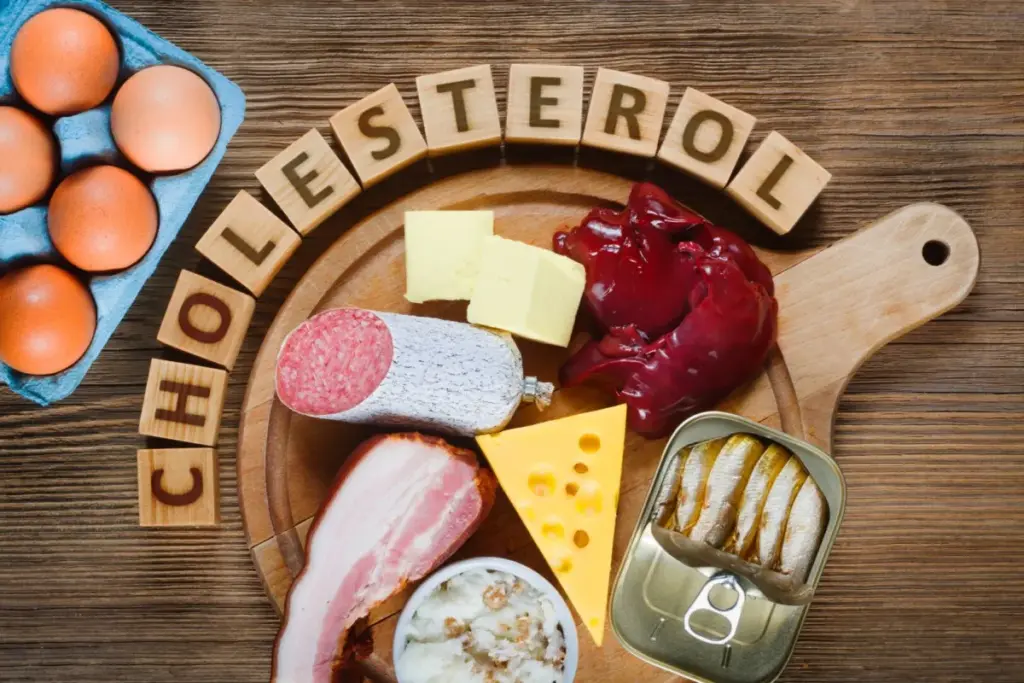
Apples have many ways to help lower cholesterol. They contain important parts that work together to keep your heart healthy. Knowing how apples help can make them a great part of a healthy diet.
Polyphenols and Their Antioxidant Effects
Apples are full of polyphenols, strong antioxidants. Polyphenols fight free radicals in our bodies. This reduces stress and inflammation, which can raise cholesterol levels.
- Quercetin, a flavonoid polyphenol, has anti-inflammatory effects.
- Catechin, another polyphenol, boosts apples’ antioxidant power.
- Chlorogenic acid, found in apple peels, is good for heart health.
These polyphenols work together. They boost the antioxidant effect. This helps protect LDL cholesterol from oxidation, which is key to preventing atherosclerosis.
Optimal Apple Consumption for Cholesterol Management
To get the most cholesterol-lowering benefits from apples, eat them in the right amounts. While there’s no single amount for everyone, starting with one apple a day is a good idea.
- Try different apple varieties to get more polyphenols.
- Eat apples with their peels for more fiber and antioxidants.
- Use apples in various ways, like snacking, salads, or smoothies.
By learning how apples lower cholesterol and adding them to your diet, you can help manage your cholesterol. This can improve your heart health.
Best Ways to Incorporate Apples Into Your Diet
Apples are tasty and good for your heart. Adding them to your meals and snacks can make your diet healthier. It’s also delicious.
Beyond Raw Apples: Cooking and Preparation Methods
Cooking apples can make them even better. Baking apples with cinnamon and honey is a tasty dessert. You can also add sliced apples to oatmeal or yogurt for extra fiber and antioxidants.
Apples can also be used in savory dishes. Adding them to salad recipes can make your salad healthier and more interesting.
Apple-Based Recipes for Heart Health
Creating apple-based recipes is fun and good for your heart. Here are some ideas:
- Apple and Berry Smoothie: Blend apples, berries, spinach, and almond milk for a healthy smoothie.
- Autumn Apple Salad: Mix greens, sliced apples, walnuts, and citrus vinaigrette for a tasty salad.
- Baked Apple Oatmeal: Mix diced apples, oatmeal, cinnamon, and nutmeg, then bake for a warm breakfast.
Using apples in different ways can make your diet healthier. It supports your heart health while tasting great.
Berries: Small Fruits with Powerful Cholesterol-Lowering Effects
Berries are not just tasty; they’re also full of nutrients that lower bad cholesterol. They are rich in antioxidants, fiber, and phytochemicals. These help lower cholesterol.
Strawberries, Blueberries, and Raspberries
Strawberries, blueberries, and raspberries are known for their health benefits. Strawberries are full of vitamin C and antioxidants. Blueberries have lots of anthocyanin. Raspberries are a good mix of fiber and antioxidants.
- Strawberries: High in vitamin C and antioxidants
- Blueberries: Rich in anthocyanins
- Raspberries: Good source of fiber and antioxidants
Anthocyanins: The Secret Weapon in Berries
Anthocyanins are antioxidants in berries that give them their colors. They are known for their health benefits, including lowering LDL (bad) cholesterol.
“The anthocyanin content in berries is a key factor in their cholesterol-lowering effects, making them a valuable addition to a heart-healthy diet.”
|
Berry Type |
Anthocyanin Content |
Cholesterol-Lowering Effect |
|---|---|---|
|
Blueberries |
High |
Significant |
|
Strawberries |
Moderate |
Moderate |
|
Raspberries |
Moderate |
Moderate |
Eating different types of berries can be tasty and help manage cholesterol. Berries are full of nutrients and help lower cholesterol. They’re great for a heart-healthy lifestyle.
Citrus Fruits: Vitamin C Champions Against Cholesterol
Citrus fruits are a great choice for fighting high cholesterol. They are not only tasty but also full of nutrients. These nutrients help lower cholesterol levels.
Oranges, Grapefruits, and Lemons
Oranges, grapefruits, and lemons are popular citrus fruits. Each has its own nutritional benefits. Oranges are rich in vitamin C, while grapefruits have naringenin, which improves insulin sensitivity and cholesterol.
Lemons, though used less, are also packed with vitamin C and flavonoids. This variety makes it easy to add these foods to your diet.
Flavonoids and Soluble Fiber in Citrus
Citrus fruits are good for cholesterol because of flavonoids and soluble fiber. Flavonoids, like hesperidin and naringenin, are antioxidants. They help lower bad cholesterol (LDL) and boost good cholesterol (HDL).
Soluble fiber in oranges and grapefruits forms a gel in the stomach. This gel binds to bile acids and removes them, reducing liver cholesterol production.
Key Components and Their Effects:
|
Nutrient |
Effect on Cholesterol |
|---|---|
|
Vitamin C |
Antioxidant properties, improving overall heart health |
|
Flavonoids (Hesperidin, Naringenin) |
Reduce LDL, improve HDL levels |
|
Soluble Fiber |
Binds to bile acids, reducing cholesterol production |
Eating a variety of citrus fruits can help lower cholesterol. This supports a heart-healthy lifestyle.
Avocados: Healthy Fats That Fight Bad Cholesterol
Avocados are more than just a trendy food. They are packed with nutrients that can lower bad cholesterol. Adding them to your diet can be a great step towards heart health.
Monounsaturated Fats in Avocados
Avocados are full of monounsaturated fats. These fats are good for your blood cholesterol levels. They help lower bad cholesterol and raise good cholesterol.
These fats also cut down on triglycerides, a harmful blood fat. Research supports the benefits of monounsaturated fats. It shows they can lower heart disease risk by improving cholesterol.
Are Avocados High in Cholesterol? Debunking Myths
Many think avocados are high in cholesterol. But, they are actually cholesterol-free. They have healthy fats that are good for your heart.
Some worry avocados will make you gain weight because of their fat. But, they are very filling. This can help you eat fewer calories overall.
|
Nutrient |
Value per 100g |
% Daily Value |
|---|---|---|
|
Monounsaturated Fats |
9.8g |
49% |
|
Polyunsaturated Fats |
1.8g |
9% |
|
Cholesterol |
0mg |
0% |
Eating avocados can be a tasty way to control cholesterol. They are full of monounsaturated fats and don’t have cholesterol. So, they are a smart choice for your heart.
Bananas and Cholesterol: What’s the Connection?
Bananas are often not talked about when it comes to lowering cholesterol. But they have two key nutrients that help your heart. These are potassium and resistant starch.
Potassium and Heart Health
Potassium in bananas is great for your heart. It helps lower blood pressure by balancing out sodium. This makes blood vessels relax.
Potassium can lower the risk of heart disease. This includes heart disease and stroke, which are linked to high cholesterol.
“Potassium is a key nutrient that can help lower blood pressure, and bananas are one of the richest sources of potassium.” –
Potassium does more than just lower blood pressure. It also helps your heart work better. Eating foods high in potassium can reduce cholesterol risks.
Resistant Starch in Bananas
Bananas also have resistant starch, a type of fiber. This fiber is not digested in the small intestine. It helps lower cholesterol by reducing how much cholesterol is absorbed.
It also affects how much cholesterol the liver makes. This is good for your heart health.
|
Nutrient |
Benefit |
Impact on Cholesterol |
|---|---|---|
|
Potassium |
Lowers blood pressure, supports heart health |
Reduces risk of heart disease associated with high cholesterol |
|
Resistant Starch |
Improves lipid profile |
Lowers absorption of dietary cholesterol, influences liver cholesterol production |
Eating bananas can help manage cholesterol levels. They are full of potassium and resistant starch. This makes them a natural and healthy choice for your heart.
Comparing Effectiveness: How Different Fruits Stack Up
There are many fruits that are good for your health. It’s important to know which ones help lower cholesterol. Studies have looked into how different fruits affect cholesterol levels.
Scientific Comparison of Cholesterol-Lowering Fruits
Some fruits are better than others at lowering bad cholesterol. Apples are known for this, thanks to their pectin. Pectin is a fiber that helps lower cholesterol in the liver.
Berries like strawberries, blueberries, and raspberries are also good. They have anthocyanins, which are antioxidants. These help improve heart health.
|
Fruit |
Key Nutrient |
Cholesterol-Lowering Effect |
|---|---|---|
|
Apples |
Pectin |
High |
|
Berries |
Anthocyanins |
Moderate to High |
|
Citrus Fruits |
Vitamin C, Flavonoids |
Moderate |
|
Avocados |
Monounsaturated Fats |
High |
Why Apples Take the Top Spot
Apples are at the top for lowering cholesterol. They have a lot of pectin and polyphenols. These nutrients work together to reduce bad cholesterol.
In summary, while many fruits can help lower cholesterol, apples are special. They have a unique mix of nutrients. Eating a variety of fruits can help your heart health a lot.
Creating a Cholesterol-Lowering Fruit Plan
Choosing the right fruits is key to lowering cholesterol. Mix different fruits in your diet for a plan that’s tasty and good for your heart.
Daily Fruit Recommendations
To lower cholesterol, eating the right amount of fruits is important. The American Heart Association suggests eating at least 4 servings of fruits and vegetables daily. For a fruit plan to lower cholesterol, aim for:
- 2-3 servings of fruits high in soluble fiber like apples, berries, and citrus fruits.
- 1-2 servings of fruits rich in antioxidants such as pomegranates and grapes.
Start your day with oatmeal, sliced apples, and berries. It’s a great way to get your daily fruit.
Seasonal Fruit Rotation Strategies
Eating fruits in season keeps them fresh and gives you a variety of nutrients. Here’s how to rotate fruits seasonally:
- Spring: Add strawberries, apricots, and citrus fruits to your diet.
- Summer: Enjoy berries, peaches, and melons.
- Autumn: Choose apples, pears, and quince.
- Winter: Opt for citrus fruits, kiwis, and pomegranates.
Rotating fruits seasonally keeps your diet diverse and supports your cholesterol goals all year.
Creating a fruit plan for cholesterol isn’t just about eating fruits. It’s about making smart choices for your heart health. By following these tips and adding a variety of fruits to your diet, you can help manage your cholesterol.
Combining Fruits with Other Cholesterol-Lowering Foods
Mixing fruits with heart-healthy foods boosts their benefits. A varied diet helps manage cholesterol and improves overall health.
Synergistic Food Combinations
Certain foods work better together to lower cholesterol. For example, apples and berries paired with whole grains and healthy fats improve heart health. The fiber in fruits and whole grains works well together. Healthy fats help absorb vitamins and antioxidants.
Some great combinations include:
- Apples with almond butter, providing a mix of fiber and healthy fats.
- Berries added to oatmeal, combining antioxidants with soluble fiber.
- Oranges consumed with nuts, blending vitamin C with healthy fats and fiber.
Sample Meal Plans Featuring Apples and Other Fruits
Meal plans with a variety of fruits and cholesterol-lowering foods are fun and healthy. Here’s a sample meal plan:
- Breakfast: Oatmeal with sliced apples, almond butter, and a sprinkle of cinnamon.
- Lunch: Grilled chicken salad with mixed greens, berries, walnuts, and a citrus vinaigrette dressing.
- Snack: Orange slices with a handful of almonds.
- Dinner: Baked salmon with roasted vegetables and a side of quinoa.
This meal plan includes fruits and other heart-healthy foods. It’s a great way to lower cholesterol.
Lifestyle Factors That Enhance Fruit’s Cholesterol-Lowering Effects
Changing your diet is just the start. Certain lifestyle choices can boost how well fruits help lower bad cholesterol. A well-rounded approach to health can make your fruit diet even more effective.
Exercise and Physical Activity
Regular exercise is key to making fruits work better for your heart. Physical activity boosts HDL (good) cholesterol and lowers LDL (bad) cholesterol. Try brisk walking, cycling, or swimming for 150 minutes a week.
Adding strength training to your routine can also improve heart health. Resistance exercises, like weight lifting, build muscle and increase metabolism. This helps manage cholesterol levels better.
Stress Management and Sleep
Managing stress is also important for fruit’s cholesterol benefits. Chronic stress can raise cortisol levels, harming cholesterol. Try meditation, yoga, or deep breathing to reduce stress.
Getting enough sleep is also critical for cholesterol health. Poor sleep can upset HDL and LDL cholesterol balance. Aim for 7-9 hours of sleep each night for better heart health.
By eating fruits, exercising, managing stress, and sleeping well, you can take a holistic approach to heart health. This combination can help you manage cholesterol levels effectively.
Conclusion: Embracing Fruits for Heart Health
Adding the right fruits to your diet can help keep your heart healthy and lower bad cholesterol. Apples are a great choice because they have a lot of pectin. Pectin helps fight LDL cholesterol.
Berries, citrus fruits, and avocados also have big benefits. They are full of antioxidants, flavonoids, and healthy fats. Eating these fruits with other foods that lower cholesterol can make your heart healthier.
Choosing a diet full of fruits is a simple way to stay well. As we wrap up, it’s clear that smart food choices can make your heart healthier. This can also lower your risk of heart disease.
FAQ
Do apples really lower cholesterol?
Yes, apples can help lower bad cholesterol. They are full of pectin and polyphenols. These are good for your heart.
What is the best fruit to eat for high cholesterol?
Apples are great for lowering cholesterol. Berries, oranges, grapefruits, and avocados are also good. Avocados have healthy fats.
How do fruits help lower cholesterol?
Fruits are full of fiber, antioxidants, and plant compounds. These help lower bad cholesterol. Soluble fiber binds to bile acids, reducing cholesterol in the liver.
Are avocados high in cholesterol?
No, avocados are not high in cholesterol. They have monounsaturated fats. These fats can lower bad cholesterol and improve heart health.
Can bananas help lower cholesterol?
Yes, bananas are good for lowering cholesterol. They have potassium and resistant starch. These can help lower blood pressure and cholesterol.
How many apples should I eat to lower cholesterol?
Eating one apple a day is a good start. But, remember to eat a balanced diet. Always talk to a healthcare professional for advice.
Can I lower cholesterol by just eating fruits?
Fruits are important for heart health. But, lowering cholesterol needs a whole diet plan. This includes exercise and managing stress too.
What other foods can I combine with fruits to lower cholesterol?
Mix fruits with nuts, whole grains, and lean proteins. This can make them more effective. Try different meal plans for ideas.
How does exercise impact cholesterol levels?
Exercise raises good cholesterol and lowers bad cholesterol. It’s good for your heart.
Can stress management help lower cholesterol?
Yes, managing stress can lower cholesterol. Techniques like meditation and yoga can help. They reduce stress in your body.



 Departments
 Related Videos
 Our Doctors
 News
News