Comprehensive health screenings excluding mammography contribute to the protection of overall well-being in women. The Liv Active Women’s Check-Up Package includes a detailed general examination; consultations with a dentist, ophthalmologist, cardiologist, general surgeon, and gynecologist; as well as laboratory tests, radiological, pathological, and cardiological evaluations, and a dietitian consultation.
We're Here to Help. Get in Touch.
Send us all your questions or requests, and our expert team will assist you.
Expert Examinations
Check-Up Examination: Physical evaluation of your general health status by the doctor and interpretation of all results.
Cardiology Examination: A detailed evaluation of your cardiovascular health by a cardiologist.
Obstetrics and Gynaecology Examination: Evaluation of your gynaecological health status and relevant screenings.
Ophthalmology Examination: Visual acuity, eye pressure and general eye health checked by a specialist.
Dental Examination: Evaluation of your oral and dental health and early detection of potential problems.
Body Analysis: Measurement of your basic body components such as body fat percentage, muscle mass and metabolic rate
Radiological Imaging and Bone Health
Bone Densitometry: Used to measure bone density and the risk of osteoporosis, especially after menopause.
Mammography (bilateral): A detailed breast screening using low-dose X-rays used for early detection of breast cancer.
Chest Radiography (PA, single-sided): Evaluation of respiratory system diseases by imaging the lungs and rib cage.
Panoramic Film (Teeth): Detailed imaging of all teeth, jaw structure and roots on a single film.
US, Breast (bilateral): Examination of breast tissue using sound waves (ultrasound), especially used as an adjunct to mammography.
US, Upper Abdomen (Abdominal Ultrasound): Examination of upper abdominal organs such as the liver, gallbladder, kidneys and pancreas.
US, Lower Abdomen (Pelvic Ultrasound): Examination of lower abdominal organs such as the bladder, uterus and ovaries.
US, Thyroid: Used to evaluate the structure, size and possible nodules of the thyroid gland.
Advanced Cardiology Examinations
Electrocardiogram (ECG): Measures the electrical activity and rhythm of the heart (at rest).
Cardiovascular Stress Test (Exercise): An ECG is taken during exercise (treadmill) to investigate how the heart works under load and whether there is coronary artery disease.
Transthoracic Echocardiography (ECHO): This is a heart ultrasound. It examines the structure, valves, and pumping function of the heart in detail.
Women's Health Screening
Cervical or Vaginal Cytology (Thin-Prep): It is a modern “Smear test” method used for the early diagnosis of cervical cancer and pre-cancerous lesions.
Laboratory Tests
Hematology and Inflammation
Complete Blood Count (Hemogram): Used to screen for anemia, infection conditions and various blood diseases.
C Reactive Protein (CRP): It is a sensitive marker that shows the status of infection and iniammation in the body.
Diabetes Panel
Blood Sugar (Glucose): Used for the diagnosis and monitoring of diabetes.
Hemoglobin A1c (HbA1c): Shows the average of your blood sugar level for the last 3 months and is important in diabetes risk and follow-up.
Insulin: The hormone that regulates blood sugar; used to evaluate insulin resistance.
Liver and Kidney Functions
Alanine Aminotransferase (ALT – SGPT): It is an enzyme that evaluates liver functions and possible liver damage.
Aspartate Aminotransferase (AST – SGOT): Helps identify damage to the liver, heart and other muscle tissues.
Alkaline Phosphatase (ALP): Provides information about the health of various tissues, especially the liver and bones.
Gamma Glutamyl Transferase (GGT): Used to evaluate liver and bile duct health.
Creatinine: Evaluates the kidneys’ ability to filter blood and overall kidney function.
CK (Creatine Kinase): It is an enzyme that specifically indicates muscle damage (including heart muscle) and some muscle diseases.
Lactic Dehydrogenase (LDH): A general damage marker enzyme found in many tissues in the body.
Uric Acid: Used to assess the risk of gout and kidney dysfunction.
30 Years of Excellence
Trusted Worldwide
With patients from across the globe, we bring over three decades of medical
Send us all your questions or requests, and our expert team will assist you.
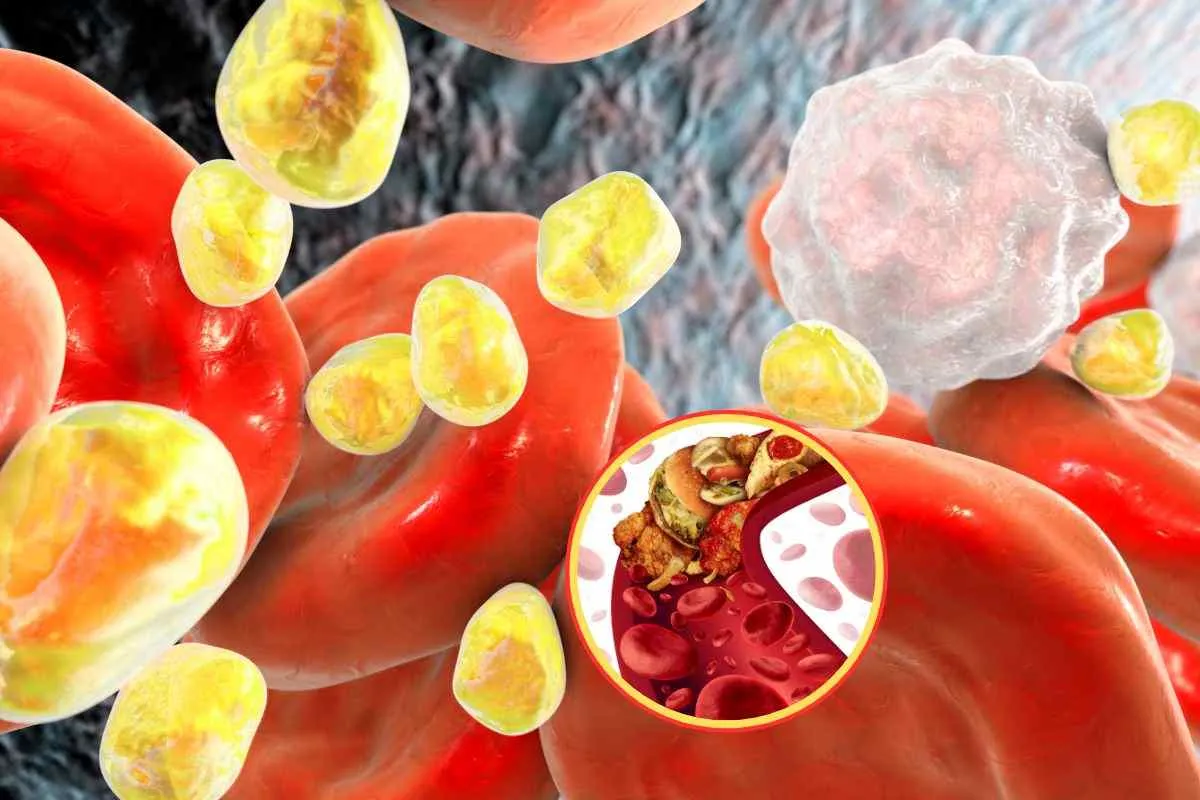
Blood Fats (Lipid Profile)
Cholesterol, Total: Measures the total cholesterol level in the blood.
Cholesterol, HDL: “Good cholesterol”; plays a protective role in
heart health.
Cholesterol, LDL: “Bad cholesterol”; high levels increase the risk of cardiovascular disease.
Triglycerides: Another type of fat that circulates in the blood and is associated with the risk of heart disease.
Hepatitis and Infectious Diseases
HBsAg: Detects active Hepatitis B infection or carrier status.
Anti-HBsAg: Indicates whether you are immune to hepatitis B (vaccine or past disease).
Hepatitis C (HCV) Antigen: Used to screen for hepatitis C virus infection.
Anti-HIV: Used to screen for HIV, the virus that causes AIDS.
Anemia, Vitamins and Minerals
Ferritin : Shows the status of the body’s iron stores and is important in the diagnosis of iron deficiency anemia.
Phosphorus, Inorganic: An important mineral for bone health, energy metabolism and kidney function.
Calcium: A critical mineral for bone and tooth health, muscle function and nerve conduction.
Calcidiol (25-Hydroxyvitamin D): Measures vitamin D levels in the body; important for bone health and immunity.
Vitamin B12 (Cobalamin): It is a critical vitamin for anemia and nervous system functions.
Hormones
Thyroid Stimulating Hormone (TSH): Used to evaluate the functions of the thyroid gland (goiter).
T4 (Thyroxine), Free: Measures the active (free) form of the primary hormone produced by the thyroid gland.
Other Tests (Urine and Stool)
Complete Urine Examination: Used in the evaluation of kidney diseases, urinary tract infections and some systemic diseases.
Fecal Occult Blood (Manual): It is used especially in the early diagnosis of occult bleeding in the stomach and intestines and digestive system cancers.
30 Years of Excellence
Trusted Worldwide
With patients from across the globe, we bring over three decades of medical
10 Proven Ways To How To Relieve Constipation After Gastric Bypass
Constipation is a common problem after bariatric surgery. It affects about 25 to 27 percent of patients six months after gastric bypass procedures. Even if
Myocarditis is an inflammatory heart muscle condition. It often comes from viral infections. This condition can make the heart work poorly, leading to serious problems
Fluid buildup around the heart is called pericardial effusion. It can lead to a serious condition called cardiac tamponade. This happens when the fluid presses