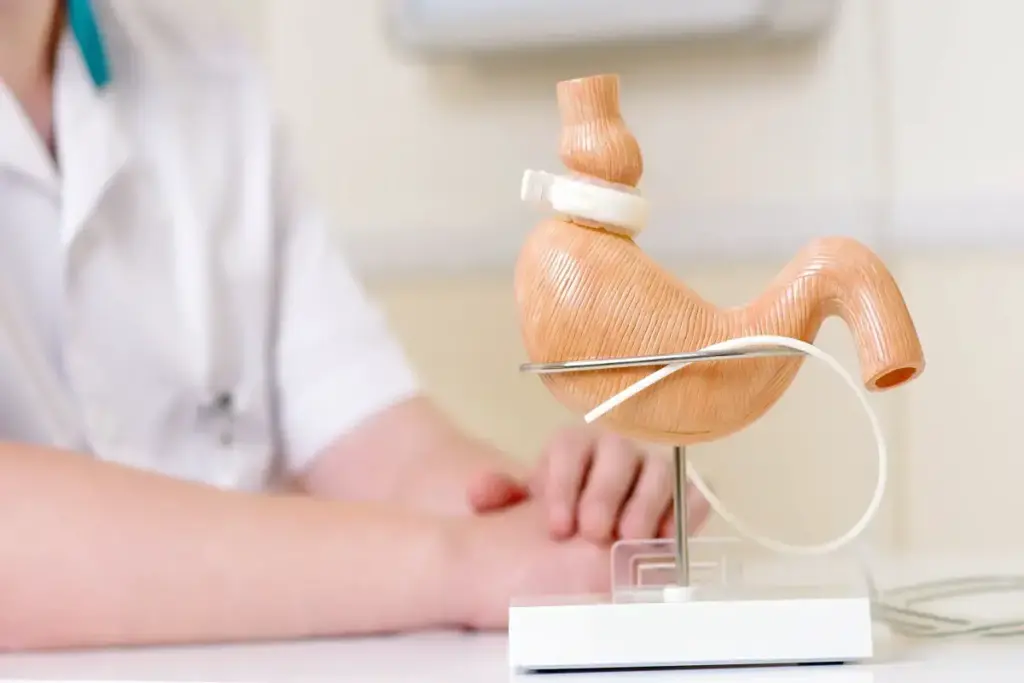
Gastric bypass surgery is a big change that affects your life deeply. It’s complex and requires big changes in how you live. Knowing the challenges is key for those thinking about it for weight loss.
In 2020, almost 252,000 people had weight loss surgery in the US. Gastric bypass is a top choice. It makes a small stomach pouch and changes the small intestine’s path. This needs skill and knowing the patient’s health well.
Key Takeaways
- Gastric bypass surgery is a complex procedure that requires significant lifestyle adjustments.
- The surgery involves creating a small stomach pouch and rerouting the small intestine.
- Recognizing the potential challenges of gastric bypass is essential for individuals contemplating this surgical option.
- Post-surgery lifestyle changes are essential for the procedure’s success.
- Nearly 252,000 people underwent weight loss surgery in the US in 2020.
Understanding Gastric Bypass Surgery
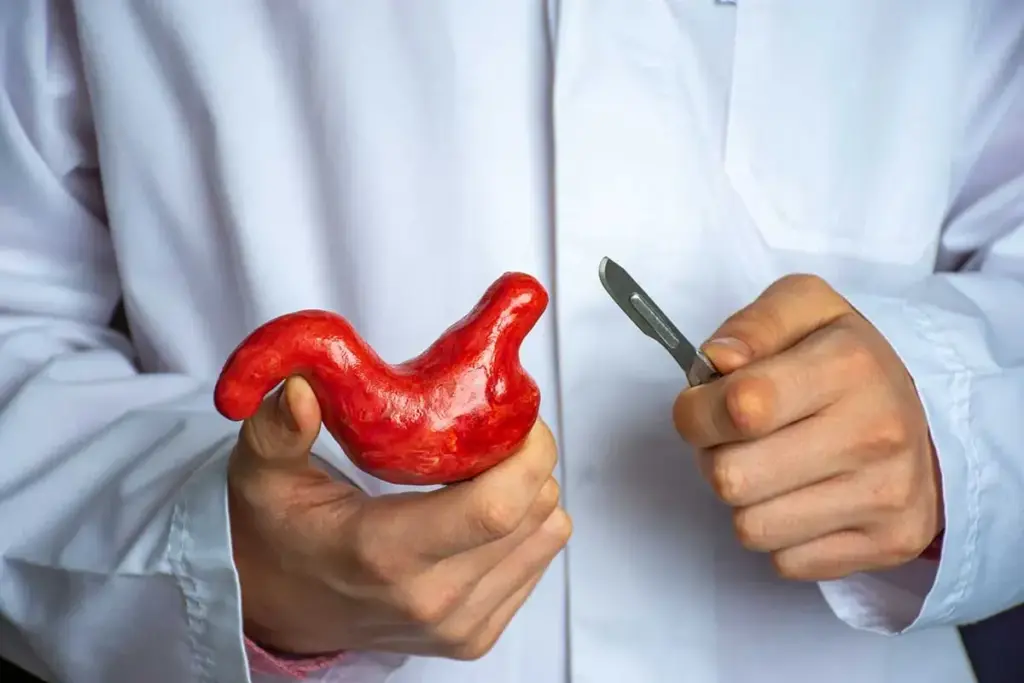
Learning about gastric bypass surgery is key for those thinking about it. This surgery is a major way to treat obesity. It has been used for many years.
What is Roux-en-Y Gastric Bypass?
The Roux-en-Y gastric bypass is a specific surgery. It makes a small stomach pouch and changes the small intestine’s path. This helps reduce how much food you can eat and changes how your body absorbs nutrients, leading to weight loss.
A top bariatric surgeon says, “The Roux-en-Y gastric bypass is the top choice for weight loss surgery. It works well and has lasting results.”
This surgery helps with weight loss and also improves health issues like diabetes and high blood pressure.
How the Procedure Changes Digestion
Gastric bypass surgery changes how we digest food. It makes a small stomach pouch to limit food intake. The intestine’s path change affects nutrient absorption, leading to less calorie and nutrient absorption.
|
Aspect |
Pre-Surgery |
Post-Surgery |
|---|---|---|
|
Stomach Size |
Normal size |
Reduced to a small pouch |
|
Nutrient Absorption |
Normal absorption |
Altered absorption due to intestinal rerouting |
|
Food Intake |
No restriction |
Restricted due to smaller stomach pouch |
Who Qualifies for This Bariatric Procedure
To qualify for gastric bypass surgery, you need a full check-up. This includes looking at your medical history, current health, and past weight loss efforts. You usually need a BMI of 40 or higher. Or, a BMI of 35 with health problems linked to obesity.
To get gastric bypass surgery, you must meet certain criteria. You also need to be ready for the lifestyle changes it brings. It’s a big decision that needs careful thought and talking to doctors.
The Mental Preparation Challenge
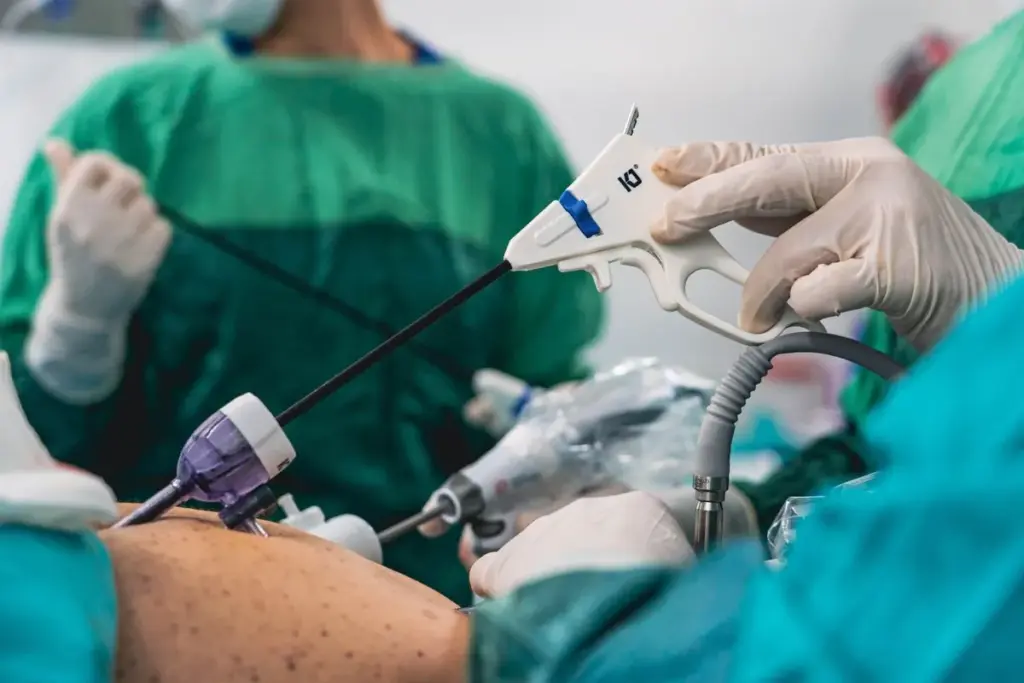
Getting ready for gastric bypass surgery is more than physical. It also needs mental preparation. Choosing to have this surgery is a big deal. Patients must be ready for the challenges it brings.
Coming to Terms with Surgical Intervention
One big mental hurdle is accepting the need for surgery. It’s a big choice that can make you feel many things. You might feel relieved or anxious. But, you must accept that surgery is key to losing weight.
Studies show that mental prep is key for gastric bypass surgery. It means knowing the surgery, its risks, and benefits. Also, understanding the lifestyle changes that come with it.
Setting Realistic Expectations for Weight Loss
It’s important to have realistic goals for weight loss. Remember, gastric bypass surgery is a tool, not a quick fix. Knowing the gastric bypass success rate and what affects it is key.
Also, post-op gastric bypass care is vital for keeping weight off. This includes eating right, exercising, and seeing your doctor regularly.
Preparing for Life Changes
Gastric bypass surgery means big changes in your life. You’ll have to follow new diet rules and change how you eat. It’s important to understand what you can and can’t eat after surgery.
Also, be ready for the emotional side of weight loss surgery. It can be tough, and having support is essential. This support can be from family, friends, or groups for people going through the same thing.
Pre-Surgery Challenges
Before a bariatric procedure like laparoscopic gastric bypass, patients face many challenges. These challenges help prepare patients for surgery and the lifestyle changes that follow.
Medical Evaluations and Clearances
Patients must go through detailed medical checks before surgery. This thorough check is key to spotting any health risks and making sure the patient is right for the surgery. Studies show that these checks help lower gastric bypass risks by finding issues that could make surgery or recovery harder.
These checks include tests and talks with many healthcare experts. We work hard with patients to get all the necessary clearances, making the process easier.
Insurance and Financial Hurdles
Dealing with insurance and money issues is a big challenge before surgery. The cost of a bariatric procedure is high, and figuring out insurance can be tough. We help patients understand their insurance and the money side of things.
It’s important for patients to know about possible extra costs and plan ahead. We offer advice on budgeting and help find ways to pay for the procedure.
Pre-Op Diet Difficulties
Following the pre-operative diet is another challenge. This diet helps shrink the liver and makes surgery easier. It’s tough, but it’s key for a good outcome.
We give dietary advice to explain why this diet is important. We also support patients to help them stick to it.
The Gastric Bypass Procedure Itself
When it comes to gastric bypass surgery, patients have two main options: laparoscopic and open surgery. It’s important to understand these choices to make a well-informed decision.
Laparoscopic vs. Open Surgical Approaches
Gastric bypass surgery can be done in two ways: laparoscopic or open surgery. Laparoscopic surgery uses small incisions for instruments and a camera. This method is chosen for its quicker recovery and less pain.
Open surgery requires a bigger incision for direct access. While it’s needed for some, it leads to a longer recovery.
|
Surgical Approach |
Laparoscopic |
Open Surgery |
|---|---|---|
|
Incision Size |
Several small incisions |
One larger incision |
|
Recovery Time |
Generally shorter |
Generally longer |
|
Post-operative Pain |
Less pain |
More pain |
What Happens in the Operating Room
In the operating room, the surgeon makes a small pouch at the stomach’s top. This pouch is then connected to the small intestine. This bypasses most of the stomach and small intestine. The aim is to reduce food intake and nutrient absorption, leading to weight loss.
“The gastric bypass procedure is a complex operation that requires a skilled surgeon and a well-coordinated care team to ensure the best possible outcomes.”
Anesthesia and Surgical Duration
Gastric bypass surgery is done under general anesthesia. This keeps the patient comfortable and pain-free. The surgery takes 2 to 4 hours, depending on the case’s complexity and the surgeon’s experience.
The choice between laparoscopic and open surgery depends on several factors. These include the patient’s health and specific anatomical considerations. Our surgical team will help decide the best approach for you.
Immediate Post-Operative Difficulties
The first days after gastric bypass surgery can be tough. Patients face many challenges as their body heals and adjusts.
Pain Management Challenges
Managing pain is key after gastric bypass surgery. Doctors give pain meds to help with discomfort. But, it’s important to avoid getting too dependent on these drugs.
Here are some ways to manage pain:
- Take the pain meds as directed
- Let your doctor know if the pain doesn’t go away
- Try other ways to feel better, like deep breathing
Nausea and Digestive Discomfort
Nausea and stomach upset are common right after surgery. These problems come from changes in how food moves through the body.
To feel better, try these tips:
- Eat small meals often to help digestion
- Stay away from foods that upset your stomach
- Drink lots of water to stay hydrated
Liquid Diet Adaptation
Switching to a liquid diet is part of getting better. It lets your stomach rest and heal.
Here’s how to adjust to a liquid diet:
- Choose drinks that are full of nutrients, like protein shakes
- Steer clear of sugary or caffeinated drinks
- Slowly move to thicker liquids as your stomach can handle it
Knowing how to deal with these early challenges can help patients get through their recovery after gastric bypass surgery.
The First Month After Surgery
The first month after gastric bypass surgery is a big change. Patients face new eating habits, physical limits, and emotional ups and downs. They must adjust to these changes quickly.
Dietary Progression Struggles
One big challenge is moving through the diet stages. Patients start with liquids, then pureed foods, and later solids. It’s hard to get used to new tastes and amounts.
“The key to successful dietary progression is patience and adherence to the recommended dietary guidelines,” says a leading bariatric surgeon.
Patients may feel sick, vomit, or be uncomfortable. It’s important to stick to a diet plan to avoid these problems and get the nutrients they need.
Physical Limitations and Recovery
Recovering physically is a big part of the first month. Patients feel tired, in pain, and can’t move much. It’s important to rest but also do some gentle exercises to heal.
They should listen to their body and not do too much. If they feel bad, they should see a doctor.
Emotional Responses to Rapid Changes
The emotional journey is just as tough as the physical one. Losing weight fast can make people feel many emotions. “Patients need to be prepared for the emotional rollercoaster that often accompanies significant weight loss,” notes a bariatric care specialist.
Having a support network helps. Friends, family, and groups can offer help and keep patients focused on their goals.
Understanding the first month’s challenges helps patients prepare. With the right mindset, support, and advice, they can overcome this tough time and achieve long-term success.
Nutritional Challenges of Gastric Bypass
After gastric bypass surgery, patients face many nutritional challenges. They need to make big changes in their lifestyle to get enough nutrients. This is key to staying healthy.
Protein Intake Requirements and Difficulties
Getting enough protein is a big concern after surgery. Doctors often tell patients to eat a lot of protein to avoid malnutrition. But, it’s hard because the stomach is smaller and digestion changes.
To solve this, patients should focus on eating protein-rich foods. They might also need supplements. Working with a dietitian or doctor is very important to create a good nutrition plan.
Vitamin and Mineral Deficiencies
The surgery can cause vitamin and mineral deficiencies. This is because the body absorbs nutrients differently. Common issues include vitamin B12, iron, calcium, and vitamin D. It’s important to watch for these and take supplements if needed.
|
Nutrient |
Common Deficiency Symptoms |
Prevention Strategies |
|---|---|---|
|
Vitamin B12 |
Fatigue, weakness, neurological changes |
Regular supplementation, vitamin B12 injections |
|
Iron |
Anemia, fatigue, shortness of breath |
Iron supplements, dietary adjustments |
|
Calcium |
Osteoporosis, bone pain |
Calcium supplements, vitamin D supplementation |
Hydration Struggles and Solutions
Hydration is very important after surgery. Patients need to drink a lot of water to avoid dehydration. This is harder because of the smaller stomach and digestion changes.
Keeping track of how much water you drink is helpful. Also, eating foods that help you stay hydrated is good. This way, you can meet your fluid needs.
Understanding and tackling these nutritional challenges helps patients manage post-op gastric bypass care better. This leads to a healthier life.
Dumping Syndrome and Physical Complications
It’s important for those thinking about or have had gastric bypass surgery to know about dumping syndrome. This condition happens when food moves too fast into the small intestine. It can cause a range of uncomfortable symptoms.
Understanding and Recognizing Dumping Syndrome
Dumping syndrome comes in two types: early and late. Early dumping happens within 15-30 minutes after eating. It can cause nausea, vomiting, stomach cramps, and diarrhea. Late dumping, which happens 1-3 hours after eating, can lead to low blood sugar because of too much insulin.
Spotting the signs of dumping syndrome is the first step to dealing with it. If you’re experiencing these symptoms, talk to your doctor. They can help you change your diet to lessen these effects.
Managing Food Intolerances
After gastric bypass surgery, you’ll need to change your diet a lot. It’s key to manage food intolerances well. Some foods can make dumping syndrome worse or cause other problems.
Keeping a food diary can help you figure out which foods are troublemakers. Foods high in sugar, dairy, and spicy or fatty foods are often the culprits. By avoiding these, you can lower your risk of dumping syndrome and other issues.
Dealing with Unexpected Side Effects
Gastric bypass surgery can cause side effects that might not be obvious right away. These can include nutritional deficiencies, changes in bowel habits, and sometimes, more serious problems.
To handle these side effects well, you need to work closely with your healthcare team. Regular check-ups and nutrition advice can help a lot. This way, you can get the best results from your surgery.
The Psychological Impact of Transformation
Getting gastric bypass surgery is more than just losing weight. It changes how you feel and think. Patients often face emotional and mental hurdles on their weight loss journey.
The weight loss surgery brings many changes. These can affect how you see yourself, your relationships, and your mental health. The gastric bypass success rate isn’t just about weight loss. It’s also about handling these mental changes well.
Body Image Changes and Excess Skin
Adjusting to your new body after surgery is tough. Losing weight fast can leave you with extra skin. This can make you feel uncomfortable and affect your self-esteem.
Patients go through many feelings after surgery. They might feel proud, excited, anxious, or self-conscious. Getting the right post-op gastric bypass care is key. It helps them deal with these feelings and adjust to their new look.
Identity Shifts After Major Weight Loss
Big weight loss changes who you are. Patients have to find a new sense of self. This can be both empowering and hard.
As they adjust, they might try new things, pick up old hobbies, or find new ways to handle emotions. A supportive environment is vital. It helps them see these changes in a positive light.
Relationship Dynamics and Social Adjustments
Weight loss surgery also affects how you relate to others. Your new look can change how people see and treat you. This can open up new social doors but also bring challenges.
Patients need to learn how to talk to their loved ones and fit into their new social circle. Having a strong support system is key. It helps them handle these changes and keep their relationships healthy.
In summary, the mental effects of gastric bypass surgery are complex. They involve changes in body image, identity, and social interactions. Understanding these challenges and providing the right care is essential. This way, patients can have a successful and fulfilling experience with their weight loss surgery.
Long-Term Lifestyle Adjustments
After gastric bypass surgery, it’s key to adopt a new lifestyle. This helps keep weight loss and health on track. The surgery is just the start; the real work is in living healthy for the long haul.
Permanent Dietary Restrictions
Patients must follow strict diets after surgery. They eat smaller meals often, avoid high-calorie foods, and make sure to get enough protein. These changes are permanent and help keep weight off and prevent problems.
Changing eating habits is tough, as one patient said. It’s not just about eating less, but eating the right foods. This mindset shift is key for lasting success.
- Eat smaller, more frequent meals
- Avoid high-calorie, high-fat foods
- Prioritize protein-rich foods
- Stay hydrated by drinking plenty of water
|
Dietary Aspect |
Pre-Surgery |
Post-Surgery |
|---|---|---|
|
Meal Frequency |
3 main meals |
5-6 small meals |
|
Food Choices |
Varied, including high-calorie foods |
Low-calorie, nutrient-dense foods |
|
Hydration |
Variable |
At least 64 oz of water daily |
Exercise Requirements and Physical Activity
Exercise is vital after gastric bypass surgery. Start with gentle exercises and increase intensity and duration over time. It helps with weight loss and boosts health and mood.
Recommended Physical Activities:
- Brisk walking
- Swimming
- Cycling
- Resistance training
As
“Exercise is a celebration of what your body can do, not a punishment for what you ate.”
This positive view of exercise can greatly help in recovery and weight loss.
Social Eating Challenges and Strategies
Social eating can be tough after surgery. Patients must learn to eat differently, like eating slowly and choosing the right foods. They also need to manage portion sizes in social settings.
Strategies for Social Eating:
- Plan ahead by knowing the menu or eating before attending social gatherings
- Eat slowly and mindfully
- Choose foods that align with post-surgery dietary guidelines
- Communicate dietary needs with friends and family
By using these strategies, patients can handle social eating challenges. This helps them stay healthy and reach their weight loss goals.
Dealing with Weight Loss Plateaus
Many people hit a weight loss plateau after gastric bypass surgery. This is when weight loss slows down or stops, even if you’re following the diet and exercise plan. It can be tough and frustrating, but it’s a common part of the journey.
Why Plateaus Happen After Gastric Bypass
Several reasons can cause weight loss plateaus after gastric bypass. Your body might adapt to the new digestive system, slowing down weight loss. Changes in metabolism and hormone levels can also play a role. Not following the diet or not being active enough are other possible reasons.
It’s important to understand these factors. A plateau doesn’t mean the surgery failed. It just means you might need to make some changes.
Strategies to Overcome Weight Loss Stalls
To beat a weight loss plateau, try a few things. First, look at your diet and make changes. You might need more protein, fewer carbs, or eat more often. Adding more exercise or changing your workout routine can also help.
Keeping a food diary can help you see what you’re eating and when. Sometimes, just changing your routine can get you moving again.
|
Strategy |
Description |
Potential Benefit |
|---|---|---|
|
Dietary Adjustments |
Increasing protein, reducing carbs |
Enhanced weight loss |
|
Physical Activity |
Changing exercise type or intensity |
Improved metabolism |
|
Food Diary |
Tracking eating habits |
Better understanding of consumption patterns |
When to Consult Your Bariatric Team
If you’re stuck in a plateau, talk to your bariatric team. They can help adjust your diet, offer support, and check for health issues. Regular check-ups are key to success after gastric bypass.
Working with your team and making lifestyle changes can help you get past the plateau. You’ll be on your way to reaching your weight loss goals.
Potential Risks of Gastric Bypass
It’s important for those thinking about gastric bypass surgery to know the risks. This surgery, like Roux-en-Y gastric bypass, can help with weight loss. But, it also comes with risks and complications.
Short-Term Surgical Complications
Right after surgery, some problems can happen. These include:
- Infection at the surgical site or internally
- Bleeding or hemorrhage
- Adverse reactions to anesthesia
- Blood clots or deep vein thrombosis
Monitoring and immediate post-operative care are key to avoiding these issues. Doctors watch patients closely for any signs of trouble during their stay.
Long-Term Health Concerns
Even though gastric bypass can help with weight loss, it also has long-term risks. These include:
- Nutritional deficiencies due to altered digestion
- Osteoporosis or bone loss
- Gastrointestinal complications such as bowel obstruction
- Potential for weight regain if dietary and lifestyle changes are not maintained
Seeing a doctor regularly is important to manage these risks. It helps keep the patient healthy and well.
Warning Signs That Require Medical Attention
Patients need to know the warning signs that need immediate medical help. These include:
- Severe abdominal pain
- Vomiting blood or experiencing severe nausea
- Fever or chills
- Difficulty swallowing or severe heartburn
Knowing these signs and when to get help can greatly affect the surgery’s outcome. It also impacts the patient’s recovery.
Success Factors in Bariatric Surgery Recovery
The journey to recovery after bariatric surgery is complex. It involves the surgery itself, careful planning, support, and following post-op guidelines. Understanding these elements is key to a successful recovery.
Building Effective Support Systems
Having a strong support system is vital. This includes family, friends, and support groups. They offer emotional support and practical help. Studies show that those with strong support systems do better in weight loss and overall health.
“Having a support system in place can make a significant difference in a patient’s ability to cope with the challenges of bariatric surgery recovery.”
A good support system helps in many ways. They provide emotional support, help with daily tasks, and encourage following post-op guidelines.
- Emotional support during tough times
- Practical help with meals and daily tasks
- Encouragement to follow post-op guidelines
Medical Follow-Up Compliance
Following up with your healthcare provider is essential. It helps monitor progress and catch any problems early. Regular visits are important for:
|
Follow-Up Aspect |
Importance |
Frequency |
|---|---|---|
|
Nutritional Counseling |
Ensures proper nutrient intake |
Monthly for the first 6 months |
|
Weight Monitoring |
Tracks weight loss progress |
Every 3 months for the first year |
|
Complication Management |
Identifies and addresses possible issues |
As needed, based on patient condition |
Mindset and Determination for Long-Term Success
A positive mindset and determination are essential. Patients must be ready for big lifestyle changes. One patient said, “The mental preparation was just as important as the physical preparation for my surgery.”
Key strategies for a positive mindset include:
- Setting realistic goals and celebrating small wins
- Staying connected with support groups for motivation
- Focusing on the benefits of weight loss, like better health and mobility
Combining strong support, medical follow-up, and determination can greatly improve recovery chances. It’s a journey that requires commitment, but the health and well-being rewards are worth it.
Conclusion: Balancing Challenges and Rewards
Gastric bypass surgery is a big step for those fighting obesity. It’s a journey filled with challenges, from getting ready for surgery to adjusting to life after. We’ve looked at the ups and downs of this weight loss surgery.
The surgery itself can seem scary, but knowing what to expect is key. Patients need to understand the surgery’s details and possible risks. This knowledge helps them prepare for the changes they’ll face.
But the benefits of gastric bypass surgery are real. It can lead to big weight loss and better health. With the right support and care, patients can overcome the hurdles. Success comes from being well-prepared, following post-surgery advice, and making lasting lifestyle changes.
FAQ
What is gastric bypass surgery and how does it work?
Gastric bypass surgery, also known as Roux-en-Y gastric bypass, is a weight loss surgery. It creates a small stomach pouch. The small intestine is then re-routed to help lose weight by reducing food intake and nutrient absorption.
What are the benefits of gastric bypass surgery?
Gastric bypass surgery offers many benefits. It leads to significant weight loss. It also improves health conditions like diabetes and hypertension. Plus, it enhances overall quality of life.
What are the risks associated with gastric bypass surgery?
There are risks with gastric bypass surgery. These include surgical complications and nutritional deficiencies. Dumping syndrome and long-term health issues like bowel obstruction or vitamin deficiencies are also possible.
How do I prepare mentally for gastric bypass surgery?
Preparing mentally for gastric bypass surgery is key. It involves setting realistic expectations and understanding lifestyle changes. You also need to prepare for emotional challenges during recovery.
What are the pre-surgery challenges that I may face?
Before surgery, you may face several challenges. These include medical evaluations and dealing with insurance and financial issues. You’ll also need to follow a pre-operative diet.
What happens during the gastric bypass procedure?
During the procedure, a small stomach pouch is created. The small intestine is then re-routed. The surgery is usually done laparoscopically, using small incisions and a camera.
How do I manage pain after gastric bypass surgery?
Managing pain after surgery involves medication and rest. We help patients create a personalized pain management plan. This ensures a comfortable recovery.
What are the nutritional challenges after gastric bypass surgery?
After surgery, nutritional challenges include ensuring enough protein intake. You also need to manage vitamin and mineral deficiencies and stay hydrated.
What is dumping syndrome and how is it managed?
Dumping syndrome happens when food, like sugar, enters the small intestine too fast. It can be managed by avoiding trigger foods and eating smaller meals. Adjusting your diet helps too.
How do I deal with body image changes after gastric bypass surgery?
Body image changes can be significant after surgery. We encourage patients to focus on their health and well-being. Seeking support from mental health professionals is also recommended.
What are the long-term lifestyle adjustments required after gastric bypass surgery?
Long-term adjustments include following a healthy diet and exercising regularly. Attending follow-up appointments with the bariatric team is also important.
How do I overcome a weight loss plateau after gastric bypass surgery?
To overcome a weight loss plateau, work with your bariatric team. Adjust your diet and exercise habits. Identify any issues that may be causing the plateau.
What are the factors that contribute to successful recovery from gastric bypass surgery?
Successful recovery depends on several factors. A strong support system and following post-operative instructions are key. Commitment to long-term lifestyle changes is also important.
What kind of support can I expect after gastric bypass surgery?
We offer extensive support after surgery. This includes dietary guidance, medical follow-up, and emotional support. We help navigate the challenges of recovery.