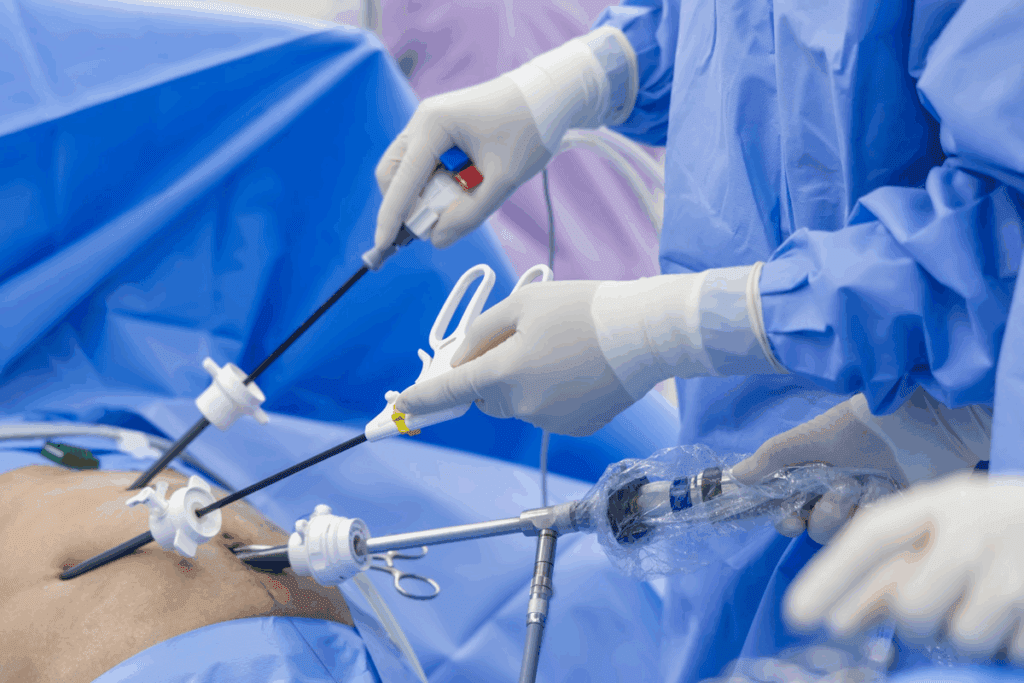
Gastric dumping after gallbladder removal, also known as postcholecystectomy syndrome (PCS), is a common issue for many after gallbladder surgery. It can be a worrying and upsetting problem, affecting daily life.
The Medical organization says dumping syndrome happens when food moves too fast from the stomach to the small intestine. This can lead to symptoms like stomach pain, bloating, and diarrhea. At Liv, we aim to offer detailed advice to help manage these symptoms and enhance your life quality.
Key Takeaways
- Understand the causes and symptoms of gastric dumping syndrome
- Learn effective management strategies for postcholecystectomy syndrome
- Discover how to alleviate digestive problems after cholecystectomy
- Improve your quality of life with our guidance
- Explore the latest approaches to managing gastric dumping syndrome
Understanding Gastric Dumping After Gallbladder Removal
It’s important to know how the body changes after the gallbladder is removed. This change can lead to problems like gastric dumping syndrome. The digestive process is affected, causing various issues.
What Happens When Your Gallbladder is Removed
After the gallbladder is taken out, the liver keeps making bile. But, the way bile is stored and released changes. Normally, bile breaks down fats in the small intestine. Without a gallbladder, bile goes straight to the small intestine, causing digestive problems.
The constant flow of bile into the small intestine can upset digestion. This imbalance leads to symptoms of gastric dumping syndrome. This happens because the gallbladder’s role in bile flow is lost.
The Role of Bile in Digestion
Bile is key for digesting fats and vitamins. It breaks down fats into smaller pieces for easier digestion. Without a gallbladder, this process is disrupted, leading to malabsorption and other digestive issues.
| Digestive Process | Normal Function | Function After Gallbladder Removal |
|---|---|---|
| Bile Storage | Bile is stored in the gallbladder. | Bile flows directly into the small intestine. |
| Bile Release | Bile is released into the small intestine during digestion. | Bile continuously trickles into the small intestine. |
| Fat Digestion | Fats are emulsified by bile during digestion. | Potential for impaired fat digestion due to continuous bile flow. |
Prevalence and Risk Factors
Gastric dumping syndrome is a known issue after gallbladder removal. But, how common it is varies. Some people are more at risk, like those with digestive problems or big diet changes after surgery.
Knowing the risks and how digestion changes after surgery can help manage gastric dumping syndrome. This knowledge can help lessen symptoms.
Common Symptoms of Post-Cholecystectomy Dumping Syndrome
Post-cholecystectomy dumping syndrome happens after the gallbladder is removed. It causes various stomach problems. Knowing the symptoms is key to managing them.
Early Dumping Symptoms (30-60 Minutes After Eating)
Early dumping symptoms start 30-60 minutes after eating, mainly after sugary meals. They include:
- Nausea and vomiting
- Abdominal cramping and pain
- Diarrhea
- Weakness and fatigue
- Bloating and gas
These symptoms can make daily life hard. Spotting them early is important for managing the condition.
Late Dumping Symptoms (1-3 Hours After Eating)
Late dumping symptoms happen 1-3 hours after eating. They are linked to low blood sugar. Symptoms include:
- Sweating and tremors
- Dizziness and lightheadedness
- Confusion and difficulty concentrating
- Hunger
- Rapid heartbeat
Knowing when and what these symptoms are can help diagnose and treat dumping syndrome.
Differentiating from Other Digestive Disorders
Dumping syndrome symptoms can look like other stomach problems. This makes it hard to diagnose. A detailed medical check is needed to tell it apart from other issues like IBS, gastroparesis, or bile acid malabsorption.
| Symptom | Dumping Syndrome | Other Digestive Disorders |
|---|---|---|
| Nausea and Vomiting | Common, after eating | Can happen in many conditions, not just after eating |
| Abdominal Pain | Usually cramping, tied to meals | Can be ongoing or change with different conditions |
| Diarrhea | Often, after sugary foods | Can be a sign of IBS or bile acid issues |
Getting a correct diagnosis is vital for proper treatment. If you’re having ongoing or severe symptoms after gallbladder removal, see your doctor for a full check-up.
The Science Behind Digestive Changes After Cholecystectomy
Removing the gallbladder changes how we digest food. It’s important to know these changes to handle symptoms like gastric dumping syndrome after cholecystectomy.
Altered Bile Metabolism and Flow
After the gallbladder is removed, how we store and release bile changes. The gallbladder usually holds bile from the liver and releases it into the small intestine for fat digestion. Without it, bile goes straight from the liver to the small intestine. This can upset the balance of bile acids and affect digestion.
Bile Acid Malabsorption
Many people face bile acid malabsorption after their gallbladder is removed. Studies show up to 70% of patients deal with this issue. It causes symptoms like diarrhea and stomach pain because the body can’t absorb bile properly.
Verywell Health notes that bile acid malabsorption leads to various gut problems. It’s vital to diagnose and manage it properly.
| Symptoms | Causes | Management Strategies |
|---|---|---|
| Diarrhea | Bile acid malabsorption | Bile acid sequestrants |
| Abdominal pain | Altered bile flow | Dietary adjustments |
| Nausea and vomiting | Accelerated gastric emptying | Medications to slow gastric emptying |
Accelerated Gastric Emptying
After cholecystectomy, food moves from the stomach to the small intestine faster. This is because the digestive process is sped up without a gallbladder. Symptoms include nausea, vomiting, and stomach cramps.
The way bile is metabolized affects how fast food leaves the stomach. Knowing this helps manage symptoms better.
Getting a Proper Diagnosis
If you’re dealing with digestive problems after your gallbladder surgery, getting a correct diagnosis is key. Gastric dumping syndrome can be hard to spot because its symptoms are similar to other health issues. So, a detailed check-up is very important.
Medical Tests and Procedures
To find out if you have gastric dumping syndrome, doctors might use several tests. These include:
- Gastric emptying studies to see how fast food leaves your stomach.
- Upper endoscopy to look at your upper digestive system for any problems.
- Blood tests to check for signs of not absorbing nutrients well or other related issues.
Working with Your Healthcare Provider
It’s important to work closely with your doctor to figure out if you have gastric dumping syndrome. Be ready to talk about your symptoms in detail. This includes when they happen and what might make them better or worse. As one doctor says,
“A thorough patient history is often the most valuable diagnostic tool.”
Keeping a Symptom Journal
Keeping a symptom journal can really help your doctor diagnose you. By writing down your symptoms, how bad they are, and when they happen, you can help your doctor find patterns. This helps them create a treatment plan just for you.
Getting a correct diagnosis is the first step to managing stomach cramps and other digestive problems after gallbladder surgery. By doing the right medical tests, working with your doctor, and keeping a symptom journal, you can start feeling better. This will improve your life a lot.
Dietary Strategies to Minimize Dumping Symptoms
Changing your diet is key to lessening dumping symptoms without a gallbladder. Knowing which foods to skip and which to eat can make a big difference. It helps in planning meals that are easier on your stomach.
Foods to Avoid
Some foods can make dumping symptoms worse. It’s best to limit or avoid:
- High-sugar foods: Foods high in sugar can cause your stomach to empty too fast, making symptoms worse.
- High-fat foods: These can be hard to digest and might trigger or worsen dumping syndrome.
- Dairy products (for some individuals): If you’re lactose intolerant or sensitive, dairy can make digestion harder after gallbladder removal.
- Caffeine and carbonated beverages: They can make your stomach empty faster and irritate it.
Foods That May Help
Some foods can help ease dumping syndrome symptoms:
- High-fiber foods: Foods like fruits, veggies, and whole grains can slow down how fast your stomach empties.
- Lean proteins: Proteins from chicken, fish, and tofu are easier to digest and can keep blood sugar stable.
- Ginger and peppermint: They can calm your digestive system and lessen nausea.
Meal Planning Techniques
Planning your meals well is important for managing dumping syndrome. Here are some tips:
- Eat smaller, more frequent meals: Smaller meals can ease the load on your digestive system.
- Choose complex carbohydrates: Foods like whole grains, fruits, and veggies are digested slowly.
- Drink fluids between meals: Drinking liquids with meals can cause your stomach to empty too fast.
- Lie down after eating: This can help slow down how fast your stomach empties.
By using these dietary strategies, you can manage dumping syndrome symptoms better. This can improve your life after gallbladder removal.
Helpful Supplements and Medications
Stomach problems after gallbladder removal can be tough. But, many supplements and medications can help. Managing gastric dumping syndrome often needs a mix of approaches. Certain supplements can help ease symptoms.
Bile Acid Sequestrants
Bile acid sequestrants help with diarrhea from too much bile in the colon. These drugs bind to bile acids, stopping them from irritating more. Cholestyramine and colestipol are common ones. They cut down bile acids in the colon, lessening diarrhea.
Digestive Enzymes
Digestive enzymes help break down food, easing gastric dumping syndrome symptoms. They break down proteins, carbs, and fats, helping the body absorb nutrients better. Pancreatic enzyme supplements are often suggested for those with digestive issues after gallbladder removal.
Probiotics for Gut Health
Probiotics are good bacteria and yeasts for gut health. They help balance the gut microbiome, which may be off after gallbladder removal. They can ease bloating, gas, and diarrhea. Adding probiotic-rich foods or supplements to your diet can help manage gastric dumping syndrome.
Fiber Supplements
Fiber supplements help with bowel movements and reduce gastric dumping syndrome symptoms. Soluble fiber slows down stomach emptying and improves nutrient absorption. Psyllium husk and methylcellulose are good examples. Start fiber supplements slowly to let your gut adjust.
Many supplements and medications can ease symptoms of gastric dumping syndrome after gallbladder removal. Always talk to a healthcare provider before starting new supplements or medications. This ensures they’re safe and right for you.
Lifestyle Modifications for Symptom Relief
Making certain lifestyle changes can really help with symptoms after gallbladder removal. These changes can make you feel better and help you recover faster.
Physical Activity Recommendations
Staying active is key for good digestion and managing dumping syndrome symptoms. Moderate exercises like walking, cycling, or swimming can help. They make digestion better and lessen symptoms.
- Do at least 30 minutes of moderate exercise most days.
- Avoid hard activities right after eating.
- Try gentle exercises like yoga or tai chi for flexibility and stress relief.
Stress Management Techniques
Stress can make dumping syndrome symptoms worse. Using good stress management can help ease these symptoms.
- Do deep breathing or meditation every day.
- Find relaxing activities like reading or listening to music.
- Think about cognitive-behavioral therapy (CBT) for stress and anxiety.
Sleep Hygiene and Recovery
Good sleep is important for health and recovery from dumping syndrome. A regular sleep schedule and a cozy sleep space can improve sleep.
- Stick to a regular sleep time, every day.
- Make your bedroom dark, quiet, and cool for sleep.
- Stay away from caffeine and screens before bed.
By making these lifestyle changes, you can manage your symptoms better. This can improve your life quality.
| Lifestyle Modification | Benefit |
|---|---|
| Regular Physical Activity | Improves digestion and reduces symptoms |
| Stress Management Techniques | Reduces stress and anxiety |
| Good Sleep Hygiene | Enhances recovery and overall health |
When to Seek Medical Help
It’s important to know when to get medical help after gallbladder surgery. Gastric dumping syndrome can cause serious problems if not treated right. Knowing the symptoms that mean you need to see a doctor is key.
Warning Signs of Complications
Some symptoms after gallbladder removal might mean you have complications. These include:
- Severe abdominal pain that doesn’t subside
- Persistent vomiting or vomiting blood
- Signs of dehydration, such as excessive thirst, dark urine, or dizziness
- Fever above 101.5°F (38.6°C)
- Abdominal tenderness or swelling
The Medical organization says if you have these severe symptoms, you need to see a doctor right away. If you’re feeling any of these, don’t wait to get help.
“If you experience severe abdominal pain, vomiting blood, or signs of dehydration, seek immediate medical attention.” – Medical organization
Emergency Symptoms
Some cases of gastric dumping syndrome are emergencies. Know the emergency symptoms:
| Symptom | Description |
|---|---|
| Severe abdominal pain | Pain that is intense and unrelenting |
| Vomiting blood | Vomiting that contains blood or coffee ground-like material |
| Signs of dehydration | Excessive thirst, dark urine, dizziness, or fainting |
If you or someone you know has these symptoms, act fast. Get emergency medical care right away.
Finding the Right Specialist
If you’re dealing with ongoing digestive problems after gallbladder removal, find a specialist. Look for a gastroenterologist who knows how to handle post-cholecystectomy syndrome.
When picking a specialist, think about:
- Experience in treating gastric dumping syndrome
- Positive patient reviews and testimonials
- Comprehensive care approach, including dietary counseling and medication management
Choosing the right specialist means you’ll get the best care for your condition.
Long-term Management of Life Without a Gallbladder
Living without a gallbladder means taking steps to avoid digestive problems. After the gallbladder is removed, digestion changes. This can cause stomach problems after gallbladder removed or digestive problems after gallbladder removal.
Creating a Personalized Management Plan
Creating a personal plan is key for those without a gallbladder. It includes changing your diet, lifestyle, and possibly taking supplements. Working with a healthcare provider is important to make a plan that fits your needs and goals.
Key parts of a management plan are:
- Making diet changes to feel better and absorb nutrients better
- Staying active to help your digestive health
- Using stress management to lessen its effect on digestion
Adapting to Special Occasions and Travel
Special times and travel can be tough for those without a gallbladder. It’s important to plan ahead to avoid discomfort. This means looking up where to eat, bringing snacks, and watching how much you eat.
When traveling, remember to:
- Look up local food and find foods that might upset your stomach
- Bring snacks that are easy to digest
- Drink plenty of water to help your digestion
Support Groups and Resources
Support groups and resources are very helpful for long-term management. Talking to others who have gone through the same thing can offer great advice and support. It’s good to look into online forums, support groups, and educational materials to help manage your condition.
Using these resources and staying proactive can help you manage your condition well. This can greatly improve your quality of life.
Conclusion
Managing gastric dumping after gallbladder removal needs a full plan. This includes knowing the condition, changing your diet, and using supplements and meds. Also, making lifestyle changes helps a lot.
By following the advice in this article, people can handle their symptoms better. This improves their overall health and well-being.
Proper diagnosis and treatment, along with lifestyle changes, can greatly help. Sources like the Medical organization and Verywell Health agree. A good plan can ease digestive issues after gallbladder removal.
It’s important to have a plan that fits you. Working with your healthcare team and making smart choices helps a lot. This way, you can live a healthy and active life despite gastric dumping.
FAQ
What is gastric dumping syndrome after gallbladder removal?
Gastric dumping syndrome happens when food, like sugar, moves too fast from the stomach to the small intestine after gallbladder removal. This leads to various stomach problems.
What are the common symptoms of post-cholecystectomy dumping syndrome?
Symptoms include nausea, cramping, diarrhea, bloating, and stomach pain. These can start within 30-60 minutes or 1-3 hours after eating.
How is gastric dumping syndrome diagnosed?
Doctors use tests like gastric emptying studies to diagnose it. They also work with you to rule out other stomach issues.
What dietary changes can help manage gastric dumping syndrome?
Eating less sugar and fat, and smaller meals can help. Also, choose foods with a low glycemic index.
Are there any supplements or medications that can help manage gastric dumping syndrome?
Yes, supplements like bile acid sequestrants and digestive enzymes can help. Probiotics and fiber also reduce symptoms like diarrhea and bloating.
How can lifestyle modifications help with symptom relief?
Regular exercise, managing stress, and good sleep can improve digestion. They also help reduce stress and aid in recovery.
When should I seek medical help for gastric dumping syndrome?
Get medical help for severe symptoms like intense pain, vomiting, or dehydration. Also, seek help if symptoms get worse over time.
Can I travel and enjoy special occasions with gastric dumping syndrome?
Yes, with a plan tailored to you, you can manage symptoms while enjoying special events and traveling.
Are there any support groups or resources available for managing life without a gallbladder?
Yes, there are groups and resources to help you manage your condition. They connect you with others who have gone through similar experiences.
What are the long-term effects of living without a gallbladder?
Some people may face ongoing digestive issues. But, many manage symptoms with diet, supplements, and lifestyle changes.
Can stomach pain persist after gallbladder removal?
Yes, stomach pain can last after gallbladder removal. This can be due to dumping syndrome, bile acid issues, or other conditions.
How can I manage smelly gas after gallbladder removal?
Avoiding foods high in sulfur and using probiotics and digestive enzymes can help manage smelly gas.
Are digestive problems common after gallbladder removal?
Yes, digestive issues like diarrhea, bloating, and stomach pain are common after gallbladder removal.
Can I develop digestive issues after cholecystectomy?
Yes, some people may face digestive problems after cholecystectomy. This includes dumping syndrome and bile acid malabsorption.
References
National Center for Biotechnology Information. Evidence-Based Medical Guidance. Retrieved from https://pmc.ncbi.nlm.nih.gov/articles/PMC10637186/