Gastroparesis is a medical condition where food stays in the stomach too long. This happens because the stomach muscles don’t work right. It leads to persistent discomfort and problems getting enough nutrients. This is your ultimate guide to gastric paralysis (gastroparesis). Learn 7 alarming symptoms, causes, and the best, proven treatments.
At Liv Hospital, we know how hard gastroparesis can make everyday life. Symptoms like nausea and stomach fullness are tough to deal with. Our team uses the newest international methods to help our patients. We make sure they get the care they need.
Key Takeaways
- Gastroparesis is a condition that affects stomach motility, leading to delayed emptying of food.
- Symptoms include persistent fullness, nausea, and nutritional deficiencies.
- Understanding the causes and symptoms is key for effective diagnosis and treatment.
- Liv Hospital offers complete care for gastroparesis patients using the latest international protocols.
- Our patient-centered approach means we tailor treatment plans to each person.
Defining Gastroparesis: The Basics of Delayed Stomach Emptying

To understand gastroparesis, we need to explore delayed stomach emptying and its effects on digestion. This condition makes the stomach take too long to empty its food into the small intestine. This disrupts the usual way our body digests food.
Medical Definition and Terminology
Gastroparesis is a condition where the stomach empties food slowly, without any blockage. The term “gastroparesis” comes from Greek words. “Gastro” means stomach and “paresis” means partial paralysis. It affects the stomach’s ability to move food into the small intestine for digestion and absorption.
The stomach’s muscles normally work together to break down food. They mix it with digestive enzymes and acids. But in gastroparesis, these muscles don’t work right, causing food to stay in the stomach too long.
The Normal Digestive Process vs. Gastroparesis
In a healthy person, the stomach muscles work together to churn food. This process, called gastric motility, is key for breaking down and absorbing nutrients. But in gastroparesis, the stomach’s muscles don’t move food properly, keeping it in the stomach for too long.
The table below shows the main differences between normal digestion and gastroparesis:
Characteristics | Normal Digestive Process | Gastroparesis |
Gastric Motility | Coordinated contraction and relaxation of stomach muscles | Impaired gastric motility, leading to delayed stomach emptying |
Food Emptying Time | Typically 1-2 hours | Prolonged, often exceeding 2 hours |
Symptoms | Minimal to no symptoms related to stomach emptying | Nausea, vomiting, bloating, abdominal pain, and early satiety |
The table shows how gastroparesis changes the normal digestive process. It leads to uncomfortable and serious symptoms.
Prevalence and Demographics of Gastroparesis

Recent studies have given us a better understanding of gastroparesis. This condition affects many people around the world. It has big effects on healthcare and how well patients live.
Global and US Statistics
Gastroparesis is common worldwide. It’s estimated that 24.2 people out of 100,000 have it globally. In the United States, the number is even higher, with 267.7 cases per 100,000 adults. These numbers show how important gastroparesis is as a health issue.
Gender Disparities in Gastroparesis Cases
Women are more likely to have gastroparesis than men. Women are about four times more likely to have it. This difference might be due to different risk factors or how the condition shows up in each gender.
Some important points about gender disparities include:
- The exact reasons for the higher rate in women are not fully understood.
- Hormones might play a part in why women are more affected.
- We need more research to understand how gastroparesis affects men and women differently.
The Science of Gastric Paralysis: Understanding the Mechanism
To understand gastric paralysis, we must explore the stomach’s emptying process and its neuromuscular controls. Gastroparesis happens when the stomach’s muscles don’t work right, causing food to stay in the stomach too long.
How Normal Stomach Emptying Works
Stomach emptying is a complex process. It involves the stomach muscles contracting and the pyloric sphincter relaxing. This is all controlled by nerves and muscles working together.
The stomach’s muscles contract to push food towards the pylorus. The vagus nerve is key in making sure this happens smoothly. It helps mix food with digestive enzymes and empties it into the small intestine.
Neuromuscular Dysfunction in Gastroparesis
In gastroparesis, the stomach’s emptying process is messed up. This can happen if the vagus nerve is damaged or if the stomach muscles don’t work right.
This leads to weak or uncoordinated stomach contractions. Food stays in the stomach too long, causing symptoms like nausea, vomiting, and bloating.
The Vagus Nerve Connection
The vagus nerve is vital for stomach emptying. Damage to this nerve, from diabetes, surgery, or meds, can cause gastroparesis.
This nerve makes the stomach muscles contract and controls the pyloric sphincter. Damage disrupts this coordination, causing food to stay in the stomach longer.
Primary Causes of Gastroparesis
Understanding the main causes of gastroparesis is key for diagnosis and treatment. Gastroparesis is a condition where the stomach takes too long to empty. It can be caused by several factors, including diabetes, surgery, medication, and unknown reasons.
Diabetes-Related Gastroparesis
Diabetes is a big cause of gastroparesis, making up about 57.4% of cases. Diabetic gastroparesis happens when high blood sugar damages stomach nerves. This damage, called diabetic neuropathy, can really affect a person’s life.
The link between diabetes and gastroparesis is complex. It involves high blood sugar, nerve damage, and hormonal changes. Keeping blood sugar in check is important to prevent or slow gastroparesis in diabetics.
Post-Surgical Complications
Post-surgical complications cause about 15% of gastroparesis cases. Surgery, like stomach or vagus nerve operations, can lead to gastroparesis. This happens when nerves or muscles in the stomach are damaged during surgery.
Operations like fundoplication, gastric bypass, and vagotomy are linked to post-surgical gastroparesis. Knowing the risks and taking steps to prevent it can help.
Medication-Induced Gastroparesis
Some medications can cause gastroparesis, making up about 11.8% of cases. Drugs like narcotics, anticholinergics, and certain antidepressants can slow stomach emptying. They work by affecting stomach nerves or muscles.
- Narcotics: Opioid medications can slow down stomach emptying a lot.
- Anticholinergics: These drugs block stomach motility by blocking acetylcholine receptors.
- Certain antidepressants: Some antidepressants can affect stomach emptying, but how varies.
Idiopathic Gastroparesis
In some cases, gastroparesis has no known cause, making up about 11.3% of cases. Idiopathic gastroparesis is diagnosed when other causes are ruled out.
Research on idiopathic gastroparesis suggests it might involve autoimmune responses, hormonal imbalances, and genetics. More study is needed to understand it fully.
Common Symptoms and Warning Signs
It’s important to know the symptoms of gastroparesis. This condition affects many people and can change their lives. Symptoms can be different for everyone and can make daily tasks hard.
Digestive Symptoms
Digestive issues are common in gastroparesis. Nausea affects up to 96 percent of gastroparesis patients. Vomiting and feeling full or bloated are also common. Some people feel full quickly after eating.
These symptoms can lead to not getting enough nutrients and losing weight. It’s key for patients to work with their doctors to manage these issues.
Abdominal Discomfort and Pain
Many people with gastroparesis have abdominal pain or discomfort. About 90 percent of patients experience this. The pain can be mild or severe and may get worse after eating.
The pain can feel like a dull ache or sharp cramps. Finding ways to manage this pain is important for improving life quality.
Other Associated Symptoms
People with gastroparesis may also have heartburn, regurgitation, and changes in blood sugar. Some may lose weight or not get enough nutrients because they can’t absorb food well.
Symptom | Prevalence | Description |
Nausea | Up to 96% | Feeling of queasiness or discomfort |
Abdominal Discomfort | Approximately 90% | Range of discomfort from mild to severe |
Vomiting | Frequent | Regurgitation of food, potentially leading to dehydration |
Early Satiety | Common | Feeling full quickly after eating |
It’s vital to recognize these symptoms and understand their impact. Working with healthcare providers can help find ways to manage symptoms and improve life quality.
What Is Gastroparesis? Understanding Gastric Paralysis and Stomach Emptying Issues
Gastroparesis is a condition where the stomach can’t empty food properly. It often happens because of delayed stomach motility. This problem messes up digestion, causing discomfort and nutritional issues.
At Liv Hospital, we know how tough gastroparesis can be. It’s when stomach muscles don’t work right, causing delayed emptying of food into the small intestine. Our team is all about caring for our patients, using the newest international methods to diagnose and treat this condition.
Key Takeaways
- Gastroparesis is a condition where the stomach fails to empty food properly.
- Delayed stomach motility is a primary characteristic of gastroparesis.
- Gastroparesis can lead to uncomfortable symptoms and nutritional deficiencies.
- Effective diagnosis and treatment are key to managing gastroparesis.
- Liv Hospital offers patient-centered care for those with gastroparesis.
Defining Gastroparesis: The Basics of Delayed Stomach Emptying
Gastroparesis is a complex condition that affects the stomach’s normal function. It leads to delayed emptying of food into the small intestine. This delay can cause symptoms ranging from mild discomfort to severe health issues.
Medical Definition and Terminology
Gastroparesis is a condition where the stomach muscles are weakened. This results in slowed gastric emptying. The term “gastroparesis” comes from Greek words meaning stomach and partial paralysis.
Normally, stomach muscles contract and relax to break down food. In gastroparesis, these muscles don’t work right. This disrupts the normal digestive process.
The Normal Digestive Process vs. Gastroparesis
The normal digestive process involves stomach muscles, nerves, and hormones working together. They break down food and absorb nutrients. In a healthy person, the stomach empties food into the small intestine at the right rate.
But, people with gastroparesis have delayed stomach emptying. This can cause problems like bezoars, nutritional deficiencies, and blood sugar issues. The delay is often due to nerve and muscle problems in the stomach.
Understanding the normal digestive process and gastroparesis is key to managing the condition. We will look at causes, symptoms, and treatments in the next sections.
Prevalence and Demographics of Gastroparesis
Recent studies have given us new insights into gastroparesis. This condition, where the stomach empties slowly, affects many people worldwide. Knowing who gets it and how common it is helps doctors and patients.
Global and US Statistics
Gastroparesis is found all over the world. In the US, it affects 267.7 per 100,000 adults. Globally, it’s found in 24.2 per 100,000 people. A study says we need to learn more about it.
“The prevalence of gastroparesis is substantial and warrants further investigation into its causes and management.”
These numbers show we need more research on gastroparesis. The condition is more common in the US than globally. This might be due to different reasons like genetics or environment.
Gender Disparities in Gastroparesis Cases
Women are four times more likely to have gastroparesis than men. This suggests gender might play a role in getting the condition. We don’t know why yet.
Symptoms like thick vomit with no liquid are hard for patients. They might mean the condition is worse. Knowing this helps doctors treat better.
As we learn more about gastroparesis, we see we need a full approach. Understanding who gets it and why helps us find better treatments.
The Science of Gastric Paralysis: Understanding the Mechanism
To grasp gastric paralysis, we must explore how our stomachs empty normally and what fails in gastroparesis. Gastroparesis is marked by the stomach’s inability to move food into the small intestine efficiently. This is due to poor neuromuscular contractions.
How Normal Stomach Emptying Works
Stomach emptying is a complex process. It involves the stomach muscles and the pyloric sphincter working together. The stomach muscles contract to mix and break down food. At the same time, the pyloric sphincter relaxes, letting food move into the small intestine.
Neuromuscular Dysfunction in Gastroparesis
In gastroparesis, the stomach’s neuromuscular function is impaired. This leads to weak or uncoordinated contractions. Damage to the vagus nerve, which controls the stomach muscles, is a common cause. The condition can also be triggered by diabetes, surgery, or certain medications.
The Vagus Nerve Connection
The vagus nerve is key to controlling the stomach’s muscles. Damage to this nerve can cause gastroparesis. It disrupts the stomach’s normal contractions, leading to delayed emptying.
Endoscopy can help diagnose gastroparesis by checking for other possible causes of symptoms. Knowing how gastroparesis works is vital for finding effective treatments.
Primary Causes of Gastroparesis
Knowing the main causes of gastroparesis is key to finding good treatments. Gastroparesis is when the stomach takes too long to empty. We’ll look at these causes to fully understand this complex issue.
Diabetes-Related Gastroparesis
Diabetes is a big reason for gastroparesis, making up 57.4% of cases. High blood sugar can harm the nerves that control the stomach. This is why managing diabetes is so important to avoid stomach problems.
Post-Surgical Complications
After surgery, about 15% of people get gastroparesis. Surgery, like stomach or esophagus operations, can hurt the nerves and muscles needed for stomach emptying. Knowing these risks helps in better post-surgery care.
Medication-Induced Gastroparesis
Some medicines can cause gastroparesis, making up 11.8% of cases. Drugs like narcotics and some antidepressants slow down stomach emptying. It’s important to talk to your doctor about your medicines to avoid stomach problems.
Idiopathic Gastroparesis
Idiopathic gastroparesis, without a known cause, makes up about 11.3% of cases. Finding no clear cause makes diagnosis and treatment harder. A thorough diagnostic approach is needed.
The causes of gastroparesis are varied, and knowing them is essential for managing it well. By understanding the causes, doctors can create better treatment plans. This helps to reduce symptoms and improve patient health.
Common Symptoms and Warning Signs
Gastroparesis symptoms can be tough and affect daily life a lot. People often face many digestive problems that really hurt their quality of life.
Digestive Symptoms
Digestive symptoms are very common in gastroparesis. These include nausea, vomiting, and feeling full quickly after eating. Nausea is a big problem for up to 96 percent of patients.
A study in a top gastroenterology journal found that nausea and vomiting really hurt patients. They make life much harder for them.
“Nausea and vomiting are the most distressing symptoms for patients with gastroparesis, significantly impacting their quality of life.”
Gastroenterology Journal
Abdominal Discomfort and Pain
Many patients with gastroparesis also have stomach pain and discomfort. About 90 percent of them feel some kind of stomach pain. This pain can be mild or very bad.
It often comes with bloating and stomach pain. This makes life even harder for them.
Symptom | Prevalence | Impact |
Nausea | Up to 96% | Affects daily activities and nutrition |
Abdominal Discomfort | Approximately 90% | Causes pain and discomfort |
Feeling Full Quickly | Commonly reported | Leads to nutritional deficiencies |
Other Associated Symptoms
Patients with gastroparesis may also have other symptoms. These include weight loss, malnutrition, and changes in blood sugar levels. It’s very important to manage these symptoms well.
Knowing these symptoms helps patients get help early. We will look at more about gastroparesis complications and how to manage them next.
Complications of Delayed Gastric Emptying
Delayed gastric emptying in gastroparesis can lead to many complications. These issues can greatly affect a person’s quality of life and health.
Nutritional Deficiencies
Gastroparesis can cause nutritional deficiencies because food stays in the stomach too long. This makes it hard for the body to absorb important nutrients, vitamins, and minerals.
People with gastroparesis might not get enough:
- Protein
- Vitamins like B12
- Minerals like iron
Bezoars: Formation and Risks
A bezoar is a solid mass of food that gets stuck in the stomach. In gastroparesis, bezoars can form because food doesn’t move out of the stomach.
Bezoars can cause problems like:
- Blocking the digestive tract
- Infections
- Nutritional deficiencies
Blood Sugar Fluctuations
Gastroparesis can cause blood sugar fluctuations, which is a big issue for diabetics. The slow emptying of the stomach makes it hard to control blood sugar levels.
Complication | Description | Impact on Health |
Nutritional Deficiencies | Inadequate absorption of nutrients | Malnutrition, weakness, fatigue |
Bezoars | Solid mass of food in the stomach | Obstruction, infection, nutritional deficiencies |
Blood Sugar Fluctuations | Unpredictable glucose absorption | Difficulty managing diabetes, risk of high or low blood sugar |
Weight Loss and Malnutrition
Weight loss and malnutrition are common in gastroparesis. The slow emptying of the stomach can lead to poor nutrition, causing weight loss and malnutrition.
We suggest that patients with gastroparesis work closely with their healthcare team. This can help manage these complications and prevent serious health problems.
When to Seek Medical Help for Gastric Paralysis
Knowing when to get medical help is key to managing gastroparesis well. This condition can cause serious problems if not treated right away. Getting help quickly is very important.
Red Flag Symptoms
Some symptoms mean you need to see a doctor right away. These include:
- Severe vomiting: If you keep vomiting or see blood in it.
- Abdominal pain: If your stomach pain is very bad or gets worse.
- Signs of dehydration: Feeling very thirsty, dark urine, or dizzy.
- Difficulty breathing: Feeling like you can’t breathe or are very winded.
Emergency Situations
Some gastroparesis cases are emergencies that need quick medical care. These include:
- Severe dehydration: When you’re very thirsty, have dark urine, or feel dizzy.
- Electrolyte imbalance: Feeling weak, having heart problems, or seizures.
- Blood in vomit or stool: This means you might have bleeding inside.
If you see these signs, you must get medical help fast.
Finding the Right Specialist
Choosing the right doctor for gastroparesis is very important. You might want to see:
- Gastroenterologists: They know a lot about digestive problems.
- Nutritionists: They can help with what you should and shouldn’t eat.
Ask your regular doctor for a referral or look for specialists who know a lot about gastroparesis.
Diagnostic Approaches for Gastroparesis
Diagnosing gastroparesis needs a detailed approach with different tests. Getting the right diagnosis is key. It helps doctors create the best treatment plan for each patient.
Gastric Emptying Studies
Gastric emptying studies are a main tool for diagnosing gastroparesis. These tests check how fast food leaves the stomach. A common test is gastric emptying scintigraphy, where a meal with a tiny bit of radioactive material is eaten. A special camera then tracks how fast the stomach empties.
Key aspects of gastric emptying studies include:
- Assessing the rate of stomach emptying
- Identifying delayed gastric emptying
- Monitoring the effectiveness of treatment
Endoscopy and Imaging
Endoscopy and imaging tests are also important for diagnosing gastroparesis. Endoscopy lets doctors see the upper GI tract directly. It helps find any blockages or other issues.
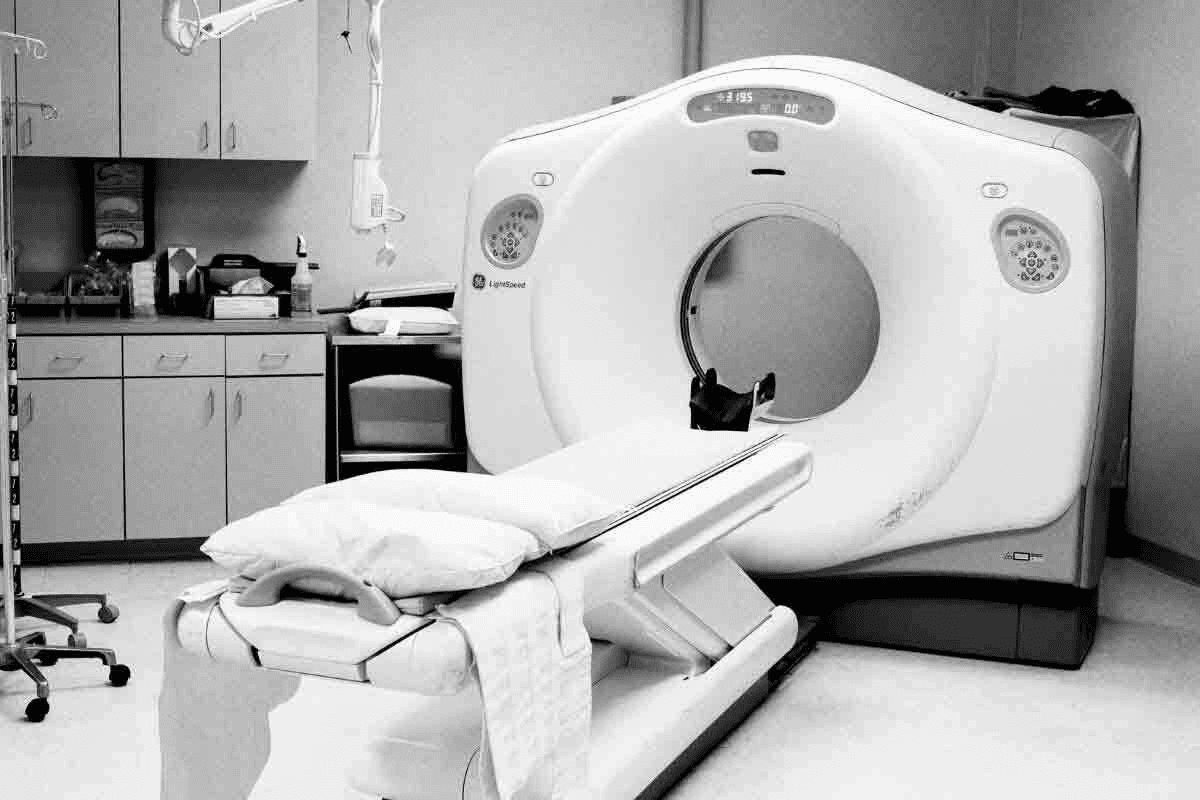
Tests like X-rays, CT scans, or MRI help rule out other conditions. These tests show how the digestive tract looks and works.
Ruling Out Other Conditions
To diagnose gastroparesis, doctors must rule out other conditions. They use tests to check for ulcers, inflammation, or other GI problems. This helps doctors make a more accurate diagnosis.
Abnormal Gastric Emptying Time: What the Numbers Mean
Gastric emptying time is a key part of diagnosing gastroparesis. If more than 60% of a meal stays in the stomach after 2 hours, or more than 10% after 4 hours, it’s considered abnormal. Knowing these numbers helps doctors see how severe gastroparesis is and if treatment is working.
It’s important for patients to work closely with their healthcare providers. This way, they can understand their diagnosis and get the right treatment plan.
Treatment Options for Gastroparesis
Managing gastroparesis requires a detailed treatment plan. We will look at different options like diet changes, medicines, surgery, and new therapies.
Dietary Modifications
Changing your diet is often the first step in treating gastroparesis. These changes can help manage symptoms and improve nutrition. Key adjustments include:
- Eating smaller, more frequent meals to ease digestion
- Avoiding high-fat and high-fiber foods that slow gastric emptying
- Choosing liquid or pureed foods when solids are difficult to manage
- Increasing hydration to prevent dehydration
Nutritional Considerations: Patients with gastroparesis may need to work with a dietitian to ensure they are getting adequate nutrition. In some cases, nutritional supplements or vitamin injections may be necessary.
Medications for Symptom Management
Several medications can help manage gastroparesis symptoms. These include:
- Prokinetic agents to enhance gastric motility
- Antiemetic medications to control nausea and vomiting
- Drugs that reduce symptoms like bloating and abdominal pain
Medication Selection: The choice of medication depends on the patient’s specific symptoms and medical history. We will discuss the benefits and side effects of these medications with patients to find the best treatment.
Surgical Interventions
In some cases, surgery may be needed to manage gastroparesis. These can include:
- Gastrostomy tubes for nutritional support
- Jejeunostomy tubes for feeding directly into the small intestine
- Gastric electrical stimulation to improve motility
Surgical Option | Purpose | Potential Benefits |
Gastrostomy Tube | Nutritional Support | Provides direct access for nutrition and hydration |
Jejeunostomy Tube | Feeding into Small Intestine | Bypasses stomach for direct nutrient delivery |
Gastric Electrical Stimulation | Improves Motility | Enhances gastric contractions to aid emptying |
Emerging Therapies
New research is exploring gastroparesis treatments. This includes new medicines, alternative therapies like acupuncture, and improved surgery techniques.
As we learn more about gastroparesis, new treatments will emerge. This offers hope for those managing this condition.
Living with Gastroparesis: Daily Management Strategies
Managing gastroparesis means making lifestyle changes and using medical treatments. These steps help reduce symptoms and improve health. It’s important for those with this condition to find effective ways to manage it every day.
Dietary Strategies and Meal Planning
Changing your diet is key to managing gastroparesis. A balanced diet that’s easy to digest can help ease discomfort and keep you nourished.
- Eating smaller, more frequent meals to reduce stomach workload
- Avoiding high-fat and high-fiber foods that slow digestion
- Choosing foods that are low in fat and fiber but high in nutrients
- Staying hydrated by drinking plenty of fluids
A gastroenterology expert says, “The key to managing gastroparesis through diet is to make sure the patient is getting enough nutrients without overloading the stomach.”
Dietary Recommendation | Benefit |
Small, frequent meals | Reduces stomach workload |
Low-fat, low-fiber foods | Eases digestion |
Adequate hydration | Prevents dehydration |
Stress Management Techniques
Stress can make gastroparesis symptoms worse. Relaxation techniques like deep breathing, meditation, and yoga can help lower stress.
- Deep breathing exercises to calm the mind and body
- Meditation and mindfulness practices to reduce stress
- Yoga and other gentle exercises to promote relaxation
“Stress management is key for those with gastroparesis, as stress can worsen symptoms. Techniques like meditation and deep breathing can be very helpful.”
— Medical Expert, Gastroenterologist
Physical Activity Considerations
Physical activity is good for health, but those with gastroparesis need to be careful. Gentle exercises like walking or light stretching are okay.
- Engaging in gentle exercises like walking or yoga
- Avoiding strenuous activities that can make symptoms worse
- Listening to the body and resting when needed
Support Groups and Resources
Living with gastroparesis can be tough, and having support is important. Support groups and online resources offer valuable info and emotional support.
- Joining support groups for individuals with gastroparesis
- Utilizing online resources and forums for information and community
- Seeking professional help when needed
By using these daily management strategies, people with gastroparesis can improve their life quality and manage symptoms better.
Conclusion: Navigating Life with Gastroparesis
Managing gastroparesis well means knowing a lot about it. With the right diagnosis and treatment, people with gastroparesis can live full and happy lives. We’ve looked into the condition’s causes, symptoms, and how to treat it.
Living with gastroparesis can be tough, with symptoms like food getting stuck or a stomach that feels frozen. But, making dietary changes, managing stress, and getting medical help can help. These steps can lessen symptoms and make life better.
It’s key to have a team approach to dealing with gastroparesis. This includes doctors, diet experts, and support groups. Together, people can find ways to handle their condition and stay hopeful.
FAQ
What is gastroparesis?
Gastroparesis is a condition where the stomach muscles don’t work right. This leads to food staying in the stomach too long.
What are the common symptoms of gastroparesis?
Symptoms include digestive issues, stomach pain, and other problems like nausea and bloating.
What is the normal digestive process, and how does it differ in individuals with gastroparesis?
Normally, the stomach mixes and empties food into the small intestine. But in gastroparesis, the stomach muscles don’t work right. This causes food to stay in the stomach longer.
What is a bezoar, and how is it related to gastroparesis?
A bezoar is a mass of food or other stuff stuck in the stomach. It happens in gastroparesis because food doesn’t move out of the stomach.
How is gastroparesis diagnosed?
Doctors use tests like gastric emptying studies and imaging to diagnose gastroparesis. They check if the stomach empties food properly.
What are the primary causes of gastroparesis?
Main causes include diabetes, surgery problems, medicines, and some cases without a known cause.
How does diabetes relate to gastroparesis?
Diabetes can damage the vagus nerve. This nerve controls stomach contractions, leading to gastroparesis.
What is the role of the vagus nerve in controlling stomach contractions?
The vagus nerve is key in controlling stomach contractions and how fast food leaves the stomach.
What are the treatment options for gastroparesis?
Treatments include changing your diet, taking medicines, surgery, and new therapies.
How can I manage gastroparesis on a daily basis?
Manage it by changing your diet, managing stress, staying active, and joining support groups.
What is abnormal gastric emptying time?
It’s when food takes too long to leave the stomach and enter the small intestine.
Can gastroparesis cause thick vomit with no liquid?
Yes, it can cause vomiting, including thick, liquidless vomit, because of slow stomach emptying.
What is gastrostasis?
Gastrostasis is another name for gastroparesis. It means the stomach muscles don’t work right, causing food to stay too long.
Can food sit at the top of the stomach in gastroparesis?
Yes, food can stay at the top of the stomach in gastroparesis because of slow emptying.
What is a frozen stomach?
A “frozen stomach” isn’t a real medical term. It might mean feeling like food is stuck in the stomach or slow emptying.
Why doesn’t my stomach growl anymore?
Gastroparesis can make the stomach muscles not work right. This might make the stomach stop growling or making other sounds.
Can gastroparesis lead to nutritional deficiencies?
Yes, it can cause nutritional deficiencies because of slow stomach emptying and not absorbing nutrients well.
What are the complications of gastroparesis?
Complications include not getting enough nutrients, bezoar formation, blood sugar problems, and losing weight or getting malnourished.
References:
National Center for Biotechnology Information. Evidence-Based Medical Guidance. Retrieved from https://www.ncbi.nlm.nih.gov/pmc/articles/PMC4488489/