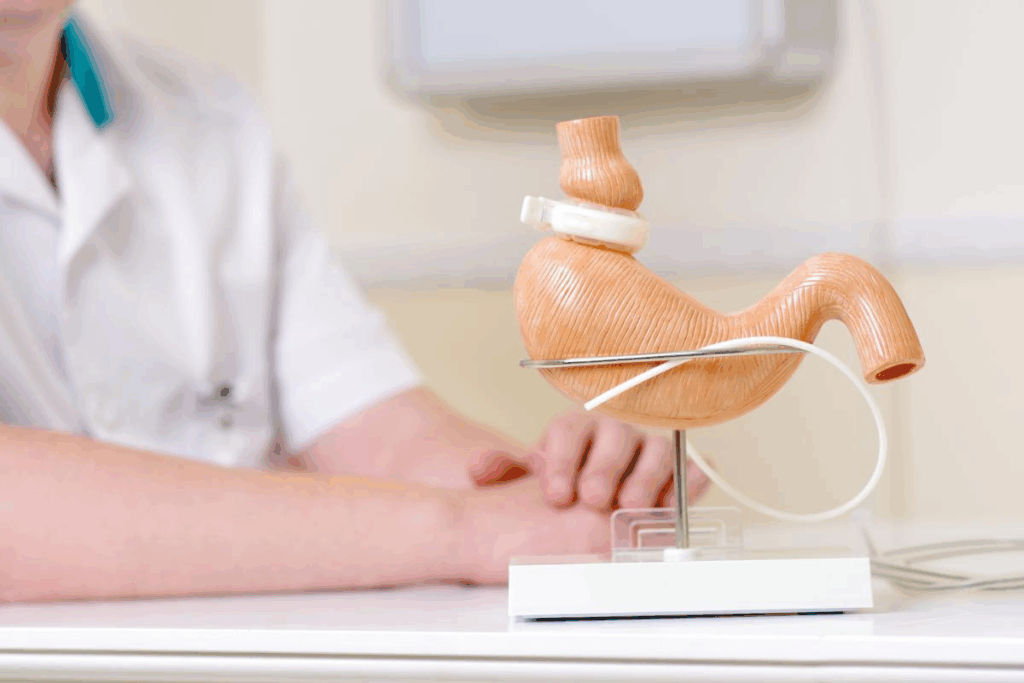
Getting ready for weight loss surgery needs a structured pre-operative protocol. This helps make sure the surgery goes well and keeps you safe. A key part of this is a 2-week liquid diet. It helps shrink your liver and reduce belly fat.Tips and recipes for the required gastric sleeve liquid diet phase.
By sticking to this bariatric clear liquid diet, you can make your surgery better and cut down on risks. Top hospitals like Liv Hospital say this diet is key for a good surgery outcome.
Key Takeaways
- Follow a 2-week liquid diet before bariatric surgery to reduce liver size and intra-abdominal fat.
- A pre-operative liquid diet improves surgical outcomes and minimizes complications.
- Leading healthcare providers recommend a structured pre-operative protocol for optimal results.
- A clear liquid diet is essential for a safe and efficient surgical process.
- Patients should commit to a 2-week liquid diet to ensure a successful weight loss surgery.
The Medical Importance of Pre-Operative Preparation
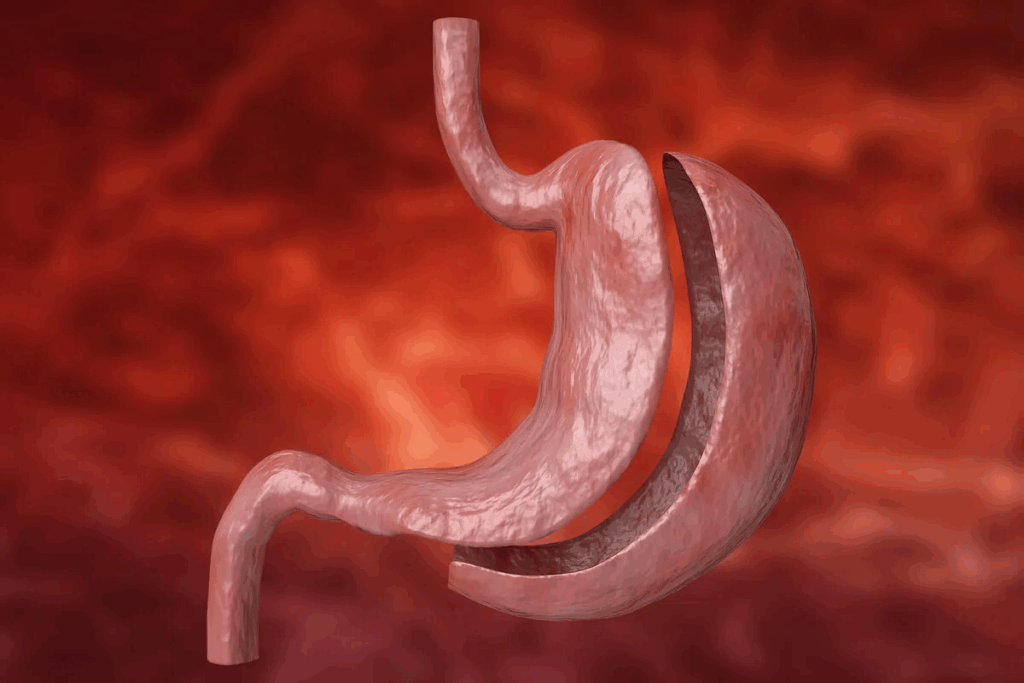
Surgeons stress the need for a pre-op liquid diet before bariatric surgery. This step is key to get the body ready for the surgery. It aims to improve surgical results and lower risks.
Why Surgeons Require a Pre-Op Liquid Diet
A pre-operative liquid diet is vital for several reasons. It mainly helps in reducing liver size and intra-abdominal fat. This makes surgery easier and safer for patients.
This diet has many important roles:
- Reduces liver volume, improving surgical access
- Decreases intra-abdominal fat, making the procedure clearer
- Minimizes the risk of complications during and after surgery
Reducing Liver Size and Intra-Abdominal Fat
The pre-operative liquid diet is great at reducing liver size and intra-abdominal fat. This is important because it gives surgeons better access to the stomach. It makes the surgery easier.
Decreasing Surgical Complications and Risks
Following the pre-op liquid diet can greatly reduce risks with gastric sleeve surgery. It helps avoid complications and speeds up recovery.
The benefits of a pre-operative liquid diet include:
- Reduced risk of bleeding and infection
- Less chance of complications during surgery
- Faster recovery times due to improved surgical conditions
In conclusion, the pre-operative liquid diet is a key part of getting ready for bariatric surgery. By understanding its importance and following the diet, patients can greatly improve their surgery outcomes and health.
What to Expect on Your Gastric Sleeve Liquid Diet
Starting the 2-week gastric sleeve liquid diet means getting ready for your surgery. This time is key for your body to adjust and avoid problems.
Physical and Emotional Challenges
The gastric sleeve liquid diet can be tough. You might feel hungry, tired, and emotional. It’s okay to feel upset or worried about the diet rules.
Physical challenges include:
- Hunger pangs, mostly in the first days
- Fatigue from eating less calories
- Feeling mentally foggy or hard to focus
- Hair loss or skin changes from not getting enough nutrients
Emotionally, you might feel:
- Irritable or moody from hunger or missing solid food
- Anxious about the surgery
- Frustrated with the diet rules
Common Side Effects and Discomforts
On the 2 week bariatric liquid diet, you might face some side effects. These can be:
- Nausea or vomiting if you drink too fast or too much
- Constipation or diarrhea based on how your body reacts
- Dry mouth or bad breath from less saliva
- Headaches from dehydration or stopping caffeine
To lessen these issues, remember to:
- Drink lots of approved liquids to stay hydrated
- Drink liquids slowly and in small amounts
- Choose liquids that are full of nutrients for your health
Setting Realistic Expectations for Weight Loss
On the bariatric surgery liquid diet before surgery, you might lose some weight. But, don’t expect too much. The main goal is to get your body ready for surgery, not to lose a lot of weight.
On average, people lose 5-10 pounds in 2 weeks. But, it depends on your starting weight, how well you follow the diet, and your health.
Think about the benefits beyond weight loss, like:
- Smaller liver and less belly fat, making surgery safer and more effective
- Improving your health and how well you do in surgery
- Starting healthy habits for long-term weight loss
Knowing what to expect on your liquid diet for gastric bypass or gastric sleeve surgery helps you prepare. Stay on track with the diet and ask your healthcare team if you have any questions or concerns.
Essential Nutritional Requirements Before Surgery
The time before your gastric sleeve surgery is key. What you eat can affect your surgery and recovery. It’s important to know what nutrients you need for a good outcome.
Daily Protein Intake Goals
Getting enough protein is vital to keep your muscles strong and healthy. Aim for 60-90 grams of protein each day. This helps prevent muscle loss and supports your body before surgery. Protein shakes and meal replacements can help meet these needs.
Hydration Requirements
Drinking enough water is just as important as eating enough protein. Drink at least 64 ounces of fluids every day. Staying hydrated reduces the risk of complications and keeps your body working well. Drink fluids regularly to stay hydrated.
Vitamin and Mineral Supplementation Needs
Vitamins and minerals are also key before surgery. Your doctor may suggest supplements to make sure you get all the nutrients you need.
“A well-nourished body is better equipped to handle the stresses of surgery and recover more effectively,” says a leading bariatric surgeon.
It’s important to follow your doctor’s advice on supplements to avoid nutrient deficiencies.
By focusing on these nutritional needs, you’ll be ready for a successful surgery and a smooth recovery. The pre-operative diet does more than just prepare your body for surgery. It also helps you manage your weight and stay healthy in the long run.
Approved Foods and Beverages for Your 2-Week Pre-Op Diet
Getting ready for your gastric sleeve surgery means knowing what to eat and drink. For two weeks, you’ll focus on liquids that are easy to digest. This helps shrink your liver and reduce belly fat, making surgery safer.
Protein Shakes and Meal Replacement Options
Protein shakes are key in your diet, providing 60-90 grams of protein daily. Choose high-quality protein powders with little sugar and lots of amino acids. Brands like Optimum Nutrition and Isopure are good choices. Mix these with water or sugar-free liquids for a healthy shake.
- Look for protein shakes made for bariatric patients.
- Avoid shakes with lots of sugar or artificial sweeteners.
- Try different flavors to keep your diet exciting.
Clear Broths and Sugar-Free Soups
Clear broths and sugar-free soups keep you hydrated and balance your electrolytes. Choose low-sodium, solid-free broths like:
- Chicken broth
- Beef broth
- Vegetable broth
Make sure broths are strained well to avoid solids. Sugar-free soups should also be pureed to a liquid.
Sugar-Free and Decaffeinated Beverages
Drinking plenty of water is important. You can also have:
- Water
- Herbal teas
- Decaffeinated coffee
- Sugar-free flavored water
Stay away from caffeinated and sugary drinks to avoid discomfort and surgery complications.
Other Approved Liquid Options
Other good liquids include:
- Pulp-free fruit juices (in small amounts)
- Sugar-free gelatin
- Clear nutritional supplements
Always follow your surgeon’s or dietitian’s advice on your pre-op diet. They can give you personalized tips based on your health and needs.
“A well-prepared patient is more likely to have a successful surgery and recovery. Following the recommended pre-op diet is a key step in this process.”— Bariatric Surgery Expert
Foods and Drinks to Strictly Avoid Before VSG Surgery
Starting your VSG surgery journey means following a strict diet before surgery. It’s key to know how your food choices affect your surgery’s success. We’ll show you which foods and drinks to avoid for a smooth surgery.
Carbonated and Caffeinated Beverages
Drinks like soda and sparkling water can cause bloating and discomfort. Caffeinated drinks, like coffee and energy drinks, can lead to dehydration. It’s important to avoid these to have a safe and comfortable surgery.
- Soda and sparkling water
- Coffee and energy drinks
- Other caffeinated beverages
Alcohol and High-Sugar Liquids
Alcohol and sugary liquids are bad for your diet before surgery. They can harm your liver and make recovery harder. It’s important to remove these from your diet for a healthy surgery.
- Alcoholic beverages
- Fruit juices with high sugar content
- Sugary energy drinks
Solid Foods and Thick Liquids
Eating solid foods and thick liquids before surgery can make things harder. Your body needs to be ready for the diet after surgery. Following a clear liquid diet is key to a safe and successful surgery.
- Solid foods like meats and vegetables
- Thick liquids such as milkshakes and smoothies
Avoiding these foods and drinks is a big step towards a successful VSG surgery. Your diet before surgery is very important for your outcome.
Complete Day-by-Day Gastric Sleeve Liquid Diet Plan
We’ve created a detailed liquid diet plan for you before your gastric sleeve surgery. This plan covers the 2 weeks leading up to your surgery. It helps you stay on track and meet your nutritional needs.
Week 1 Daily Schedule (Days 1-7)
In the first week, focus on clear liquids and start adding protein-rich drinks. Here’s a daily guide:
- Day 1-2: Clear broths, water, and sugar-free gelatin
- Day 3-4: Start with protein shakes (1-2 per day) and keep clear broths
- Day 5-7: Increase protein shakes to 3 per day, with clear broths and water
Sample Day 3: Begin with a protein shake for breakfast, clear broth for lunch, and another shake for dinner.
Week 2 Daily Schedule (Days 8-14)
In the second week, you’ll increase your protein and feel more comfortable with the diet. Here’s a sample schedule:
- Day 8-10: Keep 3 protein shakes per day, adding sugar-free and decaffeinated drinks
- Day 11-14: Stick with 3 protein shakes, with clear broths and sugar-free soups
Tip: Drink at least 64 oz of fluids daily to stay hydrated.
Timing Your Meals and Supplements
It’s important to space out your meals and supplements. This avoids discomfort and ensures you get enough nutrients. Try to:
- Eat or drink something every 2-3 hours
- Drink protein shakes slowly, over 15-30 minutes
- Stay hydrated with water and clear liquids all day
By following this plan, you’ll be ready for your gastric sleeve surgery. It sets you up for success in your weight loss journey.
Practical Strategies for Diet Success
Getting ready for gastric sleeve surgery? Adopting practical strategies can really help with your liquid diet. We know it’s tough to stick to a 2-week liquid diet before surgery. But with the right approach, you can reach your goals and set yourself up for success.
Meal Prepping for Your Liquid Diet
Meal prepping is key for a successful liquid diet. It’s a good idea to make your protein shakes, clear broths, and other liquids ahead of time. This way, you can stay on track easily. Here are some tips:
- Prepare your protein shakes for the day in individual containers to make them easy to grab and go.
- Store clear broths and sugar-free soups in the refrigerator for quick access.
- Keep a cooler with ice packs if you need to be away from home for extended periods.
Having your approved liquids ready helps you stay on diet and meet your nutritional needs.
Managing Hunger and Food Cravings
Dealing with hunger and cravings is a big challenge on the liquid diet. Here are some strategies to help:
- Drink plenty of water and other approved fluids to stay hydrated and help control hunger.
- Consume protein-rich liquids to keep you feeling fuller for longer.
- Distract yourself with non-food activities like reading, walking, or spending time with friends and family.
Keeping busy and focused on your goals can help manage hunger and cravings for solid foods.
Maintaining Social Life While on Restriction
It’s tough to keep up a social life on a liquid diet, but it’s doable. Here’s what we suggest:
- Informing your friends and family about your dietary restrictions so they can offer support.
- Choosing social activities that don’t revolve around food, such as going for a walk or watching a movie.
- Preparing liquid diet-friendly options when attending social gatherings.
Being open about your needs and planning ahead helps you keep your social connections while following your diet.
Staying Motivated Throughout the Process
Staying motivated is key to successfully completing your 2-week liquid diet. Here are some tips:
- Tracking your progress and celebrating small achievements along the way.
- Reminding yourself of the reasons you chose to undergo bariatric surgery and the benefits it will bring.
- Seeking support from online communities or support groups for bariatric patients.
By focusing on your goals and the positive outcomes of your surgery, you’ll stay motivated and committed to your diet.
Monitoring Your Progress and Health
Your journey through the liquid diet before gastric sleeve surgery is very important. It’s a time when you need to pay close attention to your health. Following the bariatric clear liquid diet, it’s key to track your progress well. This ensures you’re ready for a successful surgery and recovery.
Tracking Weight Loss and Physical Changes
During your 2-week gastric sleeve liquid diet, it’s important to track your weight loss and physical changes. We suggest weighing yourself once a week and keeping a record. Also, notice how your body reacts to the diet. Look for changes in energy, hunger, or overall health.
Tracking Parameter | Weekly Observation | Notes |
Weight Loss | Record weight | Note any fluctuations |
Energy Levels | High/Low | Correlate with diet adherence |
Hunger | Yes/No | Strategies to manage |
Recognizing Warning Signs and Complications
While on the pre-surgery liquid diet, it’s important to watch out for warning signs. These can include severe dehydration, dizziness, or extreme fatigue. If you notice any of these symptoms, contact your healthcare provider right away.
Common warning signs to watch for:
- Severe abdominal pain
- Persistent vomiting
- Signs of dehydration (excessive thirst, dark urine)
- Dizziness or fainting
When to Contact Your Bariatric Team
If you have any issues or concerns during your liquid diet before gastric sleeve surgery, reach out to your bariatric team. We’re here to support you. We’ll provide guidance and help with any complications that come up.
Conclusion: Preparing for Surgery Day and Your New Beginning
Following the 2-week gastric sleeve liquid diet is key for a good surgery and recovery. This diet helps lower the risks of bariatric surgery. It also prepares you for a healthy weight loss journey.
The 2 week liquid diet before bariatric surgery gets your body ready for the surgery. It makes your liver smaller and reduces belly fat. This makes the surgery easier and less risky.
As surgery day gets closer, remember the vsg liquid diet pre op is just the start. With the right mindset and preparation, you’re on your way to a healthier life. You’ll feel better and have a new sense of well-being.
FAQ
What is the purpose of a 2-week liquid diet before gastric sleeve surgery?
The 2-week liquid diet is to make surgery safer and more efficient. It reduces liver size and fat in the belly. This diet improves surgical outcomes and lowers the risk of problems.
What are the approved foods and beverages for the 2-week pre-op diet?
You can have protein shakes, clear broths, and sugar-free soups. Also, sugar-free and decaf drinks are okay. These foods help you stay hydrated and meet your protein needs.
What foods and drinks should be avoided before VSG surgery?
Avoid carbonated and caffeinated drinks, alcohol, and high-sugar liquids. Solid foods and thick liquids are also off-limits. These can cause discomfort and other issues.
How much protein should I consume daily during the pre-op liquid diet?
Aim for 60-90 grams of protein daily. This is key for keeping muscle mass and staying healthy.
How much water should I drink daily during the pre-op liquid diet?
Drink at least 64 ounces of water each day. Staying hydrated is important for your health and reduces complication risks.
What are the common side effects of the pre-op liquid diet?
You might feel hungry, tired, and experience emotional changes. Knowing these can help you prepare and stay on track.
How can I manage hunger and food cravings during the liquid diet?
Drink plenty of water, choose protein-rich liquids, and find other activities to distract yourself. Meal planning can also help.
When should I contact my bariatric team during the pre-op liquid diet?
Reach out to your team if you have severe hunger, dehydration, or any other concerns. It’s important to address these issues promptly.
What is the importance of monitoring progress and health during the pre-op liquid diet?
Keeping track of your progress and health is vital. It helps you see weight loss and any warning signs. Always report any changes to your bariatric team.
Can I consume caffeinated beverages during the pre-op liquid diet?
No, caffeinated drinks are not recommended. They can lead to dehydration and other issues.
What is the benefit of a 2-week liquid diet before bariatric surgery?
The diet reduces liver size and belly fat, making surgery safer. It also helps you develop healthy eating habits and prepares you for post-op diet.
References
National Center for Biotechnology Information. Evidence-Based Medical Guidance. Retrieved from https://www.ncbi.nlm.nih.gov/pmc/articles/PMC7691119/