Last Updated on December 2, 2025 by Bilal Hasdemir

Choosing to have gastric sleeve surgery is a big step. Knowing how to recover is key for a good outcome. Usually, patients need to stay in the hospital for 2-3 days after surgery. Guide to the necessary gastric sleeve recovery time and advice on mobility after the procedure. Plan your gastric sleeve recovery time.
The first post-surgery rest period is very important. Most people can go back to work in 1-2 weeks. This depends on how physically demanding their job is. It’s important to listen to your doctor about how long to stay in the hospital and how to care for yourself after surgery.
Key Takeaways
- The typical hospital stay after gastric sleeve surgery is 2-3 days.
- Most people can return to work within 1-2 weeks after surgery.
- The post-surgery rest period is very important for a good outcome.
- Following the doctor’s instructions is key for a smooth recovery.
- The type of job can affect when you can go back to work.
Understanding Gastric Sleeve Surgery and Recovery Expectations

Gastric sleeve surgery is more than just the operation. It’s about understanding the recovery process too. Knowing the details of the surgery and recovery is key for a good outcome.
What Happens During Gastric Sleeve Surgery
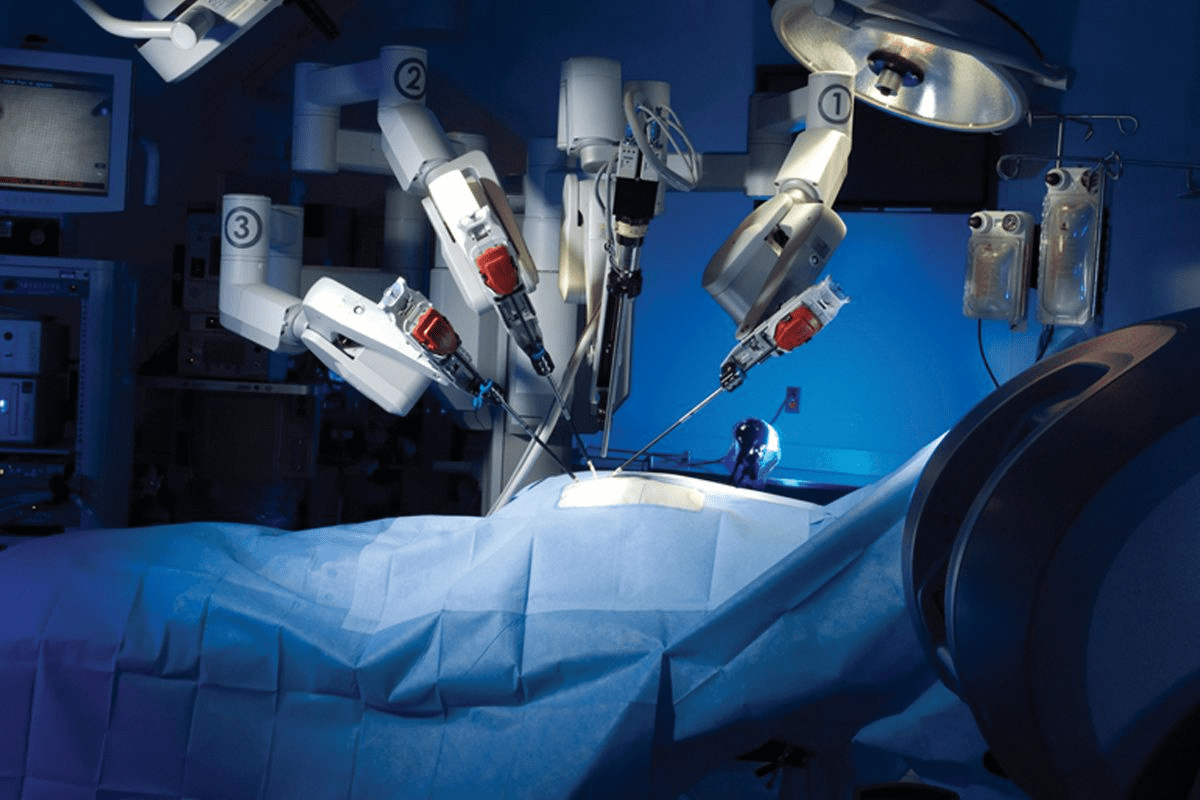
The surgery uses laparoscopic techniques. This method is less stressful on the body and speeds up recovery. It involves making small incisions to remove a big part of the stomach.
The Surgical Procedure Explained
The surgery takes about an hour and is done under general anesthesia. The surgeon uses a laparoscope to see the stomach and tissues. This ensures they remove the right part of the stomach.
Impact on Your Body Systems
The surgery changes how your body digests food. It reduces the stomach size, leading to less food intake. This can cause significant weight loss.
Why Recovery Time Matters
Recovery time is important for healing. Rest and following instructions are key to avoiding complications. They help ensure a successful recovery.
Factors Affecting Your Recovery Timeline
Several things can change how long it takes to recover. These include age, health, pre-existing conditions, and the surgery method.
Age and Overall Health
Older or less healthy patients may need more time to recover. Conditions like diabetes or heart disease can make recovery harder.
Pre-existing Conditions
Diabetes, for example, can slow down healing. It may need special care during recovery.
Surgical Approach Used
The laparoscopic method usually means faster recovery times. This is compared to open surgery.
| Factor | Impact on Recovery | Typical Recovery Time |
| Age | Older patients may recover slower | 4-6 weeks |
| Overall Health | Poor health can complicate recovery | 6-8 weeks |
| Surgical Approach | Laparoscopic surgery generally results in faster recovery | 2-4 weeks |
Knowing how these factors affect recovery helps set realistic goals for your surgery journey.
Immediate Post-Op Period: Hospital Stay Duration
Knowing about the immediate post-operative period is key for those getting a gastric sleeve. It helps set realistic expectations and prepares for recovery.
Typical Length of Hospital Stay
Most patients stay in the hospital for 2-3 days after surgery. This time lets doctors watch for any issues and manage pain well.
What to Expect During Your Hospital Recovery
In the hospital, you’ll get full care. This includes watching your health and doing medical checks as needed.
Monitoring and Medical Care
Doctors will keep an eye on your health, pain, and overall condition. They work to ensure a smooth recovery and prevent complications.
Initial Mobility Requirements
Moving around early is important to avoid blood clots and improve circulation. Patients are usually encouraged to get up and walk soon after surgery.
Early Mobility Protocols in the Hospital
Early mobility plans help with recovery and lower the risk of problems. These might include simple exercises and short walks in the hospital room or ward.
| Day | Activity Level | Care Focus |
| 1 | Limited mobility | Pain management, vital sign monitoring |
| 2 | Short walks, gentle exercises | Preventing blood clots, promoting circulation |
| 3 | Increased mobility | Preparing for discharge, patient education |
The First 24-48 Hours: Critical Bed Rest Period
The first 24-48 hours after gastric sleeve surgery are key for a good recovery. Patients need to rest and avoid hard activities.
Why Initial Rest Is Essential
Resting early helps the body heal without extra stress. This time is important to lower the chance of problems and help the body recover well.
Pain Management During Early Recovery
Managing pain early is important for recovery. Patients have several ways to handle pain, including:
- Medication Options: Your doctor will give you pain meds to help with discomfort.
- Non-Pharmaceutical Pain Relief: Deep breathing, meditation, and cold compresses can also help.
Medication Options
It’s important to take the pain meds your doctor gives you to control pain well.
Non-Pharmaceutical Pain Relief
Along with meds, non-medical ways can also help a lot. These include:
- Breathing exercises to relax the body
- Guided imagery or meditation to take your mind off pain
- Using cold compresses to lessen swelling and pain
First Steps and Movement Guidelines
While rest is key, moving a bit is also important to avoid blood clots. Patients should follow these guidelines for:
- Breathing Exercises: Deep breathing helps lungs work better and lowers pneumonia risk.
- Safe Positions for Rest: Knowing safe resting positions helps avoid pain and aids healing.
Breathing Exercises
Deep breathing exercises are easy but effective in improving lung function and breathing.
Safe Positions for Rest
Resting in positions that don’t put pressure on the surgery site is best. This includes slightly raising the head of the bed.
Days 3-7: Transitioning Home and Activity Levels
Days 3-7 after gastric sleeve surgery are key in your recovery at home. It’s important to find a balance between rest and moving a bit. This helps your body heal smoothly.
Setting Up Your Recovery Space at Home
Having a comfy recovery space at home is essential. You’ll need to make some changes to your bedroom and bathroom. This makes it easier to avoid pain and discomfort.
Essential Bedroom Modifications
To help you rest well, think about these bedroom changes:
- Move things like water, meds, and your phone where you can easily reach them.
- Choose a comfy bed with good support. You might want extra pillows for support.
- Keep the room at a cozy temperature and have good lighting.
Bathroom Accessibility
To make bathroom trips safer and easier:
- Put grab bars near the toilet and shower.
- Use a shower chair or bench to avoid slipping.
- Keep bathroom items at a height that’s easy to reach, so you don’t have to bend or stretch.
Recommended Rest Patterns
Getting enough rest is key in the early recovery phase. Try to rest regularly during the day. Also, make sure you get plenty of sleep at night.
Balancing Rest and Movement
Rest is important, but moving a bit is also needed. It helps prevent problems and aids in healing.
Walking Schedules
Begin with short, gentle walks around your house. As you get more comfortable, increase the distance. Try to walk a few times each day.
Rest Intervals
Match your walking with regular breaks to avoid getting too tired. Pay attention to your body and rest when you need to.
By creating a good recovery space and balancing rest with gentle movement, you can improve your healing after gastric sleeve surgery.
Week 1 Recovery Milestones: Beyond Strict Bed Rest
By the end of the first week, patients usually see a big change. The pain from surgery starts to go away. They can move more and feel more energetic.
Expected Progress Markers
Several signs show you’re doing well in the first week. These include:
- Being able to walk a bit and move more
- Less pain, making everyday tasks easier
- More energy for simple activities
It’s important to watch how your body reacts to more activity. Listen to your body and don’t push too hard for a smooth recovery.
Warning Signs That Require Medical Attention
Some pain is okay, but there are signs that mean you need to see a doctor right away. These include:
Fever and Infection Indicators
- A fever over 101.5°F (38.6°C)
- Redness, swelling, or discharge at the surgery site
Pain Level Concerns
Severe pain that can’t be controlled with medicine or gets worse.
Managing Discomfort While Increasing Activity
To handle pain while moving more, try these tips:
Proper Body Mechanics
Keep good posture and lift right to avoid straining.
Supportive Devices
Use things like abdominal binders for extra comfort and support.
In the first week, it’s key to rest and slowly get active. Knowing what to expect and what to watch for helps ensure a safe and successful recovery.
Gastric Sleeve Recovery Time: Complete Timeline Overview
The recovery after gastric sleeve surgery is a journey that needs patience and planning. As patients move through the recovery stages, they see big health improvements.
Weeks 1-2: Early Recovery Phase
The first two weeks are all about rest and getting up slowly.
Daily Activity Progression
At first, patients should only do what’s really needed. Then, they can start moving more with short walks and stretching.
Typical Symptoms and Management
Patients might feel sore, tired, and stiff. But, managing pain well and following the activity advice can help.
Weeks 3-4: Transitional Recovery Phase
Weeks 3-4 mark a shift towards more independence and more energy.
Increasing Independence
Patients can start doing more, like simple chores and going out for short trips.
Energy Level Expectations
Energy levels start to rise, making it easier to do more without getting too tired.
Months 2-3: Advanced Recovery Phase
By months 2-3, patients see big health and physical gains.
They can usually go back to most normal activities, like driving and work, unless it’s very hard.
Beyond 3 Months: Long-term Healing
After three months, patients keep getting better and adjusting to their new life.
Long-term healing means keeping up with the lifestyle changes made during recovery, like eating right and staying active.
Physical Activity Restrictions and Gradual Return to Exercise
Physical activity is key in healing after gastric sleeve surgery. It’s important to know the activity limits and how to start exercising again.
Walking: Your First Exercise
Walking is a good first exercise after surgery. It helps prevent blood clots and improves circulation. A walking plan can be made just for you.
Progressive Walking Program
Begin with short walks of 5-10 minutes. Then, slowly increase the time and how often you walk. For example:
| Day | Walking Duration | Frequency |
| 1-2 | 5 minutes | 2-3 times |
| 3-7 | 10-15 minutes | 3-4 times |
Monitoring Your Response
Watch how your body reacts to more activity. If you feel pain or have trouble breathing, stop and rest.
When to Resume Different Types of Activities
When you can start different activities varies. Here’s a general guide:
Household Chores
You can start with light chores like laundry or washing dishes in 1-2 weeks.
Cardio Activities
After 4-6 weeks, you can try jogging or cycling, depending on how you’re healing.
Strength Training
Avoid strength training for 6-8 weeks to let your stomach heal properly.
Building a Safe Exercise Progression Plan
Creating a safe exercise plan is important. Talk to your doctor or a fitness expert. They can make a plan that’s right for you and helps you recover well.
“A well-structured exercise plan is key for gastric sleeve surgery recovery. It helps with physical healing and supports weight loss and health in the long run.”
Returning to Work and Daily Responsibilities
After gastric sleeve surgery, knowing when to go back to work is key. The time off needed varies based on your job.
Recommended Time Off Based on Job Type
The type of job you have affects how soon you can return. Desk jobs usually require less time off than physical labor jobs.
Desk Jobs vs. Physical Work
- For desk jobs, you might go back to work in 1-2 weeks. This is if your job is comfortable and doesn’t hurt your body.
- Jobs that need physical labor might take 2-4 weeks or more off. This is to heal properly and avoid complications.
Part-time Transition Options
Talking about part-time transition options with your boss can help. Starting with fewer hours can ease your body back into work.
Accommodations to Request When Returning
When you go back to work, ask for certain things to make it easier. These might include:
- Flexible hours to rest when needed.
- Changes to your workspace to avoid strain.
- Breaks to rest and recharge.
Managing Energy Levels During Workdays
Keeping your energy up is important when you return to work. Strategic rest breaks and nutrition for sustained energy are essential.
Strategic Rest Breaks
Short, regular breaks help keep your energy up. Use these times to stretch, move, or just rest.
Nutrition for Sustained Energy
Eating a diet full of nutrients and hydrating foods helps keep your energy all day. Stay away from heavy meals and eat balanced, frequent ones.
Complications That May Extend Your Bed Rest Period
It’s important to know about possible problems after gastric sleeve surgery. This surgery is usually safe, but some issues can make you stay in bed longer.
Common Post-Surgical Complications
After gastric sleeve surgery, you might face infections, stomach problems, and mental health issues. Knowing these can help you get help fast if you see any signs.
Infection and Wound Healing Issues
Infection indicators include redness, swelling, more pain, and fever. Watch your surgical area closely. Tell your doctor if you see any signs of infection.
Gastrointestinal Complications
Stomach problems like nausea, vomiting, and belly pain can happen. If these symptoms don’t go away or get worse, get medical help.
When Additional Medical Intervention Is Needed
If you notice unusual or severe symptoms, get medical help right away. Your doctor might need to step in to fix problems and help you recover.
Mental Health Challenges Affecting Recovery
Mental health issues like depression and anxiety can slow down your recovery. It’s key to talk about any emotional changes with your doctor.
Depression and Anxiety
Signs of depression and anxiety include mood swings, losing interest in things, and constant worry. If you’re feeling these, talk to a mental health expert.
Body Image Adjustments
Getting used to your body’s changes after surgery can be tough. Looking for help from counselors or support groups can be helpful for body image issues.
Conclusion: Setting Realistic Expectations for Your Gastric Sleeve Recovery Journey
Knowing how long it takes to recover from a gastric sleeve is key to success. Understanding the recovery timeline helps patients prepare for the journey ahead. It sets the stage for overcoming challenges and reaching milestones.
It’s important to have realistic expectations for recovery. Right after surgery, rest and limited activity are essential. As healing progresses, slowly returning to normal activities is advised.
The recovery process has several stages, from immediate care to long-term healing. Knowing these stages helps manage expectations and follow the recovery plan.
By setting realistic goals and following doctor’s advice, patients can make the most of their recovery. This approach leads to the best outcomes from gastric sleeve surgery.
FAQ
How long is the typical hospital stay after gastric sleeve surgery?
After gastric sleeve surgery, most people stay in the hospital for 1 to 3 days. This depends on their health and the surgery type.
What are the initial mobility requirements after gastric sleeve surgery?
Right after surgery, patients start with gentle movements and short walks. This helps prevent blood clots and aids in healing.
How long should I rest after gastric sleeve surgery?
Patients are generally advised to rest in bed for the first 1–2 days after surgery to support initial healing.. They are advised to limit movement and focus on rest and recovery.
What are the guidelines for pain management during the early recovery period?
Pain management includes medication and rest. Patients are told to follow their doctor’s pain management instructions.
How do I set up a comfortable recovery space at home?
To make a comfortable recovery space, modify your bedroom for easy access to essentials. Improve bathroom accessibility and create a restful environment.
What are the expected recovery milestones by the end of the first week?
By the first week, patients see better mobility, less pain, and more energy. But, recovery times vary for everyone.
What are the warning signs that necessitate medical attention during recovery?
Look out for severe pain, trouble breathing, fever, and signs of infection. Seek immediate medical help if you notice these symptoms.
How long does it take to resume normal activities after gastric sleeve surgery?
It takes 2 to 6 weeks to get back to normal activities after surgery. This depends on how well each person recovers.
What are the physical activity restrictions after gastric sleeve surgery?
Avoid strenuous activities, heavy lifting, and bending for weeks after surgery. Walking is recommended as the first exercise.
When can I return to work after gastric sleeve surgery?
Work return times vary based on job type and demands. Most people can go back to work in 2 to 6 weeks, but it differs.
How do I manage energy levels during workdays after surgery?
Pace activities, take breaks, and prioritize tasks to avoid exhaustion. Discuss work accommodations with your employer if needed.
What are the possible complications after gastric sleeve surgery?
Complications include infections, gastrointestinal issues, and mental health challenges. Be aware of signs and symptoms to seek medical help if needed.
How long does the gastric sleeve recovery process typically take?
Recovery from gastric sleeve surgery takes months. The first week or two are for initial recovery, followed by a gradual return to normal activities over weeks and months.
References
National Center for Biotechnology Information. Evidence-Based Medical Insight. Retrieved from https://www.ncbi.nlm.nih.gov/books/NBK557849/