Gastric sleeve surgery is a common choice for those fighting obesity. It’s important to know what happens 10 years later. This helps us understand the long-term effects.
Significant weight loss and better health are common after gastric sleeve surgery. Studies show these benefits last, improving life quality.
Knowing the long-term effects of gastric sleeve surgery is key. Looking at outcomes 10 years post-surgery gives us insights. It shows how effective this treatment is for health.
Key Takeaways
- Gastric sleeve surgery can lead to significant weight loss and improvements in obesity-related conditions.
- Long-term effects of the procedure can include sustained weight loss and improved quality of life.
- Understanding the outcomes 10 years after surgery is essential for patients considering this treatment.
- Gastric sleeve surgery can have a positive impact on overall health and well-being.
- Patients should be aware of the possible risks and benefits of this procedure.
The Long-Term Journey After Gastric Sleeve Surgery
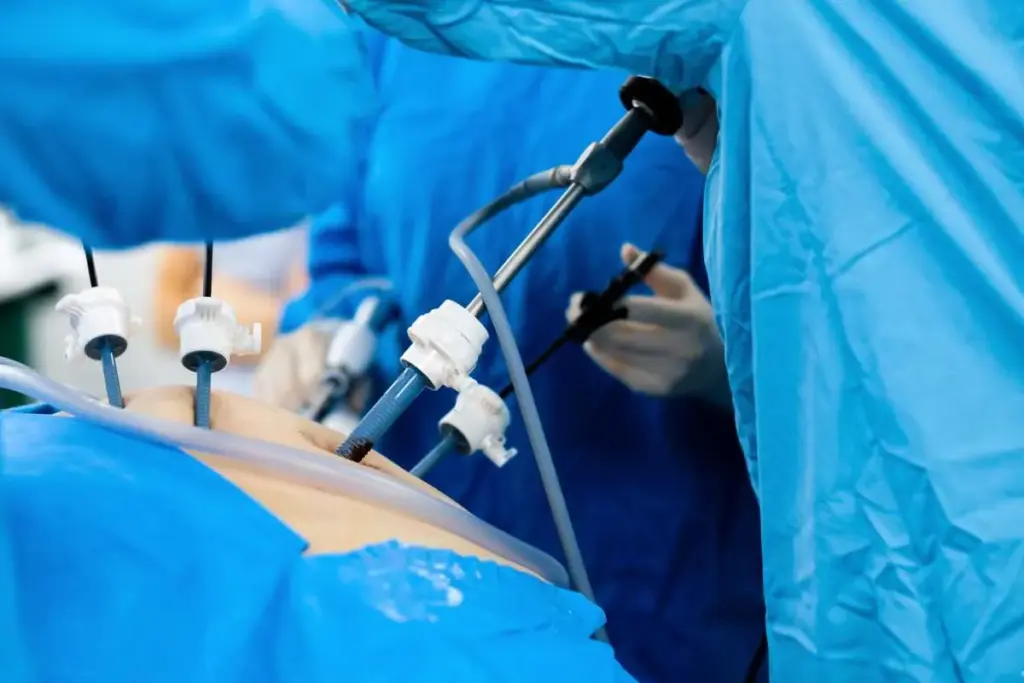
Gastric sleeve surgery is becoming more popular. It’s a big step for those fighting obesity. Understanding its long-term outcomes is key.
Choosing this surgery is a big decision. Patients often wonder what the future holds. We’ll look at the 10-year mark and why it’s important.
Understanding the 10-Year Milestone
The 10-year mark is a big deal after gastric sleeve surgery. It’s when the initial shock fades, and the real effects show. Studies show it helps keep weight off and improves health issues like type 2 diabetes.
By then, patients have adjusted to new eating habits and lifestyle. The 10-year milestone gives insight into the surgery’s success and future challenges.
Why Long-Term Outcomes Matter
Knowing the long-term effects of gastric sleeve surgery is vital. It helps patients know what to expect and how their health might improve. It also helps doctors see how well the surgery works and where they might need to help more.
Long-term outcomes show the need for ongoing care after surgery. Patients who keep up with medical check-ups tend to keep their weight off and handle any issues better.
Looking at the long-term effects helps us support patients better. This way, they can get the best results from their surgery.
Expected Weight Loss Maintenance After a Decade
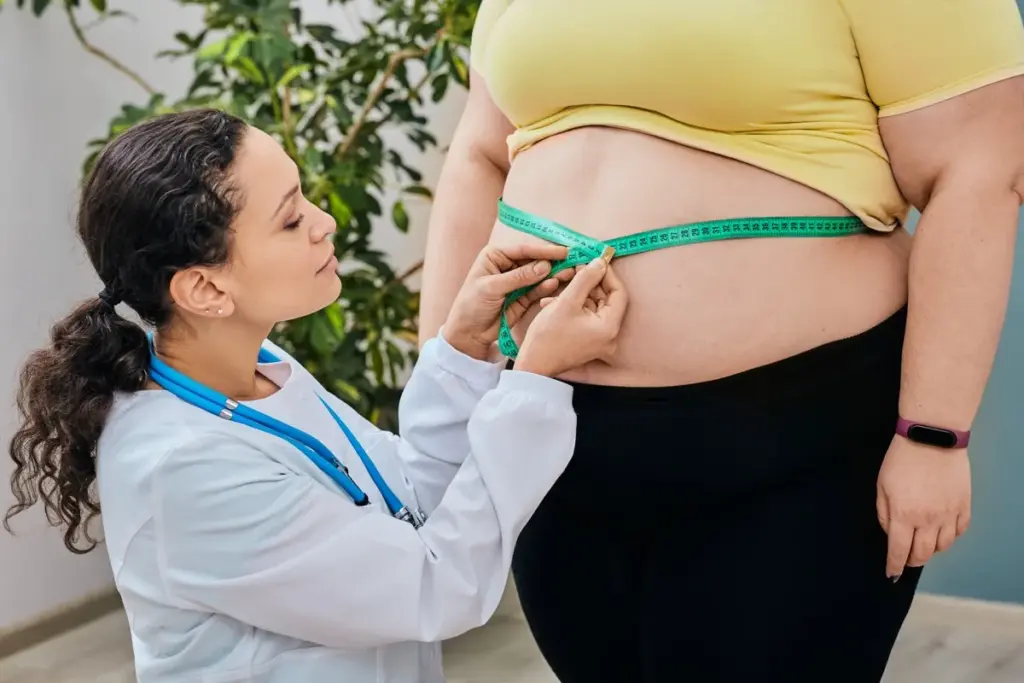
Understanding how to keep weight off after gastric sleeve surgery is key. We look at what helps people keep the weight off for a long time.
Average Excess Weight Loss Retention
Studies show that people keep about 41–55% of the weight lost 10 years after surgery. This shows that keeping weight off can vary a lot. Here’s why:
- Keeping weight off is often about diet, exercise, and lifestyle.
- The weight lost early on is big, but keeping it off takes hard work and dedication.
- Those who keep more weight off usually stick to diet and exercise plans.
Factors Affecting Long-Term Weight Maintenance
Many things can affect how well someone keeps weight off after surgery. These include:
- Lifestyle Nonadherence: Not following diet and exercise advice can hurt weight loss efforts.
- Metabolic Changes: Changes in how the body works can make it harder to lose or keep weight off.
- Hormonal Factors: Hormonal shifts can also affect weight loss.
- Psychological Factors: Mental health is very important for keeping weight off over time.
Knowing these factors helps doctors better support patients after surgery. This can improve their chances of keeping weight off for good.
Physical Health Improvements That Last
Patients who get gastric sleeve surgery often see lasting health benefits. We’ll look at how this surgery can improve life quality for years to come.
Diabetes Remission Rates at 10 Years
Gastric sleeve surgery greatly helps with obesity-related issues like type 2 diabetes. Many patients stay free from diabetes for a long time.
|
Study |
Diabetes Remission Rate |
Follow-Up Period |
|---|---|---|
|
Study A |
60% |
10 years |
|
Study B |
55% |
10 years |
|
Study C |
65% |
10 years |
These studies show gastric sleeve surgery can greatly help with diabetes. A big number of patients stay free from diabetes for a long time.
Cardiovascular Health Benefits
Another big plus of gastric sleeve surgery is better heart health. It helps lower obesity and metabolic problems, leading to heart health improvements.
Key cardiovascular benefits include:
- Reduced blood pressure
- Improved lipid profiles
- Decreased risk of heart disease
Joint and Mobility Improvements
Patients also see better joint and mobility after gastric sleeve surgery. Losing weight reduces joint stress, making movement easier and less painful.
This leads to a better quality of life. Patients can do more physical activities and handle daily tasks more easily.
Quality of Life Changes After 10 Years
After 10 years, people who had gastric sleeve surgery often see big changes in their life. These changes touch on their mental health and how they connect with others. These are key to feeling good and happy over the long term.
Psychological Well-being
The mental benefits of gastric sleeve surgery can be long-lasting. Studies show a big drop in feelings of sadness and worry. This boost in mental health is a big part of why patients feel better after surgery.
A study in the Journal of the American Medical Association (JAMA) found something interesting. It showed that patients’ mental health got better, and they felt less sad, up to 10 years after surgery.
Social Functioning and Relationships
Gastric sleeve surgery also makes a big difference in how people connect with others. As they lose weight and get healthier, they feel more confident. This confidence helps them make deeper connections and enjoy social activities more.
- Increased participation in social events
- Improved self-esteem and body image
- Enhanced ability to form and maintain relationships
Also, being healthier lets people do things they couldn’t before because of their weight. This leads to a more active and fulfilling life. It also helps them build stronger bonds with others.
The Reality of Weight Regain
Gastric sleeve surgery is not a quick fix. It takes ongoing effort to keep the weight off. We need to look at the facts, causes, and ways to avoid weight regain.
Statistics on Weight Recurrence
Research shows up to 30% of people gain weight back 10 years after surgery. This shows the importance of long-term support and care.
Common Causes of Weight Regain
Not sticking to a healthy lifestyle is a big reason for weight gain. This includes eating too much and not exercising enough. Hormonal shifts, stomach changes, and mental health issues also play a part.
- Poor Dietary Habits: Eating too many calories or eating too much can cause weight gain.
- Lack of Exercise: Staying active is key to keeping weight off.
- Hormonal Changes: Hormonal shifts can affect hunger and metabolism.
Strategies to Prevent Weight Regain
To avoid weight gain, a healthy lifestyle is essential. This means eating right and staying active. Also, getting support from doctors helps keep you on track.
- Make a diet plan that fits you.
- Stay active with regular exercise.
- Keep up with doctor visits.
Long-Term Nutritional Concerns
After gastric sleeve surgery, patients face big nutritional challenges. The smaller stomach and changes in digestion can cause deficiencies if not managed right.
Common Vitamin and Mineral Deficiencies
One big worry is vitamin and mineral deficiencies after surgery. Iron deficiency is common because of less stomach acid and changed iron absorption. Also, vitamin B12 deficiency is a risk because the smaller stomach and digestion changes make it hard to absorb this vitamin.
Other possible deficiencies include:
- Calcium and vitamin D deficiencies, which can harm bone health
- Folate deficiency, important for avoiding anemia
- Vitamin D deficiency, which can affect bone density and health
Supplementation Requirements After a Decade
To avoid these risks, long-term supplements are often needed. Patients should work with their healthcare team to create a personalized supplement plan. This plan should match their diet, health, and any deficiencies found in blood tests.
It’s key to remember that supplements are not just for once but for always. Regular checks and changes are needed. By being proactive about nutrition, patients can lower the risk of deficiencies and keep the benefits of their surgery.
Gastrointestinal Changes Over Time
Patients who have had gastric sleeve surgery may notice changes in their gut over the years. These changes can affect their health and how they feel every day. We will look at how the stomach’s size changes, acid reflux and GERD, and how digestion can shift over time.
Stomach Capacity Evolution
Right after surgery, the stomach can hold much less food. But, some people might see their stomach grow a bit over time. Research shows that while the stomach stays smaller for a few years, it can grow a bit more after a decade.
Table: Stomach Capacity Changes Over Time
|
Time Post-Surgery |
Average Stomach Capacity |
|---|---|
|
1 Year |
100 ml |
|
5 Years |
120 ml |
|
10 Years |
150 ml |
Acid Reflux and GERD Long-Term
Acid reflux and GERD can be issues for people after gastric sleeve surgery. Some see their symptoms get better, but others might notice them getting worse. Changes in the stomach’s shape and how it works can cause these problems.
It’s important for patients to watch their symptoms and talk to their doctor if acid reflux is a big problem.
Digestive Function Changes
The way our digestive system works can change a lot after surgery. Some might have trouble with bowel movements, like constipation or diarrhea. Also, how well the body absorbs nutrients can change, leading to deficiencies if not managed right.
We suggest that patients stay in close touch with their healthcare team to keep an eye on their digestive health. This way, any problems can be caught and fixed quickly.
Food Tolerance and Eating Patterns at 10 Years
At the 10-year mark after gastric sleeve surgery, eating habits and food tolerance change a lot. Studies show that up to 95% of people get back to eating normally. But, some might face food intolerances.
Dietary Adaptations Over Time
Over 10 years, eating habits change a lot. At first, the surgery limits what you can eat. But, as time goes on, people learn to eat better and feel less discomfort.
Dietary changes often mean eating more protein, choosing veggies and fruits wisely, and avoiding foods high in calories or sugar. These changes help keep weight off and improve health.
Food Intolerances That Persist vs. Resolve
Many people get better at eating different foods again. But, some might not be able to eat certain foods well. Problems often include trouble with dairy, gluten, or spicy foods.
Why some people keep having trouble with food can vary. It might be because of changes in how the body digests food or the shape of the gut. Knowing this helps plan diets better.
It’s important for patients to work with doctors to handle food issues. This way, they can eat well and feel good without pain.
“Gastric Sleeve Surgery Ruined My Life”: Understanding Negative Outcomes
Gastric sleeve surgery is popular, but it has its downsides. Some patients say it has ruined their lives because of complications. While many see weight loss and health improvements, others face tough challenges.
Common Complaints After a Decade
Patients often face complications after gastric sleeve surgery. These can last or get worse over time. Common issues include:
- Persistent nutritional deficiencies
- Ongoing gastrointestinal issues
- Weight regain
- Psychological distress
These problems can really affect a person’s life quality. It’s key to know the risks involved.
Psychological Impact of Complications
The mental effects of surgery complications are serious. Patients might feel:
- Anxiety and depression
- Body dysmorphia
- Disordered eating behaviors
The emotional impact can be deep. It affects not just the patient but their family too. Healthcare providers must offer full support to help.
It’s important to understand the possible negative effects of gastric sleeve surgery. By recognizing these risks, we can improve care and support for those going through it.
Gastric Sleeve Horror Stories: What Can Go Wrong
Gastric sleeve horror stories show the risks and complications of this weight loss surgery. Many patients lose a lot of weight and feel healthier. But, others face severe and lasting problems.
Severe Complications Cases
Some severe complications include:
- Strictures or narrowing of the stomach, causing severe vomiting and dehydration.
- Leakage from the staple line, leading to infection and needing more surgery.
- Blood clots or pulmonary embolism, which can be deadly.
- Chronic malnutrition due to poor nutrient absorption.
These issues can be very bad and even ruin a person’s life.
Quality of Life Deterioration Stories
Some patients see a big drop in their quality of life after surgery. This is due to:
- Long-term stomach problems like chronic nausea and pain.
- Hard time getting enough nutrients, causing health issues.
- Psychological effects like depression and anxiety, made worse by the surgery.
It’s key to have a good check-up before surgery and care after it. Patients need to know the risks and follow advice to avoid problems.
It’s also important to have ongoing support and watch for any issues. This way, any problems can be fixed quickly and well.
Common Gastric Sleeve Regrets After 10 Years
The journey after gastric sleeve surgery can be complex. Some patients feel regretful a decade later. Understanding the reasons behind these regrets is key.
Unrealistic Expectations vs. Reality
Many patients have high hopes for weight loss and health improvements after surgery. But, reality can differ. Unrealistic expectations often lead to disappointment and regret.
- Patients might expect too much weight loss.
- They might think surgery will fix all health problems.
- They often believe lifestyle changes will be easy.
It’s important to know the possible outcomes and challenges of gastric sleeve surgery. This helps manage expectations and reduce regrets.
Lifestyle Restriction Challenges
Gastric sleeve surgery means big lifestyle changes. These challenges can cause regret for some.
Lifestyle restrictions include eating differently, exercising regularly, and possibly taking vitamins for life. Adjusting to these changes is hard. Some patients miss the freedom to eat as they used to.
- Dietary limits can make people feel deprived.
- Keeping up with exercise can be tough.
- Not managing vitamin deficiencies can harm health.
Knowing these challenges helps patients prepare better. This can lower the chance of regret.
Serious Long-Term Complications
Exploring the long-term effects of gastric sleeve surgery is key. It’s important to know the serious complications that can happen. While it’s a great way to lose weight, patients need to understand the risks.
Strictures and Obstructions
Strictures and obstructions are serious long-term issues. A stricture is a narrowing in the stomach or intestine. It can make swallowing hard or cause severe pain. Obstructions block the flow of food, fluids, or waste.
- Stricture Symptoms: Difficulty swallowing, abdominal pain, vomiting
- Obstruction Symptoms: Severe abdominal pain, constipation, bloating
Chronic Malnutrition Effects
Chronic malnutrition is another serious issue after gastric sleeve surgery. It happens when the body can’t absorb enough nutrients. This can lead to health problems.
Common signs of chronic malnutrition include:
- Fatigue and weakness
- Hair loss and skin problems
- Poor wound healing
Mental Health Complications
Mental health problems can also be a long-term effect. Patients might feel depressed, anxious, or have other mental health issues. This is due to big lifestyle changes and possible nutritional deficiencies.
It’s vital for patients to get mental health support. This can include counseling, support groups, and watching for mental health signs.
Revision Surgery: When and Why It’s Needed
Revision surgery is a big deal for those who’ve had gastric sleeve surgery. It’s needed when problems come up or weight loss is slow. We’ll look at why it’s done, the choices, and what results you might see.
Conversion to Other Bariatric Procedures
One main reason for revision surgery is to switch to another bariatric procedure. This might happen if the gastric sleeve doesn’t lead to enough weight loss. Or if there are serious problems like severe reflux or a narrowed sleeve.
Switching to procedures like Roux-en-Y gastric bypass or biliopancreatic diversion with duodenal switch might be an option. The choice depends on your health, why you’re switching, and what your surgeon suggests. Each option has its own good and bad points.
Success Rates of Revision Surgeries
Knowing how well revision surgeries work is key for those thinking about it. Success is about losing weight, getting better health, and fewer problems.
|
Revision Procedure |
Average Weight Loss |
Comorbidity Improvement |
|---|---|---|
|
Roux-en-Y Gastric Bypass |
25-35% |
Significant improvement in diabetes and hypertension |
|
Biliopancreatic Diversion with Duodenal Switch |
35-45% |
High rate of remission for type 2 diabetes |
Revision surgery, like switching to other bariatric procedures, gives a second chance at losing weight and improving health. It’s for those who didn’t get the results they wanted with gastric sleeve surgery.
The Importance of Long-Term Medical Follow-Up
Long-term medical follow-up is key for those who’ve had gastric sleeve surgery. It helps keep weight loss going and health in check. After surgery, many see big weight drops and health boosts. But, without ongoing care, problems can pop up, and surgery benefits might fade.
Recommended Monitoring Schedule
Patients need regular check-ups with a doctor. At first, these visits are often every few weeks or months to track progress and tackle any issues. Even as time goes on, these visits stay important for keeping health in top shape.
At Liv Hospital, we make sure each patient gets a follow-up plan that fits their needs. This might include blood tests for nutrients, tracking weight loss, and checking overall health.
Warning Signs That Require Medical Attention
It’s vital for patients to know when to seek medical help fast. Look out for severe belly pain, vomiting blood, dehydration signs, or big nutritional gaps. Remember, some discomfort is normal, but some symptoms are not and need quick doctor visits.
Other red flags include losing a lot of weight, not getting better with supplements, or new health problems like acid reflux. Catching these early helps manage them better.
Following a monitoring schedule and knowing warning signs can greatly boost long-term results after gastric sleeve surgery. At Liv Hospital, our team is dedicated to giving top-notch care and support. We aim for the best outcomes for our patients.
Lifestyle Factors for Long-Term Success
Long-term success after gastric sleeve surgery needs a mix of healthy habits. We’ll look at key elements for lasting weight loss and better health.
Exercise Habits of Successful Patients
Regular exercise is key for keeping weight off and improving health. Research shows that active patients do better over time. We suggest a mix of:
- Aerobic exercises like walking, cycling, or swimming for 150 minutes weekly.
- Resistance training to build muscle and boost metabolism.
- High-intensity interval training (HIIT) for better heart health and weight control.
Finding enjoyable exercises is important. We encourage patients to get a fitness plan tailored to them.
Dietary Patterns That Support Maintenance
Eating right is vital for keeping weight off and getting enough nutrients. We advise on:
- Protein-rich foods for muscle growth and feeling full.
- Vegetables and fruits for vitamins, minerals, and fiber.
- Whole grains for complex carbs and fiber.
- Healthy fats like nuts, seeds, and avocados.
Avoid or limit:
- Sugary drinks and foods with added sugars.
- Processed and high-calorie foods.
- Foods high in saturated and trans fats.
Psychological Support Strategies
Mental health support is essential for lasting success after gastric sleeve surgery. We suggest:
- Cognitive-behavioral therapy (CBT) for emotional eating and body image issues.
- Support groups for connecting with others who’ve had similar experiences.
- Mindfulness practices like meditation and yoga to reduce stress and enhance well-being.
By adopting these lifestyle habits, patients can get the most from gastric sleeve surgery and achieve lasting success.
Conclusion: Weighing the Long-Term Benefits and Risks
Gastric sleeve surgery is a big decision that can change a person’s life a lot. It can lead to lasting weight loss and better health. But, it’s also important to think about the possible risks and problems that can happen.
Studies show that patients need to know about the good and bad sides of gastric sleeve surgery. Many people lose a lot of weight and feel healthier. But, some might face issues like problems with the stomach sleeve or surgery not working as planned.
To get the best results, patients should really think about the good and bad sides of gastric sleeve surgery. They should know the risks, watch for signs of trouble, and keep a healthy lifestyle. This helps support success in the long run.
FAQ
What are the average weight loss results 10 years after gastric sleeve surgery?
On average, patients keep off 41-55% of their excess weight.
How does gastric sleeve surgery affect diabetes remission rates after 10 years?
Gastric sleeve surgery can lead to significant diabetes remission rates. Many patients see improved glycemic control.
What are the common nutritional deficiencies after gastric sleeve surgery?
Common deficiencies include iron, vitamin B12, and other essential nutrients. Lifelong supplementation is needed.
Can I experience weight regain after gastric sleeve surgery?
Yes, up to 30% of patients may experience weight regain. This is often due to lifestyle nonadherence.
How does gastric sleeve surgery impact quality of life after 10 years?
Many patients report improved quality of life. They have higher mobility and better overall well-being.
What are the possible gastrointestinal complications after gastric sleeve surgery?
Possible complications include acid reflux, stomach capacity changes, and digestive function alterations.
Do I need revision surgery after gastric sleeve surgery?
Some patients may need revision surgery. This is due to complications or inadequate weight loss.
How often should I have medical follow-up after gastric sleeve surgery?
Regular monitoring is key. Follow-up schedules vary based on individual needs.
What lifestyle changes are necessary for long-term success after gastric sleeve surgery?
Adopting healthy exercise habits, dietary patterns, and psychological support strategies is essential. These help maintain weight loss.
Can gastric sleeve surgery lead to mental health complications?
Yes, some patients may experience mental health complications. These include depression or anxiety, requiring professional support.
What are the signs that I need to seek medical attention after gastric sleeve surgery?
Warning signs include severe abdominal pain, vomiting, or other concerning symptoms. These require immediate medical evaluation.
How does gastric sleeve surgery affect food tolerance and eating patterns?
Patients may experience changes in food tolerance. Some adapt to new eating patterns, while others may encounter food intolerances.
National Center for Biotechnology Information. Evidence-Based Medical Insight. Retrieved from
References
https://pubmed.ncbi.nlm.nih.gov/30879011