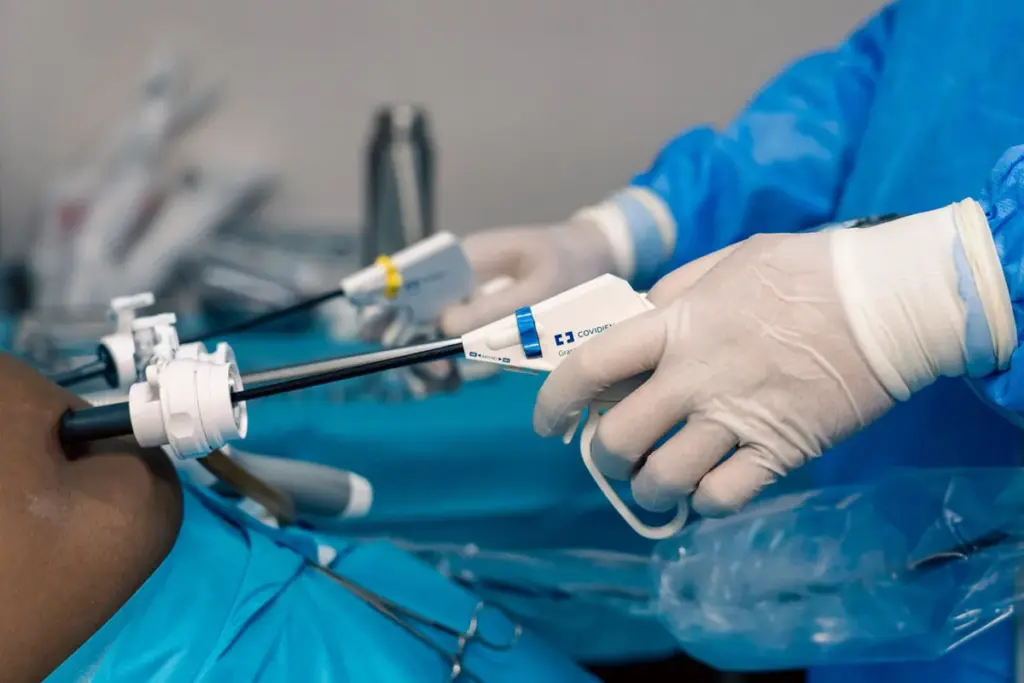
Nearly 300,000 bariatric surgeries are done every year in the United States. Gastric bypass is a top choice for losing weight. Compare gastric sleeve vs gastric bypass for best amazing care. Learn incredible proven secrets for a successful weight loss journey.
Gastric bypass surgery, also known as Roux-en-Y gastric bypass, makes a small stomach pouch. It also changes the small intestine’s path. This surgery is a big help for people who can’t lose weight with other methods.
Knowing how much stomach is removed in bariatric surgery options like gastric bypass helps patients. It lets them make better choices for their weight loss journey.
Key Takeaways
- Gastric bypass surgery involves creating a small stomach pouch.
- The procedure re-routes the small intestine for effective weight loss.
- It’s a significant weight loss surgery option for those struggling with obesity.
- Understanding the surgery helps patients make informed decisions.
- Bariatric surgery is a life-changing option for many.
Understanding Bariatric Surgery
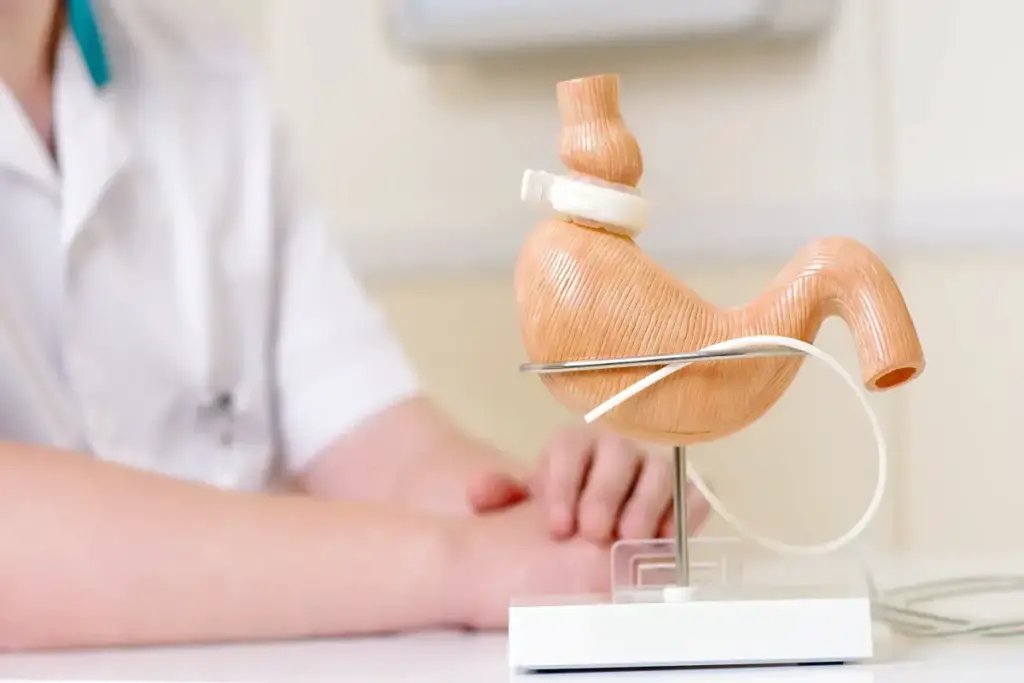
Bariatric surgery is a key tool in the fight against obesity. It offers hope to those who struggle with weight loss. As obesity rates rise worldwide, the need for effective weight loss solutions grows.
The Growing Need for Weight Loss Surgeries
Obesity has become a global epidemic, leading to a surge in demand for bariatric surgery. Obesity is linked to serious health issues like type 2 diabetes and heart disease. Bariatric surgery can help patients lose weight and improve their health.
More people are turning to bariatric surgery as a solution to their weight-related health problems. Traditional weight loss methods often fail for individuals with severe obesity, making surgical options more appealing.
Overview of Common Bariatric Procedures
There are several bariatric surgical procedures, each with its own benefits and considerations. The most common include:
- Gastric Bypass Surgery
- Gastric Sleeve Surgery
- Adjustable Gastric Banding
These procedures differ in how they help with weight loss. Some reduce stomach size, others change the digestive path, and some do both.
|
Procedure |
Description |
Weight Loss Mechanism |
|---|---|---|
|
Gastric Bypass |
Creates a small stomach pouch and reroutes the intestine |
Restrictive and Malabsorptive |
|
Gastric Sleeve |
Removes a large portion of the stomach, leaving a narrow sleeve |
Restrictive |
|
Adjustable Gastric Banding |
Places a band around the upper part of the stomach to create a small pouch |
Restrictive |
It’s important to understand the different bariatric surgery options for those considering weight loss surgery. Each procedure has its own advantages and disadvantages. The right choice depends on the patient’s health, weight loss goals, and personal preferences.
What is Gastric Bypass Surgery?

Gastric bypass surgery, also known as Roux-en-Y gastric bypass, is a surgery that helps with weight loss. It changes the stomach and small intestine. This makes it easier to lose weight by eating less and absorbing fewer nutrients.
This surgery is a top choice for those who are very overweight. Knowing how it works helps patients decide on their weight loss path.
The Roux-en-Y Gastric Bypass Procedure
The Roux-en-Y gastric bypass has two main parts. First, a small stomach pouch is made by stapling the upper stomach. This limits how much food you can eat, helping you lose weight.
The second part is re-routing the small intestine. This is done by dividing the intestine and connecting it to the new stomach pouch. This step helps reduce nutrient absorption.
How Gastric Bypass Works for Weight Loss
Gastric bypass surgery combines two ways to help with weight loss. The first is by making the stomach smaller. This means you can’t eat as much. The second is by making it harder for your body to absorb nutrients from food.
|
Mechanism |
Description |
Effect on Weight Loss |
|---|---|---|
|
Restrictive |
Reduces stomach size, limiting food intake |
Less food consumed |
|
Malabsorptive |
Reduces nutrient absorption |
Fewer calories absorbed |
Understanding these mechanisms helps patients see how gastric bypass surgery aids in weight loss.
Stomach Anatomy and Gastric Bypass
To understand gastric bypass surgery, we need to know the stomach’s normal anatomy. The stomach is a key part of our digestive system. It stores food, mixes it with digestive enzymes, and breaks it down for the intestines.
Normal Stomach Anatomy
The stomach can hold about 1 quart of food and liquids. It has different parts like the fundus, body, and antrum. Each part has its own role in digestion. The stomach lining also secretes mucus and digestive enzymes to break down food.
Changes to Stomach Structure After Bypass
Gastric bypass surgery, like the Roux-en-Y procedure, changes the stomach’s shape. A small pouch is made at the top of the stomach. This pouch is then connected to the small intestine, bypassing a big part of the stomach and the duodenum.
This change makes the stomach smaller, about 1-2 ounces. It also changes how food is digested.
The Difference Between Bypassing and Removing
It’s important to know the difference between bypassing and removing stomach parts during surgery. In gastric bypass, a big part of the stomach is bypassed, not removed. This is different from gastric sleeve surgery, where a big part of the stomach is removed.
“The key to understanding gastric bypass is recognizing that it’s not just about reducing stomach size, but also about altering the digestive pathway,” a leading bariatric surgeon said.
Knowing these differences is key for patients thinking about bariatric surgery. It helps them make better choices about their treatment. We’ll look at these differences and their effects in more detail later.
How Much Stomach Remains Functional After Gastric Bypass
Gastric bypass surgery makes a smaller stomach pouch. This change affects how food is processed in the body. It’s key to understanding the surgery’s impact on weight loss and health.
The Creation of the Small Gastric Pouch
In gastric bypass surgery, a small pouch is made by stapling or banding the stomach. This pouch is the new stomach, limiting how much food you can eat. It’s a vital step in the Roux-en-Y gastric bypass, a common surgery type.
Size Comparison: From 1 Quart to 1 Ounce
Before surgery, the stomach can hold about 1 quart of food and liquid. After surgery, the pouch can only hold 1 ounce. This big change helps you feel full faster and eat fewer calories.
The stomach’s size is now about 1/30th of what it was. This greatly changes how you eat and helps with weight loss.
What Happens to the Bypassed Portion
The part of the stomach that’s bypassed isn’t removed. It stays intact and keeps making digestive juices. These juices then mix with food in the small intestine, helping with digestion.
Knowing what happens in gastric bypass surgery is important for those considering it. Comparing it to other surgeries like gastric sleeve helps patients make the right choice. The choice between gastric sleeve and bypass depends on your health and weight loss goals.
What is Gastric Sleeve Surgery?
The gastric sleeve procedure, also known as vertical sleeve gastrectomy, is a popular weight loss surgery. It involves removing a big part of the stomach, leaving a narrow stomach. We will look into how it works and its benefits for losing weight.
The Vertical Sleeve Gastrectomy Procedure
Gastric sleeve surgery removes a big part of the stomach, about 75-80%. This leaves a narrow stomach, or tube-like structure. This greatly reduces the stomach’s size, limiting how much food you can eat. The surgery is done through small incisions in the abdomen. This method reduces recovery time and scarring.
How Gastric Sleeve Works for Weight Loss
Gastric sleeve surgery helps with weight loss in several ways. First, it makes the stomach much smaller, about 1/4 of its original size. This limits how much food you can eat at once, reducing calories. Second, it cuts down on ghrelin, a hormone that makes you hungry. This makes you feel full faster and eat less, leading to weight loss.
The main benefits of gastric sleeve surgery are:
- Significant weight loss: Patients lose a lot of weight in the first year.
- Reduced hunger: Less ghrelin means you feel less hungry.
- Improved obesity-related health conditions: Many see better health in conditions like type 2 diabetes and hypertension.
Stomach Removal in Gastric Sleeve Surgery
Gastric sleeve surgery removes about 75-80% of the stomach. This big cut is why it works well for losing weight.
Percentage of Stomach Removed
The surgery takes out a big chunk of the stomach, about 75-80%. This leaves a small, banana-shaped stomach pouch. Losing so much stomach helps a lot with weight loss.
Permanent Nature of Tissue Removal
The tissue removed in gastric sleeve surgery is gone for good. This part of the surgery can’t be undone. Once it’s done, the stomach can’t go back to its original size or shape.
The permanence of gastric sleeve surgery is something patients must think about. It’s not just the quick effects that matter. The long-term health and lifestyle changes are also key.
The Banana-Shaped Remaining Stomach
After surgery, the stomach looks like a banana and is much smaller. This new size limits how much food you can eat. It helps with weight loss.
The gastric sleeve benefits aren’t just about losing weight. It can also help with health problems linked to being overweight. When comparing gastric sleeve and gastric bypass, how much stomach is removed is a big difference.
Gastric Sleeve vs Gastric Bypass: Key Differences
Both gastric sleeve and gastric bypass surgeries help with weight loss. But they work in different ways. It’s important for patients to know these differences before choosing.
Surgical Technique Comparison
Gastric sleeve surgery removes a big part of the stomach, leaving a narrow stomach. Gastric bypass surgery makes a small pouch from the stomach and changes the small intestine’s path.
Gastric sleeve surgery is simpler and has fewer risks. But gastric bypass surgery might lead to more weight loss because it affects how the body absorbs nutrients.
Stomach Alteration Differences
Gastric sleeve surgery makes the stomach look like a banana by removing a lot of it. Gastric bypass surgery creates a small pouch in the stomach but keeps the rest of it.
Digestive Pathway Changes
Gastric bypass surgery changes how food moves through the body. It can affect how nutrients are absorbed. Gastric sleeve surgery doesn’t change the digestive path because it only removes part of the stomach.
Reversibility Considerations
Gastric sleeve surgery is hard to reverse because stomach tissue is removed. Gastric bypass surgery is also hard to reverse but can be done in some cases. This is complex and not always successful.
Choosing between gastric sleeve and gastric bypass depends on many factors. Patients should think about their health, weight loss goals, and the risks and benefits of each. Talking to a bariatric specialist is key to making the right choice.
Weight Loss Outcomes and Effectiveness
Weight loss surgeries, like gastric sleeve and gastric bypass, are key for many. They help patients lose a lot of weight. But, the results can differ based on several things.
Short-term Weight Loss Results
Both surgeries show big weight loss in the short term. Patients can lose a lot of weight in the first year. Gastric bypass surgery might lead to more weight loss at first.
A study showed gastric bypass patients lost 70-80% of excess weight in 12-18 months. Gastric sleeve patients lost about 60-70% in the same time.
Long-term Weight Maintenance
Keeping weight off long-term is key to surgery success. Both surgeries help with long-term weight loss. But, how much weight is lost can vary.
Gastric bypass surgery might keep weight off better over time. This is because it works in two ways. But, gastric sleeve surgery also leads to lasting weight loss for many.
Comparative Success Rates
Success rates of gastric sleeve and gastric bypass depend on several things. Success means losing a lot of weight and improving health problems.
Gastric bypass surgery often has higher success rates. But, gastric sleeve surgery is simpler and has fewer risks. This makes it a good choice for many.
Choosing between gastric sleeve and gastric bypass depends on the patient. It’s about health, weight goals, and personal choice. A healthcare provider should help decide.
Metabolic Benefits Beyond Weight Loss
Bariatric surgeries do more than just help you lose weight. They also improve your overall health. This is great news for people with obesity-related health issues.
Impact on Type 2 Diabetes
Bariatric surgery can greatly help with type 2 diabetes. Both gastric sleeve and gastric bypass surgeries can improve blood sugar control. This might even mean you can stop taking diabetes medication.
Gastric bypass surgery can have a quick effect on type 2 diabetes. It often fixes the condition right after surgery. This is because the surgery changes the way your gut hormones work.
Effects on Other Obesity-Related Conditions
Bariatric surgeries also help with other obesity-related issues. These include hypertension and dyslipidemia. By losing weight and improving metabolism, these surgeries can lower blood pressure and improve cholesterol levels.
Also, bariatric surgery can improve sleep apnea and lower the risk of heart disease. These benefits can greatly improve your life quality and reduce the risk of early death.
Comparing Metabolic Benefits Between Procedures
Both gastric sleeve and gastric bypass surgeries offer metabolic benefits. But, the extent of these benefits can differ from person to person. It depends on the individual and the specific surgery chosen.
|
Metabolic Benefit |
Gastric Sleeve |
Gastric Bypass |
|---|---|---|
|
Improvement in Type 2 Diabetes |
Significant improvement |
Often resolves shortly after surgery |
|
Effect on Hypertension |
Reduces blood pressure |
Reduces blood pressure |
|
Impact on Dyslipidemia |
Improves lipid profiles |
Improves lipid profiles |
The table shows that both surgeries offer big metabolic benefits. The choice between them depends on the patient’s needs and what their doctor recommends.
Potential Risks and Complications
Gastric bypass and gastric sleeve surgeries are good for losing weight. But, they also have risks and complications. It’s important to know these risks before deciding on surgery.
Short-term Surgical Risks
Short-term risks include bleeding, infection, and bad reactions to anesthesia. These are common with any surgery. But, with good care before and after surgery, these risks can be lowered.
A study in the Journal of the American Medical Association found bleeding and infection as common short-term complications. Knowing these risks helps patients prepare.
Long-term Health Considerations
Long-term risks include gallstones, hernias, and nutritional deficiencies. It’s key to see your healthcare provider regularly to manage these risks.
Nutritional Concerns and Deficiencies
Nutritional deficiencies are a big worry after bariatric surgery. Gastric bypass patients often lack vitamins and minerals like vitamin B12, iron, and calcium. This is because their digestive system is changed.
|
Nutritional Deficiency |
Gastric Bypass Risk |
Gastric Sleeve Risk |
|---|---|---|
|
Vitamin B12 |
High |
Moderate |
|
Iron |
High |
Moderate |
|
Calcium |
High |
Low |
Procedure-Specific Complications
Gastric bypass surgery can lead to bowel obstruction and dumping syndrome. Dumping syndrome happens when food moves too fast from the stomach to the small intestine.
“The risk of dumping syndrome after gastric bypass surgery is significant, affecting up to 50% of patients to some degree.”- American Society for Metabolic and Bariatric Surgery
In conclusion, gastric bypass and gastric sleeve surgeries are good for weight loss. But, it’s important to know the risks and complications. Talking to your healthcare provider about these risks is key to making the right choice for you.
Recovery and Lifestyle Changes
Recovery from weight loss surgery is more than just healing. It means changing your lifestyle completely. After surgeries like gastric sleeve or gastric bypass, you need to eat differently, move more, and watch your health forever.
Post-Surgery Diet Progression
The diet after surgery goes through stages. First, you eat liquids, then pureed foods, and later solid foods. This slow change helps your stomach heal and lowers risks. Always follow your doctor’s diet plan for a smooth recovery.
- Liquid diet: Right after surgery, you’ll drink clear broths, electrolyte drinks, and protein shakes.
- Pureed diet: As you heal, you’ll move to blended foods that are smooth.
- Solid foods: Later, you can start eating soft foods and then more solid ones.
Physical Activity Recommendations
Being active is key to recovery and keeping weight off. Start with easy walks and slowly do more as you get stronger. Exercise helps with weight loss and keeps you healthy.
- Start with short walks and light stretching.
- Slowly make your exercises harder and longer.
- Do a mix of cardio, strength training, and stretching.
Lifelong Monitoring Requirements
Watching your health forever is important after surgery. Regular check-ups help catch problems early. Be ready to commit to your health for life.
Vitamin and Mineral Supplementation
After surgery, you might need vitamins and minerals to avoid shortages. The right supplements depend on your surgery and needs. Work with your doctor to find the best supplements.
Understanding recovery and lifestyle changes helps prepare you for the journey. With the right attitude and support, you can lose weight and live a healthier life.
Revision and Conversion Options
For some, weight loss surgery is just the first step. Many see big changes in their health, but some need more help. This might mean more surgery to reach their goals or fix problems.
Deciding on revision or conversion surgery is big. It depends on the patient’s health, why they need more surgery, and the risks and benefits. We’ll look at options like switching from sleeve to bypass, fixing failed bypasses, and when more surgery is needed.
Converting Sleeve to Bypass
Some who had gastric sleeve surgery might need to switch to gastric bypass. This choice is often made if they’re not losing enough weight, gain it back, or have severe reflux.
The process of switching is complex. It involves making a new small pouch and changing the intestine’s route. This needs a skilled bariatric surgeon to plan and do carefully.
“Conversion from sleeve gastrectomy to Roux-en-Y gastric bypass is a feasible and effective revisional procedure for patients with inadequate weight loss or complications after sleeve gastrectomy.”
Revising Failed Bypass Procedures
Patients who had gastric bypass might need more surgery if it didn’t work or caused problems. Reasons include a big pouch, a bad stoma, or not absorbing nutrients well.
Fixing a failed bypass needs to understand the patient’s body and why it didn’t work. The surgery might resize the pouch, change the intestine’s length, or fix other issues.
|
Reasons for Revision |
Description |
Potential Solutions |
|---|---|---|
|
Inadequate Weight Loss |
Insufficient weight loss after initial surgery |
Revision of gastric pouch, adjustment of intestinal limbs |
|
Weight Regain |
Significant weight regain after initial weight loss |
Revision of gastric pouch, adjustment of intestinal limbs |
|
Complications |
Issues such as severe reflux, malnutrition, or bowel obstruction |
Revision surgery to address specific complications |
When Revision Surgery Becomes Necessary
Revision surgery is considered when a patient faces big issues after their first surgery. This includes not losing enough weight, gaining it back, or having complications that affect their life quality.
Choosing to have revision surgery should be talked over with a skilled bariatric surgeon. They’ll consider the patient’s health, why they need more surgery, and the risks and benefits.
Knowing about revision and conversion surgery options helps patients make smart choices. This way, they can get the best results for their health.
Candidacy for Each Bariatric Procedure
To become a candidate for bariatric surgery, a person’s health and mental readiness are thoroughly checked. We look at several important factors to decide if someone is right for gastric sleeve or gastric bypass surgery.
BMI and Health Considerations
Body Mass Index (BMI) is key in deciding if someone can have bariatric surgery. People with a BMI of 40 or higher are usually considered. Those with a BMI of 35 or higher might also qualify if they have health problems like type 2 diabetes or high blood pressure.
We also check the patient’s overall health and any health issues that could affect surgery or recovery.
|
BMI Category |
Candidacy for Bariatric Surgery |
|---|---|
|
40 or higher |
Generally considered candidates |
|
35-39.9 with comorbidities |
May be considered candidates |
|
Below 35 |
Typically not considered candidates |
Medical Contraindications
Some health issues can make bariatric surgery not safe. These include serious heart problems, active drug use, and certain mental health conditions. We do detailed medical checks to find out if there are any issues.
Psychological Readiness
Being mentally ready is very important for bariatric surgery. Patients need to understand the big lifestyle changes they’ll have to make after surgery. We check their mental health and offer support when needed.
Insurance Coverage Factors
Insurance coverage can vary a lot. We help patients understand what their insurance covers. We look at BMI, health problems, and the insurance policy to figure this out.
- Check if your insurance covers bariatric surgery
- Understand the requirements for pre-approval
- Review the policy’s coverage for post-surgery care
By carefully looking at these factors, we can find the best bariatric surgery for each patient. This ensures the best results for them.
Making the Decision: Which Weight Loss Surgery is Right for You?
Choosing the right weight loss surgery is a big decision. It depends on your health and lifestyle. This choice is key to losing weight and getting healthier.
Personal Health Factors to Consider
Think about your health when choosing surgery. Look at your BMI, health conditions like diabetes, and past surgeries. Your health will guide which surgery is best for you. Some surgeries work better for certain health issues.
Lifestyle Compatibility
How well you fit with a surgery is also important. Each surgery needs different lifestyle changes. For example, gastric bypass surgery might need bigger diet changes than gastric sleeve surgery. Knowing these needs and how they fit with your life is key for success.
Consulting with Bariatric Specialists
Talking to bariatric specialists is a big step. They give advice based on your health and goals. They explain the good and bad of surgeries like gastric sleeve vs gastric bypass, helping you decide.
Patient Experiences and Satisfaction
What others say about surgery is important. Their stories can give you useful info. Many people see big health and life quality improvements after surgery. Looking at how happy others are can help you decide.
Choosing surgery should be a thoughtful process. Consider your health, lifestyle, and talk to specialists. This way, you can pick the surgery that’s best for you.
Conclusion
Gastric sleeve and gastric bypass are two main weight loss surgeries. They have different benefits and risks. Knowing the differences is key for those thinking about losing a lot of weight.
Choosing between gastric sleeve and gastric bypass depends on many things. These include your health, lifestyle, and what bariatric specialists suggest. By looking at these factors and understanding the surgeries, you can decide which one is best for you.
The main aim of these surgeries is to help you live a healthier life. We suggest talking to healthcare experts to find the best bariatric surgery for you.
FAQ
What is the difference between gastric sleeve and gastric bypass surgery?
Gastric sleeve surgery removes a big part of the stomach, about 75-80%. This leaves a narrow stomach. Gastric bypass surgery makes a small stomach pouch and changes the small intestine’s path.
How much of the stomach is removed in gastric bypass surgery?
Gastric bypass surgery doesn’t remove a lot of the stomach. Instead, it bypasses a big part of it. The small intestine is then re-routed.
What are the benefits of gastric sleeve surgery compared to gastric bypass?
Gastric sleeve surgery is simpler and has fewer risks of nutritional problems. But, gastric bypass often leads to more weight loss and better health for obesity-related issues.
What are the possible risks and complications of gastric sleeve and gastric bypass surgeries?
Both surgeries have risks like short-term surgical problems and long-term health issues. Gastric sleeve surgery might cause leaks, bleeding, or a narrow stomach. Gastric bypass surgery might lead to nutritional deficiencies, bowel obstruction, or dumping syndrome.
How do I determine if I am a candidate for gastric sleeve or gastric bypass surgery?
To see if you’re a good candidate, your BMI, health, and insurance are checked. A bariatric specialist can help decide which surgery is best for you.
What lifestyle changes are required after gastric sleeve or gastric bypass surgery?
After surgery, you need to follow a special diet and exercise regularly. You also need to take vitamins and minerals to avoid nutritional problems.
Can I have revision or conversion surgery after my initial weight loss surgery?
Yes, sometimes you might need a second surgery. This could be to change from a sleeve to a bypass or to fix a failed bypass.
How do gastric sleeve and gastric bypass surgeries impact type 2 diabetes and other obesity-related conditions?
Both surgeries can help with type 2 diabetes and other obesity issues. But, gastric bypass might have more benefits in these areas.
What are the comparative success rates of gastric sleeve and gastric bypass surgeries?
Both surgeries work well for weight loss. Gastric bypass might lead to more weight loss in some studies.
How do I choose between gastric sleeve and gastric bypass surgery?
Choosing depends on your health, lifestyle, and talking to bariatric specialists. Knowing the differences and risks is key to making a good choice.
References
National Center for Biotechnology Information. Evidence-Based Medical Insight. Retrieved from https://pmc.ncbi.nlm.nih.gov/articles/PMC9270090/



 Departments
 Related Videos
 Our Doctors
 News
News