Gastric bypass surgery, like the Roux-en-Y method, is a big help for those with severe obesity. It’s a surgery that changes how you eat and digest food. It makes a small stomach pouch and connects part of the small intestine to it, skipping over some of your digestive system.Detailed explanation of the procedure, often demonstrated in a gastric surgery video.
We’ll show you how gastric bypass surgery works, using videos. The Roux-en-Y gastric bypass has two main parts. First, it makes a small stomach pouch. Then, it connects part of the small intestine to this pouch. This way, you take in fewer calories and absorb less nutrients, helping you lose a lot of weight.
Key Takeaways
- Roux-en-Y gastric bypass is a surgical procedure for weight loss.
- The procedure involves creating a stomach pouch and rerouting the small intestine.
- This technique reduces caloric intake and nutrient absorption.
- Gastric bypass surgery resolves life-threatening comorbidities like Type 2 diabetes and hypertension.
- Minimally invasive techniques are used to prioritize patient-centered approaches.
Understanding Gastric Bypass Surgery
The Roux-en-Y gastric bypass is a weight-loss surgery. It makes a small stomach pouch and changes the small intestine’s path. This helps people lose weight by eating less and absorbing fewer nutrients.
What is Roux-en-Y Gastric Bypass
Roux-en-Y gastric bypass surgery, or gastric bypass, has two main parts. It makes a small stomach pouch and changes the small intestine’s path. The small stomach pouch is made by dividing the stomach into two parts. The small intestine is then connected to the pouch, making food bypass a lot of the stomach and small intestine.
Mechanism of Weight Loss
Gastric bypass surgery works in several ways. It limits how much food you can eat at once, cutting down on calories. It also reduces nutrient absorption by changing the small intestine’s path. This combo helps people lose a lot of weight.
Expected Outcomes and Success Rates
Gastric bypass surgery is very effective for weight loss. People can lose 25% to 35% of their body weight in the first two years. It also helps with health problems like type 2 diabetes, high blood pressure, and sleep apnea.
Outcome | Pre-Surgery | Post-Surgery (1 Year) | Post-Surgery (2 Years) |
Average Weight Loss | 0% | 25% | 30% |
Type 2 Diabetes Remission | 0% | 60% | 80% |
Hypertension Improvement | 0% | 50% | 70% |
Gastric bypass surgery is a powerful tool for those struggling with obesity. It leads to significant weight loss and better health.
Pre-Surgical Preparation and Planning
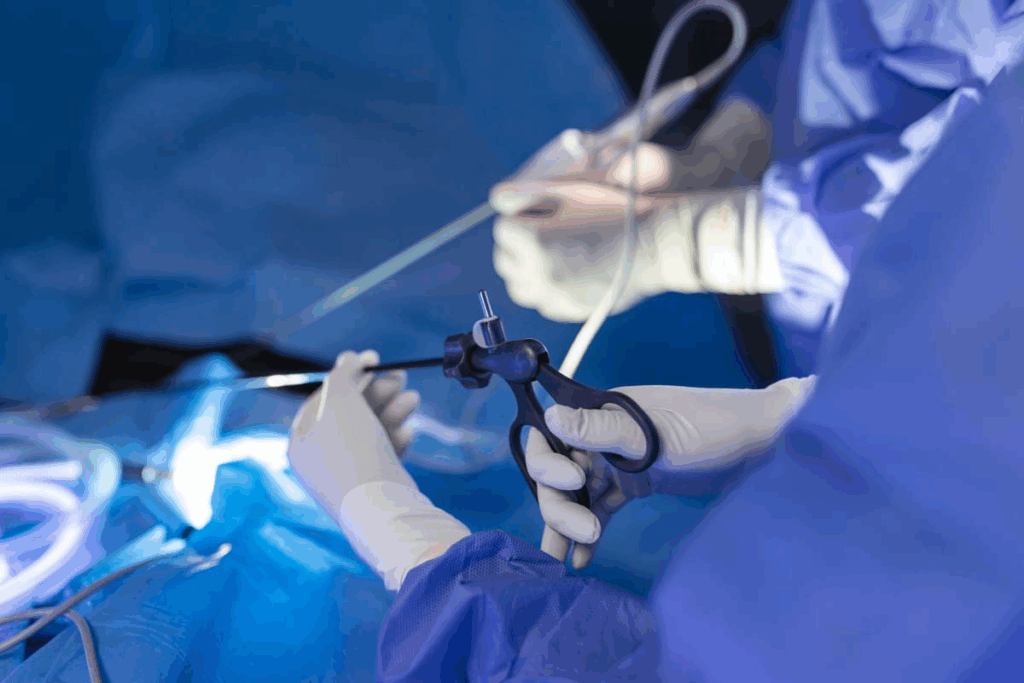
Getting ready for gastric bypass surgery is a big step. It includes a detailed check-up and teaching patients about what to expect. We make sure our patients are ready for the surgery and the big changes in their life that come with it.
Patient Evaluation and Selection Criteria
Before surgery, patients go through a detailed check to see if they’re a good fit. We look at their health history, any health problems linked to being overweight, and their mental health.
Key factors in patient evaluation include:
- Medical history and current health status
- Obesity-related health issues
- Psychological stability and readiness for lifestyle changes
- Previous weight loss attempts and their outcomes
Evaluation Criteria | Description | Importance Level |
Medical History | Review of patient’s medical records | High |
Obesity-Related Comorbidities | Assessment of health issues related to obesity | High |
Psychological Assessment | Evaluation of mental readiness for surgery and lifestyle changes | High |
Pre-operative Testing and Assessments
Before surgery, patients get tested to make sure they’re healthy enough. These tests might include blood work, imaging, and other checks as needed.
“Pre-operative testing is key to spotting risks and making sure patients are ready for surgery.” – Expert in Bariatric Surgery
Patient Education and Informed Consent
Teaching patients about the surgery, its risks, and the lifestyle changes they’ll need is vital. We make sure they understand everything before they give their consent.
Anesthesia Considerations
Anesthesia is a big part of gastric bypass surgery. Our anesthesiologists work with the surgical team to make sure patients are comfortable and safe during the surgery.
With careful planning and preparation, we can make sure patients do well and avoid complications.
Surgical Equipment and Setup
Gastric bypass surgery needs special equipment and a setup to be safe and effective. The operating room is set up for a smooth operation. It focuses on laparoscopic tools and precise instruments.
Essential Instruments for Gastric Bypass
The success of gastric bypass surgery relies on top-quality, specialized tools. These include:
- Laparoscopic instruments, such as graspers and dissectors
- A high-definition camera and light source for clear vision
- An insufflator to keep a stable pneumoperitoneum
- Surgical staplers and suturing devices for the gastric pouch and anastomosis
Operating Room Configuration
The operating room is set up for the team’s efficiency and patient safety. This includes:
- A laparoscopic tower with a video monitor, camera, and light source
- A sterile surgical field with necessary instruments and supplies
- Anesthesia equipment and monitoring devices
Proper setup of the operating room is key for gastric bypass surgery success. It lets the surgical team focus on the procedure.
Surgical Team Roles and Responsibilities
A skilled and coordinated surgical team is vital for gastric bypass surgery. The team includes:
- A lead surgeon who performs the procedure
- An assistant surgeon who provides support and assistance
- A surgical nurse who handles instruments and maintains the sterile field
- An anesthesiologist who manages patient anesthesia and vital signs
Each team member has specific roles and responsibilities. This ensures a smooth and safe operation.
Patient Positioning and Surgical Approaches
The success of gastric bypass surgery depends on many factors. These include the right patient positioning and the surgical technique used. Gastric bypass, or Roux-en-Y gastric bypass, is a detailed procedure that needs careful planning and execution.
Optimal Patient Positioning
Getting the patient positioned right is key for gastric bypass surgery success. The patient lies on their back on the operating table. Their arms are secured, and their legs are raised. This setup helps the surgeon easily access the stomach and intestines.
Key considerations for patient positioning include:
- Ensuring the patient is comfortable and secure to prevent movement during surgery
- Allowing easy access to the abdominal cavity
- Providing a clear view of the surgical site for the surgeon
Open Surgery Technique
The open surgery technique involves a big incision in the abdomen. This method is less common today because of laparoscopic surgery advancements. But, it might be needed in some cases.
Advantages and disadvantages of open surgery:
Advantages | Disadvantages |
Direct access to the surgical site | Larger incision, resulting in more tissue trauma |
Potential for easier control of bleeding | Longer recovery time |
More visible scarring |
Laparoscopic Approach
The laparoscopic approach, or minimally invasive surgery, uses small incisions. A laparoscope helps the surgeon see the area. This method is preferred for its quick recovery and less scarring.
- Smaller incisions, resulting in less tissue trauma and scarring
- Reduced risk of complications and infection
- Shorter hospital stay and recovery time
Creating the Gastric Pouch
Gastric bypass surgery makes a small gastric pouch. This is a key step for success. It helps patients lose weight and keep it off.
Anatomical Landmarks and Measurements
To make the pouch, the surgeon finds the stomach’s landmarks. They measure from the esophagogastric junction to find the right spot. Getting the measurements right is very important.
They use both sight and tools to find the landmarks. This helps make a pouch about 1 ounce in size, like a walnut.
Dividing the Stomach
Next, the stomach is divided to make the pouch. A surgical stapler is used to seal and cut the stomach. This reduces the risk of leaks.
The team makes sure the cut is in the right place. They use the earlier measurements as a guide. This ensures the pouch is the right size for food.
Forming the Walnut-Sized Pouch
The goal is a small, functionally effective pouch. The walnut-sized pouch limits food intake. It makes patients feel full after eating smaller meals.
To get this size, the stapler is adjusted carefully. The pouch’s final size is about 1 ounce. This is enough for nutrition while helping with weight loss.
Step | Description | Key Considerations |
1. Anatomical Landmarks Identification | Measuring the stomach to determine the division point | Accuracy is key for the right pouch size |
2. Dividing the Stomach | Using a surgical stapler to create the pouch | Reduce leakage risk, ensure correct division location |
3. Forming the Pouch | Adjusting the stapler for the correct pouch size | Pouch should be about 1 ounce in size |
Creating the gastric pouch is a critical step in gastric bypass surgery. It’s essential for patients to reach their weight loss goals and improve their health.
Gastric Bypass Operation Video Techniques
Gastric bypass operation videos give a detailed look at the surgical techniques used. They are very helpful for training and understanding the procedure.
Key Visualization Approaches
Visualization is key in gastric bypass surgery. Surgeons need clear images to navigate the operation’s complexities. High-definition cameras and advanced laparoscopic equipment help achieve this.
Key visualization approaches include:
- Using high-definition cameras to capture detailed images
- Employing advanced laparoscopic equipment for better visualization
- Maintaining a clear and stable visual field throughout the procedure
Common Technical Challenges
Despite advances, gastric bypass operations face technical challenges. These include:
- Navigating complex anatomy
- Managing bleeding and hemostasis
- Achieving precise suturing and anastomosis
Surgeons must be skilled in handling these challenges for a successful outcome. Experience and training are key in overcoming these difficulties.
Expert Techniques Demonstrated in Videos
Gastric bypass operation videos show various expert techniques. These include:
- Optimal patient positioning for better access
- Efficient creation of the gastric pouch
- Precise intestinal rerouting and anastomosis
These videos offer insights into the strategies used by experienced surgeons. They help improve the skills of those performing the operation.
Duration of Procedure (How Long the Operation Takes)
The time it takes for a gastric bypass operation varies. It usually ranges from 90 minutes to two hours. The complexity of the case and the surgeon’s experience are key factors.
Understanding the techniques shown in gastric bypass operation videos is vital for surgeons. These videos provide insights into the procedure. They also help in planning and executing the surgery effectively.
Intestinal Rerouting Procedure
The intestinal rerouting procedure is a key part of gastric bypass surgery. It needs a lot of skill and precision. We will explain each step to help you understand how gastric bypass works.
Measuring and Dividing the Small Intestine
The first step is to measure and divide the small intestine. Accurate measurement is very important. It helps make sure the Roux limb is the right length for weight loss and to avoid problems.
We start by measuring from the ligament of Treitz. Then, we divide it 50-100 cm down from there. A linear stapler is used to make a clean cut and reduce the chance of leaks.
Creating the Roux Limb
After dividing the intestine, we make the Roux limb. The length of the Roux limb can change based on the patient’s needs and the surgeon’s choice.
A longer Roux limb might be needed for those who need to lose more weight. But, it’s important not to make it too long to avoid problems with absorbing nutrients.
Roux Limb Length | Typical Use | Considerations |
50-100 cm | Standard gastric bypass | Balanced weight loss and nutrition |
100-150 cm | Patients with higher BMI | Increased risk of malabsorption |
150+ cm | Significant weight loss required | High risk of nutritional deficiencies |
Gastrojejunostomy Anastomosis
The gastrojejunostomy anastomosis connects the gastric pouch to the Roux limb. It’s a critical step to prevent leaks and ensure food moves properly.
We use a circular or linear stapler for this connection, depending on the patient’s body and the surgeon’s preference. The anastomosis is tested for leaks using saline or methylene blue.
Jejunojejunostomy Anastomosis
The jejunojejunostomy anastomosis connects the Roux limb to the rest of the small intestine. This is usually done with a linear stapler or by hand.
“The key to a successful gastric bypass surgery lies in the meticulous execution of the intestinal rerouting procedure, including the creation of a secure gastrojejunostomy and jejunojejunostomy anastomosis.” – Expert Surgeon
By carefully measuring, dividing, and reconnecting the small intestine, we can achieve a successful gastric bypass surgery. This surgery promotes effective weight loss and improves the patient’s overall health.
Ensuring Surgical Success
The success of gastric bypass surgery depends on careful attention during the procedure. We take important steps to ensure our patients get the best results.
Testing for Leaks
After finishing the anastomoses, we test for leaks. This is key to avoiding complications after surgery. We use air or methylene blue dye to check the connections.
Leak testing is a critical safety measure that helps us find and fix any problems before closing the wound. This ensures the surgery’s long-term success.
Securing Anastomoses
Securing the anastomoses is vital for surgery success. We use suturing or stapling to strengthen the stomach and intestine connections. This prevents issues like bleeding or dehiscence.
Final Inspection Before Closure
Before closing the wound, we inspect the surgical site carefully. We check for bleeding points or complications. This allows us to fix any problems quickly.
Wound Closure Techniques
We use advanced techniques to close wounds and promote healing. The choice depends on the patient’s needs and the surgery specifics.
Wound Closure Method | Description | Benefits |
Suturing | Using sutures to close the wound | Precise control, minimal scarring |
Stapling | Using staples to close the wound | Quick application, reduced risk of infection |
By following these steps and using the latest techniques, we ensure the success of gastric bypass surgery. Our focus on detail and patient care shows in every part of the surgical process.
Post-Operative Management and Complications
Managing care after gastric bypass surgery is key to success. We watch patients closely to catch any issues early.
Immediate Recovery Protocols
Right after surgery, we keep a close eye on patients. This helps us spot any problems quickly. We have strict rules to make sure patients get the best care.
- Monitoring vital signs and pain management
- Early mobilization to prevent blood clots
- Initial dietary restrictions to allow the stomach to heal
Dietary Progression
Going back to a normal diet is important after surgery. We help patients with a step-by-step eating plan.
- Liquid diet in the initial days post-surgery
- Gradual introduction to soft foods
- Eventual transition to a balanced, nutrient-rich diet
Managing Common Complications
Even though gastric bypass is safe, some problems can happen. We work hard to handle these issues well.
- Nutritional deficiencies
- Gastrointestinal issues
- Potential for band slippage or erosion
Follow-up Care Schedule
Regular check-ups are important to keep an eye on how patients are doing. We want to make sure the surgery works well in the long run.
Follow-up care typically includes:
- Regular check-ups with the surgical team
- Monitoring of nutritional status
- Adjustments to diet and lifestyle as needed
With a good plan for after surgery, patients can lose a lot of weight. They also see big improvements in their health. Our team is here to support you every step of the way.
Conclusion
Gastric bypass surgery, like the Roux-en-Y technique, is a top choice for weight loss. It makes a small pouch in the stomach and changes the small intestine’s path. This helps cut down on calories and nutrients, leading to big weight loss.
Our guide shows why preparation, surgery, and care after are key. A gastric bypass operation video is great for learning more. It shows the detailed steps of the surgery.
The surgery does more than just help with weight. It also boosts health and life quality. With the right team and care, patients can lose a lot of weight. This is seen in successful rex weight loss programs.
FAQ
What is gastric bypass surgery?
Gastric bypass surgery, like the Roux-en-Y technique, is a way to help people with obesity lose weight. It makes a small stomach pouch and changes the small intestine’s path. This helps in losing a lot of weight.
How is gastric bypass surgery performed?
The surgery has two main steps. First, a small pouch is made from the upper stomach. Then, part of the small intestine is connected to this pouch. This reduces how much food you can eat and how much nutrients your body absorbs.
What are the expected outcomes of gastric bypass surgery?
Research shows that patients can lose a lot of weight. On average, they lose 28.4 percent of their body weight after seven years.
What is a stricture after gastric bypass?
A stricture is a narrowing of the stomach or intestine after surgery. It can make swallowing hard or cause other digestive problems.
How long does a gastric bypass operation take?
The surgery can last anywhere from 90 minutes to two hours.
What are the benefits of a laparoscopic approach in gastric bypass surgery?
The laparoscopic method is better because it’s less invasive. It means less recovery time and less scarring.
What is the Roux-en-Y gastric bypass technique?
The Roux-en-Y technique makes a small stomach pouch and changes the small intestine’s path. This helps in eating less and absorbing fewer nutrients.
How is the gastric pouch created during gastric bypass surgery?
The surgeon finds key landmarks and measures the stomach. Then, they divide it to make a small pouch, about the size of a walnut. This pouch can hold only about 1 ounce of food.
What is the role of patient education in pre-surgical preparation?
Patients learn about the surgery, its risks, and lifestyle changes needed after surgery. This ensures they are well-informed and ready for the surgery and recovery.
What are the common complications of gastric bypass surgery?
Complications can include leaks, bleeding, and nutritional deficiencies. These are managed through care after surgery and follow-up visits.
References
- Angrisani, L., Santonicola, A., Iovino, P., et al. (2018). Bariatric Surgery Worldwide 2013. Obesity Surgery, 28(12), 3175-3186. https://pubmed.ncbi.nlm.nih.gov/30663733/