Patients with digestive symptoms often wonder whether to see a gastroenterologist or a hepatobiliary surgeon. Both are key in handling complex digestive issues. Yet, they have different roles.
A hepatobiliary surgeon specializes in surgeries of the liver, gallbladder, bile ducts, and pancreas. On the other hand, a gastroenterologist deals with digestive diseases without surgery. They use endoscopy and colonoscopy for diagnosis and treatment.
It’s important to know their unique training and roles for better healthcare choices. For example, if surgery is needed, a gastroenterologist might send the patient to a surgeon. This is true for cases where a gastroenterologist works with a colorectal surgeon.
Key Takeaways
- A hepatobiliary surgeon specializes in surgical procedures related to the liver, gallbladder, bile ducts, and pancreas.
- A gastroenterologist focuses on non-surgical diagnosis and management of digestive diseases.
- Both specialists play vital roles in managing digestive health.
- Their teamwork can greatly improve patient outcomes.
- Liver diseases cause over 2 million deaths worldwide each year, showing the importance of both specialties.
Understanding Medical Specializations in Digestive Health

Medical specializations in digestive health are key for diagnosing and treating stomach problems. The digestive system is complex, with many organs working together. When problems occur, patients often need to see specialists who focus on digestive health.
The Importance of Specialized Care for Digestive Organs
Special care for digestive organs is vital because of their complexity and importance. Gastroenterologists and hepatobiliary surgeons are essential for treating various digestive issues. They have extensive training to handle problems with the digestive tract, liver, gallbladder, and pancreas.
Gastroenterologists use endoscopy or colonoscopy for diagnosis and minor treatments. These methods let them see inside the digestive tract. They can spot issues like ulcers, polyps, or tumors.
Overview of Digestive System Specialists
Digestive system specialists include gastroenterologists and hepatobiliary surgeons. Gastroenterologists handle non-surgical digestive system issues. Hepatobiliary surgeons focus on surgical treatments for the liver, gallbladder, bile ducts, and pancreas.
Gastroenterology services are part of community care contracts. Community care providers can diagnose and treat many digestive system problems. Knowing the roles of these specialists is key for managing digestive health well.
Defining the Role of a Hepatobiliary Surgeon
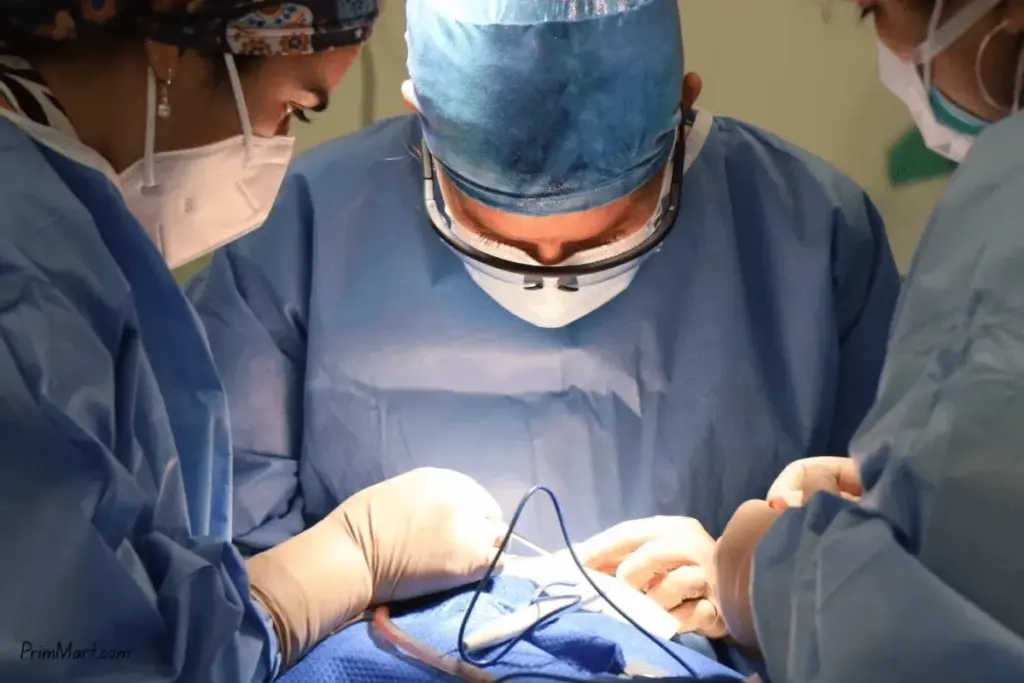
Hepatobiliary surgeons are experts in complex surgeries on the liver, gallbladder, bile ducts, and pancreas. They need a lot of training and skill. Their work is key in treating diseases of these important organs.
Surgical Focus on Liver, Gallbladder, Bile Ducts, and Pancreas
These surgeons focus on surgeries for the liver, gallbladder, bile ducts, and pancreas. They get a lot of training, including a general surgery residency and a fellowship in hepatobiliary surgery. This helps them handle the tough parts of these surgeries.
They deal with liver cancer, gallbladder diseases, pancreatic cancer, and bile duct problems. The surgeries they do are very detailed. This shows how careful they need to be with these organs.
Types of Procedures Performed
Hepatobiliary surgeons do many different surgeries. Here are some examples:
- Liver resections for cancer or damaged liver tissue
- Gallbladder removals (cholecystectomies) for gallstones or other gallbladder diseases
- Bile duct reconstructions to repair damaged or blocked bile ducts
- Pancreatic surgeries for cancer, pancreatitis, or other pancreatic disorders
These surgeries need a lot of skill and knowledge of the patient’s health and the condition being treated.
Subspecialties Within Hepatobiliary Surgery
There are special areas within hepatobiliary surgery. These include:
- Liver transplantation surgery
- Pancreatic surgery for cancer or other diseases
- Bile duct surgery for complex reconstructions or repairs
These special areas help surgeons get even better at their jobs. This leads to better care for patients.
The Role of a Gastroenterologist in Digestive Health
Gastroenterologists are medical experts who deal with the digestive system. They help keep our digestive health in check without surgery.
Non-Surgical Management of Digestive Diseases
They manage many digestive diseases without surgery. They use tools like endoscopy and colonoscopy to see inside the digestive system.
Diagnostic Expertise and Approach
They use a mix of clinical checks, lab tests, and imaging to diagnose. They perform upper endoscopy and colonoscopy to find issues like bleeding, inflammatory bowel disease, and cancers.
Scope of Practice in Gastroenterology
Gastroenterologists handle a wide range of conditions. This includes irritable bowel syndrome, gastroesophageal reflux disease (GERD), and liver diseases. They work with other doctors to give full care to patients with complex digestive issues.
Educational Pathways: Becoming a Hepatobiliary Surgeon
To become a hepatobiliary surgeon, one must go through many steps. This includes medical school, surgical residency, and specialized training. It’s a journey that needs dedication, hard work, and a commitment to quality patient care.
Medical School and General Surgery Residency
First, you need to finish medical school. Here, you learn a lot about the human body. Then, you start a general surgery residency. This is where you get hands-on experience in surgery and patient care.
A well-known hepatobiliary surgeon says, “A solid base in general surgery is key for success in hepatobiliary surgery.”
“The training for hepatobiliary surgeons is tough but prepares them for the field’s challenges.” -Hepatobiliary Surgeon
In residency, surgeons work with experienced doctors. They improve their skills and learn to handle complex surgeries.
Specialized Fellowship Training
After general surgery residency, you need specialized training in hepatobiliary and pancreatic surgery. This training focuses on liver, gallbladder, bile duct, and pancreatic surgery. It prepares surgeons for complex procedures.
During fellowship, surgeons learn from mentors. They get to know the latest surgical techniques and technologies.
Ongoing Certification and Continuing Education
For hepatobiliary surgeons, staying certified and educated is vital. The American Board of Surgery offers general surgery certification. Surgeons can also get certifications in areas like surgical oncology.
Continuing education means attending conferences, workshops, and online courses. This keeps surgeons up-to-date with new techniques and research.
By following this educational path, hepatobiliary surgeons can offer top-notch care to patients with complex digestive issues.
Training Requirements for Gastroenterologists
Gastroenterologists get a lot of training to focus on digestive health. Their education prepares them to handle many digestive diseases. They learn a lot to help patients with these issues.
Medical School and Internal Medicine Residency
First, they go to medical school. There, they learn about health and diseases. Then, they start an internal medicine residency.
This residency lasts three years. It teaches them about adult medicine. They learn a lot about different health areas.
They also start to learn about gastroenterology. This is key for their future. They get better at managing health problems and caring for patients.
Gastroenterology Fellowship
After the residency, they enter a gastroenterology fellowship. This training lasts three years. It’s all about digestive diseases.
They learn a lot about diseases like inflammatory bowel disease and liver issues. They also get better at procedures. This is very important for their skills.
Board Certification Process
After fellowship, they need to get board certified. They take a tough exam from the American Board of Internal Medicine (ABIM). This shows they’re experts in their field.
To keep their certification, they must keep learning. They stay up-to-date with new techniques and treatments. This helps them give the best care to their patients.
Diagnostic Techniques Used by Gastroenterologists
Diagnosing gastroenterology issues requires many techniques. Gastroenterologists use different methods to check and treat digestive problems. This ensures they provide the best care possible.
Endoscopic Procedures: Upper Endoscopy and Colonoscopy
Endoscopic procedures are key for seeing inside the digestive tract. Upper endoscopy looks at the upper part of the GI tract. It checks for ulcers, inflammation, and tumors.
Colonoscopy examines the colon and rectum. It finds polyps, cancer, and other issues. Both are important for spotting and treating GI diseases early.
Advanced Imaging Techniques
Advanced imaging also helps diagnose digestive problems. These include:
- CT scans: Show detailed images of the abdomen and pelvis.
- MRI: Gives high-resolution images of the digestive tract and nearby tissues.
- Ultrasound: Uses sound waves to see organs like the gallbladder and liver.
These tools help doctors find many conditions, from gallstones to liver disease.
Laboratory Tests and Their Interpretation
Laboratory tests are also key in gastroenterology. They include:
- Blood tests check liver function and look for inflammation or infection.
- Stool tests find infections or inflammation.
- Biopsy samples check for abnormalities, like cancer.
Gastroenterologists use these test results along with symptoms and other findings. This helps them create a good treatment plan.
Surgical Procedures Performed by Hepatobiliary Surgeons
Hepatobiliary surgeons play a key role in treating liver, gallbladder, bile duct, and pancreas issues. They use their expertise to perform complex surgeries. This shows how important it is to have specialized training in this field.
Liver Resections and Transplantations
Liver resections remove part of the liver to treat cancer or other diseases. Liver transplantation is a major surgery that replaces a diseased liver with a healthy one from a donor. Both are vital for treating liver conditions.
Choosing between liver resection or transplantation depends on the disease’s extent and the patient’s health. Hepatobiliary surgeons team up with other doctors to decide the best treatment.
Gallbladder and Bile Duct Surgeries
Gallbladder surgery, or cholecystectomy, removes the gallbladder due to gallstones. Bile duct surgeries are more complex and may repair or remove damaged or blocked ducts. These surgeries help restore bile flow and ease symptoms.
Bile duct injuries or strictures can make gallbladder surgery more complicated. Hepatobiliary surgeons are trained to handle these issues, ensuring the best results for patients.
Pancreatic Procedures
Pancreatic surgery, like the Whipple procedure, treats pancreatic cancer or other conditions. These surgeries are complex and require a skilled surgeon to navigate the pancreas and surrounding areas.
Pancreatic resections are done for various reasons, such as removing tumors or relieving obstruction. The goal is to improve the patient’s quality of life and, if possible, cure the condition.
Common Conditions Requiring a Hepatobiliary Surgeon
Hepatobiliary surgeons are key in treating many conditions. These include liver tumors, gallbladder disease, and pancreatic cancer. They often need surgery, showing how important these doctors are.
Liver Cancer and Tumors
Liver cancer and tumors need a hepatobiliary surgeon’s skill. Liver resections and other surgeries are vital. Early treatment can greatly help patients.
Complex Gallbladder Disease
Complex gallbladder disease, like cholecystitis, often needs the gallbladder removed. Hepatobiliary surgeons do these surgeries. They can use laparoscopy or open surgery, based on the case.
Pancreatic Cancer and Disorders
Pancreatic cancer and disorders are tough to handle. They often need surgery. Hepatobiliary surgeons do the Whipple procedure for cancer. This involves removing the tumor and parts of the pancreas and bile duct.
Bile Duct Injuries and Strictures
Bile duct injuries and strictures are serious. They can come from surgery or disease. Hepatobiliary surgeons fix these with surgery, like bile duct reconstruction.
|
Condition |
Surgical Intervention |
Specialist Involved |
|---|---|---|
|
Liver Cancer |
Liver Resection |
Hepatobiliary Surgeon |
|
Gallbladder Disease |
Cholecystectomy |
Hepatobiliary Surgeon |
|
Pancreatic Cancer |
Whipple Procedure |
Hepatobiliary Surgeon |
|
Bile Duct Injuries |
Bile Duct Repair/Reconstruction |
Hepatobiliary Surgeon |
In conclusion, hepatobiliary surgeons are vital for complex conditions. They handle the liver, gallbladder, bile ducts, and pancreas. Their skill in surgery is key to better patient care.
Digestive Disorders Managed by a Gastroenterologist
Gastroenterologists are key in handling digestive disorders that affect many worldwide. They are experts in diagnosing and treating digestive system issues.
Inflammatory Bowel Diseases
Inflammatory bowel diseases (IBD) like Crohn’s and ulcerative colitis cause inflammation in the gut. Gastroenterologists use medical history, physical exams, and tests to manage IBD.
Key aspects of managing IBD include:
- Medication to reduce inflammation
- Lifestyle changes to manage symptoms
- Surgical intervention in severe cases
Functional GI Disorders
Functional GI disorders, like irritable bowel syndrome (IBS), have ongoing symptoms without a clear cause. Gastroenterologists use different treatments for these conditions.
Treatment approaches for functional GI disorders may include:
- Dietary modifications
- Stress management techniques
- Medications to alleviate symptoms
Liver Diseases and Hepatitis
Liver diseases, including hepatitis, affect the liver’s function. Gastroenterologists use various tools and treatments to diagnose and manage these conditions.
|
Liver Condition |
Common Causes |
Treatment Approaches |
|---|---|---|
|
Hepatitis A |
Viral infection |
Supportive care, vaccination |
|
Hepatitis B |
Viral infection |
Antiviral medications, vaccination |
|
Cirrhosis |
Chronic liver damage |
Lifestyle changes, managing complications |
Gastrointestinal Cancers
Gastroenterologists also handle gastrointestinal cancers, like colorectal cancer. Early detection through screening is key for effective treatment.
Screening methods for gastrointestinal cancers include:
- Colonoscopy
- Fecal occult blood tests
- Imaging studies
When to See a Gastroenterologist vs. a Hepatobiliary Surgeon
When you have digestive health problems, it’s important to know who to see. A gastroenterologist and a hepatobiliary surgeon are two different specialists. They have different areas of expertise.
Initial Symptoms and Diagnostic Process
First, you need to understand your symptoms. Symptoms like abdominal pain, jaundice, or changes in bowel habits are common. You might start with your primary care doctor.
They will then refer you to a specialist. This depends on what they find first.
The next step is a detailed medical history and physical exam. You might also have tests like endoscopy or imaging studies. A gastroenterologist usually handles non-surgical issues first.
Referral Patterns Between Specialists
If you need surgery, like for a liver or pancreatic problem, a gastroenterologist will refer you. This is based on your diagnosis.
Working together, gastroenterologists and hepatobiliary surgeons make sure you get the best care. For example, a gastroenterologist might diagnose a liver tumor. Then, a hepatobiliary surgeon will remove it surgically.
Emergency Situations vs. Chronic Management
For emergencies like a ruptured appendix, you need a hepatobiliary surgeon right away. But, for long-term issues like IBS or GERD, a gastroenterologist is better.
Knowing if you need surgery or ongoing care helps decide who to see. If your symptoms are severe or might need surgery, start with a gastroenterologist.
In conclusion, choose a gastroenterologist or a hepatobiliary surgeon based on your symptoms and diagnosis. Knowing their roles helps you find the right care.
Patient Experience: What to Expect During Consultations
A well-prepared patient is better equipped to engage with their healthcare provider. This is true whether it’s a gastroenterologist or a hepatobiliary surgeon during the consultation process.
Understanding the process can alleviate anxiety. It ensures a productive visit when consulting a specialist for digestive health concerns.
Initial Visit with a Gastroenterologist
During the initial visit with a gastroenterologist, patients can expect a thorough evaluation of their digestive health. This includes a detailed medical history, physical examination, and discussion of diagnostic findings.
The gastroenterologist may also discuss treatment options. They may recommend further diagnostic tests if necessary.
Preparing for a Hepatobiliary Surgical Consultation
For patients referred to a hepatobiliary surgeon, preparation is key. They should be ready to discuss their medical history, previous treatments, and any relevant diagnostic results.
The hepatobiliary surgeon will assess the need for surgical intervention. They will outline the risks and benefits associated with the recommended procedure.
|
Aspect |
Gastroenterologist Consultation |
Hepatobiliary Surgeon Consultation |
|---|---|---|
|
Primary Focus |
Diagnosis and non-surgical management of digestive diseases |
Surgical management of liver, gallbladder, bile ducts, and pancreas conditions |
|
Initial Evaluation |
Detailed medical history, physical examination, diagnostic findings discussion |
Review of medical history, diagnostic results, discussion of surgical options |
|
Potential Outcomes |
Medication, lifestyle changes, further diagnostic testing |
Surgical planning, discussion of risks and benefits, pre-surgical preparation |
Follow-up Care with Both Specialists
Follow-up care is key for patients managing digestive health issues. This is true whether under the care of a gastroenterologist or a hepatobiliary surgeon.
Regular follow-ups allow for monitoring treatment efficacy. They also allow for adjusting treatment plans as necessary. This helps address any concerns or complications that may arise.
By understanding what to expect during consultations with both specialists, patients can be more actively involved in their care. This leads to better health outcomes.
Collaborative Care: How These Specialists Work Together
Gastroenterologists and hepatobiliary surgeons team up to care for patients with tough digestive issues. They work together to give the best treatment, from finding the problem to after surgery. This teamwork makes sure patients get the care they need.
Multidisciplinary Approach to Complex Cases
A multidisciplinary approach is used for hard cases. This means gastroenterologists, hepatobiliary surgeons, and others work together. They share their knowledge to make treatment plans better.
For example, in liver cancer, a gastroenterologist, a hepatobiliary surgeon, and an oncologist team up. They create a detailed plan for treatment.
Transition of Care from Diagnosis to Surgery
The transition of care from finding the problem to surgery is key. Gastroenterologists start by diagnosing and managing the condition. When surgery is needed, they work with hepatobiliary surgeons for a smooth handover.
This teamwork ensures patients get top-notch care all the way through.
Post-Surgical Monitoring and Management
After surgery, gastroenterologists and hepatobiliary surgeons keep an eye on patients. Gastroenterologists handle any digestive issues that might come up. Hepatobiliary surgeons check on the patient’s recovery from surgery.
This team effort helps patients recover better and avoids complications.
In summary, the partnership between gastroenterologists and hepatobiliary surgeons is vital for treating complex digestive diseases. By working together, they make sure patients get the best care, from start to finish.
Research Contributions and Advancements in Both Fields
The fields of hepatobiliary surgery and gastroenterology are seeing big changes thanks to new research and ideas. These changes are key to better care and results for many digestive diseases.
Breakthrough Treatments in Hepatobiliary Surgery
Hepatobiliary surgery has made big strides, mainly in liver resections and transplantations. New surgical methods and care before and after surgery have led to better survival rates and fewer problems. For example, minimally invasive surgical techniques have cut down recovery times and boosted patient success.
- Enhanced imaging techniques for better preoperative planning
- Innovations in surgical instrumentation and technology
- Improved understanding of liver regeneration and function
Innovations in Gastroenterological Care
Gastroenterology has also seen big improvements, mainly in diagnostic and therapeutic endoscopy. New capsule endoscopy and deep enteroscopy methods have opened up new ways to diagnose and treat GI issues.
- Development of novel endoscopic techniques for managing GI bleeding
- Advances in the management of inflammatory bowel disease
- Increased use of biologics and personalized medicine approaches
Future Directions and Emerging Therapies
The future of hepatobiliary surgery and gastroenterology looks bright, with new therapies coming up. Research into regenerative medicine and gene therapy could lead to new treatments for complex liver and GI diseases.
- Investigations into the role of microbiome modulation in digestive health
- Development of novel therapeutic agents for liver and pancreatic diseases
- Advances in robotic surgery and its applications in hepatobiliary surgery
These advancements highlight the need for ongoing research and teamwork among specialists to enhance patient care and results.
Conclusion: Choosing the Right Specialist for Your Digestive Health Needs
It’s important to know the difference between gastroenterologists and hepatobiliary surgeons for digestive health. The right choice depends on your specific health needs.
Knowing when to see each specialist helps you get the best care. This is true for managing chronic conditions or surgery for complex issues. Choosing the right specialist is key for effective treatment.
Think about your digestive health needs and find the specialist who fits your condition. This ensures you get the care you need, tailored just for you.
FAQ
What is the main difference between a hepatobiliary surgeon and a gastroenterologist?
A hepatobiliary surgeon does complex surgeries on the liver, gallbladder, and pancreas. A gastroenterologist, on the other hand, treats digestive diseases without surgery.
When should I see a gastroenterologist?
See a gastroenterologist for issues like stomach pain, diarrhea, or constipation. They can help with many digestive problems.
What conditions require a hepatobiliary surgeon?
A hepatobiliary surgeon is needed for liver cancer, gallbladder issues, and pancreatic cancer. They also handle bile duct problems that need surgery.
How do gastroenterologists diagnose digestive diseases?
Gastroenterologists use endoscopies, imaging, and lab tests to diagnose digestive diseases. This helps them manage these conditions effectively.
What kind of training do hepatobiliary surgeons undergo?
Hepatobiliary surgeons go through medical school, a general surgery residency, and a specialized fellowship. They also get certified and keep learning.
How do gastroenterologists and hepatobiliary surgeons work together?
Gastroenterologists and hepatobiliary surgeons team up for complex digestive diseases. They work together from diagnosis to treatment and after surgery.
What can I expect during a consultation with a gastroenterologist or hepatobiliary surgeon?
At a consultation, you’ll get a full check-up. This includes your medical history, a physical exam, and talking about your diagnosis. They’ll discuss the best treatment for you.
Are there any emerging therapies or advancements in the field of gastroenterology and hepatobiliary surgery?
Yes, there’s ongoing research and new treatments in both fields. These advancements are improving care for patients.
How do I know if I need to see a gastroenterologist or a hepatobiliary surgeon?
If you have digestive symptoms, start with a gastroenterologist. They might refer you to a hepatobiliary surgeon if surgery is needed.
What is the role of a gastroenterologist in managing gastrointestinal cancers?
Gastroenterologists are key in finding and managing gastrointestinal cancers. They use endoscopy and colonoscopy to spot and track these cancers.
References
National Center for Biotechnology Information. Evidence-Based Medical Insight. Retrieved from https://pmc.ncbi.nlm.nih.gov/articles/PMC11374351/[1