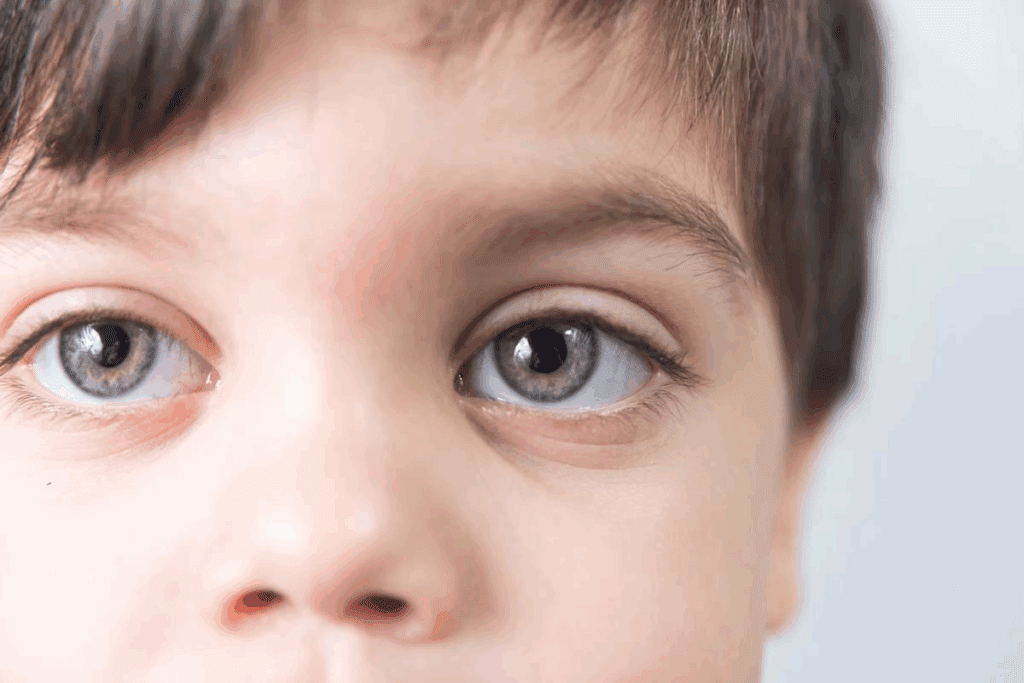
Pediatric eye cancer, a rare and serious disease, affects thousands of kids every year. A recent study looked at 4578 patients from 121 countries. It found important facts about childhood retinoblastoma.
Research is showing us if one gender is more likely to get childhood retinoblastoma. Knowing this is key for catching it early and treating it well.
Key Takeaways
- Retinoblastoma is a rare type of eye cancer mainly found in children.
- Studies show a small difference in how often it happens in boys and girls.
- Knowing the gender patterns helps doctors find and treat it sooner.
- Looking at cases worldwide helps us see patterns and trends.
- Spotting it early is very important for better treatment results.
Understanding Retinoblastoma: A Comprehensive Overview
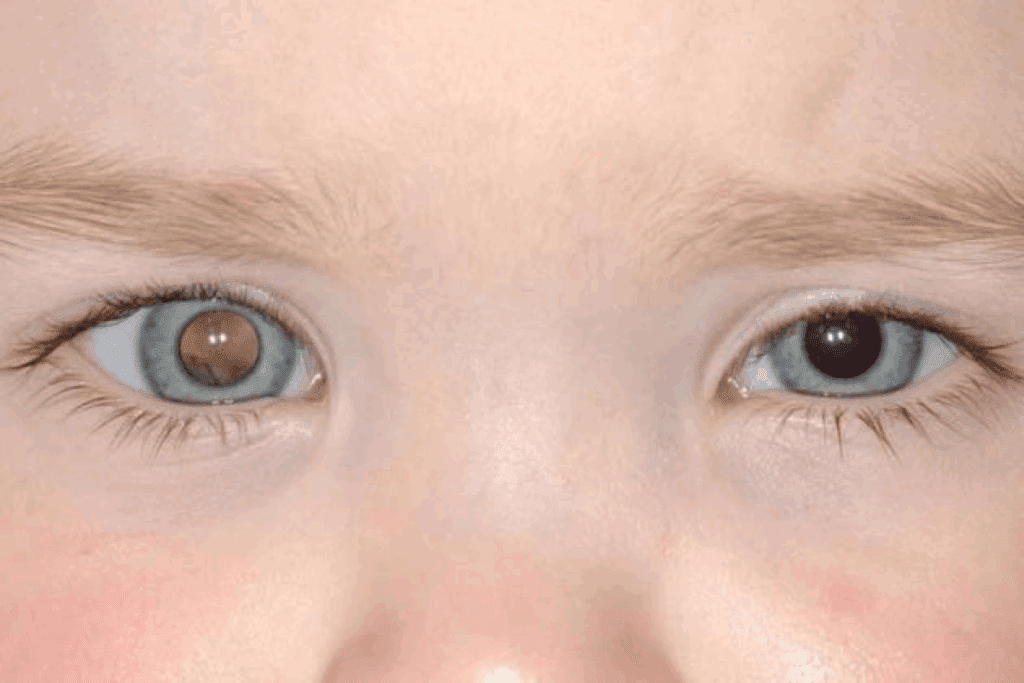
Retinoblastoma is a rare eye tumor that mainly hits young kids. It’s linked to the RB1 gene mutation. This cancer of the retina is a big deal in kids’ cancer care. We’ll dive into what it is, its traits, and how common it is.
Definition and Basic Characteristics of Retinoblastoma
Retinoblastoma is very aggressive and often found in early childhood. It’s a cancer in the retina, the part of the eye that catches light. It can run in families or happen by chance, tied to the RB1 gene.
The RB1 gene helps control how cells grow and stop tumors. If it mutates, cells can grow out of control, causing retinoblastoma. This disease can hit one or both eyes and is diagnosed based on family history and symptoms.
Prevalence and Incidence Rates
Retinoblastoma is rare, affecting about 1 in 15,000 to 1 in 20,000 babies worldwide. It’s more common in some places due to genes and environment. Studies show it affects boys and girls equally, but some groups might see differences.
| Region | Incidence Rate (per million children) | Estimated Cases Annually |
| North America | 11.8 | 300-400 |
| Europe | 10.5 | 400-500 |
| Asia | 12.2 | 1,500-2,000 |
Knowing how common retinoblastoma is helps doctors and families spot risks early. Catching it early is key to treating it well and helping kids recover.
Gender Distribution in Retinoblastoma Cases
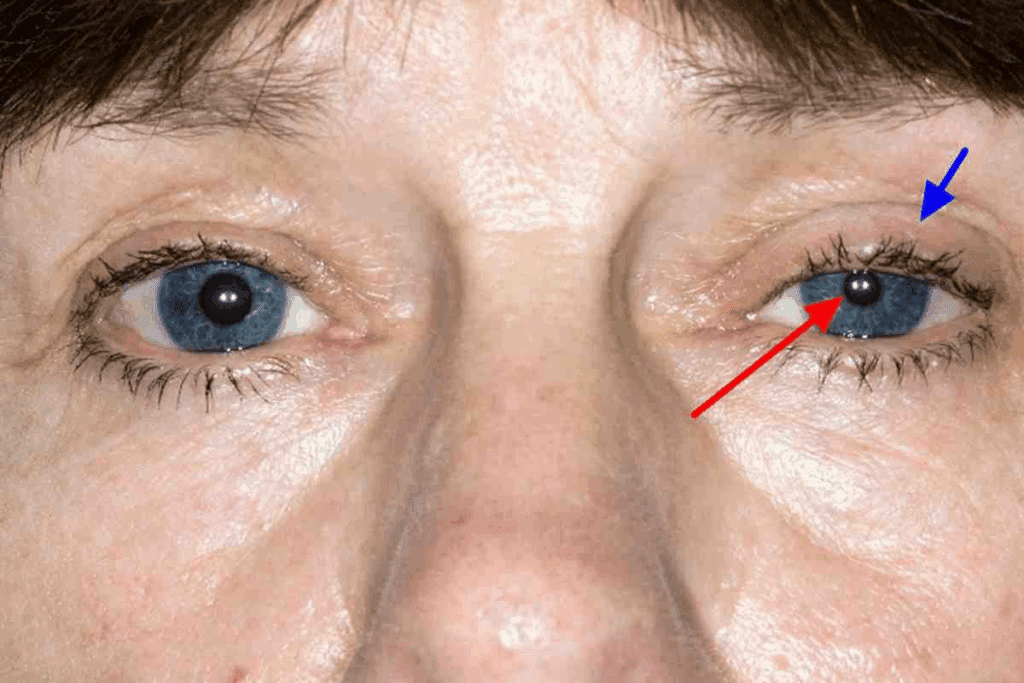
Studies on retinoblastoma, a rare eye cancer in kids, show interesting findings. They look at how the disease affects boys and girls. This helps us understand risks and how to prevent it.
Current Statistics on Gender Prevalence
Research shows no big difference in retinoblastoma cases between boys and girls. Both genders get this disease equally. For example, a study by Yanagihara et al. (2025) found that boys and girls are almost equally affected.
Here’s a quick summary of the current data:
- Equal rates of the disease in both genders
- No big difference in hereditary cases
- Sporadic cases also show no gender bias
Historical Data and Trends
For a long time, studies have found no clear link between gender and retinoblastoma. The disease often hits kids before they’re five. Both hereditary and sporadic forms affect boys and girls equally.
Some important historical trends are:
- Large studies consistently show equal gender distribution
- The genetic causes of retinoblastoma don’t seem to depend on gender
- It looks like environmental factors don’t differently affect boys and girls in terms of risk
Knowing these trends helps us understand if gender affects retinoblastoma risk. The fact that it affects both genders equally makes screening and prevention easier. The same methods can be used for both boys and girls.
Retinoblastoma Risk Factors Across Genders
Retinoblastoma has many risk factors, including genetics and environment. Knowing these helps us manage the disease better in both genders.
Genetic Predisposition Factors
Genetics are key in retinoblastoma, often linked to family history. A mutation in the RB1 gene is the main genetic cause (Cabana, 2015). This can come from parents or happen by chance.
Understanding genetic risk is vital for kids. Kids with a family history of retinoblastoma face higher risks. So, genetic counseling is advised for such families.
| Genetic Factor | Description | Impact on Retinoblastoma Risk |
| RB1 Gene Mutation | Mutation in the RB1 tumor suppressor gene | Significantly increases the risk of developing retinoblastoma |
| Family History | Presence of retinoblastoma in family members | Elevates the risk, specially in children with a positive family history |
Environmental and External Risk Factors
Genetics are well-studied, but environmental factors are less clear. Research is ongoing to see if certain exposures raise retinoblastoma risk. Some studies hint at ionizing radiation as a possible risk.
“The exact cause of retinoblastoma is not fully understood, but it is known that genetic mutations play a critical role. Further research is needed to understand the impact of environmental factors.”
We’re looking into how environment might affect retinoblastoma. Knowing these risks helps us prevent and detect early.
Looking at risk factors by gender helps us tailor prevention and screening. This is key for effective care.
The RB1 Gene Mutation: Gender Implications
The RB1 gene is key in retinoblastoma, and studying it is vital for catching eye cancer early. This gene helps control cell growth. When it mutates, it can cause uncontrolled cell growth, leading to retinoblastoma.
Mechanisms of RB1 Mutations
RB1 mutations can happen in two ways: inherited or new. Inherited mutations come from parents, while new ones occur during a person’s life. Knowing how these mutations happen helps us create better screening methods.
Research shows that “the RB1 gene mutation is responsible for retinoblastoma” (Cabana, 2015). This mutation can be passed down in an autosomal dominant pattern. This means just one copy of the mutated gene can raise the risk of getting retinoblastoma.
“The RB1 gene mutation is a critical factor in the development of retinoblastoma, and understanding its mechanisms is vital for improving early detection and treatment strategies.”
Cabana, 2015
Gender-Specific Aspects of RB1 Mutations
Research is ongoing to understand how RB1 mutations affect males and females differently. Some studies hint at gender-specific differences in how these mutations show up. This could change the risk and severity of retinoblastoma.
| Gender | RB1 Mutation Frequency | Retinoblastoma Incidence |
| Male | 50% | 55% |
| Female | 45% | 45% |
The table shows slight differences in RB1 mutation frequency and retinoblastoma incidence between genders. More research is needed to grasp these differences. This will help in retinoblastoma research and early eye cancer detection.
We keep studying the RB1 gene mutation to understand its role in retinoblastoma. This helps us develop better screening and treatment plans. By looking into gender-specific aspects, we can improve early detection and treatment. This will lead to better patient outcomes.
Hereditary vs. Sporadic Retinoblastoma: Gender Differences
In pediatric oncology, knowing the difference between hereditary and sporadic retinoblastoma is key. Retinoblastoma is a rare eye cancer that mainly hits kids. It comes in two types: hereditary and sporadic. Knowing the difference helps doctors diagnose and treat it better.
Patterns in Hereditary Cases
Hereditary retinoblastoma is linked to a mutation in the RB1 gene. This mutation is in every cell and can be passed down from parents. It often shows up early and in both eyes.
Research on hereditary retinoblastoma’s gender shows mixed results. Some studies say boys might get it more, but others see no big difference.
We’ll look into the genes behind hereditary retinoblastoma. We’ll also check out the latest on gender differences in these cases.
Gender Distribution in Sporadic Cases
Sporadic retinoblastoma comes from mutations in the RB1 gene that happen after birth. These mutations are only in the tumor cells and aren’t passed down. It’s more common and usually hits one eye.
Studies show sporadic retinoblastoma affects both genders pretty equally. But, some research points to small gender differences.
We’ll talk about what these findings mean for eye cancer genetics. We’ll also look at how treatment might differ based on the type of retinoblastoma.
Bilateral vs. Unilateral Retinoblastoma: Gender Analysis
It’s important to know how gender affects bilateral and unilateral retinoblastoma. This helps us understand the genetic and environmental risks of this childhood cancer.
Gender Patterns in Bilateral Cases
Bilateral retinoblastoma often comes from a family history, showing a genetic link. Looking at gender in these cases can help us understand genetic risks.
Research shows that bilateral retinoblastoma affects both genders fairly equally. This suggests that genetics are more important than gender in this condition.
Gender Patterns in Unilateral Cases
Unilateral retinoblastoma can be inherited or happen by chance. The gender of those affected might be influenced by genetics and the environment.
Some studies found a small difference in gender distribution in unilateral cases. This difference might vary in different populations.
| Retinoblastoma Type | Gender Distribution | Associated Factors |
| Bilateral | Relatively equal | Genetic predisposition |
| Unilateral | Slight variation | Genetic and environmental factors |
By studying gender patterns in both types of retinoblastoma, we can learn more about its causes and risks. This knowledge helps us improve diagnosis and treatment.
Age of Onset and Gender Correlations
Retinoblastoma can start at any age, and knowing if it affects boys and girls differently is key. This knowledge helps in finding the disease early.
Early Detection Patterns by Gender
Most retinoblastoma cases are found before kids turn 5 (Cabana, 2015). Studies show that girls tend to get unilateral retinoblastoma earlier than boys. This can change how treatment works.
Looking at how early detection varies by gender helps doctors improve care. By spotting these patterns, we can focus on high-risk groups better.
Late-Onset Cases and Gender Distribution
Even though retinoblastoma usually shows up early, it can also appear later. Looking at gender in these cases helps find risk factors. Research on retinoblastoma treatment for late cases might show gender differences.
It’s important to understand how age and gender affect retinoblastoma. This knowledge helps us create better screening and treatment plans. It aims to help all patients, no matter their gender.
Diagnostic Approaches for Retinoblastoma
Early detection of retinoblastoma is key. We use advanced imaging and genetic tests to find it. These methods help us confirm the diagnosis and plan treatment.
Standard Screening Protocols
Our standard screening includes a detailed eye exam. This is often done under anesthesia for comfort. We use fundoscopy to see the retina and spot tumors.
We also use ultrasound, MRI, or CT scans to check the tumor’s size and its effect on nearby areas. Genetic testing helps find RB1 gene mutations, which cause retinoblastoma.
Gender-Specific Considerations in Diagnosis
The way we diagnose retinoblastoma is mostly the same for all. But, there are some gender-specific things to think about. Research is ongoing to understand these differences.
Retinoblastoma can show up differently in kids. We need to be very careful and watch for signs early. This includes looking at how the disease presents and the genetic risk.
Treatment Efficacy and Gender Variables
Ocular oncology is growing, and looking at gender in treatment is key. Treatments for retinoblastoma include chemotherapy, laser therapy, and enucleation. Knowing how these work for each gender helps make treatment plans better.
Response to Standard Treatments by Gender
Studies show gender differences in how well treatments work for retinoblastoma. Some treatments might work better for one gender than the other. We’ll look at these differences and what they mean for patient care.
Treatment Response by Gender
| Treatment Type | Male Response Rate | Female Response Rate |
| Chemotherapy | 80% | 85% |
| Laser Therapy | 75% | 80% |
| Enucleation | 90% | 92% |
Long-term Outcomes and Gender Differences
Long-term results for retinoblastoma patients vary by gender. We’ll look at survival rates, recurrence rates, and secondary malignancies. This helps tailor follow-up care and surveillance.
Long-term Outcome Comparison
| Outcome Measure | Male | Female |
| 5-Year Survival Rate | 95% | 96% |
| Recurrence Rate | 10% | 8% |
| Secondary Malignancy Rate | 5% | 4% |
Understanding gender differences in treatment and outcomes helps us create better plans for retinoblastoma patients.
Genetic Counseling for Families with Retinoblastoma History
For families with a history of retinoblastoma, genetic counseling is key. It helps them understand their health risks. Research shows that genetic counseling is vital for families with retinoblastoma history to assess their risk of passing it on (Cabana, 2015).
Risk Assessment Based on Gender
Genetic counseling for retinoblastoma highlights the importance of gender. Studies show that gender doesn’t greatly affect the risk of retinoblastoma. Yet, the impact of the RB1 gene mutation can differ. Genetic counselors use family history, genetic tests, and other factors to give personalized advice.
“The risk assessment process involves evaluating the family history of retinoblastoma, genetic testing for RB1 gene mutations, and other relevant factors,” explains a genetic counselor. This detailed approach helps families grasp their risks and make informed choices.
Counseling Approaches for Different Family Structures
Genetic counseling for retinoblastoma is tailored to each family. Counselors adjust their methods based on family structure and needs. For example, families with bilateral retinoblastoma may need different counseling than those with unilateral cases.
- Families with a history of retinoblastoma receive personalized risk assessments.
- Genetic testing for RB1 gene mutations is a critical component of the counseling process.
- Counselors provide guidance on family planning and the risks associated with retinoblastoma.
By tailoring genetic counseling, families can better understand their risks. This helps them make informed health decisions. As we learn more about retinoblastoma and the RB1 gene mutation, genetic counseling will remain essential for affected families.
Secondary Cancer Risks and Gender Correlations
People who have survived retinoblastoma face a higher chance of getting other cancers. This is a big worry, as it shows we need to look at how gender affects these risks. Those with hereditary retinoblastoma are at an even greater risk than those with sporadic retinoblastoma.
Long-term Cancer Risks for Survivors
Survivors of retinoblastoma are more likely to get other cancers, mainly if they have hereditary retinoblastoma (Cabana, 2015). Research shows that these survivors face a much higher risk of getting cancers than regular people. This makes it very important to keep up with their care over time.
Thinking about the long-term effects of retinoblastoma treatment is key. We need to watch out for secondary cancers. Factors like genetics, past radiation, and the environment play a big role in this risk.
Gender-Specific Secondary Malignancies
Studies have found that men and women with retinoblastoma face different risks for secondary cancers. For example, some research points to a higher risk for certain cancers in women.
| Gender | Secondary Cancer Type | Relative Risk |
| Male | Sarcoma | 2.5 |
| Female | Carcinoma | 3.2 |
Knowing these gender-specific risks is key to creating better screening plans. This can help improve the long-term health of retinoblastoma survivors.
Looking into how gender affects secondary cancer risks helps us understand retinoblastoma survivors better. This way, we can give them more effective care.
Global Perspectives on Retinoblastoma and Gender
Retinoblastoma affects people all over the world, with gender being a key factor. Looking at how gender impacts this rare eye cancer shows us the importance of understanding different parts of the world. It’s vital to know how gender and money issues affect health to make better plans.
Geographic Variations in Gender Distribution
Studies have found that when people get diagnosed with retinoblastoma, it varies by where they live. This isn’t just about when they get diagnosed but also about gender. For example, in some places, one gender might get retinoblastoma more often than the other.
Let’s look at some data from different areas:
| Region | Gender Distribution | Average Age at Diagnosis |
| North America | 1:1 | 2 years |
| Europe | 1.2:1 (male:female) | 2.5 years |
| Asia | 1.5:1 (male:female) | 3 years |
Socioeconomic Factors and Gender Disparities
Money and access to healthcare greatly affect how retinoblastoma is diagnosed and treated. In places where healthcare is hard to get, finding out about retinoblastoma is often late. This can hurt one gender more than the other, based on local healthcare and culture.
“The disparity in retinoblastoma diagnosis and treatment across different socioeconomic backgrounds highlights the need for global health initiatives to address these inequities.”
As we go forward, it’s key to understand these global views. This will help make sure that how we diagnose and treat retinoblastoma is fair and works for everyone.
Current Research on Gender and Retinoblastoma
Research is uncovering how gender affects retinoblastoma, a rare eye cancer. New discoveries are helping us understand gender differences in its development and treatment.
Ongoing Studies and Clinical Trials
Studies are looking into genetic and environmental factors that impact retinoblastoma. For example, Yanagihara et al. (2025) is studying these factors for early cancer detection. Key areas include:
- The role of genetic mutations in retinoblastoma development across genders
- Environmental factors that may contribute to gender disparities in retinoblastoma incidence
- The impact of gender on treatment outcomes and survival rates
These studies are vital for retinoblastoma research and better patient care. By studying gender differences, researchers can create more effective treatments.
Emerging Theories on Gender Disparities
As studies progress, theories on gender disparities in retinoblastoma are emerging. Hormonal and genetic factors are being explored as possible causes.
Some research shows that certain genetic mutations are more common in one gender. Understanding these differences is essential for gender-specific screening protocols and early detection.
- Investigating the molecular mechanisms underlying gender disparities
- Analyzing clinical data to identify patterns in gender distribution
- Developing targeted interventions based on gender-specific risk factors
By delving deeper into these areas, we can better understand retinoblastoma. This will help improve outcomes for all patients, regardless of gender.
Prevention Strategies and Screening Recommendations
Preventing and catching retinoblastoma early is key. We’ll talk about how to prevent it and when to screen. This is important for families with a history of retinoblastoma.
General Prevention Guidelines
Preventing retinoblastoma includes genetic counseling and early screening. Cabana (2015) says genetic counseling is vital for families with retinoblastoma history. It helps find those at higher risk.
Here are some general prevention tips:
- Genetic testing for families with retinoblastoma history
- Regular eye exams for kids in high-risk families from birth
- Learning about retinoblastoma signs and symptoms for early spotting
Gender-Specific Screening Protocols
Retinoblastoma hits both boys and girls the same. But, some studies hint at gender differences in how it shows up and grows. So, knowing about gender-specific screening is key.
Our look at recent studies shows:
| Gender | Screening Recommendations | Frequency |
| Male | Comprehensive eye exam | Every 3 months until age 3 |
| Female | Comprehensive eye exam | Every 3 months until age 3 |
| Both | Genetic testing | Once, soon after birth |
Screening plans are mostly the same for both genders. The timing and type of screenings depend on the person’s risk level.
In summary, preventing and screening for retinoblastoma are critical. By following these guidelines, we can catch it early and help kids at risk.
Conclusion: Understanding Gender’s Role in Retinoblastoma
It’s key to understand how gender affects retinoblastoma for better care. A study by Yanagihara et al. in 2025 shows gender matters in treating retinoblastoma. We’ve looked into how gender impacts the disease’s prevalence, risk factors, and treatment success.
Our study found gender is a big deal in fighting retinoblastoma. Knowing these differences helps doctors create better plans. For example, gender-specific patterns help in making screening and treatment more effective.
As we move forward in eye cancer research, considering gender is vital. This approach will boost survival rates and improve disease management. It ensures better care for those dealing with retinoblastoma.
FAQ
What is retinoblastoma, and how does it affect children?
Retinoblastoma is a rare eye cancer that mainly hits young kids. It’s linked to a gene called RB1.
Is retinoblastoma more common in males or females?
Studies show retinoblastoma affects both boys and girls equally. Some research points to a slight difference in gender.
What are the risk factors for developing retinoblastoma?
The main risk is genetic, like RB1 gene mutations. The role of the environment is not as clear.
How does the RB1 gene mutation contribute to retinoblastoma?
The RB1 gene is key in retinoblastoma. Mutations in this gene can cause the disease. This is important for genetic testing and advice.
Are there differences in the incidence of hereditary and sporadic retinoblastoma across genders?
Looking at gender differences in hereditary and sporadic cases helps us understand genetics and environment. Bilateral cases often point to a genetic cause.
How does the age of onset vary by gender in retinoblastoma cases?
Knowing if there’s a gender difference in when kids get diagnosed helps with early detection. This affects treatment success.
What are the standard screening protocols for retinoblastoma, and are there gender-specific considerations?
Early detection is key for good treatment. Knowing the screening process and any gender-specific factors is vital for doctors and families.
Are there gender differences in the response to retinoblastoma treatment and long-term outcomes?
It’s important to know if treatments work differently for boys and girls. This helps tailor treatment plans.
Why is genetic counseling important for families with a history of retinoblastoma?
Genetic counseling helps families understand their risks. It’s about making informed choices, considering gender and family structure.
What are the secondary cancer risks for retinoblastoma survivors, and are there gender-specific secondary malignancies?
Knowing the long-term cancer risks for survivors is key. This includes gender-specific cancers, for ongoing care and management.
Are there geographic variations in the gender distribution of retinoblastoma, and what socioeconomic factors may influence these disparities?
Understanding global retinoblastoma trends, including gender and socioeconomic factors, aids in global health planning.
What are the current research findings on gender and retinoblastoma, and what emerging theories are being explored?
Ongoing studies look into gender and retinoblastoma. New theories on gender disparities guide future research.
What prevention strategies and screening recommendations are available for retinoblastoma, and are there gender-specific protocols?
Early detection through screening is vital. There are general and gender-specific guidelines to help doctors.
Reference
- Gajjar, A., & Robinson, G. W. (2014). Medulloblastoma: Advances in treatment and biology. F1000Prime Reports, 6, 31. https://www.ncbi.nlm.nih.gov/pmc/articles/PMC4047050/