
Going through surgery can be scary. The use of general anesthesia makes it easier. Explore the perfect guide to general anesthesia pros and cons. Discover amazing medical insights and powerful safety facts for your surgery.
General anesthesia makes patients fully asleep and pain-free. This is key for many surgeries. But, it’s important to know both the good and bad sides.
A clear understanding of general anesthesia is essential for informed medical procedures. Knowing its pros and cons is vital.
Key Takeaways
- General anesthesia is widely used for major surgeries.
- It ensures patients are unconscious and pain-free during procedures.
- Understanding the benefits and risks is key for patients.
- Weighing the pros and cons helps in making informed decisions.
- General anesthesia has its own set of risks and benefits.
What is General Anesthesia?
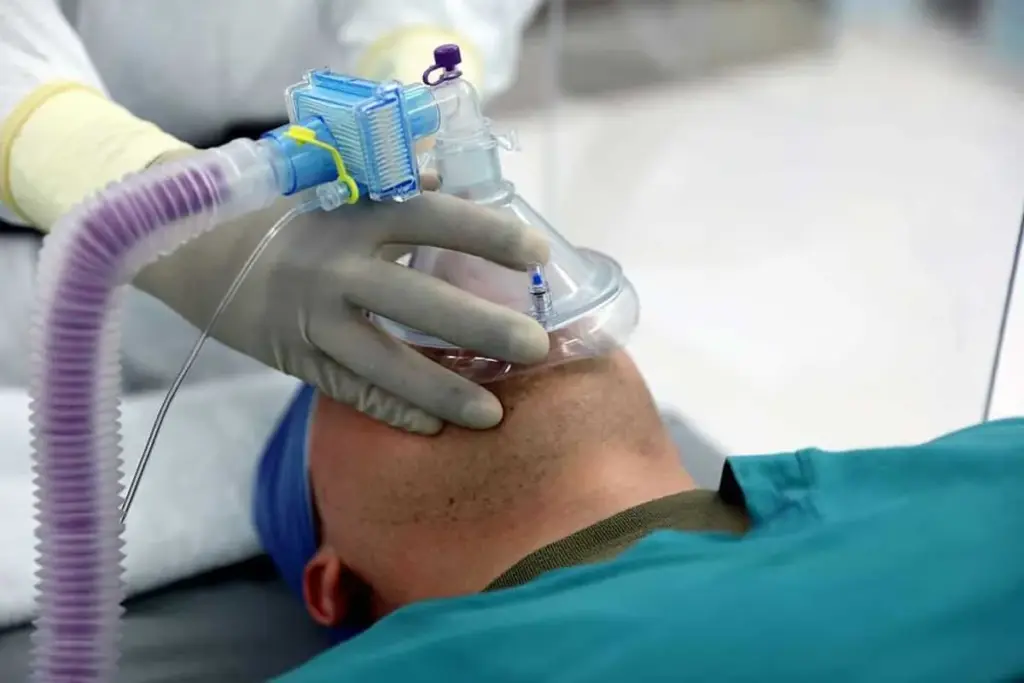
General anesthesia makes patients sleep deeply during surgeries. It keeps them pain-free. Doctors use special medicines to put patients into a deep sleep.
Definition and Medical Purpose
General anesthesia is a deep sleep that patients can wake up from. It’s used to keep patients from feeling pain during surgery. Doctors pick the right medicines based on the surgery and the patient’s health.
Anesthesiologists are key in giving general anesthesia. They check the patient’s health, choose the right medicines, and watch the patient’s signs during surgery. This keeps the patient safe and comfortable.
When General Anesthesia is Necessary
General anesthesia is needed for big surgeries that can’t be done with local anesthesia. This includes heart surgery, brain surgery, and some orthopedic surgeries. It’s also used for surgeries where the patient can’t help or might get in the way, like with kids or very nervous adults.
It’s also used for patients who are very scared or anxious about surgery. General anesthesia creates a safe space for both the patient and the doctors. The choice to use it depends on the patient’s health, the surgery, and the risks and benefits of anesthesia.
The Science Behind General Anesthesia

Exploring the science of general anesthesia shows how it makes patients unconscious. It’s a complex process that uses special agents to keep patients pain-free during surgery.
How Anesthetic Agents Work
Anesthetic agents change how the brain handles signals. They can be breathed in or given through a vein. We’ll look at how these agents affect the brain and nervous system to make patients unconscious.
Recent studies are trying to understand how these agents work. For example, a study on the talks about their effects on the brain.
Types of Anesthetic Medications
There are many types of anesthetic medications, each with its own uses. These include:
- Inhalational anesthetics
- Intravenous anesthetics
- Local anesthetics used with general anesthesia
The right medication depends on the surgery, the patient’s health, and the anesthesiologist’s choice.
|
Type of Anesthetic |
Examples |
Usage |
|---|---|---|
|
Inhalational |
Isoflurane, Sevoflurane |
Maintenance of anesthesia |
|
Intravenous |
Propofol, Thiopental |
Induction and maintenance |
The General Anesthesia Process
The general anesthesia process has several key steps to keep patients safe during surgery. We’ll walk you through the important phases, from the first check-up to keeping anesthesia steady during the surgery.
Pre-anesthesia Evaluation
First, we do a detailed check-up before giving general anesthesia. We look at the patient’s medical history, current health, and past anesthesia experiences. This step is vital for spotting risks and making a custom anesthesia plan. Our anesthesiologists use this info to pick the best anesthesia, making sure the patient is safe and comfortable.
Induction Phase
The induction phase starts the anesthesia process. We give anesthetic drugs to make the patient unconscious. The type of drug depends on the patient’s health and the surgery type. We aim for a smooth start, reducing discomfort and anxiety.
“The art of anesthesia is not just about rendering a patient unconscious; it’s about ensuring their safety and comfort throughout the surgical process.” – Anesthesiology Expert
Maintenance Phase
After the patient is asleep, we’re in the maintenance phase. Here, we watch the patient’s vital signs closely and adjust the anesthesia as needed. This phase is all about keeping the right level of anesthesia for comfort and safety. Our anesthesiologists are ready to adjust anything that changes, keeping the patient stable.
Our main goal is to make sure patients are safe and comfortable. By managing each step well, from the first check-up to keeping anesthesia steady, we aim for a successful surgery.
Monitoring Techniques During Surgery
Monitoring techniques are key to keeping patients safe during surgery. We use advanced systems to make sure patients stay safe and stable. This is important for the best anesthesia care.
Vital Signs Monitoring
Vital signs monitoring is a big part of anesthesia care. It lets us watch a patient’s health closely during surgery. We check heart rate, blood pressure, oxygen levels, and breathing rate.
These advanced systems give us real-time data. This helps us adjust anesthesia care quickly.
Brain Activity and Consciousness Assessment
We also watch brain activity and consciousness. This makes sure patients are comfortable and pain-free. Techniques like EEG and BIS monitoring help us see how deep the anesthesia is.
By watching vital signs and brain activity, we give complete care. This meets the complex needs of patients under general anesthesia.
Major Benefits of General Anesthesia
General anesthesia is key in today’s surgery. It brings many benefits that are vital for patients. Let’s dive into these advantages.
Complete Unconsciousness and Amnesia
General anesthesia makes patients fully asleep during surgery. This means they don’t feel pain or discomfort. Plus, they usually don’t remember the surgery.
This amnesia helps reduce stress after surgery. It’s a big plus for patients.
Effective Pain Management
General anesthesia is great for effective pain management. It blocks pain signals to the brain. This is important for surgeries where other methods can’t work.
Control of Vital Functions
Another big plus is controlling vital functions. Anesthesiologists manage breathing, heart rate, and blood pressure. This keeps these functions stable during surgery.
General anesthesia makes surgeries safer and more comfortable. It’s a cornerstone of quality patient care.
Safety Profile of General Anesthesia
It’s key for both patients and doctors to know about general anesthesia’s safety. This complex medical step needs careful planning and watchful monitoring. It’s all about keeping patients safe.
Statistical Safety Record
General anesthesia’s safety record shows how far medicine has come. Thanks to new tech and better care, serious problems are rare. The death rate linked to anesthesia is about 1 in 200,000 to 1 in 300,000 cases.
We keep our safety steps up to date with the latest research. This helps us keep patients safe.
Quality Assurance Measures
We take many steps to ensure safety. These include:
- Checking patients’ health before anesthesia.
- Watching vital signs during surgery.
- Using advanced systems to control anesthesia.
- Training and certifying anesthesia teams.
- Following strict care and anesthesia protocols.
These steps make general anesthesia safer. They help us give patients the best care possible.
Common Side Effects and Drawbacks
General anesthesia is very effective but has some common side effects. It’s important to know about these side effects. Most are temporary and can be managed with the right care.
Postoperative Nausea and Vomiting
Postoperative nausea and vomiting (PONV) is a common side effect. It can be upsetting and may make recovery longer. Studies show PONV affects 20% to 30% of people after surgery.
Risk factors for PONV include being female, not smoking, and a history of motion sickness or PONV. Taking opioids after surgery also increases the risk.
To lower the risk of PONV, doctors use antiemetic medicines and other methods. “Using antiemetics before surgery can greatly reduce PONV,” say anesthesiology experts.
Sore Throat and Muscle Aches
A sore throat can happen from the breathing tube used during surgery. This usually goes away in a few days. Muscle aches can also occur from certain anesthetics that relax muscles and cause pain.
- Sore throat
- Muscle aches
- Temporary cognitive effects
Temporary Cognitive Effects
Some people may feel confused or have memory problems after general anesthesia. These issues are usually short-term and go away as the body recovers.
General anesthesia is safe and effective but has common side effects. Knowing about these can help patients prepare for their surgery.
Serious Risks and Complications
General anesthesia is a key part of many surgeries. But, it comes with serious risks, like the chance of intraoperative awareness. Most patients do well, but it’s important to know the risks.
Allergic Reactions
Allergic reactions to anesthesia are rare but serious. They can be mild or very dangerous. If you have allergies, tell your anesthesiologist to lower the risk.
Respiratory Complications
Respiratory problems are a big risk with general anesthesia. These include breathing too weakly and airway blockages. The anesthesia team watches closely to prevent these issues.
Intraoperative Awareness
Intraoperative awareness is when a patient wakes up during surgery. It’s rare but can be very upsetting. New monitoring tools have helped make it less common.
The table below lists the serious risks and complications of general anesthesia:
|
Complication |
Description |
Mitigation Strategy |
|---|---|---|
|
Allergic Reactions |
Rare but potentially life-threatening reactions to anesthetic agents. |
Informing the anesthesiologist about any history of allergies. |
|
Respiratory Complications |
Includes respiratory depression and airway obstruction. |
Close monitoring by the anesthesia care team. |
|
Intraoperative Awareness |
Becoming conscious during surgery. |
Advances in monitoring techniques. |
Risk Factors for Adverse Outcomes
Some patient traits can raise the risk of bad outcomes with general anesthesia. Knowing these risks helps both patients and doctors make better choices.
Age-Related Considerations
Age is key when it comes to general anesthesia. Kids and older adults need special care because of their unique body needs.
- Kids have growing organs and different metabolism, which can change how they react to anesthesia.
- Older adults have less body strength, making them more likely to face anesthesia’s side effects.
A study in the Journal of Clinical Anesthesia found that older adults face more risks. This is because they have less body strength and often have other health issues.
“The aging process affects every organ system, and these changes can impact the pharmacokinetics and pharmacodynamics of anesthetic drugs.”
|
Age Group |
Considerations |
Anesthetic Implications |
|---|---|---|
|
Pediatric |
Developing organs, different metabolic rates |
Dosing adjustments, careful monitoring |
|
Geriatric |
Reduced physiological reserve, comorbidities |
Increased risk of adverse effects, careful preoperative evaluation |
Impact of Chronic Health Conditions
Chronic health issues can greatly affect the risk for patients under general anesthesia. Problems like diabetes, high blood pressure, and heart disease can make anesthesia harder to manage.
Common Chronic Conditions and Their Implications:
- Diabetes: Can lead to blood sugar changes during surgery.
- Hypertension: Raises the chance of heart problems.
- Heart Disease: Increases the risk of heart issues during and after surgery.
Managing these conditions well before, during, and after surgery is key to reducing risks.
By understanding and tackling these risk factors, healthcare providers can improve patient outcomes. This ensures general anesthesia is used safely.
General Anesthesia in Special Populations
General anesthesia for special groups like kids and the elderly is tricky. They have different body types that affect how anesthesia works. This makes it important to think carefully about how to use it.
Pediatric Considerations
Children are not just small adults. Their bodies are growing and changing, needing special care with anesthesia. Pediatric anesthesia means using the right amount and watching closely because of how they breathe and process drugs.
Experts say, “The anesthesiologist must be skilled in handling the special needs of kids.”
Important things to think about in pediatric anesthesia are:
- Choosing the right drugs for their age and size
- Watching their vital signs and how deep they are under anesthesia
- Being ready for breathing problems
Geriatric Anesthesia Concerns
The elderly face unique challenges with general anesthesia. They often have health issues like heart disease and diabetes. Geriatric patients also have less ability to handle anesthesia side effects.
A study found that “older patients need a careful approach to anesthesia, considering their health and medicines.” This shows how important a detailed check-up before anesthesia is.
Important things for geriatric anesthesia are:
- Checking their health and medicines thoroughly
- Adjusting anesthesia carefully to avoid too much
- Watching closely for problems like low blood pressure or breathing issues
By understanding the special needs of these groups, we can make anesthesia safer and more effective for them.
Alternatives to General Anesthesia
General anesthesia is not the only option. Other techniques can be better for some patients. They often mean less recovery time and fewer side effects.
Regional Anesthesia Options
Regional anesthesia numbs a part of the body. This lets patients stay awake during surgery. It’s good for:
- Less pain after surgery
- Using fewer opioids
- Lowering risks from general anesthesia
There are different types like epidural, spinal, and nerve blocks. Each has its own benefits.
Local Anesthesia Applications
Local anesthesia numbs a small area. It’s used for minor surgeries. Patients don’t need to be fully asleep.
Its benefits include:
- Quick recovery
- Less side effects than general anesthesia
- Can be done in an outpatient setting
Conscious Sedation Techniques
Conscious sedation keeps patients awake but relaxed. It’s often paired with local anesthesia.
Its benefits are:
- Less anxiety and stress
- Memory loss of the procedure
- Quick recovery for discharge
Knowing these alternatives helps doctors choose the best for each patient. This improves outcomes and makes patients happier.
Preparing for General Anesthesia
To ensure your safety and comfort during surgery, proper preparation for general anesthesia is key. We know that the thought of general anesthesia can be scary. But with the right guidance, you can feel more confident and ready.
Pre-operative Instructions
Following pre-operative instructions is vital for a smooth surgery. We will give you detailed guidelines on how to get ready for your surgery. This includes fasting, managing medications, and other important preparations.
It’s important to follow these instructions carefully to reduce risks and ensure your safety. Our team will be here to answer any questions and support you during the preparation.
Important Disclosures to Your Anesthesiologist
Telling your anesthesiologist about your medical history, allergies, and current medications is critical for your safety. Make sure to share any important information, like past surgeries, medical conditions, and any concerns.
- List any medications, including supplements and herbal remedies.
- Share information about any allergies or sensitivities.
- Discuss any previous experiences with anesthesia.
This information will help your anesthesiologist create a personalized anesthesia plan for you. This ensures a safe and effective procedure.
The Recovery Process
Recovering from general anesthesia is a detailed process. It includes the immediate care after surgery and a longer recovery time. Patients start to feel better after the anesthesia wears off. They then need careful watching and full care after surgery.
Post-Anesthesia Care Unit Experience
The post-anesthesia care unit (PACU) is where patients go after surgery. Here, doctors and nurses keep an eye on their health. They manage pain and watch for any problems right away. This step is key to a smooth recovery.
- Close Monitoring: Doctors watch vital signs like heart rate and blood pressure.
- Pain Management: They give pain medicine to help with discomfort.
- Complication Management: They quickly handle any issues from the anesthesia or surgery.
Long-term Recovery Timeline
The recovery doesn’t stop after the PACU. It’s the time when patients fully get better and can do normal things again. They get advice on care, follow-up visits, and watch for any signs of trouble.
- Immediate Recovery (0-24 hours): Rest, drink water, and follow doctor’s orders.
- Short-term Recovery (1-7 days): Slowly start doing normal things again, with pain medicine as needed.
- Long-term Healing (weeks to months): Get back to how you were before surgery, with check-ups as told by doctors.
Patients should ask questions and follow their doctor’s advice during recovery. This helps them heal safely and well from surgery and anesthesia.
Technological Advancements in Anesthesiology
Technology has changed anesthesiology a lot. It makes patients safer and surgery better. New ways to give and check anesthesia have made care more precise and effective.
Closed-Loop Delivery Systems
Closed-loop systems are a big step forward. They adjust anesthesia based on real-time data. This means patients get just the right amount, making care safer and better.
Key benefits of closed-loop delivery systems include:
- Enhanced precision in anesthetic delivery
- Reduced risk of human error
- Improved patient outcomes
Ultrasound-Guided Regional Techniques
Ultrasound-guided regional anesthesia is getting more popular. It lets doctors see nerves and anatomy live. This makes the block more accurate.
The advantages of ultrasound-guided regional techniques include:
- Improved success rates for regional anesthesia
- Reduced risk of complications
- Enhanced patient comfort
Advanced Monitoring Technologies
New monitoring tools have made anesthesia safer and more effective. They give real-time info on vital signs and anesthesia levels. This helps doctors make better choices.
Some key monitoring tools are:
- Bispectral index (BIS) monitoring
- Entropy monitoring
- Advanced hemodynamic monitoring
These advances have made care better, safer, and more efficient. As tech keeps improving, we’ll see even more changes in anesthesiology.
The Anesthesia Care Team
Effective anesthesia care needs a team of healthcare experts working together. We count on specialists to make sure patients get the best care during surgery.
Roles and Responsibilities
The team is led by an anesthesiologist, a doctor who focuses on anesthesia and pain management. This doctor checks the patient’s health history, plans the anesthesia, and gives it during surgery.
Other team members include:
- Certified Registered Nurse Anesthetists (CRNAs) who help with anesthesia and watch over patients.
- Anesthesiologist assistants who work with an anesthesiologist to give anesthesia care.
- Nursing staff who prepare patients, monitor them, and care for them after surgery.
Key Responsibilities of the Anesthesia Care Team:
|
Role |
Responsibilities |
|---|---|
|
Anesthesiologist |
Creates the anesthesia plan, gives anesthesia, and looks after patient care during surgery. |
|
CRNA |
Helps with anesthesia, watches over patients, and cares for them after surgery. |
|
Anesthesiologist Assistant |
Helps anesthesiologists with patient care and giving anesthesia. |
Specialized Training Requirements
Team members get thorough training to give top-notch care. Anesthesiologists finish medical school and a residency in anesthesiology. CRNAs and anesthesiologist assistants get special training in their areas.
Specialized training for the team includes:
- Advanced life support certification.
- Training in pain management and palliative care.
- Keeping up with the latest in anesthesia techniques and technology.
The anesthesia care team is key to keeping patients safe and comfortable during surgery. Their skills and teamwork are vital for quality care.
Conclusion
General anesthesia has changed surgery a lot. It lets patients have operations without feeling pain. This is because it’s a mix of good and bad sides, and it needs careful thought for each patient.
We’ve looked at how general anesthesia works, its good points, and its downsides. We’ve also talked about how it’s getting safer. Knowing about general anesthesia helps patients make smart choices about their health. They can work with doctors to get the best results.
As technology gets better, so will general anesthesia. This means patients will get even better care during surgeries.
FAQ
What is general anesthesia?
General anesthesia makes patients unconscious. It ensures they don’t feel pain or discomfort during surgery.
How does general anesthesia work?
It uses special drugs to make patients unconscious and pain-free. This lets them have surgery without feeling anything.
What are the benefits of general anesthesia?
It makes patients completely unconscious and forgetful of the surgery. It also manages pain well. This makes surgery safe and comfortable.
What are the risks associated with general anesthesia?
Risks include allergic reactions and breathing problems. There’s also a chance of remembering the surgery or feeling sick after. These risks are rare but possible.
How can I prepare for general anesthesia?
Follow your doctor’s instructions before surgery. Tell your anesthesiologist about any health issues. Also, don’t eat before surgery to reduce risks.
What is the recovery process like after general anesthesia?
First, you’ll get care in a special unit after surgery. Then, you’ll need time to recover. You might feel tired, uncomfortable, or have trouble thinking clearly.
Are there alternatives to general anesthesia?
Yes, there are other options. These include local anesthesia, regional anesthesia, and sedation. They might be better for some procedures or patients.
How is patient safety ensured during general anesthesia?
Safety comes from careful checks before surgery and constant monitoring during. Doctors follow strict rules to keep patients safe.
What is the role of the anesthesia care team?
The team, including doctors and nurses, provides top-notch care. They keep patients safe and ensure the best results.
How have technological advancements impacted anesthesiology?
New tech, like special delivery systems and ultrasound, has improved care. It makes patients safer and more comfortable.
Can general anesthesia be used in pediatric and geriatric patients?
Yes, but it needs special care. Doctors plan carefully and use special techniques for kids and older adults.
What are the common side effects of general anesthesia?
Side effects include nausea, sore throat, and muscle pain. These effects are usually short-lived and can be managed.
How is anesthesia awareness prevented?
Doctors watch closely to make sure patients are deeply asleep. They use special tools to check this. They also make sure the anesthesia is strong enough.
References
National Center for Biotechnology Information. Evidence-Based Medical Insight. Retrieved from https://pmc.ncbi.nlm.nih.gov/articles/PMC6443620/



 Departments
 Related Videos
 Our Doctors
 News
News