

Distinguishing between GERD chest pain location and other chest discomforts is tough. But it’s key for the right diagnosis and treatment. At Liv Hospital, we know how vital it is to find out what’s causing your symptoms.
GERD discomfort usually feels like a burning or tightness behind the breastbone or in the upper chest. Heartburn symptoms can also feel like chest pain. But, they’re not linked to the heart.
If you’re not sure if it’s heartburn or something more serious like a heart attack, get medical help. Our team at Liv Hospital is here to give you the care and advice you need.
Key Takeaways
- GERD chest pain is typically felt behind the breastbone or in the upper central chest.
- Heartburn symptoms can mimic chest pain but are not related to the heart.
- Understanding the differences between GERD, heartburn, and heart attack symptoms is key.
- Seek medical attention if you’re unsure about the cause of your chest discomfort.
- Liv Hospital’s expert team provides top-notch care for international patients.
Understanding Chest Pain: A Common but Concerning Symptom
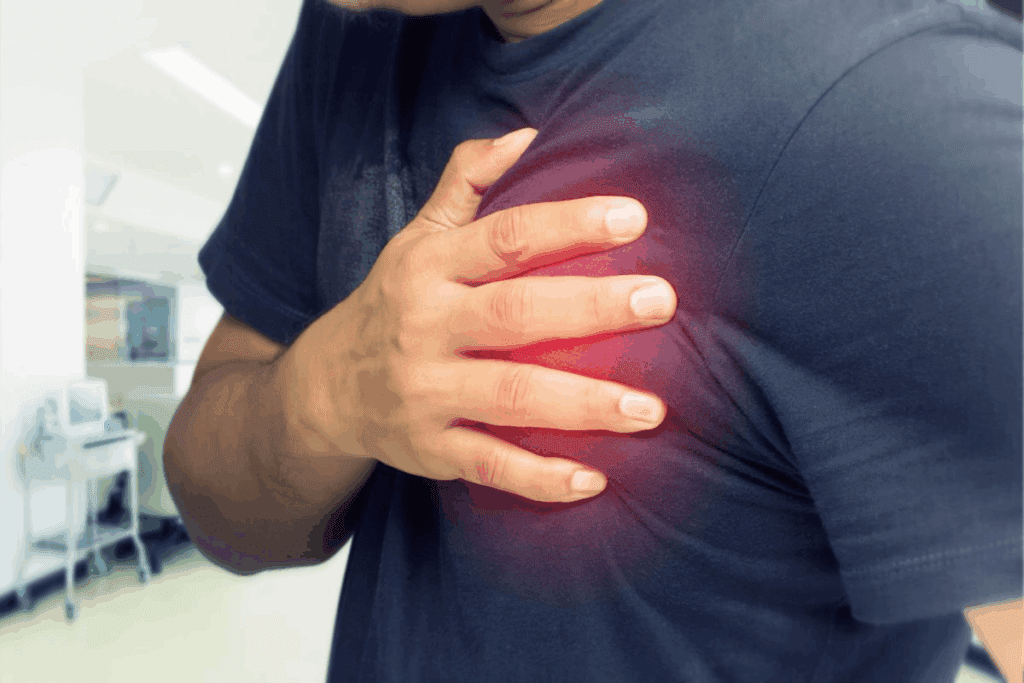
Chest pain can come from many sources, like stomach issues or heart problems. Every year, over 6.5 million people go to the emergency room for it. But most of the time, it’s not a serious heart issue.
Yet, the worry about chest pain is big because it could be serious. It’s a sign that can mean something very bad.
Chest pain can feel sharp or just a dull ache. Where and how it hurts can tell you what’s wrong. For example, acid reflux chest tightness might feel like heart pain. But it usually hurts more in one spot and feels like a burning from throat to chest or burning in the chest after eating.
Why Chest Pain Causes Anxiety
Chest pain makes people anxious because it might mean a heart attack. The fear of having a heart attack is huge. Not knowing why you’re hurting adds to the worry.
It’s important to know that not all chest pain is heart-related. Things like GERD or heartburn can also cause it. Knowing the difference can help ease some of the fear.
The Importance of Accurate Identification
Figuring out why you have chest pain is key to getting the right help. Getting it wrong or waiting too long can make things worse. A doctor needs to check to see if it’s your heart, GERD, or something else.
| Cause of Chest Pain | Common Characteristics | Associated Symptoms |
| GERD | Burning sensation behind the breastbone | Regurgitation, difficulty swallowing |
| Heartburn | Burning sensation in the central chest | Nausea, discomfort after eating |
| Cardiac Issues | Pressure or tightness in the chest | Shortness of breath, pain radiating to the arm or jaw |
Knowing what chest pain feels like can help you get the right help. If you’re feeling chest pain, see a doctor right away. They can figure out what’s wrong and how to fix it.
What is GERD and How Does it Cause Chest Pain?

GERD, or gastroesophageal reflux disease, is when stomach acid flows back into the esophagus. This can cause chest pain among other symptoms. When acid reflux happens often, it’s called GERD.
The Mechanism of Acid Reflux
The lower esophageal sphincter (LES) plays a key role in acid reflux. It’s a muscle that lets food into the stomach and then closes to keep acid out. In GERD, the LES doesn’t work right, letting acid flow back up.
This acid can irritate the esophagus, causing pain. The pain might feel like burning or a tight band around the chest.
How GERD Affects the Esophagus
GERD can really hurt the esophagus, causing discomfort and possible complications. Some effects include:
- Irritation and inflammation of the esophageal lining
- Damage to the esophageal mucosa, potentially leading to ulcers or strictures
- Increased risk of Barrett’s esophagus, a condition that can precede esophageal cancer
Knowing how GERD affects the esophagus is key to managing it. Recognizing symptoms and getting the right treatment can help. This way, people can feel better and avoid serious problems.
GERD Chest Pain Location: Characteristic Sites and Sensations
The location and sensation of GERD chest pain are key to telling it apart from other chest pains. Knowing these details helps doctors diagnose GERD and rule out serious issues like heart attacks.
Behind the Breastbone: The Primary Location
GERD chest pain usually occurs behind the breastbone (sternum). This area is full of nerve endings, making it very sensitive. It’s a key sign of GERD, often felt as a burning or tight feeling.
Upper Central Chest Discomfort
GERD can also cause pain in the upper central chest. This pain can feel like a mild burn or a tight squeeze. It’s important to note because it can be mistaken for heart problems.
Burning from Throat to Chest Sensation
Another sign of GERD chest pain is a burning sensation from the throat to the chest. This happens when stomach acid flows up into the esophagus. It irritates the lining, causing pain that can be felt in both the throat and chest.
| Characteristic | Description |
| Primary Location | Behind the breastbone (sternum) |
| Type of Sensation | Burning or tight sensation |
| Additional Areas Affected | Upper central chest, throat |
Noncardiac chest pain, like GERD, isn’t usually life-threatening. But it can really impact your quality of life. It’s important to know the signs of GERD chest pain to get the right treatment.
Acid Reflux Chest Tightness: How it Feels and Why it Happens
Chest tightness from acid reflux can be scary, but knowing why it happens can ease worries. Acid reflux, or GERD, happens when stomach acid goes back up into the esophagus. This causes discomfort and various symptoms.
The Burning Sensation Explained
A burning feeling in the chest is a common symptom of acid reflux, known as heartburn. This happens when stomach acid irritates the esophagus, causing a burning sensation. This feeling can spread to the chest and may feel tight or pressured.
Key characteristics of the burning sensation include:
- A burning feeling in the chest that may worsen after eating
- Discomfort that can radiate to the throat or arms
- A sensation of tightness or pressure in the chest
Timing and Duration of Symptoms
Symptoms of acid reflux can vary a lot from person to person. They often happen after eating, and can last from a few minutes to hours.
Factors influencing the timing and duration include:
- Eating habits: Eating big meals or lying down after eating can make symptoms worse.
- Food triggers: Foods like citrus fruits, tomatoes, or spicy dishes can cause acid reflux.
- Posture: Bending over or lying down can make symptoms worse.
Knowing these factors can help manage symptoms better. By changing lifestyle and eating habits, people can lessen acid reflux chest tightness.
Heartburn Sensation in Chest: Typical Presentations
A burning sensation in the chest is a common symptom of heartburn. It can be uncomfortable and affect daily life. This feeling usually happens in the middle of the chest.
It can get worse with some foods and positions.
Central Chest Burning After Meals
Heartburn often happens after eating. The burning in the chest can be made worse by certain foods or drinks. For example, spicy foods, citrus fruits, and caffeinated drinks can trigger it.
This happens because the lower esophageal sphincter relaxes. This lets stomach acid flow back into the esophagus, causing the burning.
Chest and Stomach Burning Sensation
The burning from heartburn isn’t just in the chest; it can also be in the stomach. This feeling in both areas can be very uncomfortable. It’s usually because of acid reflux, where stomach acid flows back into the esophagus.
This irritates the lining and causes pain. Knowing what triggers it and managing symptoms can help ease the discomfort.
Even though heartburn is not usually a serious condition, it can really affect your life. Understanding heartburn symptoms can help manage them. If symptoms are severe, it’s important to see a doctor.
Heart Attack Symptoms: Critical Differences to Recognize
Knowing the difference between heart attack symptoms and acid reflux or GERD can save lives. Both can cause chest pain, but they mean very different things and need different actions.
Classic and Atypical Presentations
Heart attacks can show up in many ways. The usual signs are chest pain that feels like pressure or tightness. But, some people might feel pain or discomfort in other parts of their body.
Classic Symptoms: These are chest pain or discomfort that feels like pressure, squeezing, or a heavy weight.
Atypical Symptoms: Some, like women, older adults, or people with diabetes, might feel short of breath, nauseous, or tired without chest pain.
Radiation Patterns: Arms, Jaw, and Back
A heart attack often spreads pain to other areas. This can be:
- One or both arms
- The jaw, mainly the lower jaw
- The back, between the shoulder blades
GERD or acid reflux doesn’t usually spread pain this way. It might cause discomfort that moves from the chest to the throat.
Associated Symptoms That Signal Danger
Other signs can also mean a heart attack. These include:
| Symptom | Description |
| Shortness of Breath | Feeling like you can’t breathe or are winded even when sitting or doing light activities. |
| Nausea or Vomiting | Feeling queasy or vomiting, which can happen with chest pain. |
| Lightheadedness | Feeling dizzy or like you might faint. |
| Cold Sweat | Breaking out in cold sweat, a sign of severe distress. |
It’s important to know these symptoms and how they differ from acid reflux or GERD. This helps get the right medical help quickly.
Heartburn vs Chest Pain: Key Distinguishing Factors
It’s important to tell the difference between heartburn and chest pain. This helps figure out if it’s just a minor problem or something serious. Both can hurt in the chest, but they mean different things.
Trigger Factors and Timing
Heartburn and chest pain have different causes and times. Heartburn happens after eating certain foods or drinks. It gets worse when you lie down. Chest pain from the heart can happen anytime, without a food trigger.
Timing is key: Heartburn comes after meals and can last hours. Heart pain can be steady or come and go, getting worse over time.
Response to Antacids
How pain reacts to antacids is another clue. Heartburn gets better with antacids. If your chest pain does too, it might be heartburn. But, if it doesn’t, it could be something serious.
It’s important to remember: Antacids help heartburn but not heart pain. Not getting better with antacids means it’s likely not acid reflux.
Effect of Position Changes
How pain changes with position is another clue. Heartburn gets worse when bending or lying down. Heart pain is not as affected by position.
Watch your symptoms: See if your chest pain changes with position or activity. This can help figure out what’s causing it.
Does Heartburn Hurt When You Breathe? Respiratory Connections
Understanding the link between heartburn and breathing is key to figuring out chest pain. Heartburn, a sign of gastroesophageal reflux disease (GERD), feels like a burning in the chest. But does heartburn get worse when you breathe?
Usually, heartburn doesn’t get worse with breathing. It’s more about stomach acid flowing back up into the esophagus. This can make you uncomfortable, but it’s not directly linked to breathing. On the other hand, chest pain from heart problems might get worse with deep breaths or when you’re active.
Impact of Breathing on Different Types of Chest Pain
It’s important to know the difference between chest pain types and how breathing affects them. For example, heart pain might get worse with deep breaths or when you’re active. But heartburn usually doesn’t change with breathing. It can be affected by how you sit or what you eat.
Women often have different symptoms of heart problems, like back pain or nausea. This can make it harder to diagnose.
When Breathing Worsens Symptoms
In some cases, breathing can make chest pain worse, like with heart or lung problems. For example, pneumonia or pleurisy can hurt more with deep breaths. Knowing if breathing makes the pain worse can help figure out what’s causing it.
If your chest pain changes with breathing, you should see a doctor. Heartburn usually doesn’t change with breathing, but other serious issues might.
Pay attention to your body’s signs and get help when you need it. Getting the right diagnosis is important for the right treatment.
Indigestion and Chest Discomfort: The Digestive Connection
It’s important to understand how indigestion and chest discomfort are connected. Many people think chest pain is always a heart problem. But, it can often be caused by digestive issues.
Common Digestive Symptoms Accompanying Chest Pain
When we talk about indigestion and chest pain, several symptoms come up. These include:
- Bloating and gas
- Nausea and vomiting
- Abdominal pain or discomfort
- Difficulty swallowing
- A burning sensation in the chest or throat
These symptoms can be signs of different digestive problems. For example, GERD can cause indigestion and chest discomfort. It might even feel like a burning from stomach to chest.
A gastroenterology expert says, “GERD symptoms can be mistaken for heart problems. This shows how important it is to get a proper diagnosis.”
“The key to managing chest discomfort lies in understanding its underlying cause, whether it’s related to digestion or something more serious.”
How Digestive Issues Mimic Cardiac Problems
Digestive problems can sometimes feel like heart issues. For example, GERD’s chest pain can feel like a heart attack. It’s key to know the difference.
| Symptom | Digestive Issue | Cardiac Issue |
| Chest Pain | Often burning, related to eating | Can be crushing, not necessarily related to eating |
| Associated Symptoms | Bloating, nausea, difficulty swallowing | Shortness of breath, dizziness, pain radiating to arm or jaw |
Knowing these differences helps doctors give better diagnoses and treatments. If you have ongoing or severe chest pain, see a doctor. They can check for serious heart problems.
Heart Attack Symptoms vs Acid Reflux: When to Seek Emergency Care
Heart attack symptoms and acid reflux can seem similar. It’s important to know when to get emergency care. Acid reflux is when stomach acid flows back into the esophagus. But, a heart attack is a serious emergency that needs quick help.
Emergency Warning Signs
Knowing the signs of a heart attack is key. If you feel any of these symptoms, get medical help right away:
- Uncomfortable pressure, squeezing, fullness, or pain in the center of your chest that lasts more than a few minutes or goes away and comes back
- Pain or discomfort in one or both arms, the back, neck, jaw, or stomach
- Shortness of breath with or without chest discomfort
These signs could mean you’re having a heart attack. Quick medical help is vital to avoid serious problems.
When to Call 911 Immediately
If you think you might be having a heart attack, act fast. Call 911 immediately if you notice:
- Severe chest pain or discomfort that doesn’t go away
- Difficulty breathing or shortness of breath
- Pain or discomfort that radiates to your arms, back, neck, or jaw
When it comes to heart health, it’s always safer to be cautious. If you’re not sure if your symptoms are acid reflux or a heart attack, get medical help. Quick medical care can greatly improve your chances.
Treatment and Management Strategies for GERD and Heartburn
To ease GERD and heartburn, a full treatment plan is needed. This includes both medical and lifestyle changes. These steps can greatly improve your life quality.
Medication Options
There are many medicines for GERD and heartburn. Antacids quickly neutralize stomach acid. H2 blockers and PPIs cut down acid production. PPIs work best for severe GERD.
Talking to a doctor is key to find the right medicine for you. They can guide you through the choices and watch for side effects.
Lifestyle Modifications
Changing your lifestyle is also vital in managing GERD and heartburn. Lowering your heartburn risk means avoiding alcohol, caffeine, and spicy foods. Also, don’t lie down before bed, eat smaller meals, and sleep with your head up.
- Avoid trigger foods and drinks
- Eat smaller, more frequent meals
- Elevate the head of your bed
- Maintain a healthy weight
When to Consider Medical Procedures
If GERD is severe and doesn’t get better with medicine or lifestyle changes, surgery might be needed. Options include fundoplication surgery and the LINX Reflux Management System. These help prevent acid reflux.
These surgeries are considered when other treatments fail. It’s important to talk to a doctor about the risks and benefits to decide what’s best for you.
Conclusion: Staying Vigilant About Chest Pain
It’s important to know the difference between GERD chest pain and other types. This helps get the right medical help. Knowing the symptoms and where the pain is can guide treatment.
We stress the need to be informed and active about chest pain. Knowing the difference between GERD chest pain and heartburn can help a lot. It’s also key to know when pain might mean something serious.
Being alert and knowing about chest pain helps manage symptoms better. This knowledge is essential for getting the right care on time. It leads to better health in the long run.
FAQ
What is the typical location of GERD chest pain?
GERD chest pain usually feels behind the breastbone or in the upper chest. It’s described as a burning or tight sensation.
How does acid reflux chest tightness feel?
Acid reflux can cause a burning sensation in the chest. This tightness may happen after eating and can last from minutes to hours.
Does heartburn hurt when you breathe?
Heartburn usually doesn’t get worse with breathing. But, cardiac chest pain might be affected by deep breathing or exertion.
What are the critical differences between heart attack symptoms and those of acid reflux or GERD?
Heart attacks have classic symptoms like pain in the arms, jaw, or back. They also include shortness of breath or nausea.
How can you differentiate between heartburn and chest pain?
Knowing what triggers the pain and how it changes can help. Also, how antacids work and the effect of changing positions are clues.
What is the digestive connection between indigestion and chest discomfort?
GERD and other digestive issues can cause chest pain like heart problems. Knowing the digestive symptoms with chest pain helps diagnose the cause.
When should you seek emergency care for chest pain?
Look for severe chest pain or discomfort in the arms or jaw. Knowing when to call 911 is key to prevent serious outcomes.
What are the treatment and management strategies for GERD and heartburn?
Treatments include medications and lifestyle changes. This includes dietary changes and avoiding triggers. Knowing when to consider medical procedures is also important.
Can heart attack feel like acid reflux?
Yes, a heart attack can feel like acid reflux. It’s important to know the difference in symptoms.
What is the difference between heartburn and chest pain?
Heartburn is a burning sensation in the chest after meals. Chest pain can have many causes, including heart problems.
How can you tell if your chest pain is related to GERD or a heart condition?
Knowing the symptoms and where they occur can help. GERD causes a burning sensation, while heart conditions have different symptoms.
References:
- Chaudhry, R. (2022). Physiology, Cardiovascular. In StatPearls. National Center for Biotechnology Information.https://www.ncbi.nlm.nih.gov/books/NBK493197/