As the world’s population ages, the need for special care for older adults grows. Geriatricians are doctors who focus on caring for people aged 65 and older. With more people living into their 70s, 80s, and beyond, healthcare is changing a lot.
Geriatric care aims to enhance the life quality of older adults by treating various health issues. We understand that older patients often have complex needs. Geriatricians are trained to meet these needs, providing care that fits each person’s unique situation.
Key Takeaways
- Geriatric specialists mainly treat older adults, typically aged 65 and above.
- Geriatric care involves diagnosing and managing health conditions common among older adults.
- The goal of geriatric care is to improve the quality of life for older patients.
- Geriatricians are trained to address the complex needs of older adults.
- The demand for geriatric care is increasing due to the aging global population.
The Field of Geriatric Medicine: An Overview
Geriatric medicine focuses on the health of older adults. As more people live longer, this field becomes more important. It offers healthcare services designed for the elderly, meeting their unique needs.
Definition and Scope of Geriatrics
Geriatrics is about treating diseases in older adults. It covers managing chronic conditions and age-related changes. According to Cureus, it emphasizes tailored care for the elderly.
The Role of Geriatricians in Healthcare
Geriatricians are key in caring for older adults. They handle complex health issues like dementia and osteoporosis. They work with teams to give complete care.
Differences Between Geriatricians and Gerontologists
Geriatricians and gerontologists work with older adults but differ. Geriatricians are doctors who specialize in older adult care. Gerontologists study aging from social, cultural, and biological angles. Knowing these differences helps ensure the right care for the elderly.
Demographics of the Aging Population in America
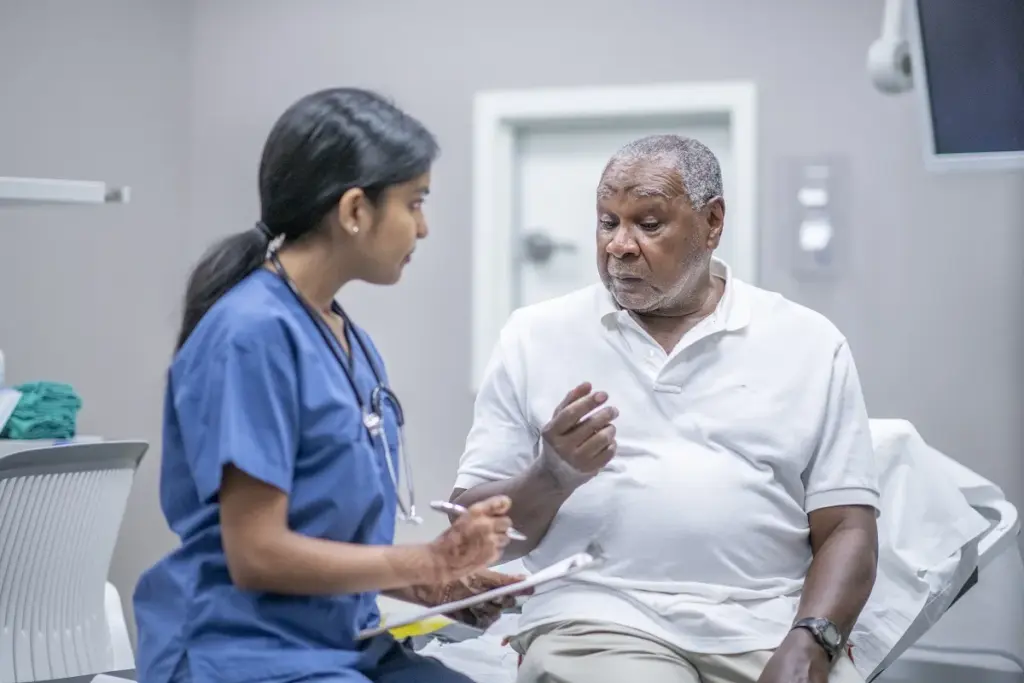
The U.S. population is getting older, and it’s key to understand the elderly. This change affects healthcare, social services, and community resources a lot.
Current Statistics on Elderly Americans
Adults 65 and older now make up about 16% of the U.S. population. They have different needs for healthcare. Over 40% of older adults have at least one chronic condition, and nearly 20% have more than one.
Projected Growth and Healthcare Implications
By 2030, one in five Americans will be over 65. The 85+ age group is growing the fastest. This will put a lot of pressure on the healthcare system.
“The aging population will need more preventive care and management of chronic conditions,” says a leading geriatrician.
Regional Variations in Elderly Population Distribution
There are big differences in where older people live. Some states, like Florida, have more seniors. Others have a more even age mix. Knowing these differences helps plan better healthcare and elder care.
We need to make our healthcare systems better for the aging population. This way, we can help seniors live better lives at home. It’s about making sure they get the care they need with kindness and respect.
Age-Related Criteria for Geriatric Care

Figuring out when someone needs geriatric care is not just about their age. It’s about their health needs as they get older. But, how fast people age can really vary.
Standard Age Thresholds for Geriatric Specialty Care
Geriatric care is often linked to people over 65. Yet, this isn’t a hard rule. We look at a patient’s health and past medical history to decide if they need geriatric care.
Physiological Age vs. Chronological Age
Chronological age is how old someone is in years. But, physiological age is how well their body works. Some people might feel older than they are because of health issues or lifestyle choices.
When Younger Patients May Need Geriatric Expertise
Even younger people might need geriatric care if they’re aging fast or have serious health problems. For example, someone under 65 with many health issues might need the help of geriatric specialists.
|
Age Group |
Common Health Concerns |
Geriatric Care Focus |
|---|---|---|
|
65+ |
Chronic diseases, cognitive decline |
Comprehensive geriatric assessment, management of multiple conditions |
|
Younger patients with premature aging |
Complex health issues, frailty |
Coordinated care, preventive measures |
Understanding when someone needs geriatric care helps us meet their unique needs. This way, we can improve their life quality.
Patients with Multiple Chronic Conditions
Geriatric patients often have many health issues that need a full care plan. As more seniors live longer, seeing patients with many health problems is becoming more common.
Common Comorbidities in Elderly Patients
Elderly patients often face health issues like high blood pressure, diabetes, heart disease, and arthritis. These problems can really affect their life quality and what they need from healthcare.
|
Comorbidity |
Prevalence |
Impact on Health |
|---|---|---|
|
Hypertension |
High |
Increases risk of cardiovascular disease |
|
Diabetes |
Moderate |
Can lead to complications like neuropathy and retinopathy |
|
Heart Disease |
High |
May result in heart failure or arrhythmias |
Challenges of Managing Multiple Conditions
Dealing with many health issues is tough. It can cause drug side effects, conflicting treatments, and the need for constant checks. Coordinated care is key to handling these issues well.
Coordinated Care Approaches for Complex Patients
We use a team effort to give top-notch care. This team includes many healthcare experts. They work together to make a detailed care plan that covers all of a patient’s health needs.
- Regular team meetings to discuss patient care
- Use of electronic health records for better coordination
- Patient education and involvement in care decisions
With a team-based care plan, we can make geriatric patients’ lives better. This improves their health and can also save on healthcare costs.
Geriatric Patients with Cognitive Impairments
Cognitive impairments in older adults are a big challenge for doctors. They need a detailed plan to diagnose and treat these issues. As we get older, our brains can slow down, making it key to know how to handle these problems.
Alzheimer’s Disease and Other Dementias
Alzheimer’s is the main reason for dementia in seniors, causing memory loss and brain function decline. Early diagnosisis vital for managing it well. Other dementias, like vascular and Lewy body dementia, need their own ways of being diagnosed.
Mild Cognitive Impairment Management
Mild cognitive impairment (MCI) is when memory or thinking skills are not as sharp as they should be for someone’s age. It’s not severe enough to stop daily activities. Monitoring and making lifestyle changes are important for managing MCI.
Delirium Prevention and Treatment
Delirium is a serious problem that makes thinking and awareness of surroundings hard. It starts quickly and can lead to bad outcomes for elderly patients in hospitals. Prevention is key, through steps like avoiding too many medicines, keeping active, and managing sleep.
|
Condition |
Characteristics |
Management Strategies |
|---|---|---|
|
Alzheimer’s Disease |
Progressive memory loss, cognitive decline |
Early diagnosis, medication, lifestyle changes |
|
Mild Cognitive Impairment |
Noticeable cognitive decline, doesn’t interfere with daily life |
Monitoring, lifestyle adjustments |
|
Delirium |
Rapid onset, confused thinking, reduced awareness |
Prevention through minimizing medication, promoting mobility |
Understanding and tackling cognitive issues can greatly improve life for older adults. A full plan that includes diagnosis, treatment, and prevention is vital for their care.
Mobility-Impaired Elderly Patients
As people age, they often face mobility issues. These challenges affect their quality of life and increase fall risks. We’ll explore how to manage these issues, including assessing fall risks and helping with osteoarthritis, joint replacements, and recovery after strokes or injuries.
Fall Risk Assessment and Prevention Strategies
It’s vital to assess fall risks in elderly patients. We look at muscle strength, balance, and medication use. Tools help us spot those at high risk. Then, we use strategies like exercise, home safety checks, and medication reviews to prevent falls.
Osteoarthritis and Joint Replacement Recovery
Osteoarthritis is common in the elderly, causing mobility problems. Surgery might be needed if other treatments don’t work. We focus on pre-surgery checks and post-surgery care for a smooth recovery. Rehabilitation is key to getting strength and mobility back after surgery.
Rehabilitation After Stroke or Injury
Rehab is critical for elderly patients after a stroke or injury. It helps restore function and improve mobility. We create personalized plans with a team to meet each patient’s needs.
|
Condition |
Rehabilitation Approach |
Goals |
|---|---|---|
|
Stroke |
Physical, occupational, and speech therapy |
Improve mobility, independence, and communication |
|
Joint Replacement |
Physical therapy, pain management |
Regain strength, mobility, and function |
|
Osteoarthritis |
Exercise programs, pain management, lifestyle modifications |
Improve joint function, reduce pain, and enhance quality of life |
Elderly Patients with Cardiovascular Conditions
As more people get older, heart problems become more common. Heart issues like heart failure, high blood pressure, and irregular heartbeats are big concerns for seniors. It’s important to manage these conditions well to keep seniors healthy and happy.
Heart Failure Management in Seniors
Heart failure is a big problem for older adults. It can come from years of high blood pressure, heart disease, or other heart problems. To help seniors with heart failure, doctors use medicines, lifestyle changes, and watch for worsening symptoms.
Medicines like ACE inhibitors and beta-blockers are key in controlling symptoms and slowing the disease.
Hypertension Control and Stroke Prevention
High blood pressure is a big risk for heart problems, including stroke, in older adults. Lowering blood pressure through diet, exercise, and medicines can help prevent stroke. Regular blood pressure checks are vital to keep treatment on track.
Atrial Fibrillation and Anticoagulation Considerations
Atrial fibrillation is a common heart rhythm problem in seniors. It raises the risk of blood clots and stroke. To prevent stroke, doctors often prescribe blood thinners. But, they must weigh the benefits against the risks of bleeding, which is higher in older adults.
Novel oral anticoagulants (NOACs) are a newer option. They might have fewer bleeding risks than traditional blood thinners.
|
Condition |
Management Strategies |
Key Considerations |
|---|---|---|
|
Heart Failure |
Medications (ACE inhibitors, beta-blockers), lifestyle modifications |
Monitoring for signs of exacerbation |
|
Hypertension |
Lifestyle changes, antihypertensive medications |
Regular blood pressure monitoring |
|
Atrial Fibrillation |
Anticoagulation therapy (warfarin, NOACs) |
Risk-benefit analysis, bleeding risk assessment |
Managing Polypharmacy in Geriatric Patients
Managing polypharmacy is key for elderly patients to avoid bad drug reactions. As they get older, they often have more health issues. This means they take more medicines, which can lead to drug interactions and other problems.
Medication Reconciliation Processes
Medication reconciliation is a vital step. It checks a patient’s medicine list for accuracy and completeness. It spots issues like taking the same medicine twice, wrong doses, or medicines that shouldn’t be taken together.
We suggest doing medication reconciliation at every change in care, like when a patient is admitted or discharged from the hospital, or during outpatient visits. It’s important to review the patient’s medical history, current medicines, and any changes to their treatment plan.
Deprescribing Unnecessary Medications
Deprescribing means stopping or lowering the dose of medicines that are not needed or might be harmful. It’s a key part of managing polypharmacy. It helps reduce the chance of bad drug reactions and improves patient health.
|
Criteria for Deprescribing |
Description |
|---|---|
|
Medication no longer indicated |
The condition for which the medication was prescribed has resolved or is no longer present. |
|
Risk outweighs benefit |
The possible risks of the medication are greater than its benefits. |
|
Patient preference |
The patient wants to stop the medication or has concerns about it. |
Age-Related Changes in Drug Metabolism
As people age, their bodies change in ways that affect how medicines work. For example, older adults might have less kidney function, different body composition, or liver changes. These changes can affect how drugs are broken down in the body.
It’s important for healthcare providers to understand these changes. This helps them make better choices about medicines for older patients.
Frail Elderly: Assessment and Interventions
Understanding frailty is key for healthcare providers to care for the elderly right. Frailty makes older adults more vulnerable to health problems. As more people age, it’s vital to spot and manage frailty.
Defining and Measuring Frailty
Frailty means a drop in physical function, making older adults more likely to get sick or disabled. Tools like the Fried Frailty Phenotype and the Rockwood Frailty Index help spot those at risk. This way, healthcare can offer the right help.
Sarcopenia and Nutritional Interventions
Sarcopenia is when muscle mass and strength decline, a big part of frailty. Good nutrition is key to fight sarcopenia. Nutritional supplements can help, too, for those who don’t eat enough.
Exercise Programs for Frail Seniors
Exercise programs for frail seniors can really help. Resistance training keeps muscles strong. Balance and aerobic exercises also boost physical function and lower fall risks.
Combining good nutrition with the right exercises helps manage frailty. This improves the elderly’s life quality and lowers health risks.
End-of-Life and Palliative Care in Geriatrics
End-of-life care is a key part of geriatric medicine. It needs a caring and detailed approach. As patients near the end, their care shifts to comfort and improving their life quality.
Palliative Care Integration
Palliative care is essential for geriatric patients. It helps manage their complex symptoms and needs. Healthcare providers can offer relief from pain, symptoms, and stress, boosting their quality of life.
Palliative care principles focus on the patient. They address physical, emotional, and social needs. This care is for any serious illness stage, not just the end.
Hospice Referrals and Management
Hospice care focuses on quality of life for those with terminal illnesses. Timely referrals to hospice are key. They ensure patients get the needed support in their final stages.
“Hospice care is about living the time you have left to the fullest, with comfort and dignity.”
Unknown
To qualify for hospice, a terminal diagnosis with a six-month or less life expectancy is needed. Good hospice management involves a team. They address physical, emotional, and spiritual needs.
|
Criteria |
Description |
|---|---|
|
Terminal Diagnosis |
Patient has a terminal illness with a limited life expectancy. |
|
Prognosis |
Life expectancy of six months or less. |
|
Care Focus |
Comfort and quality of life. |
Advance Care Planning Discussions
Advance care planning is vital in end-of-life care. It lets patients share their wishes for future medical treatment. These talks should be centered on the patient, respecting their autonomy and values.
Healthcare providers should lead advance care planning discussions. They ensure patients’ wishes are documented and respected. This includes living wills, durable power of attorney for healthcare, and do-not-resuscitate orders.
By focusing on end-of-life and palliative care, we can enhance geriatric patients’ quality of life. We ensure they get caring and detailed support in their final stages.
Elderly Patients with Sensory Impairments
Sensory impairments like vision and hearing loss are common in the elderly. They are critical to address for a better quality of life. It’s important to understand how these impairments affect their daily lives and well-being.
Vision Loss: Causes and Interventions
Vision loss in the elderly can come from many sources, like cataracts, glaucoma, and age-related macular degeneration. Early detection and treatment are key. For example, cataract surgery can greatly improve vision and life quality. Regular eye exams are vital for catching these conditions early.
Hearing Impairment Management
Hearing loss is another big issue, affecting how they communicate and interact socially. Using hearing aids, cochlear implants, and techniques like lip-reading and sign language can help. Addressing hearing loss can greatly improve their ability to connect with their surroundings and loved ones.
Impact on Communication and Quality of Life
Sensory impairments can deeply impact an elderly person’s life, leading to isolation, depression, and less mobility. By tackling these issues with the right care, we can boost their communication, social interaction, and overall well-being. Comprehensive care that includes sensory support is key to improving their quality of life.
Geriatric Mental Health: Depression, Anxiety, and Beyond
The mental health of older adults is very important in geriatric care. Conditions like depression and anxiety need special care. These issues can really affect how well elderly patients live.
Recognizing Depression in Elderly Patients
Depression is common in the elderly, but it shows up differently than in younger people. We look for signs like sadness that lasts, not caring about things they used to enjoy, and changes in eating or sleeping. Finding it early is key to helping them.
Anxiety Disorders in Seniors
Anxiety can also hit older adults, making health problems worse. We spot symptoms like too much worry, fear, or avoiding things. Then, we use the right treatments to help.
Social Isolation and Loneliness Interventions
Social isolation and loneliness are big worries for the elderly. They can make mental health problems worse. We try to help by getting them involved in the community, counseling, and support groups. This helps them feel better overall.
By focusing on geriatric mental health, we can make life better for our elderly patients. We use medicine, therapy, and support to fight depression, anxiety, and other issues.
Post-Acute and Transitional Care Patients
Effective post-acute care is about managing patient transitions well. It aims to lower hospital readmissions and improve outcomes. When patients move from the hospital to home or other settings, careful management is key. This helps prevent complications and ensures a smooth recovery.
Hospital-to-Home Transition Management
Transitioning from hospital to home needs a team effort. Patients, caregivers, and healthcare providers must work together. They assess the patient’s needs, create a care plan, and make sure support services are available.
Preventing Hospital Readmissions
Stopping hospital readmissions is a big goal in post-acute care. To do this, managing medications, scheduling follow-up visits, and teaching patients about self-care are important. This helps patients recognize and handle any complications early on.
Coordination with Home Health Services
Working with home health services is vital for ongoing care at home. Healthcare teams must communicate with home health agencies. They schedule visits and ensure patients get the care and support they need.
Long-Term Care Facility Residents
Caring for the elderly in long-term facilities is a big job. It needs a team effort. Nursing homes and assisted living places help those who need ongoing care and daily help.
Nursing Home Medicine Practices
Nursing home medicine is all about meeting the special needs of residents. Comprehensive geriatric assessments help find out what patients need. A team of healthcare experts works together to manage health, prevent problems, and improve life quality.
Assisted Living Facility Patients
Assisted living places help those who need daily help but not as much medical care. Personalized care plans help residents stay independent and safe. We aim to create a place where people can socialize and stay engaged.
Quality of Care Standards and Monitoring
Keeping care high in long-term facilities is key. We follow strict quality of care standards. This means checking patient results, staff training, and facility conditions often. It helps us keep care top-notch.
By focusing on these areas, we ensure long-term care residents get the best care. We meet their complex needs and improve their well-being.
The Interdisciplinary Approach to Geriatric Care
An interdisciplinary approach is key for geriatric care. It makes sure elderly patients get all-around care. This care meets their many health needs.
Comprehensive Geriatric Assessment
A geriatric assessment is a detailed check-up. This check-up is vital for finding out what a patient needs and making a care plan. It involves a team of healthcare experts like geriatricians, nurses, and social workers.
Team-Based Care Models
Team-based care models combine healthcare experts from different fields. This teamwork makes sure all parts of a patient’s health are covered. It leads to better health outcomes and a better life quality.
Collaboration with Specialists and Allied Health Professionals
Working with specialists and allied health professionals is essential. This includes teaming up with cardiologists, neurologists, and physical therapists to meet the complex needs of elderly patients. Together, we can give our patients the best care.
Conclusion: The Future of Geriatric Medicine
Geriatric specialists are key in treating elderly patients with complex health needs. The field of geriatric medicine is set to grow fast. This is because the number of older people in the United States is increasing quickly.
The future of geriatric medicine will be shaped by new trends. These include better technology, personalized medicine, and new care models. These changes will help tackle the challenges of caring for an aging population.
Geriatric healthcare will keep evolving. It will focus on coordinated care, teams working together, and care that puts the patient first. We need to keep innovating and investing in geriatric healthcare. This way, older adults will get the quality care they deserve.
By focusing on these areas, we can build a better healthcare system. This system will support the well-being of older adults. It will help them live happy and fulfilling lives as they age.
FAQ
What is geriatric care, and who does it cater to?
Geriatric care is for older adults, usually those 65 and up. It helps those with many health problems, memory issues, and other age-related issues.
What is the difference between a geriatrician and a gerontologist?
A geriatrician is a doctor who specializes in older adults’ health. A gerontologist studies aging and its effects. Geriatricians focus on health, while gerontologists look at social, psychological, and biological aspects.
At what age should a patient start receiving geriatric care?
Age isn’t the only factor. Physiological age matters more. Patients 65 and up often need geriatric care. But, younger people with health issues may also need it.
What are some common comorbidities seen in geriatric patients?
Geriatric patients often have heart disease, diabetes, arthritis, and memory problems. They need care that considers all their health issues.
How is polypharmacy managed in geriatric patients?
Managing many medicines in older adults involves checking their meds, stopping unnecessary ones, and considering how their bodies process drugs. This reduces bad reactions and ensures safe treatment.
What is the role of palliative care in geriatric medicine?
Palliative care is key for older patients nearing the end of life. It includes hospice care and advance planning. This ensures care focuses on the patient’s needs.
How can sensory impairments be addressed in elderly patients?
Vision and hearing loss can be treated. For vision, surgery or treatments may help. For hearing, aids or devices can improve communication and quality of life.
What is the importance of an interdisciplinary approach to geriatric care?
An interdisciplinary approach means many healthcare professionals work together. This ensures older patients get care that meets their complex needs.
How can hospital readmissions be prevented in geriatric patients?
To prevent readmissions, manage hospital-to-home transitions well. Coordinate with home health services. This ensures smooth care and reduces readmission risks.
What are some best practices in caring for long-term care facility residents?
Quality care in long-term facilities means following standards and monitoring. It also means providing care that meets each resident’s unique needs. This includes tailored nursing home and assisted living care.
Reference
National Center for Biotechnology Information. Evidence-Based Medical Insight. Retrieved from https://pmc.ncbi.nlm.nih.gov/articles/PMC6301865/[5



 Departments
 Related Videos
 Our Doctors
 News
News