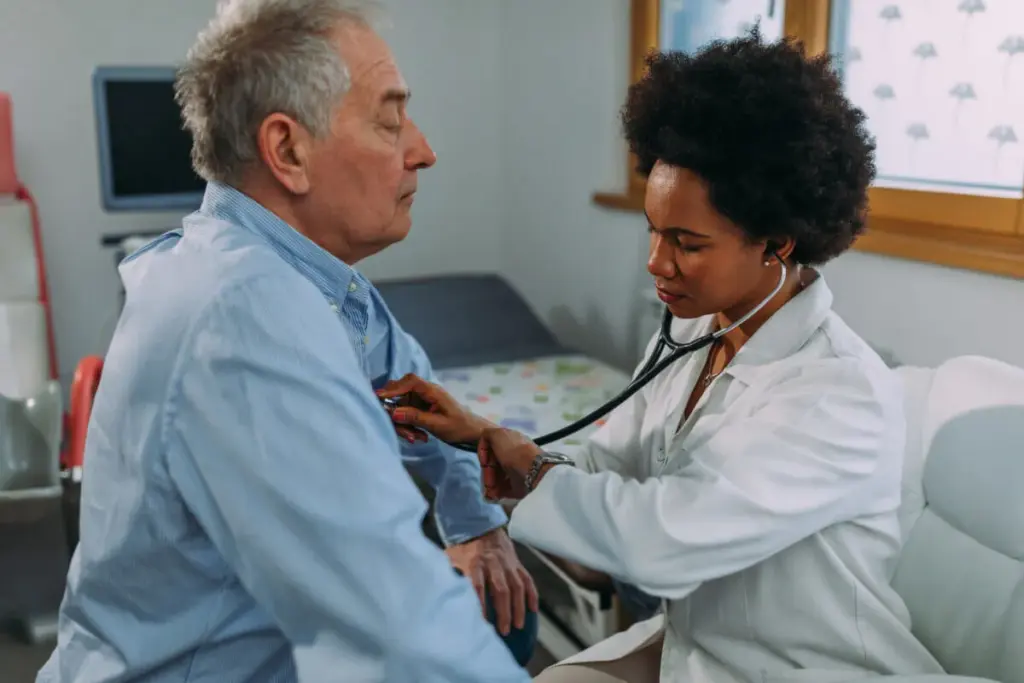
As the world’s population ages, the need for specialized healthcare grows. By 2050, one in six people worldwide will be over 65. This shows the importance of care designed for older adults.
Geriatric care is key to handling the health challenges of the elderly. Geriatric doctors are essential in this field. They focus on the health and well-being of older adults.
Understanding geriatric medicine helps us see the value of these doctors. They deliver top-notch, patient-focused care.
Key Takeaways
- Geriatric care is vital for older adults’ health needs.
- Geriatric doctors specialize in elderly care.
- The aging population increases the need for specialized healthcare.
- Geriatric medicine covers a wide range of health issues for older adults.
- Comprehensive care for older adults needs a personalized approach.
Understanding Geriatric Medicine
As the world’s population ages, knowing about geriatric medicine is key. It’s a special area of healthcare for older adults. It deals with their medical, mental, and social needs.
Definition and Scope of Geriatric Care
Geriatric care covers a wide range of services for older adults. Geriatricians handle many health issues at once, which is common in the elderly. They focus on prevention, diagnosis, treatment, and rehab for age-related problems.
Key parts of geriatric care include:
- Managing chronic conditions like diabetes, high blood pressure, and arthritis
- Dealing with mental health issues, such as dementia and depression
- Helping with nutrition, exercise, and lifestyle changes
- Coordinating care across different healthcare settings
Historical Development of Geriatrics as a Specialty
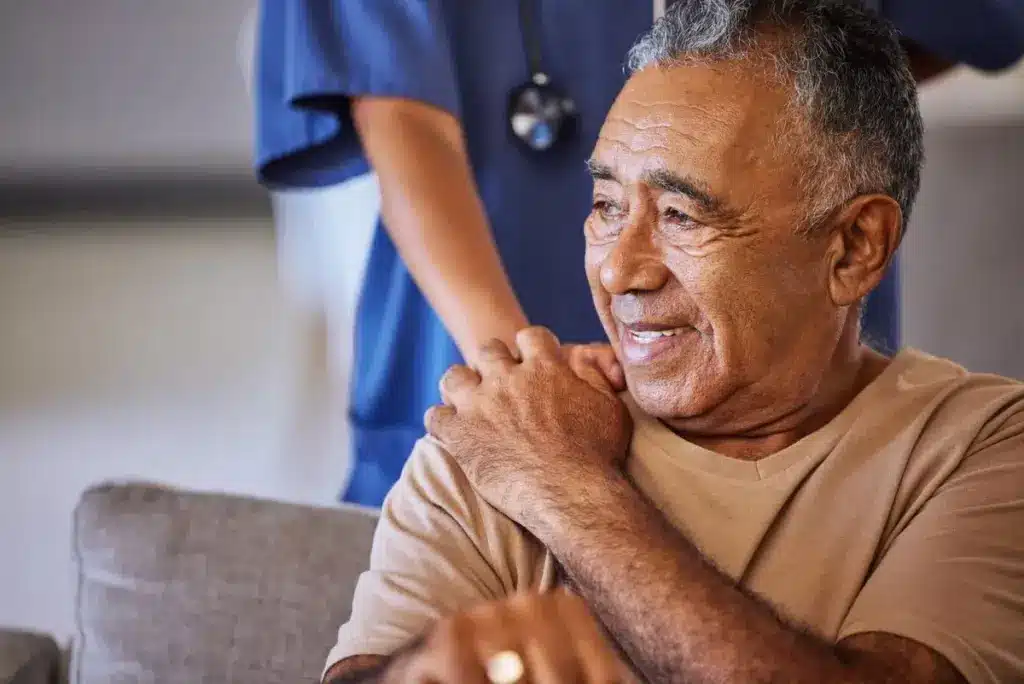
The history of geriatrics goes back to the early 20th century.He saw the special healthcare needs of older adults. The field has grown a lot, thanks to new medical tech, understanding aging better, and more elderly care needs.
“The future of medicine lies not just in treating diseases, but in understanding the complex interplay between aging, health, and functionality.”
Geriatrics became a special medical field for several reasons:
- More older adults in the population
- Advances in medical science and technology
- More need for specialized care for older adults
Today, geriatric medicine keeps growing. It uses new research, tech, and care models to help older adults stay healthy and happy.
Who is a Geriatrician?
A geriatrician is a doctor who specializes in caring for older adults. They handle the complex health issues that often come with age. This includes managing chronic conditions and providing personalized care.
Definition and Qualifications
Geriatricians are doctors with extra training in geriatric medicine. They have a medical degree and specialized training in geriatrics. This training helps them deal with the many health problems older adults face.
To become a geriatrician, one must go through a lot of education and training. This includes:
- Getting an MD or DO degree from medical school.
- Completing a residency in internal medicine or family medicine.
- Choosing to do a fellowship in geriatric medicine.
- Getting certified in geriatric medicine.
Difference Between Geriatricians and Gerontologists

Geriatricians and gerontologists work with older adults, but they have different roles. Geriatricians are medical doctorswho focus on the health and wellness of older adults. They provide medical care and manage health conditions.
Gerontologists, on the other hand, study aging from a social, cultural, and biological perspective. They may not be doctors and often work in research, policy-making, or social services related to aging.
|
Characteristics |
Geriatricians |
Gerontologists |
|---|---|---|
|
Primary Focus |
Medical care for older adults |
Study of aging and its impacts |
|
Professional Background |
Medical doctors with specialized training in geriatrics |
Varies; may include backgrounds in sociology, psychology, biology, etc. |
|
Work Environment |
Clinics, hospitals, nursing homes |
Research institutions, universities, government agencies, NGOs |
Education and Training Path for Geriatric Doctors
Geriatricians get a lot of education and training to care for older adults. They go through many years of studying and practicing. This makes them experts in caring for seniors.
Medical School and Residency Requirements
To become a geriatrician, one must first finish medical school. This takes four years after getting a bachelor’s degree. Students learn a lot in class and through clinical rotations.
After medical school, they enter a residency program. This can be in internal medicine, family medicine, or another field. It lasts three to seven years and gives them real-world experience.
In residency, doctors work with experienced doctors. They learn to diagnose and treat many conditions. They also learn to practice on their own. Some doctors choose to do more training in geriatrics through fellowships.
Geriatric Fellowship and Board Certification
For more specialized training, there are fellowship programs. These focus on caring for older adults. Geriatric fellowships last one to two years.
They teach doctors how to manage chronic conditions and care for seniors. After fellowship, doctors can get board certified. This shows they are experts in caring for older adults.
To keep their certification, doctors must stay current with new medical knowledge. Finding a geriatrician near me or geriatrics doctors near me means looking for these certified specialists. They are sure to get the best care for their age-related needs.
Core Responsibilities of a Geriatric Doctor
Geriatricians lead in elderly care, giving detailed medical services for older adults. They are key in handling the complex health needs of seniors. This ensures they get the best care possible.
Primary Medical Care for Older Adults
Geriatric doctors offer primary care for older adults. They diagnose and treat age-related conditions. They also manage chronic diseases and provide preventive care.
They focus on keeping their patients healthy and independent. This helps seniors live on their own for longer.
Some key aspects of primary care for older adults include:
- Managing multiple chronic conditions
- Coordinating medications to avoid polypharmacy
- Providing vaccinations and screenings appropriate for seniors
- Addressing cognitive and physical decline
Coordination of Care Across Specialties
Geriatric doctors are key in coordinating care across specialties. Older adults often have many health issues. Geriatricians ensure all healthcare providers work together for cohesive care.
Effective coordination means:
- Communicating with specialists to ensure complete care
- Managing transitions between different care settings, such as hospitals and nursing homes
- Educating patients and their families about care plans and treatment options
To show the scope of a geriatrician’s work, here’s a table on key areas of focus in geriatric care:
|
Area of Focus |
Description |
Examples of Interventions |
|---|---|---|
|
Chronic Disease Management |
Managing ongoing health conditions |
Medication management, lifestyle counseling |
|
Cognitive Health |
Assessing and addressing cognitive decline |
Cognitive assessments, dementia care planning |
|
Functional Ability |
Maintaining physical function and independence |
Physical therapy, fall prevention strategies |
Geriatric doctors play a vital role in improving the quality of life for older adults. They provide essential care and support. This ensures seniors can thrive in their later years.
The Complete Geriatric Assessment Process
Understanding older adults’ needs requires a detailed geriatric assessment. It goes beyond simple medical checks. This process looks at physical, mental, and social health, and how well they can function.
Physical Health Evaluation
The first step is a detailed physical check-up. It reviews the patient’s health history and current meds. A physical exam helps spot any health problems that could affect their well-being.
Key parts of this check include checking the heart, muscles, and senses.
A study in the Journal of the American Geriatrics Society shows how important these checks are. It found that focusing on physical assessments can help prevent falls in older adults.
|
Component |
Description |
Significance |
|---|---|---|
|
Medical History Review |
Examining past medical conditions and treatments |
Helps identify chronic conditions and possible drug interactions |
|
Medication Review |
Looking at current meds and their effects |
Finds side effects and when to stop certain drugs |
|
Physical Examination |
Checking current physical health and function |
Shows current health issues and what needs to be done |
Cognitive and Mental Health Assessment
Checking mental and cognitive health is key in the assessment. It spots issues like dementia and mental health problems like depression. Spotting these early lets doctors start the right treatments and support.
“Checking mental function is vital in geriatric care. It helps make care plans that fit the person’s needs and abilities.”
Tests like the Mini-Mental State Examination (MMSE) are used. They check memory, attention, and language skills.
Functional Ability and Social Support Evaluation
It’s important to see how well an older adult can do daily tasks and if they have support. This looks at their ability to do daily living tasks and if they have enough social support.
- Seeing if they need help with daily tasks
- Checking if they have enough social support
- Finding more support, like home care or adult day care
By looking at all these areas, doctors can make care plans that really help older adults. This improves their life and helps them stay independent.
Common Geriatric Conditions and Treatments
Geriatric doctors are dealing with more age-related conditions as the world’s population ages. Older adults face many health issues that need special care. We’ll look at common geriatric conditions and how they are treated.
Age-Related Physical Conditions
Older adults often deal with physical changes and conditions that affect their life quality. These include osteoporosis, arthritis, heart diseases, and sensory loss. Geriatricians use various treatments like medicine, lifestyle changes, and physical therapy to manage these issues.
- Osteoporosis and increased risk of fractures
- Arthritis and joint pain
- Cardiovascular diseases, including hypertension and heart failure
- Sensory impairments, such as hearing and vision loss
Cognitive and Mental Health Issues
Cognitive decline and mental health problems are common in older adults. Issues like dementia, Alzheimer’s, depression, and anxiety need careful assessment and treatment. Geriatricians combine medicine, therapy, and family support to tackle these challenges.
Managing these conditions requires a team effort. This includes medicine, therapy, and lifestyle changes. By understanding these issues, geriatricians can offer personalized care that enhances the lives of older adults.
Medication Management in Geriatric Care
Managing medications for older adults is a big challenge. As people get older, they often have more health issues. This means they need to take more medicines, known as polypharmacy.
Polypharmacy Challenges
Polypharmacy is a big problem in caring for older adults. It raises the risk of bad drug reactions, interactions, and not taking medicines as directed. Older adults are more at risk because their bodies change with age, affecting how they process drugs.
To tackle these risks, we need to carefully look at the medicines older adults take. We should think about how many medicines they take, the doses, and possible interactions. Simplifying their medicine plans and using tools like medication therapy management can help make things safer and easier.
Deprescribing Approaches
Deprescribing is key in managing polypharmacy. It means stopping or lowering the dose of medicines that are not needed or are too risky.
To deprescribe right, we first need to do a detailed review of the medicines. We look at the patient’s health, medical history, and goals. Patient-centered care is important here. It means talking with the patient and their caregivers about the medicines. We make sure we respect their wishes and values.
By understanding and tackling polypharmacy, we can make medication management better for older adults. This improves their quality of life.
Geriatric Doctor vs. Primary Care Physician
Geriatric doctors and primary care physicians are key in healthcare. They serve different needs, mainly for older adults. Their training, approach, and focus areas are quite different.
When to Choose a Geriatrician Over a General Practitioner
Deciding between a geriatrician and a primary care physician depends on health needs. Geriatricians focus on older adults, making them great for complex aging issues.
Choose a geriatrician if:
- You manage many chronic conditions.
- You face cognitive decline or dementia.
- You have mobility issues or fall risks.
- You take many medications and need careful management.
Geriatricians are ready to handle these complex needs. They provide care tailored for older adults.
Collaborative Care Models
Often, the best care comes from teamwork. Geriatricians, primary care physicians, and others work together. This ensures patients get care that covers all health aspects.
|
Care Model |
Description |
Benefits |
|---|---|---|
|
Multidisciplinary Team Care |
Includes geriatricians, nurses, and therapists. |
Comprehensive care, better health outcomes. |
|
Coordinated Care |
Primary care and specialists manage care together. |
Less hospital time, better medication use. |
|
Patient-Centered Care |
Care plans match individual needs and preferences. |
Higher patient satisfaction, better treatment following. |
Knowing the roles of geriatric doctors and primary care physicians helps in making care choices. Whether it’s a geriatrician for specialized care or a team effort, the aim is to improve health for older adults.
The Geriatric Doctor’s Role in Preventive Care
Geriatric doctors are key in keeping older adults healthy. They focus on preventing age-related problems. This is a big part of their job.
Screening Recommendations for Older Adults
Geriatricians check for health issues early on. They look for diabetes, hypertension, and some cancers. They also check for signs of Alzheimer’s disease.
They make sure older adults get important vaccines. This includes shots for the flu and pneumococcal disease. These vaccines help protect against serious infections.
Fall Prevention and Functional Maintenance
Preventing falls is a big deal in geriatric care. Doctors check who might fall and find ways to help. They look at medicines, vision, and suggest exercises to improve balance and strength.
Keeping older adults able to do daily tasks is also important. Doctors check how well they can do things and offer tips. This might include physical therapy or using special devices.
Geriatric doctors help older adults live better lives. They help them stay independent and healthy for longer.
Geriatric Care in Different Settings
Different healthcare settings offer unique chances and challenges for caring for the elderly. As the number of older adults grows, it’s vital to have adaptable and complete care in many places.
Hospital-Based Geriatric Care
Hospital care is key for older adults needing urgent medical help. Geriatricians in hospitals work with teams to handle complex health issues. They aim to avoid complications and help patients move smoothly to other care settings.
Important parts of hospital care for the elderly include:
- Comprehensive geriatric assessments to identify patient needs
- Medication management to minimize polypharmacy risks
- Early mobilization and rehabilitation to prevent functional decline
Long-Term Care Facilities
Long-term care facilities offer ongoing support for older adults who can’t live alone. Geriatric care here involves managing long-term health issues, providing rehab, and ensuring residents’ well-being.
|
Care Aspect |
Description |
|---|---|
|
Medical Care |
Ongoing management of chronic conditions and acute illnesses |
|
Rehabilitation |
Physical, occupational, and speech therapy to maintain or improve function |
|
Social Support |
Activities and programs to enhance quality of life and social interaction |
Home-Based Geriatric Services
Home-based geriatric services let older adults get care at home. This is great for those who have trouble moving or want to stay home.
Home care includes:
- Medical evaluations and monitoring
- Rehabilitation therapy
- Assistance with daily living activities
Geriatricians can tailor care in various settings to meet the needs of older adults. This improves the quality and reach of care.
End-of-Life Care Planning and Geriatric Medicine
End-of-life care planning is key in geriatric medicine, focusing on older adults’ needs. As more people age, the need for compassionate care grows. Geriatric doctors ensure care matches patients’ wishes and values.
Good end-of-life care planning involves several important steps. It needs a caring and informed approach. This considers the patient’s health, personal wishes, and family ties. Geriatric doctors help patients and families understand end-of-life care.
Advance Directives and Medical Decision-Making
Advance directives are legal documents that state a patient’s medical wishes if they can’t decide for themselves. They are vital in respecting patients’ wishes. Geriatric doctors help create these documents with patients and their families.
Medical decision-making is also key in end-of-life care. Geriatricians help patients and families understand treatment options. They discuss the pros and cons of each choice, ensuring decisions reflect the patient’s values.
Palliative Care Approaches
Palliative care focuses on easing symptoms, managing pain, and improving life quality for those with serious illnesses. It’s essential in end-of-life care, ensuring patients get the best care. Geriatric doctors often team up with palliative carespecialists to support patients.
Palliative care in geriatric medicine includes managing pain and other symptoms. It also addresses psychological and spiritual needs. By integrating palliative care, geriatric doctors tailor care to meet patients’ unique needs.
Finding a Geriatrician Near You
Geriatric care is specialized, and finding the right geriatrician is key to a better life. As we age, our health needs grow more complex. We need a doctor who knows aging well and can give us the care we need.
Resources for Locating Specialists
There are many ways to find a geriatrician. Start by asking your primary care doctor or other healthcare pros for tips. They can suggest doctors based on their network.
- Professional Associations: The American Geriatrics Society (AGS) is a great place to start. Their website has a “Find a Geriatrics Healthcare Professional” tool. You can search by location.
- Online Directories: Healthgrades and RateMDs let you find geriatricians near you. You can also read patient reviews to learn more about them.
- Insurance Providers: Your health insurance can list geriatricians in your network. This can help you narrow your search.
Questions to Ask When Choosing a Geriatric Doctor
When you have a list of geriatricians, ask important questions. This will help you find the right one for you. Here are some questions to consider:
- What experience do you have in geriatric care? Knowing their experience can make you feel more confident in their skills.
- How do you approach a complete geriatric assessment? A detailed assessment is key to creating a good care plan.
- How do you coordinate care with other healthcare providers? Good communication with your healthcare team is important for your care.
- What is your approach to managing medications? Managing many medications is common for older adults. A geriatrician’s strategy is very important.
By using these resources and asking the right questions, you can find a geriatrician who meets your needs. Look for someone who understands your medical needs and cares for your overall well-being.
The Future of Geriatric Medicine
The future of geriatric medicine is being shaped by new technologies and changing demographics. As we look ahead, it’s clear that the field will keep evolving. It will meet the complex needs of older adults.
Technological Innovations in Elderly Care
Technological advancements are changing elderly care, making it more personalized and effective. Some key developments include:
- Telemedicine: Allowing older adults to get medical consultations from home.
- Wearable Devices: Monitoring vital signs and detecting falls, enabling timely interventions.
- Artificial Intelligence (AI): Helping predict health risks and personalize treatment plans.
These technologies are not only improving care quality but also the quality of life for older adults.
Addressing the Needs of an Aging Population
As the population ages, geriatric medicine is adapting to meet the unique needs of older adults. This includes:
- Focusing on preventive care to reduce age-related diseases.
- Developing care models tailored to individual needs.
- Enhancing coordination across healthcare providers for complete care.
By adopting these strategies, we can ensure older adults receive the high-quality care they deserve.
We are committed to delivering world-class healthcare with support for international patients. As geriatric medicine evolves, we remain dedicated to providing compassionate and cutting-edge care.
Conclusion
As the world’s population ages, the need for geriatric care grows. We’ve seen how geriatricians are key in giving older adults the care they need. They handle their medical, functional, and social needs with care.
Geriatric care is vital for older adults to get the right healthcare. It helps us understand and meet their unique challenges. Geriatricians manage their care, medications, and preventive services.
We must keep supporting geriatric medicine as we move forward. This will help older adults live better, independent lives. It’s important to focus on elderly care and senior health, valuing their contributions.
FAQ
What is a geriatrician, and how do they differ from a gerontologist?
A geriatrician is a doctor who specializes in caring for older adults. They focus on health, wellness, and age-related conditions. On the other hand, a gerontologist studies aging and its effects on people and society. A geriatrician is a doctor who directly cares for older adults.
What kind of training do geriatric doctors receive?
Geriatric doctors get a lot of training. They go to medical school, do a residency, and sometimes get extra training in geriatric medicine. They also need to get certified in geriatric medicine.
What is a Comprehensive Geriatric Assessment, and why is it important?
A Comprehensive Geriatric Assessment is a detailed check-up for older adults. It looks at physical health, mental health, and how well they can function. It helps doctors plan care that meets the person’s specific needs.
How do geriatricians manage medications in older adults?
Geriatricians carefully manage medications for older adults. They try to avoid too many medicines to reduce side effects. They might simplify medication plans to make them safer.
When should I consider seeing a geriatrician instead of a primary care physician?
See a geriatrician if you or a loved one has many health problems. Or if there’s cognitive decline or complex health issues. Geriatricians offer specialized care for older adults.
What role do geriatricians play in preventive care?
Geriatricians are key in preventive care. They suggest screenings and ways to prevent falls. They help older adults stay healthy and independent.
Can geriatric care be provided in different settings?
Yes, geriatric care can be given in hospitals, long-term care facilities, or at home. Geriatricians adjust their care to fit the needs of older adults in different places.
How do geriatricians approach end-of-life care planning?
Geriatricians focus on compassionate end-of-life care. They talk about advance directives and support medical decisions. They provide palliative care to ensure dignified care at the end of life.
How can I find a geriatrician near me?
To find a geriatrician, search online or ask for referrals. You can also contact organizations that focus on geriatric care.
What questions should I ask when choosing a geriatric doctor?
When picking a geriatric doctor, ask about their experience and care approach. Discuss how they handle complex health issues. It’s also important to talk about their communication style and how they involve family in care.
Reference
National Center for Biotechnology Information. Evidence-Based Medical Insight. Retrieved from https://pmc.ncbi.nlm.nih.gov/articles/PMC10660685