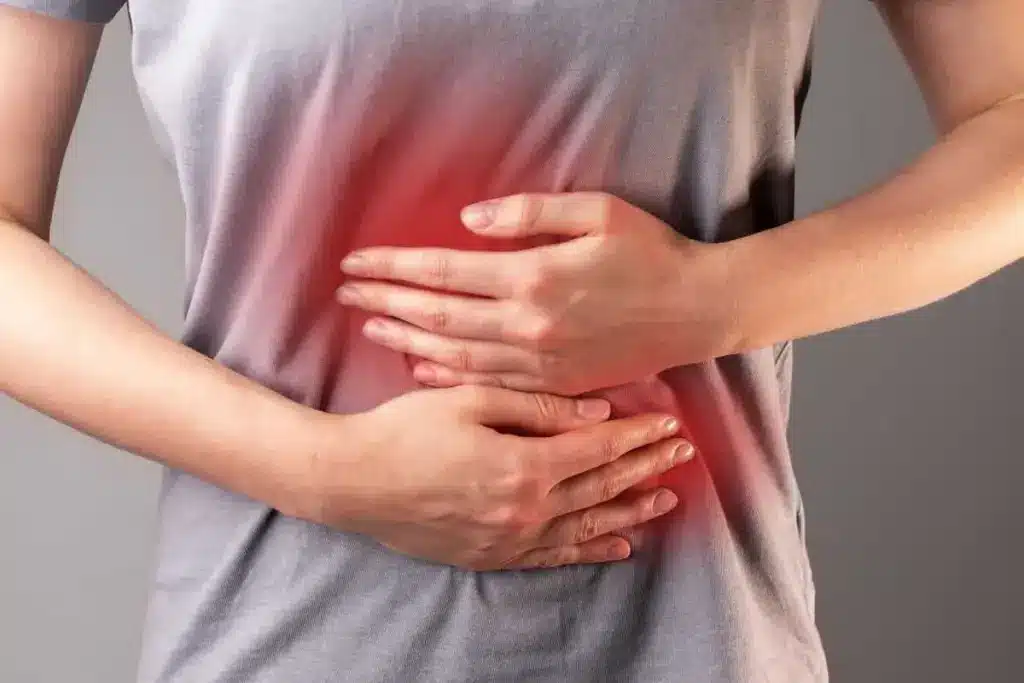
Gastrointestinal diseases are a big problem worldwide. They affect almost a third of the world’s people and cause millions of deaths each year. It’s important to know what causes these diseases to help patients and improve healthcare.
The Global Burden of Disease Study found that 77.55% of global gastrointestinal cases are from upper digestive system diseases. This shows we should focus more on the upper gastrointestinal tract to tackle digestive issues.
We will look at the main causes of gastrointestinal diseases. We’ll see how upper digestive system diseases affect global health.
Key Takeaways
- Gastrointestinal diseases affect nearly a third of the world’s population.
- Upper digestive system diseases account for approximately 77.55% of global gastrointestinal cases.
- Understanding the causes of gastrointestinal disease is key to better patient care.
- The global burden of gastrointestinal disease is huge, with millions dying each year.
- It’s vital to address digestive problems in the upper gastrointestinal tract.
The Global Impact of GI Diseases
It’s important to understand how GI diseases affect people worldwide. These diseases include common issues like irritable bowel syndrome and serious conditions like colorectal cancer. Knowing this helps us create better healthcare plans.
Defining Gastrointestinal Disorders
Gastrointestinal disorders affect the digestive system. This includes the esophagus, stomach, small intestine, and large intestine. These issues can be short-term or long-lasting and can greatly affect a person’s life.
GI diseases have many causes. These include genetics, lifestyle, infections, and the environment. For example, Helicobacter pylori infection causes peptic ulcers and gastric cancer. Diet and obesity also play a role in many GI conditions.
The Scope and Prevalence of Digestive Conditions
GI diseases are a big problem worldwide, affecting millions. They cause a lot of sickness and death. They also cost a lot of money in healthcare and lost work.
|
Region |
Prevalence of GI Diseases (%) |
Common GI Conditions |
|---|---|---|
|
North America |
15-20 |
Irritable Bowel Syndrome, Gastroesophageal Reflux Disease |
|
Europe |
12-18 |
Inflammatory Bowel Disease, Colorectal Cancer |
|
Asia |
10-15 |
Gastric Cancer, Hepatitis B-related Liver Disease |
The number of GI diseases varies by place. This is due to diet, lifestyle, and genetics. Knowing this helps us make better plans to help people.
Looking into GI diseases shows we need a big plan to tackle this health issue. By understanding these diseases, we can lessen their impact. This will help improve life for those affected.
Upper Digestive System Diseases: The Primary Culprit
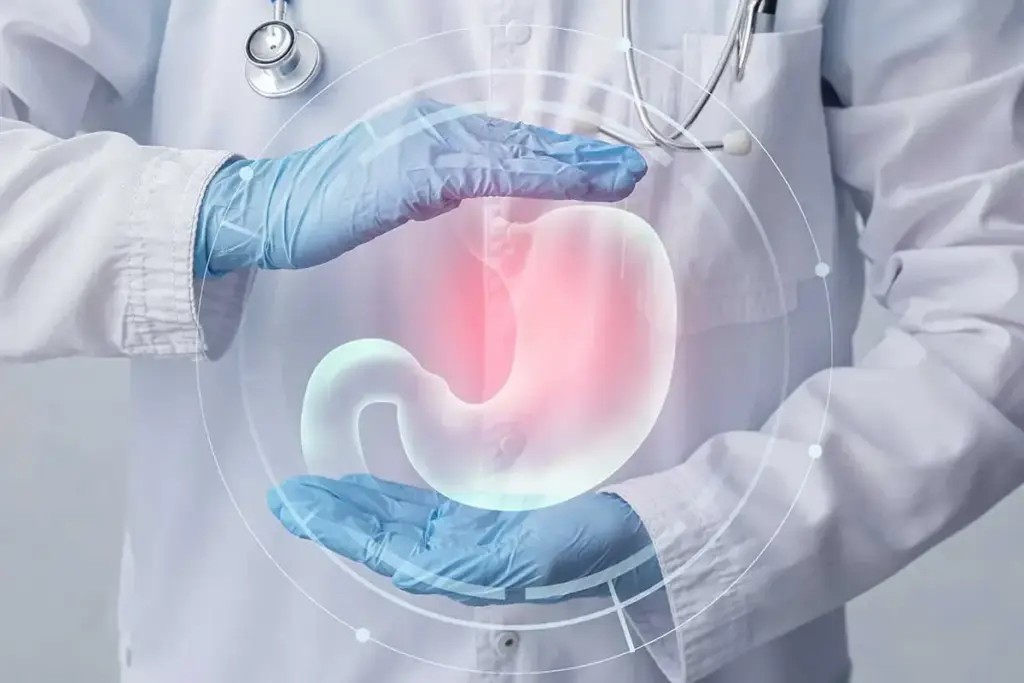
Most gastrointestinal diseases worldwide come from the upper digestive system. These issues affect people’s lives and put a big strain on healthcare systems globally.
Statistical Evidence: 77.55% of Global GI Cases
Research shows that upper GI diseases make up about 77.55% of all GI cases worldwide. This number highlights how common and important these diseases are. Many factors, like lifestyle, diet, and genes, play a role in their spread.
Let’s look at some key numbers:
- Upper GI conditions lead to a lot of hospital stays.
- The rate of upper GI diseases changes by place, influenced by diet and money status.
- Esophageal disorders and peptic ulcers are top upper GI diseases.
Major Upper GI Conditions
Esophageal disorders and peptic ulcers are major upper GI issues. They affect many people and their quality of life. Esophageal problems, like GERD, can be very uncomfortable and serious if not treated right.
Peptic ulcers are sores on the stomach or small intestine’s start. They hurt and can cause big problems, like bleeding or holes, if not treated.
It’s key to know about these diseases to find good treatments and help patients. By understanding the numbers and types of upper GI conditions, doctors can do better for their patients.
Helicobacter Pylori: A Leading Pathogenic Cause
Helicobacter pylori is a major cause of stomach problems like peptic ulcers and gastric cancer. It affects people all over the world, causing a lot of illness.
Infection Mechanisms and Pathways
Helicobacter pylori usually infects people in childhood. It stays in the stomach for life unless treated. This bacterium causes inflammation and can lead to stomach diseases.
The way H. pylori causes disease is complex. It involves the bacterium’s ability to stick to stomach cells, produce harmful substances, and avoid the immune system. Studies link H. pylori infection to higher risks of peptic ulcers and gastric cancer.
Global Distribution of H. pylori Infection
The spread of H. pylori varies worldwide. It’s more common in poor countries and among the less wealthy. Poor sanitation and hygiene help spread the infection.
Research shows H. pylori infection rates vary. They range from 20% in some rich countries to over 90% in poor areas. Knowing where it’s common helps in fighting it.
Connection to Peptic Ulcers and Gastric Cancer
Helicobacter pylori is linked to peptic ulcers and gastric cancer. It causes long-term inflammation and damage to the stomach lining, leading to these diseases.
- Peptic ulcers: H. pylori causes most peptic ulcers, leading to serious problems like bleeding and perforation.
- Gastric cancer: Long-term H. pylori infection raises the risk of gastric cancer, more so in areas with high infection rates.
Getting rid of H. pylori through treatment can prevent these problems. It’s a key part of treating stomach diseases.
Lifestyle Risk Factors for GI Diseases
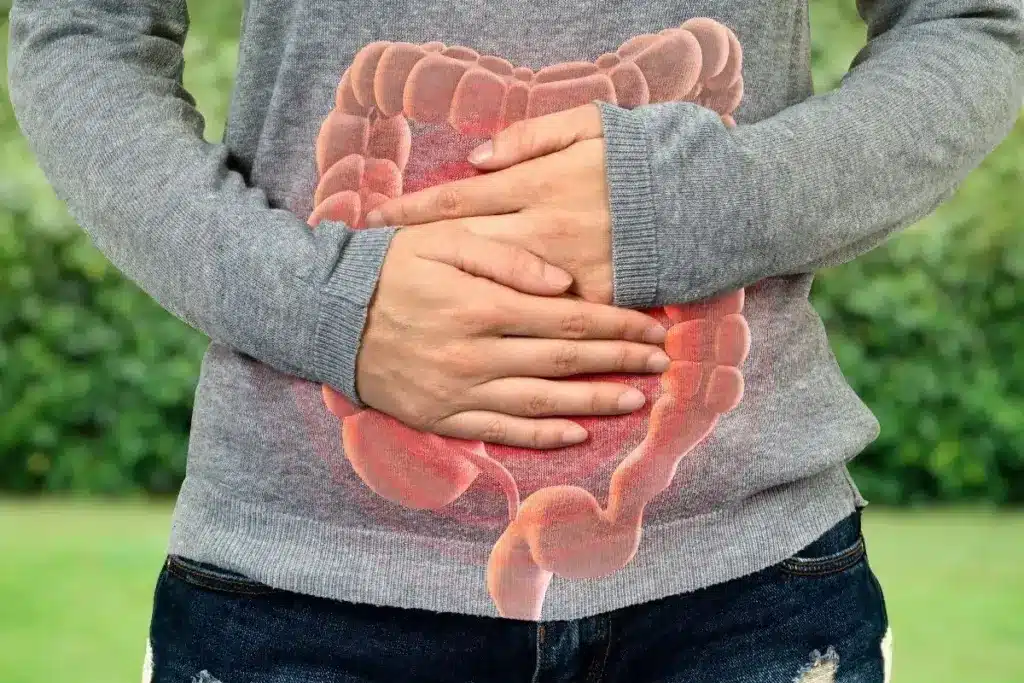
Things like tobacco use, alcohol, and obesity can harm your GI health. These habits can make you more likely to get GI diseases. They can also make these diseases worse.
Tobacco Use and Digestive System Damage
Smoking is bad for your stomach and intestines. It can cause ulcers, Crohn’s disease, and even cancer. Smoking messes with your gut’s immune system and cuts off blood to your stomach.
Smoking affects your gut health in many ways. It changes the good bacteria in your gut and makes it hard for your stomach to heal. Quitting smoking is key to keeping your digestive system healthy.
Alcohol Consumption Effects on GI Organs
Drinking too much alcohol can harm your stomach and liver. It can cause liver disease, pancreatitis, and increase cancer risk. Alcohol makes your stomach lining inflamed and weakens your gut barrier.
The more you drink, the bigger the risk. Drinking less can help protect your stomach and lower disease risk.
Obesity and High BMI Complications
Being overweight or obese raises your risk for stomach problems like GERD and gallstones. It also increases cancer risk. Obesity causes inflammation and changes in metabolism.
Staying at a healthy weight is important for your stomach health. Eating right and exercising can lower disease risk. It’s key to prevent and manage obesity-related stomach issues.
Common GI Tract Disorders and Symptoms
GI tract disorders are common and can show up in many ways. These symptoms can really affect someone’s life, making it important to understand them well.
Upper GI Manifestations
Upper GI issues often cause dysphagia, or trouble swallowing, and stomach pain. Dysphagia can come from things like esophageal strictures or problems with how food moves. Stomach pain might be from gastritis or ulcers.
Let’s look at how common these problems are and how they affect people. Digestive diseases are a big health issue in the U.S.
Lower GI Presentations
Lower GI issues might show up as changes in bowel habits, like diarrhea or constipation, and bleeding in the rectum. These signs could mean you have irritable bowel syndrome (IBS) or inflammatory bowel disease (IBD).
Doctors use a detailed patient history and tests to figure out what’s causing these symptoms. It’s key to know the difference between functional and organic causes to treat it right.
|
Symptom |
Possible Causes |
|---|---|
|
Dysphagia |
Esophageal stricture, motility disorders |
|
Abdominal Pain |
Gastritis, peptic ulcers |
|
Altered Bowel Habits |
IBS, IBD |
Systemic Symptoms of Digestive Disease
GI diseases can also show up with symptoms like weight loss and feeling tired. These can happen because your body isn’t absorbing nutrients well or because of ongoing inflammation.
We know GI tract disorders are complex and have many causes. A detailed approach to diagnosis and treatment is key to helping patients get better.
Medication-Induced Gastrointestinal Damage
Medications help manage many health issues, but some harm the stomach and intestines. We must know these risks to choose the best treatments.
Gastric Mucosal Injury Caused by NSAIDs
NSAIDs treat pain and inflammation but can hurt the stomach lining. This can cause ulcers and bleeding. Older adults and those with stomach problems are at higher risk.
Key factors contributing to NSAID-induced GI damage include:
- Duration of NSAID use
- Dose and type of NSAID
- Concurrent use of other medications that may exacerbate GI risk
- Patient’s age and medical history
Impact of Antibiotics on the Gut Microbiome
Antibiotics fight bacterial infections but upset the gut’s balance. This imbalance, or dysbiosis, can cause diarrhea and stomach pain.
|
Antibiotic Class |
Potential GI Side Effects |
|---|---|
|
Penicillins |
Diarrhea, nausea |
|
Fluoroquinolones |
Abdominal pain, dyspepsia |
|
Macrolides |
Diarrhea, abdominal pain |
Other Medications Affecting Digestive Health
Other drugs, like some antidepressants and blood pressure medicines, can also harm the stomach. It’s important for doctors to watch for these effects.
Knowing the GI risks of different medicines helps us care for patients better and avoid bad side effects.
Understanding the GI Microbiome’s Influence
The human GI tract is a complex ecosystem vital for our health. It’s home to a community of microorganisms called the GI microbiome. This community is key to our digestive health and overall well-being.
Normal Gut Flora Composition
A healthy GI microbiome has a variety of microorganisms. These include bacteria, viruses, fungi, and protozoa. The mix of these microbes is shaped by genetics, diet, and environment. A balanced gut flora is essential for digestion, nutrient absorption, and immune function. An imbalance, or dysbiosis, can cause GI disorders.
“The gut microbiome is a complex ecosystem influenced by many factors,” studies say. Understanding its normal composition is key to diagnosing and treating GI diseases.
Dysbiosis and Disease Development
Dysbiosis happens when the GI microbiome is out of balance. This imbalance can come from antibiotics, diet changes, and stress. Dysbiosis is linked to IBS, IBD, and gastrointestinal cancer. It affects the microbiota’s function, gut barrier, and immune system.
Microbiome Research Advancements
Recent research has greatly improved our understanding of the GI microbiome. Tools like 16S rRNA sequencing and metagenomics have detailed the microbiota’s composition and function. These advances have led to new ways to diagnose and treat GI diseases, including microbiome-targeted therapies. Ongoing research will likely bring new treatments to restore the GI microbiome’s balance.
Exploring the GI microbiome’s role in health and disease shows its importance. Maintaining a healthy balance of gut flora is vital for our well-being. By understanding the factors that influence the GI microbiome and how dysbiosis causes disease, we can better prevent and treat GI disorders.
Dietary Factors Affecting Digestive Health
The food we eat is key to our GI health. Eating foods full of nutrients keeps our GI tract strong. But, a bad diet can cause many digestive problems.
Western Diet and Inflammatory Patterns
A Western diet is full of processed foods, sugar, and unhealthy fats. It can cause inflammation in our bodies. This diet is linked to GI diseases like IBS and IBD.
The high intake of processed meats and refined sugars in a Western diet can disrupt the balance of gut microbiota. This leads to dysbiosis and GI symptoms.
Studies show that a Western diet increases GI disorders. A diet low in fiber and high in processed foods changes our gut microbiome. This can cause more inflammation and gut issues.
Food Intolerances and Allergic Reactions
Food intolerances and allergic reactions can harm our GI health. Unlike food allergies, intolerances are hard for our bodies to digest. Lactose intolerance and gluten sensitivity are common, causing symptoms like bloating and diarrhea.
It’s important to find and manage food intolerances or allergies. This might mean avoiding certain foods or getting medical help.
Protective Dietary Components
Some foods protect us from GI diseases. Foods high in fiber, antioxidants, and omega-3s keep our gut healthy. Fermented foods, like yogurt and sauerkraut, have probiotics that help our gut bacteria.
Eating fruits, vegetables, and whole grains is good for our gut. These foods give us nutrients and help keep our gut microbiome balanced. They can lower the risk of GI disorders and improve our digestion.
Geographic Variations in GI Disease Prevalence
GI diseases are not spread evenly around the world. Some places have a lot more cases than others. This is because of many different reasons.
High-Burden Regions
South Asia, Southeast Asia, East Asia, and Oceania have a lot of GI diseases. These areas face unique challenges like poor living conditions and diets. These factors make GI diseases more common here.
|
Region |
Prevalence of GI Diseases |
Key Factors |
|---|---|---|
|
South Asia |
High |
Poor sanitation, dietary habits |
|
Southeast Asia |
High |
Helicobacter pylori infection, limited healthcare access |
|
East Asia |
High |
Dietary patterns, genetic predisposition |
|
Oceania |
Moderate |
Lifestyle changes, environmental factors |
Socioeconomic Factors
How much money a country has affects GI diseases. Low-income regions often can’t get to healthcare. This means more GI diseases go untreated.
Poor sanitation and hygiene also play a big part. These conditions can spread infections like Helicobacter pylori.
Cultural and Environmental Influences
What people eat and their culture can affect GI diseases. Eating too much processed food and not enough fiber can cause problems. Also, being around pollutants can harm the gut.
Knowing where GI diseases are more common helps us find better ways to fight them. This can improve health worldwide.
Demographic Patterns of GI Diseases
GI diseases affect people differently based on age, gender, and genetics. Knowing these patterns helps us create better ways to prevent and treat these diseases.
Age-Related Incidence Variations
GI diseases show different patterns based on age. For example, gastroesophageal reflux disease (GERD) is more common in older adults. On the other hand, inflammatory bowel disease (IBD) can happen at any age but often strikes younger people.
- GERD and other upper GI issues tend to rise with age.
- IBD, like Crohn’s disease and ulcerative colitis, often hits younger folks.
- Colorectal cancer risk jumps up a lot after 50.
Gender Disparities: Higher Rates Among Older Males
Older men face a higher risk for some GI diseases. For example, gastric cancer and esophageal cancer hit men more than women, mainly in older ages.
- Males get gastric and esophageal cancers more often.
- Men are more likely to get alcoholic liver disease.
- Gender differences in GI disease might come from hormones, genes, and lifestyle.
Genetic and Familial Risk Factors
Genetics and family history are big in GI disease risk. People with a family history of colorectal cancer or IBD are at higher risk.
- Family history is a big risk factor for colorectal cancer.
- Genetic predisposition affects IBD development.
- Certain genetic syndromes, like Lynch syndrome, raise GI cancer risk.
The Mortality and Morbidity Burden
Gastrointestinal diseases are a big problem worldwide. They cause a lot of deaths and sickness. These diseases also hurt healthcare systems and economies.
Annual Death Toll: 2.56 Million Lives Lost
GI diseases lead to a huge number of deaths every year. About 2.56 million people die from these diseases annually. This shows how serious and common GI diseases are globally.
To understand better, let’s look at the death toll from different GI diseases:
|
Disease |
Annual Deaths (in thousands) |
|---|---|
|
Liver Disease |
830 |
|
Gastroesophageal Reflux Disease (GERD) |
110 |
|
Peptic Ulcer Disease |
290 |
|
Gastric Cancer |
780 |
|
Other GI Diseases |
650 |
Representing 32% of Non-Communicable Disease Prevalence
GI diseases make up a big part of non-communicable diseases worldwide. About 32% of these diseases are GI-related. This shows their big impact on health globally.
The prevalence of GI diseases is a critical concern. They not only harm quality of life but also put a big strain on healthcare budgets.
Quality of Life Impact and Disability
GI diseases also hurt people’s quality of life. Conditions like irritable bowel syndrome (IBS) and inflammatory bowel disease (IBD) cause ongoing symptoms. These symptoms affect daily life and overall happiness.
These diseases also cause a lot of disability. Many people can’t work as well and use more healthcare. This adds to the economic cost of these diseases.
In conclusion, GI diseases are a big health problem worldwide. We need more research, awareness, and management to lessen their impact.
Diagnostic Approaches for GI Disorders
Diagnosing gastrointestinal diseases requires a mix of clinical checks, lab tests, and special procedures. We use different methods to accurately find GI disorders.
Clinical Evaluation and Patient History
First, we do a detailed clinical check and look at the patient’s history. We learn about their symptoms, past health, and lifestyle. This helps us find possible causes of their condition.
We do a full physical check and look at symptoms like belly pain and changes in bowel habits. Knowing the patient’s health history and current symptoms helps us narrow down the cause. Then, we plan the next steps in diagnosis.
Laboratory and Imaging Techniques
Lab tests and imaging studies are key in diagnosing GI disorders. We use blood tests to check for infections, inflammation, or nutritional issues. Stool tests help find bleeding, infections, or malabsorption in the gut.
Imaging like X-rays, CT scans, MRI, and ultrasound lets us see the gut and find problems like tumors or inflammation. These tools give us important info for making further diagnosis and treatment plans.
|
Diagnostic Test |
Purpose |
Examples |
|---|---|---|
|
Blood Tests |
Detect infection, inflammation, or nutritional deficiencies |
Complete Blood Count (CBC), C-reactive Protein (CRP) |
|
Stool Tests |
Detect gastrointestinal bleeding, infection, or malabsorption |
Stool Occult Blood Test, Stool Culture |
|
Imaging Studies |
Visualize the gastrointestinal tract and detect abnormalities |
X-rays, CT scans, MRI, Ultrasound |
Endoscopic and Specialized Procedures
Endoscopic procedures let us see inside the gut and take tissue samples. We do upper GI endoscopy, colonoscopy, and endoscopic ultrasound to find ulcers, inflammation, and tumors.
Special tests like capsule endoscopy and double-balloon enteroscopy help us see the small intestine. These tests give us vital info for diagnosing and treating complex GI issues.
Treatment Strategies for Common GI Conditions
Effective treatment of GI diseases combines pharmaceutical, surgical, and emerging therapies. The right treatment depends on the condition, its severity, and the patient’s health.
Pharmaceutical Interventions
Pharmaceutical treatments are often the first step for many GI conditions. These include:
- Proton Pump Inhibitors (PPIs) to reduce stomach acid in GERD.
- Antacids to neutralize stomach acid and ease heartburn.
- Aminosalicylates for treating inflammatory bowel disease (IBD).
- Biologics to target inflammation in IBD.
These medications can greatly improve symptoms and quality of life for GI patients.
Surgical Management Options
For some GI conditions, surgery is needed. Surgical options range from minimally invasive to complex surgeries.
- Laparoscopic surgery for gallstones or bowel obstruction.
- Resection surgery to remove damaged GI tract parts, used in Crohn’s disease or colorectal cancer.
- Bariatric surgery for obesity, which can also help GI conditions.
Surgery is considered when other treatments fail or are not suitable.
Emerging and Alternative Therapies
New treatments offer hope for GI patients. These include:
- Fecal microbiota transplantation (FMT) to balance gut microbiota, mainly for Clostridioides difficile infection.
- Probiotics to keep the gut microbiome healthy.
- Dietary therapies, like specific carbohydrate diets, for IBD symptoms.
These innovative methods are being researched to improve GI disease outcomes.
Conclusion
Understanding GI diseases is key to better health worldwide. We’ve looked at the causes, risks, diagnosis, and treatments of these diseases. This knowledge helps us tackle these health issues more effectively.
GI diseases affect many parts of the digestive system. Upper digestive system diseases are a big concern, making up a lot of GI cases globally. We’ve seen how infections, lifestyle choices, and diet play a role in digestive health.
GI health is closely tied to our overall well-being. Managing GI diseases well needs a full approach, including awareness, prevention, and treatment. Knowing more about these diseases helps healthcare professionals improve care and outcomes.
By learning more about GI diseases and digestive health, we can offer better care. This leads to a better quality of life for those dealing with these conditions.
FAQ
What are gastrointestinal diseases, and how prevalent are they globally?
Gastrointestinal diseases affect the digestive system, including the esophagus, stomach, small intestine, and large intestine. They are common worldwide. Upper digestive system diseases are the main cause of GI diseases globally.
What is the role of Helicobacter pylori in gastrointestinal diseases?
Helicobacter pylori is a bacterium that infects the stomach. It causes peptic ulcers and gastric cancer. Knowing its role is key for preventing and treating GI diseases.
How do lifestyle risk factors contribute to GI diseases?
Lifestyle choices like smoking, drinking alcohol, and being overweight can harm the digestive system. These habits increase the risk of GI diseases.
What are the common symptoms of GI tract disorders?
Symptoms include upper GI issues like difficulty swallowing and pain. Lower GI symptoms include changes in bowel habits and bleeding. Systemic symptoms include weight loss and fatigue.
How do medications affect gastrointestinal health?
Some medications, like NSAIDs and antibiotics, can damage the stomach lining or upset the gut microbiome. Knowing the GI risks of medications is important for safe treatment.
What is the significance of the GI microbiome in health and disease?
The GI microbiome is vital for digestive health. An imbalance, or dysbiosis, can lead to GI diseases. Research has improved our understanding of its role in GI health.
How do dietary factors influence digestive health?
A diet high in processed foods and low in fiber can lead to inflammation and increase GI disease risk. Foods that promote GI health are protective.
What are the demographic patterns observed in GI diseases?
GI diseases show patterns based on age and gender. Certain conditions are more common in specific age groups. Genetic and family history also play a role in risk.
How are GI diseases diagnosed?
Diagnosis involves clinical evaluation, patient history, lab and imaging tests, and endoscopic procedures.
What are the treatment strategies available for common GI conditions?
Treatments include medications, surgery, and emerging therapies. Knowing the options is key to managing GI diseases effectively.
What is gastroenterology, and how does it relate to GI diseases?
Gastroenterology is the study, diagnosis, and treatment of digestive system disorders. It is essential for understanding and managing GI diseases.
How do GI diseases impact quality of life and disability?
GI diseases can greatly affect quality of life and disability. They impose a significant burden on individuals and healthcare systems. Understanding this is vital for effective management.
References
National Center for Biotechnology Information. Evidence-Based Medical Insight. Retrieved from https://pmc.ncbi.nlm.nih.gov/articles/PMC2719537



 Departments
 Related Videos
 Our Doctors
 News
News