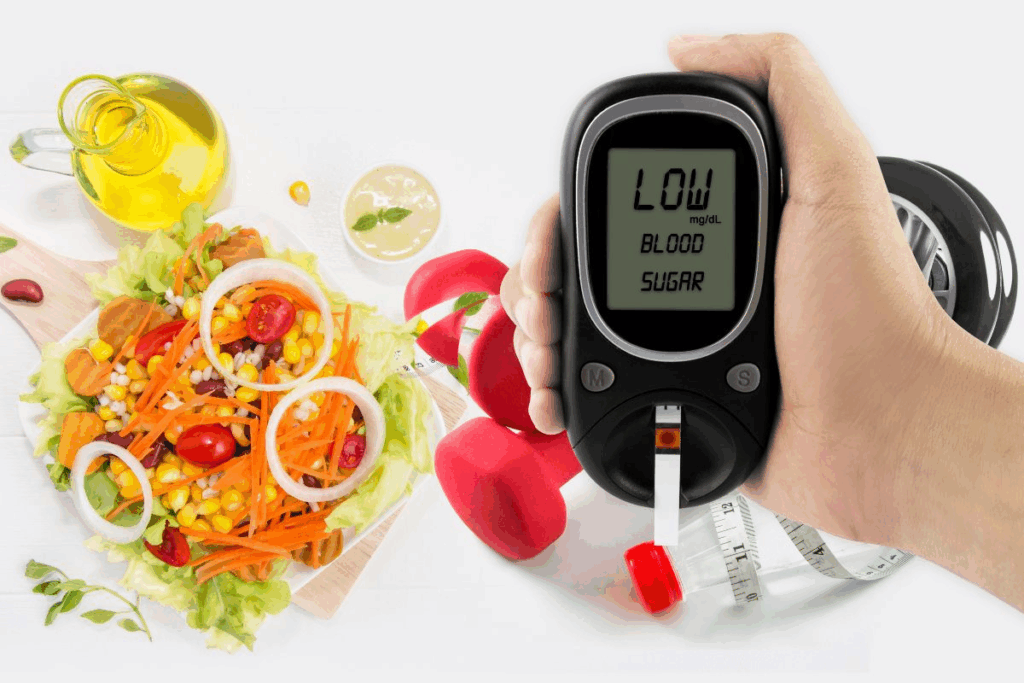
It’s important to understand and manage blood sugar spikes after eating. Eating carbs can raise blood sugar levels, making us feel tired and moody. This can happen after we eat glucose spike.
At Liv Hospital, we teach our patients how to control their blood sugar. By choosing the right foods and making lifestyle changes, people can lower their risk of serious health problems. These problems include kidney disease, heart disease, and dementia.
Key Takeaways
- Consuming carbohydrates can cause temporary blood sugar increases.
- Managing blood sugar levels is key for long-term health.
- Lifestyle changes and smart meal choices can prevent blood sugar spikes.
- Chronic blood sugar issues can lead to serious health complications.
- Patient-centered care can empower individuals to manage their blood sugar levels.
What Causes Glucose Spikes and Why They Matter

When we eat, our body’s blood sugar levels go up. This is because of carbs in our food, which turn into glucose. This increase is a natural part of how our body reacts to food.
The Science Behind Blood Sugar Fluctuations
When glucose gets into our blood, our body makes insulin. Insulin helps our cells use glucose, which lowers blood sugar. Another hormone, amylin, helps slow down how fast we digest food and controls blood sugar too.
Normal Blood Glucose Timeline After Eating
Studies show blood sugar usually hits its peak between one and two hours after we eat. Most often, this happens around 90 minutes. Knowing this can help spot problems with how our body handles glucose.
How High Should Blood Sugar Rise After Meals
For people without diabetes, a normal spike is usually under 140 mg/dL after eating. But, this can change based on what we eat, our health, and how active we are.
Time After Eating | Normal Blood Glucose Level |
1-2 hours | < 140 mg/dL |
2 hours | < 120 mg/dL |
Short and Long-Term Effects of Blood Sugar Spikes

Blood sugar spikes can harm our health right away and over time. When blood glucose levels rise after eating, it sets off a chain of reactions. These reactions can impact our overall well-being.
Immediate Symptoms You Might Experience
Right after eating, glucose spikes can make you feel tired and less alert. You might also feel more hungry and have inflammation. These symptoms can make it hard to do everyday things.
Hidden Inflammation and Cellular Damage
Regular spikes in blood sugar can cause long-term inflammation and damage to cells. This can increase the risk of serious health problems later on.
Connection to Prediabetes and Type 2 Diabetes
Recurring blood sugar spikes can also raise your HbA1c level. This raises the risk of getting prediabetes and type 2 diabetes. High HbA1c levels can lead to other health issues.
Condition | Normal | Prediabetes | Type 2 Diabetes |
HbA1c Level | Below 5.7% | 5.7% to 6.4% | 6.5% or higher |
Identifying Your Personal Glucose Response
Knowing how your body reacts to food, exercise, and stress is key to staying healthy. It helps prevent spikes in blood sugar levels.
Normal vs. Concerning Blood Sugar Levels
For people without diabetes, a blood sugar spike after eating should be under 140 mg/dL two hours later. If it’s higher, it might be a sign of a problem. The right medication can help control these spikes.
Individual Variations in Glucose Metabolism
How your body handles glucose is unique and can change based on many factors. This includes your genes, diet, exercise, and health. Knowing these differences is vital for managing your blood sugar.
Methods for Monitoring Your Blood Sugar
There are ways to keep an eye on your blood sugar, like continuous glucose monitors and fingerstick meters. These tools help you see how different foods and activities affect your levels. This way, you can make better choices about what you eat and do.
Method | Description | Benefits |
Continuous Glucose Monitoring Systems | Wearable devices that track glucose levels throughout the day | Provides real-time data, helps identify trends |
Fingerstick Glucose Meters | Portable devices that measure glucose at a specific moment | Convenient, affordable, widely available |
By understanding your body’s glucose response and using the right tools, you can prevent spikes. This helps keep your blood sugar at its best.
Common Foods That Trigger Glucose Spikes
Even healthy people can see their blood sugar spike like diabetics after eating certain foods. It shows how important it is to know how different foods affect our blood sugar. Foods that are quickly digested and absorbed are the main culprits, causing blood glucose to rise fast.
Refined Carbohydrates and Added Sugars
Foods with a high glycemic index (GI) are often full of processed carbs and added sugars. These foods quickly turn into glucose, leading to a quick jump in blood sugar. White bread, sugary snacks, and sweet drinks are examples. It’s key to cut down on these foods to manage glucose spikes.
Surprising Foods That Raise Blood Sugar
Some foods thought to be healthy can actually raise blood sugar in some people. Fruits like bananas and mangoes, for example, have natural sugars that can affect blood sugar. Also, processed “health foods” with hidden sugars can be culprits. Knowing these foods is important for keeping blood sugar stable.
Individual Food Responses and Variability
It’s important to remember that people react differently to the same foods. Things like genetics, gut health, and diet can change how someone’s blood sugar reacts to a food. Tracking how you react to different foods can help you find a diet that keeps glucose spikes low. By understanding and adjusting to these differences, we can manage our blood sugar better.
The Strategic Meal Sequencing Approach
Meal sequencing is becoming a key strategy for keeping blood glucose stable. Eating fiber or protein before carbs can lower glucose spikes.
Why Order of Food Consumption Matters
The order of food in a meal affects blood sugar levels. Eating veggies and protein before carbs can reduce spikes.
Vegetables and Protein First Strategy
Starting with veggies and protein can manage blood sugar. Veggies are full of fiber, which slows down carb digestion. Protein takes longer to digest, reducing the quick glucose rise.
How Fiber Acts as a Glucose Buffer
Fiber is key in controlling glucose spikes. It forms a gel in the gut, slowing carb absorption. This prevents sudden blood sugar increases.
Practical Examples of Meal Sequencing
For example, in a meal with grilled chicken, quinoa, and broccoli, eat the broccoli and chicken first. This helps manage blood sugar better.
Using meal sequencing can lower glucose spikes and improve metabolic health.
Optimal Meal Composition to Prevent Blood Sugar Peaks
Making meals that keep blood sugar stable is all about the right mix of nutrients. We must balance our macronutrients to keep blood sugar steady.
Balancing Macronutrients for Stable Blood Sugar
It’s important to have the right mix of carbs, proteins, and fats in our meals. Adding proteins and fats to carbs helps keep blood sugar stable. This is because it slows down how our body digests and absorbs food.
This method not only controls how our body reacts to carbs but also helps us stay nutritionally balanced.
Protein’s Role in Glucose Management
Protein is key in managing blood sugar. It slows down carb digestion and lowers blood sugar peaks. Adding protein to meals helps keep glucose levels stable.
Healthy Fats That Slow Digestion
Healthy fats, like those in nuts, seeds, avocados, and olive oil, slow down carb digestion. This means less glucose is quickly absorbed into the blood. This helps keep blood sugar levels stable.
Portion Control Strategies
Controlling meal portions is vital for managing blood sugar. By limiting carbs, proteins, and fats, we can better control our blood sugar.
Using smaller plates, measuring food, and being aware of serving sizes are good ways to control portions.
Lifestyle Habits That Regulate Glucose Spikes
Lifestyle habits are key to managing glucose spikes. Knowing these habits helps control blood sugar levels. By adopting healthy habits, you can keep your glucose levels stable and avoid health problems.
Timing and Types of Physical Activity
Physical activity, like walking, after meals lowers blood sugar. It diverts blood flow, reducing glucose absorption. Even simple exercises can be beneficial.
How Sleep Quality Affects Blood Sugar
Sleep quality greatly affects glucose metabolism. Poor sleep can lead to insulin resistance and higher glucose levels. A consistent sleep schedule and a good sleep environment can improve blood sugar regulation.
Stress Management Techniques
Stress can raise blood sugar by releasing cortisol. Techniques like meditation or yoga can help manage stress and stabilize glucose levels.
Hydration’s Impact on Glucose Levels
Drinking enough water is vital for blood sugar control. Dehydration can increase blood sugar. Staying hydrated helps regulate glucose levels and supports health.
Lifestyle Habit | Impact on Glucose Levels | Recommended Action |
Physical Activity | Lowers blood sugar by reducing glucose absorption | Engage in moderate exercise after meals |
Sleep Quality | Improves insulin sensitivity | Maintain a consistent sleep schedule |
Stress Management | Reduces stress-induced glucose spikes | Practice meditation, deep breathing, or yoga |
Hydration | Helps regulate glucose levels | Drink adequate water throughout the day |
Evidence-Based Supplements for Blood Sugar Control
We look at the evidence for supplements that help manage blood sugar. These supplements might be helpful, but always talk to a healthcare professional before using them.
Minerals That Support Glucose Metabolism
Some minerals are key for glucose metabolism. Chromium improves insulin sensitivity and glucose use. Magnesium helps control blood sugar by helping cells take in glucose.
Herbal Supplements With Promising Research
Herbal supplements may help with blood sugar levels. Berberine has been shown to improve glucose metabolism, similar to some medicines. Ginseng and Cinnamon are also being studied for their blood sugar benefits.
Vinegar and Other Kitchen Remedies
Apple cider vinegar can help with blood sugar. Taking a small amount before meals may slow down carb digestion and boost insulin sensitivity.
Dietary Approaches That Minimize Glucose Fluctuations
Managing glucose levels is key for good health. Diet plays a big role in this. By choosing the right foods, people can control their blood sugar and avoid health problems.
Low Glycemic Index Eating
Low GI eating means eating foods that don’t raise blood sugar much. Foods like whole grains, veggies, and most fruits are good. They digest slowly, keeping blood sugar steady. Adding these foods to your diet can help avoid big sugar spikes after meals.
Mediterranean Diet Principles
The Mediterranean diet is all about eating whole foods. It includes grains, fruits, veggies, lean proteins, and healthy fats from olive oil. This diet helps keep blood sugar stable and improves health. Eating whole, unprocessed foods helps manage glucose levels better.
Time-Restricted Eating Benefits
Time-restricted eating means eating only during a certain time, like 8-12 hours a day. It helps control blood sugar and boosts metabolic health. Giving your body a break from food improves insulin sensitivity.
Carbohydrate Modification Strategies
Changing how you eat carbs is another way to manage glucose. You can eat fewer carbs, choose complex carbs, or balance carbs with protein and fats. These changes help keep blood sugar levels stable.
Using these dietary strategies, people can actively manage their glucose levels. This improves their overall health.
Conclusion: Creating Your Personalized Glucose Management Plan
Understanding why glucose spikes happen helps us make a plan that works for us. We can control blood sugar after meals with a bit of planning. This keeps us energized and lowers the risk of health problems later.
To make a good plan, think about what you eat, how you live, and how your body reacts to glucose. Using tips like meal timing, the right foods, and healthy habits can help manage blood sugar. This improves your health overall.
Stopping glucose spikes needs a big-picture approach. This includes eating well, staying active, managing stress, and getting enough sleep. Making smart choices and watching our glucose levels helps keep blood sugar in check. This reduces the chance of health issues.
FAQ
How high does blood glucose go after eating?
Blood glucose levels go up after eating, hitting their peak in 1-2 hours. For people with diabetes, it’s best to keep this under 180 mg/dL. Those without diabetes should aim for around 140 mg/dL.
Why is it bad if your blood sugar spikes?
Blood sugar spikes can lead to insulin resistance and type 2 diabetes. They also cause symptoms like fatigue, hunger, and thirst.
How can I prevent blood sugar spikes?
To avoid spikes, eat veggies and protein first, then carbs. Balance your macronutrients and eat fiber-rich foods. Control your portions and stay active. Stress management and enough sleep also help.
What is the normal glucose spike after a meal?
A normal spike is under 140 mg/dL for those without diabetes. But, it depends on the meal and how your body processes glucose.
Are glucose spikes bad?
Occasional spikes are usually okay. But, frequent or high spikes can harm your health. They can lead to insulin resistance and increase the risk of diabetes.
How long after eating does blood sugar rise?
Blood sugar starts rising 15-30 minutes after eating. It peaks in 1-2 hours.
What foods trigger glucose spikes?
Foods high in refined carbs and added sugars cause spikes. Even some fruits and white potatoes can lead to big swings in blood sugar.
Can meal sequencing help prevent glucose spikes?
Yes, eating veggies and protein first can slow down carb digestion. This reduces the spike in blood sugar.
How does fiber act as a glucose buffer?
Fiber slows down carb digestion and absorption. This helps keep blood sugar levels steady.
What lifestyle habits can help regulate glucose spikes?
Exercise, managing stress, getting enough sleep, and staying hydrated all help control spikes. They improve glucose management too.
Are there any supplements that can help with blood sugar control?
Minerals like chromium and magnesium, and herbal supplements like berberine, may aid glucose metabolism. Always talk to a doctor before taking supplements.
What dietary approaches can minimize glucose fluctuations?
Eating low glycemic index foods, following the Mediterranean diet, and time-restricted eating can help. So can adjusting carb intake. These strategies improve glucose management.
References
National Center for Biotechnology Information. Managing Postprandial Glucose: A Guide to Prevention and Control. Retrieved from https://pmc.ncbi.nlm.nih.gov/articles/PMC7530333/