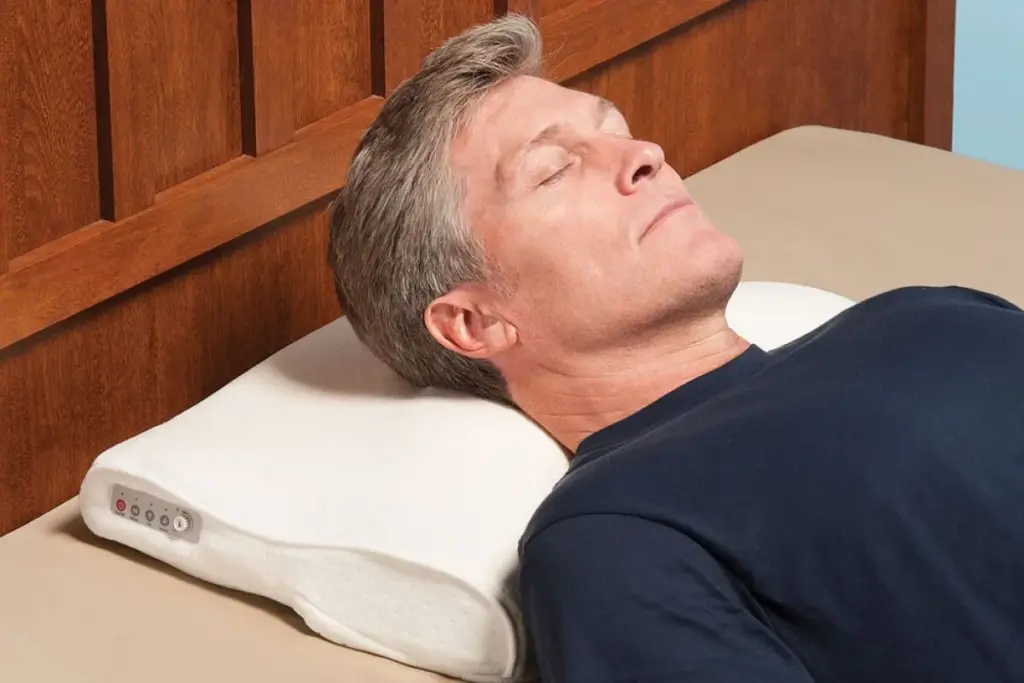
For many, snoring is more than just a nuisance; it’s a sign of disrupted sleep and possible health risks. As awareness about snoring’s implications grows, so does the market for solutions like anti-snoring pillows. But do these pillows really work? We look into the evidence to see if they help reduce snoring.
Find the best good pillows for snorers. Discover amazing results and learn why the right support leads to brilliant, healthy, quiet sleep.
Snoring can greatly affect sleep quality, not just for the snorer but also for their partner. Finding the right support is key. We dive into how snore-reducing pillows can be a valuable tool for a better night’s sleep.
Key Takeaways
- Snoring is a common issue that can indicate poor sleep quality and health risks.
- Anti-snoring pillows are designed to help reduce snoring by adjusting sleep positions.
- The effectiveness of these pillows can vary based on the individual and the type of snoring.
- Evidence from studies and user experiences can provide insights into their efficacy.
- Choosing the right pillow involves considering factors like material, design, and adjustability.
Understanding Snoring: Causes and Health Implications
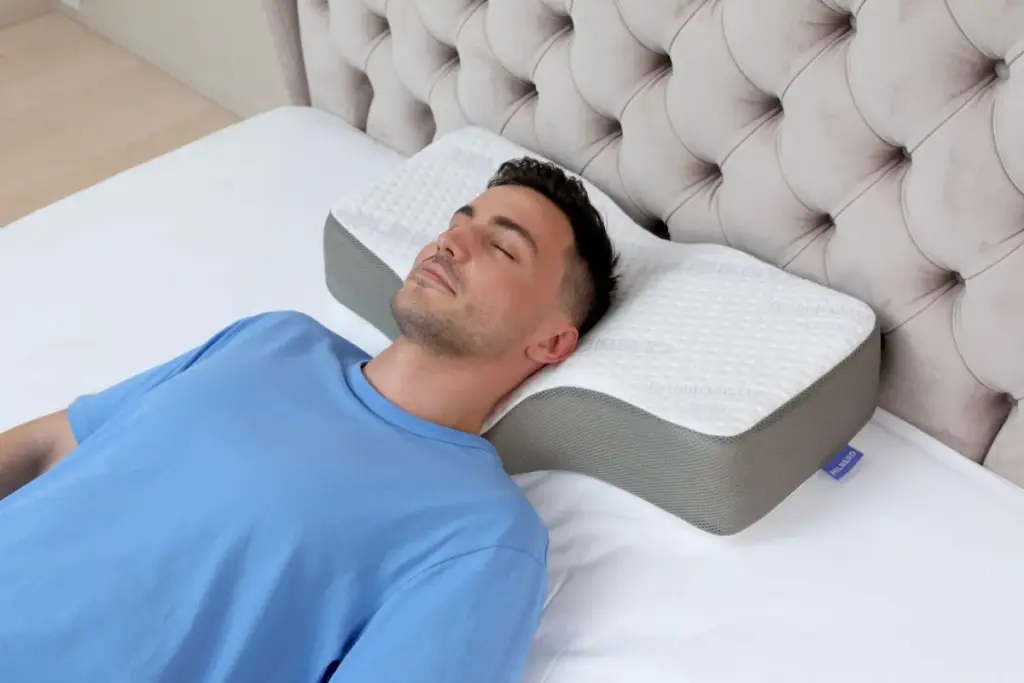
Snoring is a common sleep disorder with serious health risks. It’s not just a minor issue. It can signal underlying health problems that need attention.
Common Causes of Snoring
Snoring can stem from obesity, sleep position, and nasal congestion. When we sleep, our throat muscles relax, narrowing the airway. Excess tissue in the throat, common in the overweight, can make this worse.
Sleeping on your back can also cause snoring. It lets the tongue and soft palate fall back, blocking the airway. Nasal congestion, from colds or allergies, forces mouth breathing, raising the risk of snoring.
Health Risks Associated with Chronic Snoring
Chronic snoring poses serious health risks. It can be a sign of sleep apnea, where breathing stops during sleep. This can lead to poor sleep quality and low blood oxygen, causing heart issues.
It also causes daytime tiredness, poor thinking, and a higher risk of accidents. It can even harm relationships by disturbing sleep for others.
Knowing the causes and risks of snoring is key. By understanding these, we can take steps to improve our sleep and health.
How Anti-Snore Pillows Claim to Work
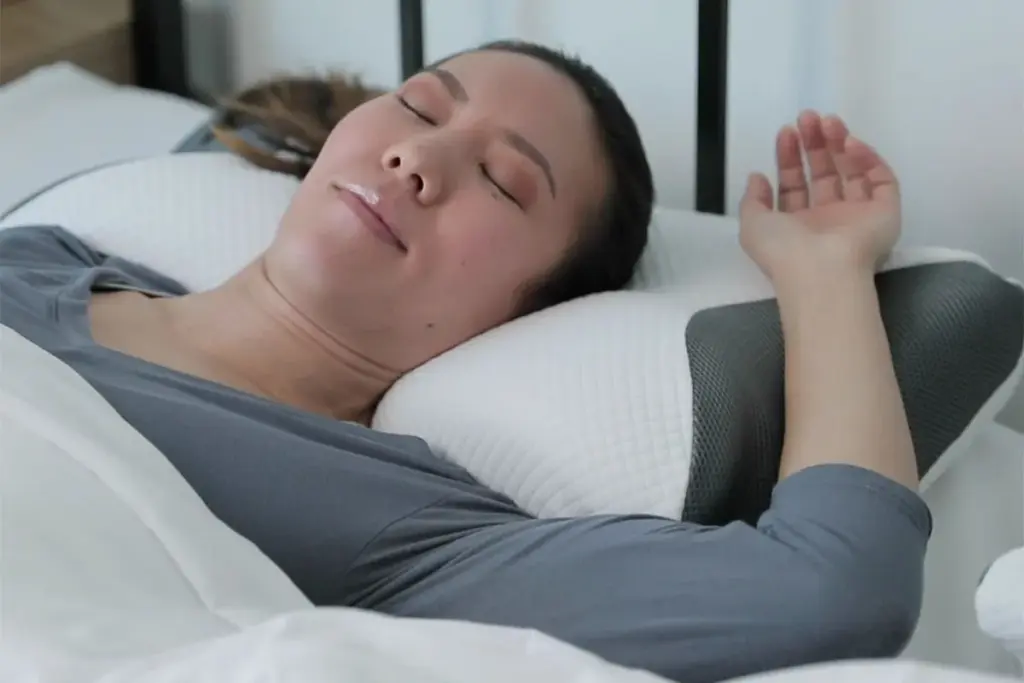
Anti-snore pillows are made to help you sleep better by keeping your airways open. They aim to keep your spine aligned right, which helps prevent snoring.
The Science Behind Anti-Snore Pillow Design
These pillows are designed to support your head and neck. They keep your spine aligned, ensuring your airways stay open. They have special features like contoured shapes and materials that offer the right amount of support.
Snoring happens when your airways get blocked, often because your throat muscles relax too much. Anti-snore pillows help by supporting your airways and keeping them open. This reduces the vibration of your throat that causes snoring.
Positioning and Airway Support Mechanisms
Anti-snore pillows work by positioning your head and neck correctly. They use different designs to do this, including:
- Contouring: They have a shape that fits your head and neck, helping keep your airways open.
- Adjustable Firmness: Some pillows let you change how firm they are, so you can find the perfect support.
- Elevated Design: Some pillows are made to lift your head and neck, which can help reduce snoring.
By combining these features, anti-snore pillows aim to create a sleep environment that reduces snoring. This improves sleep for both the snorer and their partner.
Types of Anti-Snore Pillows Available Today
Snorers have many options for anti-snore pillows. These include wedge, contour, and smart pillows. Each type has special features to help with snoring.
Wedge Pillows
Wedge pillows lift the head and neck. This keeps airways open and cuts down on snoring. They are firm and triangular, making it easy to change how you sleep.
Benefits: They improve breathing, reduce snoring, and help with sleep apnea.
Contour Pillows
Contour pillows support the head and neck. They keep the spine aligned and airways open. This design helps prevent snoring.
Features: They have a unique shape for better support. They are often made of memory foam for a comfortable fit.
Smart Pillows with Technology Integration
Smart pillows use technology to fight snoring. They have sensors to detect snoring and adjust firmness. They also connect to phones to track sleep.
Advantages: They monitor snoring in real-time. They adjust to your needs and provide detailed sleep data.
|
Pillow Type |
Key Features |
Benefits |
|---|---|---|
|
Wedge Pillows |
Triangular shape, firm material |
Improves breathing, reduces snoring |
|
Contour Pillows |
Craddle shape, memory foam |
Supports head and neck, reduces snoring |
|
Smart Pillows |
Sensors, adjustable firmness, connectivity |
Monitors snoring, provides sleep data |
The Effectiveness of Anti-Snore Pillows: What Research Shows
Research on anti-snore pillows shows they might help with snoring. But, we don’t know everything yet. These pillows could be a good option for people who snore.
To see how well anti-snore pillows work, we look at clinical studies. These studies check how they affect snoring and sleep quality.
Clinical Studies on Anti-Snore Pillows
Studies have shown anti-snore pillows can really help. A study in the Journal of Clinical Sleep Medicine found they cut down snoring a lot. The special design of these pillows helps keep the airway open.
Another study found pillow design matters a lot. It said certain pillows can help by improving sleep and keeping airways open. This means not all anti-snore pillows work the same way.
Limitations of Current Research
Even with good research, there are limits. Many studies have small groups, and we need more long-term ones. This will help us understand the good and bad of these pillows better.
Different designs and materials make it hard to compare all pillows. As new pillows come out, we need more research to guide buyers.
We know anti-snore pillows might help, but we need more info. It’s important to look at all the factors that affect how well they work.
Good Pillows for Snorers: Top Considerations
Finding the right pillow is key for a good night’s sleep, even for snorers. Snorers need to look at a few important factors. These can really help improve their sleep and reduce snoring.
Material and Firmness Factors
The type of material and firmness of a pillow matter a lot for snorers. Memory foam pillows are great because they support well and keep their shape all night. The pillow should be firm enough to keep the airway open but not too hard.
It’s also good to pick pillows that breathe well. This helps keep the temperature right and stops overheating, which can make snoring worse.
Pillow Height and Sleeping Position Compatibility
The height of the pillow is very important. It helps keep the neck and head in the right position. For snorers, the right height can help keep the airway open.
Side sleepers need a taller pillow to fill the gap between their ear and shoulder. Back sleepers might prefer a shorter pillow to keep their head in a neutral spot.
Durability and Maintenance Requirements
A pillow that lasts a long time and stays supportive is a must. Look for pillows with covers that can be taken off and washed. This keeps the pillow clean and fresh.
Here’s a quick guide for snorers picking a pillow:
|
Factor |
Considerations |
Benefits for Snorers |
|---|---|---|
|
Material |
Memory foam, breathable materials |
Support, temperature regulation |
|
Firmness |
Medium to firm |
Keeps airway open, comfortable |
|
Pillow Height |
Side sleepers: higher loft; Back sleepers: lower loft |
Proper alignment, reduced snoring |
|
Durability |
High-quality materials, maintenance-friendly design |
Long-lasting support, easy cleaning |
Side Sleeper Solutions: Anti-Snore Pillows for Side Sleeping
Side sleeping is great for snorers, and the right pillow can make it even better. We’ll look at how side sleeping can cut down on snoring. We’ll also talk about pillows that support this sleep position.
Benefits of Side Sleeping for Snorers
Side sleeping is good for snorers because it can stop airway blockages. When you sleep on your side, your airways stay open. Studies show side sleeping is good for snorers because it keeps the airway open.
Side sleeping also stops the tongue and soft palate from blocking the airway. This is a common snoring cause. It leads to quieter sleep for both the snorer and their partner.
Specialized Side Sleeper Anti-Snore Pillows
Anti-snore pillows for side sleepers offer the right support and comfort. They help keep the airways open. These pillows support the spine and keep the head and neck in the right position.
Contour pillows are great for side sleepers. They support the head and neck, keeping the spine aligned. This is good for snorers because it stops airway blockages.
When picking an anti-snore pillow, think about the material, loft, and firmness. The right pillow can really help reduce snoring and improve sleep.
Back Sleeper Solutions: Anti-Snore Pillows for Back Sleeping
Back sleepers often face unique challenges when it comes to snoring. The right anti-snore pillow can make a big difference. Snoring happens when the airways are partially blocked. For back sleepers, this can be worse because of their head and neck position.
Challenges for Back Sleepers Who Snore
Back sleepers who snore have several challenges. The main issue is the alignment of their airways. When sleeping on their back, the tongue and soft palate can relax and block the airway, causing snoring. Elevating the head and neck can help keep the airways open.
Another challenge is the pressure on the neck and spine. Back sleepers need a pillow that supports their neck without pushing their head too far forward. This can worsen snoring. The right pillow can make a big difference in reducing snoring and improving sleep quality.
Elevated and Supportive Options for Back Sleepers
There are many anti-snore pillows made for back sleepers. They focus on elevation and support. These pillows often have a contoured design that cradles the head and neck, keeping the airways open. Some pillows have an adjustable loft, so back sleepers can customize the height to their liking.
- Pillows with a wedge design to elevate the upper body
- Contour pillows that support the natural alignment of the neck
- Adjustable pillows that allow for customization of loft and firmness
By choosing the right anti-snore pillow, back sleepers can greatly reduce their snoring. They can enjoy a better night’s sleep. It’s about finding a pillow that supports and aligns their body correctly.
Combination Sleeper Solutions: Versatile Anti-Snore Pillows
Anti-snore pillows are key for those who switch sleep positions. They need a pillow that supports and comforts them all night. This is hard to find, as sleepers change positions often.
Adaptable Designs for Multiple Sleep Positions
Anti-snore pillows are made to fit different sleepers. They adjust to each position, keeping the airway open.
Key Features of Adaptable Designs:
- Dynamic loft adjustment
- Responsive materials
- Ergonomic shaping
For example, a pillow can change its height. This is great for side or back sleepers.
Adjustable Features for Personalized Support
Adjustable features let sleepers tailor their pillow. This is key for the pillow to work best.
|
Feature |
Benefit |
|---|---|
|
Adjustable Loft |
Customizable support for different sleep positions |
|
Cooling/Gel Layers |
Regulated temperature for comfort |
|
Removable Covers |
Ease of cleaning and maintenance |
Adjustable features make pillows personalized. They adapt to the sleeper’s changing needs.
Choosing the right anti-snore pillow is important. Look at materials, adjustability, and design. This ensures it meets a combination sleeper’s needs.
Popular Anti-Snore Pillow Brands and Models
The market for anti-snore pillows is full of choices. Several brands are known for their innovative designs and effectiveness. It’s important to look at the features and benefits of popular models.
Honeydew Sleep Anti-Snore Pillow
The Honeydew Sleep Anti-Snore Pillow has a unique design. It cradles the head and neck, helping to align them properly and reduce snoring. It’s also breathable and adjustable, fitting different sleeping styles.
This pillow is made from materials that are both comfy and long-lasting. It ensures a good night’s sleep. The adjustable loft feature lets users change the pillow’s firmness and support to their liking.
MedCline Acid Reflux and Snoring System
MedCline’s system is more than just an anti-snore pillow. It’s a full sleep solution. It helps with acid reflux and snoring by keeping the body elevated, reducing airway pressure.
The system includes a body pillow and an anti-snore pillow. Together, they offer support and comfort all night. This is great for those with snoring and acid reflux.
ZEEQ Smart Pillow Technology
The ZEEQ Smart Pillow uses advanced tech to track sleep and snoring. It lets users make adjustments to reduce snoring. It’s a proactive way to improve sleep.
This pillow has advanced sensors to monitor sleep data. It shows users how well they sleep and how much they snore. Users can adjust it remotely with a companion app, making it easy to get the best sleep.
Anti-Snore Pillows for Different Snoring Causes
The right anti-snore pillow depends on the snoring cause. This could be nasal congestion, sleep apnea, or weight issues. Knowing the cause helps pick the best pillow.
Pillows for Nasal Congestion-Related Snoring
Nasal congestion can lead to mouth breathing and snoring. Anti-snore pillows for nasal congestion have special designs. They help keep the nose open.
Wedge pillows are great for an upright sleep position. This reduces congestion.
- Pillows with adjustable loft can help in customizing the support for individual needs.
- Some pillows incorporate materials that are breathable and hypoallergenic, reducing the risk of allergic reactions that could exacerbate nasal congestion.
Pillows for Sleep Apnea Patients
Sleep apnea needs careful management. Anti-snore pillows for sleep apnea patients offer extra support. They keep airways open.
These pillows have a special shape for the head and neck. This ensures the airway stays clear.
- Some pillows are designed to work in conjunction with other sleep apnea treatments, making them more effective.
- The material used in these pillows is key. It should be firm for support but also comfortable for sleep.
Pillows for Weight-Related Snoring
Excess neck weight can narrow airways and cause snoring. Pillows designed for weight-related snoring offer neck and head support. They keep airways open.
These pillows are firmer and may have a higher loft. They provide the extra support needed.
“The right pillow can make a significant difference in managing snoring caused by weight issues. It’s about finding a pillow that provides the correct support and comfort.”
In conclusion, the right anti-snore pillow depends on the snoring cause. Whether it’s nasal congestion, sleep apnea, or weight issues, there’s a pillow to help.
Budget-Friendly vs. Premium Anti-Snore Pillows
Anti-snore pillows come in different prices. It’s important to know what makes budget-friendly ones different from premium ones. The choice depends on materials, technology, and design.
What You Get at Different Price Points
Budget-friendly anti-snore pillows cost between $20 and $50. They use basic materials and designs. These pillows might not have the advanced features of more expensive models. But, they can help with mild snoring.
Key Features of Budget-Friendly Pillows:
- Basic foam or latex construction
- Simple design with minimal technology integration
- May not be as durable or long-lasting
Premium anti-snore pillows cost between $100 and $300. They use advanced materials and technologies. Features include smart sensors, adjustable firmness, and cooling/heating functions.
Key Features of Premium Pillows:
- Advanced materials for better support and comfort
- Integrated technology for monitoring and adjusting sleep
- Enhanced durability and longer lifespan
|
Feature |
Budget-Friendly |
Premium |
|---|---|---|
|
Materials |
Basic Foam/Latex |
Advanced Foam/Latex, Cooling/Heating Materials |
|
Technology Integration |
Minimal |
Smart Sensors, Adjustable Firmness |
|
Durability |
Less Durable |
Highly Durable |
When to Invest in Higher-End Options
Investing in a premium anti-snore pillow might be worth it for those with severe snoring. It’s also good for those who want advanced technology and better sleep health.
“The right pillow can make a significant difference in sleep quality. For those who snore, investing in a pillow that addresses their specific needs can be a game-changer.”
The choice between budget-friendly and premium anti-snore pillows should be guided by your specific needs and preferences. Knowing what each price offers helps make the best choice for your sleep health.
How to Choose the Right Anti-Snore Pillow for Your Needs
Finding the perfect anti-snore pillow starts with knowing your snoring type and sleep style. Snoring is complex, and what works for one might not work for another. So, it’s key to think about your own needs when picking a pillow.
Assessing Your Snoring Type and Causes
To pick the right pillow, first figure out why you snore. Snoring can stem from nasal congestion, sleep position, or body shape. Knowing the cause helps choose a pillow that meets your needs. For example, if nasal congestion is the issue, a pillow that raises your head might help.
Matching Pillow Features to Your Sleep Style
Different pillows suit different sleepers. Side sleepers need a pillow that supports and relieves pressure, while back sleepers require one that keeps their spine straight. Think about your sleep position when picking a pillow. Look for adjustable features or special materials that fit your needs.
- Side sleepers should look for softer, loftier pillows to cushion their head and neck.
- Back sleepers might prefer thinner pillows or ones with adjustable loft to keep their spine aligned.
- Combination sleepers might benefit from a pillow that’s versatile and adjustable.
Trial Periods and Return Policies to Consider
Choosing a pillow is personal, so it’s important to look at trial periods and return policies. Many brands offer trials to test the pillow at home. If you’re not happy, you can return it within a set time. This makes buying a new pillow less risky.
By understanding your snoring causes, matching pillow features to your sleep style, and looking at trial periods and return policies, you can make a smart choice. This way, you’ll find the right anti-snore pillow for you.
Common Mistakes When Using Anti-Snore Pillows
To get the most out of an anti-snore pillow, it’s important to avoid common mistakes. Many users make errors that affect how well the pillow works. We’ve found key areas where users often go wrong.
Incorrect Positioning and Placement
One big mistake is placing the anti-snore pillow wrong. Proper alignment is key for it to work right. For example, a wedge pillow should lift your head and neck to the right height.
Contour pillows need to match your neck and shoulders. If you place them wrong, you might keep snoring and feel uncomfortable.
Think about how you sleep too. Side sleepers need a pillow that keeps their neck supported and airways open. Back sleepers should have a pillow that gently lifts their head to stop their tongue and soft palate from blocking the airway.
Knowing the right spot for your pillow based on how you sleep can really help it work better.
Ignoring Maintenance and Replacement Needs
Another big mistake is not taking care of your anti-snore pillow. Regular cleaning is key to stop allergens and bacteria from building up. This can make snoring worse and harm your health. Most pillows have covers you can wash often.
Also, the pillow itself might need to be replaced after a while. The maker will tell you when.
Not taking care of your pillow can make it less effective over time. It might also lose its shape or support. This can hurt its ability to keep your airway open.
By avoiding these mistakes, you can make your anti-snore pillow work better. This can lead to better sleep and less snoring.
Complementary Approaches to Reduce Snoring
Reducing snoring often needs a mix of methods. Anti-snore pillows are a good start. But adding lifestyle changes and other devices can make them work better.
Lifestyle Changes That Enhance Pillow Effectiveness
Making lifestyle changes is key to less snoring. Maintaining a healthy weight helps keep the throat open. Regular exercise improves sleep quality too.
Avoiding alcohol and sedatives before bed is also important. These can relax throat muscles and cause snoring.
Changing how you sleep can also help. Sleeping on your side keeps the tongue and soft palate from blocking the airway. A humidifier in your bedroom keeps air moist and reduces congestion.
Additional Anti-Snoring Devices and Solutions
There are many devices and solutions to help with snoring. Mandibular advancement devices (MADs) move the lower jaw forward, keeping the airway open. Continuous positive airway pressure (CPAP) machines are good for severe cases.
Snoring apps track snoring patterns and offer sleep tips. Some apps suggest better sleep positions or relaxation techniques to reduce snoring.
When to Seek Medical Help Beyond Anti-Snore Pillows
Snoring can be a sign of a serious health issue. Sometimes, you need more than just anti-snore pillows. These pillows help some people, but others might need medical help.
Signs Your Snoring Requires Professional Intervention
Some signs show you might need more than an anti-snore pillow. Look out for:
- Pauses in breathing during sleep
- Morning headaches or disorientation
- High blood pressure
- Daytime fatigue
- Loud or persistent snoring despite using anti-snore measures
If you or your partner notice these signs, see a doctor. They can find out why you’re snoring and suggest treatments.
Medical Treatments and Alternatives to Consider
There are many medical treatments for snoring. They depend on the cause and how bad it is. Some options include:
|
Treatment Option |
Description |
Benefit |
|---|---|---|
|
CPAP Therapy |
Continuous Positive Airway Pressure therapy to keep airways open during sleep. |
Reduces snoring and sleep apnea episodes. |
|
Oral Appliances |
Custom-made devices to advance the position of the lower jaw. |
Helps keep the airway open. |
|
Surgical Options |
Procedures to remove or reduce tissue in the throat that may be causing snoring. |
Permanent reduction in snoring in some cases. |
Talk to a healthcare provider to find the best treatment for you. They can guide you through the options and suggest the best therapy.
Conclusion: Are Anti-Snore Pillows Worth Trying?
We’ve looked into anti-snore pillows, their design, and how well they work. The research shows they can help people who snore a lot.
Thinking about trying anti-snore pillows? It’s important to consider if they fit your needs. If your snoring is caused by blocked nasal passages or how you sleep, these pillows might help a lot.
In short, anti-snore pillows are a good choice for many. Knowing why you snore and picking the right pillow can greatly improve your sleep. It’s a step towards better sleep for you.
What is an anti-snore pillow, and how does it work?
An anti-snore pillow helps keep airways open during sleep. It supports the head and neck to reduce snoring. These pillows come in unique shapes and heights to fit your needs.
Are anti-snore pillows effective in reducing snoring?
Anti-snore pillows can help some people sleep better. But, results vary. They work best when used with lifestyle changes.
What types of anti-snore pillows are available?
You can find wedge, contour, and smart pillows. Each type offers different benefits. Choose one that fits your sleep style and preferences.
How do I choose the right anti-snore pillow for my needs?
Think about the material, firmness, and height of the pillow. Also, consider your sleep position and snoring type. This will help you pick the right pillow.
Can anti-snore pillows help with sleep apnea?
Anti-snore pillows might help with sleep apnea snoring. But, they’re not a cure. Always talk to a doctor for proper treatment.
Are there any additional solutions that can enhance the effectiveness of anti-snore pillows?
Yes, losing weight and exercising can help. Avoiding back sleeping also helps. You can also try nasal strips or oral appliances.
How long does it take to see results from using an anti-snore pillow?
Results vary. Some see improvements quickly, while others take longer. It depends on your snoring severity and pillow type.
Can I use an anti-snore pillow if I sleep on my side or back?
Yes, there are pillows for side and back sleepers. Look for ones with designs that support your sleep position.
Are premium anti-snore pillows worth the investment?
Premium pillows might be more expensive but offer advanced features. They could be a good choice if you’re serious about reducing snoring.
Can I return or exchange an anti-snore pillow if it doesn’t work for me?
Many pillows come with return policies. Check these before buying. Consider pillows with adjustable features for a better fit.
FAQ
National Center for Biotechnology Information. Evidence-Based Medical Insight. Retrieved from https://pmc.ncbi.nlm.nih.gov/articles/PMC7822707/