
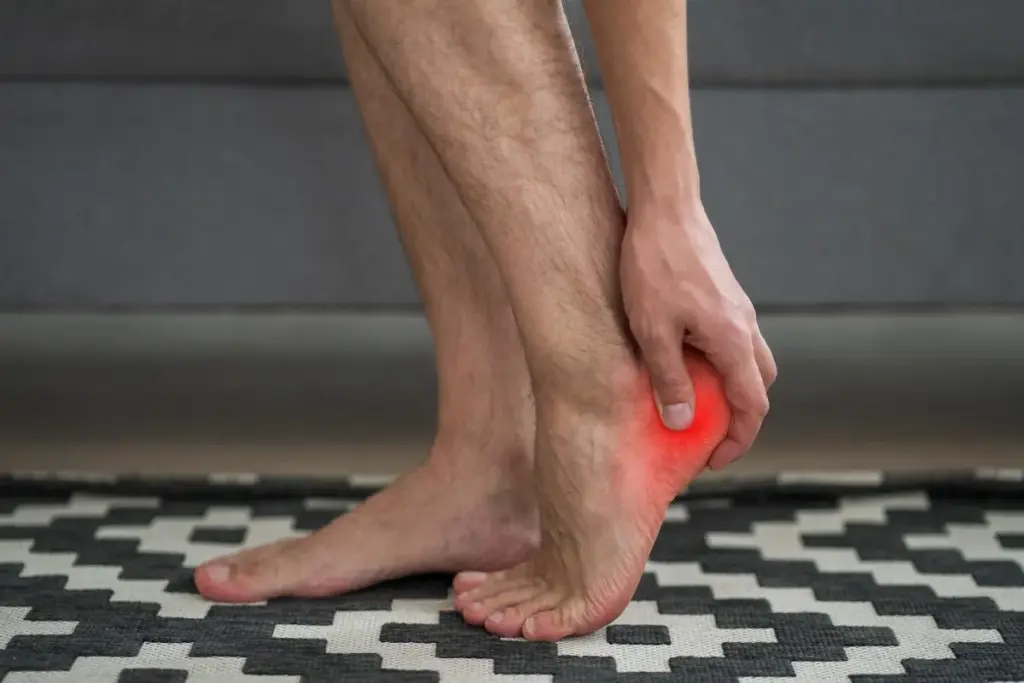
Are you feeling sudden, severe foot pain and wondering if it’s gout or plantar fasciitis? These two conditions have different signs that need a correct diagnosis for the right treatment.
It can be hard to tell gout from plantar fasciitis because they share some symptoms. Gout causes sudden, intense pain and can make your foot red and swollen. Plantar fasciitis, on the other hand, hurts the heel, mostly when you first step in the morning.
Knowing the difference between these conditions is key to managing your symptoms well and avoiding long-term problems. At Liv Hospital, we offer top-notch diagnostic services and treatments based on the latest research. Our goal is to help you get a precise diagnosis and improve your health.
Key Takeaways
- Gout and plantar fasciitis are two distinct conditions with different causes and symptoms.
- Gout is a systemic condition causing sudden, intense pain and inflammation.
- Plantar fasciitis typically causes sharp pain in the heel, mostly in the morning.
- Accurate diagnosis is vital for effective treatment and preventing complications.
- Liv Hospital offers expert diagnostic services and evidence-based treatment options.
Understanding Gout Bottom of Foot vs. Plantar Fasciitis

Gout and plantar fasciitis can both cause a lot of pain in the foot. But they have different reasons and risk factors. We’ll look into these to understand their differences better.
What is Gout and Its Causes
Gout is a type of arthritis that causes sudden, severe pain in the joints. It often hits the big toe but can also affect the foot’s arch. It happens when there’s too much uric acid in the blood, leading to sharp crystals in the joints.
Hyperuricemia, or too much uric acid, is the main reason for gout. Genetics, diet, obesity, and some medicines can lead to it. Eating foods high in purines, like red meat and seafood, can also raise uric acid levels.
What is Plantar Fasciitis and Its Causes
Plantar fasciitis causes pain in the heel and the foot’s bottom. It happens when the plantar fascia, a tissue supporting the arch, gets inflamed. This pain is often worse in the morning but can come back after rest or activity.
The main reasons for plantar fasciitis include overusing the heel and poor foot mechanics. Wearing the wrong shoes and being overweight can also make it worse. Running or jumping can make it even more painful.
Common Risk Factors for Both Conditions
Even though gout and plantar fasciitis have different causes, they share some risk factors. Obesity is a big risk for both, as it puts more stress on the foot. Age, the wrong shoes, and repetitive foot strain are also common risks.
Knowing these risk factors can help prevent both conditions. Keeping a healthy weight, wearing the right shoes, and exercising regularly can help. This can lower the chance of getting these foot problems.
Key Differences in Symptoms and Diagnosis

It’s important to know the differences in symptoms and diagnosis between gout and plantar fasciitis. Both can hurt the foot, but they have different causes, symptoms, and ways to diagnose them.
Pain Characteristics and Location
Gout causes sudden, severe pain, often at night. It can affect many joints, including the foot. The pain is intense and may have redness and swelling.
Plantar fasciitis pain is worse in the morning and gets better with activity. It’s sharp and usually found in the heel or bottom of the foot.
Onset, Duration, and Associated Symptoms
Gout starts quickly, with symptoms peaking in hours. It can also cause fever and feeling unwell.
Plantar fasciitis develops slowly. Morning steps make the pain worse. It can also cause stiffness in the foot.
Medical Tests and Diagnostic Approaches
To diagnose gout, doctors look at joint fluid for urate crystals. Blood tests for uric acid levels are also used.
Plantar fasciitis is diagnosed by a doctor’s exam and patient history. X-rays or an MRI might be needed to check for other issues.
| Condition | Diagnostic Approach |
| Gout | Joint fluid analysis, blood tests for uric acid levels |
| Plantar Fasciitis | Clinical examination, imaging tests (X-rays, MRI) |
Conclusion: Treatment Options and When to See a Doctor
It’s important to know the difference between gout and plantar fasciitis to treat them right. Both can cause heel pain, but they have different causes and symptoms. Gout brings sudden, severe pain with redness and swelling. Plantar fasciitis causes chronic pain and stiffness, worse in the morning.
Treating gout means managing uric acid levels and reducing inflammation. Doctors often use allopurinol and colchicine. Plantar fasciitis treatment includes rest, stretching, and sometimes orthotics to ease pain. Corticosteroid injections might be used for both to lessen inflammation.
If you have heel pain, seeing a doctor is key to find out why. Severe pain, redness, or swelling could mean gout. A healthcare professional can give you the right diagnosis and treatment. Knowing the difference between gout and plantar fasciitis helps you get the right care and feel better.
FAQ’s:
Can you get gout in the arch of your foot?
What is the difference between gout and plantar fasciitis?
Can gout cause pain on the bottom of your foot?
Is heel pain gout or plantar fasciitis?
How do you diagnose gout vs. plantar fasciitis?
Gout: joint aspiration for crystals, blood uric acid; PF: exam, ultrasound.
What are the treatment options for gout and plantar fasciitis?
References:
National Center for Biotechnology Information. Evidence-Based Medical Insight. Retrieved from https://pubmed.ncbi.nlm.nih.gov/32183861/