
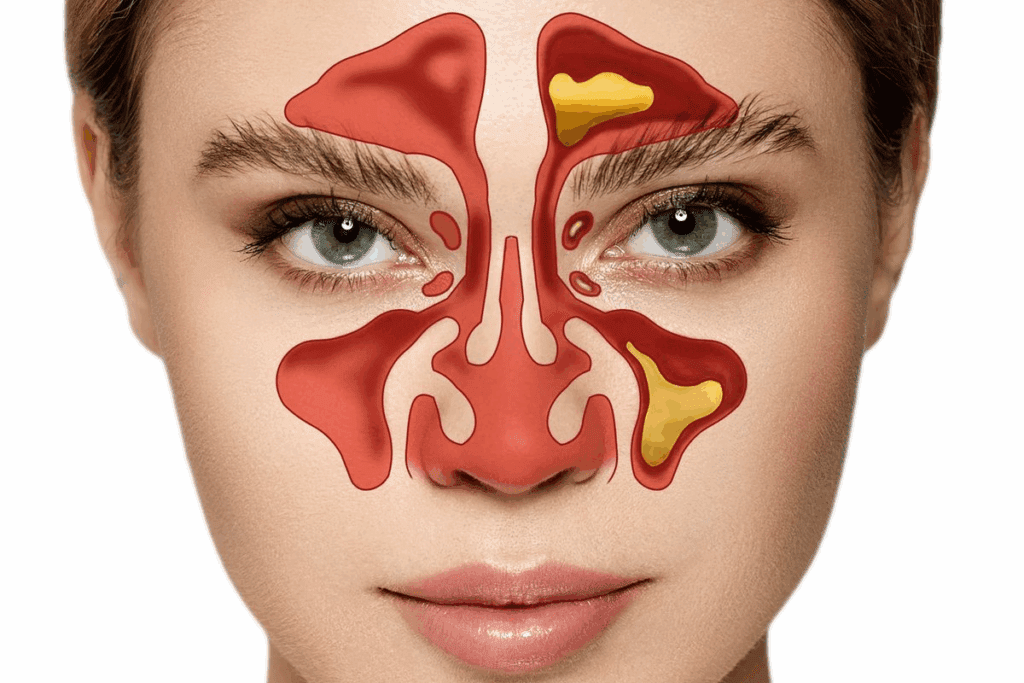
When you see green mucus or phlegm, you might think it means you have a bacterial infection. But research shows that green mucus doesn’t always mean you need antibiotics.
The color of mucus comes from the body’s fight against invaders. Harvard Health says this can happen with viral infections, bacterial infections, or even allergies. At Liv Hospital, we help clear up this common misunderstanding and guide you to the right treatment.
Key Takeaways
- Green mucus is not always a sign of bacterial infection.
- Allergies can cause green mucus due to the body’s immune response.
- The color of mucus is related to the presence of neutrophils and white blood cells.
- Viral infections can also cause green mucus.
- Antibiotics are not always necessary for treating green mucus.
The Role of Mucus in Your Respiratory System

Mucus is key in keeping our respiratory system safe. It catches dust, allergens, and harmful germs, protecting our lungs and airways. This protective barrier is essential for our health.
Why Your Body Produces Mucus
Mucus is a natural shield against invaders. It’s made up of glycoproteins, enzymes, and more. These help fight off irritants in our airways.
Our bodies make mucus all the time. It’s vital for keeping our airways healthy. It traps bad stuff and keeps our airways moist, making breathing easy.
Normal Mucus Characteristics and Functions
Normal mucus is clear or slightly cloudy. It’s thin and gel-like. Its main job is to shield our airways from damage.
Normally, mucus moves up our airways with the help of cilia. These tiny hairs on our cells beat together. They push mucus towards our throat, where it can be swallowed or coughed out.
| Mucus Characteristic | Normal Function |
| Clear or slightly cloudy appearance | Traps dust, allergens, and pathogens |
| Thin, gel-like consistency | Facilitates smooth airflow and keeps airway lining moist |
| Continuous production | Maintains respiratory health and defense against infection |
The table shows how important normal mucus is. Any changes in its color or texture can mean there’s a problem.
“Mucus is a critical component of the respiratory system’s defense mechanism, and alterations in its production or characteristics can signal various health issues.”
What Makes Mucus Turn Green?

The color of mucus can tell us a lot about our health. Green mucus often makes us worry. Mucus traps dust, bacteria, and other harmful particles in our respiratory system. But why does it sometimes turn green?
The Science Behind Mucus Coloration
Mucus gets its color from what’s inside it. Usually, it’s clear or white. But when it’s infected or inflamed, its color changes. The green color comes from an enzyme called myeloperoxidase, found in certain white blood cells.
White Blood Cells and Neutrophil Activity
White blood cells, like neutrophils, fight infections. When they’re active, they release myeloperoxidase. This enzyme turns mucus green, showing the body is fighting off an infection or inflammation.
Common Misconceptions About Mucus Color
Many think green mucus means they need antibiotics. But it can also mean a viral infection or allergy. Green mucus doesn’t always mean you need antibiotics. It’s the whole situation that matters.
| Condition | Mucus Color | Possible Cause |
| Normal | Clear or White | No infection |
| Infected/Inflamed | Green or Yellow | Infection or Allergy |
Knowing why mucus turns green helps us worry less and get the right treatment. It’s not just the color; it’s what’s causing it.
Common Causes of Green Mucus and Phlegm
Green mucus can signal many health issues, from infections to environmental factors. Knowing the causes helps find the right treatment.
Bacterial Infections and Their Symptoms
Bacterial infections often cause green mucus. The body makes more mucus to fight off the infection, turning it green. Symptoms include thick, green or yellow mucus, fever, and trouble breathing. In severe cases, it can lead to pneumonia or bronchitis.
Viral Infections and Resulting Mucus Changes
Viral infections, like the common cold or flu, can change mucus color. They usually make mucus clear or white. But, sometimes it turns green or yellow because of white blood cells. The body’s response to viral infections can make mucus thicker and more colored.
Environmental Irritants and Their Effects
Things like allergens, pollutants, or smoke can irritate the respiratory tract. This can make more mucus. While they usually cause clear or white mucus, long-term exposure can change its color. Reducing exposure to these irritants is key to managing symptoms and preventing problems.
In summary, green mucus can come from bacterial and viral infections, as well as environmental irritants. Knowing the cause is vital for the right treatment.
Green Boogers Allergies: The Direct Connection
Many people are curious about the link between allergies and green boogers. Allergies are common and affect millions worldwide. They can cause symptoms from mild to severe. One symptom is green mucus or phlegm.
Allergic reactions happen when the body sees something it doesn’t like, like pollen or dust. This makes the nasal passages and airways swell up. This swelling leads to more mucus. Sometimes, this mucus turns green because of an enzyme in white blood cells.
How Allergic Reactions Trigger Excessive Mucus
When an allergen gets into the body, it sets off an immune response. This response includes chemicals like histamine. Histamine makes blood vessels bigger, which means more mucus is made. At first, this mucus is clear or white, but it can get thicker and change color if the reaction keeps going.
Green mucus in allergies often means the nasal passages are inflamed for a long time. This can be uncomfortable and might lead to infections if not treated.
The Progression from Clear to Green Mucus in Allergy Sufferers
When mucus turns green in allergies, it usually means the inflammation is getting worse. The more the body reacts, the more mucus is made. If it gets worse, the mucus can get infected, changing its color.
Things that can make it worse include:
- How long you’re exposed to the allergen
- How bad the allergic reaction is
- If there’s a secondary infection
Seasonal Variations in Allergy-Related Mucus
Seasons can affect how much mucus allergies make. When pollen counts are high, like in spring and fall, symptoms get worse. Knowing when pollen counts are high can help manage symptoms better.
For example, in spring and fall, pollen counts are usually higher. This means more allergic reactions and mucus.
| Season | Common Allergens | Mucus Production |
| Spring | Tree pollen, grass pollen | Increased |
| Summer | Grass pollen, weed pollen | Moderate to High |
| Fall | Ragweed pollen | High |
| Winter | Indoor allergens (dust, pet dander) | Variable |
Does Green Mucus Require Antibiotics?
Figuring out if green mucus needs antibiotics involves looking at old and new medical views. Green mucus was once seen as a sign of infection. But, today, doctors consider many things before giving antibiotics.
The Historical Perspective on Green Mucus and Antibiotics
In the past, green mucus was thought to mean a bacterial infection. Doctors believed the green color showed bacteria needed treatment. But, our view on this has changed as we learn more about infections and mucus.
Current Medical Understanding and Research Findings
New studies show mucus color isn’t always a sign for antibiotics. Both viruses and bacteria can change mucus color. The green comes from an enzyme in white blood cells, which fight infections.
Now, we know antibiotics work only on bacteria, not viruses. So, green mucus doesn’t always mean you need antibiotics.
When Antibiotics Are Actually Necessary
Antibiotics are needed for bacterial infections. Signs like long fever or worsening symptoms mean you might need them. Doctors look at your symptoms, medical history, and tests to decide if you have a bacterial infection.
In short, green mucus might mean infection, but it doesn’t always mean antibiotics. Doctors should look at everything before deciding on antibiotics.
Can You Have Green Snot With Allergies? The Evidence
Green snot is often linked to infections. But, new evidence shows allergies might also cause it. We’ll look at the science behind allergies and green snot, how to tell them apart, and what patients and doctors have noticed.
Scientific Research Supporting Allergies as a Cause
Studies show allergies can change mucus color and texture. A study in the Journal of Allergy and Clinical Immunology found allergic rhinitis patients often have green mucus. This is due to specific enzymes.
Key findings from the research include:
- The role of eosinophils and other white blood cells in altering mucus characteristics.
- The impact of chronic inflammation on mucus production and color.
- The correlation between allergy severity and mucus color changes.
| Study | Findings | Implications |
| Journal of Allergy and Clinical Immunology | Allergic rhinitis patients showed changes in mucus color. | Allergies can contribute to green mucus production. |
| American Journal of Respiratory and Critical Care Medicine | Chronic inflammation affects mucus characteristics. | Understanding the underlying cause of green snot is key. |
Distinguishing Allergy-Related Green Mucus from Infection
It’s important to tell allergy-related green mucus from infection-related. We look at symptoms like fever, pain, and how long the green snot lasts. This helps decide the right treatment.
Clinical observations suggest allergy-related green mucus often comes with a history of allergies. Symptoms may change with the seasons, and other signs like itching or sneezing are common.
Patient Experiences and Clinical Observations
People with allergies often notice changes in mucus color and texture, more so during peak allergy seasons. Doctors have seen that managing allergies can help reduce green snot.
Understanding the evidence helps us manage symptoms better. This improves outcomes for patients.
Why Thick Green Snot in Morning Is Common
Many people wake up to thick green snot in the morning, often during allergy season. This happens because of how our bodies handle mucus at night and react to allergens.
Overnight Mucus Concentration Explained
Our bodies make mucus while we sleep. It gets thicker and sometimes turns green because of an enzyme called myeloperoxidase. This is a natural way our bodies fight off inflammation or infection.
Post-Nasal Drip and Its Morning Effects
Post-nasal drip also plays a big role in morning snot. Mucus drips down the back of the throat at night, causing irritation. This leads to thicker, more colored mucus. People with allergies often have this problem because their nasal passages are already inflamed.
Addressing Morning Mucus Buildup
To fight morning mucus, there are a few things you can do. Using a saline solution to rinse your nose can help clear out mucus. Also, a humidifier in your bedroom keeps the air moist, which helps prevent irritation. For those with allergies, treatments can help reduce morning mucus.
Knowing why we get thick green snot in the morning helps us manage it better. By tackling the root causes, like allergies or sinus infections, and using strategies to reduce mucus, we can start our day feeling better.
Allergies Mucus Color: What Different Shades Indicate
Different mucus colors can show how severe an allergic reaction is. When we have allergies, our body reacts by changing the color and texture of mucus. Knowing these changes helps us manage our symptoms better and know when to see a doctor.
Clear to White: Early Allergic Response
In the beginning, mucus is clear or white. This is because our body is trying to get rid of the allergen. Clear mucus means our body is working to remove the allergen.
As the reaction gets stronger, the mucus gets thicker and whiter. This shows our body is fighting hard against the allergen. The mucus now has more immune cells.
Yellow Mucus: Progression of Symptoms
When symptoms get worse, mucus turns yellow. This happens because of white blood cells, like neutrophils, fighting the allergen. Yellow mucus means the body is dealing with a bigger allergic reaction or might have a secondary infection.
“The presence of yellow mucus often signifies an increase in the number of white blood cells in the mucus, indicating a heightened immune response.”
Green Phlegm: Advanced Allergic Inflammation
In severe cases, mucus can turn green. This is because of an enzyme in neutrophils, white blood cells, that fight infection. Green phlegm shows a chronic or severe allergic reaction. It’s important to remember that green phlegm can also mean a bacterial infection.
| Mucus Color | Indication |
| Clear/White | Early allergic response, body flushing out allergen |
| Yellow | Progression of symptoms, increased white blood cells |
| Green | Advanced allergic inflammation, possible infection |
Knowing about mucus colors helps us understand our allergic reactions better. If symptoms last a long time or are very bad, seeing a doctor is a good idea.
When to Seek Medical Attention for Green Mucus
Knowing when to see a doctor for green mucus is key to staying healthy. Green mucus can be a normal sign of allergies or irritation. But, it can also mean something more serious.
Warning Signs That Go Beyond Typical Allergies
Some symptoms with green mucus need quick medical help. Look out for severe facial pain or pressure, high fever, and difficulty breathing. If you notice these, see a doctor right away.
Medical Expert, an allergist, says, “Green mucus by itself isn’t always a worry. But with other bad symptoms, it might mean a bacterial infection needing antibiotics.”
Duration and Accompanying Symptoms to Monitor
How long you have green mucus matters too. If it lasts over a week or comes with wheezing, coughing up blood, or thick, discolored nasal discharge, you need a doctor’s check-up.
- Watch the color and texture of your mucus.
- Notice any other symptoms like fever, headache, or tiredness.
- Keep an eye on how long you’ve had green mucus.
Differentiating Between Chronic Allergies and Infections
Telling chronic allergies from infections can be tough. But it’s important for the right treatment. Allergies might keep causing green mucus due to ongoing inflammation. Infections, on the other hand, often bring on worse symptoms like fever and facial pain.
“Allergies can be really uncomfortable, but they usually don’t cause serious problems like infections do,” Medical Expert, an immunologist, explains. “Knowing the difference helps manage your symptoms better.”
If you’re not sure why you have green mucus or if it’s with scary symptoms, get medical help. It’s best to talk to a healthcare expert for a detailed check-up and advice tailored just for you.
Treatment Options for Allergy-Related Green Phlegm
There are many ways to treat allergy-related green phlegm. This includes medicines and changes in lifestyle. Knowing the cause and picking the right treatment is key to managing symptoms.
Antihistamines and Decongestants
Antihistamines are often the first choice for allergies. They fight histamine, a body chemical that causes allergy symptoms. Decongestants help by shrinking blood vessels in the nose, easing congestion. Together, they can lessen symptoms of green phlegm caused by allergies.
Key Benefits: Quick relief from allergy symptoms, less nasal congestion, and less mucus.
Nasal Irrigation and Moisture Therapies
Nasal irrigation uses a saline solution to clean out the nose. You can use a neti pot or a squeeze bottle. Moisture therapies, like humidifiers, add air moisture. This makes mucus thinner and easier to cough up.
Benefits: Clears nasal passages, makes mucus thinner, and helps sinuses work better.
Prescription Options for Severe Cases
For severe cases, doctors may prescribe stronger medicines. These can include more powerful antihistamines, corticosteroids to reduce swelling, or drugs that change how the body fights off infections.
Considerations: Always use prescription drugs as directed by a doctor. They can have side effects and interact with other medicines.
Natural Remedies and Supportive Care
There are also natural ways to feel better. Drinking plenty of water can help thin out mucus. Steam inhalation can loosen it. Eating foods rich in omega-3 fatty acids can also help reduce swelling.
| Treatment | Description | Benefits |
| Antihistamines | Counteract histamine effects | Relieve allergy symptoms, reduce mucus production |
| Nasal Irrigation | Rinse nasal passages with saline | Clear out nasal passages, reduce mucus thickness |
| Humidifiers | Add moisture to the air | Thin out mucus, promote sinus health |
By using these treatments, people can better manage green phlegm from allergies. This improves their overall well-being.
Conclusion
Understanding the link between allergies and green mucus is key to managing respiratory health. We’ve seen how allergies can lead to too much mucus, which might look like green phlegm. This is often thought to be a sign of a bacterial infection.
But, green mucus isn’t always a sign of infection. Allergies can also cause it because of an enzyme in white blood cells called myeloperoxidase. Knowing this is important for choosing the right treatment.
When we figure out why someone has green mucus, we can get them the right help. Treatments vary from antihistamines and decongestants to nasal irrigation and moisture therapies. This depends on how bad the symptoms are.
In short, green mucus might worry us, but we should think about allergies first. This way, we make sure people get the best care for their health. This leads to better breathing and overall health.
FAQ
Does the color of mucus matter?
Yes, the color of mucus can tell us what’s going on inside our body. Clear mucus is normal. But, if it changes color, it might mean we have an allergy, infection, or something else.
Can allergies cause green mucus?
Yes, allergies can make our mucus turn green. This happens when our body fights off an allergen and makes more mucus. The green color comes from white blood cells.
Does green mucus require antibiotics?
Not always. Green mucus can come from viruses, allergies, or things in the air we breathe. But, antibiotics are only needed if it’s caused by bacteria.
Can you have green snot with allergies?
Yes, allergies can make our snot green. When we have an allergic reaction, our body makes more mucus. This mucus can turn green because of white blood cells and other things.
Why do I have thick green snot in the morning?
Thick green snot in the morning is often because of mucus buildup overnight. It’s also because of post-nasal drip and allergies. As we sleep, mucus in our nose and sinuses gets thicker and more noticeable.
What does the color of allergy mucus indicate?
The color of mucus from allergies can show how severe the reaction is. Clear mucus might mean it’s just starting. Yellow or green mucus means it’s getting worse.
Can green phlegm be caused by allergies?
Yes, allergies can make our phlegm green. When we have an allergic reaction, our body makes a lot of mucus. This mucus can turn green because of white blood cells and other things.
When should I seek medical attention for green mucus?
You should see a doctor if your green mucus doesn’t go away, if you have a fever, trouble breathing, or if your face hurts a lot.
What are the treatment options for allergy-related green phlegm?
To treat green phlegm from allergies, you can try antihistamines, decongestants, nasal sprays, and humidifiers. If it’s really bad, your doctor might prescribe something stronger.
Is green mucus always a sign of infection?
No, green mucus isn’t always from an infection. It can also be from allergies or things in the air we breathe.
Can allergies cause green mucus without other symptoms?
Yes, allergies can make our mucus green without other symptoms. But, it often comes with stuff like congestion, sneezing, or itchy eyes.
References
Government Health Resource. (2025). Can Allergies Cause Green Mucus and Phlegm When. Retrieved from https://link.springer.com/article/10.1007/s10875-018-0574-4



 Departments
 Related Videos
 Our Doctors
 News
News