Comprehensive guide listing 13 different eds types (Ehlers-Danlos Syndrome) and their distinct symptoms and causes.
Ehlers-Danlos Syndrome (EDS) is a group of inherited connective tissue disorders. They affect the body’s collagen structure and function. The 2017 International Classification system has identified 13 distinct subtypes. Each subtype has its own set of symptoms and genetic characteristics.
It’s important to understand the specific types of EDS and their genetic origins. This knowledge is key for accurate diagnosis and effective management. We will guide you through the 13 types of EDS, covering their symptoms, causes, and classification.
Key Takeaways
- Ehlers-Danlos Syndrome is a group of 13 distinct inherited connective tissue disorders.
- The 2017 International Classification system is used to categorize EDS into 13 subtypes.
- Each subtype of EDS has its unique set of symptoms and genetic characteristics.
- Accurate diagnosis and effective management require understanding the specific type of EDS.
- EDS affects the body’s collagen structure and function, leading to various symptoms.
What is Ehlers-Danlos Syndrome?
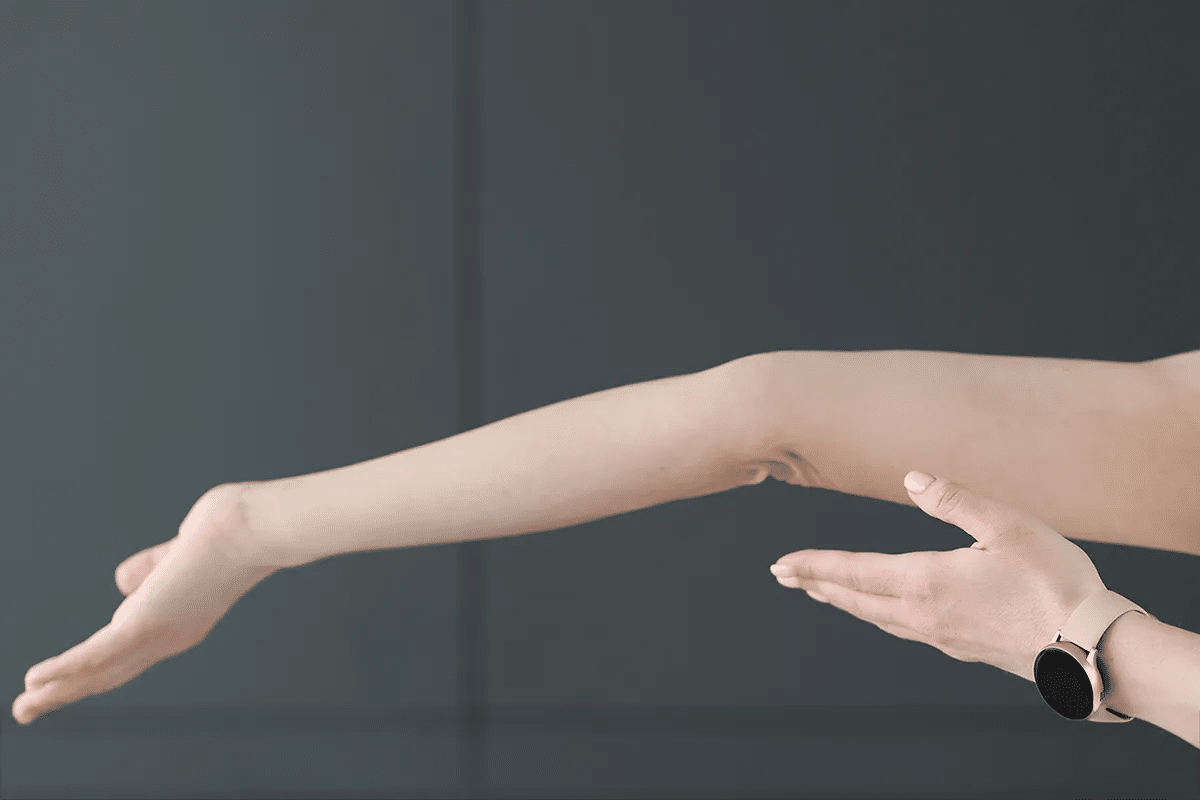
EDS, or Ehlers-Danlos Syndrome, is a group of genetic disorders. They affect the body’s collagen production. Collagen is key for strength and flexibility in skin, joints, organs, and blood vessels. We’ll look into what EDS is, its symptoms, and its genetic roots.
Definition and General Characteristics
Ehlers-Danlos Syndrome is marked by joint hypermobility, skin hyperextensibility, and tissue fragility. These traits vary among different EDS types. This makes EDS a diverse group of disorders. It impacts the body’s collagen production, causing various symptoms and issues.
Common Symptoms Across All Types
Many patients with EDS share common symptoms. These include:
- Joint pain and instability
- Musculoskeletal issues, such as muscle weakness
- Skin issues, including hyperextensibility and poor wound healing
- Gastrointestinal problems, such as constipation or gastrointestinal motility disorders
- Cardiovascular issues, including mitral valve prolapse or other vascular problems
These symptoms can greatly affect daily life. They often require a detailed management plan.
Genetic Basis of Connective Tissue Disorders
The genetic cause of EDS involves mutations in collagen genes. Mutations in COL5A1, COL5A2, and COL3A1 are linked to different EDS types. Knowing the genetic roots is key for diagnosis and treatment.
Managing EDS requires a broad approach. By grasping its definition, symptoms, and genetics, we can help those affected.
The 2017 International Classification of EDS Types
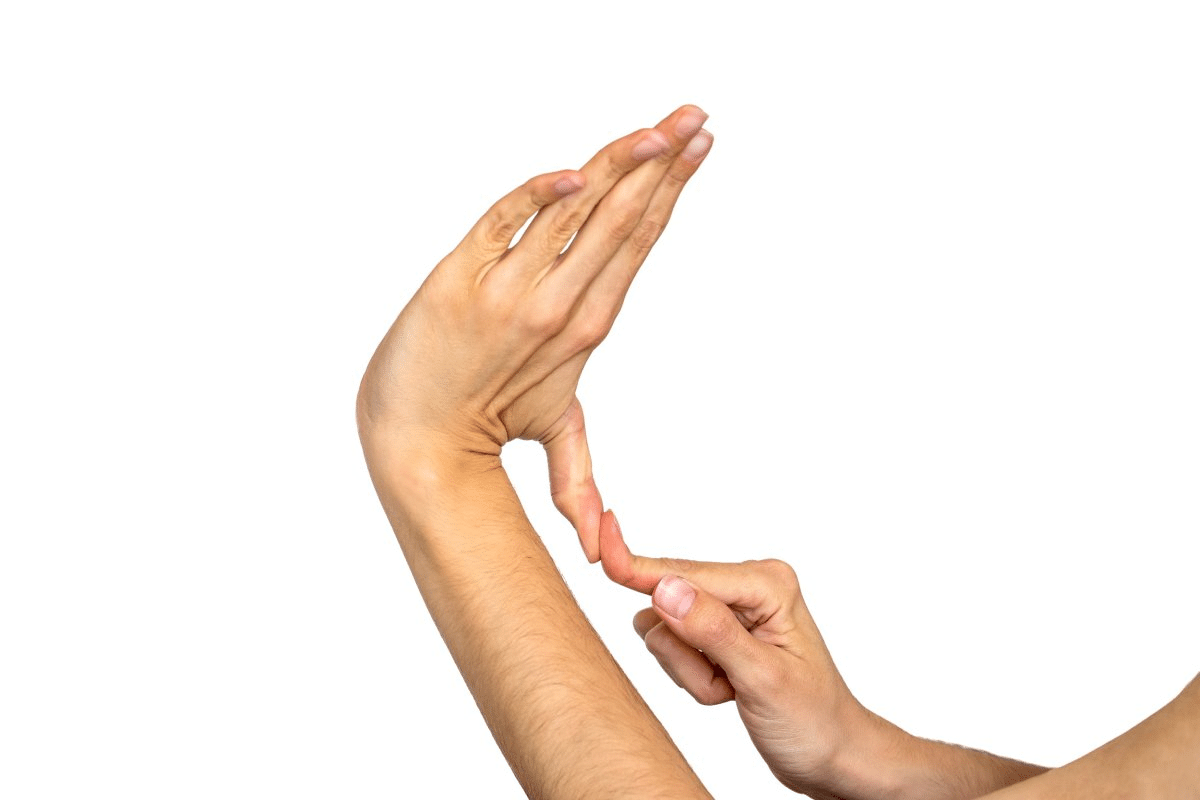
The 2017 International Classification of Ehlers-Danlos Syndrome (EDS) was a big step forward. It made diagnosing EDS more accurate and helped improve patient care. This was done by using the latest in genetics and clinical findings.
Evolution from Previous Classification Systems
The 2017 system is a big improvement over old ones. Old systems were confusing because symptoms overlapped and criteria were unclear. Now, EDS is divided into 13 subtypes, giving a clearer picture of the condition.
“The 2017 classification has been a game-changer for both clinicians and patients, providing a more precise framework for diagnosis and management.”
Expert Opinion
With 13 subtypes, doctors can make more accurate diagnoses. Each subtype has its own set of symptoms and genetic causes. This helps in creating better treatment plans.
Diagnostic Criteria Overview
Diagnosing EDS involves both clinical checks and genetic tests. The 2017 system has clear criteria for each subtype. These include clinical signs and genetic markers.
|
Subtype |
Clinical Features |
Genetic Markers |
|---|---|---|
|
Classical EDS |
Skin hyperextensibility, joint hypermobility |
COL5A1, COL5A2 |
|
Hypermobile EDS |
Joint hypermobility, musculoskeletal pain |
Not typically identified |
|
Vascular EDS |
Vascular fragility, rupture risk |
COL3A1 |
Diagnosing EDS starts with a detailed medical history and physical exam. Genetic tests are key for many subtypes.
Genetic Testing and Clinical Evaluation
Genetic tests are vital for diagnosing many EDS types. But, clinical exams are essential for subtypes like Hypermobile EDS. Here, genetic tests might not be enough.
We combine genetic tests and clinical exams for a full diagnosis. This ensures patients get the right diagnosis and care.
In conclusion, the 2017 International Classification of EDS has greatly improved our understanding and diagnosis of EDS. By combining genetic and clinical knowledge, we can now offer more precise and effective care for patients.
Hypermobile EDS (hEDS)
Understanding Hypermobile EDS (hEDS) is key to its diagnosis and management. It’s the most common type of EDS. It’s marked by joints that move too much, chronic pain, and other symptoms.
Clinical Presentation and Diagnostic Criteria
hEDS symptoms vary from person to person. Common signs include joints that move too much, constant pain, and other health issues. The 2017 International Classification sets out the criteria for diagnosing hEDS.
- Generalized joint hypermobility
- Musculoskeletal pain
- Other systemic symptoms
Doctors diagnose hEDS based on a patient’s history and physical exam. They look for these criteria. Unlike some EDS types, genetic tests are not used for hEDS.
“The diagnosis of hEDS remains clinical, relying heavily on the presence of generalized joint hypermobility and other systemic symptoms.”
— International Classification Guidelines
Prevalence and Demographics
hEDS is the most common EDS type, affecting about 1 in 5,000 people worldwide. It’s more common in females. Symptoms often start in childhood or adolescence.
|
Demographic |
Characteristics |
|---|---|
|
Prevalence |
1 in 5,000 people |
|
Gender Distribution |
More common in females |
|
Age of Onset |
Childhood or adolescence |
Management Approaches
Managing hEDS requires a team effort. This includes physical therapy, pain management, and lifestyle changes. Physical therapy helps with joint stability and strength. Pain management includes medication, physical treatments, and alternative therapies.
Key Management Strategies:
- Physical therapy to enhance joint stability
- Pain management through medication and alternative therapies
- Lifestyle modifications to reduce symptom exacerbation
With a well-rounded management plan, people with hEDS can manage their symptoms better. This improves their quality of life.
Classical EDS (cEDS)
Classical EDS (cEDS) is a type of Ehlers-Danlos Syndrome. It affects the skin and joints, making life harder for those who have it. We will look at what makes cEDS special, why it happens, and how to manage it.
Skin Hyperextensibility and Scarring
Skin hyperextensibility is a key sign of cEDS. The skin stretches too much and is very fragile. This can cause atrophic scarring when wounds don’t heal well.
People with cEDS often get scars easily from small injuries. These scars can be hard to deal with physically and emotionally.
COL5A1 and COL5A2 Mutations
cEDS is linked to changes in the COL5A1 and COL5A2 genes. These genes help make type V collagen, which is important for connective tissue. When these genes are changed, the collagen made is not right.
This leads to the skin and joint problems seen in cEDS.
Treatment Strategies
Managing cEDS aims to reduce symptoms and prevent problems. Treatment approaches include:
- Keeping the skin safe from injuries and using good wound care to lessen scarring.
- Helping with joint issues through physical therapy and sometimes using braces or other aids.
- Watching for other issues, like stomach or heart problems.
With a good care plan, people with cEDS can live better lives and feel more comfortable.
Vascular EDS (vEDS)
vEDS can cause serious and life-threatening problems. It’s a severe form of Ehlers-Danlos Syndrome that affects blood vessels and organs. It’s important to diagnose and manage it well.
Life-Threatening Complications
People with vEDS face a high risk of artery ruptures. This can cause severe bleeding inside the body. They also might experience organ or intestine ruptures. These risks mean they need careful management.
Common Complications Associated with vEDS:
- Arterial rupture
- Organ rupture
- Uterine rupture during pregnancy
- Gastrointestinal rupture
COL3A1 Gene Mutations
The cause of vEDS is mutations in the COL3A1 gene. This gene helps make type III collagen, which is key for blood vessels and organs. When the gene mutates, these tissues become weak and fragile.
Surveillance and Preventive Measures
Managing vEDS well means watching for signs of damage. This includes using imaging to check blood vessels and organs. It’s also important to take steps to prevent problems. This can include changing your lifestyle and taking certain medicines.
|
Surveillance Method |
Purpose |
Frequency |
|---|---|---|
|
Imaging Studies (e.g., MRI, CT scans) |
Monitor vascular and organ integrity |
Annually or as recommended by a healthcare provider |
|
Blood Pressure Monitoring |
Manage hypertension to reduce vascular stress |
Regularly, as advised by a healthcare provider |
|
Cardiovascular Monitoring |
Detect early signs of cardiovascular issues |
As recommended by a healthcare provider |
Knowing the risks of vEDS and taking steps to prevent problems can help. This way, people with this condition can lower their risk of serious complications.
Complete Guide to All 13 EDS Types
Ehlers-Danlos Syndrome (EDS) has 13 different types, each needing its own diagnosis and treatment. The 2017 international classification helps us understand these subtypes better.
Kyphoscoliotic EDS (kEDS)
Kyphoscoliotic EDS is marked by weak muscles, curved spine, and loose joints. People with kEDS face big problems with their muscles and joints.
The signs of kEDS are:
- Congenital muscle hypotonia
- Kyphoscoliosis present at birth or within the first year of life
- Generalized joint hypermobility
Arthrochalasia EDS (aEDS)
Arthrochalasia EDS is rare and has very loose joints and birth joint dislocations, mainly in the hips. Those with aEDS often deal with serious muscle and joint problems.
The signs of aEDS are:
- Congenital bilateral hip dislocations
- Generalized joint hypermobility
- Musculoskeletal fragility
Dermatosparaxis EDS (dEDS)
Dermatosparaxis EDS is very rare and has very fragile and sagging skin. People with dEDS face big skin problems.
The signs of dEDS are:
- Severe skin fragility
- Sagging, redundant skin
- Poor wound healing
Cardiac-Valvular EDS (cvEDS)
Cardiac-Valvular EDS has progressive heart valve disease, often needing surgery. Those with cvEDS are at high risk for heart problems.
The signs of cvEDS are:
- Progressive cardiac valvular disease
- Generalized joint hypermobility
- Skin hyperextensibility
The table below shows the main traits of these four EDS types:
|
EDS Subtype |
Key Characteristics |
Diagnostic Criteria |
|---|---|---|
|
Kyphoscoliotic EDS (kEDS) |
Congenital muscle hypotonia, kyphoscoliosis, joint hypermobility |
Congenital muscle hypotonia, kyphoscoliosis, generalized joint hypermobility |
|
Arthrochalasia EDS (aEDS) |
Severe joint hypermobility, congenital joint dislocations |
Congenital bilateral hip dislocations, generalized joint hypermobility |
|
Dermatosparaxis EDS (dEDS) |
Severe skin fragility, sagging redundant skin |
Severe skin fragility, sagging redundant skin, poor wound healing |
|
Cardiac-Valvular EDS (cvEDS) |
Progressive cardiac valvular disease |
Progressive cardiac valvular disease, generalized joint hypermobility, skin hyperextensibility |
Knowing the special traits of each EDS type is key for right diagnosis and care. By spotting the unique signs of kyphoscoliotic, arthrochalasia, dermatosparaxis, and cardiac-valvular EDS, doctors can make better treatment plans. This helps improve how patients do.
Comparing Classical EDS vs. Hypermobile EDS
Classical EDS and Hypermobile EDS are two types of Ehlers-Danlos Syndrome. They have different symptoms and genetic causes. Knowing these differences is key for the right diagnosis and treatment.
Key Clinical Differences
Classical EDS is known for skin hyperextensibility and atrophic scarring. It also includes joint hypermobility. Hypermobile EDS, on the other hand, mainly shows joint hypermobility without skin issues.
- Classical EDS often has skin fragility and poor wound healing.
- Hypermobile EDS is linked to musculoskeletal pain and stomach problems.
Genetic Underpinnings
Classical EDS is caused by mutations in the COL5A1 and COL5A2 genes. These genes code for type V collagen. Hypermobile EDS, though, doesn’t have a known genetic cause, making it harder to diagnose.
Knowing the genetic roots helps in:
- Confirming Classical EDS diagnosis with genetic tests.
- Understanding the need for a clinical diagnosis in Hypermobile EDS.
Diagnostic Approaches
Diagnosing Classical EDS combines clinical checks and genetic tests for COL5A1 and COL5A2 mutations. Hypermobile EDS diagnosis relies on clinical signs like joint hypermobility and pain, without a known genetic cause.
Getting the diagnosis right is vital for:
- Creating the right treatment plan for each type.
- Improving patient results with focused care.
Non-Hypermobile EDS Types: Causes and Symptoms
Exploring non-hypermobile EDS types means looking into their unique genetic changes and symptoms. These types have different challenges and traits.
Genetic Mutations in Rare Types
Some rare EDS types, like vascular EDS (vEDS) and kyphoscoliotic EDS (kEDS), have specific genetic causes. For example, vEDS is often caused by a mutation in the COL3A1 gene. This gene is responsible for type III collagen, leading to fragile blood vessels and serious issues.
Genetic testing is key in finding these mutations. It helps in diagnosing early and starting treatment. In kEDS, mutations in the PLOD1 or FKBP14 genes are common. These affect the enzyme lysyl hydroxylase 1, causing musculoskeletal and eye problems.
Unique Clinical Manifestations
Each non-hypermobile EDS type shows different symptoms. Classical EDS (cEDS) is marked by skin that stretches too far and joints that move too much. Vascular EDS, by contrast, increases the risk of artery rupture and other severe issues.
- Classical EDS: Skin hyperextensibility, joint hypermobility, and fragile skin.
- Vascular EDS: Risk of arterial rupture, easy bruising, and characteristic facial features.
- Kyphoscoliotic EDS: Musculoskeletal deformities, ocular fragility, and specific musculoskeletal complications.
Specialized Diagnostic Approaches
Diagnosing non-hypermobile EDS types involves both clinical checks and genetic tests. Doctors need to know the specific signs for each type, like certain physical traits or genetic test results.
“A detailed diagnostic method is vital for correctly identifying and managing non-hypermobile EDS types.”
Specialized diagnostic tests, like genetic analysis and imaging, help confirm the diagnosis and guide treatment. This personalized approach is essential for better patient care in these complex conditions.
Living with Different EDS Types
Managing Ehlers-Danlos Syndrome (EDS) needs a detailed plan. It’s about using many medical fields and making lifestyle changes. This helps improve life quality.
Multidisciplinary Care Approaches
A team of experts is key for EDS care. This team includes doctors from genetics, rheumatology, orthopedics, and physical therapy. Collaborative care covers all EDS needs, from genetic advice to physical therapy.
Geneticists are vital for diagnosing EDS and finding the right treatment. Rheumatologists and orthopedists handle joint problems. Physical therapists create exercise plans to boost mobility and strength.
Physical Therapy and Pain Management
Physical therapy is vital for EDS. It makes joints stable, improves flexibility, and lessens pain. A physical therapist creates a custom exercise plan based on the person’s EDS type and symptoms.
Pain management is also critical. It involves medicines, acupuncture, and lifestyle changes. Pain management strategies are made just for the person. They might include:
- Medicines like NSAIDs or pain relievers
- Physical therapy methods like heat or cold therapy
- Relaxation techniques like meditation or deep breathing
Lifestyle Modifications
Living with EDS means making lifestyle changes. These changes help lessen symptoms and boost well-being. Important changes include:
- Doing gentle exercises to keep flexibility and strength
- Using aids to ease joint strain
- Managing stress
As one expert says, “Lifestyle changes are not just about avoiding triggers but also about boosting resilience to the condition.”
“The goal is to empower individuals with EDS to lead active, fulfilling lives despite the challenges posed by their condition.”
With a full care plan that includes many experts, therapy, pain management, and lifestyle changes, EDS patients can live better. It’s about making a plan that fits each person’s unique EDS type.
Conclusion
Understanding Ehlers-Danlos Syndrome (EDS) and its types is key for correct diagnosis and care. The 2017 International Classification of EDS has greatly helped us understand this complex condition. It gives us a detailed plan for diagnosis and treatment.
We’ve looked at the different EDS types, like hypermobile and vascular, each with its own signs and genetic causes. Getting the right diagnosis is important to meet each patient’s needs.
As research grows, we’ll learn more about EDS. This will help doctors give better care. The guide’s summary shows how important a team effort is in managing EDS. This includes physical therapy, pain management, and making lifestyle changes.
In the end, knowing a lot about EDS and its types is essential for better patient care. By keeping up with new research and classification systems, doctors can provide the best care for those with this complex condition.
FAQ
What are the 13 types of Ehlers-Danlos Syndrome (EDS)?
The 13 types of EDS are based on the 2017 International Classification system. This includes hypermobile EDS (hEDS), classical EDS (cEDS), vascular EDS (vEDS), and rare subtypes. Each type has its own genetic and clinical features.
What is the difference between hypermobile EDS (hEDS) and classical EDS (cEDS)?
hEDS is known for generalized joint hypermobility, chronic pain, and other systemic symptoms. cEDS, on the other hand, is characterized by skin hyperextensibility, scarring, and joint hypermobility. It has specific genetic mutations.
What are the common symptoms across all types of EDS?
Symptoms include joint hypermobility, skin hyperextensibility, and tissue fragility. There are also systemic manifestations. The severity and combination of symptoms vary by subtype.
How is EDS diagnosed?
Diagnosing EDS involves clinical evaluation, genetic testing, and medical history. The 2017 International Classification system provides a detailed framework for diagnosis.
What is the genetic basis of EDS?
EDS is a group of genetic disorders affecting collagen production. Different subtypes involve various genetic mutations, including COL5A1, COL5A2, and COL3A1.
How is vascular EDS (vEDS) managed?
Managing vEDS involves surveillance and preventive measures to avoid life-threatening complications like arterial rupture. It may require surgical interventions.
What are the treatment strategies for classical EDS (cEDS)?
Treatment for cEDS focuses on managing symptoms and preventing complications. It may include physical therapy, pain management, and lifestyle modifications.
Can EDS be cured?
There is no cure for EDS yet. But, various management approaches can help alleviate symptoms, prevent complications, and improve quality of life.
How do non-hypermobile EDS types differ from hypermobile EDS (hEDS)?
Non-hypermobile EDS types, like cEDS and vEDS, have unique genetic and clinical features. They have different diagnostic criteria and management strategies.
What lifestyle modifications can help manage EDS?
Lifestyle modifications can help manage EDS symptoms. Avoiding heavy lifting, maintaining a healthy weight, and gentle exercise are recommended to prevent complications.
References
National Center for Biotechnology Information. Evidence-Based Medical Guidance. Retrieved from https://pubmed.ncbi.nlm.nih.gov/28636721/