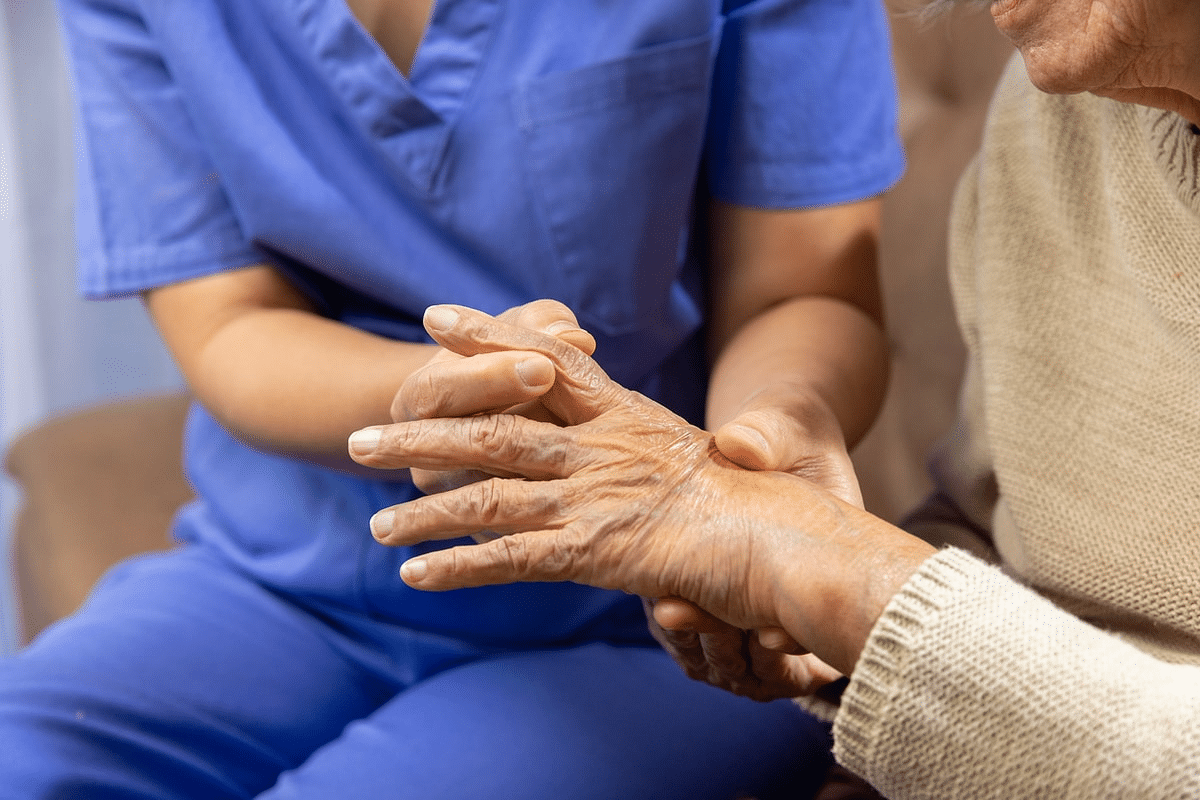
Many people get confused about the difference between arthrosis and osteoarthritis. It’s important to know the difference to take care of your joints. Arthrosis is actually another word for osteoarthritis, a common joint problem affecting over 240 million worldwide.Explaining the difference between arthrosis vs osteoarthritis, noting that OA is the most common type of arthrosis.
Both terms describe the same issue: the breakdown of cartilage in joints. Knowing this can help you get the right care. At places like Liv Hospital, doctors are ready to help manage your joint health.
Key Takeaways
- Osteoarthritis is the most common form of arthritis.
- Arthrosis is another term used for osteoarthritis.
- Both conditions involve degenerative cartilage breakdown.
- Understanding the terminology is key to proper joint health management.
- Seeking care from healthcare professionals is important.
The Burden of Joint Degeneration Conditions

Arthrosis and osteoarthritis are very debilitating joint conditions. They affect a lot of people worldwide. As more people get older, these conditions will become even more common. This will put a big strain on healthcare systems and individuals.
Global Prevalence and Impact
Osteoarthritis, often called arthrosis, has a big impact globally. About 240 million people worldwide have osteoarthritis that limits their activities. Osteoarthritis is believed to be the fourth leading cause of disability globally, showing its big impact on public health.
Health experts say the growing number of people with osteoarthritis is a big worry. This is because it’s linked to aging and obesity, which are getting more common. They stress the need for early action to manage and prevent osteoarthritis.
Economic and Quality of Life Consequences
Osteoarthritis has big economic and quality of life costs. It leads to high healthcare costs, lost work time, and a lower quality of life for those who have it. The economic burden includes not only direct medical costs but also indirect costs such as lost wages and reduced productivity.
- Increased healthcare utilization
- Lost productivity due to disability
- Reduced quality of life
It’s important to understand the full impact of osteoarthritis. This helps in finding better ways to manage it and use resources wisely.
Defining Arthrosis: The Degenerative Joint Process

The term arthrosis refers to the wear and tear of joint cartilage. It’s a condition that gets worse over time. Cartilage covers the ends of bones in a joint, and when it wears out, bones rub against each other, causing pain.
Cartilage Wear and Tear Mechanism
Cartilage wear and tear in arthrosis happens because of aging or mechanical stress. This loss of cartilage exposes the bone underneath, leading to pain and less mobility in the joint.
When cartilage breaks down, joints can’t absorb shock or move smoothly. This can cause bone spurs and more damage to the joint over time.
Non-inflammatory Nature of Arthrosis
Arthrosis is not caused by inflammation, unlike some other forms of arthritis. It’s mainly due to the gradual wear and tear of cartilage.
This makes arthrosis different from conditions like rheumatoid arthritis. In those, inflammation plays a big role in joint damage.
Common Locations of Arthrosis Development
Arthrosis often affects weight-bearing joints like the hips, knees, and spine. It can also happen in other joints, like those in the hands and feet.
|
Joint Location |
Common Symptoms |
Potential Complications |
|---|---|---|
|
Hips |
Pain, stiffness |
Reduced mobility |
|
Knees |
Pain, swelling |
Instability |
|
Spine |
Back pain, stiffness |
Nerve compression |
Knowing where and how arthrosis shows up is key for early diagnosis and treatment.
Defining Osteoarthritis: The Most Common Form of Arthritis
Osteoarthritis is a degenerative joint disease that is the most common form of arthritis worldwide. It happens when cartilage breaks down, causing joint pain and stiffness. Knowing about osteoarthritis helps manage its symptoms and improve life quality for those affected.
Pathophysiology of Osteoarthritis
The breakdown of cartilage in joints is what causes osteoarthritis. This leads to bone-on-bone contact, causing pain and less mobility. Age, obesity, and previous joint injuries are key factors.
- Cartilage degradation
- Bone remodeling
- Inflammation of the joint lining
Osteoarthritis is more than just wear and tear. It involves complex biochemical and biomechanical changes in the joint.
Prevalence Across Different Demographics
Osteoarthritis affects different groups in different ways. Age is a big risk factor, with more cases in older adults. Women are more likely to get it than men, starting at age 50.
|
Demographic |
Prevalence Rate |
|---|---|
|
Adults over 65 |
33.6% |
|
Women over 50 |
Higher than men |
The Role of Inflammation in Osteoarthritis
Even though osteoarthritis is seen as non-inflammatory, inflammation does play a part. This inflammation is usually mild and stays in the affected joint. Knowing this helps in finding better treatments.
Osteoarthritis is a complex condition needing a full approach to management. By understanding its causes, how common it is, and the role of inflammation, healthcare providers can give better care.
Arthrosis vs Osteoarthritis: Clarifying the Relationship
Understanding the difference between arthrosis and osteoarthritis is key to better treating joint problems. Both terms deal with joint wear and tear, but they’re used differently by doctors and in different places.
Terminology Differences Across Medical Communities
Arthrosis usually means joint wear without inflammation. On the other hand, osteoarthritis includes both wear and inflammation. This difference can cause confusion.
In some places, arthrosis is used for joint wear without inflammation. In others, osteoarthritis is used when inflammation is present.
|
Term |
Primary Focus |
Inflammatory Component |
|---|---|---|
|
Arthrosis |
Degenerative joint process |
No |
|
Osteoarthritis |
Degeneration with inflammation |
Yes |
When These Terms Are Used Interchangeably
In many cases, arthrosis and osteoarthritis are used the same way. This is because they both describe similar joint problems. This is more common where the difference between wear and inflammation isn’t seen as important for treatment.
Regional and Language Variations in Terminology
The choice between arthrosis and osteoarthritis also depends on where you are and what language you speak. For example, in some European countries, arthrosis is used for joint disease without inflammation. In North America, osteoarthritis is used, even with inflammation.
Knowing these differences is important for clear communication in healthcare. It helps doctors and patients understand each other, no matter where they are from.
Arthritis as an Umbrella Term: Beyond Osteoarthritis
Many people think arthritis only means osteoarthritis. But it actually includes many joint conditions. These include osteoarthritis, rheumatoid arthritis, and gout, among others.
It’s important to know about the different types of arthritis. This helps doctors diagnose and treat the right condition. Osteoarthritis is common, but other types like rheumatoid arthritis have their own causes and symptoms.
Types of Arthritis Conditions
Arthritis isn’t just one disease. It’s a term for over 100 different joint conditions. These can be split into inflammatory and non-inflammatory types.
- Inflammatory Arthritis: This includes rheumatoid arthritis and psoriatic arthritis. They cause joint inflammation and often have other symptoms.
- Non-inflammatory Arthritis: Osteoarthritis is the most common. It’s about wear and tear of the joint cartilage.
Inflammatory vs. Non-inflammatory Joint Conditions
Knowing if arthritis is inflammatory or non-inflammatory is key. Inflammatory arthritis needs treatments that calm the immune system. Non-inflammatory arthritis might be treated with pain relief and ways to improve joint function.
|
Condition |
Type |
Primary Characteristics |
|---|---|---|
|
Rheumatoid Arthritis |
Inflammatory |
Autoimmune disease causing joint inflammation |
|
Osteoarthritis |
Non-inflammatory |
Wear and tear of joint cartilage |
|
Psoriatic Arthritis |
Inflammatory |
Associated with psoriasis, causing joint inflammation |
In conclusion, arthritis is a complex term that includes many joint conditions. Knowing the differences is key for effective management and treatment.
Symptoms and Progression of Joint Degeneration
It’s important to know the signs and how joint degeneration gets worse. This helps in catching problems early and treating them well. Conditions like arthrosis and osteoarthritis have similar symptoms, so it’s key to understand how they progress.
Early Warning Signs
The first signs of joint degeneration are often small. You might feel a bit of pain or stiffness in your joints. Joint pain that gets worse when you move is a big clue.
People with arthrosis might feel pain after sitting or lying down for a while. But this pain often goes away as they start moving around.
Another sign is when it’s hard to move your joints as much as usual. You might also hear a grinding or crunching sound in your joints, called crepitus, as the cartilage wears down.
Progressive Symptoms Over Time
As joint degeneration gets worse, symptoms can get a lot worse too. The pain might stay with you all the time, and stiffness can get worse, too. Osteoarthritis can cause a lot of pain and make it hard to move.
Joint pain and stiffness can make everyday tasks hard. Even simple things like walking or going up stairs can be tough. This shows why it’s so important to catch these problems early.
Functional Limitations and Daily Impact
Joint degeneration can really limit what you can do every day. Even simple tasks can be hard, and it can make life less enjoyable. For example, people with advanced arthrosis or osteoarthritis might find it hard to get dressed or cook.
It’s important to understand how these conditions affect daily life. This helps doctors come up with better treatments. By knowing how joint degeneration gets worse, they can help improve life for those affected.
Risk Factors and Causes of Joint Degeneration
Joint degeneration comes from a mix of age, mechanical stress, and genes. Knowing these factors helps prevent and manage diseases like arthrosis and osteoarthritis.
Age-Related Changes
Age is a big risk for joint problems. As we get older, our cartilage wears down. This makes it thinner and less strong. AGEs in the cartilage also harm it more.
Obesity and Mechanical Stress
Being overweight puts more stress on joints like knees and hips. This stress makes cartilage wear faster. Obesity also causes chronic inflammation, which hurts joint health even more.
Genetic Predisposition
Genes also play a big part in joint problems. If your family has osteoarthritis or arthrosis, you might get it too. Certain genes make you more likely to have these conditions.
Previous Joint Injuries and Occupational Factors
Old injuries, not healed right, raise your risk of joint problems. Jobs that stress joints, like construction or sports, also increase risk. People in these jobs face higher risks.
|
Risk Factor |
Description |
Impact on Joint Health |
|---|---|---|
|
Age |
Natural wear and tear of cartilage |
Decreased cartilage thickness and resilience |
|
Obesity |
Increased mechanical load on joints |
Accelerated cartilage wear and chronic inflammation |
|
Genetic Predisposition |
Family history of osteoarthritis or arthrosis |
Increased susceptibility to joint degeneration |
|
Previous Injuries |
Improperly rehabilitated joint injuries |
Increased risk of joint degeneration |
Knowing these risks helps us prevent and treat joint problems. By tackling risks like obesity and job hazards, we can lower our chances of getting these conditions.
Diagnosis and Treatment Approaches
Diagnosing and managing arthrosis and osteoarthritis need a detailed plan. This includes clinical checks, imaging, and different treatments. Doctors make a diagnosis based on what you tell them and how you feel.
Clinical Evaluation and Imaging
Diagnosing starts with a detailed check-up and talking about your health. X-rays, MRI, and CT scans help confirm the diagnosis and show how much damage there is.
Clinical evaluation helps spot symptoms like pain and stiffness. Imaging studies show the joint’s structure and any damage.
Conservative Management Strategies
For most, the first step is conservative management. This includes exercise programs to keep joints moving and muscles strong. It also means decreasing joint stress and pain management with medicines.
|
Treatment Strategy |
Description |
Benefits |
|---|---|---|
|
Exercise Programs |
Tailored exercises to improve joint mobility and strength |
Improved function, reduced pain |
|
Weight Management |
Reducing weight to decrease joint stress |
Less strain on joints, slower disease progression |
|
Pain Management |
Use of medications to control pain |
Enhanced quality of life, improved mobility |
Surgical Interventions
If other treatments don’t work, surgical interventions might be needed. These can be simple procedures or more complex surgeries like joint replacement.
Surgeries are for those with severe symptoms or a lot of damage. The type of surgery depends on your health, the damage, and which joints are affected.
Emerging Therapies and Research
New treatments for arthrosis and osteoarthritis are being researched. This includes biologic agents and regenerative medicine to fix or replace damaged tissues.
These new therapies could lead to better treatments and maybe even change the disease’s course.
Conclusion: Living Well with Joint Conditions
Living well with joint conditions like arthrosis and arthritis needs a deep understanding of the condition and how to manage it. It’s important to know the difference between arthrosis and osteoarthritis. Both terms are often mixed up, but they mean different things.
Managing osteoarthritis, a common type of arthritis, involves making lifestyle changes, using pain medicines, and sometimes surgery. Knowing what arthrosis is and how it relates to arthritis helps people choose the right treatment.
Arthritis and arthrosis both affect the joints but in different ways. To manage them well, a mix of medical treatment and lifestyle changes is needed. This helps people keep their quality of life high.
By being proactive in their care and making smart choices, people with joint conditions can live active and happy lives. Understanding arthrosis and arthritis is key to managing them well and improving health.
FAQ
What is the difference between arthrosis and osteoarthritis?
Arthrosis and osteoarthritis are often used the same way. They both mean degenerative joint conditions. Osteoarthritis is a specific type where cartilage breaks down, causing pain and stiffness.
Is arthrosis the same as arthritis?
No, they are not the same. Arthritis is a wider term for many joint issues, including osteoarthritis. Arthrosis usually means degenerative joint issues, but arthritis can also mean inflammatory ones.
What does arthrosis mean?
Arthrosis is a degenerative joint condition. It happens when cartilage wears down, leading to pain, stiffness, and less mobility.
What is the meaning of mild arthrosis?
Mild arthrosis is the early stage of joint disease. The cartilage starts to wear, but it’s not severe yet.
What are the risk factors for developing osteoarthritis and arthrosis?
Risk factors include age, obesity, genetics, past joint injuries, and jobs that stress joints a lot.
How is osteoarthritis diagnosed?
Doctors use clinical checks, medical history, and imaging like X-rays or MRI scans to diagnose osteoarthritis.
What are the treatment options for osteoarthritis and arthrosis?
Treatments include physical therapy, pain management, and lifestyle changes. Surgery like joint replacement is also an option.
Can osteoarthritis and arthrosis be prevented?
Some risks can’t be avoided, but staying healthy, exercising regularly, and avoiding joint stress can help prevent them.
Are there any emerging therapies for osteoarthritis and arthrosis?
Yes, new treatments like stem cell therapy, PRP injections, and biologic agents are being researched. They aim to repair and grow cartilage.
How do osteoarthritis and arthrosis affect daily life?
They can greatly impact daily life. They cause pain, stiffness, and limited mobility. This can make it hard to do daily tasks and stay independent.
References
World Health Organization. Evidence-Based Medical Guidance. Retrieved from https://www.who.int/news-room/fact-sheets/detail/osteoarthritis