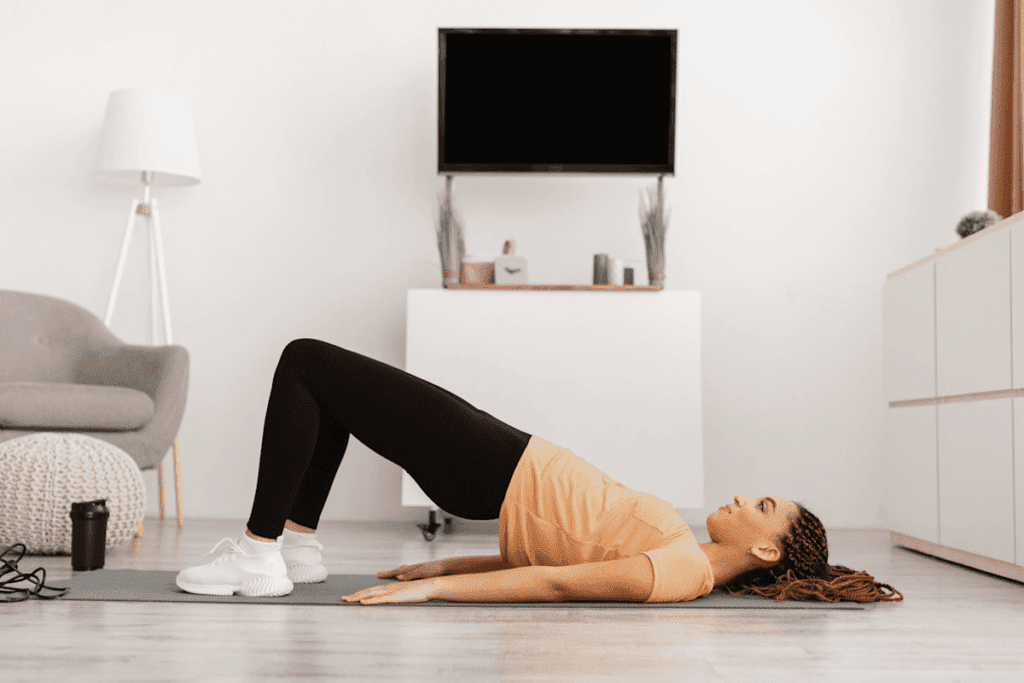
Strengthening the hip flexors is key for good muscle health, mainly for those who sit a lot. Recent studies from 2024 in top medical journals show how important hip flexor strengthening exercises are. They help athletes perform better and lower the chance of long-term pain and losing function.
Research found that simple band exercises can boost hip flexor strength in just 6 weeks. This is a big deal, with a 12.2 percent jump in hip flexion strength and a 3.8 percent drop in sprint times seen in trained groups.
Adding hip flexor strengthening exercises to your workout can change your hip health for the better. We’ll show you the top exercises and training methods to get the best results.
Key Takeaways
- Strengthening hip flexors improves athletic performance and reduces injury risk.
- Simple exercises using elastic bands can improve hip flexor strength within 6 weeks.
- A 12.2 percent improvement in hip flexion strength can be achieved with targeted training.
- Incorporating hip flexor exercises into your routine can enhance overall musculoskeletal health.
- Effective training methods can transform hip health and restore functional ability.
Understanding Hip Flexors: Anatomy and Function
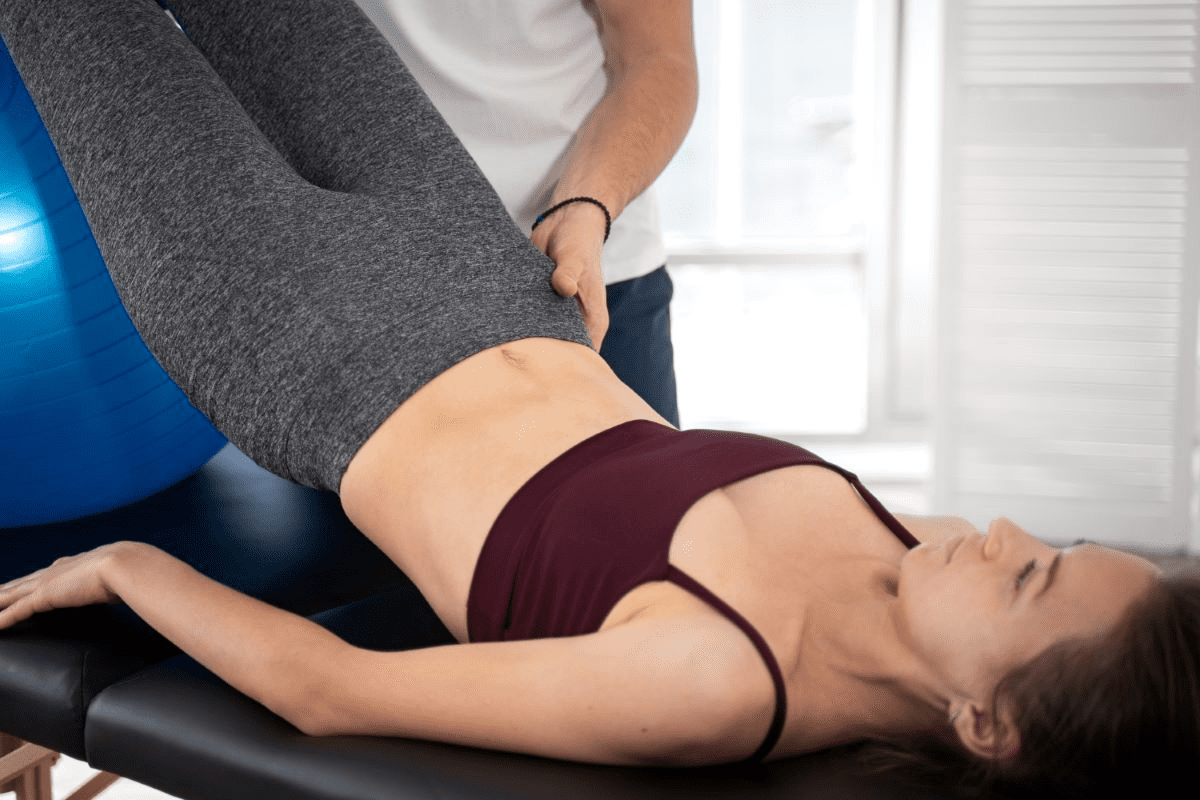
It’s key to know about hip flexors to see their role in our health. These muscles help us move our hips and are vital for daily tasks and sports.
The Iliopsoas Complex: Psoas Major and Iliacus
The main hip flexors are the psoas major and iliacus, known as the iliopsoas complex. They help us bend our hips and keep our lower back stable. The psoas major comes from the lower back, and the iliacus from the pelvis. They meet at the femur, helping us move our hips.
The iliopsoas muscle is special because it crosses joints in the back and hip. This lets it help with both bending the hip and keeping the lower back stable. The iliopsoas muscle is key for keeping the hip and lower back stable, which is important for people with hip problems.
Secondary Hip Flexors: Rectus Femoris, Sartorius, and Pectineus
Other muscles also help with hip bending. The secondary hip flexors are the rectus femoris, sartorius, and pectineus. The rectus femoris, part of the quadriceps, helps bend the hip. The sartorius, a long muscle, helps bend the hip and rotate the tibia. The pectineus muscle helps bend the hip and bring the legs together.
- Rectus femoris: Assists in hip flexion and knee extension
- Sartorius: Contributes to hip flexion and tibial rotation
- Pectineus: Aids in hip flexion and adduction
Role in Lumbopelvic and Hip Anterior Stability
The hip flexors, like the iliopsoas complex, are vital for keeping the lower back and hip stable. This stability helps prevent injuries and ensures we move well. Weak hip flexors can cause us to move in ways that might hurt or lead to injury.
Knowing how hip flexors work helps us see why we need to strengthen them. This keeps our lower back and hip stable and healthy.
The Science Behind Hip Flexor Training
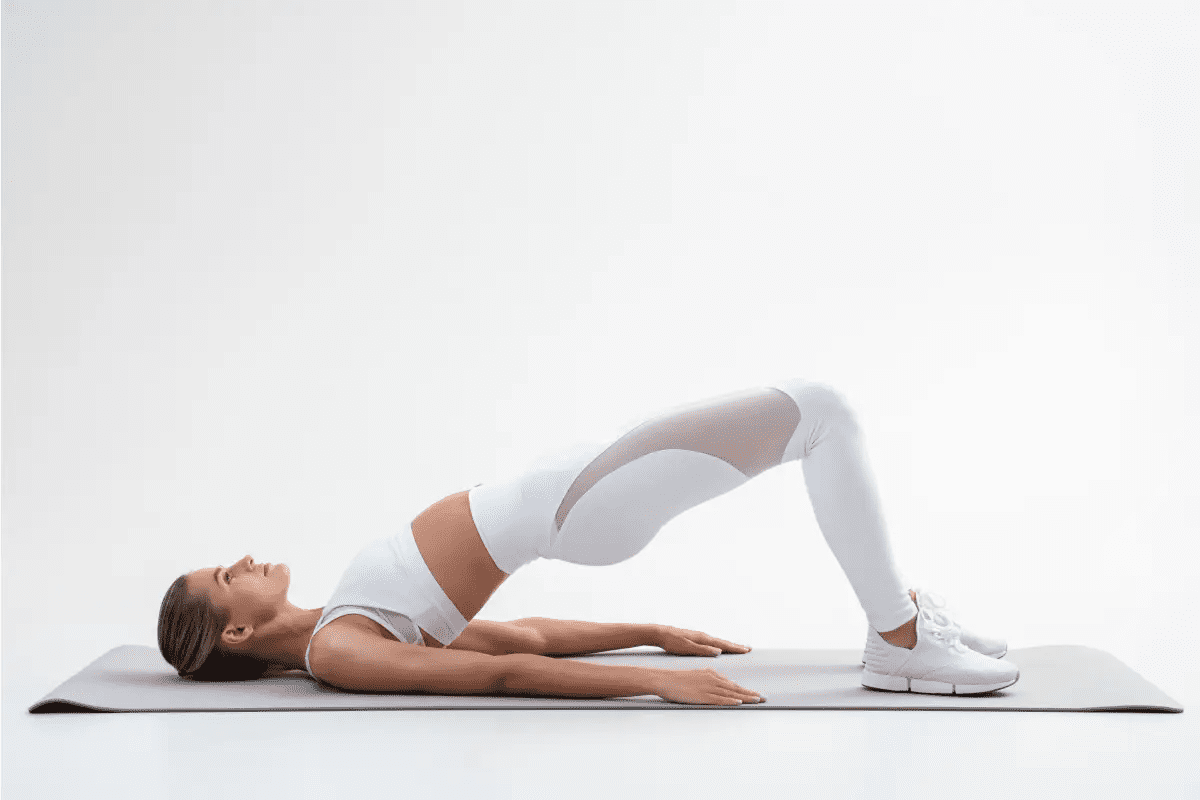
The latest research in 2024 shows hip flexor training is very effective. It helps athletes and people with hip issues. This area of study is growing fast, giving us new ways to strengthen these muscles.
2024 Systematic Reviews on Hip Flexor Strength
Recent studies in top medical journals stress the importance of strong hip flexors. They found that hip flexor training can greatly lower injury risk. This is because it makes the muscles stronger and more resilient.
“The evidence on hip flexor strength is stronger than ever,” says recent research. It shows we need to add specific hip flexor exercises to our workouts.
Research on Performance Improvements
Studies show hip flexor training boosts athletic performance. It makes athletes run faster, jump higher, and move more efficiently. This is key for sports that need quick movements.
- Improved sprint performance
- Enhanced jumping ability
- Better movement efficiency
Clinical Significance for Hip Dysplasia and Micro-instability
Hip flexor training is also vital for those with hip dysplasia and micro-instability. It helps stabilize the hip, easing pain and improving function. A well-planned training program is key for treating hip dysplasia.
“Strengthening the hip flexors is a critical component of rehabilitation programs for individuals with hip dysplasia, improving hip stability and reducing pain.” – Recent Clinical Study
Understanding hip flexor training’s science helps athletes and those with hip issues. They can make smart choices about adding these exercises to their routines.
Benefits of Strong Hip Flexors
Hip flexor strength is key for better movement and physical function. It’s vital for everyday activities and top athletic performances.
Athletic Performance Enhancement
Strong hip flexors boost athletic performance. Studies show they help athletes run faster and move quicker. This is great for sports needing quick speed and agility.
- Improved acceleration and deceleration capabilities
- Enhanced power output during explosive movements
- Better overall lower body strength and coordination
Injury Prevention
Strengthening hip flexors helps prevent injuries. It makes these muscles stronger and more resilient. This reduces the chance of common overuse injuries.
“Strengthening the hip flexors is a critical component of a comprehensive injury prevention program, particularily for athletes involved in high-intensity sports.”
Some key benefits include:
- Reduced strain on the lower back and knees
- Improved joint stability and alignment
- Enhanced muscular balance around the hip joint
Improved Movement Efficiency
Strong hip flexors lead to better movement. They make movements smoother and more powerful. This improves mobility and lowers injury risk.
Key advantages include:
- More efficient gait and running mechanics
- Improved ability to perform daily activities with ease
- Enhanced overall physical function and mobility
Signs of Weak or Tight Hip Flexors
Weak or tight hip flexors can really affect our daily life and sports performance. They can cause problems like poor posture and a higher chance of falling. This is because sitting for long times and not being active enough can weaken our hip extension.
Movement Limitations and Compensations
Weak or tight hip flexors can limit how far we can move and change how we move. This might make other muscles work harder, which can strain our lower back and knees.
Common movement limitations include:
- Reduced hip flexion strength
- Decreased stride length during gait
- Difficulty in performing activities that require hip flexion, such as climbing stairs
Pain Patterns and Postural Issues
Tight or weak hip flexors can also cause pain and posture problems. For example, tight hip flexors can pull the pelvis forward, leading to lower back pain.
Pain patterns may include:
- Lower back pain due to altered pelvic alignment
- Hip pain or stiffness, mainly in the front of the hip
- Knee pain from changes in how we walk
Impact on Athletic Performance
Athletes with weak or tight hip flexors might not perform as well in sports. This is because they need strong and flexible hip flexors for running, jumping, and quick turns.
The impact on athletic performance can be seen in:
- Reduced power output during sprinting or jumping activities
- Decreased endurance during long runs or bike rides
- Increased risk of overuse injuries from how they move
How to Train Hip Flexors Effectively: Key Principles
To train hip flexors well, we need a plan that includes getting stronger, doing exercises often, and keeping muscles flexible. We must follow some important rules to get strong and useful hip flexors.
Progressive Resistance Training Methods
Getting stronger hip flexors means using more weight or resistance over time. This helps the muscles grow stronger. Studies show that using elastic bands for 6 weeks can really boost hip flexor strength.
There are many ways to increase resistance:
- Using resistance bands with different levels of resistance
- Doing weight training with dumbbells or kettlebells
- Making exercises harder by changing the angle or position
Optimal Training Frequency and Volume
Finding the right amount of training is key. Research says training hip flexors 2-3 times a week with 3-5 sets per exercise works best for strength.
Training Frequency | Sets per Exercise | Expected Outcome |
2 times/week | 3 sets | Improved muscle endurance |
3 times/week | 4-5 sets | Significant strength gains |
Balancing Strength and Mobility Work
It’s important to balance strengthening hip flexors with keeping them flexible. Strengthening is key, but so is keeping them flexible and moving well.
Key strategies for balancing strength and mobility include:
- Adding dynamic stretching and mobility exercises to your routine
- Using foam rolling or self-myofascial release to keep tissues healthy
- Making sure your training includes both strength and mobility exercises
By following these principles, we can create a good hip flexor training plan. This plan will improve strength, flexibility, and hip function.
Essential Equipment for Hip Flexor Training
Choosing the right equipment is key for a good hip flexor training program. It helps with strength, stability, and mobility. Using different tools in your workouts challenges your hip flexors well. This leads to better lower body function.
Resistance Bands and Their Applications
Resistance bands are great for hip flexor training. They offer many benefits like progressive overload and varied exercises. You can use them anywhere.
Key Advantages of Resistance Bands:
- They are portable and easy to use.
- They provide constant tension during movement.
- They are cheaper than other training gear.
Using elastic bands for hip flexor strengthening works well. It boosts muscle strength. We can add resistance bands to exercises like standing hip flexions and lying leg raises. This targets the hip flexors from different angles.
Weight Options for Progressive Overload
Progressive overload is key for hip flexor strength gains. Dumbbells and ankle weights offer the needed resistance. They challenge the hip flexors as you get stronger.
Weight Option | Benefits | Example Exercises |
Dumbbells | Versatile and can be used for various exercises | Standing leg raises, lying leg raises |
Ankle Weights | Directly targets the hip flexors during leg movements | Standing hip flexions, walking lunges |
Stability Tools for Advanced Training
For advanced training, stability tools like stability balls and BOSU balls are useful. They add instability to exercises. This challenges the hip flexors more.
Benefits of Stability Tools:
- They enhance core engagement and stability.
- They make exercises harder, leading to more strength gains.
- They improve balance and coordination.
By mixing resistance bands, weight options, and stability tools, we can make a full hip flexor training program. It covers strength, stability, and mobility. This leads to better overall hip flexor function.
Beginner Hip Flexor Strengthening Exercises
Exploring hip flexor training starts with exercises that are easy yet challenging. These beginner exercises help strengthen the muscles gently. They’re great for those new to hip flexor training or recovering from an injury.
Supine Straight Leg Raises
Supine straight leg raises focus on the iliopsoas muscle. Lie on your back with legs straight. Lift one leg up towards the ceiling, keeping it straight, then lower it back down without touching the floor. Switch sides with each repetition.
This exercise targets the hip flexors well. It’s also low-impact, making it safe for those with hip injuries or conditions.
Seated Knee Lifts
Seated knee lifts effectively work the hip flexors. Sit on a chair or bench with feet flat. Lift one knee towards your chest, hold, then lower it back down. Switch legs with each lift.
This exercise is perfect for those who prefer sitting or have mobility issues. It’s a gentle way to start strengthening the hip flexors without straining the lower back.
Standing Hip Flexions with Band Resistance
Standing hip flexions with band resistance add a challenge to hip flexor training. Use a resistance band around a stable object and your ankle. Stand facing the anchor and lift your leg forward, straight, against the band’s resistance.
This exercise strengthens the hip flexors and improves balance and stability. The band’s resistance adjusts to your fitness level, making it versatile.
Exercise | Primary Muscle | Benefits |
Supine Straight Leg Raises | Iliopsoas | Low-impact, isolates hip flexor |
Seated Knee Lifts | Iliopsoas, Sartorius | Suitable for mobility issues, low back strain |
Standing Hip Flexions with Band Resistance | Iliopsoas, Rectus Femoris | Improves balance, variable resistance |
Intermediate Hip Flexor Exercises
Intermediate hip flexor exercises are designed to push your strength and endurance to the next level. As we progress in our training, it’s important to challenge our hip flexors with more demanding movements.
Captain’s Chair Leg Raises
The Captain’s Chair Leg Raise is a top intermediate exercise. It targets the iliopsoas complex, significantly improving hip flexor strength. Here’s how to do it:
- Position yourself in a captain’s chair with your forearms on the pads.
- Engage your core and lift your legs, keeping them straight.
- Raise your legs until they are parallel to the ground or higher, if possible.
- Lower your legs back down slowly to complete one repetition.
Mountain Climbers and Variations
Mountain Climbers are great for targeting the hip flexors. They also engage the core and improve cardiovascular fitness. Here’s how to do Mountain Climbers:
- Start in a plank position with your hands shoulder-width apart.
- Bring one knee towards your chest, then quickly switch to the other knee.
- Continue alternating legs at a rapid pace.
Variations can include changing the speed or bringing your knees to the opposite elbow for added obliques engagement.
Resistance Band Hip Flexion Progressions
Using resistance bands is an effective way to progressively overload the hip flexors. By increasing the resistance level, you can continue to challenge your muscles. Here’s how to do Resistance Band Hip Flexion:
- Anchor the resistance band at a stable point.
- Loop the other end around your ankle.
- Stand facing the anchor point and lift your leg forward, keeping it straight.
- Control the movement as you lower your leg back down.
Progressions can include increasing the band’s tension or changing the angle of the movement.
Advanced Hip Flexor Training Techniques
To boost your hip flexor training, try advanced techniques. These methods are for those who have learned the basics. They aim to improve strength, flexibility, and athletic performance.
Weighted Exercise Variations
Adding weights to your hip flexor exercises makes them more intense. Weighted leg raises or using resistance bands are great for strength gains.
Try using ankle weights or a weighted vest for leg raises. Or, use resistance bands at different heights for a versatile workout.
Plyometric Hip Flexor Movements
Plyometric exercises boost the power and explosiveness of your hip flexors. They involve quick, intense contractions that improve athletic performance.
Jump squats and box jumps are examples. These exercises strengthen the hip flexors and enhance coordination and power.
Integrated Movement Patterns
Integrated movement patterns engage many muscles, including the hip flexors. They improve functional strength, coordination, and athletic ability.
Try squat jumps, burpees, and mountain climbers. These exercises challenge the hip flexors in a way that improves their function with other muscles.
Hip Flexor Training for Different Populations
It’s key to tailor hip flexor training to fit each person’s needs. This is true for athletes, those in rehab, and older adults. Each group has its own special needs that need to be met with the right training.
Protocols for Athletes and Performance Enhancement
Athletes need training that boosts their performance but keeps them safe from injury. High-intensity interval training (HIIT) and plyometric exercises are great for power and speed. For example, mountain climbers and box jumps can help athletes perform better.
A sports medicine expert says, “A good hip flexor training program can really help athletes do explosive moves better.”
“A good hip flexor training program can really help athletes do explosive moves better.” — Sports Medicine Specialist
Approaches for Rehabilitation and Injury Prevention
For those rehabbing, hip flexor training aims to build strength and mobility after injury or surgery. It’s important to start with gentle, progressive exercises to avoid injury. Water-based therapy and resistance band exercises are great for rehab.
- Initial phase: Gentle mobilization and pain management
- Progressive phase: Strengthening exercises with resistance bands
- Advanced phase: Functional training to restore mobility and strength
Modifications for Older Adults and Special Populations
Older adults and special populations need exercises that fit their physical abilities and health. Low-impact exercises like seated leg raises and gentle stretching are good for keeping hip flexors strong and flexible. Always talk to a healthcare expert to make sure the training is safe and right for you.
By knowing what each group needs, we can make hip flexor training that boosts performance, helps with rehab, and improves health for everyone.
Common Mistakes to Avoid in Hip Flexor Training
Many people make big mistakes when they start training their hip flexors. These errors can cause imbalances and injuries. Knowing these mistakes helps you train better and stay safe.
Form Errors and Compensation Patterns
One big mistake is poor form. This can mean using momentum, arching your back, or not using your hip flexors right. These mistakes make exercises less effective and raise injury risks.
- Using momentum instead of controlled movements
- Arching the back or using the lower back to lift
- Not fully engaging the hip flexor muscles
To fix these problems, focus on slow, controlled movements. Also, use your core to keep your body stable. Start with lower intensity and add more as you get stronger and better at form.
Overtraining Risks and Recovery Needs
Another mistake is overtraining. It can make you tired, lower your performance, and increase injury risks. It’s key to balance training with enough rest.
- Rest days between intense hip flexor workouts
- Watch how your body reacts and adjust as needed
- Stretch and use foam rolling to help recover
Pay attention to how hard you’re training. This way, you avoid overtraining and give your hip flexors time to recover and get stronger.
Neglecting Antagonist Muscles and Balance
A good training program balances agonist and antagonist muscles. Ignoring antagonist muscles like glutes and hamstrings can cause muscle imbalances. These imbalances can mess up your posture, movement, and sports performance.
- Do exercises that strengthen glutes and hamstrings
- Make sure your program works all major muscle groups
- Get help from a trainer or physical therapist to check and fix imbalances
By avoiding these mistakes, you can make your hip flexor training more effective. You’ll also lower injury risks and improve your fitness and sports skills.
Conclusion: Building Strong and Functional Hip Flexors
Building strong hip flexors is key for good physical function and mobility. By doing the exercises and following the tips in this article, people can see big improvements in their hip flexor strength and function.
Regularly doing hip flexor exercises boosts athletic performance and makes movements more efficient. It also lowers the chance of getting hurt. We stress the need to mix strength and mobility exercises for hip flexors that work well for everyday activities and sports.
By using progressive resistance training and the right training frequency, people can get strong and efficient hips. This helps improve overall health. Our aim is to help people know how to boost their hip flexor strength. This leads to better overall health and physical ability.
FAQ
What are the best exercises to strengthen hip flexors?
The top exercises for hip flexors include supine straight leg raises and seated knee lifts. Standing hip flexions with band resistance and captain’s chair leg raises are also great. Mountain climbers are another effective option. These exercises help strengthen the iliopsoas complex and other hip flexors.
How often should I train my hip flexors?
Training frequency for hip flexors varies based on your goals and fitness level. Training 2-3 times a week is usually best. This allows for enough rest time between workouts. Using progressive resistance training helps you keep getting stronger.
What are the signs of weak or tight hip flexors?
Weak or tight hip flexors can limit your movement and cause pain in the hip or lower back. They can also affect your posture. Weak hip flexors might lower your athletic performance. Tight ones can reduce your mobility and increase injury risk.
How do I strengthen my hip flexors for athletic performance?
To boost your athletic performance, add exercises like resistance band hip flexion progressions to your routine. Weighted exercises and plyometric movements for hip flexors are also effective. These can improve your power, speed, and overall performance.
Can hip flexor training help with injury prevention?
Yes, training your hip flexors is key to preventing injuries. It improves your movement efficiency and reduces compensatory patterns. This can help stabilize your lower limbs and lower injury risk.
What equipment is needed for hip flexor training?
You’ll need resistance bands, weights or kettlebells, and stability tools like a captain’s chair or Swiss ball. These tools help keep your workouts challenging and effective.
Are there any specific hip flexor exercises for older adults?
Older adults can do modified exercises like seated knee lifts and standing hip flexions with band resistance. These are low-impact and tailored to their fitness level. They help maintain mobility and strength.
How do I avoid common mistakes in hip flexor training?
Focus on proper form and avoid overtraining. Make sure you’re not neglecting antagonist muscles. It’s also important to balance strength and mobility work for safe and effective training.
Can hip flexor strengthening help with hip dysplasia or micro-instability?
Yes, strengthening your hip flexors can help with hip dysplasia or micro-instability. It improves hip stability and can reduce symptoms associated with these conditions.
How long does it take to see improvements in hip flexor strength?
Seeing improvements in hip flexor strength depends on your training consistency, intensity, and fitness level. Noticeable gains usually come within 6-8 weeks of regular and progressive training.
References
https://www.healthline.com/health/fitness-exercise/hip-flexor-exercises



 Departments
 Related Videos
 Our Doctors
 News
News