
Providing the precise medical definition to define arthropathy (pathology or abnormality of a joint).
Arthropathy is a term that covers any disease or issue with the body’s joints. It comes from Greek words, ‘arthron’ meaning ‘joint’ and ‘pathos’ meaning ‘suffering.’
Knowing what arthropathy means is key for doctors and people with joint problems. It includes many joint diseases, like arthritis and other complex conditions.
It’s important to understand arthropathy because it affects many adults and older people worldwide. This makes it a big concern for healthcare.
Key Takeaways
- Arthropathy refers to any disease or abnormality of the joints.
- The term originates from Greek words ‘arthron’ and ‘pathos’.
- It encompasses various joint diseases, including arthritis.
- Understanding arthropathy is important for doctors and those affected.
- Arthropathy is a significant healthcare concern globally.
How to Define Arthropathy in Medical Terms
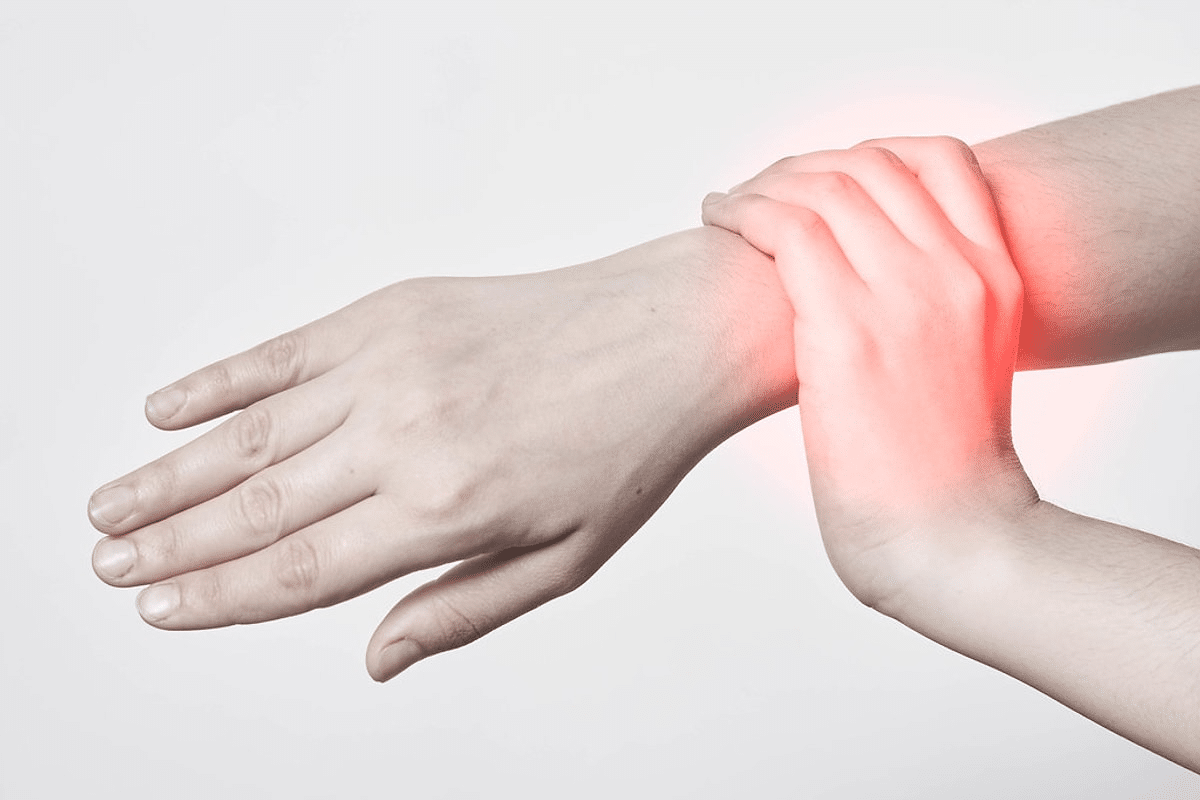
To fully understand arthropathy, we need to look at its definition, origins, and how it differs from other joint issues. Arthropathy is any disease or disorder that affects the joints.
Etymology and Origin of the Term
The word “arthropathy” comes from Greek. “Arthron” means joint, and “pathos” means suffering or disease. So, arthropathy means joint disease or suffering.
Knowing where the term comes from helps us see the wide range of joint problems it covers. This includes different types of joint inflammation and degeneration.
Arthropathy vs. Arthritis: Understanding the Distinction
Arthropathy and arthritis are often confused, but they’re not the same. Arthritis is a specific type of arthropathy that causes joint inflammation.
Arthropathy, though, is a broader term. It includes not just inflammatory conditions like arthritis but also non-inflammatory joint diseases.
|
Condition |
Characteristics |
Examples |
|---|---|---|
|
Arthritis |
Inflammatory joint disease |
Rheumatoid Arthritis, Osteoarthritis (when inflammatory) |
|
Non-inflammatory Arthropathy |
Joint disease without significant inflammation |
Osteoarthritis (non-inflammatory), Traumatic Arthropathy |
It’s important to know the difference between arthropathy and arthritis for proper diagnosis and treatment. Knowing if a condition involves inflammation or other joint problems helps doctors choose the best treatment.
The Medical Significance of Arthropathy

The importance of arthropathy in medicine is huge. It affects many adults and the elderly. Knowing about arthropathy helps doctors find better ways to treat it.
Prevalence in Adult and Elderly Populations
Arthropathy is a big problem for many adults and seniors. It gets worse with age. Most people over 65 have some joint disease.
The term “arthropathies” includes many conditions. These include osteoarthritis and rheumatoid arthritis. It also includes other diseases that harm joints.
Younger people can also get arthropathy. This can happen from injuries, infections, or autoimmune diseases. Knowing the different types and causes is key to helping them.
Economic and Quality of Life Impact
Arthropathy costs a lot of money. It leads to high healthcare bills, lost work time, and a lower quality of life. People with arthropathy often have chronic pain and can’t move as well.
This condition affects not just the person but their family too. To manage arthropathy well, doctors need to use many approaches. This includes medicines, lifestyle changes, and support.
Understanding arthropathy helps doctors create better plans for treatment. This can improve life for those with the condition and their families.
Anatomy and Physiology of Joints
It’s key to know how joints work to understand arthropathies. Joints are complex parts that link bones, let them move, and keep the skeleton stable.
Normal Joint Structure and Components
A joint has several important parts. Each part has a special role in how the joint works. The main parts are:
- Articular cartilage: A smooth, white tissue that covers the bone ends, making movement smooth and absorbing shock.
- Synovial membrane: A thin, vascular tissue that lines the joint, making synovial fluid for lubrication.
- Synovial fluid: A clear, thick fluid that lowers friction between the cartilage and other tissues in the joint.
- Ligaments: Fibrous tissue that connects bones, keeping the joint stable.
- Joint capsule: A fibrous sac that covers the joint, attaching to the bones near it.
These parts work together to help joints move smoothly and stay strong.
Joint Function and Biomechanics
Joints mainly help us move while keeping us stable. The biomechanics of joints involve forces and movements like:
- Flexion and extension: Movements that bend or straighten the joint.
- Rotation: Movement around a single axis, allowing for turning or twisting.
- Circumduction: A circular movement of the joint, combining flexion, extension, abduction, and adduction.
Knowing how joints work is key to diagnosing and treating arthropathies. Abnormal forces or movements can harm joints and cause damage.
The way joints work and the forces on them show why keeping joints healthy is so important. It helps prevent or manage arthropathies.
Pathophysiology: How Arthropathy Develops
To understand arthropathy, we must look at its pathophysiology. This is the study of how joint disease progresses. Arthropathy includes many joint disorders, caused by changes in the joint. These changes come from genetics, environment, and how we use our joints.
“The pathophysiology of arthropathy is complex,” say experts. This complexity shows why we need a detailed approach to manage arthropathies.
Mechanisms of Joint Damage and Degeneration
Joint damage in arthropathy can happen in many ways. This includes inflammation, wear and tear, and injuries. Inflammatory arthropathies, like rheumatoid arthritis, are caused by the immune system attacking the joint. This leads to pain, inflammation, and damage to the joint.
Non-inflammatory arthropathies, like osteoarthritis, are due to wear and tear. This causes pain, stiffness, and less mobility. Factors like age, weight, and past injuries can affect how joints degenerate. Knowing these factors helps in finding better ways to manage the condition.
Inflammatory vs. Non-inflammatory Processes
Arthropathies are divided into inflammatory and non-inflammatory types. Inflammatory types have inflammation caused by the immune system. This can damage joints if not treated. Non-inflammatory types have degeneration without much inflammation.
The difference between these types is key for choosing the right treatment.
Inflammatory types might need treatments to reduce inflammation. Non-inflammatory types might need treatments to reduce stress on the joints and improve health.
Common Types of Arthropathies
It’s important to know about the different types of arthropathies for proper treatment. Arthropathy covers a wide range of joint problems, each with its own cause and symptoms. The main types include crystal, reactive, enteropathic, and diabetic arthropathies.
Crystal Arthropathies
Crystal arthropathies happen when crystals form in the joints, causing pain and swelling. Gout is a well-known example, caused by monosodium urate crystals. Another type is calcium pyrophosphate deposition disease (CPPD), caused by calcium pyrophosphate dihydrate crystals.
To diagnose these, doctors look at the synovial fluid for crystals. Treatment aims to reduce inflammation and pain, and prevent more crystals from forming.
Reactive Arthropathy
Reactive arthropathy is a type of seronegative spondyloarthritis triggered by an infection, often in the gut or urethra. It causes joint pain and swelling, mainly in the lower legs.
The cause involves the body’s immune response to an infection. Treatment focuses on treating the infection and managing symptoms.
Enteropathic Arthropathy
Enteropathic arthropathy is linked to inflammatory bowel diseases like Crohn’s disease and ulcerative colitis. The joint problems can mirror the bowel disease’s activity.
Managing this condition means treating the bowel disease and controlling joint inflammation. A holistic approach is needed to tackle both the gut and joint issues.
Diabetic Arthropathy
Diabetic arthropathy, or diabetic Charcot neuroarthropathy, is a diabetes complication. It causes the joints, often in the foot and ankle, to degenerate over time.
It’s caused by nerve damage and repeated injuries to the joints. Early treatment is key to avoiding serious disability.
In summary, each type of arthropathy presents unique challenges in diagnosis and treatment. Healthcare providers must understand these differences to develop effective care plans.
Spondylarthropathies: Joint Disease of the Spine
Spondylarthropathies are chronic diseases that mainly affect the spine and other joints. They cause inflammation in the spine and other parts, leading to pain and discomfort. This can greatly affect a person’s quality of life.
Ankylosing Spondylitis
Ankylosing spondylitis (AS) mainly affects the spine, but can also involve other joints. It causes inflammation in the spinal joints, leading to chronic pain. In severe cases, this can cause the vertebrae to fuse together.
Key features of AS include:
- Chronic back pain and stiffness
- Reduced spinal mobility
- Potential for extra-articular manifestations
Psoriatic Arthritis
Psoriatic arthritis (PsA) is a condition that occurs in some people with psoriasis. It combines the skin symptoms of psoriasis with joint inflammation. PsA can affect any part of the body, including the spine, and can lead to disability if not managed well.
Common characteristics of PsA include:
- Joint pain, stiffness, and swelling
- Skin psoriasis
- Nail changes
- Dactylitis (swelling of an entire finger or toe)
Other Spondylarthropathies
Other spondylarthropathies include reactive arthritis, enteropathic arthritis, and undifferentiated spondylarthropathy. These conditions share common features like inflammation in the spine and sacroiliac joints. They can also cause enthesitis and extra-articular manifestations.
Management strategies for these conditions include medication, physical therapy, and lifestyle changes. These help control symptoms, maintain function, and improve quality of life.
Clinical Presentation and Symptoms of Arthropathy
It’s important to know the symptoms of arthropathy to get the right treatment. Arthropathy includes many joint problems, each showing different signs.
Common Symptoms Across Arthropathies
Many symptoms are seen in different arthropathies. These include joint pain, swelling, and reduced mobility. People also feel stiff, mainly after resting or being inactive.
A doctor said, “Joint pain and swelling are key signs that need more checking.”
“Early diagnosis and intervention are critical in managing arthropathy effectively and improving patient outcomes.”
Some people also feel tired and have a fever, which is more common in inflammatory types. The symptoms can be different for everyone.
Unique Presentations by Type
Each type of arthropathy has its own signs. For example, crystal arthropathies, like gout, cause sudden, severe pain. This pain is often red and swollen.
Reactive arthropathy happens after infections in the gut or kidneys. It affects not just the joints but other parts of the body too.
Spondylarthropathies mainly hurt the spine. They cause back pain and stiffness, worst in the morning. Knowing these differences helps doctors find the right treatment for each patient.
By understanding the various symptoms of arthropathy, doctors can create better treatment plans. This helps improve how patients feel and function.
Diagnosing Arthropathy: Medical Approaches
Diagnosing arthropathy involves several steps. These include physical exams, lab tests, and imaging studies. It’s key to accurately diagnose arthropathy for proper treatment.
Physical Examination Techniques
A thorough physical exam is the first step. Healthcare professionals check joint mobility, pain levels, and swelling. They use techniques like palpation and range of motion testing.
They also look at the patient’s gait and posture. This helps understand how arthropathy affects daily life. A detailed physical exam helps identify the type and severity of arthropathy.
Laboratory Tests and Markers
Laboratory tests are vital in diagnosing arthropathy. They look for specific markers. Blood tests check for inflammatory markers like CRP and ESR, common in inflammatory arthropathies.
Tests for rheumatoid factor (RF) and anti-CCP help diagnose rheumatoid arthritis. Synovial fluid analysis also helps by examining the fluid’s characteristics.
Imaging Studies
Imaging studies are key for assessing joint damage. X-rays show joint space narrowing and bone erosions. Magnetic Resonance Imaging (MRI) gives detailed images of soft tissues.
Ultrasound detects early signs of joint inflammation. These studies, along with clinical findings and lab results, help healthcare providers make accurate diagnoses and treatment plans.
Treatment Options for Various Arthropathies
It’s important to know the different ways to treat arthropathies. The right treatment depends on the type and how severe it is. It also depends on the patient’s health.
Pharmacological Interventions
Nonsteroidal anti-inflammatory drugs (NSAIDs) are often used to lessen pain and swelling. For more serious cases, disease-modifying antirheumatic drugs (DMARDs) can slow the disease’s progress. Biologic agents target specific molecules in the inflammation process.
Choosing the right medicine is important. It should consider the patient’s health and any risks.
Non-pharmacological Approaches
Non-medicine treatments are also key in managing arthropathies. Physical therapy helps keep joints moving and strong. Occupational therapy helps patients adjust to their condition. Making lifestyle changes, like diet and exercise, can also help.
Teaching patients about their condition is also vital. It helps them take charge of their health.
Surgical Options
Surgery might be needed if other treatments don’t work. Joint replacement surgery is often used to improve joint function and reduce pain. Other surgeries, like synovectomy and joint fusion, are considered based on the case.
Deciding on surgery should be a team effort. It’s important to weigh the benefits and risks with a healthcare professional.
Living with Arthropathy: Management Strategies
Living with arthropathy can be tough, but the right strategies can help a lot. It’s all about medical care, lifestyle changes, and using devices for support.
Lifestyle Modifications
Changing your lifestyle can really help manage arthropathy. Eating a balanced diet with omega-3s, antioxidants, and fiber can fight inflammation. Also, keeping a healthy weight can ease joint pressure and slow disease progress.
Managing stress is key too. Activities like meditation, yoga, and deep breathing can help with the mental side of chronic illness. A healthcare expert says, “Stress management is about feeling better overall.”
Exercise and Physical Activity
Staying active is essential for joint health. Low-impact exercises like swimming, cycling, and tai chi are good choices. They’re safe and keep joints moving. Physical therapy can also help, with exercises made just for you.
Assistive Devices and Support Systems
Using assistive devices can greatly improve life with arthropathy. Items like canes, walkers, and orthotics ease joint stress. Also, having a strong support system is vital. Family, friends, and groups offer emotional and practical help.
“The right support system can make all the difference in managing arthropathy. It’s not just about having help; it’s about having the right help at the right time.”
By using these strategies every day, people with arthropathy can face their challenges better. They can also improve their overall health and happiness.
Conclusion: The Future of Arthropathy Research and Treatment
Research is making progress in understanding arthropathy. This term covers many joint disorders that affect millions. Knowing what arthropathy is helps us find better treatments.
New studies are looking into ways to manage arthropathy. They include new medicines and advanced surgeries. These could lead to better lives for those with arthropathy.
The focus now is on personalized medicine. This uses genetics and new technology to create treatments for each person. As we learn more, we’ll see treatments that work better for everyone.
FAQ
What does arthropathy mean?
Arthropathy is a term that covers many joint diseases, like arthritis. It means any disease or disorder that affects the joints.
What is the difference between arthropathy and arthritis?
Arthropathy is a wider term that includes many joint conditions. Arthritis usually means inflammatory joint diseases. Not all arthropathies are inflammatory.
What are the common types of arthropathies?
Common types include crystal arthropathies and reactive arthropathy. There’s also enteropathic arthropathy, diabetic arthropathy, and spondylarthropathies like ankylosing spondylitis and psoriatic arthritis.
How is arthropathy diagnosed?
Doctors use physical exams, lab tests, and imaging studies to diagnose arthropathy. They figure out the cause and type of arthropathy.
What are the treatment options for arthropathy?
Treatments include medicines, lifestyle changes, and exercise. Surgery might be needed for some cases, depending on the condition’s severity.
How can individuals manage arthropathy effectively?
Managing arthropathy well means making lifestyle changes and staying active. Using assistive devices and support systems also helps improve life quality.
What is the significance of understanding arthropathy?
Knowing about arthropathy is key for doctors and people with joint conditions. It helps get the right diagnosis and treatment, leading to better outcomes.
What is the prevalence of arthropathy in adult and elderly populations?
Arthropathy is common in adults and the elderly. It’s a big healthcare issue, affecting quality of life and the economy.
What are spondylarthropathies?
Spondylarthropathies mainly affect the spine. Examples include ankylosing spondylitis and psoriatic arthritis.
What is the role of exercise in managing arthropathy?
Exercise is vital for managing arthropathy. It helps improve joint mobility, reduces pain, and boosts overall well-being.
What are the future prospects for arthropathy research and treatment?
Ongoing research in arthropathy holds promise for new trends and breakthroughs. This could lead to better patient care and outcomes.
References
National Center for Biotechnology Information. Evidence-Based Medical Guidance. Retrieved from https://www.ncbi.nlm.nih.gov/books/NBK507704/