Nearly 1 million Americans get stents every year. This can really change their heart health. It’s important for patients to know how this treatment affects them.Answering does life change after a stent (yes, improved health, necessary lifestyle modifications) and managing life changes after stent.
Stents are used to treat heart disease by keeping arteries open. While it’s usually safe and works well, people often wonder about its impact on their daily life. They also want to know what to expect while they’re recovering.
Key Takeaways
- Stent placement is a common treatment for coronary artery disease.
- Understanding post-procedure complications is key for a good recovery.
- After a stent, you might need to make some lifestyle changes.
- The goal is to get blood flowing to the heart again.
- Most people find the treatment safe and effective.
Understanding Stent Placement and Its Purpose
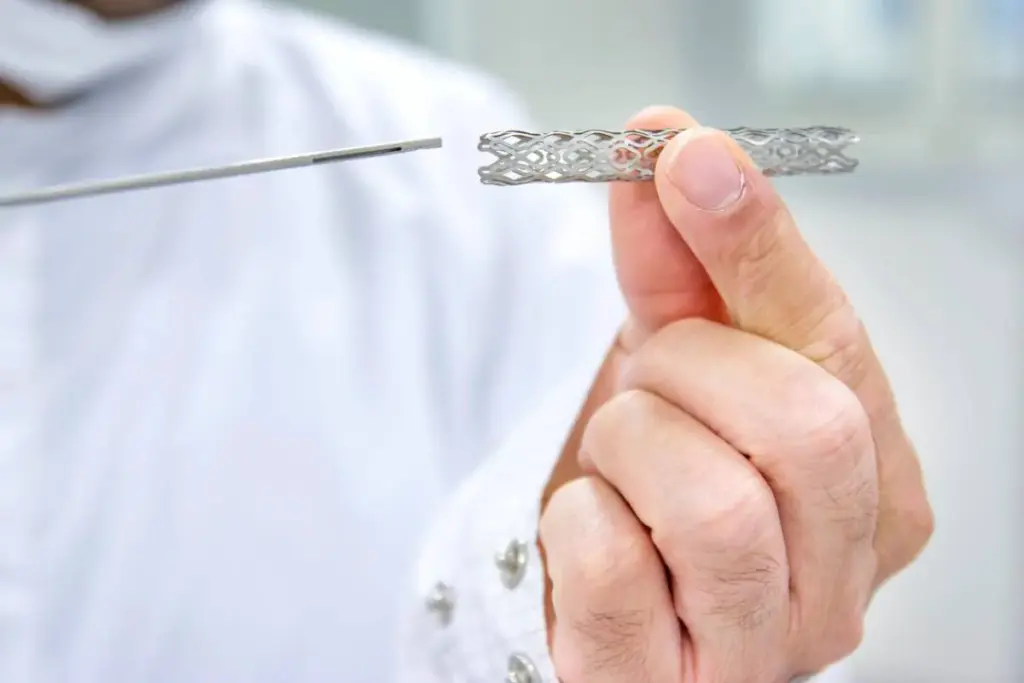
Stent placement is key for those with heart issues. It involves putting a small, mesh-like tube into a narrowed or blocked artery. This helps improve blood flow.
What Is a Stent and Why Is It Needed?
A stent is a small, flexible tube made of metal mesh. It keeps an artery open, restoring blood flow to the heart. It’s often used with angioplasty, a procedure that widens the artery.
The stent is placed to keep the artery open, reducing future blockages. This improves blood flow, boosting heart health and reducing symptoms of coronary artery disease.
Types of Stents and Their Functions
There are many types of stents, each for different needs.Bare-metal stents are made from metal and keep the artery open. Drug-eluting stents are coated with medication to prevent the artery from re-narrowing.
The right stent depends on the patient’s health, the blockage’s location and severity, and bleeding risk.
Knowing about the different stents and their functions helps patients understand stent placement’s role in heart health. Following up with care and taking medications as prescribed is key for the best results after stent placement.
The Immediate Recovery Period
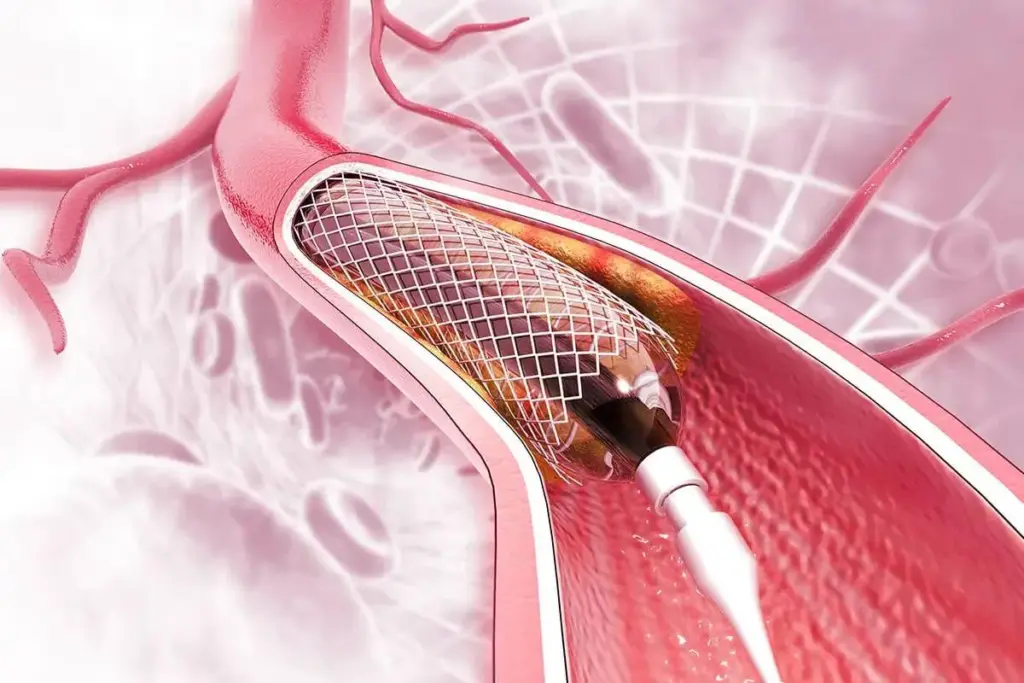
The recovery after a stent placement is key for your health. It involves several steps and precautions. These help ensure a smooth and effective recovery.
Hospital Stay and Discharge Process
After the stent placement, a short hospital stay is needed for monitoring. The length of stay depends on your health and the procedure specifics.
What to Expect During the Procedure
In the hospital, medical staff will watch your condition closely. They manage any discomfort or complications. You’ll get medications to prevent blood clots and learn about post-procedure care.
Preparing for Discharge
Before leaving, you’ll get detailed instructions on medication management, diet, and lifestyle changes. It’s important to understand these to recover well.
First Week at Home: What to Expect
The first week at home is vital for recovery. You need to take care of your incision site and follow activity restrictions to avoid complications.
Managing Incision Site Care
Keeping your incision site clean and dry is essential. Follow the specific instructions from your healthcare provider. This may include wound care and dressing guidelines.
Activity Restrictions
Activity restrictions help prevent strain on your body, where the stent was placed. Avoid heavy lifting and strenuous activities for a while.
By following these guidelines, you can ensure a safe and effective recovery. This sets the stage for long-term health improvements.
Physical Sensations and Bodily Changes
After a stent placement, people often notice changes in their body. These can include physical sensations and bodily adjustments. Some changes happen right away, while others take time.
Common Physical Symptoms After Stent Placement
Patients may feel different after getting a stent. They might notice chest sensations, discomfort, and changes in energy levels.
Chest Sensations and Discomfort
Some feel discomfort or pain in the chest area after a stent. This can be from the stent or the artery healing. Usually, this goes away as the body heals.
Energy Levels and Fatigue
Fatigue is a common symptom after a stent. Patients might feel more tired than usual. This is often because of the body’s reaction to the procedure and the medicines they take during recovery.
When Physical Sensations Are Cause for Concern
While many sensations after a stent are normal, some can be a sign of a problem. It’s important to watch these changes and talk to a doctor if they get worse or if new symptoms show up.
- Severe or worsening chest pain
- Shortness of breath
- Dizziness or fainting
Knowing about these concerns can help patients manage their recovery better. It tells them when to get help.
Life Changes After Stent: What to Expect
Knowing what happens after a stent is placed is key for patients to take care of their health. The path to getting better and staying healthy involves making changes and adjusting your lifestyle.
Short-term Adjustments to Daily Activities
Right after getting a stent, you’ll need to change how you do daily things to heal well. These changes help avoid problems and help your body fix itself.
Personal Care Modifications
It’s important to change how you take care of yourself to avoid hurting the stent area. This means not lifting heavy things, bending, or doing hard activities for a while.
Household Task Adaptations
You’ll also need to change how you do household tasks to not overdo it. Ask someone else to help with heavy tasks or yard work.
Long-term Lifestyle Modifications
After you get better, you’ll need to keep making changes to stay healthy and avoid heart problems later. This includes eating well, staying active, and managing stress.
Eating a heart-healthy diet is very important for your heart’s health. Eat lots of fruits, veggies, whole grains, and lean meats. Try to avoid foods high in fat, cholesterol, and salt.
It’s also key to be active, but start slowly to not push too hard. Talk to your doctor to make a safe exercise plan.
By making these lifestyle adjustments, you can improve your life and health after getting a stent. Understanding and following these changes helps you manage your health better and lowers the chance of heart issues later.
Medication Management Post-Stent
After a stent is placed, your medication list changes a lot. This is to keep your heart healthy and avoid problems. Taking your meds right is key to getting better.
Essential Medications Following Stent Procedure
Patients get a mix of meds after a stent. These help stop clots and keep the heart in good shape. They’re very important for the stent to work well.
Antiplatelet Therapy
Antiplatelet therapy is a big part of post-stent care. It uses aspirin and clopidogrel to stop platelets from sticking together. Doctors usually tell you to keep taking these for 6 to 12 months.
Other Cardiac Medications
Other meds might be needed too. These help with high blood pressure, high cholesterol, or make the heart work better. You might get beta-blockers, statins, or ACE inhibitors. Taking these as directed is very important.
Managing Side Effects and Medication Schedules
It’s important to handle side effects and stick to your schedule. Know the possible side effects and tell your doctor. A good plan for taking your meds can help avoid side effects and make sure they work.
Here are some tips for managing your meds:
- Use a pill box or calendar to keep track of medication
- Set reminders on your phone or watch
- Keep a list of your meds and how much to take
- Tell family or caregivers about your meds
By managing your meds well and following your doctor’s advice, you can do great after getting a stent.
Dietary Adjustments for Heart Health
Getting a stent is a big step towards better heart health. Eating right is key to making the most of this procedure. A heart-healthy diet can greatly improve your life quality.
Heart-Healthy Eating Patterns
Eating foods that are good for your heart is important. Focus on fruits, veggies, whole grains, lean proteins, and healthy fats. The Mediterranean diet is a great example of heart-healthy eating.
Foods to Embrace and Avoid
Choosing the right foods is vital for heart health. Some foods can help lower cholesterol and blood pressure. Others can harm your heart.
Sodium and Fat Restrictions
Watching your sodium intake helps control blood pressure. Also, be careful with fats, like saturated and trans fats. The American Heart Association suggests eating less than 2,300 milligrams of sodium daily.
Heart-Boosting Nutrients
Adding nutrients that are good for your heart can help. Omega-3s in fish, antioxidants in berries, and fiber in whole grains are great. Make sure you get these through food or supplements if needed.
|
Food Group |
Recommended Foods |
Foods to Limit |
|---|---|---|
|
Fruits |
Apples, Berries, Citrus fruits |
Fruits canned in syrup |
|
Vegetables |
Leafy greens, Broccoli, Bell peppers |
Vegetables fried or with heavy sauces |
|
Proteins |
Lean meats, Fish, Legumes |
Processed meats, Fried foods |
By changing your diet and eating heart-healthy, you can greatly improve your heart health. This can make your life much better.
Exercise and Physical Activity After Stent Placement
Getting back to physical activity is a big part of healing after a stent is placed. Exercise is key for keeping the heart healthy and feeling good overall. It’s important to start slowly and listen to your doctor to make sure you’re doing it right.
Gradually Returning to Physical Activity
Doctors usually tell patients to start moving again slowly after a stent is put in. This slow start helps avoid problems and lets the body get used to the changes.
Cardiac Rehabilitation Programs
Cardiac rehab programs are a great idea. They help you get stronger and improve your heart health. You’ll do exercises under supervision, learn about heart-healthy living, and get help managing stress.
Building Endurance Safely
Start with easy exercises and slowly get more challenging. Listen to your body and follow your doctor’s advice. It’s all about going at your own pace.
Recommended Exercises and Activity Levels
Walking, cycling, and swimming are good choices after a stent. They’re low-risk and can be adjusted to fit your fitness level. But, wait until your doctor says it’s okay to do heavy lifting or high-intensity workouts.
|
Exercise Type |
Intensity Level |
Recommended Duration |
|---|---|---|
|
Walking |
Low to Moderate |
30 minutes, 3-4 times a week |
|
Cycling |
Moderate |
20-30 minutes, 3 times a week |
|
Swimming |
Low to Moderate |
20-30 minutes, 2-3 times a week |
Returning to Work and Social Life
Recovering from a stent placement involves many steps, like going back to work and socializing. Patients want to get back to their normal lives but must do it safely. This means following health advice to avoid problems.
Timeline for Resuming Professional Activities
How long it takes to go back to work varies. It depends on the job and how fast you can recover. Desk jobs might be easier to return to than jobs that require a lot of physical activity.
Desk Jobs vs. Physical Labor
People with desk jobs might go back to work in a few days to a week. But, if your job is very active, it could take weeks. It’s all about how your job affects your recovery.
Workplace Accommodations
Talking to your employer about work changes is key. They might adjust your schedule or tasks to help you get back to work smoothly.
Social Activities and Travel Considerations
As you get better, you can start going out again. But, do it slowly and don’t push yourself too hard. This is important for your health.
Dining Out and Social Gatherings
You can usually go out to eat and join social events in a few weeks. Just remember to eat well and manage stress.
Travel Guidelines and Precautions
Traveling needs some planning. Avoid long trips without breaks, drink plenty of water, and don’t forget your medicine. Always check with your doctor before big trips.
Knowing how to go back to work and social events helps patients feel more confident. It makes their recovery smoother and gets them back to their daily life faster.
Conclusion
Recovering from a stent placement is a big step towards better heart health. By following good stent recovery habits, people can handle life after stent well. This means changing what they eat, slowly getting back into exercise, and sticking to their medication.
Managing life after a stent needs a full plan. Keeping a healthy diet, exercising often, and watching your overall health is key. This helps lower the chance of heart problems later and makes life better.
Life after getting a stent is more than just getting better. It’s about starting a healthier way of living. By knowing how important these changes are and making them part of your daily life, you can look forward to a happier life. With the right attitude and support, you can overcome stent placement challenges and do well in the long run.
FAQ
What are the common lifestyle changes after stent placement?
After getting a stent, you’ll need to make some lifestyle changes. You’ll need to eat better, exercise more, and manage your medications. These steps are key to keeping your heart healthy and avoiding future problems.
How long does it take to recover from stent placement?
Recovery time from stent placement varies. Most people can get back to normal in a few days to a week. But, it’s important to listen to your doctor and go to all follow-up appointments for a smooth recovery.
What are the benefits of stent placement for quality of life?
Stent placement can greatly improve your life. It reduces heart disease symptoms like chest pain and shortness of breath. It also lets you get back to your usual activities and enjoy a more active lifestyle.
How do stents affect daily life in the long term?
In the long run, stents help keep your heart healthy and lower the risk of heart problems. But, you must keep making healthy choices. This includes eating well and exercising regularly to support your heart health.
What are the essential medications after stent placement?
After getting a stent, you’ll need to take antiplatelet therapy and other heart medications. These help prevent blood clots and manage your heart health. It’s important to take your medications as directed and go to regular check-ups to make sure they’re working.
Can I exercise after stent placement?
Yes, exercise is important for heart health after a stent. But, you should start slowly and follow your doctor’s advice to avoid any problems.
What dietary changes should I make after stent placement?
After a stent, focus on eating heart-healthy foods. This means lots of fruits, veggies, whole grains, and lean proteins. Try to avoid foods high in saturated fats, sodium, and added sugars.
How soon can I return to work after stent placement?
When you can go back to work after a stent depends on your job and health. Most people can go back in a few days to a week. Always follow your doctor’s advice and go to all follow-up appointments for a smooth recovery.
Are there any specific travel guidelines after stent placement?
Before traveling after a stent, talk to your doctor, even for long trips or strenuous activities. Make sure to pack your medications and have a plan for emergencies.
How can I manage stress after stent placement?
Stress management is key for heart health after a stent. Try stress-reducing activities like meditation, deep breathing, or yoga. These can help manage stress and improve your overall well-being.
References
National Institutes of Health. Evidence-Based Medical Insight. Retrieved from https://www.nhlbi.nih.gov/health/stent