Dealing with serious eye conditions can be tough. Pars plana vitrectomy (PPV) is a complex surgery. It lets doctors treat hard-to-reach eye diseases. This surgery has changed eye care, giving hope to those with tough conditions.Detailed explanation of the ppv eye operation (Pars Plana Vitrectomy) and its common applications. Learn about ppv eye operation.
We’ll look into PPV eye surgery in this guide. We’ll cover its definition, history, and how it’s done. Knowing about PPV helps patients get ready for treatment and healing.
Key Takeaways
- PPV is a precise surgical technique for treating vitreoretinal diseases.
- The procedure involves accessing the posterior segment of the eye through the pars plana.
- Understanding PPV is essential for patients to prepare for treatment and recovery.
- Modern technological advancements have refined PPV surgery.
- Leading healthcare institutions offer PPV surgery with international standards of care.
What is Pars Plana Vitrectomy (PPV)?
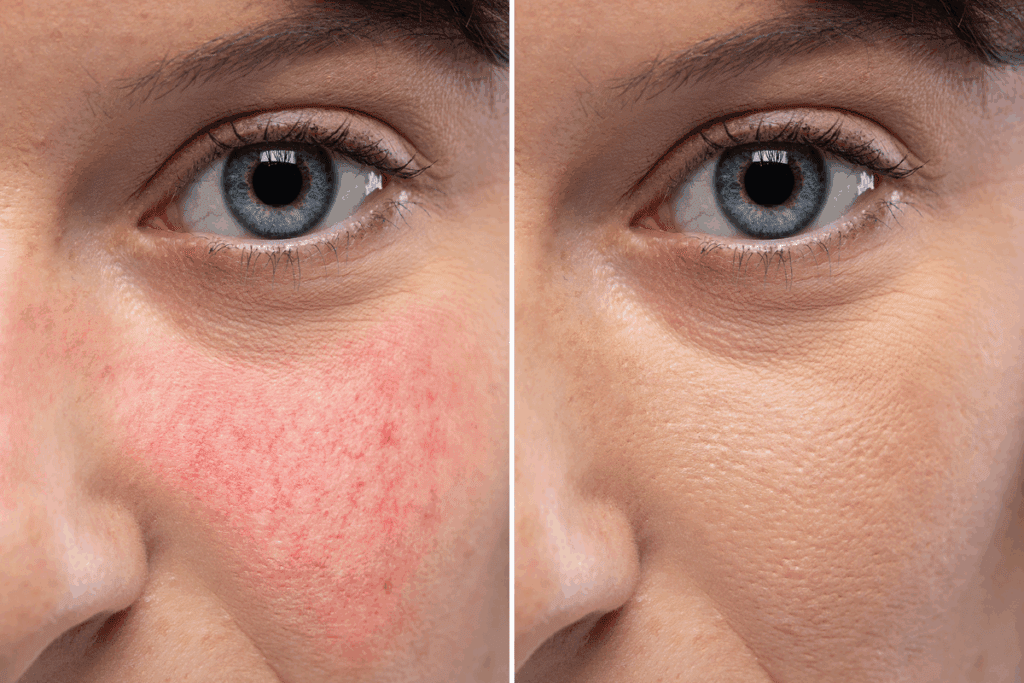
Pars Plana Vitrectomy (PPV) is a key surgery for serious eye problems. It lets doctors treat the back part of the eye. This is done by removing the vitreous gel.
Definition and Basic Concept
Pars Plana Vitrectomy is a surgery to remove the vitreous gel from the eye. It’s done by making three small micro-incisions in the eye. These incisions are in the pars plana area.
This surgery helps fix problems like retinal detachments and macular holes. It removes the vitreous gel to treat these issues.
Historical Development by Robert Machemer
The idea of vitrectomy started in 1969 by David Kasner. But Robert Machemer really made it work. He created the first closed-system setup for PPV.
Machemer’s work changed eye surgery. It made treatments for eye problems more precise and less invasive.
Key aspects of PPV include:
- Access to the posterior segment through the pars plana
- Removal of the vitreous gel to treat retinal conditions
- Use of micro-incisions to minimize trauma
The Anatomy Behind PPV Surgery
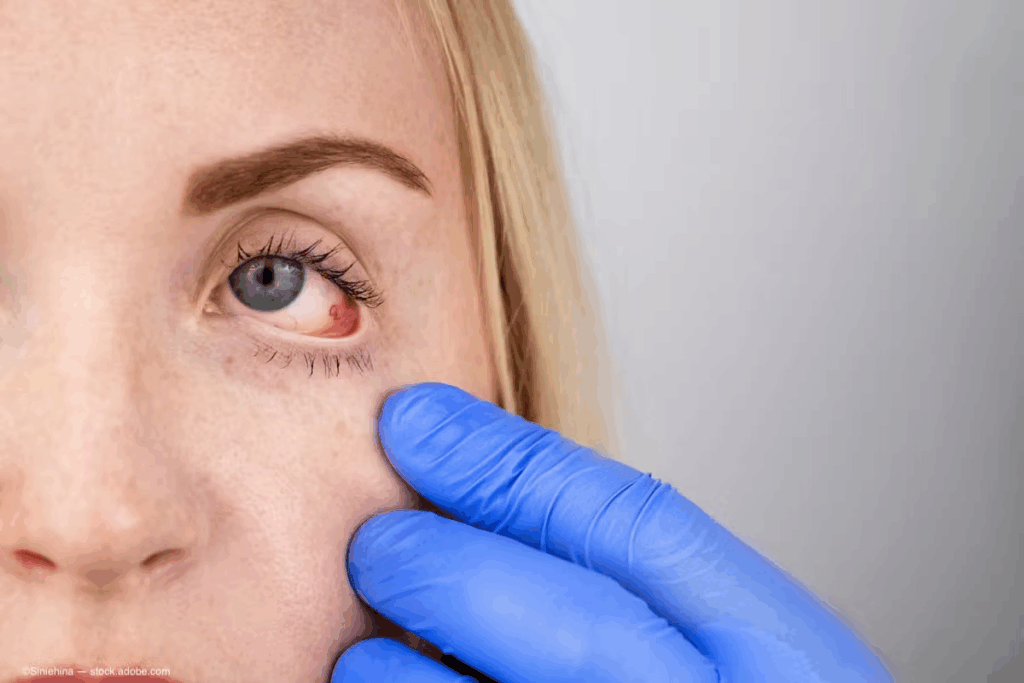
To grasp the complexity of PPV surgery, we must first understand the eye’s anatomy. This includes the vitreous and retina. The eye is a complex organ with many parts working together to help us see.
Understanding the Vitreous and Retina
The vitreous is a jelly-like substance in the back of the eye. It keeps the eye’s shape and lets light reach the retina. The retina is at the back of the eye and is key for turning light into signals for the brain.
As we age, the vitreous can shrink and pull away from the retina. This can cause tears or detachment. Knowing how the vitreous and retina work together is key to understanding why PPV surgery is sometimes needed.
The Pars Plana: Why This Access Point Matters
The pars plana is a safe spot between the pars plicata and the ora serrata. It’s chosen for PPV surgery because it’s less likely to harm other important eye parts.
Anatomical Structure | Function | Relevance to PPV Surgery |
Vitreous | Fills the back of the eye, maintaining its shape | Removed during PPV to access the retina |
Retina | Converts light into signals for the brain | Repaired or treated during PPV surgery |
Pars Plana | Safe access point between pars plicata and ora serrata | Used for instrument entry during PPV |
Understanding the anatomy of PPV surgery helps patients see the complexity of this advanced technique. Knowing about the vitreous, retina, and pars plana is essential for the surgery’s success.
Common Conditions Requiring PPV Eye Operation
The Pars Plana Vitrectomy (PPV) procedure helps treat serious eye problems. These problems can cause vision loss if not treated. PPV is a key surgery for many eye diseases.
Retinal Detachment
Retinal detachment is a serious issue where the retina pulls away from the eye. It can lead to severe vision loss if not treated quickly. PPV surgery is often used to repair retinal detachments by removing the vitreous gel and any blood or scar tissue that may be pulling on the retina.
The procedure involves:
- Removing the vitreous gel
- Repairing retinal tears or detachments
- Restoring normal retinal anatomy
Diabetic Vitreous Hemorrhage
Diabetic vitreous hemorrhage is bleeding in the vitreous gel due to diabetes. It can cause sudden vision loss. PPV is used to remove the blood-filled vitreous gel and replace it with a clear solution to restore vision.
The benefits of PPV for diabetic vitreous hemorrhage include:
- Clearing the visual axis
- Removing vitreoretinal traction
- Allowing for better management of diabetic retinopathy
Macular Holes and Epiretinal Membranes
Macular holes are small breaks in the macula, the part of the retina responsible for central vision. Epiretinal membranes are layers of fibrous tissue that form on the surface of the retina. Both conditions can cause distorted and blurred vision.
PPV surgery is effective in treating these conditions by:
- Removing the epiretinal membrane or closing the macular hole
- Relieving vitreoretinal traction
- Improving or stabilizing vision
By addressing these conditions, PPV surgery can significantly improve the quality of life for patients by restoring or preserving their vision.
The PPV Eye Operation: Step-by-Step Procedure
Learning about the PPV surgery step by step can ease worries. It gives a clear view of what happens during this detailed procedure.
Pre-Surgical Preparation
Before starting the PPV eye operation, careful preparation is key. We check the patient’s health and eye condition thoroughly. We also do all needed tests to understand the eye’s retinal health.
The surgical team gets the vitrectomy machine and other tools ready. This careful setup helps avoid problems and makes the surgery go smoothly.
The Three Micro-Incisions Approach
The PPV surgery makes three small cuts in the sclera, the eye’s white part. These cuts let us use special tools in the vitreous space. The three micro-incisions approach is a modern PPV surgery feature. It makes the surgery less invasive and safer for the eye.
Key Surgical Instruments and Their Functions
Many important tools are used in the PPV eye operation. Each tool has a specific job. The vitrectomy machine is key, as it sucks and cuts out the vitreous gel. Other vital tools include:
- The infusion cannula, which keeps the eye’s pressure right by adding a balanced salt solution.
- The endoillumination light source, which shines light inside the eye. This lets the surgeon see the retina and vitreous well.
- The vitreous cutter, a precise tool for cutting and removing the vitreous gel.
These tools work together to make the PPV surgery a success. They help the surgeon treat different eye problems well.
Evolution of PPV Instrumentation
PPV instrumentation has seen big changes, making surgery more precise and less invasive. Newer gauge systems are key to these advancements.
From 20-Gauge to 27-Gauge Systems
The move from 20-gauge to smaller systems like 23-gauge, 25-gauge, and 27-gauge has been a big step forward. Smaller gauge instruments cause less damage to the eye. This leads to less pain and quicker healing for patients.
Switching to smaller systems has not only helped patients but also made surgery better. These smaller tools let surgeons work more carefully inside the eye. This could lower the chance of problems during surgery.
Benefits of Smaller Gauge Instruments
Using smaller gauge instruments in PPV surgery brings many advantages:
- Reduced trauma to the eye, leading to less swelling and quicker healing.
- Less post-operative discomfort for patients, making their experience better.
- Faster recovery times, letting patients get back to their daily lives sooner.
- Improved surgical precision, enabling more detailed and delicate surgeries.
As we keep improving PPV instrumentation, we’ll see more minimally invasive surgery. This will lead to even better results for patients having vitreoretinal surgery.
What to Expect Before Your PPV Eye Surgery
Understanding what happens before your PPV eye surgery is key. It can greatly improve your experience and recovery. We aim to make sure you know what to expect.
Consultation and Diagnostic Tests
Your first step is a meeting with a retina specialist. We’ll talk about your condition and do tests to check your retina and vitreous. Optical coherence tomography (OCT) and ultrasound help us see how your retina is doing and if there are any issues.
These tests are important for:
- Checking how bad the retinal detachment or other problems are
- Finding the best way to do the surgery
- Looking for any possible problems
Preparation Instructions for Patients
After the tests, you’ll get specific instructions for getting ready for surgery. You might need to:
- Change your medication: We might ask you to stop or change some medicines that could affect the surgery or healing.
- Follow pre-operative care: You’ll get advice on how to take care of your eye before surgery, like hygiene tips.
- Plan for after surgery: It’s a good idea to have someone with you on surgery day and help you when you’re first recovering.
By following these steps, you’ll be ready for a successful surgery and a quick recovery. If you have any questions or worries, please talk to your healthcare provider.
Recovery and Post-Operative Care
The journey to full recovery after PPV eye surgery is important. You need to follow your surgeon’s instructions carefully. This helps you heal well and get the best results.
Immediate Post-Surgery Experience
After PPV surgery, you might feel some discomfort and see things blurry. This is okay. Rest and avoid hard activities right after surgery. Your eye might be covered to protect it while it heals.
Follow-Up Appointments and Medications
Seeing your retina specialist regularly is key. They check how you’re healing and adjust your meds if needed. Stick to your meds to avoid infection and reduce swelling. You’ll likely get eye drops to help your eye heal.
- Go to all your follow-up appointments
- Use your eye drops as told
- Tell your doctor if you notice anything odd
Activity Restrictions and Recovery Timeline
Following activity restrictions is important for a smooth recovery. Avoid heavy lifting, bending, and hard activities to prevent problems. Recovery times vary, but most people can get back to normal in a few weeks. Here’s a rough guide:
- First 24-48 hours after surgery: Rest and avoid hard activities
- First week: Start with light activities
- 2-4 weeks: You can do normal things, like drive and do light exercise
- 6-8 weeks: You’re fully recovered and can do everything again
By following your post-operative care instructions and going to your follow-ups, you can get the best results from PPV surgery.
Success Rates and Outcomes of PPV Surgery
PPV surgery is known for its high success rate in treating complex eye problems. It has seen big improvements, making it a top choice for many patients. This is true for those with different eye conditions.
The success of PPV surgery depends on many things. This includes the eye problem being treated and the patient’s eye health. Things like how severe the problem is, any other health issues, and the surgery method used are key.
Factors Affecting Surgical Success
Several factors help decide if PPV surgery is successful. These include:
- The surgeon’s skill and experience
- The surgery method and tools used
- The patient’s health before surgery
- How well the patient follows up after surgery
For example, fixing retinal detachments with PPV works about 85-90% of the time with just one surgery. This shows how well PPV works for complex retinal detachments.
Long-term Visual Outcomes
How well patients see after PPV surgery can vary. Many see a big improvement, but how much depends on the eye problem and any complications.
Patients with diabetic eye bleeding or macular holes often see a big improvement. This shows how PPV surgery and aftercare have gotten better.
In summary, PPV surgery has high success rates and good results for many eye problems. Knowing what affects success and outcomes helps us meet patient expectations and improve treatment.
Alternatives to PPV and When They’re Appropriate
Pars Plana Vitrectomy (PPV) is a top choice for treating many eye problems. But, there are other ways to treat these issues. The right treatment depends on the eye problem, how bad it is, and the patient’s health.
Non-Surgical Treatment Options
Not every eye problem needs surgery. Non-surgical treatments work well for some issues, mainly in the early stages. Here are a few:
- Observation: If the problem isn’t severe or doesn’t hurt your vision much, watching it might be best.
- Laser Photocoagulation: This uses a laser to fix problems like diabetic retinopathy or retinal tears.
- Intravitreal Injections: Medicines are injected into the eye to treat issues like macular edema or age-related macular degeneration.
These non-surgical methods can help manage some eye problems. They might even keep surgery out of the picture.
Other Surgical Approaches
For some eye problems, other surgeries might be better than PPV. Here are a few:
- Scleral Buckling: This surgery puts a flexible band around the eye to fix retinal detachments.
- Pneumatic Retinopexy: A simple procedure where a gas bubble is put in the eye to fix retinal detachments.
- Laser-Assisted Procedures: Some problems can be treated with laser surgery alone, without needing a vitrectomy.
These other surgeries can be good solutions for certain eye problems. Choosing between them and PPV depends on the patient’s condition and the doctor’s advice.
Conclusion: The Future of PPV Eye Surgery
PPV surgery is getting better, thanks to new tools and techniques. This means safer and more effective treatments for eye problems. It’s opening up new ways to help people with different eye conditions.
New gadgets and better ways to see inside the eye are on the horizon. These will help doctors do their jobs better. They will be able to treat more patients with more accuracy.
PPV surgery is becoming even more important for eye care. As technology keeps improving, it will keep helping people with eye diseases. It’s a bright future for those needing this surgery.
FAQ
What is Pars Plana Vitrectomy (PPV) surgery?
PPV is a surgery that lets doctors reach the back of the eye. It’s used to fix problems like retinal detachments, bleeding in the eye, and macular holes.
What conditions are typically treated with PPV eye surgery?
PPV helps with many eye issues. These include retinal detachment, bleeding from diabetes, macular holes, and membranes on the retina.
How is PPV surgery performed?
The surgery starts with getting ready for it. Then, three small cuts are made to get to the vitreous. Special tools are used to remove the gel and fix the eye problems.
What is the pars plana, and why is it used as an access point in PPV surgery?
The pars plana is a safe spot for tools during PPV. It helps avoid damaging other parts of the eye.
What are the benefits of smaller gauge instruments in PPV surgery?
Smaller tools cause less damage to the eye. This means patients recover faster and feel more comfortable.
What should I expect before undergoing PPV eye surgery?
Before surgery, you’ll see a retina specialist. They’ll do tests to check your eye and give you surgery prep instructions.
What is the recovery process like after PPV surgery?
After surgery, you might feel some pain and see blurry. You’ll need to avoid heavy lifting and bending to stay safe.
What are the long-term visual outcomes of PPV surgery?
How well you see after surgery depends on your condition. Many people see a big improvement in their vision.
Are there alternative approaches to PPV surgery?
Yes, there are other treatments. For some problems, like early macular holes or bleeding, you might not need surgery. Other surgeries might also be options.
How has PPV surgery evolved over time?
PPV has gotten better with new tools. Now, we use smaller systems that are safer and work better. We’re always looking for ways to make it even better.
References
National Health Service (NHS). Pars Plana Vitrectomy: Guide to Understanding Eye Surgery. Retrieved from https://www.nhs.uk/conditions/vitrectomy/