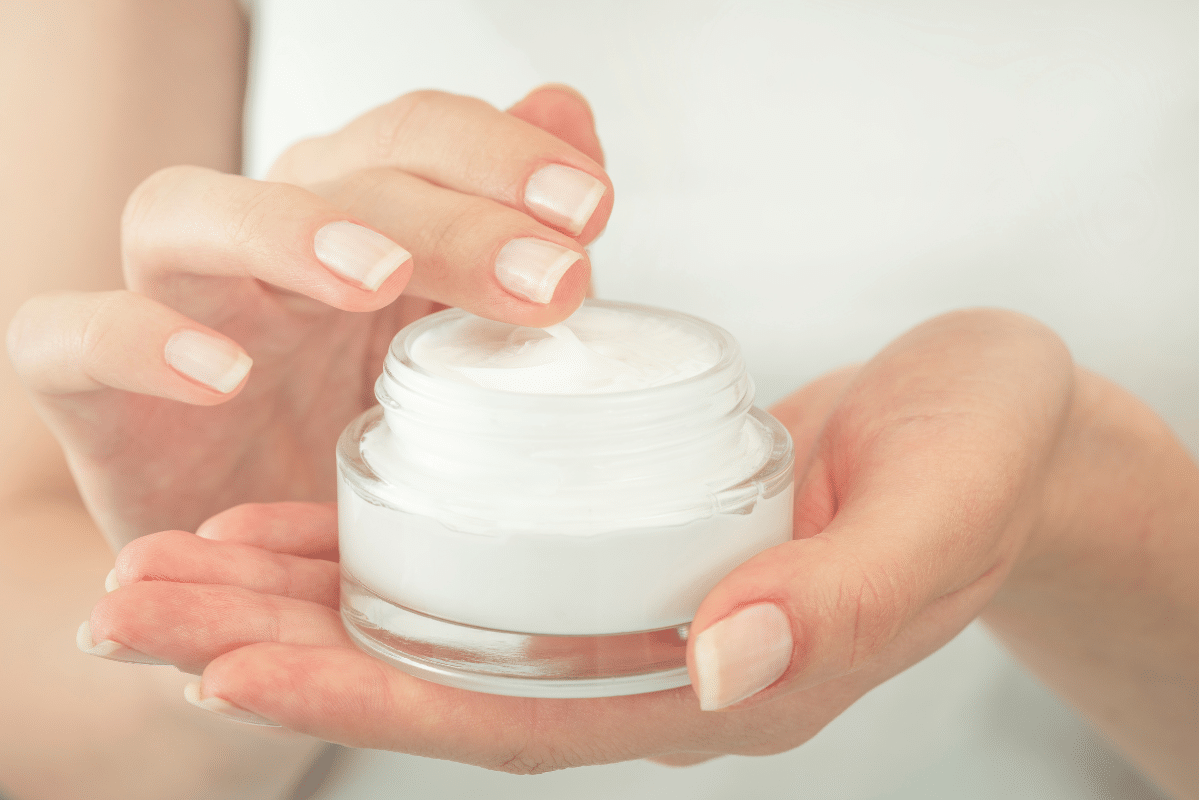
Guide on safely using topical anti inflammatory creams (NSAIDs or corticosteroids) for relief from skin inflammation and pain.
Skin inflammation can really disrupt our daily lives. It affects people of all ages, from babies to adults. Topical anti-inflammatory creams are a targeted solution. They apply medicine directly to the problem areas, avoiding side effects in the rest of the body.
These creams are favored by dermatologists and supported by lots of research. They help lessen redness, swelling, and inflammation. They also help the skin heal. For those dealing with eczema, dermatitis, or other skin issues, finding the right cream is key to feeling better and more confident.
Key Takeaways
- Topical creams provide targeted relief for skin inflammation.
- They reduce redness, swelling, and inflammation.
- Dermatologists trust and recommend these creams.
- Effective management of eczema and dermatitis is possible with the right cream.
- Clinical research supports the use of topical anti-inflammatory creams.
Understanding Skin Inflammation and Its Impact
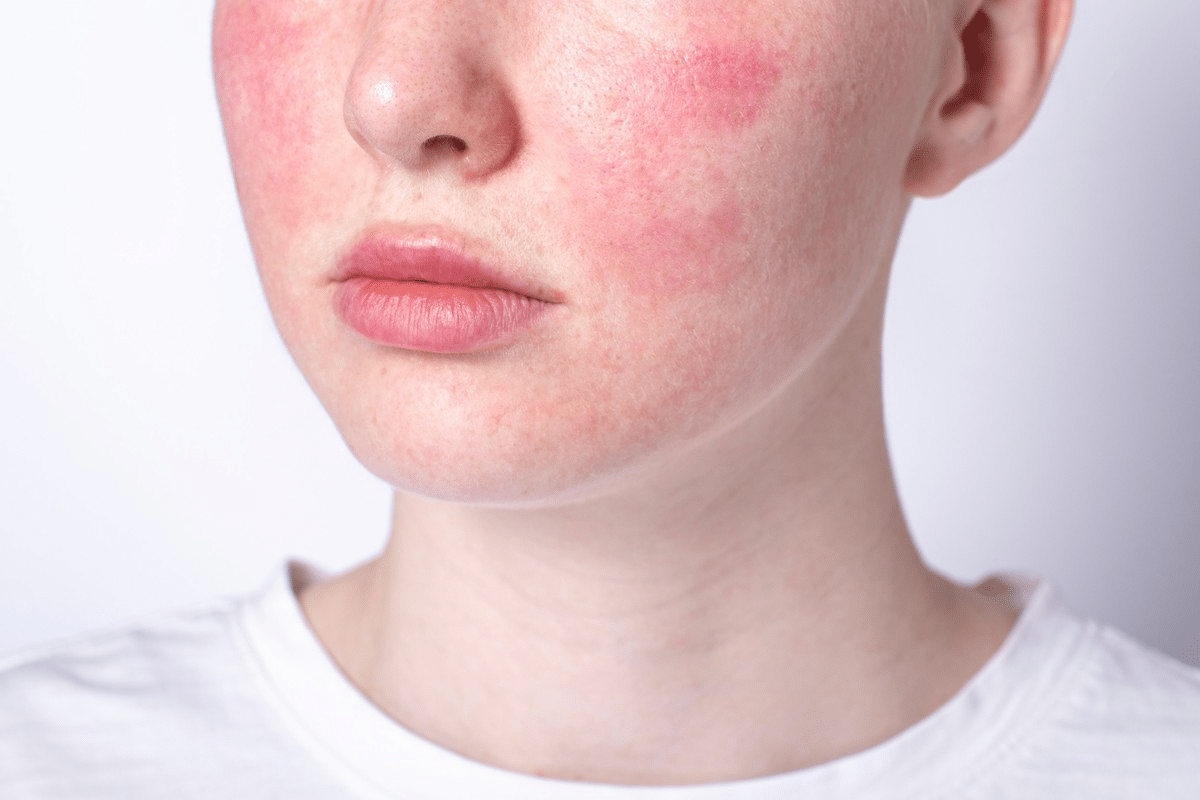
It’s important to know what causes and affects skin inflammation. This condition can take many forms and affects millions globally.
Common Inflammatory Skin Conditions
Many skin disorders fall under the category of inflammation. These include eczema, psoriasis, and dermatitis. They cause redness, swelling, and sometimes pain.
Eczema, or atopic dermatitis, is very common. It affects both kids and adults. Symptoms like itching, dryness, and irritation are common.
The Inflammatory Response in Skin
The skin’s inflammation is a natural defense. It happens when the skin meets allergens, irritants, or pathogens. Chemicals are released to attract immune cells, causing inflammation.
This defense can go wrong in chronic conditions. It leads to ongoing inflammation and damage. Knowing this helps in finding treatments, like anti-inflammatory topicals.
Prevalence Statistics (Including Eczema)
Eczema is widespread, affecting up to 20% of infants and 5% of adults worldwide. Other conditions like psoriasis also impact millions.
These conditions do more than just harm the skin. They also affect mental health and daily life. Using inflammatory creams and other treatments can help improve lives.
The Evolution of Topical Anti-Inflammatory Treatments

Topical anti-inflammatory treatments have changed a lot over the years. For over 70 years, corticosteroids have been key in treating inflammatory skin issues. They have helped millions of people worldwide.
Historical Development
Corticosteroids were a big step forward in treating inflammatory skin conditions. Over time, they have gotten better and safer.
Recent studies from 2024 show that corticosteroids are as effective as ever. They also highlight new treatments that are coming up. Understanding the history of these treatments helps us see how far we’ve come.
Recent Advances in Treatment Options
New treatments like JAK inhibitors and phosphodiesterase-4 inhibitors have been introduced. These offer different ways to fight inflammation. They give hope to those who don’t get better with traditional treatments.
JAK inhibitors have shown great promise in trials. They target inflammation directly. Phosphodiesterase-4 inhibitors also work well for some skin conditions.
2024 Research Findings on Effectiveness
Studies from 2024 have given us new insights into these treatments. They compare old and new treatments. This gives us a clear picture of what works best now.
|
Treatment |
Efficacy Rate |
Common Use |
|---|---|---|
|
Corticosteroids |
80-90% |
Eczema, Dermatitis |
|
JAK Inhibitors |
70-85% |
Rheumatoid Arthritis, Psoriasis |
|
Phosphodiesterase-4 Inhibitors |
75-80% |
Psoriasis, Atopic Dermatitis |
This table shows how well different treatments work. It shows we have many options for fighting inflammation in the skin.
Types of Topical Anti-Inflammatory Medications
Understanding the different types of topical anti-inflammatory medications is key to managing skin inflammation. These medications have various active ingredients and work in different ways. They are suited for different skin conditions.
Corticosteroids: The Gold Standard
Corticosteroids have been a mainstay in treating skin inflammation for years. They mimic the body’s cortisol hormone to reduce inflammation and calm the immune system. Corticosteroids come in different strengths, making them useful for many skin issues.
Calcineurin Inhibitors (Tacrolimus, Pimecrolimus)
Calcineurin inhibitors are great for sensitive areas like the face and neck. They are gentler than corticosteroids. Tacrolimus and pimecrolimus work by stopping T-lymphocytes from causing inflammation.
JAK Inhibitors: The Newest Innovation
JAK inhibitors are a new type of medication for skin inflammation. They block the JAK pathway, which is part of the body’s inflammatory response. JAK inhibitors offer a new way to fight inflammation, even when other treatments don’t work.
Phosphodiesterase-4 Inhibitors
Phosphodiesterase-4 (PDE-4) inhibitors are another option for treating inflammation. They stop the PDE-4 enzyme from causing inflammation. This helps with conditions like psoriasis and atopic dermatitis.
Diclofenac is a nonsteroidal anti-inflammatory drug (NSAID) that works as a COX-2 inhibitor. It blocks an enzyme that causes pain and inflammation. Knowing about these different types helps healthcare providers and patients find the best treatment.
How Topical Anti-Inflammatory Creams Work
Topical anti-inflammatory creams are effective because they can get into the skin and change how it reacts to inflammation. They aim to tackle the main causes of skin inflammation. This helps to ease symptoms and aid in healing.
Skin Penetration Mechanisms
These creams get through the skin’s layers to find and reduce inflammation. The outer skin layer, the stratum corneum, can block some treatments. But, new formulas use ingredients that can easily get past this barrier.
For example, Voltaren gel can go deep into the skin to help with joint pain and stiffness. This deep action is key to reducing inflammation effectively.
Cellular and Molecular Targets
After getting into the skin, these creams work on different parts of cells and molecules. They target enzymes, receptors, and pathways that cause inflammation.
Corticosteroids, a common type of cream, bind to specific receptors. This stops the production of substances that cause inflammation. This leads to less swelling and inflammation.
Reducing Inflammatory Pathways
These creams block important molecules in the inflammatory process. They stop the production of substances like prostaglandins and leukotrienes. These are made from arachidonic acid and cause inflammation.
|
Mechanism |
Effect |
Example |
|---|---|---|
|
Inhibition of pro-inflammatory cytokines |
Reduced inflammation |
Corticosteroids |
|
Blocking of prostaglandin synthesis |
Decreased pain and swelling |
NSAIDs like Voltaren gel |
|
Modulation of immune response |
Reduced immune-mediated inflammation |
Calcineurin inhibitors |
Understanding how these creams work helps us see their importance in treating inflammatory skin conditions. It also helps us pick the right treatment for our needs.
Choosing the Right Formulation for Your Needs
Topical anti-inflammatory treatments come in many forms. Each is made for different skin needs and conditions. This variety lets people pick the best product for their skin type and preferences.
Creams: Balanced Absorption and Hydration
Creams are a favorite for treating inflammation. They absorb well and keep the skin hydrated. They’re less oily than ointments and work well for daytime use on mildly inflamed areas.
Ointments: Maximum Potency and Occlusion
Ointments lock in moisture and protect the skin. They’re stronger than creams and great for dry skin or when you need extra protection. Use them at night or on very dry areas.
Gels and Solutions: For Hairy Areas
Gels and solutions are perfect for hairy spots or if you don’t like greasy textures. They soak in quickly and don’t leave a sticky feel. They’re great for the scalp or other hairy areas.
Sprays and Foams: Convenience for Large Areas
Sprays and foams are easy to use on big areas of the body. They spread evenly and are less messy than creams or ointments. Sprays are handy for covering large areas or hard-to-reach spots.
Knowing what each type does helps you pick the right treatment. This ensures you get the best product for your specific needs.
Potency Classifications and Selection Guidelines
Topical anti-inflammatory creams vary in potency. Choosing the right one is essential for effective treatment. The cream’s potency greatly affects its ability to treat different inflammatory skin conditions.
Ultra-High and High Potency Options
Ultra-high and high potency creams are for severe cases that don’t respond to weaker treatments. They often contain corticosteroids and work well for severe eczema or psoriasis.
Examples of Ultra-High Potency Creams:
- Clobetasol propionate 0.05%
- Halobetasol propionate 0.01%
Moderate Potency Formulations
Moderate potency creams are for less severe conditions or long-term use. They strike a balance between being effective and safe.
Examples of Moderate Potency Creams:
- Triamcinolone acetonide 0.1%
- Fluocinolone acetonide 0.025%
Low Potency Choices
Low potency creams are good for mild cases, sensitive areas, or for kids and the elderly. They have fewer side effects but might not work as well for severe cases.
Examples of Low Potency Creams:
- Hydrocortisone 1%
- Desonide 0.05%
Matching Potency to Condition Severity
Choosing the right potency depends on the condition’s severity, where it is, and the patient’s health. It’s about finding the right balance for effective treatment.
|
Condition Severity |
Recommended Potency |
Examples of Conditions |
|---|---|---|
|
Mild |
Low Potency |
Mild eczema, minor irritations |
|
Moderate |
Moderate Potency |
Eczema flare-ups, moderate psoriasis |
|
Severe |
High or Ultra-High Potency |
Severe psoriasis, resistant eczema |
Understanding potency levels and matching them to condition severity helps healthcare providers give better treatment plans. This approach improves outcomes for patients with inflammatory skin issues.
Step-by-Step Application Guide for Topical Anti-Inflammatory Products
Getting the most out of topical anti-inflammatory treatments starts with how you apply them. It’s important to prepare the skin, use the right techniques, and know about the fingertip unit method.
Preparing the Skin Surface
Before you start, make sure the skin is ready. Clean the area with mild soap and lukewarm water. Then, dry it gently with a clean towel. Stay away from harsh soaps and hot water to keep the skin’s natural oils.
Key steps in preparing the skin surface include:
- Cleansing the area gently
- Patting dry with a clean towel
- Avoiding harsh soaps and hot water
Proper Application Techniques
After preparing the skin, apply the product correctly. Use the right amount and rub it in until it’s fully absorbed.
Proper application techniques are key for getting the most from the product. Always follow the instructions and talk to a healthcare provider if you’re unsure.
Steps for proper application include:
- Dispensing the correct amount of product
- Gently rubbing it into the skin
- Ensuring it’s fully absorbed before applying other products
The Fingertip Unit Method
The fingertip unit (FTU) method makes measuring easy. It’s the amount of cream or ointment that covers the tip of an adult’s index finger.
Using the FTU method helps in:
- Ensuring the correct dosage is applied
- Avoiding under or over-application
- Maximizing the effectiveness of the treatment
By following these steps and understanding the importance of proper application, you can get the most out of topical anti-inflammatory products. This helps manage skin conditions effectively.
Special Considerations for Different Body Regions
Anti-inflammatory creams don’t work the same for every part of the body. Each area has its own needs. It’s important to know these to get the best results and avoid side effects.
Face and Neck Application
The skin on your face and neck is very sensitive. When using anti-inflammatory creams, pick ones that are fragrance-free and hypoallergenic. This helps avoid irritation.
Be careful not to put the cream near your eyes. Also, avoid using products with corticosteroids too much, as they can make your skin thin.
The neck gets stressed from the environment and clothes. Use gentle application and watch for any bad reactions.
Treating Trunk and Extremities
The trunk and extremities need stronger treatments because they’re bigger. Make sure to cover the area well. But be careful not to absorb too much of the cream.
For areas like elbows and knees, you might need stronger creams or dressings. This helps the cream get through the skin better.
Sensitive Areas (Groin, Armpits, Eyelids)
Be extra careful when using anti-inflammatory creams on sensitive areas. The skin here is thin and can easily get irritated. Use gentle, low-potency creams and apply them sparingly.
When using creams on your eyelids, be very careful. This is because corticosteroids can cause serious eye problems like glaucoma or cataracts.
Scalp Treatment Strategies
Dealing with scalp inflammation needs special care. Scalp-specific products like medicated shampoos work better than regular creams.
Think about your hair density and how your scalp might react. Massaging the product into your scalp helps it work better.
Knowing what each body part needs helps us use anti-inflammatory creams better. This way, we get safer and more effective treatments.
Managing Topical Anti-Inflammatory Use in Special Populations
Using topical anti-inflammatory creams on pregnant women and children needs a careful look. These groups, like kids, seniors, and pregnant or nursing moms, must be treated with extra care. This ensures safe and effective treatment.
Pediatric Considerations for Eczema and Other Conditions
Children’s skin absorbs more from topical corticosteroids, which can cause side effects. It’s key to pick the least strong cream and watch their growth and health. A study showed mild creams work better for kids with eczema without as many side effects.
|
Age Group |
Recommended Potency |
Monitoring Parameters |
|---|---|---|
|
0-3 years |
Low potency |
Growth rate, skin condition |
|
4-12 years |
Moderate potency |
Height, weight, adrenal function |
Geriatric Skin Concerns
Older people’s skin is thinner and can bruise or tear easily. When using creams on seniors, watch for skin thinning and drug interactions. They might do better with lower strength creams to avoid side effects.
Pregnancy and Lactation Safety
Topical anti-inflammatory creams need careful thought during pregnancy and nursing. Even though they’re usually safe, avoid strong creams, mainly in the first three months. Using them too late in pregnancy can harm the baby. Nursing moms should not apply these creams on their breasts to keep the baby safe.
Always talk to a doctor before using these creams during pregnancy or nursing. They can help decide if the benefits are worth the risks.
Potential Side Effects and Safety Measures
Using topical anti-inflammatory creams needs you to know about side effects and safety. These creams are usually safe and work well. But, they can cause problems for some people.
Common Local Side Effects
Local side effects are common with these creams. They might include:
- Skin irritation, like redness, itching, or burning
- Dryness or thinning of the skin
- Acne or folliculitis
- Changes in skin pigmentation
About 1 in 20 people might get a mild, temporary skin reaction. It’s important to watch how your skin reacts and change your treatment if needed.
Systemic Absorption Concerns
Topical anti-inflammatory creams are meant for local use. But, they can be absorbed into the body, which is a concern. This can happen with long-term use or if you apply it over a big area. Systemic absorption can cause serious issues, like:
- Hormonal imbalances
- Immune system suppression
- Effects on growth and development in children
Following the recommended dosage and application guidelines can help avoid systemic absorption.
Strategies to Minimize Adverse Effects
To make topical anti-inflammatory creams safer and more effective, try these strategies:
- Use the cream as directed by your healthcare provider or the product label.
- Avoid applying it to sensitive areas or broken skin.
- Only use it for the recommended time.
- Watch your skin for any bad reactions.
When to Discontinue or Seek Medical Advice
If you have severe or lasting side effects, stop using the cream and talk to your doctor. Also, seek medical advice if you see:
- Worsening of your condition
- Signs of infection
- Unusual changes in your skin
Your healthcare provider can help find other treatments or adjust your current one to keep you safe and effective.
Combining Topical Anti-Inflammatory Treatments with Complementary Therapies
We can make topical anti-inflammatory treatments work better by adding complementary therapies. This mix can help manage skin inflammation better and lead to better results for patients.
Moisturizers and Barrier Repair Products
Moisturizers are key in keeping the skin’s barrier strong, which is often weak in inflammatory skin conditions. Using moisturizers with anti-inflammatory treatments can make the treatment more effective and lower the chance of irritation.
- Hydration: Moisturizers keep the skin moist, which helps lessen dryness and itchiness from inflammation.
- Barrier Repair: Some moisturizers have ingredients that fix the skin’s barrier. This makes the skin more resistant to irritants and less inflamed.
Antimicrobial Combinations for Infected Inflammation
When skin inflammation is also infected, using anti-inflammatory treatments with antimicrobial agents is helpful.
Benefits of Antimicrobial Combinations:
- It reduces the chance of infection spreading.
- It makes the anti-inflammatory treatment more effective.
- It helps the skin heal faster.
Integrating with Systemic Treatments
For severe or widespread skin inflammation, systemic treatments might be needed. Using these with topical anti-inflammatory treatments offers a full care plan.
Key Considerations:
- Watch for drug interactions.
- Adjust dosages as needed.
- Regular check-ups to see how well the treatment is working.
Non-Pharmacological Approaches
- Changing your diet to fight inflammation.
- Stress management techniques.
- Staying away from known irritants and allergens.
Conclusion: Creating an Effective Skin Inflammation Management Plan
Managing skin inflammation well means knowing the treatments and using them right. Topical anti-inflammatory creams are a great option. They help improve skin health when used correctly.
We’ve looked at how these treatments work, their types, and how to use them. To make a good plan, think about how bad the inflammation is, where it is, and what the person needs.
Using creams with other treatments like moisturizers can help more. This way, people can get better results and live better lives.
Creating a good plan for skin inflammation needs a personal touch. Working with doctors and using creams as part of a bigger plan helps. This way, people can control their inflammation and keep their skin healthy.
FAQ
What are topical anti-inflammatory creams used for?
Topical anti-inflammatory creams help manage skin conditions like eczema, dermatitis, and psoriasis. They reduce inflammation, itching, and redness.
How do topical anti-inflammatory creams work?
These creams penetrate the skin to target the causes of inflammation. They reduce inflammation and help the skin heal.
What are the different types of topical anti-inflammatory medications available?
There are several types, including corticosteroids, calcineurin inhibitors, JAK inhibitors, and phosphodiesterase-4 inhibitors. Each works differently and has varying strengths.
How do I choose the right formulation for my skin condition?
The right choice depends on your skin condition, where it is, and what you prefer. Creams offer balanced absorption and hydration. Ointments provide more potency and protection.
What is the fingertip unit method, and how is it used?
The fingertip unit method helps measure the right amount of cream or ointment. It’s about applying enough to cover the tip of your index finger to the first crease, which is about 0.5 grams.
Can topical anti-inflammatory creams be used on sensitive areas like the face and eyelids?
Yes, but with care. Choose a gentle, face-friendly formulation. Follow specific application guidelines to avoid side effects.
Are topical anti-inflammatory creams safe for use during pregnancy and breastfeeding?
Safety depends on the medication and its strength. Always talk to a healthcare provider before using these creams during pregnancy or breastfeeding.
What are the possible side effects of using topical anti-inflammatory creams?
Side effects can include skin thinning, redness, and irritation. Systemic absorption might happen with long-term use of strong creams.
Can I combine topical anti-inflammatory creams with other treatments?
Yes, mixing these creams with moisturizers, antimicrobial treatments, and systemic treatments can improve their effectiveness. It offers a more complete treatment plan for inflammatory skin conditions.
How can I minimize the risk of side effects when using topical anti-inflammatory creams?
Follow application guidelines, use the right strength for your condition, and avoid long-term use without a doctor’s advice.
References
World Health Organization. Evidence-Based Medical Guidance. Retrieved from https://www.who.int/news-room/fact-sheets/detail/eczema-(atopic-dermatitis)