

Diagnosing lupus can be tough because of its complex symptoms. Blood tests are key in finding this autoimmune disease. At Liv Hospital, we know how important it is to get a correct diagnosis and care for lupus patients. Blood tests help find specific antibodies and markers linked to lupus.is there a test for lupusCan a Blood Test for Carpal Tunnel Confirm It?
The Antinuclear Antibody (ANA) test is the main tool for screening lupus. About 95-98% of lupus patients test positive for ANA. Our team uses clinical checks, medical history, and lab results to give a precise diagnosis and a treatment plan that fits each patient.
Key Takeaways
- Blood tests are essential for diagnosing lupus.
- The ANA test is the primary screening tool for lupus diagnosis.
- Liv Hospital offers complete laboratory evaluation and clinical expertise.
- A mix of clinical evaluation and lab tests ensures accurate diagnosis.
- Personalized treatment plans are made based on each patient’s needs.
Understanding Lupus and the Role of Blood Tests

Lupus is a chronic autoimmune disease that affects many parts of the body. It’s hard to diagnose because it can cause different symptoms in different people. This makes it tricky to figure out what’s going on.
What is Lupus and Why is Diagnosis Challenging?
Lupus happens when the body’s immune system attacks its own tissues. Symptoms can include joint pain, skin rashes, and kidney issues. These symptoms can also show up in other diseases, making lupus hard to diagnose.
Lupus can affect different parts of the body at different times. This means doctors have to think about many possibilities when trying to diagnose it.
The Importance of Laboratory Testing in Lupus Diagnosis
Blood tests are key in diagnosing lupus. They help find specific antibodies and markers linked to the disease. The Antinuclear Antibody (ANA) test is often used because most lupus patients test positive for ANA.
Other tests, like those for anti-dsDNA and anti-Sm antibodies, are also important. They help doctors understand how severe the disease is and how it’s changing over time.
By using both clinical exams and lab tests, doctors can make a more accurate diagnosis. This helps them create a better treatment plan for lupus patients.
The Antinuclear Antibody (ANA) Test: Primary Screening Tool
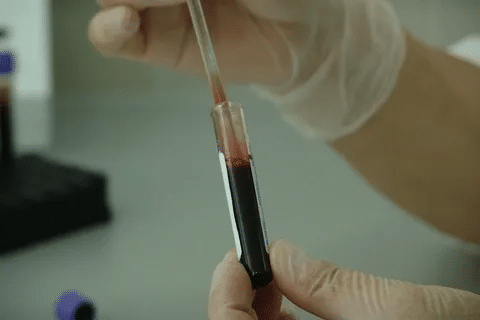
Lupus diagnosis often starts with the Antinuclear Antibody (ANA) Test. This blood test looks for specific antibodies. It finds antibodies against the cell nucleus, a sign of autoimmune diseases like lupus.
How the ANA Test Works
The ANA test takes a blood sample. It then checks for antinuclear antibodies. These antibodies target the nucleus of cells, showing autoimmune activity.
Understanding ANA Test Results is key. A positive result doesn’t always mean lupus. Many people with other autoimmune diseases or healthy individuals can also test positive. A negative test makes lupus less likely but doesn’t rule it out.
Interpreting ANA Test Results
Interpreting ANA test results means looking at the titer level and fluorescence pattern. A higher titer shows a stronger autoimmune response. But, the level of ANA doesn’t show how severe the disease is.
|
ANA Titer |
Interpretation |
|---|---|
|
Negative |
Lupus less likely, but not ruled out |
|
Low Positive (1:80 to 1:160) |
May be seen in healthy individuals or those with other autoimmune diseases |
|
High Positive (1:320 or higher) |
More likely associated with autoimmune diseases like lupus |
Limitations of ANA Testing
The ANA test is useful but has its limits. A positive test isn’t enough to diagnose lupus. It can also be positive in other autoimmune diseases, infections, and some medications.
“A positive ANA test is not a diagnosis of lupus; it’s a signal that further testing is needed to determine the cause of the autoimmune activity.”
— Rheumatology Expert
We start with the ANA test, then do more specific tests and clinical checks to diagnose lupus. Knowing how the ANA test works and its limits helps both doctors and patients in the diagnostic journey.
Is There a Test for Lupus? The Truth About Diagnosis
Lupus diagnosis is not simple. It needs a mix of doctor’s checks and lab tests. Many patients want a clear, single test for lupus. But, finding lupus needs a detailed look at many things.
Why No Single Test Can Diagnose Lupus
Lupus is a tricky disease. It shows up differently in everyone. This makes it hard to find a single test to diagnose it.
Here’s why one test isn’t enough:
- Lupus can hit many parts of the body, causing various symptoms.
- It can look different in each person.
- Many lupus symptoms are also seen in other diseases.
The Multi-Test Approach to Lupus Diagnosis
Because lupus is complex, doctors use a mix of methods to diagnose it. This approach helps get a full picture of the patient’s health.
What’s in this mix?
- Doctors check symptoms and do physical exams.
- They look at the patient’s medical history for patterns or past symptoms.
- They use blood tests, like the ANA test, to see if the body is attacking itself.
This way, doctors can make a more accurate diagnosis. It’s important for patients to work with their doctors to get all the information needed.
Key takeaways:
- No single test can definitively diagnose lupus.
- A mix of doctor’s checks, medical history, and lab tests is used.
- This multi-test approach helps doctors make a more accurate diagnosis.
Specific Antibody Tests in the Lupus Diagnostic Panel
Specific antibody tests are key in the lupus diagnostic panel. They help doctors diagnose and manage lupus well. These tests find different autoantibodies linked to lupus. Each one gives unique info about the disease.
Anti-dsDNA Antibodies
Anti-double-stranded DNA (anti-dsDNA) antibodies are a key sign of lupus. They are very specific to the disease and found in about 70% of patients. Anti-dsDNA antibodies show how active the disease is, mainly in the kidneys. We watch these antibodies to see if the kidneys are at risk and adjust treatment as needed.
Anti-Smith (Anti-Sm) Antibodies
Anti-Smith antibodies are another specific marker for lupus. They are present in only about 30% of lupus patients but are very specific. The presence of anti-Smith antibodies helps confirm lupus, even when symptoms are not clear. These antibodies are not directly linked to disease activity but are vital for diagnosis.
Anti-U1RNP Antibodies
Anti-U1RNP antibodies are found in mixed connective tissue disease (MCTD) and lupus. They are linked to symptoms like Raynaud’s phenomenon and swollen hands. While not specific to lupus, these antibodies help in understanding the patient’s immune system, aiding in diagnosis and treatment.
Anti-Ro/SSA and Anti-La/SSB Antibodies
Anti-Ro/SSA and anti-La/SSB antibodies are often found together in lupus patients and are linked to Sjögren’s syndrome. They are associated with symptoms like photosensitivity and neonatal lupus. They are also important when checking the risk of congenital heart block in newborns of mothers with these antibodies.
Understanding these specific antibodies helps us diagnose and manage lupus better. We tailor treatment to meet each patient’s needs.
Complement System Tests for Lupus Assessment
Complement system tests are key in checking lupus activity and how well treatments work. They look at the levels and activity of proteins in the complement system. This system is part of the body’s immune response.
C3 and C4 Complement Proteins
The complement system has several proteins, with C3 and C4 being very important. In people with lupus, these proteins are often low, which happens more during active disease. Testing C3 and C4 levels helps doctors see how active lupus is and if treatments are working.
Low C3 and C4 levels mean the disease is more active and there’s a higher chance of lupus flares. By watching these protein levels over time, doctors can change treatment plans to better control the disease.
CH50 (Total Hemolytic Complement)
The CH50 test is also important. It checks how well the complement system works by seeing if it can break down red blood cells. A low CH50 result means the complement system is not working right, which can happen in active lupus.
Key points about CH50:
- Measures overall complement function
- Low levels suggest complement activation or deficiency
- Useful for assessing disease activity in lupus patients
Interpreting Complement Test Results
Understanding complement test results needs careful thought. Low C3 and C4 levels, along with a low CH50, can mean lupus is active and more severe. But, it’s important to look at these results with other clinical findings and tests.
Doctors look at many things when they interpret these results, including:
- Patient symptoms and medical history
- Results from other lupus-related tests (e.g., ANA, anti-dsDNA)
- Current treatment regimen and response
By combining complement test results with other diagnostic information, doctors can get a better picture of lupus activity. This helps them make informed decisions about treatment.
Inflammatory Markers and General Blood Tests
Inflammatory markers and general blood tests are key in diagnosing and managing lupus. They give insights into the disease’s activity. These tests help doctors understand how severe the inflammation is, track the disease’s progress, and adjust treatments.
C-Reactive Protein (CRP)
C-Reactive Protein (CRP) is made by the liver when there’s inflammation. High CRP levels mean there’s active inflammation in the body, which is common in lupus patients. Testing CRP helps doctors see how much inflammation there is and if treatments are working.
Erythrocyte Sedimentation Rate (ESR)
The Erythrocyte Sedimentation Rate (ESR) shows inflammation levels. It measures how fast red blood cells settle in a test tube. Faster settling means more inflammation. ESR is not specific but helps doctors track lupus activity and treatment success.
Complete Blood Count (CBC) Findings in Lupus
A Complete Blood Count (CBC) checks different parts of blood, like red and white blood cells and platelets. In lupus patients, CBC can show issues like anemia, low white blood cell count, or low platelet count. These findings help diagnose lupus and see how it affects the body.
The following table summarizes the key aspects of inflammatory markers and general blood tests used in lupus assessment:
|
Test |
Purpose |
Significance in Lupus |
|---|---|---|
|
CRP |
Measures inflammation |
Indicates active inflammation |
|
ESR |
Measures inflammation |
Monitors disease activity |
|
CBC |
Evaluates blood components |
Reveals abnormalities like anemia or leukopenia |
Specialized Blood Tests for Lupus Complications
Lupus complications can be found with special blood tests. These tests find problems early. This helps us manage the disease better.
One big problem with lupus is antiphospholipid antibodies. These antibodies can cause blood clots and pregnancy issues. This is called antiphospholipid syndrome (APS).
Antiphospholipid Antibody Tests
Tests for antiphospholipid antibodies are key. They check for three main antibodies. Positive results mean a higher risk of blood clots and pregnancy problems.
It’s also important to watch how lupus affects organs like the kidneys and liver.
Kidney Function Tests
Kidney tests are vital for lupus patients. They check serum creatinine, BUN, and urine for protein or blood. Bad results might show lupus nephritis, a serious issue that needs quick action.
Liver Function Tests
Liver tests are important for lupus patients. They look at ALT, AST, ALP, and bilirubin levels. High liver enzymes can mean inflammation or damage, possibly from lupus or its treatment.
These special blood tests help us understand lupus better. We can then make treatment plans that fit our patients’ needs.
The Lupus Testing Process: What to Expect
Learning about the lupus testing process can help reduce anxiety. When a doctor thinks you might have lupus, they run several tests. These tests help confirm the diagnosis and rule out other conditions. We’ll walk you through what to expect during this time.
Preparing for Lupus Blood Tests
Before getting lupus blood tests, it’s key to know what to do. Some tests need you to fast or avoid certain medicines. Always follow your doctor’s advice to get accurate results.
- Inform your doctor about any medications you’re taking, including supplements and vitamins.
- Follow dietary instructions if you’re required to fast or avoid certain foods.
- Stay hydrated by drinking plenty of water before your blood test.
Understanding Test Timing and Frequency
The timing and how often lupus blood tests are done can change. It depends on your condition and where you are in your diagnosis or treatment. At first, tests might be done more often to set a baseline and watch the disease.
- Initial diagnosis phase: Tests are done to diagnose lupus and see how severe it is.
- Monitoring phase: Regular tests are done to watch how the disease is doing and how well it’s responding to treatment.
- Follow-up phase: Periodic tests are done to catch any flares or complications early.
Following Up After Test Results
After getting your test results, your doctor will talk to you about them. It’s important to understand what your results mean for your diagnosis, treatment, or health.
Key things to talk about with your healthcare provider include:
- The importance of your test results in diagnosing lupus.
- Any changes needed in your treatment plan.
- How to manage your condition through lifestyle or medication changes.
By knowing about the lupus testing process, you can better handle your diagnosis journey. We’re here to support you every step of the way.
Interpreting Your Lupus Lab Results
Understanding lupus lab results is complex. We look at more than just the numbers. We consider your health, medical history, and symptoms too.
What Positive Results Mean (and Don’t Mean)
A positive test for lupus doesn’t always mean you have it. It shows certain antibodies or markers linked to lupus. But, these can also show up in other conditions or in healthy people.
For example, a positive Antinuclear Antibody (ANA) test is common in lupus patients. But, it can also appear in people with other autoimmune diseases or infections.
A negative result doesn’t always mean you don’t have lupus. Some people with lupus might not test positive for certain antibodies, even in the early stages. So, we look at lab results, symptoms, and medical history together to make a diagnosis.
False Positives and False Negatives
False positives happen when a test shows you have something, but you don’t. This can be due to lab errors or other antibodies. On the other hand, false negatives occur when a test shows you don’t have something, but you actually do. This might happen if the test is done too early or if you don’t produce the specific antibodies being tested for.
|
Test Result |
Possible Interpretation |
Next Steps |
|---|---|---|
|
Positive ANA |
Possible lupus or other autoimmune disease |
Further testing (e.g., anti-dsDNA, anti-Sm) |
|
Negative ANA |
Lupus less likely, but not ruled out |
Consider other diagnostic criteria, clinical evaluation |
|
Low complement levels |
Active lupus nephritis or other kidney involvement |
Kidney function tests, renal biopsy |
How Doctors Use Lab Results in Diagnosis
Doctors don’t just look at one lab result when diagnosing lupus. We use a mix of clinical evaluation, medical history, and lab tests. Lab results help us understand the disease’s presence and severity. They guide our treatment choices and help monitor the disease over time.
By carefully looking at your lupus lab results, we can give a more accurate diagnosis. This helps us create a treatment plan that fits your needs.
Monitoring Lupus with Blood Tests: Beyond Diagnosis
Lupus care doesn’t stop after diagnosis. Regular blood tests are key for ongoing care. After a lupus diagnosis, blood tests help doctors track the disease and adjust treatments.
Tracking Disease Activity
Blood tests are vital for tracking lupus activity. Tests for antinuclear antibodies (ANA) and anti-dsDNA antibodies show disease activity levels. High levels mean the disease is active.
Regular tests help doctors adjust treatments to control the disease. By watching antibody levels, doctors can make informed treatment decisions.
Assessing Treatment Effectiveness
Blood tests also check if treatments are working. For example, complement levels (C3 and C4) show if inflammation is being reduced. Low levels mean the disease is active, while normal or rising levels show treatment success.
By regularly checking these markers, doctors can refine treatments for better patient outcomes.
Detecting Flares Before Symptoms Appear
Regular blood tests can spot flares early. Changes in lab results, like rising inflammatory markers (ESR or CRP) or falling complement levels, signal a flare.
Early detection means timely treatment, avoiding severe symptoms and intense treatments. A study showed early flare treatment greatly improves outcomes.
In summary, blood tests are essential for lupus management. They help track disease activity, check treatment success, and spot flares early. This personalized care improves lupus patients’ lives.
Conclusion: The Complete Picture of Lupus Diagnosis
Diagnosing lupus is a detailed process. It includes looking at your medical history and doing various tests. We’ve seen how blood tests play a key role, from the first Antinuclear Antibody (ANA) test to tests for lupus complications.
Blood tests are key in diagnosing lupus. They show if certain antibodies and markers of inflammation are present. A detailed look at lupus bloodwork shows how complex diagnosing this disease can be.
Knowing about the different blood tests helps doctors make better diagnoses. Tests for antiphospholipid antibodies and complement proteins are important. They help doctors create effective treatment plans.
Diagnosing lupus with blood tests isn’t just one test. It’s a set of tests that, together, help doctors understand the disease’s activity and how it’s progressing.
Our guide to diagnosing lupus through blood tests highlights the need for a detailed approach. This is important for managing this complex autoimmune disorder.
FAQ
What blood tests are used to diagnose lupus?
To diagnose lupus, we use several blood tests. These include the Antinuclear Antibody (ANA) test and tests for anti-dsDNA and anti-Smith antibodies. We also check the complement system, like C3 and C4.
Is a positive ANA test definitive for lupus?
A positive ANA test is not enough to confirm lupus. We look at it along with other tests and symptoms to make a diagnosis.
Can lupus be diagnosed with a single blood test?
No, diagnosing lupus requires more than one test. We use a combination of blood tests and clinical evaluations to make a diagnosis.
What is the role of complement system tests in lupus diagnosis?
Tests like C3, C4, and CH50 help us see how active lupus is. They also help us check if treatment is working.
How often are blood tests conducted for lupus diagnosis and monitoring?
Blood tests are done as needed, based on each person’s situation. We test regularly to keep track of the disease and how well treatment is working.
What do inflammatory markers like CRP and ESR indicate in lupus?
CRP and ESR show how much inflammation is in the body. In lupus patients, these markers are often higher.
Can blood tests detect lupus complications like antiphospholipid syndrome?
Yes, blood tests can find complications like antiphospholipid syndrome. They can also show kidney or liver damage.
How do doctors interpret lupus lab results?
Doctors look at lab results with the person’s medical history and symptoms. This helps us make an accurate diagnosis and treatment plan.
What does a positive lupus test result mean?
A positive test means lupus-related antibodies or inflammation are present. But it doesn’t confirm the diagnosis. We look at all the findings together.
Can lupus be managed with blood tests alone?
No, managing lupus requires more than just blood tests. We use medication, lifestyle changes, and regular check-ups to manage the condition.
How do blood tests help in monitoring lupus treatment response?
Blood tests help us see if treatment is working. They check for changes in antibodies and inflammation markers.
Are there any specific preparations required for lupus blood tests?
Yes, some tests need special preparations, like fasting. Following our instructions is important for accurate results.
Can false positives or false negatives occur in lupus blood tests?
Yes, false positives and negatives can happen. We consider all the findings to make an accurate diagnosis.
References
National Center for Biotechnology Information. Blood Tests for Lupus Diagnosis: A Comprehensive Guide. Retrieved from https://www.ncbi.nlm.nih.gov/pmc/articles/PMC3437756/



 Departments
 Related Videos
 Our Doctors
 News
News