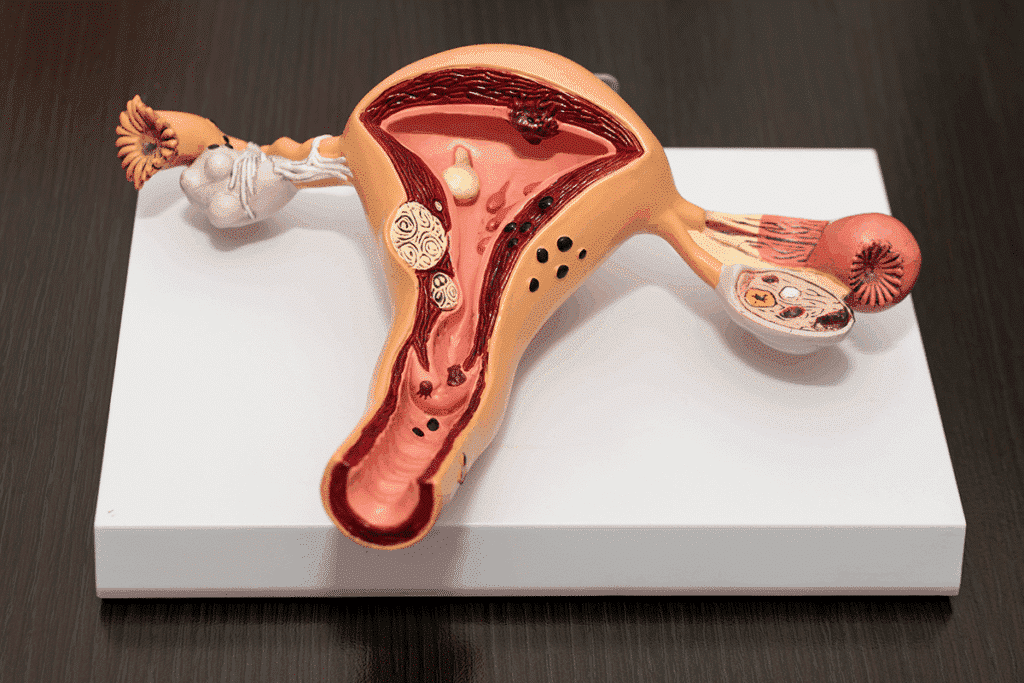
Pelvic organ prolapse (POP) is a common issue for many women. It’s estimated to affect between 2.9 and 25 percent of women who show symptoms. Getting ready properly is essential for a good surgery outcome and a quick recovery. At Liv Hospital, we know how important it is to prepare both physically and mentally for pelvic organ prolapse surgery. Guide on how to prepare physically and mentally for uterine prolapse surgery and optimize recovery.
Getting ready for surgery can make a big difference in your results and how you feel after. Our detailed guide will show you how to get ready for pelvic organ prolapse surgery. You’ll learn about medical and physical prep, and get tips for a comfortable recovery.
Key Takeaways
- Understand the condition and the surgical options available for pelvic organ prolapse.
- Learn how to prepare physically and mentally for surgery.
- Discover tips for a smooth and comfortable recovery.
- Understand the importance of medical and physical preparations.
- Learn how to enhance your surgical outcomes and recovery experience.
Understanding Pelvic Organ Prolapse

Pelvic organ prolapse happens when pelvic organs move out of place. This is due to weak muscles and tissues. It can make life hard, causing pain and discomfort.
What is Pelvic Organ Prolapse
Pelvic organ prolapse includes types like rectal prolapse. Here, the rectum stretches and comes out of the anus. Knowing the type helps find the right treatment, like a pelvic organ prolapse operation.
Prevalence and Risk Factors
About 50 percent of women might get pelvic organ prolapse. This could reach 156 million cases worldwide by 2036. Risk factors include age, childbirth, obesity, and high pressure inside the belly. Knowing these helps catch it early and manage it better.
Common Symptoms and Severity Levels
Symptoms vary with the type and how bad it is. You might feel something bulging in your vagina, have trouble controlling your urine, or have bowel issues. The severity helps decide if you need surgery, like a prolapse operation or pelvic prolapse surgery.
Grasping these details is key for patients. It helps them make informed choices about their care and prepare for surgery.
When Surgery Becomes Necessary

Surgery for pelvic organ prolapse is considered when other treatments don’t work. It’s important to know when to choose surgery to manage the condition well.
Conservative vs. Surgical Management
First, we try lifestyle changes and physical therapy to strengthen muscles. But if these don’t help, surgery is an option. Surgical management is more effective for severe cases.
Before surgery, physical therapy can help. It makes muscles stronger, leading to faster recovery. This shows the value of a treatment plan that might include both non-surgical and surgical steps.
Indications for Surgical Intervention
Surgery is suggested when symptoms greatly affect daily life or when other treatments don’t work. Symptoms like pelvic pain, urinary leaks, or bowel issues might mean it’s time to think about surgery.
Operations for uterine prolapse and other pelvic issues have shown good results. The choice to have surgery depends on how bad symptoms are and the patient’s health.
Timing Considerations for Surgery
When to have surgery depends on symptom severity, health, and any other health issues. Preoperative preparation, like physical therapy, can improve results.
Healthcare providers plan surgery timing to get the best results for patients. This includes the benefits of physical therapy before surgery.
Types of Uterine Prolapse Surgery Options
There are several surgeries for uterine prolapse, each with its own benefits and drawbacks. The right surgery depends on how severe the prolapse is, the patient’s health, and what they prefer.
Vaginal Native Tissue Repair
Vaginal native tissue repair uses the patient’s own tissue to fix the prolapse. It can help up to 82 percent of patients with urinary urgency incontinence. This method is good because it doesn’t use foreign materials, which might lower the risk of problems. But, how well it works depends on the quality of the tissue and the surgeon’s skill.
Mesh Procedures and Considerations
Mesh procedures use synthetic mesh to support the prolapsed organ. It’s important to think about the risks and benefits. Some people might face complications like mesh erosion or chronic pain. Talking to a healthcare provider is key to deciding if mesh is right for you.
Laparoscopic and Robotic Approaches
Laparoscopic and robotic surgeries are less invasive, leading to smaller cuts, less pain, and faster recovery. They are great for some prolapse repairs because they offer precision and control. But, they need special tools and a skilled surgeon.
Obliterative Procedures
Obliterative procedures, like colpocleisis, close off the prolapsed area. They are often chosen for older patients or those with health issues because they are quicker and less invasive. But, these surgeries are usually not reversible and might not be for everyone.
Knowing about the different uterine prolapse surgeries is important for making a good choice. By looking at the pros and cons of each, patients can pick the best treatment with their healthcare team.
Initial Consultation with Your Surgeon
The first meeting with your surgeon is key when preparing for pelvic organ prolapse surgery. It’s a chance to get all the information you need. You can talk about your worries and learn what the surgery entails.
Essential Questions to Ask
It’s important to ask the right questions during your consultation. This will help you get ready for the surgery. Some key questions include:
- What type of prolapse surgery is best for my case?
- What risks and complications could there be?
- How long will I need to recover, and what should I do after surgery?
- Are there other treatments or ways to manage my condition?
Your doctor might tell you to stop taking certain medicines and use special soap before surgery. Following these instructions is important for a smooth process.
Understanding Your Specific Procedure
Knowing the details of your surgery is key for realistic expectations. Your surgeon will explain the procedure, including the anesthesia, technique, and expected results.
Long-term patient satisfaction after pelvic prolapse repair is high. About 89 percent of women are very satisfied 4 to 6 years after surgery.
Setting Realistic Expectations
It’s important to have realistic expectations for a good outcome. Your surgeon will talk about what you can expect, including symptom relief and possible complications.
Aspect | Details to Discuss | Importance |
Surgical Technique | Type of surgery, mesh use, native tissue repair | High |
Recovery Period | Length of hospital stay, post-operative care | High |
Potential Complications | Risks, management strategies | High |
Being well-informed and prepared will make your journey through surgery and recovery smoother.
Medical Preparations Before Pelvic Prolapse Surgery
Pelvic prolapse surgery needs careful planning before it starts. This includes specific tests and changes in your lifestyle. Being well-prepared can greatly help your pelvic prolapse repair and recovery.
Required Pre-operative Tests
Your healthcare provider will order several tests before your prolapsed womb operation. These tests check your health and look for any risks. You might have:
- Blood tests for anemia or infection
- Urine tests for urinary tract infections
- Electrocardiogram (ECG) for heart conditions
- Imaging tests like ultrasound or MRI for prolapse extent
These tests help your surgical team plan the best prolapse repair for you. They aim to avoid complications.
Medication Adjustments
Some medications can affect your surgery and recovery. It’s important to tell your healthcare provider about all your medications. This includes:
- Blood thinners, which may need to be paused to reduce bleeding risks
- Diabetes medications, which may require dosage adjustments
- Any supplements or herbal remedies that could interact with anesthesia or other medications
Your healthcare team will help you safely adjust your medications before surgery.
Dietary Guidelines
Following certain dietary guidelines before surgery is important. We suggest:
- Eating a balanced diet rich in nutrients to support your overall health
- Staying hydrated by drinking plenty of water
- Avoiding heavy meals close to your surgery date
Preoperative physical therapy can also reduce risks. About 18 percent of patients may experience prolapse recurrence after surgery. So, thorough preparation is key.
By following these medical preparations, you can greatly help your pelvic prolapse repair success and recovery.
Physical Preparations for Surgery
Getting your body ready for pelvic organ prolapse surgery is key to a good recovery. We’ll help you prepare so you can face surgery with confidence.
Pelvic Floor Strengthening Exercises
Doing pelvic floor exercises before surgery can make your recovery better. Pelvic floor exercises, also known as Kegels, strengthen the muscles that hold your pelvic organs in place. To do Kegels right:
- Find the right muscles by stopping your urine flow mid-stream.
- Hold these muscles for 5-10 seconds, then relax for the same time.
- Do this 10-15 times, several times a day.
Talk to your healthcare provider or a pelvic health physical therapist for personalized advice on Kegels.
Weight Management Considerations
Keeping a healthy weight is important before surgery. Too much weight can strain your pelvic floor muscles, making surgery and recovery harder. Work with a nutritionist or healthcare provider to create a weight plan that fits you.
Eating a diet full of fruits, veggies, and lean proteins can help your health and recovery. Being at a healthy weight also lowers the risk of surgery complications.
Activity Modifications Before Surgery
Before surgery, change your activities to avoid straining your pelvic floor. This means:
- Avoid heavy lifting, bending, or hard exercise.
- Stay away from activities that strain or hurt you a lot.
- Take more breaks to let your body rest.
These changes can help avoid complications and make your surgery smoother.
Smoking Cessation Benefits
Smoking can harm your surgery outcome and recovery by cutting blood flow and raising complication risks. Quitting smoking before surgery can improve your recovery and health.
We suggest getting help from healthcare pros or smoking cessation programs to quit. Quitting smoking is good for your health now and in the future.
By focusing on these physical preparations, you can greatly improve your surgery outcome and recovery. We’re here to support you every step of the way, making sure you’re ready for your pelvic organ prolapse surgery.
Mental and Emotional Preparation
Getting ready for pelvic organ prolapse surgery is more than just physical prep. It’s also about getting your mind and heart ready. This helps make your recovery smoother.
Managing Anxiety About Surgery
Feeling anxious about uterine prolapse surgery is normal. Try deep breathing or meditation to calm down. Talking to your doctor can also help clear up any worries.
Building a Support System
Having people you can count on is key. Talk to family and friends for emotional support. You might also find comfort in a surgery for pelvic prolapse support group.
Setting Up Post-Surgery Care
Plan for care after surgery. Arrange for a ride home and help with chores. Physical therapy before surgery can also help.
Connecting with Others Who Have Had Prolapse Operations
Talking to those who’ve had prolapse operations can be very helpful. Look for online forums or communities. They offer advice and support.
Focus on your mental and emotional prep for surgery. You’re not alone; there’s support out there.
Preparing Your Home for Recovery
A well-prepared home can greatly help your recovery after surgery for prolapse. It’s important to make your home comfortable and safe for healing. We’ll show you how to get your home ready for recovery, so you can focus on getting better.
Creating a Comfortable Recovery Space
It’s key to have a special recovery area in your home. This area should be quiet, cozy, and easy to get to. Make sure it has a comfy bed, pillows, and a way to stay in touch with others.
Essential Supplies Checklist
Having the right things can make your recovery easier. Some must-haves include:
- Loose, comfortable clothing
- Sanitary pads
- A reusable water bottle
- Books, magazines, or a tablet for entertainment
- Any prescribed medications or supplements
Arranging for Assistance
Having help from others is very important for a smooth recovery. Ask a family member or friend to help with things like grocery shopping, cooking, and cleaning.
Meal Planning and Preparation
Planning meals ahead can help reduce stress during recovery. Cook and freeze meals that are easy to reheat. Eating well is key for healing, so make sure you have healthy food on hand.
Category | Essential Items |
Comfort and Clothing | Loose clothing, comfortable bedding |
Personal Care | Sanitary pads, prescribed medications |
Hydration and Nutrition | Reusable water bottle, pre-prepared meals |
Entertainment | Books, magazines, tablet |
By following these steps and preparing your home for recovery, you can create a supportive environment that fosters healing and comfort after your pelvic prolapse surgery.
Understanding Success Rates and Outcomes of Pelvic Organ Prolapse Operations
The success of pelvic organ prolapse surgery is seen in how well symptoms are managed and how happy patients are. Looking at the different surgeries and their effects on patients is key.
Symptom Resolution Statistics
Vaginal native tissue repair is very effective for urinary urgency incontinence. Many studies show big improvements in symptoms for those who have this surgery. A lot of patients see their symptoms completely go away after surgery.
Long-term Patient Satisfaction
Most patients who have had prolapse repair surgery are very happy with the results. They say their quality of life has improved a lot. The surgery’s success is not just about quick fixes but also about lasting results.
Potential Complications and Risks
Like any surgery, pelvic organ prolapse operation has risks. These can include infections, bleeding, and sometimes, symptoms coming back. Knowing these risks helps patients make better choices about their treatment.
Recurrence Rates and Secondary Procedures
How often symptoms come back depends on the surgery type. Some surgeries have lower rates of recurrence. If symptoms do come back, more surgery might be needed. Deciding on a second surgery is a big decision, based on the first surgery’s success and the patient’s health.
In summary, knowing how well surgery for pelvic organ prolapse works is important for both patients and doctors. Looking at how symptoms are managed, patient happiness, possible problems, and how often symptoms come back helps everyone understand treatment options better.
Conclusion
Getting ready for pelvic organ prolapse surgery is a big step. It involves medical and physical prep, as well as mental and emotional prep. Knowing about the condition and the surgery options helps you make smart choices. This way, you can get the best results from your treatment.
Pre-surgery physical therapy is key. It helps improve bladder, bowel, and sexual function. This approach makes a big difference in your recovery and how happy you’ll be with the surgery.
Surgery can feel scary. But with the right prep and support, you can face it with confidence. Preparing well for your surgery is a big step towards better health and happiness.
FAQ
What is pelvic organ prolapse?
Pelvic organ prolapse happens when the muscles and tissues in the pelvis weaken. This causes the organs to drop into the vagina.
What are the common symptoms of pelvic organ prolapse?
Symptoms include feeling heavy or pressured in the pelvis, vaginal bulging, and trouble with urination. You might also have trouble emptying your bladder or bowels.
When is surgery necessary for pelvic organ prolapse?
Surgery is needed when other treatments don’t work. It’s also considered when the prolapse is severe and affects daily life.
What are the different types of surgery for pelvic organ prolapse?
There are several surgeries. These include vaginal repair, mesh procedures, and laparoscopic and robotic surgeries. There are also obliterative procedures.
What are the benefits and risks of mesh procedures for pelvic organ prolapse?
Mesh procedures can offer more support and better results. But, they also have risks like mesh erosion, pain, and infection.
How do I prepare for pelvic organ prolapse surgery?
To prepare, you’ll need to do medical tests, adjust your medications, and follow dietary guidelines. You should also do pelvic floor exercises and stop smoking.
What are the success rates of pelvic organ prolapse surgery?
Success rates depend on the surgery type and individual factors. But, most women see big improvements in symptoms and life quality.
What are the possible complications and risks of pelvic organ prolapse surgery?
Complications can include infection, bleeding, and pain. There’s also a chance of prolapse coming back. Mesh procedures have their own risks.
How long does it take to recover from pelvic organ prolapse surgery?
Recovery time varies. It can take weeks to months, depending on the surgery and your body. Most women need time to heal fully.
What can I do to support my recovery after pelvic organ prolapse surgery?
Follow your doctor’s instructions, rest, and avoid heavy activities. This helps your body heal.
Can pelvic organ prolapse recur after surgery?
Yes, there’s a chance it can come back. But, following your doctor’s advice and living healthily can help prevent this.
How can I manage anxiety and stress related to pelvic organ prolapse surgery?
Build a support network, use relaxation techniques, and connect with others who’ve gone through the same thing. This helps manage stress and anxiety.
References
https://my.clevelandclinic.org/health/treatments/17939-sacrocolpopexy