A healthy macula is key for clear vision. It lets us see details, read, and recognize faces. But, a macular pucker can harm central vision and quality of life. It causes visual distortion and blurred vision.
Step-by-step guidance for retina wrinkle surgery recovery (epiretinal membrane surgery). Follow your retina wrinkle surgery recovery guide.
Macular pucker surgery, or epiretinal membrane removal, is a good solution. 70-90% of patients see big improvements after the surgery. At Liv Hospital, we use top medical standards and care for you to get the best results.
Knowing the recovery process is key for good eye health. We’ll walk you through the recovery steps. This will help you get ready for what’s next.
Key Takeaways
- Macular pucker surgery has a high success rate, with 70-90% of patients experiencing significant visual improvement.
- Liv Hospital provides international-standard medical care with a patient-centered approach.
- Understanding the recovery process is essential for informed decision-making.
- Proper post-surgical care is essential for optimal outcomes.
- Patients can expect significant improvement in their vision and quality of life.
Understanding Macular Pucker and the Surgical Procedure

Knowing about macular pucker is key for those with this condition. It’s when a thin scar tissue layer forms on the macula. This can make vision blurry and distorted, affecting daily life a lot.
What is a Macular Pucker?
A macular pucker, or epiretinal membrane (ERM), is when scar tissue forms on the macula. The macula is key for central vision. This can make the macula wrinkle, leading to vision issues.
The exact reason for macular pucker isn’t always known. But it’s often linked to aging. As we get older, the vitreous gel in our eyes shrinks. This can pull away from the retina, sometimes causing a macular pucker.
Key aspects of macular pucker include:
- Formation of scar tissue on the macula
- Distorted and blurred vision
- Association with aging
- Potential impact on daily activities
The Epiretinal Membrane Removal Procedure
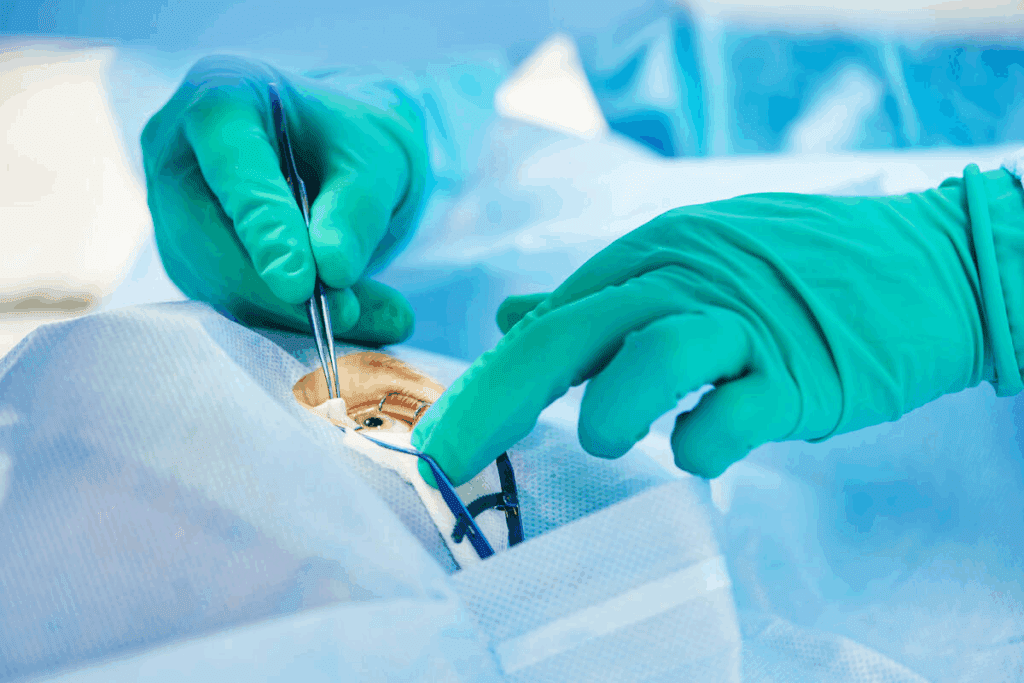
The surgery for macular pucker involves a few steps. First, a pars plana vitrectomy (PPV) removes the vitreous gel and replaces it with a salt solution. Then, the epiretinal membrane is carefully removed from the retina.
This surgery is very precise and done under local anesthesia. The goal is to remove the scar tissue causing the macular pucker. This aims to improve vision.
The steps involved in epiretinal membrane removal are:
- Pars plana vitrectomy to remove the vitreous gel
- Replacement of the vitreous gel with a salt solution
- Membranectomy to remove the epiretinal membrane
Expected Outcomes and Success Rates
The success of macular pucker surgery varies. It often improves vision and reduces distortion. But, how much it improves can depend on the condition’s severity and other eye diseases.
Research shows many patients see better after surgery. It’s important to talk to an ophthalmologist about what to expect. This helps understand the benefits and risks.
Expected outcomes may include:
- Improved visual acuity
- Reduced distortion
- Enhanced quality of life
Is Macular Pucker Surgery Worth It?

Choosing to have macular pucker surgery is a big decision. It depends on how much vision improvement you might see, how it affects your life, and how bad the condition is.
Evaluating Visual Improvement
Studies show that vision can get better by 2 ETDRS lines after a year. Also, 83% of patients see less visual distortion. These points are important when thinking about surgery.
Let’s look at the data on how vision changes after surgery:
| Time Post-Surgery | Mean Vision Improvement | Reduction in Metamorphopsia |
|---|---|---|
| 3 Months | 1.5 ETDRS lines | 60% |
| 6 Months | 1.8 ETDRS lines | 75% |
| 1 Year | 2 ETDRS lines | 83% |
Quality of Life Considerations
Surgery can greatly improve your life. It makes seeing clearer and reduces distortions. This lets you do everyday things more easily.
Here’s what one patient said:
“After surgery, I was amazed at how much clearer everything looked. I could read and watch TV without the distortions that were driving me crazy before.”
A patient after macular pucker surgery
Stories like this show how surgery can change your life for the better.
When Surgery May Not Be Recommended
Doctors decide on treatment based on how bad the macular pucker is. For small cases, just regular check-ups might be needed. But for serious cases, surgery is often the best choice.
Important things to consider include:
- The severity of the macular pucker
- The patient’s overall health
- The presence of other eye conditions
Talking to your eye doctor about these points is key to making the right decision.
Preparing for Your Retina Wrinkle Surgery Recovery
Getting ready for macular puckering surgery is key to a smooth recovery. It’s important to plan for the surgery and the time it takes to heal. Knowing what to expect helps a lot.
Pre-Surgery Preparations
Your eye doctor will do a detailed exam before surgery. This might include tests like optical coherence tomography (OCT). To get ready for surgery:
- Follow your doctor’s advice on medications.
- Make sure someone can drive you home because your vision will be blurry.
- Have someone stay with you for at least a day after surgery.
Setting Up Your Home for Recovery
Make your home safe and comfy for recovery. Think about these changes:
- Remove any things that could cause you to trip.
- Make sure your home is well-lit, where you’ll spend most of your time.
- Prepare meals ahead of time to avoid cooking while you’re recovering.
Essential Items to Have on Hand
Having the right things can make recovery easier. Some must-haves include:
| Item | Purpose |
|---|---|
| Prescribed eye drops | To help with healing and reduce inflammation |
| Comfortable clothing | Easy to wear without straining your eyes or body |
| Pillows for elevation | To help manage swelling and promote comfortable sleeping |
| Phone and charger | For staying in touch with your doctor and loved ones |
Recovery from macular pucker surgery usually takes 2 to 4 weeks. But, it can take up to three months to fully heal. Being prepared helps make the recovery process easier and more comfortable.
Immediate Post-Operative Care (Day 1-3)
Right after surgery, your recovery starts. It’s key to take good care of yourself in the first few days. This sets the stage for a good outcome.
Hospital to Home Transition
After surgery, your eye will be covered. You might feel some discomfort, tearing, or redness. It’s important to have someone with you for at least the first night.
Make sure someone drives you home and helps with daily tasks. This makes the transition smoother.
Managing Pain and Discomfort
Dealing with pain is important in the early stages. Your doctor might give you pain medicine. Keeping your head up, even when sleeping, can help reduce swelling.
Some people find a cold compress helpful. But always check with your doctor first.
Initial Activity Restrictions
There are activities you should avoid in the first few days. This includes:
- Avoiding heavy lifting or bending
- Not rubbing or touching the operated eye
- Limiting strenuous activities or exercise
- Avoiding swimming or getting water in the eye
Sticking to these rules helps prevent complications.
First Follow-up Appointment
Your first follow-up is a big part of your recovery. It lets us check how you’re healing and answer any questions. This appointment is usually within a few days after surgery.
Be open with your ophthalmologist about any symptoms or worries. About 50% of vision loss from macular pucker can be restored by surgery. But results can vary.
If a gas bubble is used, you’ll need to keep your head in a certain position for healing.
The First Week After Macular Pucker Surgery
Understanding what to expect in the first week after surgery can make recovery easier. Your eye is healing, and knowing what’s happening can help. It can also make you feel more at ease.
Expected Visual Changes
In the first week, you might see blurred vision, double vision, or changes in how clear things look. About 65% of patients with primary macular puckers see their vision improve a lot. This means their vision doubles or more.
Remember, your vision will get better slowly. It might not be perfect right away. But with time, you should start to see improvements.
Medication Management
You’ll use eye drops to prevent infection and reduce swelling. Your doctor will check on you and your vision regularly. It’s important to follow the eye drop schedule to heal well.
Here’s how to manage your medication:
- Use eye drops as directed
- Go to all follow-up appointments
- Tell your doctor about any side effects
Eye Protection Guidelines
Keeping your eye safe in the first week is key. Don’t rub your eye, as it can harm the healing process. Wear the eye shield your surgeon gave you, mainly at night, to avoid rubbing or bumping your eye.
“Protecting your eye is vital in the first week after surgery. Stay away from activities that could harm your healing.”
Sleep Positioning Recommendations
It’s best to sleep on your back to avoid putting pressure on your eye. If you’re used to sleeping on your side, use extra pillows. This helps keep you from rolling onto your operated eye.
| Sleep Position | Recommendation |
|---|---|
| Back | Recommended |
| Side | Avoid sleeping on the operated side |
| Stomach | Not recommended |
By following these tips and staying informed, you can get through the first week after surgery confidently. This sets you up for a successful recovery.
Weeks 2-4: Progressing Through Your Recovery
Recovery from macular pucker surgery is a slow journey. Weeks 2-4 are key for healing and seeing better. You’ll start doing more daily tasks, see clearer, and follow important recovery steps.
Gradual Return to Daily Activities
As you move into weeks 2-4, you can slowly get back to your usual life. But, be careful not to strain your eyes too much. Most people can get back to normal in 2 to 4 weeks, but it depends on how fast you heal and your doctor’s advice.
Begin with easy tasks like reading, watching TV, or short walks. As you feel better, you can do more. Always listen to your body and don’t rush.
Visual Improvement Timeline
Seeing better is a big part of getting better. Most people see clearer as the pucker heals. It might take months for full recovery, but some see big improvements in just weeks.
It’s normal for your vision to change during recovery. Some days will be better than others. Always talk to your doctor if you’re worried.
Physical Activity Limitations
While getting back to normal is good, some activities are off-limits in weeks 2-4. Heavy lifting, bending, or hard exercises can raise eye pressure. Your doctor will tell you what’s safe and when you can do more intense activities.
Practical Tips for Daily Living
Here are some tips to help your recovery:
| Activity | Guideline |
|---|---|
| Reading | Start with short reading sessions and increase as you feel comfortable. |
| Watching TV | It’s okay to watch TV, but remember to take breaks to rest your eyes. |
| Driving | Avoid driving until your vision improves and your doctor says it’s okay. |
| Exercise | Start with light exercises, avoiding heavy lifting or bending. |
By following these tips and talking to your doctor, you can smoothly get through your recovery. This will help you get the best results from your surgery.
Managing Possible Complications During Retina Wrinkle Surgery Recovery
The recovery after retina wrinkle surgery is very important. Knowing about possible complications helps patients heal smoothly. Even though the surgery is usually safe, knowing about risks helps take care and get help when needed.
Common Side Effects vs. Warning Signs
After the surgery, you might feel some mild discomfort or see things blurry. These are usually short-term and go away by themselves. But, it’s key to know the difference between these normal feelings and signs of a problem.
Signs like a lot of pain, sudden vision loss, or more redness mean you should call your doctor right away. If you see these, don’t wait to reach out.
“It’s always better to err on the side of caution when it comes to your vision. If you’re experiencing any unusual symptoms after retina wrinkle surgery, don’t hesitate to reach out to your doctor.”
Medical Expert, Ophthalmologist
When to Contact Your Ophthalmologist
If you notice anything odd or have worries about healing, call your ophthalmologist. Some times you should call them right away include:
- Severe eye pain or headache
- Sudden decrease in vision
- Increased sensitivity to light
- Eye redness or swelling
- Flashes of light or new floaters
Addressing Increased Eye Pressure
Eye pressure can go up after the surgery, more so if a gas bubble was used. People with a gas bubble in their eye should not fly or go to high places until it’s gone. Changes in air pressure can mess with the bubble and increase eye pressure.
| Activity | Restriction |
|---|---|
| Flying | Avoid until gas bubble is absorbed |
| High Altitude Travel | Avoid until gas bubble is absorbed |
| Diving | Avoid until cleared by ophthalmologist |
Managing Infection Risk
Infection is a risk after the surgery. To lower this risk, follow your ophthalmologist’s care instructions closely. This means using eye drops as told and going to all follow-up visits.
Studies show vision improves by 2 ETDRS lines after a year. This shows how important good care after surgery is for the best results.
Emotional and Physical Wellness During Recovery
Recovering from macular pucker surgery means taking care of your mind and body. It’s a tough time, but with the right steps, you can get through it.
Coping with Temporary Vision Changes
After surgery, your vision might change a bit. But don’t worry, most people see their vision improve over time. Listening to audiobooks or podcasts can help you relax and enjoy your recovery.
Managing Anxiety About Recovery
Feeling anxious about your recovery is normal. Make your home recovery space comfy and have help with daily tasks. This can really ease your stress. Try setting up a cozy area with everything you need close by.
Nutrition and Lifestyle Factors That Support Healing
Eating well is key to healing. Foods full of antioxidants, like leafy greens and berries, are great. Also, drink plenty of water and avoid too much activity.
| Nutritional Element | Benefit | Food Sources |
|---|---|---|
| Antioxidants | Reduce oxidative stress | Leafy greens, berries, nuts |
| Omega-3 Fatty Acids | Support eye health | Salmon, flaxseeds, walnuts |
| Vitamin C | Enhance healing | Citrus fruits, bell peppers, broccoli |
Building a Support System
A strong support system is vital during recovery. This can be family, friends, or support groups. Always ask for help when you need it, for anything.
By taking care of your emotional and physical health, you can make your recovery easier. This will help you get the best results after your surgery.
Long-Term Recovery and Vision Expectations
Recovering from macular pucker surgery takes time and patience. Your vision will get better, but knowing what to expect is key. Understanding the recovery milestones and timeline is important.
1-3 Month Recovery Milestones
The first three months are critical for recovery. You’ll see big improvements in your vision. Key milestones include:
- Reduced distortion and blurriness
- Improved visual acuity
- Increased ability to perform daily tasks without difficulty
Make sure to keep up with follow-up appointments. Your ophthalmologist will check on your progress and answer any questions.
Final Visual Outcome Timeline
Most people see their final vision outcome in three months. Vision improvement can be gradual. Be patient as your eyes heal fully.
Potential Need for Additional Treatments
Sometimes, more treatments are needed for the best vision. Your ophthalmologist will talk about this during follow-ups. Possible additional treatments include:
- Further surgery to address any complications
- Laser treatment to improve vision
- Intraocular injections to reduce inflammation
Adapting to Your New Vision
As your vision improves, you might need to adjust to new ways of doing things. This could mean getting used to different depth perception or using your new vision effectively. We’re here to help you through this, guiding you to make the most of your improved sight.
Understanding the recovery process and vision expectations helps you navigate after macular pucker surgery. We’re committed to supporting you, ensuring you get the best outcome.
Conclusion: Living Well After Macular Pucker Surgery
Recovering from macular pucker surgery needs patience, dedication, and the right care. By following the steps in this guide, you can boost your surgery’s success and improve your vision.
A macular pucker can really affect your central vision and daily life. But, with the right treatment and care, you can see a big improvement. We’ve shown you how to prepare, go through surgery, and recover, stressing the need for post-op care and follow-ups.
To live well after surgery, keep up with eye care and check-ups. Stick to your ophthalmologist’s advice and live a healthy lifestyle. This way, you can enjoy better vision and a higher quality of life. We’re here to support you, making sure you get the best care and results.
FAQ
What is macular pucker surgery?
Macular pucker surgery is a procedure to remove a fibrous tissue layer on the macula. This tissue causes visual distortion.
What is the success rate of macular pucker surgery?
The success rate is high, with 70-90% of patients seeing a big improvement in their vision.
Can macular pucker heal itself?
Sometimes, it might not get worse or could even get better on its own. But surgery is usually needed to fix vision problems.
How long does it take to recover from macular pucker surgery?
Recovery takes a few weeks to a few months. Most people see big improvements in 1-3 months.
What are the possible complications of macular pucker surgery?
Complications are rare but can include infection, increased eye pressure, and retinal detachment.
How can I manage pain and discomfort after macular pucker surgery?
Your ophthalmologist will tell you how to manage pain and discomfort. This might include medication and rest.
When can I resume normal activities after macular pucker surgery?
You can start doing daily activities in 2-4 weeks. But avoid heavy lifting, bending, or hard activities for a while.
How can I protect my eyes during the recovery period?
Avoid rubbing your eyes and wear protective eyewear. Follow your ophthalmologist’s eye care instructions.
What are the signs of complications after macular pucker surgery?
Look out for signs of infection like increased redness, pain, or discharge. Contact your ophthalmologist right away if you notice anything unusual.
Can I drive after macular pucker surgery?
Don’t drive until your ophthalmologist says it’s okay. This is usually after the first follow-up visit.
How can I cope with temporary vision changes after macular pucker surgery?
Follow your ophthalmologist’s advice, take breaks, and adjust to new vision changes.
Is macular pucker surgery worth it?
Yes, if you’re seeing a lot of visual distortion or discomfort, surgery can greatly improve your life.
What is the difference between a macular pucker and a retinal wrinkle?
A macular pucker is when fibrous tissue forms on the macula. A retinal wrinkle is when the retina distorts.
Can I undergo macular pucker surgery if I have other eye conditions?
Your ophthalmologist will check your eye health and decide if surgery is right for you.
References
National Center for Biotechnology Information. Macular Pucker Surgery: Recovery Guide. Retrieved from https://www.ncbi.nlm.nih.gov/pmc/articles/PMC5932482/



 Departments
 Related Videos
 Our Doctors
 News
News