
Explaining what causes finger arthritis (OA, RA, PsA) and detailing the main contributing genetic and mechanical factors.
Arthritis in fingers and hands is a common problem that affects many people. It makes everyday tasks harder and lowers their quality of life. Osteoarthritis and rheumatoid arthritis are the main types, with osteoarthritis being the most common. It damages the smooth cartilage that covers the bones in a joint.
Knowing what causes arthritis in fingers and hands is important for treatment. AtLiv Hospital, our team uses international healthcare standards. We diagnose and manage arthritis with proven methods.
Key Takeaways
- Arthritis in fingers and hands affects millions worldwide.
- Osteoarthritis is the most common type, impacting joint cartilage.
- Understanding the causes is key to effective management.
- Liv Hospital offers complete care using international standards.
- Evidence-based protocols are used for diagnosis and treatment.
Understanding Arthritis in the Fingers and Hands
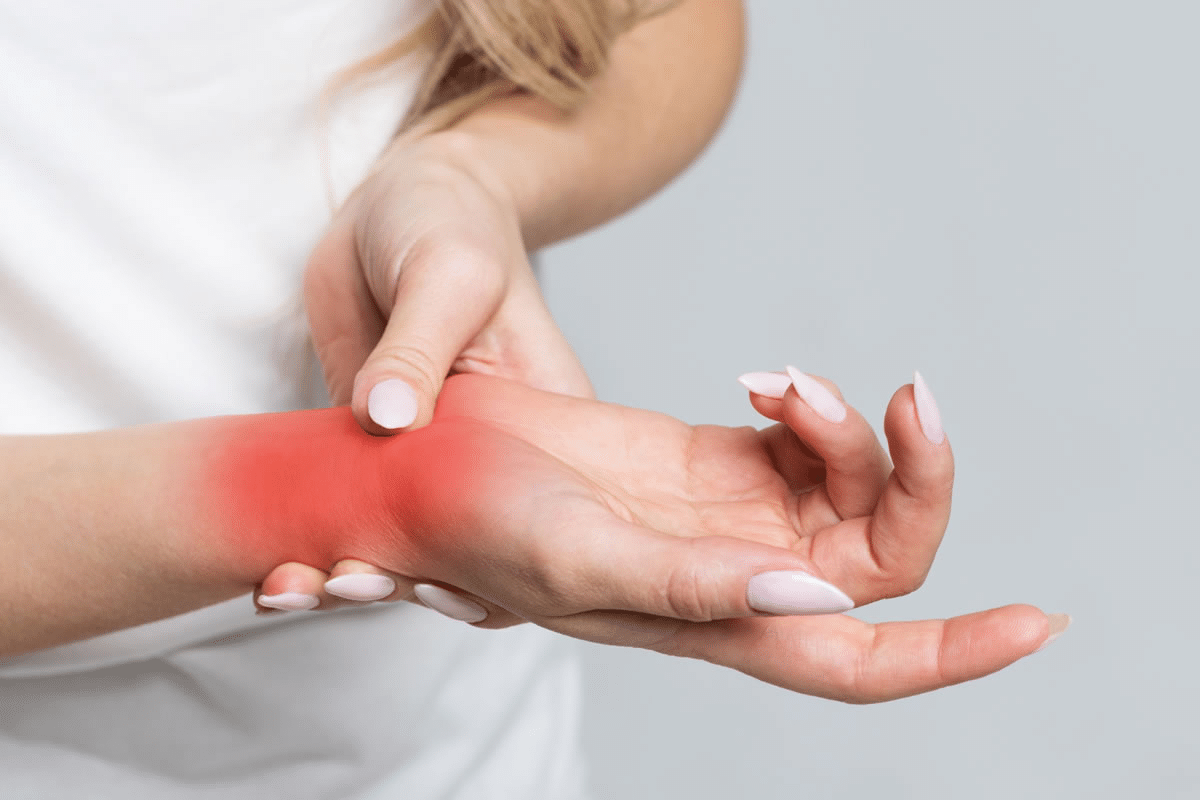
It’s important to understand arthritis in the fingers and hands to manage it well. Arthritis in these areas can make daily tasks hard. It can really affect how well you live your life.
Common Types of Hand and Finger Arthritis
There are many types of arthritis that can hit the hands and fingers. Osteoarthritis is common, where cartilage in joints breaks down. This causes pain, swelling, and less mobility.
Rheumatoid arthritis is another common one. It’s an autoimmune disease that causes joint pain and swelling. Other types like psoriatic arthritis and gout also affect the hands.
How Arthritis Affects Daily Hand Functionality
Arthritis in the fingers and hands can really mess with daily tasks. Symptoms include pain, swelling, stiffness, weak grip, and trouble with fine motor tasks. These symptoms can make simple things like dressing or cooking hard.
Osteoarthritis can cause Heberden’s nodes, leading to pain and deformity. Rheumatoid arthritis can make it hard to do precise tasks because of lost dexterity and strength.
Managing arthritis needs a full plan, including lifestyle changes, physical therapy, and sometimes medicine. Knowing the type of arthritis helps find the right treatment. This can greatly improve your life quality.
The Prevalence of Hand and Finger Arthritis
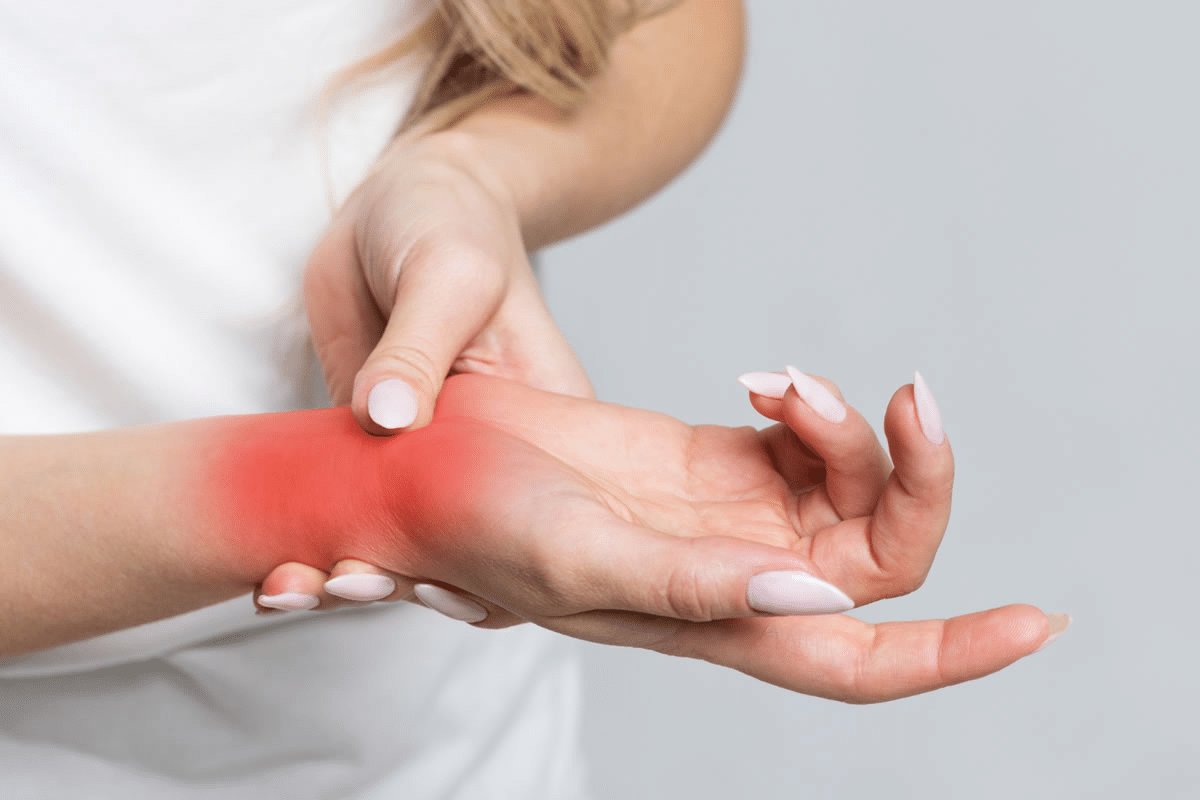
Arthritis in the hands and fingers is more common than many think. As we age, the risk of hand arthritis grows, affecting daily life. It’s a big health issue that needs attention and understanding.
Recent stats show hand osteoarthritis affects a lot of people. About 44.2% of women and 37.7% of men have it. These numbers show how common it is and why we need to know more about it.
Statistical Overview in the United States
Between 2013 and 2015, 54.4 million adults in the U.S. had arthritis every year. This shows how big a problem arthritis is for healthcare and why we need good ways to manage it.
The CDC says, “Arthritis is a big cause of disability in the U.S., affecting about 54.4 million adults.” This quote highlights the need for better ways to handle arthritis and improve life for those with it.
“Arthritis is one of the most common causes of disability in the United States, affecting an estimated 54.4 million adults.”
Centers for Disease Control and Prevention (CDC)
Demographic Patterns in Hand Arthritis
Hand arthritis patterns show important trends. Age and gender are key factors. Women are more likely to get it than men. Knowing this helps us focus our prevention and treatment efforts.
Hand arthritis affects different age groups and demographics differently. Older people are more likely to get it because of joint wear and tear. Understanding these patterns helps us develop better ways to fight arthritis.
By looking at hand arthritis prevalence and patterns, we can grasp the full extent of this condition. This knowledge helps us improve outcomes for those dealing with it.
What Causes Finger Arthritis: Primary Risk Factors
Finger arthritis affects millions, causing pain and stiffness in the hands. Several factors lead to this condition.
Overview of Major Contributing Factors
Several key factors contribute to finger arthritis. These include:
- Age: The risk grows with age, more so after 45.
- Gender: Women, after menopause, are more likely to get it.
- Previous Injuries: Hand injuries can lead to post-traumatic arthritis.
- Repetitive Hand Motions: Jobs or activities that repeat hand movements can wear down joints.
- Obesity: Being overweight can cause inflammation, affecting joints.
These factors can work together, raising the risk of finger arthritis.
How Multiple Causes Can Interact
When many risk factors are present, the risk of finger arthritis goes up. For instance, an older person with past hand injuries and obesity is at higher risk.
It’s important to understand how these factors interact. By tackling modifiable risks like obesity and repetitive hand use, people can lower their risk of arthritis.
“Prevention is key when it comes to managing arthritis. By understanding the risk factors and taking proactive steps, individuals can significantly reduce their likelihood of developing this debilitating condition.”
People at risk should take a holistic approach to prevention. This includes keeping a healthy weight, avoiding repetitive strain, and managing health conditions.
Age-Related Changes Leading to Hand Arthritis
As we get older, the risk of hand arthritis goes up. This is because our joints naturally wear down. The cartilage in our joints gets thinner, making it harder for them to handle stress.
Cartilage Deterioration Over Time
Cartilage wear is a normal part of aging. Over time, the cartilage in our hands can wear away. This leads to bone rubbing against bone, causing arthritis symptoms. Genetics, lifestyle, and past injuries can speed up this process.
The breakdown of cartilage happens slowly. It can be affected by:
- Genetic predisposition
- Wear and tear from daily activities
- Previous hand injuries or trauma
- Lifestyle factors such as diet and exercise
Age Thresholds for Increased Risk
The risk of hand arthritis grows after 55-64 years old. During this time, symptoms like hand pain and stiffness become more common.
Key age-related risk factors include:
- Being over 55 years old
- Female gender, specially after menopause
- Family history of arthritis
Knowing about these changes can help prevent and manage hand arthritis symptoms.
Gender Differences in Arthritis Development
Women are more likely to get certain types of arthritis, like hand osteoarthritis. This difference has caught the eye of medical researchers. They’re trying to figure out why it happens.
Why Women Experience Higher Rates of Hand Osteoarthritis
Studies show women are more likely to get hand osteoarthritis than men. Hormonal changes, joint anatomy, and lifestyle play a part in this.
Hormonal Changes and Joint Health: Hormonal shifts, like those during menopause, raise the risk of osteoarthritis in women. The drop in estrogen is thought to be a key factor.
Hormonal Influences on Joint Health
Hormones have a big role in keeping joints healthy. Estrogen, in particular, protects joints. Research shows estrogen therapy can lower osteoarthritis risk in postmenopausal women.
To understand why women get arthritis more, let’s look at some numbers:
|
Gender |
Prevalence of Hand Osteoarthritis |
Hormonal Influence |
|---|---|---|
|
Women |
Higher prevalence, mostly after menopause |
Less estrogen |
|
Men |
Less common than in women |
Less hormonal change |
Knowing these differences helps doctors create better prevention and treatment plans. By understanding why women get hand osteoarthritis more, healthcare can offer better care.
Previous Injuries and Trauma to the Hands
Getting hurt in the hands can lead to arthritis, like post-traumatic arthritis. Trauma can harm joints in ways we might not see right away.
Post-Traumatic Arthritis Development
Post-traumatic arthritis happens when an injury damages joints, causing them to break down over time. This can start months or years after the injury. The damage can make the cartilage wear out, breaking down the joint.
Studies show that severe injuries, like fractures or dislocations, increase the risk of arthritis. The more severe the injury, the higher the chance of arthritis later.
How Fractures and Dislocations Lead to Long-Term Joint Damage
Fractures and dislocations are very harmful because they can damage the joint surfaces. A fracture can make the joint surface uneven, causing more wear and tear. Dislocations can stretch or tear the ligaments, making the joint unstable.
These injuries can cause the joint to degenerate, leading to arthritis. The body’s healing might not fix the joint perfectly, leaving it open to more damage.
It’s important to understand how hand injuries can lead to arthritis. Knowing the risks can help us prevent or treat arthritis. By taking steps to protect our hands, we can avoid long-term damage and possibly prevent arthritis.
Occupational and Repetitive Stress Factors
Occupational and repetitive stress have a big impact on hand health. They raise the risk of arthritis a lot. This is true for jobs where hands do the same thing over and over.
High-Risk Professions for Hand Arthritis
Some jobs are more likely to cause hand arthritis. This is because of the work they do. Here are some examples:
- Construction Workers: They use vibrating tools and do a lot of heavy lifting.
- Office Workers: They type and use mice a lot.
- Musicians: They move their fingers a lot in music.
- Athletes: Sports that involve gripping, throwing, or using hands a lot.
These jobs put a lot of stress on the hands. This stress can wear down the joints over time.
How Repetitive Motions Damage Specific Finger Joints
Repetitive motions can hurt specific finger joints. For example:
- Distal Interphalangeal Joints (DIP): These joints are often hurt in tasks that need fine motor skills.
- Proximal Interphalangeal Joints (PIP): These joints get damaged when gripping things.
- Metacarpophalangeal Joints (MCP): These joints are hurt when you have to grasp things with force.
We can reduce the risks of occupational and repetitive stress. We can do this by making ergonomic changes, taking breaks, and doing exercises to strengthen our hands.
Obesity and Metabolic Influences on Finger Arthritis
Obesity is a big risk for finger arthritis. It causes inflammation all over the body. This extra weight puts strain on joints and speeds up arthritis.
Systemic Inflammation from Excess Fat Cells
Too many fat cells in obese people make inflammatory molecules. These molecules harm joints, including fingers. This inflammation is a major reason arthritis gets worse.
Weight Management for Arthritis Prevention
Keeping a healthy weight is key to avoiding finger arthritis. Eating right and exercising helps manage weight. Weight loss lowers inflammation and eases joint pain.
We suggest a full plan for weight control. This includes better eating, more exercise, and sometimes professional help. Healthy choices can lower arthritis risk and boost overall health.
Autoimmune Factors in Rheumatoid Arthritis
Autoimmune responses are key in starting and growing rheumatoid arthritis, mainly in the hands. This condition makes the immune system attack the joints’ lining, leading to pain, swelling, and damage.
The Immune System’s Attack on Hand Joints
In rheumatoid arthritis, the immune system attacks the joints in the hands and wrists. This causes inflammation, making the lining thick and damaging the cartilage and bone. The effects include:
- Pain and stiffness in the hands
- Swelling and redness around the affected joints
- Loss of joint function and deformity over time
Medical Expert, a rheumatologist, says, “The immune system’s attack on the joints in rheumatoid arthritis can lead to significant disability if not properly managed.” It’s important to manage it well to lessen its effects.
Triggers for Autoimmune Responses in the Fingers
What triggers autoimmune responses in rheumatoid arthritis isn’t fully known. But several things are thought to play a part:
- Genetic predisposition: People with a family history of rheumatoid arthritis are more likely to get it.
- Environmental factors: Being exposed to certain environmental triggers, like smoking, can raise the risk.
- Infections: Some infections might start rheumatoid arthritis in people who are at risk.
Knowing these triggers helps in finding ways to prevent and treat rheumatoid arthritis. As research goes on, we get closer to better ways to manage and maybe even prevent this condition.
Joint Alignment Problems and Finger Deformities
Understanding how joint alignment affects finger health is key to managing arthritis. Arthritis in the fingers can cause joint problems, leading to noticeable deformities.
Causes of Crooked Fingers from Arthritis
Crooked fingers from arthritis happen when cartilage wears down and joints get damaged. As arthritis worsens, the cartilage that protects joints breaks down. This lets bones rub together, causing bone spurs and joint misalignment. These issues result in finger deformities.
The main reasons for crooked fingers include:
- Cartilage deterioration due to arthritis
- Joint inflammation and swelling
- Bone spur formation
- Tendon and ligament imbalance around the affected joint
How Joint Misalignment Accelerates Cartilage Wear
Joint misalignment greatly speeds up cartilage wear. When joints are not aligned right, the cartilage takes more stress. This leads to faster wear and tear. The uneven wear on cartilage makes arthritis symptoms worse.
Factors that speed up cartilage wear due to joint misalignment include:
- Increased stress on the cartilage
- Abnormal pressure distribution across the joint
- Inflammation and swelling from poor joint alignment
Early treatment and managing joint alignment can slow arthritis progression. It also reduces the chance of finger deformities.
Conclusion: Managing and Preventing Hand Arthritis
Hand arthritis is a complex condition. It’s influenced by age, gender, past injuries, and lifestyle. To manage and prevent it, we need a complete approach. This includes early diagnosis, proper treatment, and making lifestyle changes.
Managing hand arthritis means using both medical help and self-care. Keeping a healthy weight, exercising, and using assistive devices can help. These steps reduce hand strain and slow arthritis progress.
To prevent hand arthritis, we must be proactive. Protecting our hands, managing chronic conditions, and staying active are key. Understanding risks and taking steps to avoid them can lower hand arthritis rates and improve hand health.
Working with healthcare professionals and making smart lifestyle choices can help manage and prevent hand arthritis. This way, we can keep our hands functioning well and enjoy a better quality of life.
FAQ
What are the most common types of arthritis that affect the fingers and hands?
Osteoarthritis and rheumatoid arthritis are the most common types of arthritis in the fingers and hands. Osteoarthritis causes cartilage wear over time. Rheumatoid arthritis is an autoimmune disease that leads to inflammation and joint damage.
How does age influence the development of hand arthritis?
Age is a big risk factor for hand arthritis. The risk goes up after 55-64 years old. Cartilage wears down with age, leading to osteoarthritis.
Why are women more likely to experience hand osteoarthritis than men?
Hormonal changes affect joint health, making women more likely to get hand osteoarthritis. The exact reasons are not fully known, but menopause may play a role.
Can previous injuries or trauma to the hands cause arthritis?
Yes, injuries or trauma to the hands can lead to post-traumatic arthritis. Fractures and dislocations can cause long-term damage to joints, raising the risk of arthritis.
How do occupational and repetitive stress factors contribute to hand arthritis?
Jobs that involve repetitive motions can cause hand arthritis. These motions can damage specific joints in the fingers, leading to arthritis.
What role does obesity play in the development of finger arthritis?
Obesity is a big risk factor for finger arthritis. Excess fat causes inflammation, which can damage joints. Losing weight can help prevent arthritis.
What is the relationship between autoimmune factors and rheumatoid arthritis?
Autoimmune factors cause rheumatoid arthritis. The immune system attacks hand joints, causing inflammation and damage. The exact triggers are not known but may involve genetics and environment.
How do joint alignment problems lead to finger deformities?
Joint alignment problems can cause finger deformities, like crooked fingers. These problems accelerate cartilage wear. Uneven stress on joints worsens arthritis symptoms.
What are the causes of arthritis in the hands?
Arthritis in the hands can be caused by age, injuries, repetitive stress, obesity, and autoimmune factors. Knowing these causes helps manage and prevent hand arthritis.
What causes arthritis flare-ups in fingers?
Arthritis flare-ups in fingers can be triggered by many things. These include repetitive motions, injuries, and weather changes. Managing these factors can help lessen flare-ups.
How can I prevent arthritis in my hands?
To prevent hand arthritis, keep a healthy weight, avoid repetitive motions, and protect your hands. Early diagnosis and treatment can also help manage arthritis.
References
National Center for Biotechnology Information. Evidence-Based Medical Guidance. Retrieved from https://www.ncbi.nlm.nih.gov/pmc/articles/PMC2875277/