
The antinuclear antibody (ANA) test is a key blood test. It checks for antibodies that attack healthy cell nuclei. If the test shows a positive ANA test result, it means these antibodies were found. But, it doesn’t always mean you have an autoimmune disease.what does positive ana indicateWhat Does It Mean If the Abdominal Aorta Is Nonaneurysmal?
At Liv Hospital, we know a positive ANA test can worry you. But, it’s important to remember. A positive result is just one clue in a bigger puzzle. Many people with positive ANA results don’t have diseases like systemic lupus erythematosus (SLE) or rheumatoid arthritis.
We focus on patient care at Liv Hospital. We aim to clear up any confusion about ANA test results. We support both patients and healthcare providers as they figure out what to do next.
Key Takeaways
- A positive ANA test result indicates the presence of antinuclear antibodies in the blood.
- Having a positive ANA result doesn’t automatically mean you have an autoimmune disease.
- Many healthy individuals can have a positive ANA test result.
- A positive ANA result is used to help diagnose autoimmune disorders.
- Liv Hospital offers extensive diagnostic services to support patients and healthcare providers.
Understanding the Antinuclear Antibody (ANA) Test
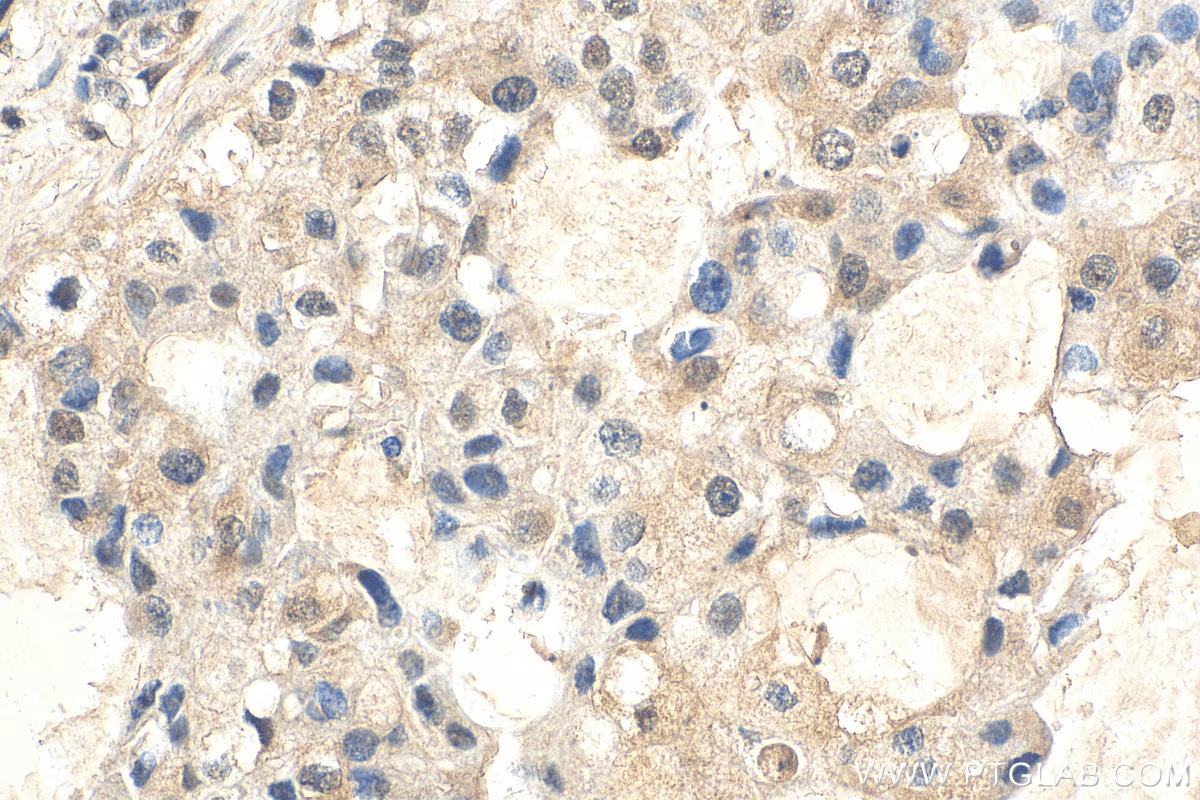
The Antinuclear Antibody (ANA) test is a blood test. It checks for antibodies that target the cell nucleus.
Definition and Purpose of ANA Testing
The ANA test is key for diagnosing autoimmune diseases. It looks for antinuclear antibodies, which attack cell nuclei. This test helps doctors find these antibodies.
It shows if a patient’s immune system attacks healthy cells. This can mean they have an autoimmune disease.
How the ANA Test Is Performed
To do the ANA test, a blood sample is taken. Then, it’s sent to a lab for testing. In the lab, the blood is mixed with special cells.
If ANA antibodies are there, they bind to the cell nuclei. The sample is then checked under a microscope. This finds the level and pattern of the antibodies.
|
ANA Titer |
Interpretation |
|---|---|
|
1:40 or lower |
Negative or low titer |
|
1:80 |
Borderline or low positive |
|
1:160 or higher |
Positive, may indicate autoimmune disorder |
Knowing the ANA test results is important. It helps doctors diagnose and manage autoimmune diseases.
What Does Positive ANA Indicate?

An ANA test showing positive means antinuclear antibodies are found. But, it doesn’t mean you have an autoimmune disease right away. It just means you need more tests to figure out what’s going on.
Basic Interpretation of Positive Results
A positive ANA test can show different things, like autoimmune diseases like lupus or rheumatoid arthritis. But, it’s important to know that even healthy people can have positive results, if the levels are low. Finding antinuclear antibodies is just one part of solving the puzzle.
To understand a positive ANA result, we look at a few things:
- The titer level of the ANA test shows how many antibodies are there.
- The pattern of fluorescence in the test can hint at the disease.
- We also check for other symptoms that might point to autoimmune diseases.
Difference Between Positive Results and Confirmed Diagnosis
It’s key to know the difference between a positive ANA result and a confirmed disease diagnosis. A positive result doesn’t mean you have a disease for sure. It’s a sign for doctors to do more tests.
For example, a positive ANA might lead to more tests like:
- ENA tests to find specific autoantibodies.
- Tests for other autoimmune markers, like rheumatoid factor or anti-CCP antibodies.
- Checking symptoms and how organs are doing.
By using all these methods, we can better understand a positive ANA result. This helps us give a clear diagnosis and the right treatment plan.
ANA Titer Levels and Their Significance
The ANA titer level is key in understanding a positive ANA test. It helps tell if the test result is important or just a normal finding. Knowing the titer level is vital.
Understanding Dilution Ratios
ANA titers are found through serial dilution. This means the patient’s serum is diluted in steps (e.g., 1:40, 1:80, 1:160, 1:320). A higher titer means more ANA antibodies in the blood. A titer of 1:160 or higher often points to an autoimmune disease.
“The titer level gives us clues about autoimmune diseases,” say doctors. A titer of 1:40 or 1:80 might be normal or an early sign of disease.
Clinical Relevance of Different Titer Levels
ANA titer levels have different meanings. Higher titers, like 1:160 or 1:320, often mean autoimmune diseases like SLE. But, we must look at the patient’s symptoms, medical history, and lab results too.
- A low titer (e.g., 1:40 or 1:80) might be normal or early disease.
- A moderate to high titer (e.g., 1:160 or 1:320) suggests autoimmune conditions, with symptoms and history in mind.
It’s important for doctors to understand ANA titer levels and their meaning. This helps in deciding on tests, diagnosis, and treatment. By looking at the titer and other signs, we can guess the chance of autoimmune diseases and track them.
Prevalence of Positive ANA in Healthy Individuals
A big part of the general population can test positive for ANA without any autoimmune disease symptoms. This fact makes us wonder about what it means to have a positive ANA test in healthy people.
Statistical Occurrence in the General Population
Research shows that 3-30% of healthy people can have positive ANA results. This wide range comes from different study groups and how sensitive the ANA tests are.
To break it down further:
- Prevalence rates vary a lot in different studies.
- The sensitivity of ANA testing affects how many positive results are found.
- Population demographics greatly influence ANA positivity rates.
Age-Related Factors in ANA Positivity
Studies show that ANA positivity goes up with age. People over 65 are more likely to test positive than younger folks.
Key age-related findings include:
- Increased prevalence with age.
- Higher titers in older adults.
- The clinical significance of age-related ANA positivity is being studied.
Gender and Genetic Influences
Gender and genetics also affect ANA positivity. Women are more likely to test positive, and some genetic traits can raise the risk too.
Important gender and genetic factors include:
- Gender disparity with women more likely to test positive.
- Genetic predisposition in some groups.
- The interaction between gender and genetics in ANA positivity.
Grasping these factors is key to understanding ANA test results. It helps in giving the right care to those with positive results.
ANA Patterns and Their Clinical Correlations
Different ANA staining patterns can show different autoimmune diseases. Knowing these patterns is key for diagnosis. It helps doctors understand what the test results mean.
Common ANA Staining Patterns
ANA patterns are divided into types like homogeneous, speckled, centromere, and nucleolar. Each pattern is linked to different diseases.
- Homogeneous pattern: Seen in systemic lupus erythematosus (SLE), it shows a uniform nucleus stain.
- Speckled pattern: Common in many diseases, including Sjögren’s syndrome and lupus.
- Centromere pattern: Found in limited systemic scleroderma (CREST syndrome), it has distinct speckles.
- Nucleolar pattern: Linked to scleroderma, it stains the nucleoli in the nucleus.
What Different Patterns May Suggest
ANA patterns can hint at specific diseases. For example, a homogeneous pattern often points to lupus. A centromere pattern suggests limited systemic scleroderma.
Doctors use these patterns to narrow down possible diagnoses. They guide further tests or treatments.
Laboratory Reporting of Pattern Results
Labs report ANA patterns and titer levels. This gives a full view of the test results. They describe the staining patterns, like speckled or nucleolar, and how intense the stain is.
Understanding these results well needs knowing the clinical context. It’s important to grasp the meaning of different ANA patterns.
Systemic Lupus Erythematosus and ANA Testing
Diagnosing systemic lupus erythematosus (SLE) often starts with an antinuclear antibody (ANA) test. This test is very good at finding SLE because it’s so sensitive. SLE is a long-lasting disease that can harm many parts of the body, like the skin, joints, kidneys, and nervous system. Because SLE is so complex, doctors use ANA testing to help figure out if someone has it.
High Sensitivity of ANA for Lupus
About 99.9% of patients with systemic lupus erythematosus test positive for ANA. This means the ANA test is a great first step in finding SLE. Even though ANA can show up in other diseases too, most people with lupus will have it. This makes the test very useful for starting to diagnose lupus.
Lupus-Specific Antibody Patterns
Even though the ANA test is very good at finding lupus, some antibodies are more specific. For example, antibodies against double-stranded DNA (dsDNA) and Smith antigen (Sm) are very specific for SLE. These antibodies help doctors confirm if someone has lupus and not another autoimmune disease.
Limitations of ANA Testing in Lupus Diagnosis
ANA testing is not specific for lupus, which means a positive result doesn’t always mean you have lupus. Many people without lupus can also have positive ANA results. So, doctors need to use more than just ANA testing to make a diagnosis. They look at symptoms, do more lab tests, and might even use imaging studies.
In summary, ANA testing is very important in diagnosing systemic lupus erythematosus because it’s so sensitive. But, it’s just one part of the puzzle. Knowing how to use ANA testing and understanding its limits is key to making an accurate diagnosis and managing SLE well.
Other Autoimmune Conditions Associated with Positive ANA
Antinuclear antibodies (ANA) are not just found in lupus. They can also show up in other autoimmune diseases. A positive ANA result means more testing is needed to find the real cause.
Rheumatoid Arthritis
Rheumatoid arthritis (RA) mainly attacks the joints. While RA is linked to rheumatoid factor (RF), many RA patients also have ANA. Research shows that ANA in RA patients might lead to more serious symptoms outside the joints.
Scleroderma and Related Disorders
Scleroderma, or systemic sclerosis, is an autoimmune disease that causes fibrosis and changes in blood vessels. Many scleroderma patients have a positive ANA result. Certain ANA patterns are more common in this disease. Autoantibodies like anti-Scl-70 help diagnose and predict scleroderma.
Sjögren’s Syndrome
Sjögren’s syndrome is an autoimmune disease that mainly affects the glands that make saliva and tears. Many Sjögren’s patients have ANA. Certain ANA patterns are linked to specific symptoms and outcomes.
Mixed Connective Tissue Disease
Mixed connective tissue disease (MCTD) is a rare autoimmune disorder. It combines symptoms of lupus, scleroderma, and RA. A positive ANA result is a key feature of MCTD, with high levels of anti-U1 RNP antibodies being typical.
|
Autoimmune Condition |
Common ANA Patterns |
Clinical Associations |
|---|---|---|
|
Rheumatoid Arthritis |
Speckled, Nucleolar |
Extra-articular manifestations |
|
Scleroderma |
Nucleolar, Speckled |
Fibrosis, Vascular alterations |
|
Sjögren’s Syndrome |
Speckled |
Exocrine gland inflammation |
|
Mixed Connective Tissue Disease |
Speckled |
Overlap features of lupus, scleroderma, and RA |
Knowing about the different autoimmune diseases linked to positive ANA results is key for doctors. It helps them decide on the right tests and treatments. ANA, along with other tests and clinical evaluation, aids in diagnosing and managing these complex conditions.
Non-Autoimmune Causes of Positive ANA Results
A positive ANA result is not always a sign of an autoimmune disease. Many other health issues and external factors can also cause it. Knowing these causes is key to making the right diagnosis and treatment.
Viral Infections
Some viral infections can make ANA results positive. For example, Epstein-Barr virus (EBV) and cytomegalovirus (CMV) have been linked to positive ANA tests. Viral infections can make the immune system overactive, leading to the production of antinuclear antibodies. This usually goes away once the virus is gone.
“The presence of ANA in viral infections highlights the complex interplay between the immune system and viral pathogens,” as noted in medical research. This understanding helps in diagnosing and managing patients with positive ANA results.
Malignancies
Some cancers can also cause a positive ANA result. The link between cancer and ANA is complex and not fully understood. Yet, some cancers can trigger the production of autoantibodies, including ANA. It’s essential to investigate further when a positive ANA is detected in the context of malignancy.
Chronic Infections
Chronic infections, like tuberculosis or endocarditis, can also lead to positive ANA results. The immune system’s long-term stimulation by these infections can lead to the production of various autoantibodies. Identifying the underlying cause of a positive ANA is critical in these cases.
- Chronic infections can stimulate a prolonged immune response.
- This response may include the production of ANA.
- Treating the underlying infection is key to managing ANA-related issues.
Medication-Induced Positive ANA
Certain medications can also cause a positive ANA result. Drugs like hydralazine and procainamide are known examples. The mechanism involves drug-induced lupus erythematosus, a condition that mimics systemic lupus erythematosus. Stopping the offending medication usually resolves the positive ANA result.
“Drug-induced lupus is a rare but significant side effect of certain medications, and its diagnosis requires a thorough review of the patient’s medication history.”
We must consider all possible causes of a positive ANA result to provide accurate diagnoses and effective treatment plans. By understanding the various non-autoimmune factors that can influence ANA results, healthcare providers can better manage patient care.
Follow-Up Testing After a Positive ANA
A positive ANA test is just the start. More tests are needed to understand its meaning. A positive ANA test shows antinuclear antibodies in the blood. These can point to different autoimmune conditions.
Additional Antibody Tests
After a positive ANA test, more tests are done to find specific autoantibodies. These tests help diagnose and tell apart different autoimmune diseases.
Some common tests include:
- Anti-dsDNA antibodies: Often linked to Systemic Lupus Erythematosus (SLE).
- Anti-Sm antibodies: Specific for SLE.
- Anti-RNP antibodies: Found in Mixed Connective Tissue Disease (MCTD) and SLE.
- Anti-SSA/Ro and anti-SSB/La antibodies: Common in Sjögren’s Syndrome and SLE.
|
Antibody Test |
Associated Condition |
|---|---|
|
Anti-dsDNA |
Systemic Lupus Erythematosus (SLE) |
|
Anti-Sm |
SLE |
|
Anti-RNP |
Mixed Connective Tissue Disease (MCTD), SLE |
|
Anti-SSA/Ro, anti-SSB/La |
Sjögren’s Syndrome, SLE |
Other Laboratory and Clinical Evaluations
More than just antibody tests are needed. Other lab tests and clinical evaluations are also important. These include:
- Complete Blood Count (CBC) to check blood health.
- Erythrocyte Sedimentation Rate (ESR) or C-Reactive Protein (CRP) to measure inflammation.
- Complement levels to see how active the immune system is.
- Imaging studies (e.g., X-rays, ultrasound) to check organ involvement.
Clinical evaluations also involve a detailed medical history and physical exam. They help identify symptoms and signs of autoimmune diseases.
Working with Rheumatology Specialists
Autoimmune diseases are complex. Working with rheumatology specialists is often key. These experts can interpret test results, diagnose conditions, and create treatment plans.
Working with rheumatologists ensures patients get care that fits their needs. This improves outcomes and quality of life.
When to Be Concerned About a Positive ANA Test
A positive ANA test is not a diagnosis by itself. It’s a marker that needs more checking. The meaning of a positive result can change a lot based on symptoms and other tests.
Red Flags That Warrant Further Investigation
Some symptoms and findings mean a positive ANA test is important. These signs include:
- Persistent or recurrent joint pain and swelling
- Skin rashes, like those on the face that look like a butterfly
- Prolonged fever without a clear cause
- Kidney problems or changes in urination
- Chest pain or trouble breathing
If you have these symptoms and a positive ANA test, see a doctor right away. They can do a full check-up.
When Positive Results May Be Clinically Insignificant
Sometimes, a positive ANA test doesn’t mean much, like if you’re not sick or the test is low. For example, low titers (1:40 or 1:80) are common in healthy older people.
|
ANA Titer |
Clinical Significance |
|---|---|
|
1:40 or 1:80 |
Often seen in healthy individuals, specially older adults |
|
1:160 or higher |
May be linked to autoimmune diseases, needs more checking |
A rheumatology expert says, “A positive ANA test at a low titer is common in healthy people. But, symptoms and other findings decide its importance.”
“A positive ANA test is just one piece of the puzzle; it’s the overall clinical picture that guides diagnosis and treatment.”
Monitoring Symptoms Over Time
If you have a positive ANA test but no symptoms, or mild ones, watch yourself over time. Regular visits to your doctor are key to check for new symptoms or changes.
Keeping a symptom journal is very helpful. It tracks any changes or new symptoms. This helps doctors understand the test’s meaning over time.
In summary, a positive ANA test needs attention, but its importance depends on many things. Symptoms, titer levels, and other findings all play a role. By understanding these and working with doctors, you can handle a positive ANA test better.
Conclusion
The Antinuclear Antibody (ANA) test is key for spotting autoimmune diseases. Knowing what a positive test means is vital for doctors and patients alike.
We’ve talked about why ANA testing matters, how to understand its results, and the conditions linked to positive findings. It’s important to look at test results alongside other medical checks. This helps doctors make the right diagnosis and care for their patients.
Summing up, ANA test results and their meanings show the need for a full medical check-up. This way, doctors can make smart choices and give the best care to those with autoimmune diseases.
FAQ
What is an ANA test, and what is it used for?
An ANA test is a blood test that looks for antinuclear antibodies. It helps diagnose and monitor autoimmune diseases like systemic lupus erythematosus (SLE).
What does a positive ANA test result mean?
A positive ANA test means antinuclear antibodies were found in your blood. But, it doesn’t mean you definitely have an autoimmune disease. Many people with positive results don’t have one.
How is the ANA test performed?
To do the ANA test, a blood sample is taken. It’s then mixed with special cells and checked under a microscope for antibodies.
What is the significance of ANA titer levels?
ANA titer levels show how many antibodies are in your blood. Higher levels might mean you have an autoimmune disease. Lower levels could be normal.
How common is it for healthy individuals to have positive ANA results?
About 3-30% of people might have positive ANA results. This number goes up with age. Gender and genetics also play a role.
What are the different ANA staining patterns, and what do they suggest?
Different patterns, like homogeneous or speckled, suggest different diseases. Labs report these patterns to help doctors understand the results.
Is a positive ANA test result diagnostic of lupus?
No, a positive ANA test doesn’t mean you have lupus. It’s very sensitive for lupus but not specific. More tests are needed to confirm.
What other autoimmune conditions are associated with positive ANA results?
Positive ANA results can also mean you have rheumatoid arthritis, scleroderma, Sjögren’s syndrome, or mixed connective tissue disease.
Can non-autoimmune conditions cause positive ANA results?
Yes, conditions like viral infections, cancers, and chronic infections can cause positive ANA results. Some medicines can also trigger it.
What follow-up testing is needed after a positive ANA result?
After a positive ANA result, more tests and evaluations might be needed. Working with rheumatology specialists is important for managing autoimmune diseases.
When should I be concerned about a positive ANA test result?
Be concerned if you have symptoms like joint pain, skin rashes, or fever after a positive ANA test. Watching your symptoms over time is key.
Can a negative ANA test result rule out autoimmune disease?
No, a negative ANA test doesn’t mean you can’t have an autoimmune disease. Some people with these diseases have negative results.
References
National Center for Biotechnology Information. Positive Antinuclear Antibody Test: Meaning and Interpretation. Retrieved from https://pubmed.ncbi.nlm.nih.gov/22553077/



 Departments
 Related Videos
 Our Doctors
 News
News